Food-Grade Alkaline Protease – High-Activity Enzyme for Protein Hydrolysis
Food-grade alkaline protease is a highly efficient serine protease designed for the hydrolysis and modification of a wide range of food proteins. With strong catalytic activity and excellent compatibility across different substrates, it is widely applied in meat processing, seafood processing, egg protein hydrolysis, functional peptide production, and plant protein modification.
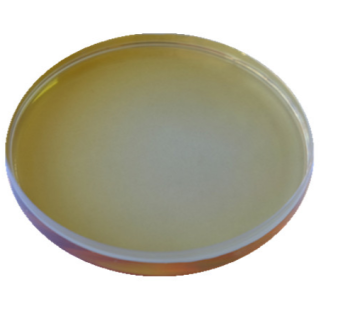
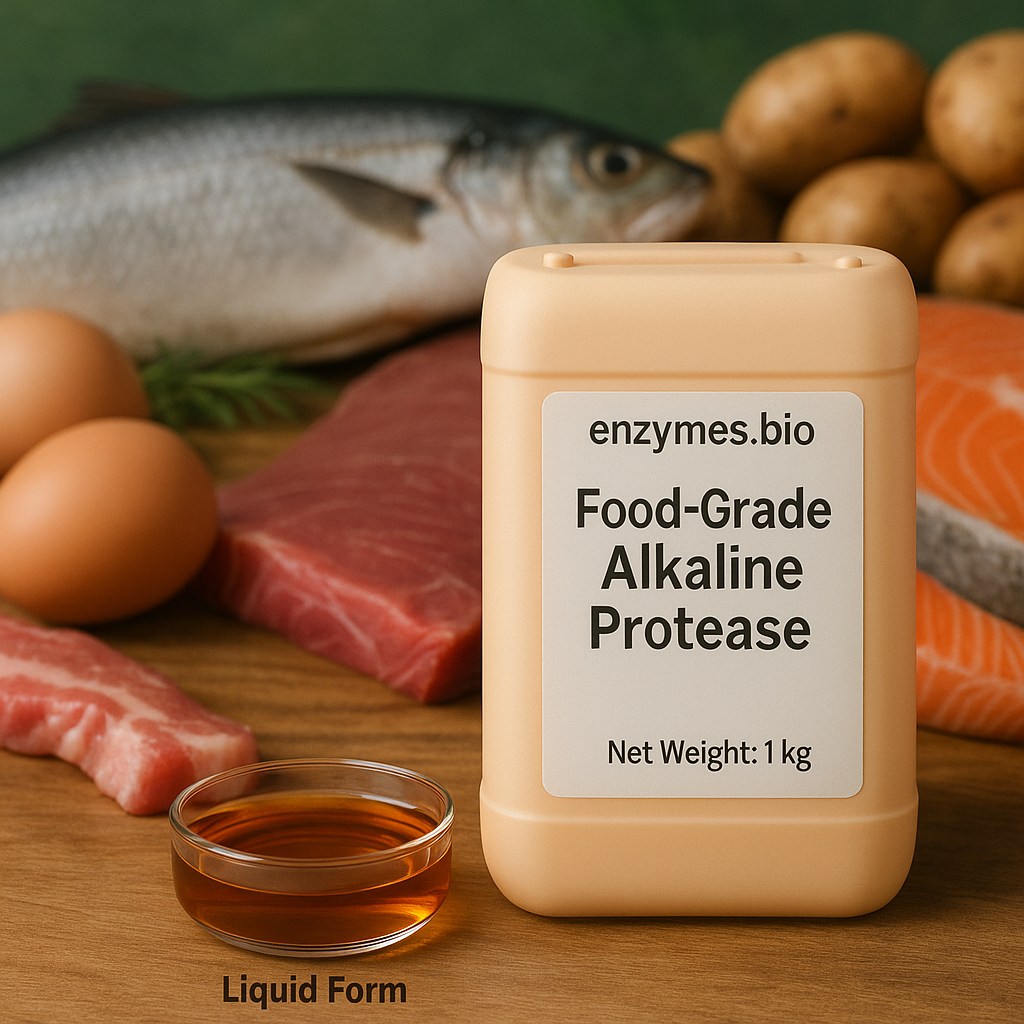
This enzyme effectively cleaves peptide bonds in large protein molecules, breaking them down into smaller peptides and free amino acids. This process enhances product flavor, improves tenderness, increases moisture retention, and significantly boosts the overall bioavailability and functional performance of proteins. It appears as a light yellow to amber liquid with excellent solubility and stability, making it suitable for modern food processing environments.
Mechanism of Action
As a serine protease, alkaline protease contains an active-site serine residue, enabling it to hydrolyze peptide chains with remarkable speed and precision. It shows strong activity toward structural proteins such as muscle proteins, collagen, and elastin. During food processing, it supports:
- Rapid hydrolysis of complex proteins into digestible peptides
- Flavor enhancement by generating amino acids and low-molecular-weight peptides
- Improved texture through tenderization and increased water-binding capacity
- Higher protein extraction yields for further processing
- Breakdown of connective tissues for better overall product quality
Ciri dan Faedah Utama
- High activity for fast and efficient protein hydrolysis
- Enhances tenderness and juiciness in meat and seafood
- Improves overall flavor and reduces undesirable odors
- Wide pH and temperature adaptability for flexible processing
- Suitable for marination, soaking, extraction, hydrolysis, and modification processes
- Ideal for food protein hydrolysate production and value-added ingredient development
Recommended Applications
1. Meat Processing
Widely used in beef, pork, poultry, lamb, and similar products to improve tenderness, accelerate marinade penetration, support protein extraction, and enhance texture. It also helps reduce cooking loss and improves juiciness in cooked foods.
2. Seafood Processing
Suitable for fish, shrimp, shellfish, and surimi production. It enhances gel strength, improves flavor, increases protein solubility, and supports the production of seafood protein hydrolysates for functional food applications.
3. Egg and Dairy Protein Hydrolysis
Helps generate small peptides with improved solubility and flavor properties. Useful for nutritional formulations, flavor enhancers, and functional ingredient development.
4. Plant Protein Modification
Improves solubility and reduces undesirable beany notes in soy, pea, wheat, and other plant-based proteins. Ideal for beverages, meat analog products, and functional peptide
ingredients.
Usage Guidelines
The appropriate dosage depends on substrate type, reaction goals, and processing conditions. Typical usage recommendations include:
- 0.1–10 kg of enzyme per metric ton of raw materials (adjust as needed)
- Optimal temperature: 20–60°C
- Optimal working pH: 8.0–12.0
- Enzyme activity:200,000 U/mL
Process optimization—such as reaction time, agitation, and temperature control—will further enhance hydrolysis performance.
Appearance & Packaging
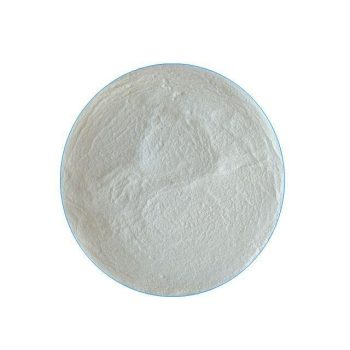
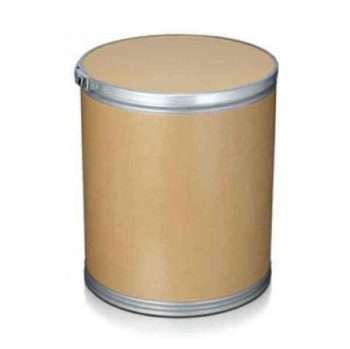
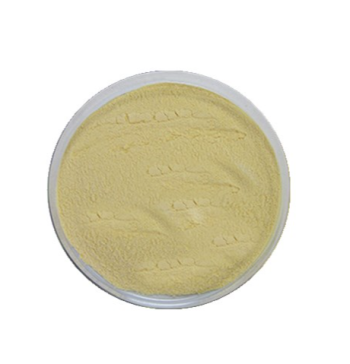
The enzyme is provided as a light yellow to amber liquid. Standard packaging is 1 kg bottle (supplied in an industrial-grade plain bottle). Please note that the product image is for illustration purposes. Actual packaging may differ, supporting both small-scale and large-scale food processing applications as well as product development needs.
Penyimpanan
Store in a cool and dry environment, protected from direct sunlight. Keep the packaging sealed to maintain enzyme stability and activity over its storage period.
Safety & Handling
As with all enzyme preparations, avoid inhaling aerosols and prevent contact with eyes or broken skin. Use protective gloves and eyewear when handling concentrated enzyme solutions.