
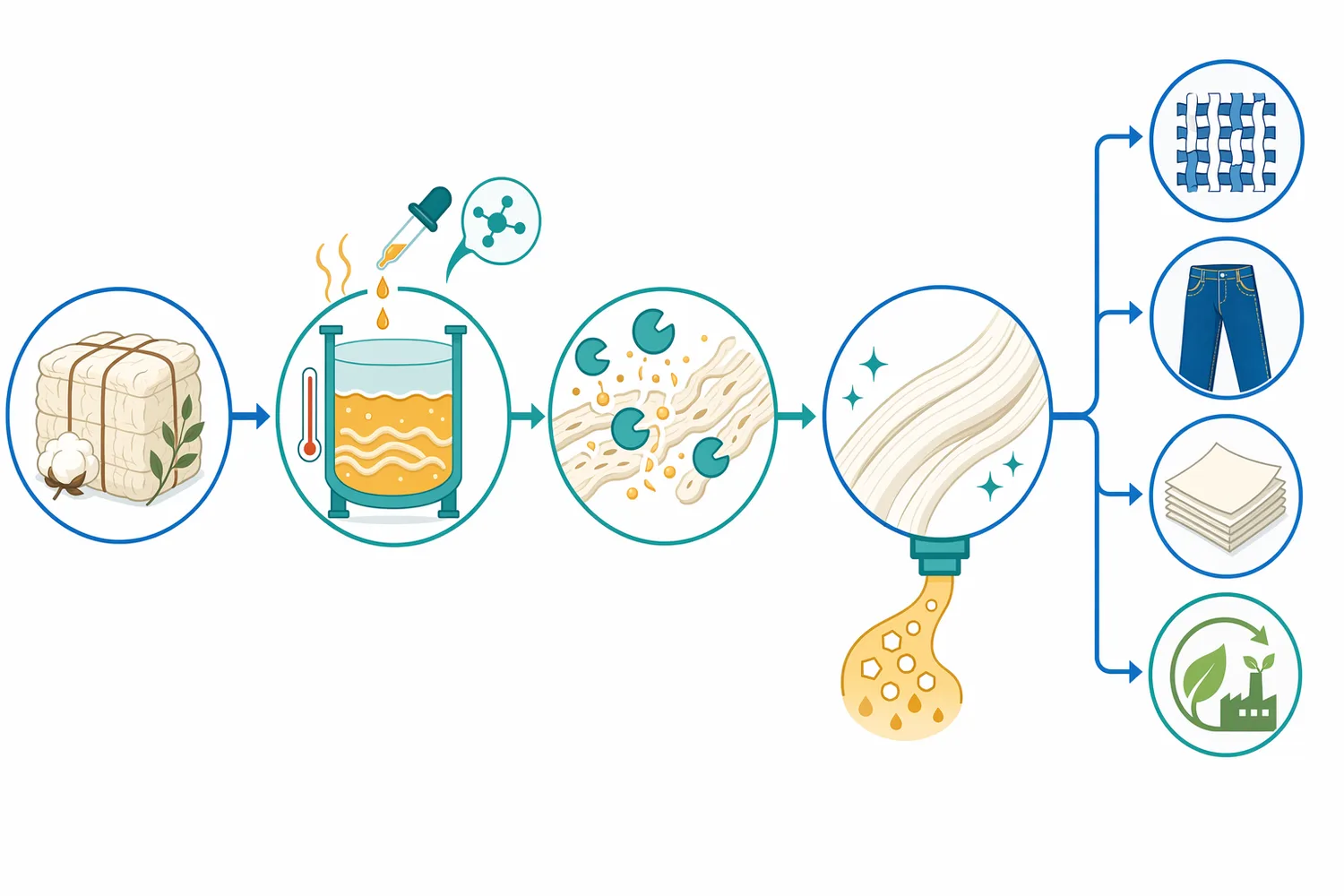
Direct answer: Acid Cellulase Enzyme Liquid for Fiber Hydrolysis is used to break down cellulose-containing fibers under acidic or mildly acidic aqueous conditions. It works by binding to accessible cellulose surfaces and hydrolyzing β-1,4-glucosidic bonds, converting insoluble fiber structure into shorter cellulose fragments, cellooligosaccharides, cellobiose, and glucose depending on process severity and substrate accessibility [1].
For buyers using Enzymes.bio, the practical value is controlled fiber modification: softening, partial depolymerization, improved sugar release, better fermentability, or preparation for downstream processing. Enzymes.bio supplies this product directly online by the 1 kg unit; buyers pay online, and the order is processed and shipped with a Certificate of Analysis and Safety Data Sheet included.
Acid cellulase is a liquid enzyme preparation intended for processes where plant-derived or cellulose-rich fibers need enzymatic breakdown in an acidic or mildly acidic environment. “Fiber hydrolysis” does not always mean complete conversion into glucose; in many real processes, the desired outcome is partial hydrolysis—loosening the fiber surface, reducing structural resistance, increasing soluble carbohydrate release, or making a biomass stream more responsive to fermentation, extraction, fibrillation, or further treatment [1].
Cellulose is difficult to process because it is not simply a soluble polymer floating in water. It is packed into microfibrils, held together by hydrogen bonding, and embedded in a surrounding matrix that may include hemicellulose, lignin, pectin, waxes, proteins, ash, and other plant components. Cellulase must work at the solid–liquid interface: the enzyme contacts an accessible region of cellulose, binds to it, catalyzes hydrolysis, and then continues acting on exposed chain segments as the surface changes [2].
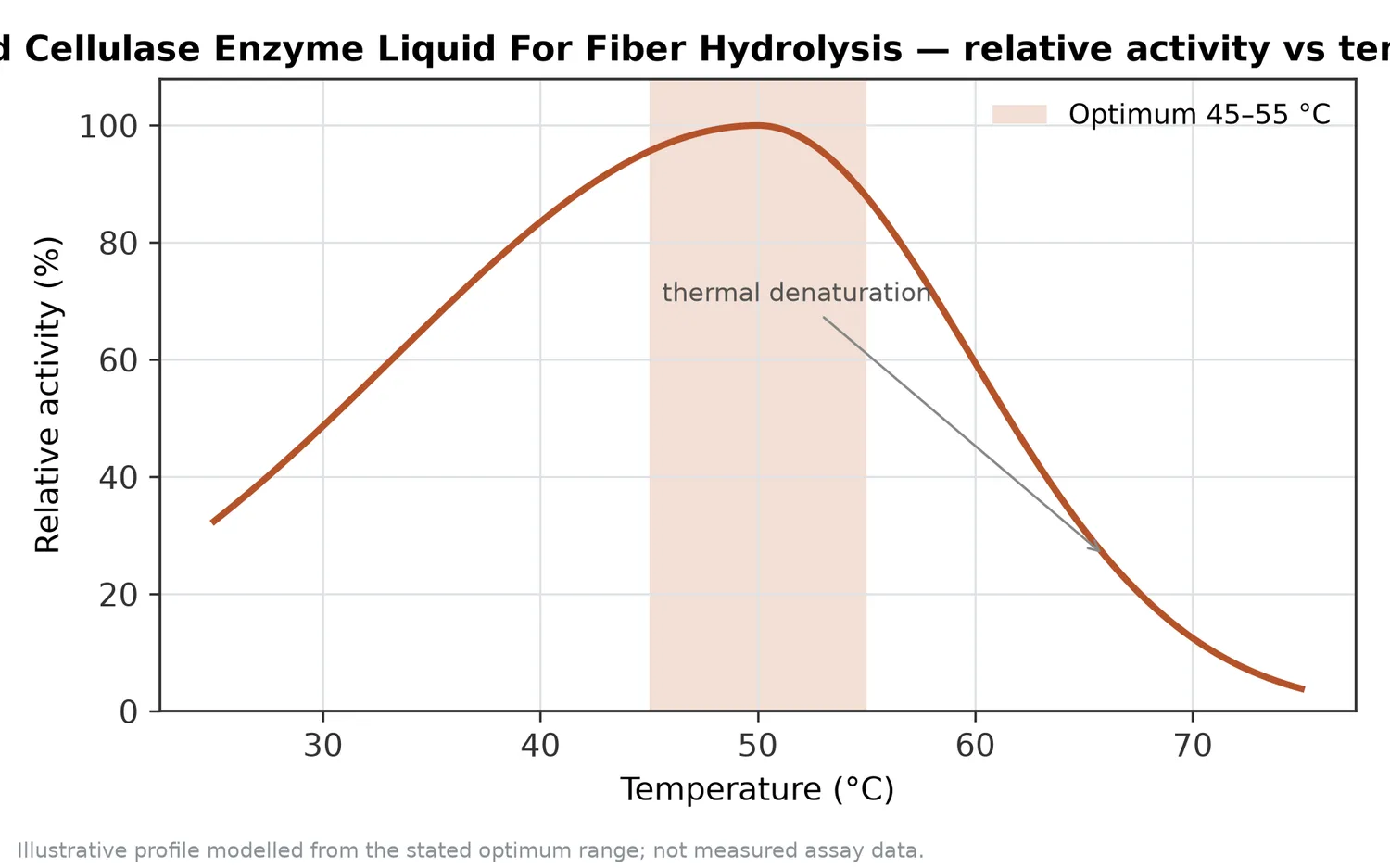
The “acid” designation is important because many industrial cellulase systems, especially fungal cellulase systems, are used in mildly acidic hydrolysis environments. Literature on cellulase technology commonly discusses cellulose hydrolysis under acidic conditions, with benchmark laboratory conditions often around pH 4.8 and 45–50 °C, although actual performance depends on the enzyme preparation, substrate type, solids level, contact time, and process design [1].
At the molecular level, cellulose is a chain of glucose units joined mainly through β-1,4-glucosidic bonds. Acid cellulase catalyzes hydrolysis of those bonds by positioning water and the cellulose chain in the enzyme active site so that the glycosidic linkage is cleaved more readily than it would be under the same mild conditions without enzyme [1].
The physical effect begins where cellulose is accessible. Less ordered, amorphous regions are generally more vulnerable than tightly crystalline regions because enzyme proteins can more easily contact and orient the chain. As bonds are cleaved, long cellulose chains become shorter chains; exposed chain ends increase; small soluble fragments may diffuse away from the fiber surface; and the fiber may lose stiffness, surface integrity, or resistance to downstream processing [3].
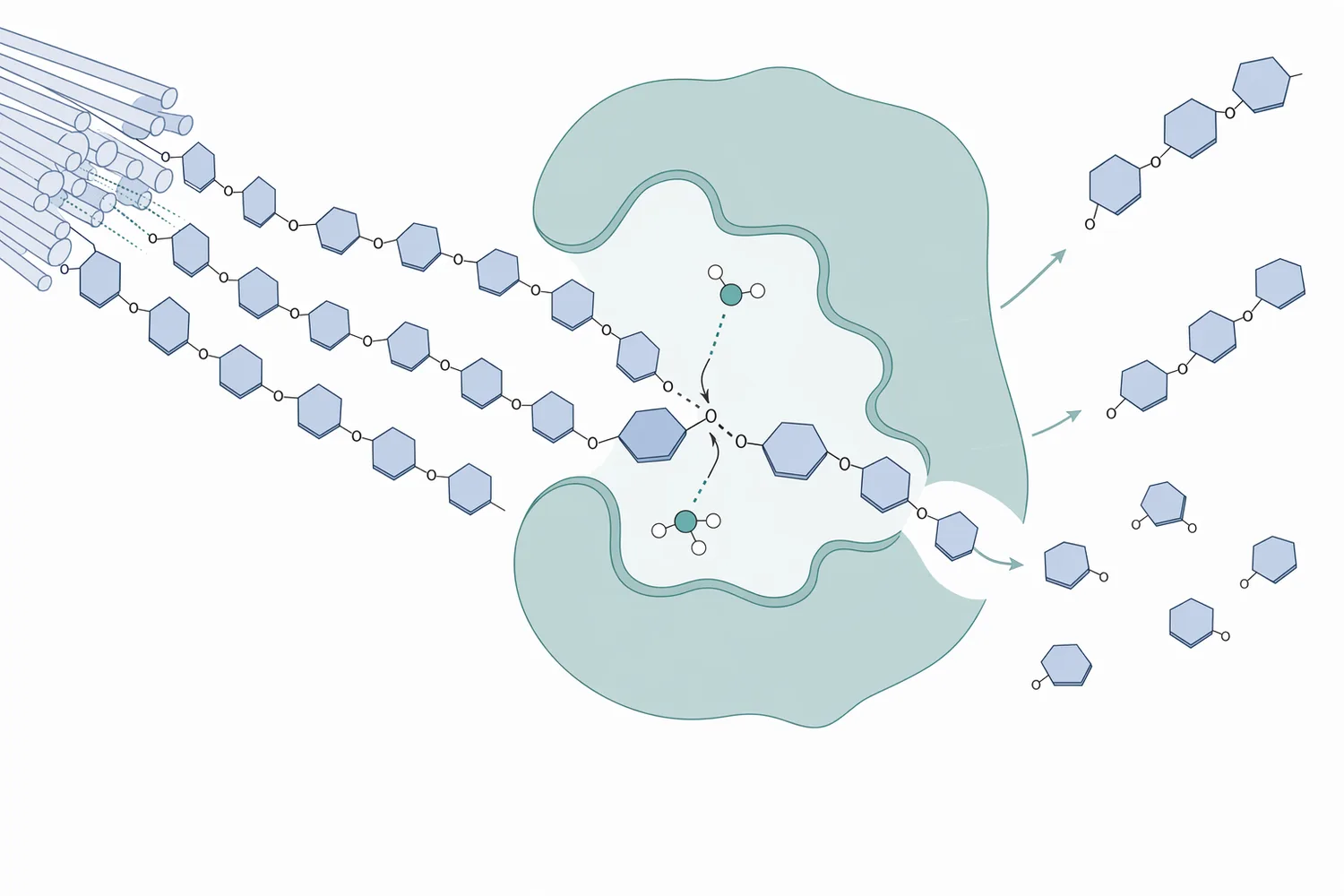
In practical terms, the enzyme does three things at once. It opens internal points in cellulose chains, it trims accessible chain ends, and it helps generate soluble sugar fractions as hydrolysis proceeds. Industrial cellulase systems are often understood as a coordinated set of functions rather than a single chemical action: endoglucanase-type activity creates new breaks inside cellulose chains, exoglucanase or cellobiohydrolase-type activity releases short units from chain ends, and β-glucosidase-type activity can convert cellobiose and short oligosaccharides into glucose [1].
Because cellulose is insoluble, mixing and wetting matter for a simple reason: the enzyme cannot hydrolyze a surface it cannot reach. A fiber bundle that is poorly hydrated, shielded by lignin, or physically inaccessible may show limited hydrolysis even if the enzyme itself is active. This is why studies on oil palm trunk, sugarcane bagasse, sugar beet pulp, corn stover, and other residues often pair cellulase with pretreatment, fed-batch operation, xylan extraction, or mixed enzyme systems to improve access to cellulose [4].
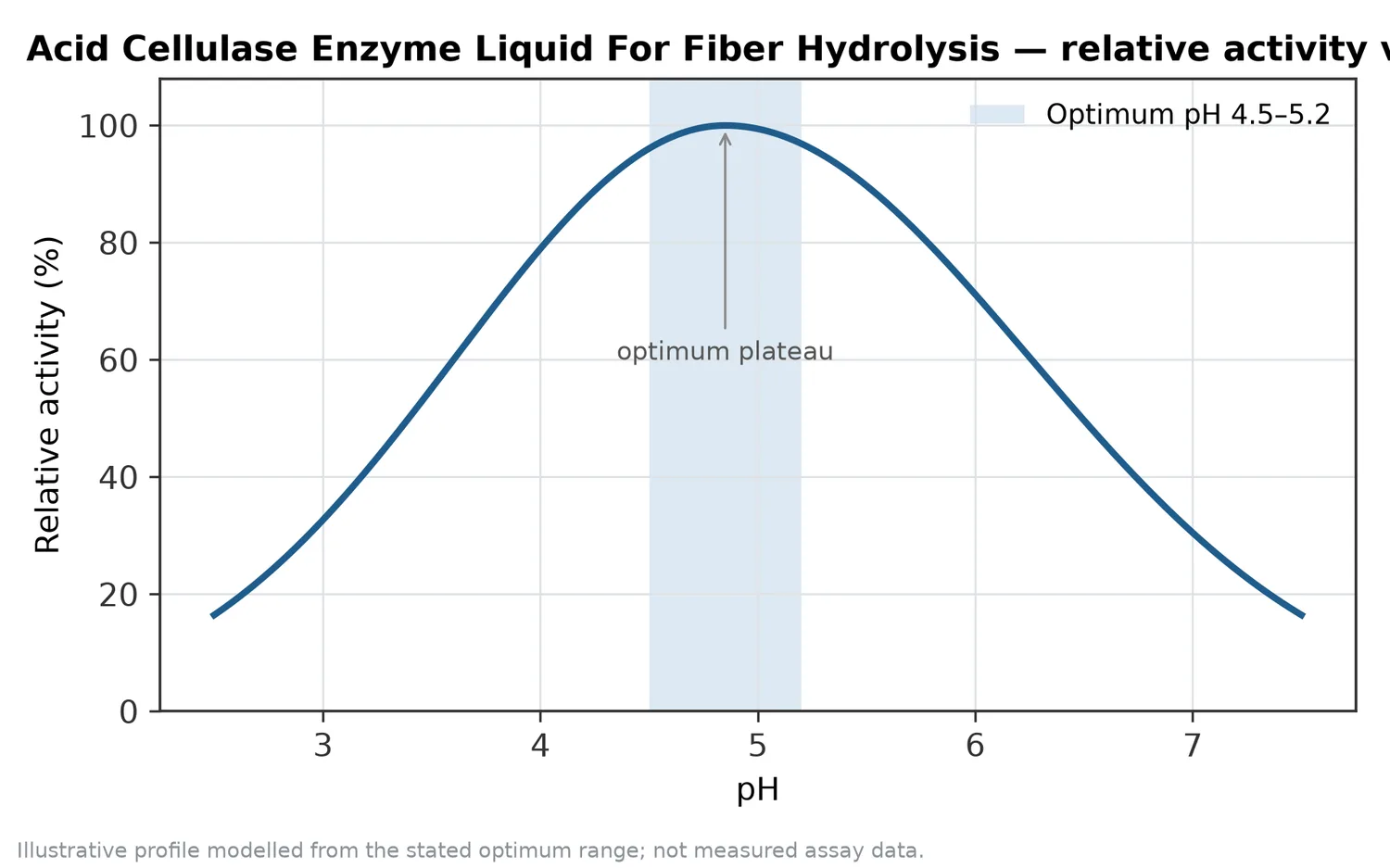
Different cellulase products are used in different pH environments. The distinction is not a marketing label; pH affects enzyme charge, active-site geometry, substrate binding, protein stability, and compatibility with the rest of the process. Acid cellulase is relevant when the surrounding process is already acidic or when mildly acidic hydrolysis is preferred for compatibility with the substrate or downstream steps [1].
| Cellulase type | Typical processing context | What changes on the fiber | Common fit |
|---|---|---|---|
| Acid cellulase | Mildly acidic aqueous systems; commonly discussed around acidic hydrolysis conditions such as pH near 4.8 in benchmark cellulase work | Hydrolyzes accessible cellulose, especially less ordered regions; can release soluble sugars and weaken fiber structure | Biomass hydrolysis, plant fiber modification, acidic fermentation-linked workflows |
| Neutral cellulase | Near-neutral processing where strong acidity or alkalinity is undesirable | Provides controlled surface or partial cellulose modification without shifting the system far from neutral | Textile finishing, some pulp/fiber modification processes |
| Alkaline cellulase | Alkaline washing, detergent, or alkaline textile conditions | Acts where cellulose surfaces are exposed in high-pH environments; often used for surface cleaning or modification rather than full saccharification | Detergent, textile, and alkaline fiber-processing systems |
This comparison is conceptual, not a product specification. The key takeaway is that acid cellulase is chosen for processes where cellulose hydrolysis is intended to occur in an acidic or mildly acidic liquid phase, while neutral and alkaline cellulases are used where those pH environments better match the surrounding process [1].
Plant fibers are naturally engineered to resist degradation. Cellulose provides tensile strength, hemicellulose connects and coats cellulose structures, and lignin acts as a rigid aromatic barrier that protects the carbohydrate fraction from enzymes and microbes. In agro-industrial residues such as sugarcane bagasse, oil palm residues, corn stover, and woody plant material, this composite structure is the main reason cellulase performance depends so strongly on accessibility [2].
Lignin is especially important because it can reduce effective cellulase action in two ways. First, it blocks physical access to cellulose. Second, it can bind enzyme protein non-productively, meaning the enzyme attaches to lignin rather than cellulose and therefore contributes little to glycosidic bond cleavage. Research on lignocellulosic degradation repeatedly treats lignin management and enzyme accessibility as central constraints in cellulose conversion [5].
Hemicellulose also affects the process. It can wrap around cellulose microfibrils and reduce enzyme contact, but it can also become a useful target when cellulase is combined with xylanase, pectinase, or other accessory enzymes. For example, sugarcane bagasse fibers after xylan extraction have been studied under cellulase-catalyzed high-solid hydrolysis, illustrating how removal or transformation of non-cellulosic fractions can change the response of the cellulose-rich material [2].
Crystallinity is another limiting factor. Highly ordered cellulose regions resist enzyme penetration because the chains are tightly packed and stabilized by hydrogen bonding. Enzymatic hydrolysis often progresses faster in amorphous regions, which means cellulase may first roughen, pit, open, or weaken the fiber surface before extensive conversion occurs. This is one reason partial hydrolysis and surface modification are realistic outcomes even when complete saccharification is not the goal [3].
Cellulase is widely studied for converting lignocellulosic biomass into soluble carbohydrates and fermentable sugars. In work on combined pretreated oil palm trunk, cellulase addition and pre-hydrolysis were examined in a high-solid fed-batch simultaneous saccharification and ethanol fermentation setting, showing how cellulase can be integrated into dense biomass processes rather than only dilute laboratory systems [4].
Sugar beet pulp has also been investigated using novel enzyme complexes for efficient hydrolysis. That application is relevant because sugar beet pulp contains cellulose together with other plant cell wall polysaccharides; hydrolysis therefore depends not only on cellulose cleavage but also on how effectively the enzyme system opens the broader matrix around the cellulose fraction [6].
Sugarcane bagasse illustrates another practical route. After xylan extraction, bagasse fibers have been studied under high-solid cellulase-catalyzed hydrolysis, linking fiber composition, hemicellulose removal, and cellulase performance. For process users, the lesson is concrete: when hemicellulose is reduced or reorganized, cellulose can become more accessible, and the same enzyme chemistry may produce a different hydrolysis profile [2].
Oil palm empty fruit bunch fibers have been processed toward nanocrystalline cellulose using white-rot fungi and cellulase from Trichoderma reesei. This type of work demonstrates a different endpoint from sugar production: cellulase can help remove or hydrolyze accessible cellulose regions while leaving more resistant crystalline domains enriched for nanocellulose-related applications [7].
Agro-industrial discards are also studied as feedstocks for producing cellulase itself, which reflects the broader circular-bioeconomy relevance of cellulase technology. While that does not change how a liquid acid cellulase product functions in use, it reinforces the industrial importance of cellulase in valorizing low-value plant residues and converting cellulosic waste streams into more useful materials [8].
Cotton is a useful model for understanding cellulase because it is highly cellulose-rich. A 2024 study on cellulase produced by Bacillus cereus DU-1 examined effects on cotton fiber, aligning with the known role of cellulase in changing cellulosic textile surfaces. In such applications, the desired result is often not full hydrolysis but controlled surface action: reducing fuzz, modifying hand feel, exposing fibrils, or changing surface morphology [3].
Natural fibers beyond cotton also respond to enzymatic treatment. Work on Sambucus ebulus plant fiber compared enzymatic and alkali treatments and investigated resulting physico-chemical properties, showing that enzyme-based fiber modification can be part of a broader toolkit for changing fiber surface chemistry and structure [9].
Pineapple plant fiber has been studied in an enzyme-enhanced selective physicochemical transformation route for green textiles. This is relevant to acid cellulase because many textile and agro-fiber processes seek selectivity: enough hydrolysis to improve softness, cleanliness, fibrillation, or downstream bonding, but not so much that fiber strength is unnecessarily lost [10].
Composite materials provide another view of the same mechanism. Enset fiber-reinforced polylactic acid composites have been investigated after different surface treatments, emphasizing how surface chemistry and fiber structure affect compatibility between plant fibers and polymer matrices. Cellulase-related surface modification can contribute to this general objective by changing the accessible carbohydrate surface, though the final composite performance depends on the entire treatment sequence [11].
In feed and silage systems, cellulase is used for a different practical reason: plant fiber can restrict nutrient availability and limit fermentation efficiency. By hydrolyzing cellulose and opening the plant cell wall, cellulase can increase the pool of soluble carbohydrates available to fermenting microorganisms or digestive systems, depending on the application [12].
Cellulase–lactic acid bacteria synergy has been studied in woody plant silage. The mechanism is straightforward: cellulase helps release fermentable sugars from structural carbohydrates, while lactic acid bacteria convert available sugars into organic acids that drive silage fermentation. When both actions are aligned, the enzyme can support the microbial fermentation pathway rather than acting as an isolated additive [12].
Whole-plant corn silage has been studied with cellulase in combination with a Bacillus inoculant, and separate work has investigated antibacterial peptide-producing Bacillus subtilis, gallic acid, and cellulase in corn silage. These examples show that cellulase is often part of a biological system: fiber hydrolysis changes the available carbon pool, and the microbial community determines how that carbon is converted during storage or fermentation [13].
Wet brewer’s grains and corn stover mixed silage have also been examined with cellulase and lactic acid bacteria supplementation. This matters because mixed residues contain different fiber structures, moisture contents, and nutrient profiles; cellulase can help expose carbohydrate fractions, but the fermentation result depends on the balance between enzyme action, microbial growth, substrate buffering, and available sugars [14].
Animal feed studies further illustrate the role of cellulase in high-fiber materials. Research on agro-industrial waste-based complementary feed in PE goats evaluated eco-enzyme application with nutrient intake, fiber composition, and digestibility, while work in Siamese catfish examined cellulase enzyme application in feed and growth. These studies point to a common principle: fiber-modifying enzymes may improve access to nutrients, but the biological response is species-, diet-, and formulation-dependent [15].
Cellulase can also modify dietary fiber fractions by changing insoluble fiber structure and increasing soluble fiber components. Steam explosion followed by cellulase modification has been used to improve soluble dietary fiber from Dictyophora indusiata by-products, with structural and functional analysis used to evaluate the resulting fiber changes [16].
The mechanism in this context is not simply “more sugar.” Partial cellulase hydrolysis can shorten cellulose chains, open porous structures, alter water-holding behavior, and change how fiber interacts with other molecules. In mushroom by-products and similar substrates, the result may be a modified fiber fraction with different solubility, swelling, binding, or adsorption behavior rather than a complete conversion into glucose [16].
Dietary fiber from Flammulina velutipes has also been studied after modification, including effects on structure, physicochemical properties, and lead ion adsorption behavior. This kind of work shows why controlled hydrolysis can be valuable even when the target is a functional fiber material: enzymatic modification changes surface area, exposed functional groups, and polymer architecture [17].
Fruit and plant by-product reviews consistently identify industrial opportunities for converting fiber-rich residues into nutritional, functional, or value-added ingredients. Cellulase is relevant in those workflows because plant by-products frequently contain cellulose-rich cell wall material that must be opened, softened, or partially hydrolyzed before other fractions can be extracted or used effectively [18].
Nanocellulose production often relies on selectively removing amorphous or accessible cellulose while preserving more ordered crystalline domains. Cellulase can support this by attacking regions that are easier to hydrolyze, thereby helping separate or enrich nanoscale cellulose structures when combined with mechanical, fungal, chemical, or physical treatments [7].
Oil palm empty fruit bunch processing into nanocrystalline cellulose using white-rot fungi and cellulase is one example of enzyme-assisted conversion of an agricultural residue into a higher-value cellulose material. The fungal step can modify lignin-rich structure, while cellulase contributes targeted carbohydrate hydrolysis; together, they help transform a bulky fibrous residue into a refined cellulose fraction [7].
Cellulase immobilization on nanostructured carriers is another emerging area. Immobilization research is not the same as using a standard liquid product in a process, but it highlights a broader engineering goal: improving enzyme handling, reusability, stability, or contact with insoluble cellulose substrates by controlling where and how the enzyme is presented [19].
Advanced biomaterial workflows demonstrate the same core principle seen in simpler hydrolysis: cellulase acts only where it can physically access suitable cellulose bonds. Whether the endpoint is soluble sugar, softened fiber, fermentable biomass, or nanocellulose, the transformation depends on surface exposure, diffusion, moisture, contact time, and the surrounding non-cellulosic matrix [1].
Acid cellulase generally fits aqueous processing. Water hydrates the fiber, allows enzyme diffusion, supports the catalytic hydrolysis reaction, and carries soluble hydrolysis products away from the surface. If the fiber remains dry inside, compacted, waxy, or poorly wetted, much of the cellulose may remain inaccessible even though the enzyme is present in the liquid phase [2].
pH affects both the enzyme and the fiber environment. In mildly acidic conditions, acid cellulase can maintain the active-site ionization pattern needed for cellulose bond cleavage. If the process shifts too far outside the enzyme’s workable pH environment, protein structure and substrate binding can be affected, which changes hydrolysis rate and consistency [1].
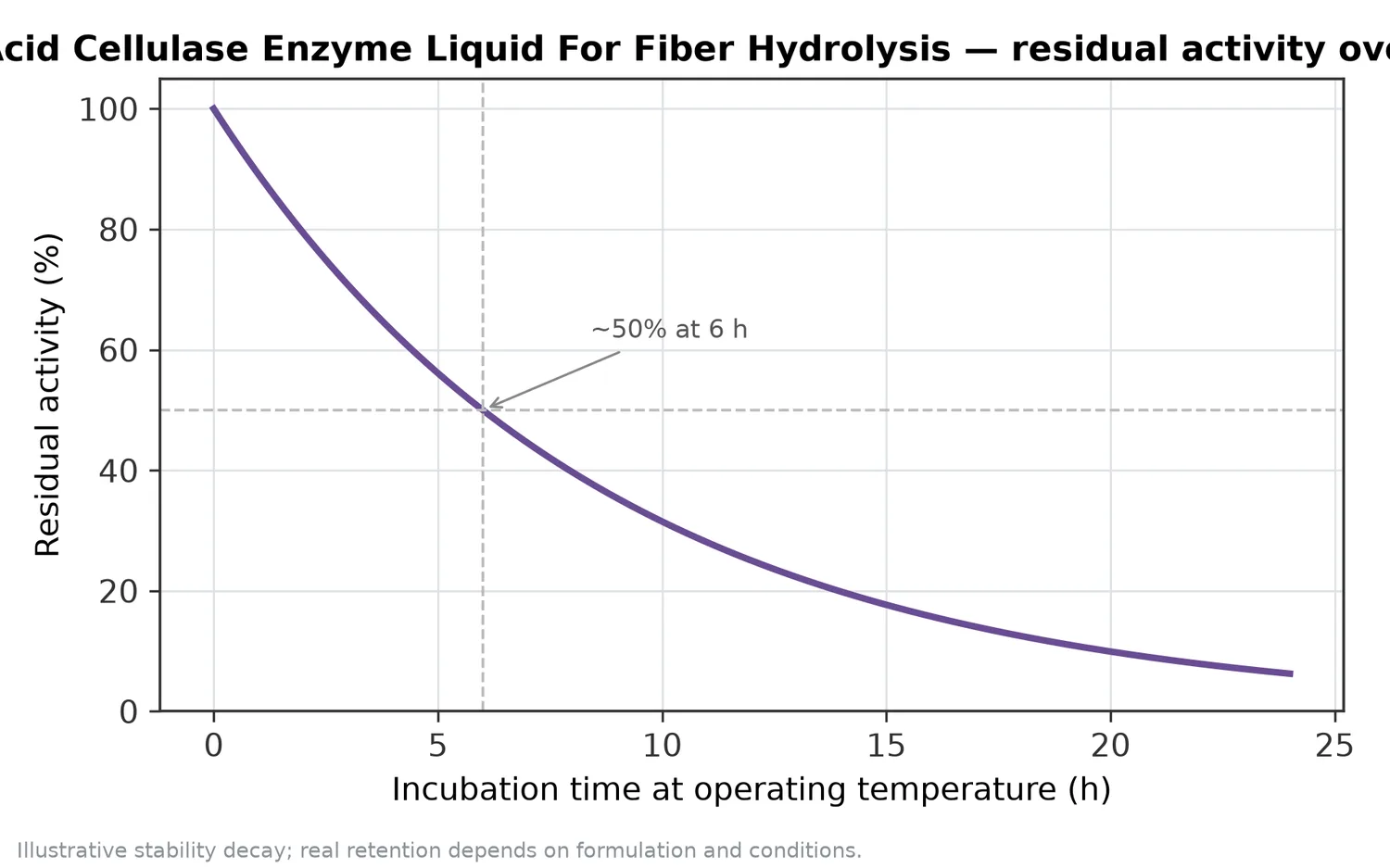
Temperature influences reaction speed and enzyme stability. Moderate heating can increase molecular motion, improve diffusion, and accelerate hydrolysis, but excessive heat can unfold the enzyme protein and reduce function. This is why cellulase studies commonly discuss controlled moderate temperatures rather than harsh acid-hydrolysis conditions, with benchmark cellulase hydrolysis often reported around 45–50 °C in acidic media [1].
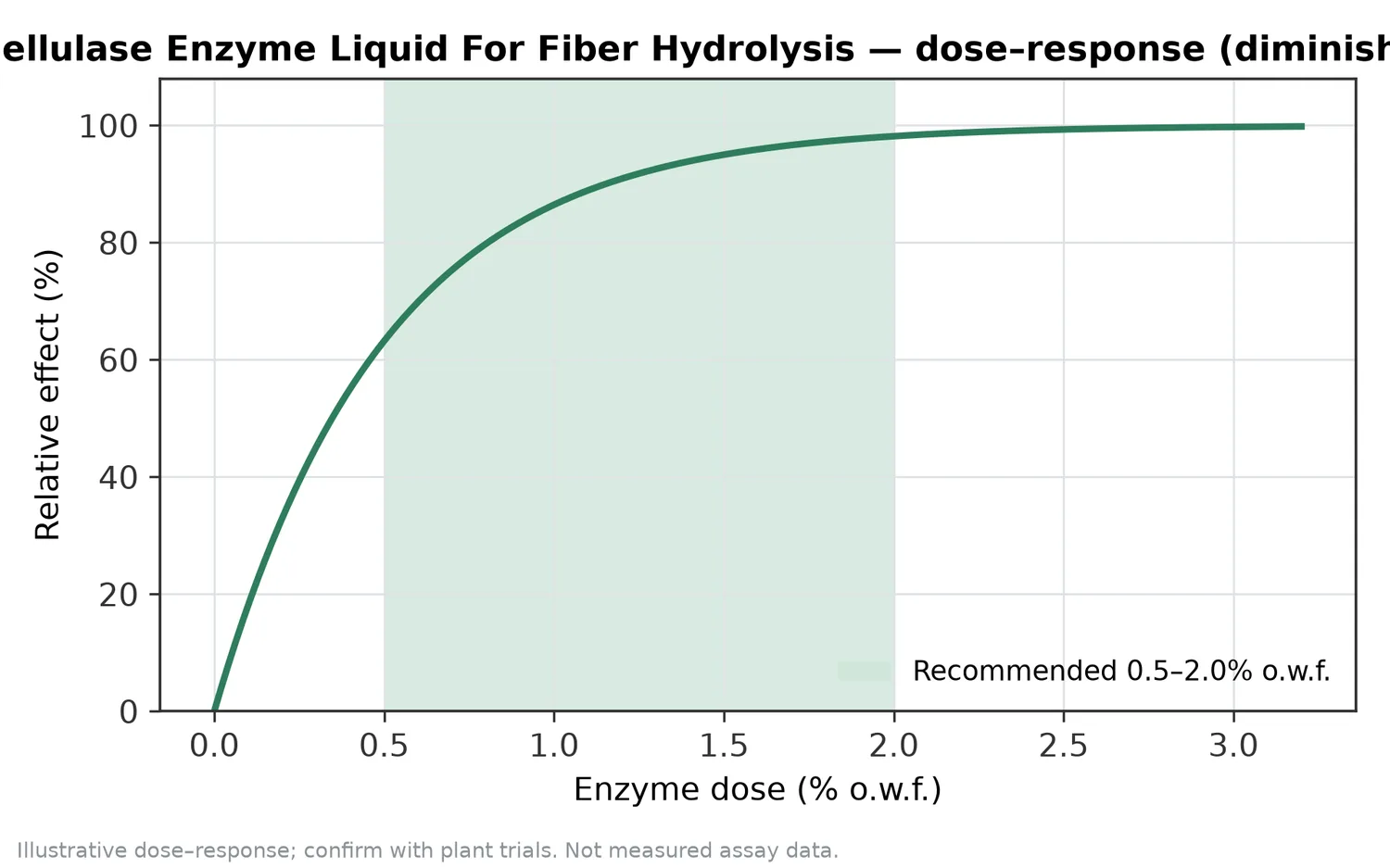
Contact time determines how far hydrolysis proceeds. Early-stage treatment may mainly roughen or soften the fiber surface, while longer exposure can release more soluble sugars if the substrate remains accessible and the enzyme remains active. In high-solid fed-batch processes, such as those studied for pretreated oil palm trunk, the timing of cellulase addition and pre-hydrolysis becomes part of the process architecture rather than a minor detail [4].
Solids level also changes performance. At high solids, there is less free water per unit of fiber, mixing becomes harder, viscosity may rise, and enzymes must compete for limited accessible surface. However, high-solids operation can be attractive because it produces more concentrated hydrolysates and can reduce downstream water removal. Studies on high-solid hydrolysis of sugarcane bagasse and oil palm trunk show why cellulase use must be understood in relation to the physical handling of the biomass [2].
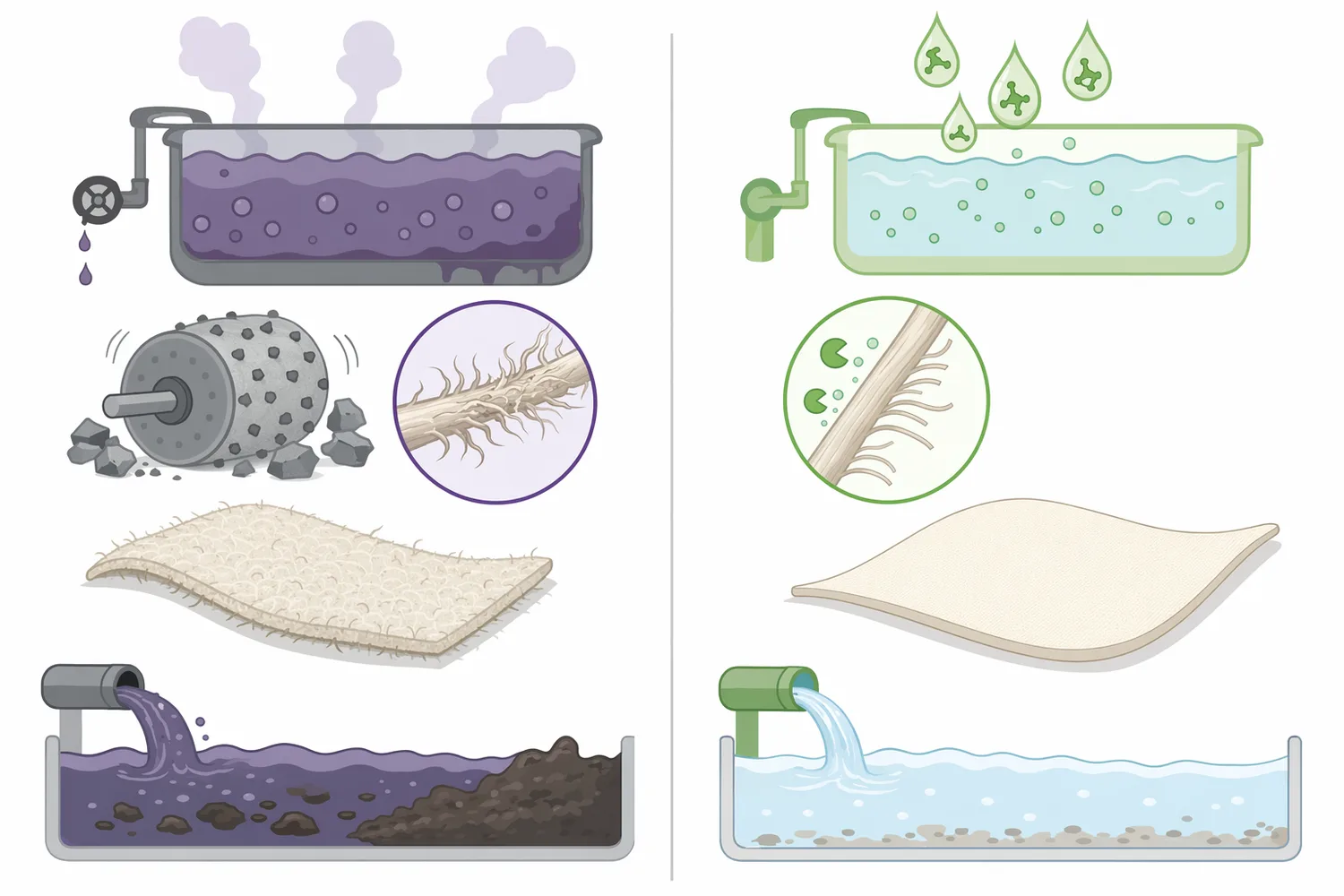
The main advantage of enzymatic hydrolysis is selectivity under relatively mild conditions. Acid cellulase targets cellulose bonds rather than indiscriminately attacking all components through severe acid or alkali chemistry. This can reduce unwanted degradation, avoid some corrosion-related concerns associated with strong chemical hydrolysis, and support integration with biological downstream steps such as fermentation [1].
The tradeoff is speed and accessibility. Chemical hydrolysis can be aggressive because it uses severity—strong acid, high temperature, or extended exposure—to force bond cleavage. Enzymes instead rely on contact between a protein catalyst and a suitable substrate site. If cellulose is protected by lignin, hemicellulose, crystallinity, or poor wetting, cellulase may need more time or a process environment that improves surface exposure [5].
For many fiber hydrolysis applications, the question is not whether enzymes are universally “better” than chemicals. The better framing is what kind of transformation is required. If the goal is controlled modification, sugar release under mild conditions, compatibility with fermentation, or greener processing of plant residues, acid cellulase can offer a practical route. If the goal is immediate complete breakdown of a highly resistant lignocellulosic material without pretreatment, expectations should be more conservative [1].
The most established outcome is hydrolysis of accessible cellulose into shorter carbohydrate fragments and soluble sugars. This is the biochemical foundation behind biomass saccharification, silage enhancement, dietary fiber modification, textile surface treatment, and nanocellulose preparation [1].
A second realistic outcome is physical change in the fiber. Fibers may become softer, more open, more porous, easier to fibrillate, or more responsive to downstream extraction and fermentation. Studies on cotton fiber, natural plant fibers, pineapple textile fibers, and modified dietary fibers all point to the same practical observation: cellulase changes the surface and structure of cellulosic materials, not only the sugar concentration of the liquid phase [10].
A third outcome is process synergy. Cellulase can work alongside lactic acid bacteria in silage, with pretreatment in biomass hydrolysis, with fungal treatment in nanocellulose preparation, or with steam explosion in dietary fiber modification. In these cases, the enzyme’s role is to expose or convert cellulose so another biological, physical, or chemical step can proceed more effectively [12].
The key limitation is substrate dependence. A clean cotton fiber, a pretreated oil palm trunk slurry, a lignin-rich corn stover mix, and a mushroom by-product fiber do not present the same surface to the enzyme. The same acid cellulase chemistry can therefore produce different rates, soluble sugar profiles, and physical outcomes depending on the material being processed [14].
Enzymes.bio supplies Acid Cellulase Enzyme Liquid for Fiber Hydrolysis directly online in 1 kg units. Buyers can place the order online, complete payment, and the order is then processed and shipped.
A Certificate of Analysis and Safety Data Sheet come with the order. These documents support responsible handling and confirm the supplied product information without requiring a separate technical enquiry before purchase.
For users working with cellulose-rich fibers, the product is best understood as an enzyme tool for controlled hydrolysis in acidic or mildly acidic aqueous processing. Its value comes from the well-established cellulase mechanism—surface binding, β-1,4-bond cleavage, chain shortening, and soluble carbohydrate release—applied to real fibers whose accessibility is shaped by lignin, hemicellulose, crystallinity, moisture, mixing, temperature, pH, and contact time [1].
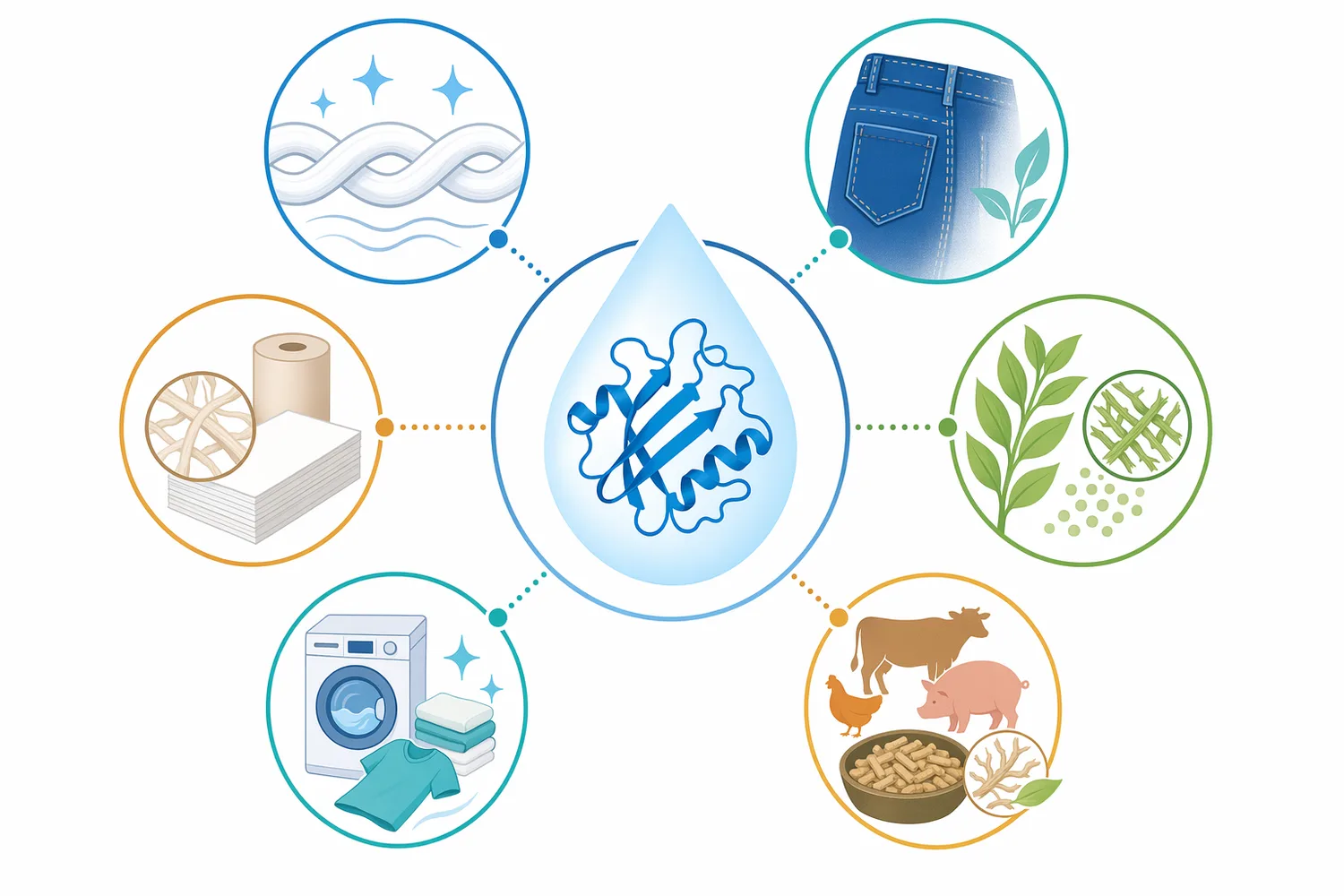
Acid Cellulase Enzyme Liquid for Fiber Hydrolysis is relevant wherever cellulose-containing fibers need mild enzymatic breakdown rather than harsh chemical attack. It can support biomass conversion, paper and pulp fiber hydrolysis, cotton and natural-fiber modification, silage and feed-related fiber processing, dietary fiber modification, and nanocellulose-oriented workflows when the substrate and process environment allow enzyme access [7].
The science is strongest for the core mechanism: cellulase hydrolyzes accessible cellulose by cleaving β-1,4-glucosidic bonds and works through coordinated surface action on insoluble fiber. Application results vary because real fibers are composite materials, but the same mechanism explains why acid cellulase is useful across plant residues, textile fibers, feed materials, and advanced cellulose processing [1].
Sold by the 1 kg unit, in stock and ready to ship. Order directly on our store — pay online and we process your order. A Certificate of Analysis and Safety Data Sheet are included with every order.
Buy Acid Cellulase Enzyme Liquid For Fiber Hydrolysis →Numbered in order of first citation. Open-access sources, each verified reachable at publication; citation numbers in the text link here.