
Acid protease is used on tobacco leaves to hydrolyze leaf proteins into smaller peptides and amino acids under acidic, moisture-containing processing conditions. In tobacco conditioning or fermentation, this controlled protein breakdown can help reduce the burden of large nitrogen-containing macromolecules and support more even biochemical change, while the final sensory result still depends on the full leaf, curing, fermentation, and storage system. Enzymes.bio supplies this acid protease product directly online by the 1 kg unit, with online payment, order processing, shipping, and the accompanying Certificate of Analysis and Safety Data Sheet included with the order .
Acid protease is a proteolytic enzyme intended to break peptide bonds in proteins when the processing environment is acidic enough for the enzyme to remain active. Tobacco leaves contain proteins as part of the plant cell structure and metabolism; after harvest, curing, conditioning, fermentation, and aging gradually alter these proteins along with carbohydrates, pectins, lipids, polyphenols, alkaloids, organic acids, and aroma precursors. A protease-based tobacco-processing approach is not intended to “strip” the leaf of all protein, but to encourage controlled hydrolysis of a specific macromolecular fraction that can otherwise contribute to uneven aging, harshness potential, or slower transformation.
The practical reason for using acid protease is simple: large proteins are less mobile and less chemically accessible than peptides and amino acids. When acid protease contacts hydrated protein on or within the tobacco-leaf matrix, it cuts selected peptide bonds and converts some of the original high-molecular-weight protein into shorter fragments. A Chinese patent specifically describes an enzyme preparation using protease as an assistant for tobacco processing, which supports the industrial relevance of protease-assisted biochemical treatment in this application area [1].
For customers buying from Enzymes.bio, the product is supplied as an online-order enzyme material for customers who already have a tobacco-processing workflow in place. The buyer selects the 1 kg product online, pays online, and the order is then processed and shipped. The role of this article is to explain the science and application logic behind acid protease use on tobacco leaves, not to replace in-process validation or finished-tobacco quality control.
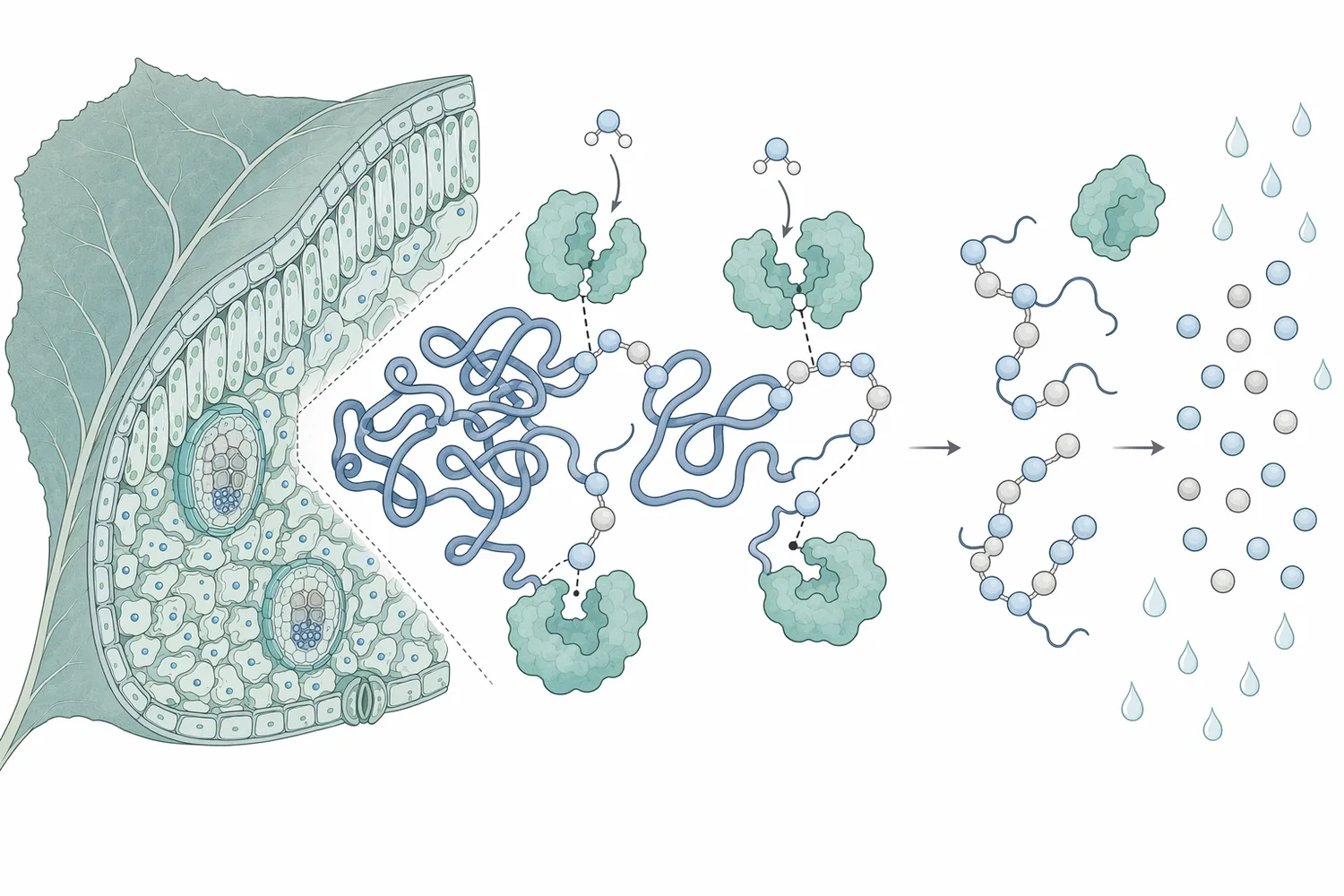
A tobacco-leaf protein is a folded chain of amino acids connected by peptide bonds. In intact form, the protein may be embedded in plant cell material, associated with membranes or structural components, or partially denatured by curing and heat history. Acid protease acts by binding accessible protein regions and catalyzing cleavage at susceptible peptide bonds, producing shorter peptide chains and, through progressive hydrolysis, smaller nitrogen-containing compounds.
That physical and chemical change matters. A high-molecular-weight protein behaves differently from a small peptide: it hydrates differently, diffuses differently, and exposes different reactive end groups. Once a large protein is cut into fragments, the resulting peptides present more chain ends and more accessible side groups to the surrounding tobacco matrix. In a fermentation or aging environment, those fragments can be more available to endogenous leaf enzymes, microbial enzymes, oxidation reactions, and other slow transformations that shape the chemical profile of processed tobacco.
The mechanism is specific enough to be useful but not so narrow that every protein is cut at the same speed. Enzyme action depends on substrate accessibility: a protein exposed on a damaged leaf surface, hydrated during conditioning, or loosened by prior curing may be more available than protein trapped inside dense, dry, or poorly wetted tissue. Research on protease-mediated degradation of highly structured proteins such as keratin illustrates the broader point that protein breakdown requires both catalytic peptide-bond cleavage and access to the substrate structure; enzymes do not act on inaccessible bonds simply because protein is present [2].
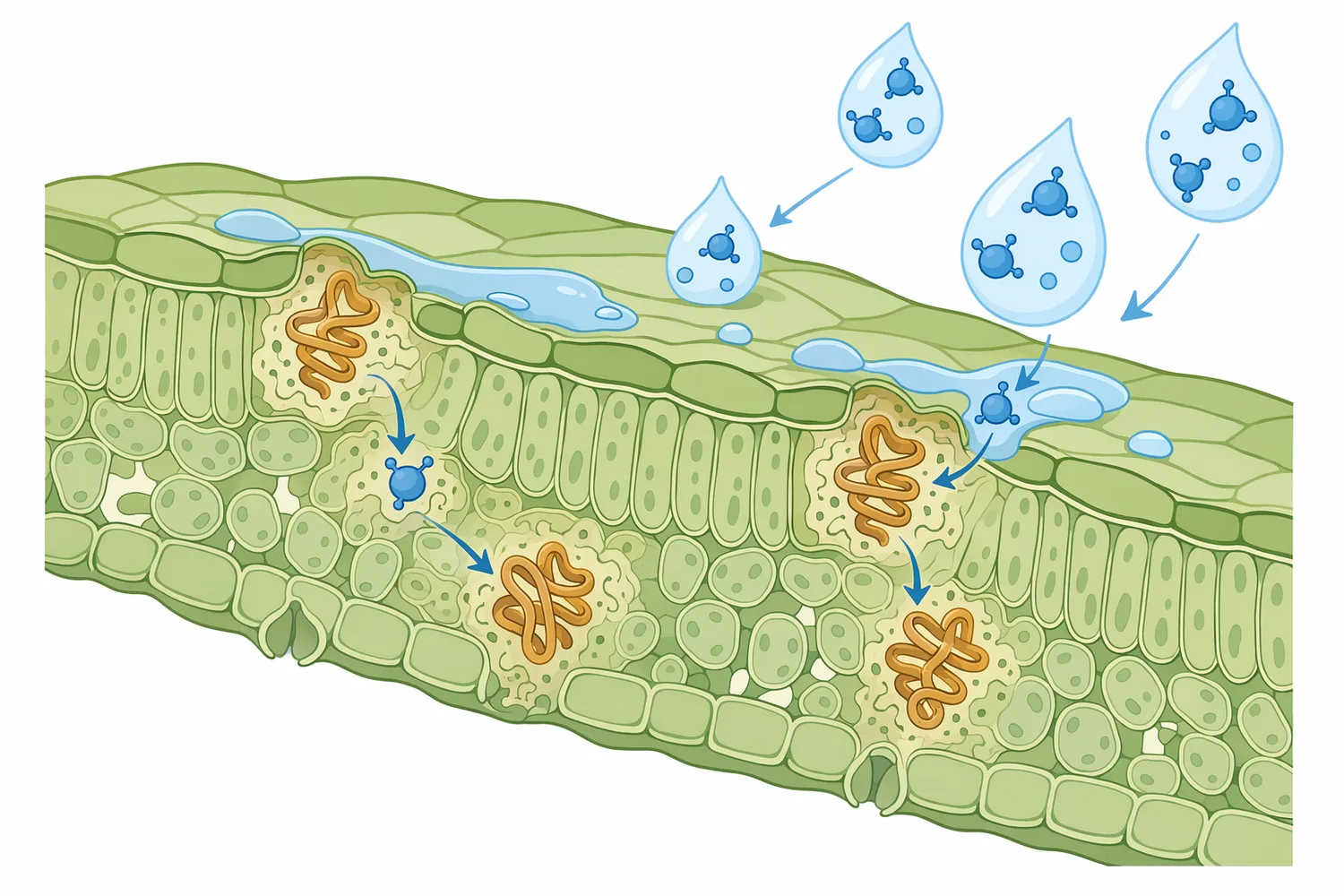
Proteases are commonly discussed by the environment in which they perform best: acidic, neutral, or alkaline. Acid protease is used when the processing environment is acidic or mildly acidic and when the target material is proteinaceous. That distinction matters in tobacco processing because fermentation and conditioning environments are rarely simple water systems; they contain organic acids, salts, plant metabolites, microbial metabolites, and moisture gradients that affect enzyme structure and substrate contact.
An enzyme is itself a protein, so its activity depends on maintaining the correct folded shape around the active site. If the pH is too far from the enzyme’s working range, amino-acid side chains in the enzyme can gain or lose charge, distorting substrate binding or catalytic geometry. In practical terms, acid protease is chosen because its structure and active site are suited to acidic processing conditions better than a protease designed for neutral or alkaline systems.
| Protease type | Conceptual working environment | Practical meaning for tobacco-leaf treatment | Main limitation if used outside its natural range |
|---|---|---|---|
| Acid protease | Acidic to mildly acidic systems | Fits tobacco conditioning or fermentation settings where acidity is part of the process environment | Reduced cleavage if the system shifts too far from the enzyme’s stable acidic range |
| Neutral protease | Near-neutral systems | More relevant where the material is held close to neutral pH | May lose efficiency in acidic leaf matrices |
| Alkaline protease | Alkaline systems | Useful in industries such as detergent or alkaline protein processing, but less naturally aligned with acidic tobacco fermentation | Acidic conditions can reduce stability and useful activity |
At the molecular level, protease families use active-site chemistry to make peptide bonds easier to cleave by water. Different protease classes use different catalytic residues, and a well-studied example is the serine protease catalytic triad, where hydrogen-bonding and active-site positioning support peptide-bond hydrolysis [3]. Acid protease products may not use the same catalytic architecture as every serine protease, but the principle is shared: the enzyme creates a local chemical environment in which a normally stable peptide bond is cleaved much faster than it would be without catalysis.
In tobacco processing, the useful target is controlled hydrolysis. Complete digestion of all protein is neither realistic nor desirable in most leaf-processing contexts. Tobacco quality is determined by a balance of sugars, nitrogenous compounds, acids, alkaloids, polyphenols, volatile compounds, and structural leaf properties. If protein hydrolysis is pushed too far without regard to the rest of the process, the nitrogen balance of the leaf can shift in ways that may not support the desired sensory profile.
A better way to view acid protease is as a process-support tool. It introduces a defined protein-cleaving function into a matrix that is already undergoing biochemical change. The enzyme helps convert part of the protein fraction into smaller compounds, while moisture, time, temperature, microbial activity, oxygen exposure, and prior curing history determine how far the overall transformation proceeds.
This is especially important because tobacco leaves are not uniform substrates. Lamina and stem differ in structure. Leaf position, cultivar, curing method, storage age, and moisture history all influence how easily proteins become accessible. Even within one batch, tightly packed or unevenly conditioned material may experience different degrees of enzyme contact. Controlled application therefore depends on the customer’s established processing system, not on the enzyme alone.
Tobacco-leaf aging and fermentation are multi-pathway transformations. Proteins are important, but they are only one class of compounds changing in the leaf. Starch and soluble sugars influence sweetness, browning, and microbial metabolism. Pectin and cell-wall polysaccharides affect texture, permeability, and release of intracellular material. Lipids and terpenoid-related compounds can contribute to volatile aroma formation. Alkaloids and organic acids influence chemical balance and sensory impact.
This complexity explains why protease use should not be described as a single-step route to a guaranteed flavor result. A protease can hydrolyze proteins; it cannot, by itself, control every downstream reaction in a fermented botanical matrix. Studies of lactic acid bacteria in food systems show how microbial metabolism can reshape organic acids, aroma-related metabolites, and texture-related compounds, illustrating the broader principle that fermentation quality is governed by interacting biochemical pathways rather than one isolated enzyme reaction [4].
In tobacco, the same systems thinking applies. Protein hydrolysis may reduce the persistence of large macromolecules and increase the pool of smaller nitrogen compounds, but the sensory consequence depends on what else is present. A leaf rich in reducing sugars, one low in available carbohydrates, and one with a different microbial ecology can respond differently even if the protease action on proteins is similar. Acid protease therefore belongs in a managed process, where it complements rather than replaces curing, fermentation, and aging control.
During conditioning, tobacco leaves are brought to a moisture state where they can be handled, cut, blended, fermented, or further processed. Moisture also enables enzyme movement and substrate contact. In a dry leaf, the enzyme and protein are physically constrained; water is needed for enzyme flexibility, substrate diffusion, and the hydrolysis reaction itself. Once moisture is present, acid protease can begin acting on accessible proteins if the temperature and acidity are suitable for the enzyme.
During fermentation, the relevance is broader. Fermentation is not just microbial growth; it is the combined effect of microbial enzymes, endogenous leaf enzymes, heat, oxygen availability, water activity, and chemical reactions. Protease-generated peptides and amino acids can become part of this changing chemical environment. In food-industry fermentation, lactic acid bacteria and related microbes are valued because their metabolism can contribute to acidification, flavor development, and transformation of raw substrates, which is a useful analogy for understanding why enzyme-driven substrate modification matters in plant-based fermentation systems [5].
For tobacco leaves, acid protease can support the protein-hydrolysis side of that process. It does not supply aroma by itself. Instead, it changes the protein fraction so that the leaf matrix contains fewer intact protein structures and more smaller fragments. Those fragments may then be further transformed depending on the processing environment. This is why acid protease is often best understood as a conditioning and fermentation aid rather than a finished-product character additive.
Natural tobacco aging relies partly on endogenous leaf enzymes and the microbial population already present on the leaf. Those biological systems vary with the crop, region, curing history, storage conditions, and handling. Adding acid protease introduces a more directed protein-cleaving function into the process, which can help make the protein-hydrolysis step less dependent on chance microbial activity.
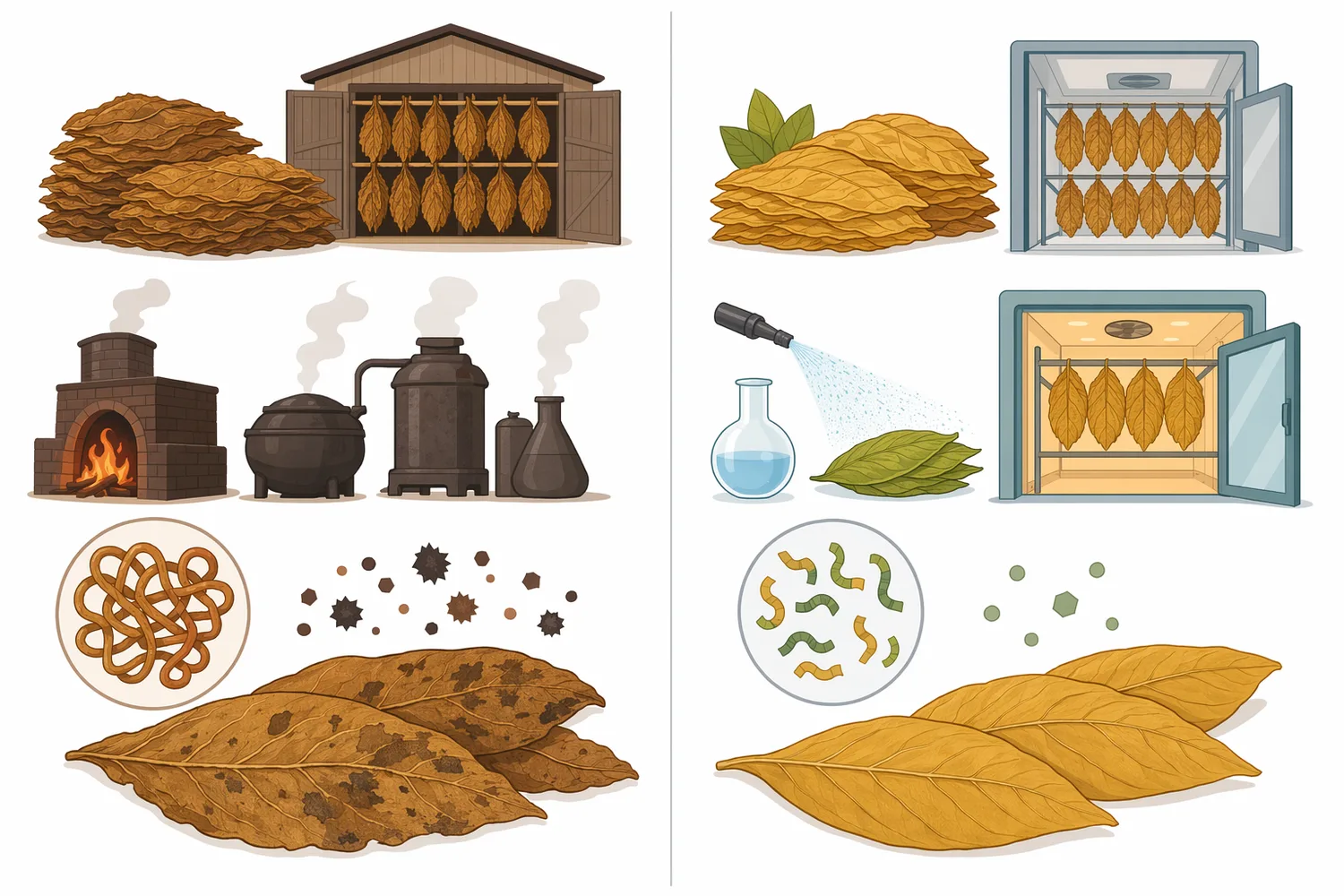
This does not mean every batch will behave identically. Leaf moisture distribution, cut size, packing density, temperature, and contact time still matter. However, when a protease is present under conditions that allow it to work, the biochemical route for peptide-bond hydrolysis is more deliberate than relying only on whatever native enzymes or microbes happen to be active. Protease-based tobacco-processing concepts are reflected in patent literature describing protease-containing enzyme preparations for use as tobacco-processing assistants [1].
Large macromolecules can contribute to processing inconsistency because they are slow to diffuse and slow to transform. Protease treatment reduces part of that burden by cutting proteins into smaller pieces. Smaller peptides are generally more dispersible in a moist plant matrix than intact proteins, and their increased surface exposure makes them more available to later biochemical reactions.
This change is not simply “protein disappears.” The nitrogen remains in the system unless it is removed by another process. What changes is the molecular form: from large folded or aggregated protein toward smaller hydrolysis products. That distinction is important for process engineers because hydrolysis changes reactivity and mobility, not elemental composition.
Aging involves gradual chemical rebalancing. When proteins are partially hydrolyzed earlier in the process, downstream transformations may proceed from a different starting point. The leaf contains more accessible peptides and fewer intact protein structures, which can influence how the material behaves during continued fermentation or storage.
Because sensory quality depends on many chemical groups, acid protease should be viewed as supportive rather than determinative. It may help move the protein fraction in a desirable direction, but smoothness, aroma, and aftertaste depend on the complete chemical profile. This is why enzyme treatment is most credible when integrated into an already controlled tobacco-processing operation.
Protein breakdown often occurs alongside changes in cell-wall materials, carbohydrates, and lipids. In plant materials, these fractions are physically linked: proteins may be trapped within cell structures, while pectins and other polysaccharides influence tissue permeability. When a process also changes pectin or starch fractions, protein accessibility may change as well.
This is similar to broader fermentation systems where multiple enzymes and microbial pathways act together. Lactic acid bacteria, for example, can contribute not only acid production but also a range of metabolic effects relevant to food matrices, including changes that influence texture and flavor development [6]. Tobacco is a different product category, but the process principle is comparable: quality change comes from coordinated transformation of several substrate classes.
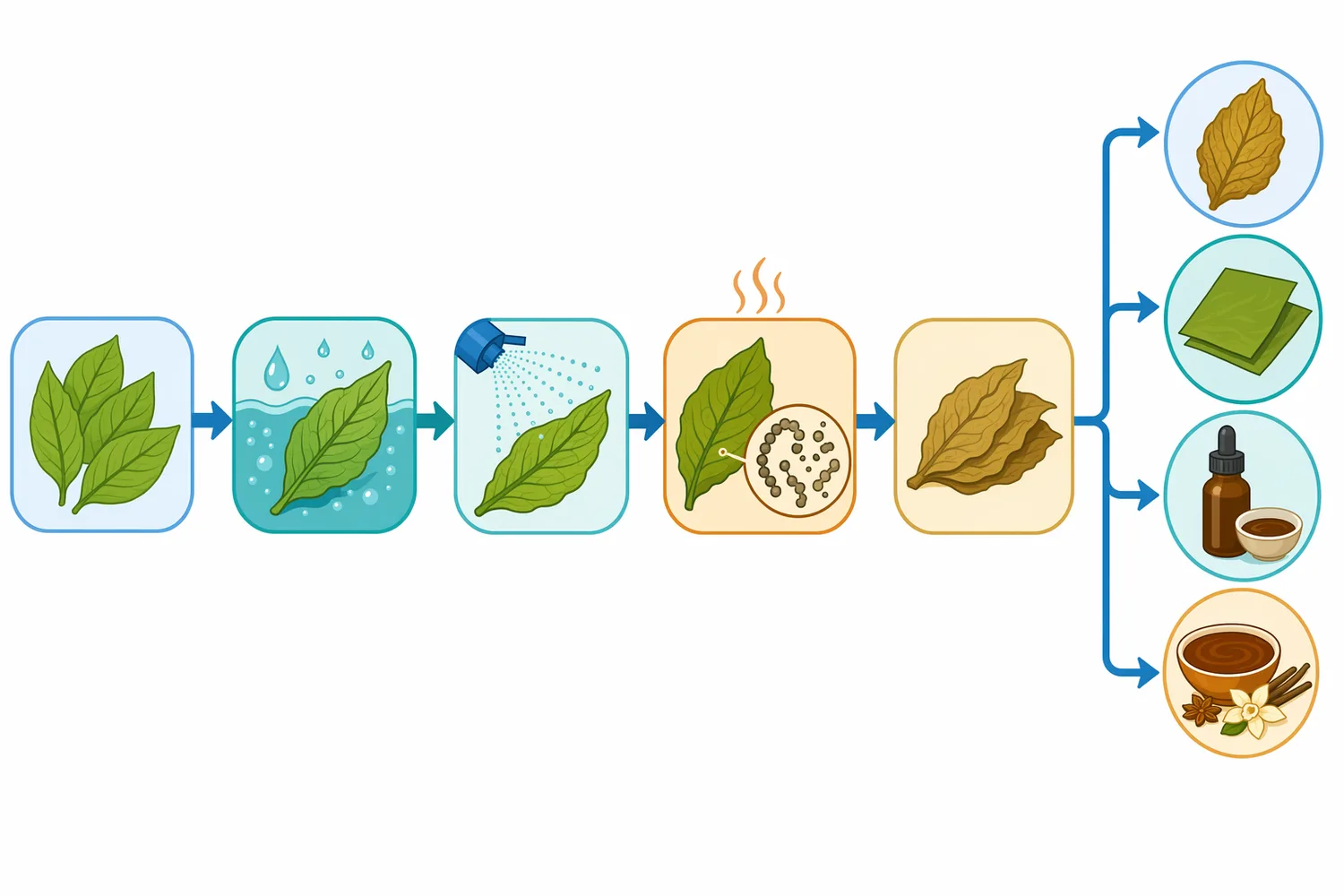
The acid protease reaction begins with hydration. Water plasticizes the leaf tissue and allows the enzyme to move, unfold small regions of accessible substrate, and orient protein chains near the active site. The enzyme does not need to dissolve the entire leaf protein fraction; it needs contact with susceptible peptide bonds exposed at the surface of a protein or within partially denatured regions.
Next comes binding. Proteases recognize a portion of the protein chain and hold it in a catalytic site. The exact preference depends on the enzyme, but the practical outcome is that some peptide bonds fit the active site better than others. This is why protein hydrolysis produces a mixture of peptide lengths rather than a uniform product. Some regions are cut quickly; others are slower because they are less accessible or less compatible with the enzyme’s binding pocket.
Then hydrolysis occurs. A water molecule is used to split the peptide bond, generating two shorter peptide chains. Each new chain has a newly exposed amino end or carboxyl end. Repeated cleavage increases the number of smaller fragments. The protein’s physical behavior changes: it loses some folded structure, may become more soluble or dispersible, and presents more reactive sites to the surrounding leaf chemistry.
Finally, the hydrolysis products enter the broader process environment. Peptides may be further degraded by other peptidases if present. Amino acids may remain as part of the soluble nitrogen fraction or participate in additional biochemical reactions during fermentation and aging. The acid protease step therefore changes the starting material for downstream transformation rather than acting as the whole transformation by itself.
Acid protease requires moisture, contact, and a compatible acidic environment. If the tobacco leaf is too dry, the enzyme cannot move effectively and the hydrolysis reaction is limited. If moisture is present but distribution is uneven, hydrolysis can become patchy: areas with better wetting and mixing receive more enzyme action than compacted or dry regions. This is a physical contact issue, not a failure of the underlying enzyme chemistry.
Temperature also matters. Enzyme reactions generally become faster as temperature rises within a compatible range, but excessive heat can distort the enzyme’s folded structure and reduce activity. Tobacco fermentation itself is temperature-sensitive, with heat affecting microbial metabolism, endogenous enzyme action, and the rate of chemical change. Customers using acid protease typically integrate it into their established process conditions rather than treating temperature as an isolated variable.
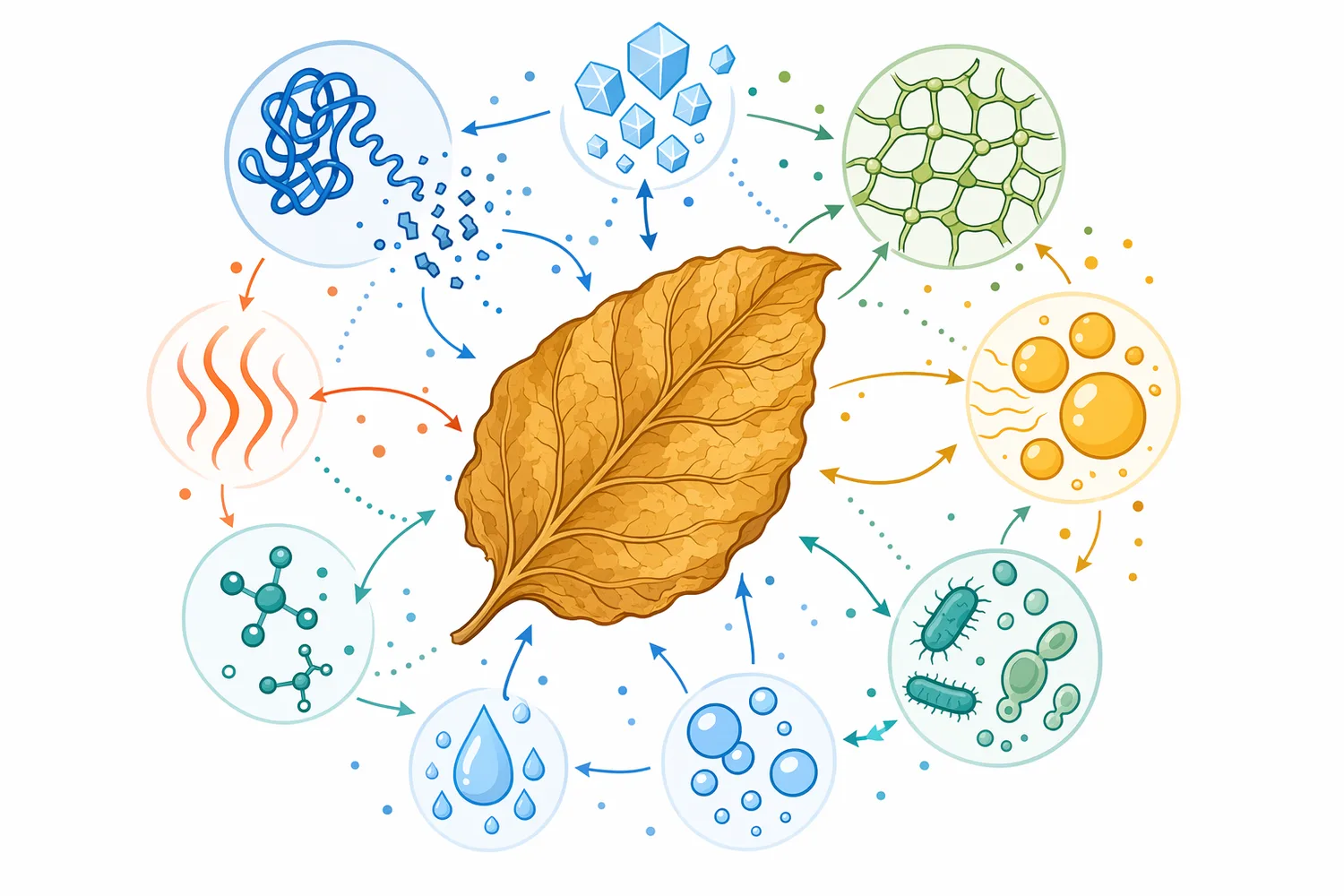
Time controls the depth of hydrolysis. Short exposure may create limited cleavage, mainly in the most accessible proteins. Longer exposure can deepen protein breakdown if moisture, acidity, and temperature remain favorable. However, longer is not automatically better, because the desired endpoint is balanced leaf transformation. Excessive hydrolysis without corresponding control of the full fermentation environment can shift the nitrogen profile beyond the intended process character.
Leaf preparation affects contact. Whole leaves, cut lamina, stem-containing material, and heavily compacted tobacco present different surface areas and diffusion distances. Smaller particle size or better mixing can improve contact, while dense stacking can limit penetration. The same enzyme can therefore produce different apparent results depending on how physically accessible the tobacco proteins are.
The strongest scientific basis for acid protease use is the well-established function of proteolytic enzymes: they catalyze protein breakdown by cleaving peptide bonds. Protease mechanism has been studied in detail across enzyme families, including structural and catalytic analyses that show how active-site geometry enables peptide-bond hydrolysis [3]. This supports the core claim that protease can break proteins into smaller fragments when substrate and conditions are suitable.
The tobacco-specific support is more application-based. Patent literature describing protease as part of an enzyme preparation for tobacco processing indicates that protease-assisted treatment has recognized relevance in this sector [1]. That said, a patent or application description should not be read as a universal guarantee of sensory outcome across all tobacco types, curing histories, or process designs.
A responsible expectation is therefore: acid protease can perform protein hydrolysis on accessible tobacco-leaf proteins under suitable acidic, hydrated conditions; the final effect on aroma, harshness, smoothness, or aging character depends on the wider processing system. This distinction matters because finished tobacco quality is not determined by protein alone. It is determined by the interaction of raw leaf chemistry, microbial ecology, moisture, heat, oxygen exposure, time, blending, storage, and downstream processing.
Many fermentation systems depend on enzymes generated by microorganisms. Microbes convert substrate molecules into acids, aroma compounds, peptides, polysaccharides, and other metabolites. Lactic acid bacteria are widely studied in food systems because their metabolism can influence safety, acidity, sensory attributes, and functional properties of fermented materials [4]. While tobacco fermentation is not the same as food fermentation, the underlying biochemical concept is similar: enzymes transform large or less-reactive molecules into smaller, more reactive or more sensory-relevant compounds.
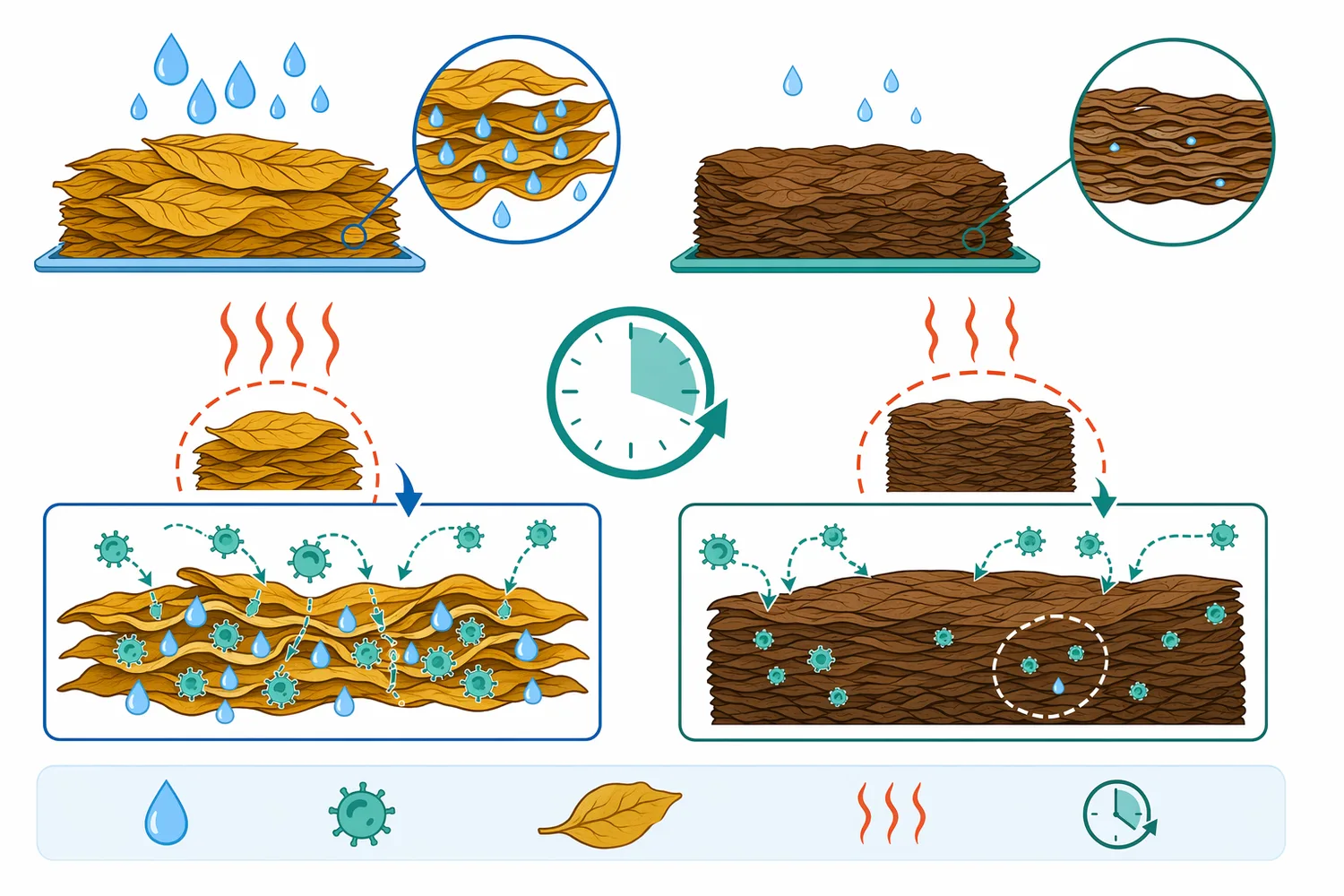
Acid protease allows one part of that transformation—protein cleavage—to be introduced in a more focused way. Instead of relying only on native microbial proteases, the process receives a direct proteolytic input. This can be useful where the protein fraction is considered a limiting factor or where the existing process benefits from additional protein hydrolysis under acidic conditions.
Other enzyme classes may affect other tobacco components, but acid protease should be kept conceptually distinct. Amylases act on starch, pectinases act on pectin, lipases act on lipid substrates, and proteases act on protein. The value of acid protease lies in that specificity: it targets peptide bonds rather than broadly attacking every compound in the leaf.
In conditioning, acid protease can be used where hydrated leaf material is being prepared for further processing and where controlled protein reduction is desirable. The enzyme acts during the period when moisture has made the leaf matrix more accessible. Protein hydrolysis at this stage may help prepare the leaf for subsequent fermentation, aging, or blending steps.
The effect is most logically expected in the protein fraction, not in unrelated components. Acid protease will not directly hydrolyze starch, pectin, or lipids. Its contribution is to change intact proteins into peptides and smaller nitrogen-containing compounds, which can then behave differently during later processing.
In fermentation, acid protease supports the biochemical environment by increasing the availability of protein hydrolysis products. This can complement microbial metabolism, especially in systems where acidity is already part of the fermentation profile. As with other fermentation-related enzyme uses, the outcome depends on the full ecology and chemistry of the material rather than on one enzyme alone.
Food fermentation literature illustrates how microbial metabolism and enzymes can jointly influence acids, aromas, and substrate transformation in complex biological materials [5]. Tobacco fermentation should be evaluated on its own terms, but the general lesson is relevant: targeted enzymatic transformation can help steer a substrate through controlled biochemical change.
Aging is slower than active fermentation, but it still involves chemical evolution. Acid protease may be used before or during controlled aging workflows where the goal is to reduce intact protein burden and encourage a more accessible nitrogen profile. This may be especially relevant where natural aging is considered too slow or inconsistent for the desired processing schedule.
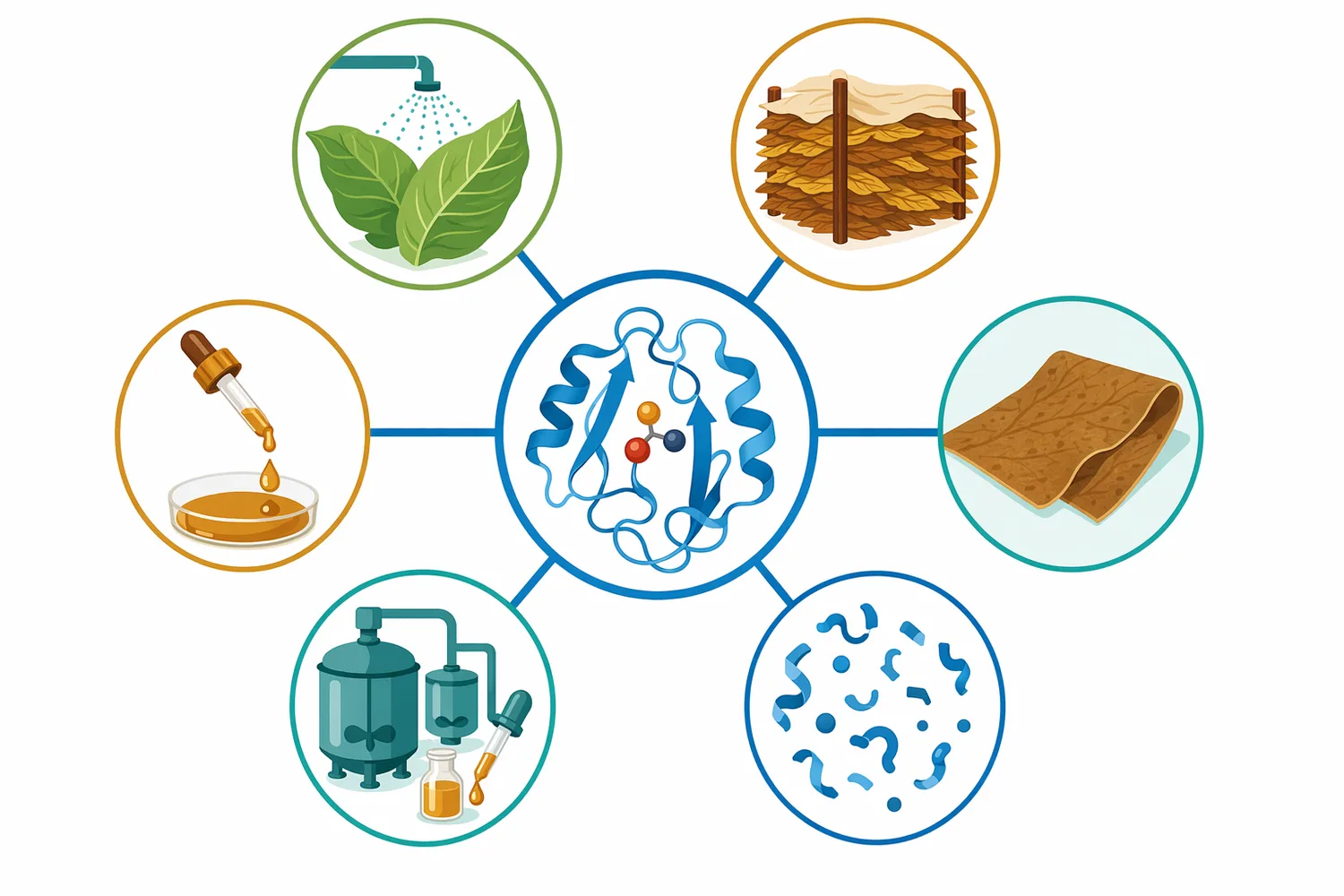
However, acid protease is not an aging replacement. It accelerates or supports one biochemical component—protein hydrolysis—but does not recreate every slow oxidation, volatilization, microbial, or chemical-balancing process that occurs during storage. It is best understood as a tool within a larger aging strategy.
Enzymes.bio supplies Acid Protease for Breaking the Protein Down on Tobacco Leaves as a direct online product. Customers purchase the 1 kg unit through the website, pay online, and the order is processed and shipped. A Certificate of Analysis and Safety Data Sheet accompany the order, giving customers the standard documentation supplied with the purchased material .
Enzymes.bio is a supplier. The product page and supporting article are intended to help customers understand the enzyme’s application logic and biochemical role. Customers remain responsible for using the enzyme appropriately within their own process controls, compliance requirements, and finished-product specifications.
Acid protease is a rational enzyme choice when the processing goal is to break down tobacco-leaf proteins under acidic, hydrated conditions. Mechanistically, it converts part of the intact protein fraction into smaller peptides and amino acids by catalyzing peptide-bond hydrolysis, which changes the mobility, accessibility, and downstream reactivity of the leaf’s nitrogen-containing compounds.
The most accurate expectation is controlled support, not a guaranteed finished-tobacco transformation. Acid protease can help steer protein breakdown during conditioning, fermentation, or aging-related workflows, while the final sensory and chemical result depends on the tobacco leaf, moisture, acidity, temperature, time, microbial activity, and the broader processing system. Customers can purchase the 1 kg product directly online from Enzymes.bio, with the order processed and shipped after online payment .
Sold by the 1 kg unit, in stock and ready to ship. Order directly on our store — pay online and we process your order. A Certificate of Analysis and Safety Data Sheet are included with every order.
Buy Acid Protease For Breaking The Protein Down On Tobacco-Leaves →Numbered in order of first citation. Open-access sources, each verified reachable at publication; citation numbers in the text link here.