
Alpha-galactosidase is a carbohydrate-processing enzyme that removes terminal alpha-linked galactose units from raffinose-family oligosaccharides such as raffinose and stachyose. In practical food, feed, and ingredient processing, that means it can convert selected indigestible or process-limiting sugars in soy, pulses, beet molasses, and other plant materials into simpler carbohydrates under suitable conditions.
For buyers who already know the application, Enzymes.bio supplies alpha-galactosidase directly online in 1 kg units. The product can be purchased and paid for online; the order is then processed and shipped, with a Certificate of Analysis and Safety Data Sheet included.
Alpha-galactosidase, also written as alpha galactosidase or alpha-D-galactosidase, is a glycoside hydrolase that catalyzes the cleavage of terminal, non-reducing alpha-D-galactose residues from alpha-D-galactosides. The key point is linkage specificity: the enzyme is not a general “carbohydrate digester,” but a catalyst for particular alpha-galactosidic bonds found in defined sugars, oligosaccharides, polysaccharide side chains, and some glycan structures [1].
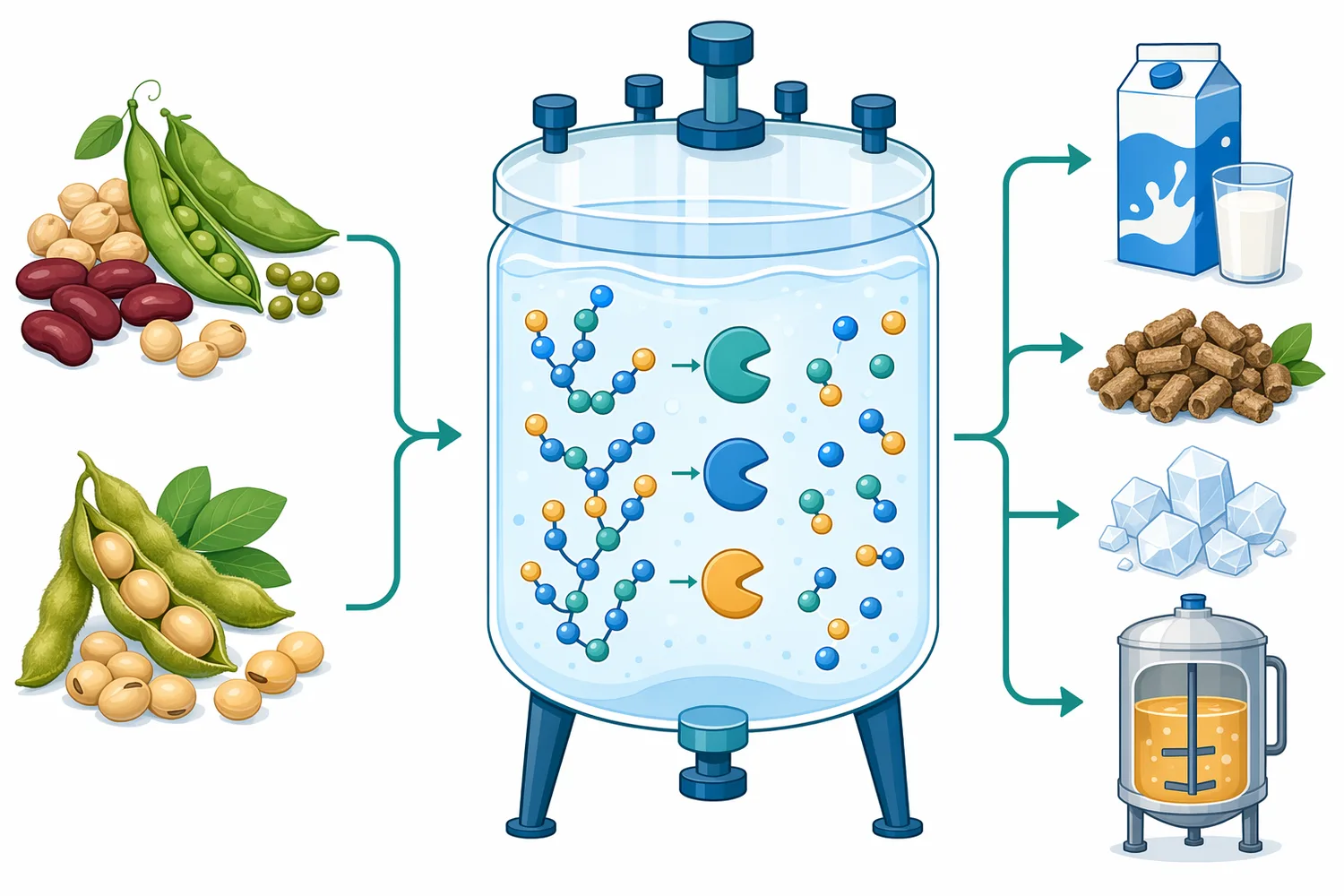
In soybeans, pulses, and related plant materials, the most commercially important targets are raffinose-family oligosaccharides, often abbreviated as RFOs. Raffinose, stachyose, and verbascose contain alpha-linked galactose units attached to a sucrose-containing core; humans and many monogastric animals have limited endogenous capacity to hydrolyze those alpha-galactosidic linkages in the upper digestive tract, so the intact oligosaccharides can persist into later stages of digestion [2].
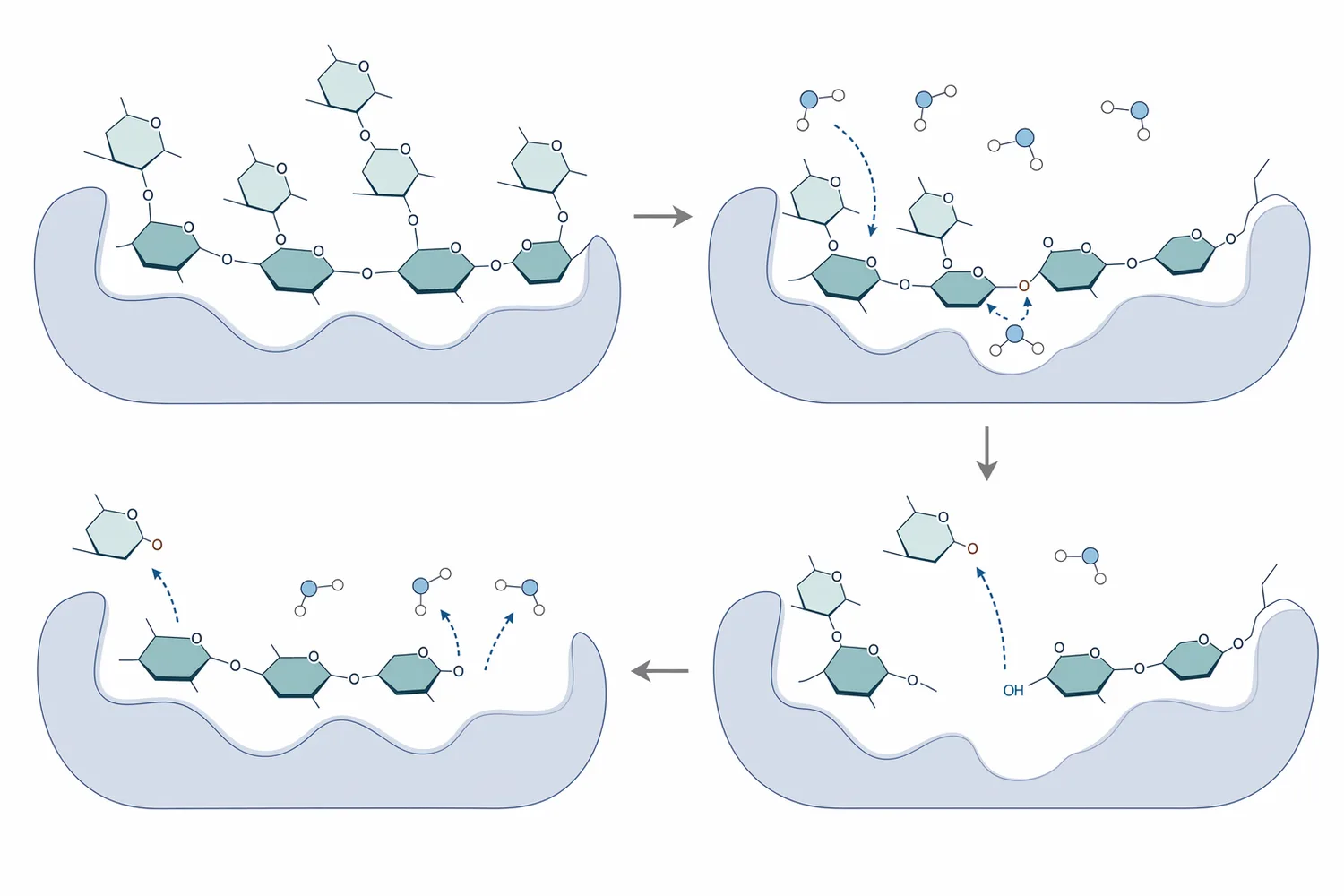
The mechanism is straightforward but commercially useful. Raffinose contains one alpha-linked galactose residue attached to sucrose; alpha-galactosidase removes that galactose, leaving sucrose and free galactose. Stachyose contains two alpha-linked galactose residues; the enzyme can shorten it stepwise, first toward raffinose and then toward sucrose, depending on accessibility, contact time, and processing conditions [1].
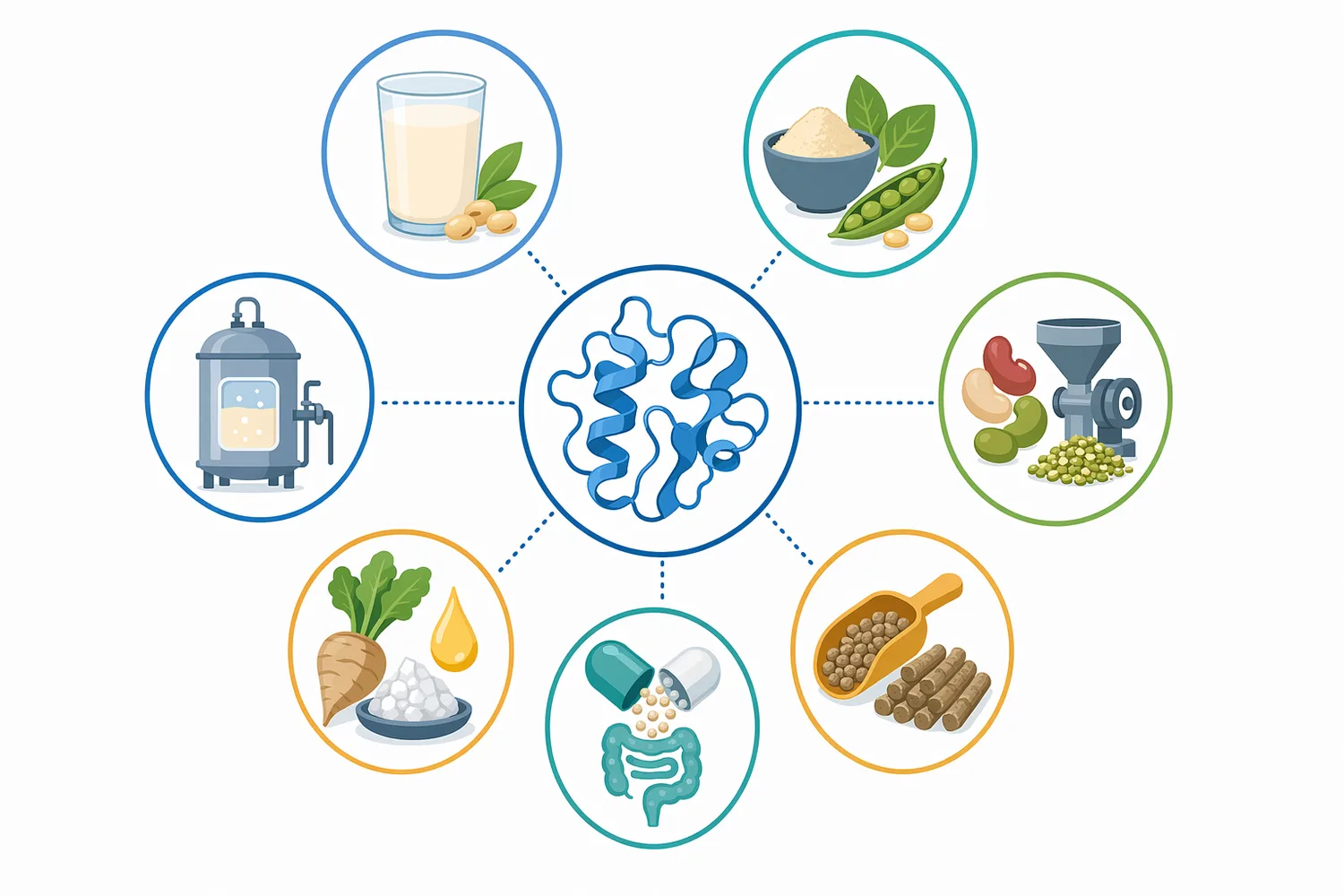
This is why the alpha-galactosidase enzyme is commonly discussed in relation to soy milk, soy flour, legume ingredients, animal feed, pet food, and sugar beet molasses. The value comes from changing a specific carbohydrate fraction: less intact raffinose-family oligosaccharide, more smaller sugars that are easier to handle in a formulation, fermentation, crystallization, or digestion context [2].
For industrial and food-processing use, “alpha-galactosidase” usually refers to an enzyme preparation used to hydrolyze alpha-galactosidic sugars in plant-derived substrates. Searchers may also use phrases such as “what is alpha-galactosidase,” “what is alpha galactosidase,” “alpha-d-galactosidase,” or “alpha d galactosidase” when looking for this carbohydrate-processing function [1].
A different but related term is “alpha-galactosidase A enzyme.” Human alpha-galactosidase A is the lysosomal enzyme encoded by the GLA gene; deficiency is associated with Fabry disease, where glycosphingolipids such as globotriaosylceramide accumulate in tissues. That medical enzyme and its clinical use are distinct from industrial alpha-galactosidase supplied for food, feed, or processing applications [3].
The terms “alpha-galactosidase test,” “alpha galactosidase test,” “alpha-galactosidase blood test,” and “alpha galactosidase blood test” generally belong to the clinical diagnostic context, especially evaluation of alpha-galactosidase A activity in suspected Fabry disease. Enzymes sold for processing applications are not diagnostic products and are not enzyme replacement therapy [4].
There is also search confusion around “alpha galactosidase allergy,” “alpha-galactosidase allergy,” and “alpha galactosidase tick.” Those phrases often reflect confusion with “alpha-gal” allergy terminology rather than the industrial alpha-galactosidase enzyme itself. This article addresses the enzyme used to hydrolyze alpha-galactosidic carbohydrates, not allergy diagnosis, allergy treatment, or tick-associated medical conditions.
Soy, peas, beans, lentils, chickpeas, and other pulses are valuable because they provide concentrated plant protein, minerals, fiber, and functional solids. At the same time, their soluble carbohydrate fraction can include raffinose-family oligosaccharides that are poorly hydrolyzed by the human digestive tract and by many monogastric animals, which is why these sugars are often described as digestion-limiting or antinutritional in food and feed contexts [2].
When raffinose and stachyose are not broken down before reaching the large intestine, resident microbes can ferment them. In human nutrition, that microbial fermentation is associated with gas formation and digestive discomfort after consumption of some legumes and soy products; in feed applications, similar indigestible fractions can reduce the useful energy and nutrient value of plant-based ingredients depending on diet and species [5].
The commercial objective is not always complete removal. Raffinose-family oligosaccharides can also function as fermentable substrates for gut microbiota, so the right process target may be partial reduction, controlled conversion, or treatment of a specific ingredient stream rather than blanket elimination. Alpha-galactosidase is useful because it changes the substrate class selectively instead of broadly degrading the entire carbohydrate matrix [2].
In a hydrated soy slurry, pulse extract, or soluble sugar stream, alpha-galactosidase must first reach the oligosaccharide in solution or at the accessible surface of the ingredient. Once the enzyme binds an appropriate alpha-galactosidic linkage, catalytic residues in the active site promote hydrolysis: water is used to break the bond between the terminal galactose and the rest of the molecule, releasing free galactose and a shorter carbohydrate [1].
That molecular change has practical consequences. Raffinose becomes sucrose plus galactose; stachyose is shortened by one galactose unit at a time; higher raffinose-family oligosaccharides can be progressively reduced when their terminal alpha-galactose residues are accessible. As the oligosaccharide profile shifts, the treated material can become less likely to deliver intact RFOs into downstream digestion, fermentation, or crystallization steps [6].
The enzyme’s selectivity also explains its limits. Alpha-galactosidase does not replace cellulase, xylanase, pectinase, beta-mannanase, protease, or amylase, because those enzymes act on different bonds and different polymer structures. In complex plant materials, alpha-galactosidase may be used alongside complementary carbohydrate-active enzymes when the matrix contains both soluble RFOs and structural polysaccharides [7].
| Enzyme or term | Main bond or substrate focus | What changes in the material | Typical relevance |
|---|---|---|---|
| Alpha-galactosidase | Terminal alpha-linked galactose on alpha-galactosides | Raffinose, stachyose, and related sugars are shortened; free galactose is released | Soy, pulses, feed, pet food, beet molasses, selected carbohydrate modification [2] |
| Beta-galactosidase | Beta-galactosidic linkages such as lactose | Lactose can be hydrolyzed to glucose and galactose; some enzymes also perform transgalactosylation | Dairy lactose hydrolysis and galacto-oligosaccharide work, not the same target as raffinose hydrolysis [8] |
| Beta-mannanase | Beta-mannan backbones in mannans and galactomannans | Structural mannans are cut into shorter mannooligosaccharides | Plant cell-wall and feed applications; can be complementary where galactomannans are present [7] |
| Human alpha-galactosidase A | Lysosomal glycosphingolipid substrates | Medical metabolism of specific glycolipids | Fabry disease biology and clinical enzyme replacement context, not industrial processing [9] |
Soy is one of the best-studied application areas because it contains valuable protein together with raffinose and stachyose fractions that can limit consumer acceptance, digestive tolerance, or feed value. Published work on alpha-galactosidases from germinating soybean seed examined their ability to hydrolyze oligosaccharides, directly connecting the enzyme’s natural role in seed carbohydrate mobilization with its use in processing soy-derived substrates [6].
Soymilk has also been treated with alpha-galactosidase from Gibberella fujikuroi to hydrolyze raffinose and stachyose. The important processing implication is that the enzyme can act in an aqueous soy matrix rather than only on purified laboratory substrates, which is closer to the way soy beverages, extracts, and slurries are handled in real production workflows [10].
Yeast-derived alpha-galactosidase has been studied in similar RFO hydrolysis contexts. Extracellular alpha-galactosidase from Debaryomyces hansenii UFV-1 was investigated for hydrolysis of raffinose oligosaccharides, supporting the broader observation that microbial alpha-galactosidases are relevant to food and ingredient processes where soluble alpha-galactosides need to be reduced [11].
Immobilized alpha-galactosidase research shows another processing route. A Debaryomyces hansenii UFV-1 alpha-galactosidase immobilized in cellulose film was evaluated for oligosaccharide hydrolysis, demonstrating that the same catalytic function can be studied in reusable or supported formats where the enzyme is held on a material rather than dispersed freely in the liquid phase [12].
For buyers considering an alpha-galactosidase supplement concept or a plant-based formulation ingredient, the underlying science is the same: the enzyme’s value depends on the presence of accessible alpha-galactosides. Whether the end product is a digestive supplement, a treated soy ingredient, or a legume-based food, the biochemical target remains the alpha-linked galactose residues in raffinose-family oligosaccharides [2].
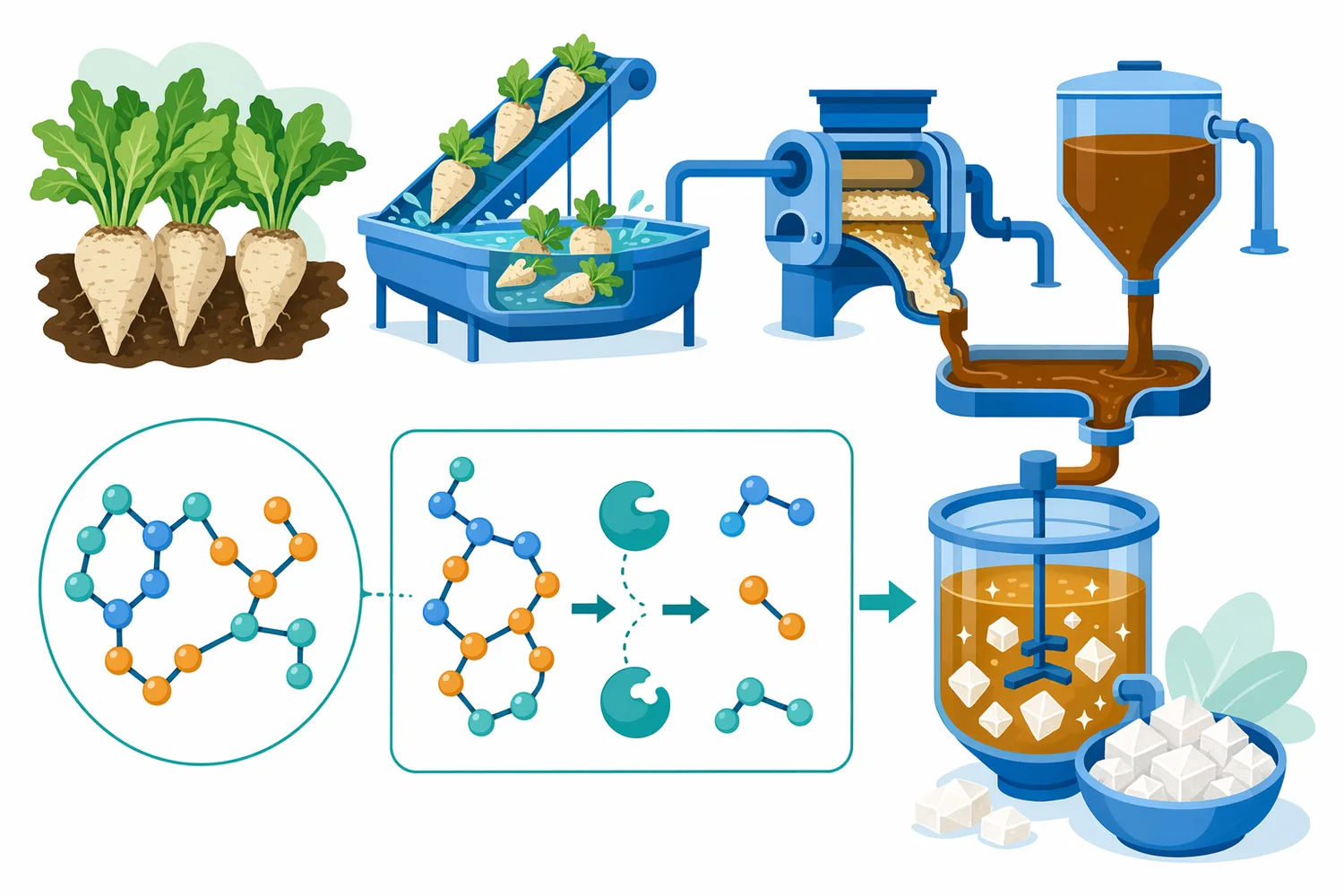
Alpha-galactosidase is also relevant outside high-protein foods. Beet molasses contains raffinose, and raffinose can complicate sugar processing because it behaves differently from sucrose in crystallization and separation. Hydrolyzing raffinose removes a specific impurity that can interfere with efficient sucrose recovery [13].
A 2019 study on bioconversion of beet molasses to alpha-galactosidase and ethanol reflects the connection between sugar-rich by-products, microbial enzyme production, and downstream carbohydrate conversion. The same industrial logic applies across sugar processing: when raffinose is the problematic molecule, alpha-galactosidase is attractive because it attacks the raffinose structure directly rather than requiring harsh chemical treatment [13].
This application is a useful reminder that alpha-galactosidase is not only a “digestive comfort” enzyme. It is a selective carbohydrate-conversion tool that can support separation, fermentation, and by-product utilization whenever alpha-galactosides are the limiting component in a process stream [2].
In animal feed and pet food, the relevance of alpha-galactosidase is tied to soybean meal, legume meals, canola meal, and other plant-derived raw materials that contain soluble oligosaccharides or non-starch polysaccharide-associated carbohydrate fractions. Work on canola meal showed that oligosaccharides can affect non-starch polysaccharide digestibility and metabolizable energy in poultry, illustrating why these carbohydrate fractions matter in monogastric nutrition [5].
Alpha-galactosidase can help by hydrolyzing raffinose-family oligosaccharides before or during digestion, depending on the application format and environment. The expected benefit is not that the enzyme creates new protein, but that it reduces a class of carbohydrates that animals may not hydrolyze efficiently on their own, which can improve how the existing ingredient is used in the diet [2].
In more complex feed matrices, alpha-galactosidase may be considered alongside enzymes that act on cell-wall polysaccharides. Research on an acidophilic Bispora alpha-galactosidase found synergy with beta-mannanase, which is mechanistically logical because galactose side groups and mannan backbones can both contribute to the structure and behavior of galactomannan-rich materials [7].
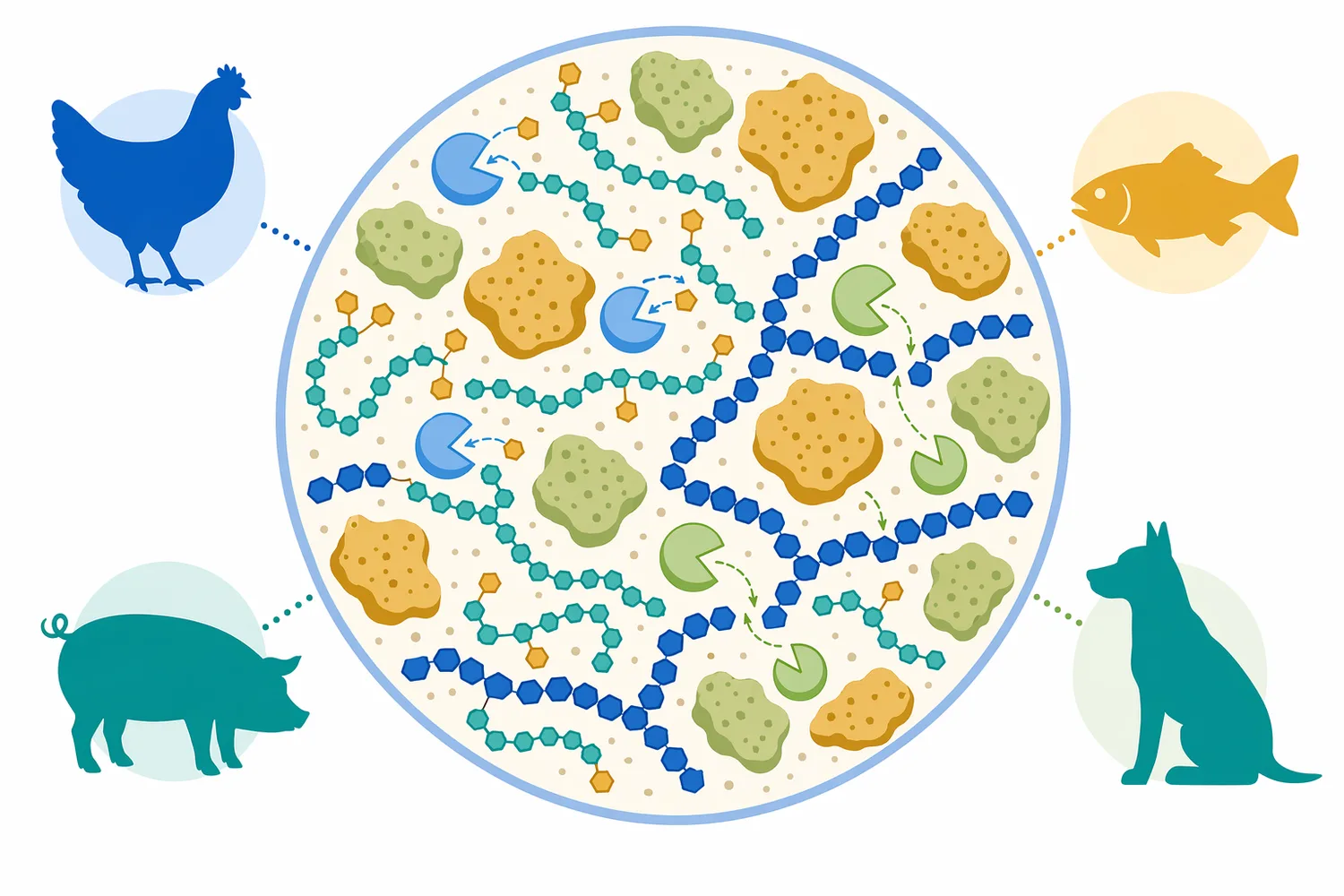
For dog, poultry, swine, aquaculture, and other monogastric applications, the realistic view is formulation-dependent. Alpha-galactosidase is most relevant when the plant ingredient actually contains meaningful alpha-galactosidic substrates and when processing does not eliminate the functional enzyme before it can act [2].
Agricultural by-products often contain mixtures of soluble oligosaccharides, hemicellulose, pectin, cellulose, lignin-associated structures, and residual proteins. Alpha-galactosidase is not a universal biomass-degrading enzyme, but it can contribute where alpha-galactose substitutions or soluble alpha-galactosides limit access, fermentability, or downstream conversion [2].
Recent work on sugarcane bagasse biomass using recombinant alpha-galactosidase-overexpressing whole-cell E. coli reflects continuing interest in applying this enzyme activity to agricultural waste utilization. The mechanism remains the same at the bond level, but the application shifts from food comfort or feed value to improving the conversion of lower-value biomass streams [14].
The enzyme can also support fermentation-adjacent processes. During tea fermentation, for example, glycoside hydrolase gene profiles in Debaryomyces hansenii have been studied to understand microbial functions in carbohydrate transformation, showing how galactosidase activities fit into broader fermentation ecosystems rather than isolated laboratory reactions [15].
Alpha-galactosidases vary by biological source, glycoside hydrolase family, substrate preference, thermal behavior, and pH profile. Some are better suited to acidic environments, while others show different operating preferences; this diversity is one reason the literature includes fungal, yeast, bacterial, plant, and engineered alpha-galactosidases rather than a single universal enzyme type [16].
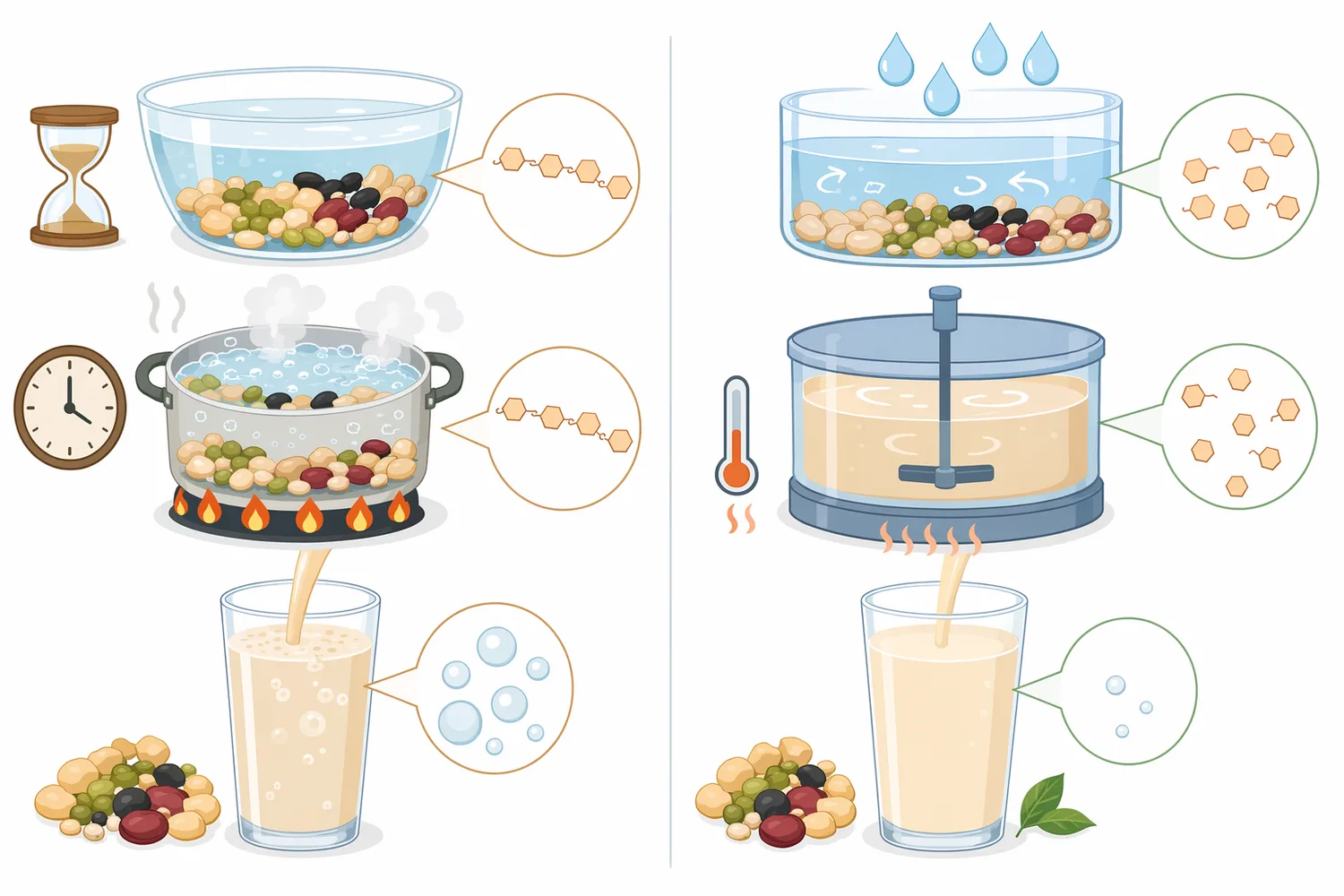
Hydration is important because hydrolysis requires water and because soluble oligosaccharides must be accessible to the enzyme. In dry flour, the enzyme has limited mobility; in slurries, beverages, extracts, soaked meals, or moist feed matrices, the enzyme can more readily encounter raffinose and stachyose molecules and convert them through repeated catalytic cycles [10].
Temperature affects both reaction speed and enzyme stability. Moderate heating can increase molecular motion and improve reaction rate up to the enzyme’s useful range, but excessive heat can denature the protein structure that forms the active site. Research on thermostability enhancement confirms that heat tolerance remains an important development area for industrial alpha-galactosidases [16].
pH matters because catalytic amino acids in the active site must be in the right protonation state to promote bond cleavage. If the process pH is far from the enzyme’s functional range, substrate binding and hydrolysis can fall sharply even if the substrate is present. This is why published alpha-galactosidase work often reports source-specific behavior rather than treating every enzyme preparation as interchangeable [1].
Immobilization is one way researchers have addressed process handling. Studies with alpha-galactosidase immobilized in cellulose film show that supported enzyme systems can hydrolyze oligosaccharides while keeping the enzyme associated with a solid phase, a concept that can be useful in repeated-batch or controlled-contact research designs [12].
The strongest evidence is the enzyme’s core mechanism: alpha-galactosidase hydrolyzes terminal alpha-D-galactose residues from alpha-D-galactosides. That catalytic role is well established across mechanistic, microbial, plant, and application-focused literature [1].
The second strong evidence area is soy and legume processing. Studies on soybean seed enzymes, soymilk hydrolysis, and microbial alpha-galactosidases all point to the same practical conclusion: when raffinose and stachyose are present and accessible, alpha-galactosidase can reduce those target oligosaccharides in plant-based matrices [6].
The third strong area is sugar and by-product processing. Beet molasses studies show that alpha-galactosidase fits carbohydrate-rich industrial streams where raffinose conversion can improve how the stream behaves in crystallization, fermentation, or further processing [13].
The feed evidence is also mechanistically sound, but animal performance outcomes should be understood as context-dependent. The enzyme can hydrolyze relevant substrates, but the measured result in animals depends on ingredient composition, feed processing, species physiology, gut conditions, and whether other limiting nutrients or antinutritional factors remain [5].
Alpha-galactosidase biology is medically important, but industrial enzyme use must not be confused with clinical treatment. Fabry disease involves deficient human alpha-galactosidase A activity due to GLA gene variants, and enzyme replacement therapy research deals with regulated recombinant human enzymes delivered under medical supervision [9].
That distinction matters for buyers searching terms like “alpha-galactosidase a enzyme” or “alpha-galactosidase blood test.” Food, feed, supplement, and processing enzymes are supplied for substrate conversion in materials, not for diagnosing disease, replacing human lysosomal enzymes, or treating metabolic disorders [3].
Similarly, alpha-galactosidase should not be presented as a universal cure for digestive symptoms. Its scientifically defensible function is narrower and more useful: it hydrolyzes specific alpha-galactosidic substrates when those substrates are present and when the enzyme can act before the product is consumed, processed, fermented, or digested [2].
In plant protein beverages and soy foods, alpha-galactosidase can reduce raffinose and stachyose in hydrated matrices. That is relevant to soymilk, soy extracts, soy protein slurries, fermented soy bases, and legume beverages where soluble RFOs are part of the carbohydrate profile [10].
In pulse ingredients, the same mechanism applies to pea, lentil, chickpea, bean, and mixed-legume systems when raffinose-family oligosaccharides are present. The enzyme helps convert a digestion-limiting soluble sugar fraction without changing the fact that the ingredient remains a plant protein or pulse-derived material [2].
In animal feed and pet food, alpha-galactosidase is most relevant to formulas containing soybean meal, canola meal, legumes, or other plant meals with alpha-galactosides. It may complement broader non-starch polysaccharide enzyme strategies where multiple carbohydrate barriers affect nutrient release [7].
In sugar processing, beet molasses, and carbohydrate-rich by-products, the enzyme targets raffinose as a specific sugar impurity or conversion substrate. This makes it useful where the goal is not nutrition labeling but improved handling of a sugar stream [13].
In agricultural residue conversion, alpha-galactosidase can contribute to the breakdown or upgrading of biomass streams when alpha-galactose-containing structures are part of the limitation. It is best understood as one component in a broader carbohydrate-conversion toolbox rather than a stand-alone solution for all plant biomass [14].
Enzymes.bio supplies alpha-galactosidase as a direct online purchase in 1 kg units. Buyers can place the order and pay online; the order is then processed and shipped, and a Certificate of Analysis and Safety Data Sheet are included with the order.
For customers working with soy, pulses, feed, pet food, beet molasses, or other plant-derived materials, the practical reason to buy alpha-galactosidase is targeted conversion of alpha-galactosides. The enzyme’s value is clearest when the material contains raffinose, stachyose, or related substrates and the process gives the enzyme enough access to hydrolyze those linkages [2].
The most reliable expectation is substrate-specific change, not a vague “improvement.” Alpha-galactosidase removes alpha-linked galactose residues; that shifts the oligosaccharide profile of the treated material and can support digestibility, processing, fermentation, or sugar-stream handling depending on the application [1].
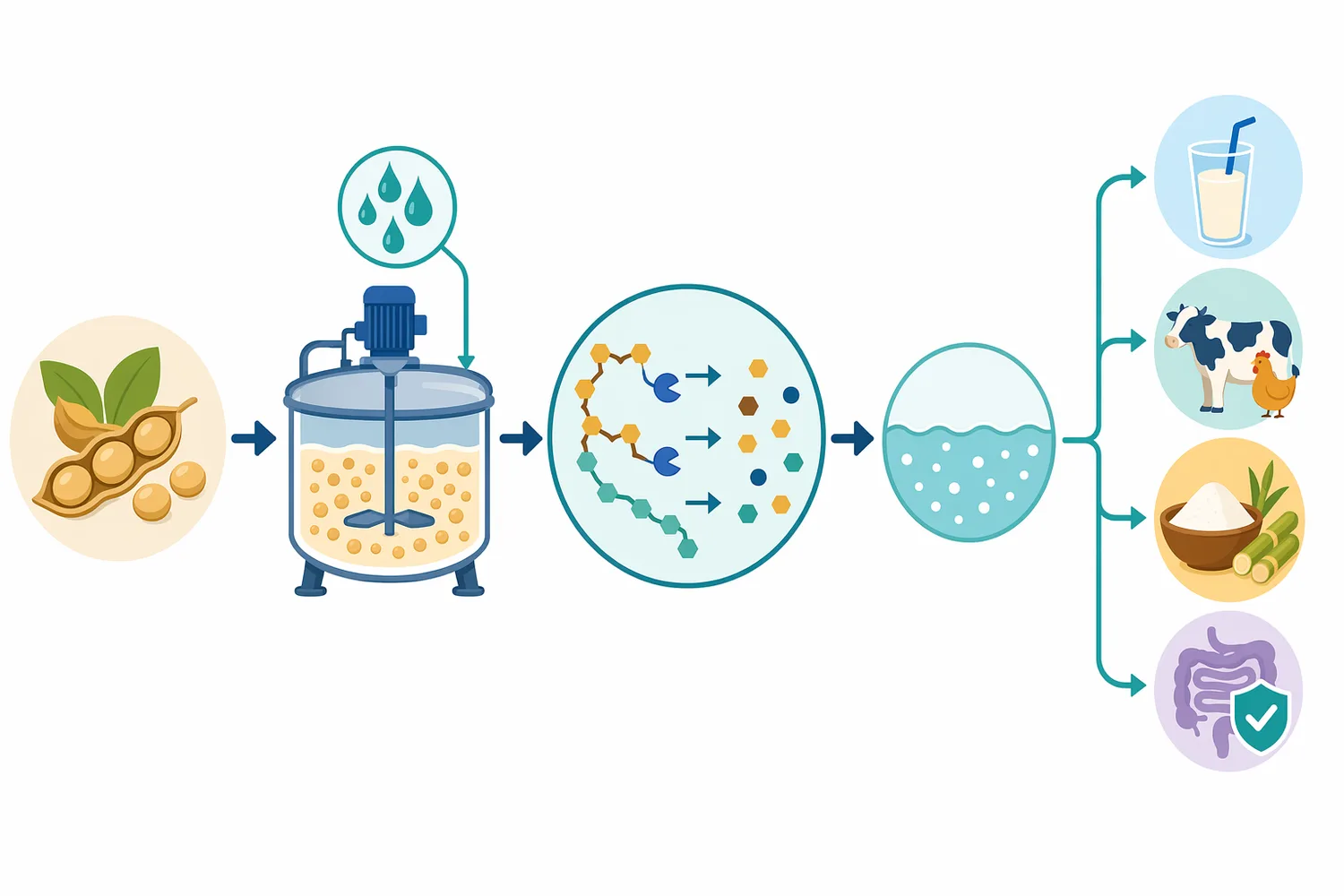
Alpha-galactosidase is a precise enzyme for cleaving terminal alpha-galactose residues from alpha-galactosides. Its best-supported commercial uses are reduction of raffinose-family oligosaccharides in soy and legumes, support for feed and pet food formulations containing plant meals, raffinose conversion in beet molasses and sugar processing, and selected agricultural by-product applications [2].
For Enzymes.bio customers, the enzyme is best viewed as a targeted carbohydrate-processing tool. It does not replace medical alpha-galactosidase A, it is not an allergy product, and it is not a universal digestive claim; it is a practical enzyme for converting specific alpha-galactosidic substrates in food, feed, supplement, sugar, and plant-processing contexts [9].
Sold by the 1 kg unit, in stock and ready to ship. Order directly on our store — pay online and we process your order. A Certificate of Analysis and Safety Data Sheet are included with every order.
Buy Alpha-Galactosidase →Numbered in order of first citation. Open-access sources, each verified reachable at publication; citation numbers in the text link here.