
Amino Acid Water-Soluble Fertilizer Enzyme is a specialty enzyme ingredient for water-based fertilizer processing where amino-acid nutrition and organic phosphorus conversion are relevant. Its core value is catalytic: it helps break down phytic-acid-type organic phosphorus into smaller phosphate forms, supporting the development of soluble nutrient systems rather than acting as a complete fertilizer by itself [1].
For buyers using Enzymes.bio, the product is available directly online by the 1 kg unit. After online payment, the order is processed and shipped, with a Certificate of Analysis and Safety Data Sheet included with the order.
Amino Acid Water-Soluble Fertilizer Enzyme should be understood as a processing enzyme for fertilizer-related applications, not as a standalone crop nutrition program. Commercial descriptions of this enzyme category associate it with hydrolysis of phytic acid, a molecule in which phosphorus is held in ester-linked phosphate groups; the practical purpose is to progressively release phosphate from that bound organic structure so it can participate more readily in a water-soluble nutrient system [1].
The “amino acid water-soluble fertilizer” positioning matters because amino acids are not only nitrogen-containing molecules; in plant systems they are linked with nutrient transport, stress physiology, root metabolism, and quality formation. A 2024 review on amino acid transporters describes amino acids as central compounds in plant nitrogen distribution and crop quality improvement, with transporter proteins controlling their movement across tissues and cellular membranes [2].
For fertilizer formulation, that means the enzyme’s value sits at the intersection of two practical needs: converting complex organic nutrient fractions into more usable forms, and supporting fertilizer concepts in which soluble amino acids, peptides, phosphate, and mineral nutrients are designed for water-based delivery. The enzyme does not “make” all nutrients available under every field condition, but it can support the preparation of nutrient mixtures in which organic phosphorus is less locked in its original molecular form [1].
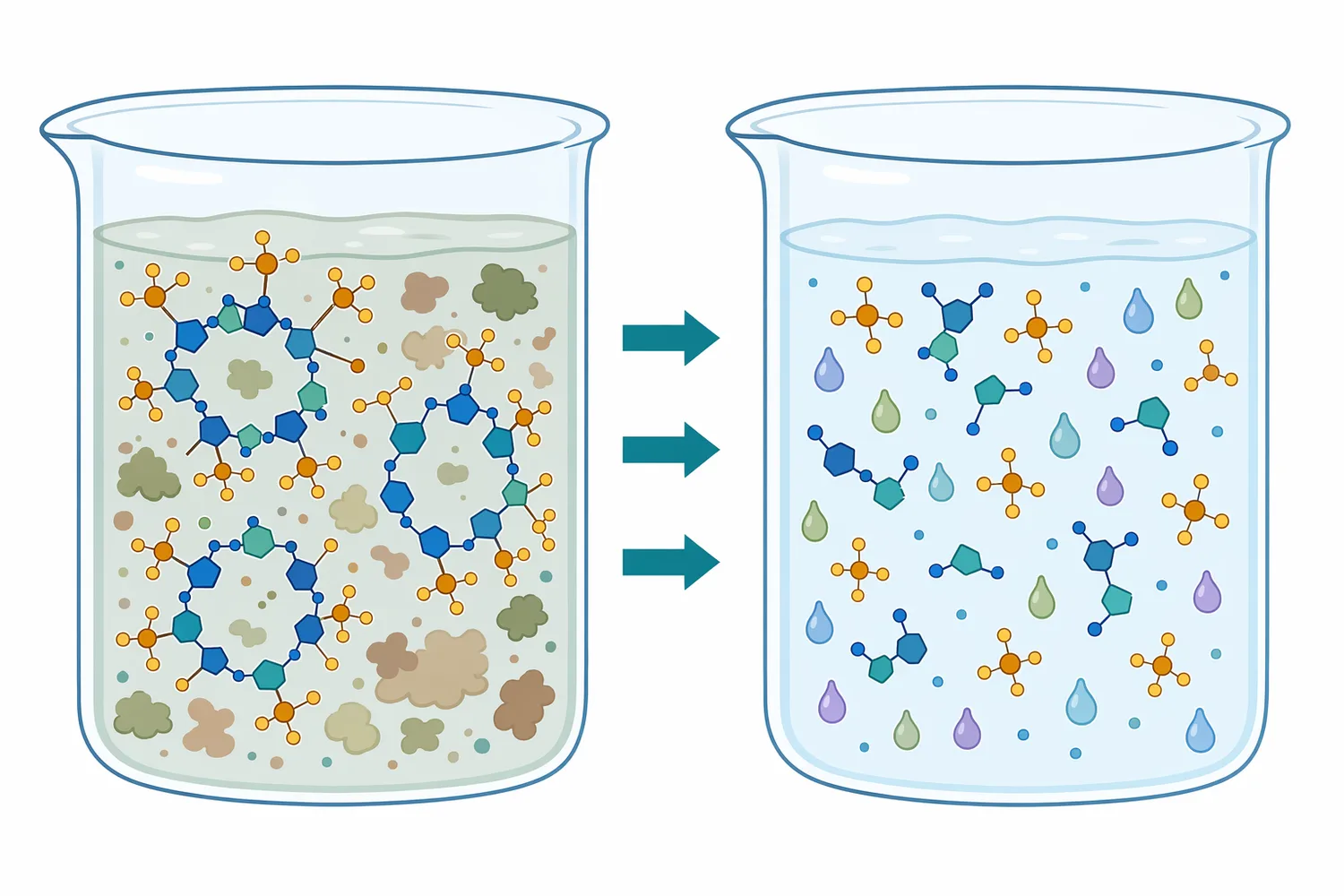
Phytic acid is a phosphorus-rich organic molecule. In simple chemical terms, it contains multiple phosphate groups attached to an inositol ring; those phosphate groups are nutrient-relevant, but when they remain bound in the intact molecule, the phosphorus is not equivalent to freely available orthophosphate in a soluble fertilizer mixture. The enzyme works by catalyzing hydrolysis: water participates in breaking phosphate ester bonds, step by step, so the large, highly phosphorylated molecule is converted into lower-phosphate intermediates and released phosphate [1].
This is different from simply dissolving a mineral salt. Dissolution separates pre-existing ions into solution; enzymatic hydrolysis changes the molecule itself. The substrate is progressively dephosphorylated, which means the phosphorus-bearing organic compound is chemically transformed rather than merely dispersed. That distinction is important in fertilizer processing because an ingredient may appear suspended or partially soluble while still containing phosphorus in a form that requires conversion before it behaves like a readily usable nutrient fraction [1].
The mechanism also explains why this enzyme is best viewed as a catalyst. The enzyme does not contribute phosphorus in bulk; it accelerates the conversion of phosphorus already present in the substrate. Where a raw material or intermediate contains phytic-acid-type phosphorus, enzymatic hydrolysis can help unlock phosphate from that organic framework and support a clearer, more processable water-soluble fertilizer stream [1].
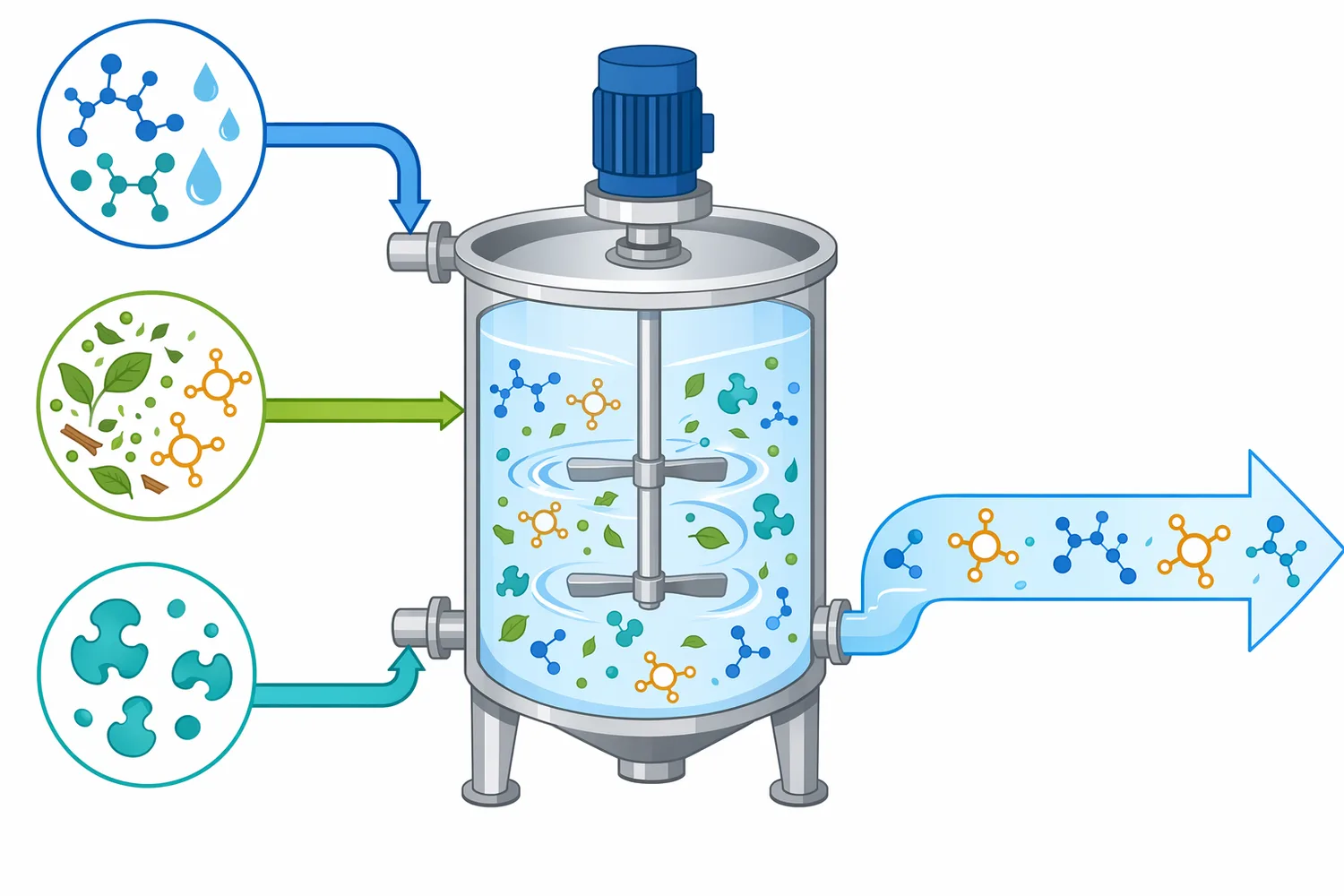
Phosphorus is essential for crop energy metabolism, nucleic acids, root development, and reproductive growth, yet it is one of the least mobile major nutrients in soil. Research on fertilizer substitution in wheat–maize rotation systems highlights the close relationship between nutrient management, soil organic carbon composition, soil enzyme activity, and grain yield, showing that phosphorus and carbon cycling cannot be separated from the biological condition of the soil [3].
The field challenge is that applied phosphorus does not always remain in a plant-accessible form. In many soils, phosphate can react with calcium, iron, or aluminum minerals, become adsorbed to soil particles, or enter organic pools that cycle slowly. Enzymatic conversion of organic phosphorus before or during fertilizer preparation does not remove all soil fixation processes, but it addresses one upstream bottleneck: phosphorus that is still locked inside a complex organic molecule before the fertilizer reaches the crop system.
This is why enzyme-enabled organic phosphorus conversion is relevant to water-soluble fertilizer concepts. A soluble fertilizer is expected to deliver nutrients through water, whether in fertigation, nursery production, greenhouse work, or concentrated stock solutions that are diluted before use. If part of the phosphorus fraction is tied up in phytic acid or similar structures, hydrolysis can make the nutrient stream more chemically available and more consistent in its soluble form [1].
Amino acids are often discussed in fertilizers as organic nitrogen inputs, but their biological role is broader. Plants absorb and redistribute amino acids through membrane transport systems, and amino acid transporters are linked with nitrogen allocation, seed composition, stress responses, and quality traits in crop plants [2].
At the root surface, amino acids can also interact with rhizosphere biology. Organic nitrogen forms can be used by microbes, transformed into mineral nitrogen, or taken up by plants depending on soil conditions and crop physiology. This means amino-acid-based fertilizers may influence the root zone not only by supplying nitrogen but also by changing the pool of small organic compounds available to roots and microbes.
The enzyme does not create amino acids from nothing; instead, it fits into fertilizer systems where amino acids or peptides may already be present from hydrolyzed proteins, fermentation materials, plant extracts, or other soluble organic inputs. In that context, phosphate release from organic phosphorus can complement amino-acid nutrition by helping the final nutrient solution contain both soluble nitrogenous compounds and more accessible phosphorus fractions [1].
Enzymatic hydrolysis is widely used to convert complex biological materials into smaller, more soluble components. Reviews on food protein hydrolysis describe how proteolytic enzymes cleave large proteins into peptides and free amino acids, with the resulting product profile depending on enzyme specificity, raw material structure, and processing conditions [4].
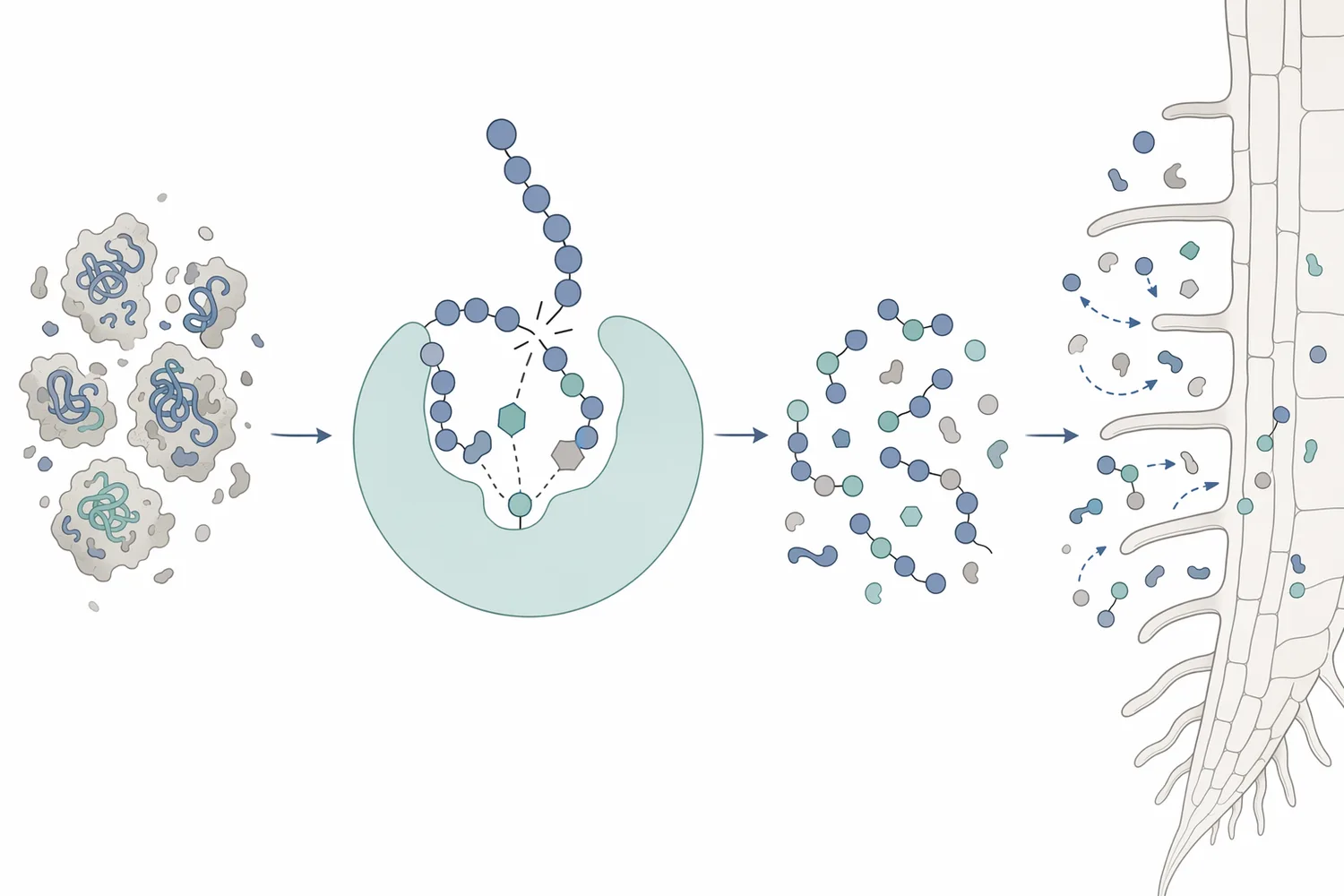
Although those protein-hydrolysis studies are not fertilizer trials, the processing logic is directly relevant. A complex biological feedstock is not automatically a water-soluble nutrient ingredient. Proteins, phytates, lignocellulosic residues, and mineral-organic complexes may require conversion before their nutrient value is present in a more soluble or reactive form. Enzymes are attractive because they act selectively on particular chemical bonds rather than relying only on harsh chemical treatment.
Recent work on food-protein hydrolysates also shows that hydrolysis time and enzyme level affect functional and structural outcomes in the final hydrolysate. For example, grape seed protein research evaluated how enzyme concentration and enzymolysis time changed digestibility, functional behavior, and structure, reinforcing the general point that enzymatic conversion is a controlled transformation rather than simple mixing [5].
For Amino Acid Water-Soluble Fertilizer Enzyme, the relevant substrate is phytic-acid-type organic phosphorus rather than protein alone. The same industrial principle applies: the enzyme catalyzes a specific conversion that can make a biological nutrient stream more suitable for water-soluble fertilizer use [1].
Fertilizer research increasingly measures soil enzyme activity because enzymes in the soil are practical indicators of biological nutrient cycling. In a wheat–maize rotation study, partial substitution of chemical fertilizer with organic fertilizer was evaluated for effects on soil organic carbon composition, enzyme activity, and grain yield, reflecting how integrated nutrient inputs can change both crop output and the biological processes that support nutrient turnover [3].
Long-term organic fertilizer work in acidified tea plantations also connects fertilizer management with soil improvement and nitrogen transformation. That study focused on different organic fertilizer dosages and evaluated tea yield and quality together with soil conditions, showing that biological and organic nutrient strategies are often assessed through multiple outcomes rather than yield alone [6].
Biochar-based fertilizer studies add another layer to this evidence. Research in rice found that biochar and nitrogen fertilizer promoted yield while altering soil enzyme activity and microbial community structure, indicating that nutrient efficiency can depend on the way amendments reshape microbial and enzymatic processes in the root zone [7].
A related maize study in black soil reported that biochar blended with nitrogen fertilizer promoted maize yield by altering soil enzyme activities and organic carbon content. This does not prove that a phytic-acid-hydrolyzing enzyme will produce the same field response, but it supports the broader agronomic principle that fertilizer performance is linked to biochemical cycling, not only to the headline nutrient percentage on a label [8].
Amino acids are central to plant nitrogen metabolism, but individual amino acids do not all behave identically. The 2024 review on amino acid transporters emphasizes that transport capacity, tissue distribution, and transporter regulation influence how amino acids affect plant growth and quality traits [2].
This matters for amino-acid water-soluble fertilizer concepts because the crop response depends on the amino acid profile, crop stage, nutrient background, and environmental stress. A fertilizer ingredient containing amino acids should not be assumed to act like a simple inorganic nitrogen salt; it enters a living system where uptake, metabolism, microbial competition, and internal transport determine the final effect.
Specific amino-acid-related compounds have also been studied for stress response. Gamma-aminobutyric acid, commonly known as GABA, was evaluated in fragrant rice under both well-watered and drought conditions, where application modulated morpho-physiological and yield traits. That type of evidence supports the idea that small nitrogen-containing organic molecules can affect crop physiology beyond simple nutrient mass balance [9].
For buyers considering an enzyme used in amino-acid fertilizer systems, the key takeaway is measured and practical: amino-acid nutrition has a credible scientific basis, but performance depends on context. The enzyme’s most defensible role is to support nutrient conversion in the product matrix, especially where organic phosphorus release is desired [1].
Amino-acid fertilizers are often used alongside other organic or biologically active fertilizer components. Humic and fulvic acids, for example, are widely studied for effects on soil structure, nutrient availability, root development, and stress tolerance. A 2024 barley study under saline soil conditions evaluated humic and fulvic acid applications to improve growth and yield, showing how organic amendments are being tested in difficult production environments [10].
Humic acids are also reviewed as contributors to crop performance and soil health. Their effects are typically associated with improved nutrient dynamics, root growth stimulation, changes in microbial activity, and better soil physicochemical behavior, although responses vary by soil and crop system [11].
Amino Acid Water-Soluble Fertilizer Enzyme does not perform the same function as humic acid, fulvic acid, or microbial inoculants. Its specific role is catalytic conversion of phytic-acid-type phosphorus. However, it belongs to the same broader movement toward fertilizer systems that include organic molecules, biological processes, and nutrient-efficiency mechanisms rather than relying solely on conventional mineral salts [1].
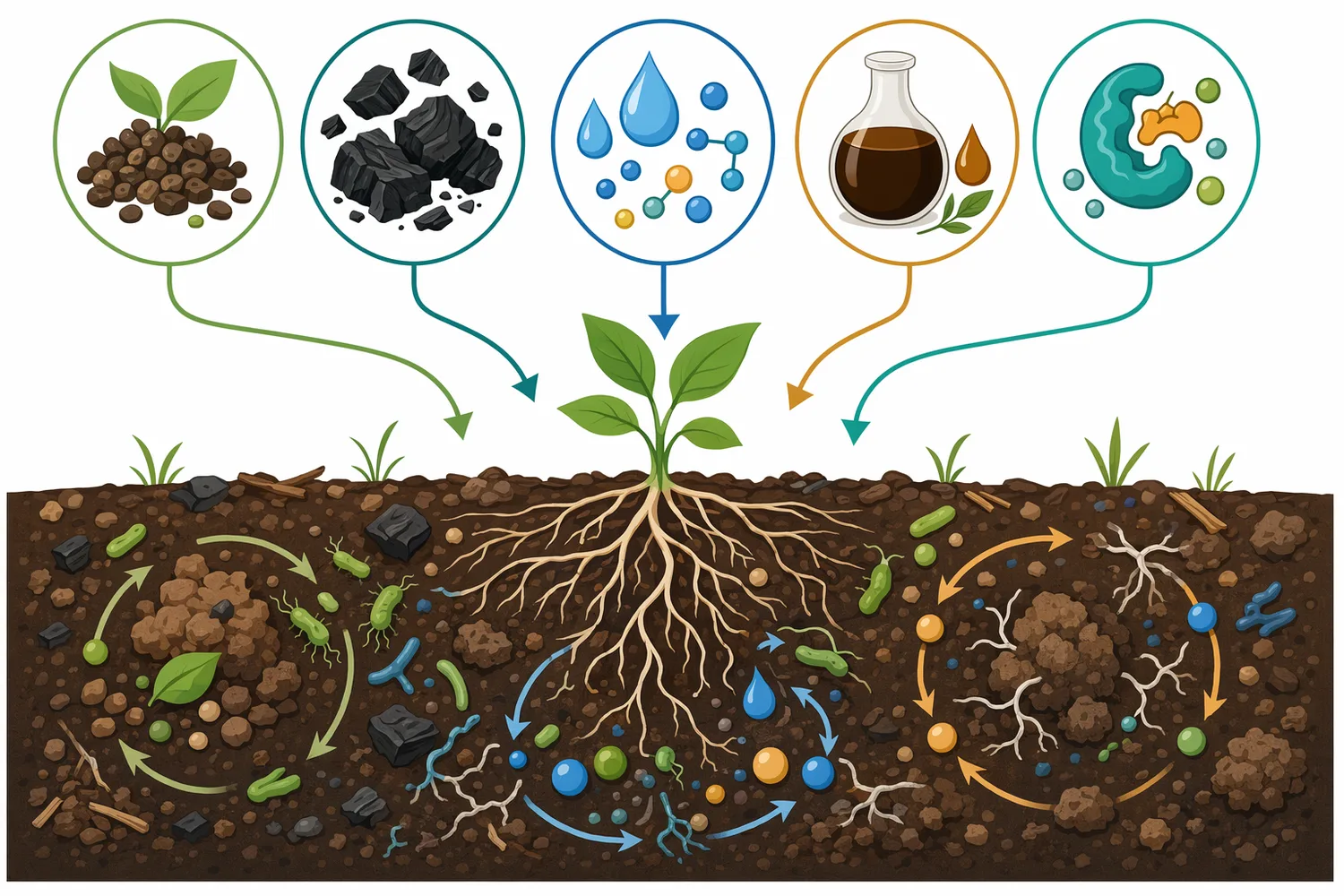
The following comparison helps position Amino Acid Water-Soluble Fertilizer Enzyme against related fertilizer inputs without treating them as interchangeable.
| Fertilizer input type | Primary function | What changes chemically or biologically | Typical relevance to water-soluble systems |
|---|---|---|---|
| Conventional mineral fertilizer | Supplies nutrients in inorganic salt form | Dissolves into nutrient ions already present in the salt | High, when salts are fully soluble and compatible |
| Amino-acid fertilizer component | Supplies soluble organic nitrogen compounds and may influence plant metabolism | Adds amino acids or peptides that can be absorbed, metabolized, or transformed by microbes | High, especially in fertigation, foliar, and specialty crop programs |
| Amino Acid Water-Soluble Fertilizer Enzyme | Catalyzes conversion of organic phosphorus substrates | Hydrolyzes phosphate ester bonds in phytic-acid-type molecules, releasing phosphate progressively | Relevant when organic phosphorus conversion is part of the fertilizer process |
| Humic or fulvic substances | Supports soil and root-zone function | Interacts with minerals, roots, and microbial processes; may affect nutrient availability and stress tolerance | Common in soluble or suspension products, depending on material behavior |
| Biochar-based fertilizer amendment | Modifies soil carbon, microbial habitat, and nutrient cycling | Changes soil organic carbon pools, microbial community structure, and enzyme activity | More common in soil-applied systems than clear liquid fertilizers |
This table is not a ranking. It shows that the enzyme’s role is specific: it modifies a substrate by catalysis. Mineral fertilizers supply ions directly, amino-acid ingredients supply organic nitrogen molecules, humic substances interact with soil and root processes, and biochar affects soil carbon and microbial habitat. Research on biochar with nitrogen fertilizer in rice and maize illustrates how amendments can influence yield through enzyme activity and microbial community shifts, while the product category described here focuses on enzymatic phosphorus release in the fertilizer matrix [7].
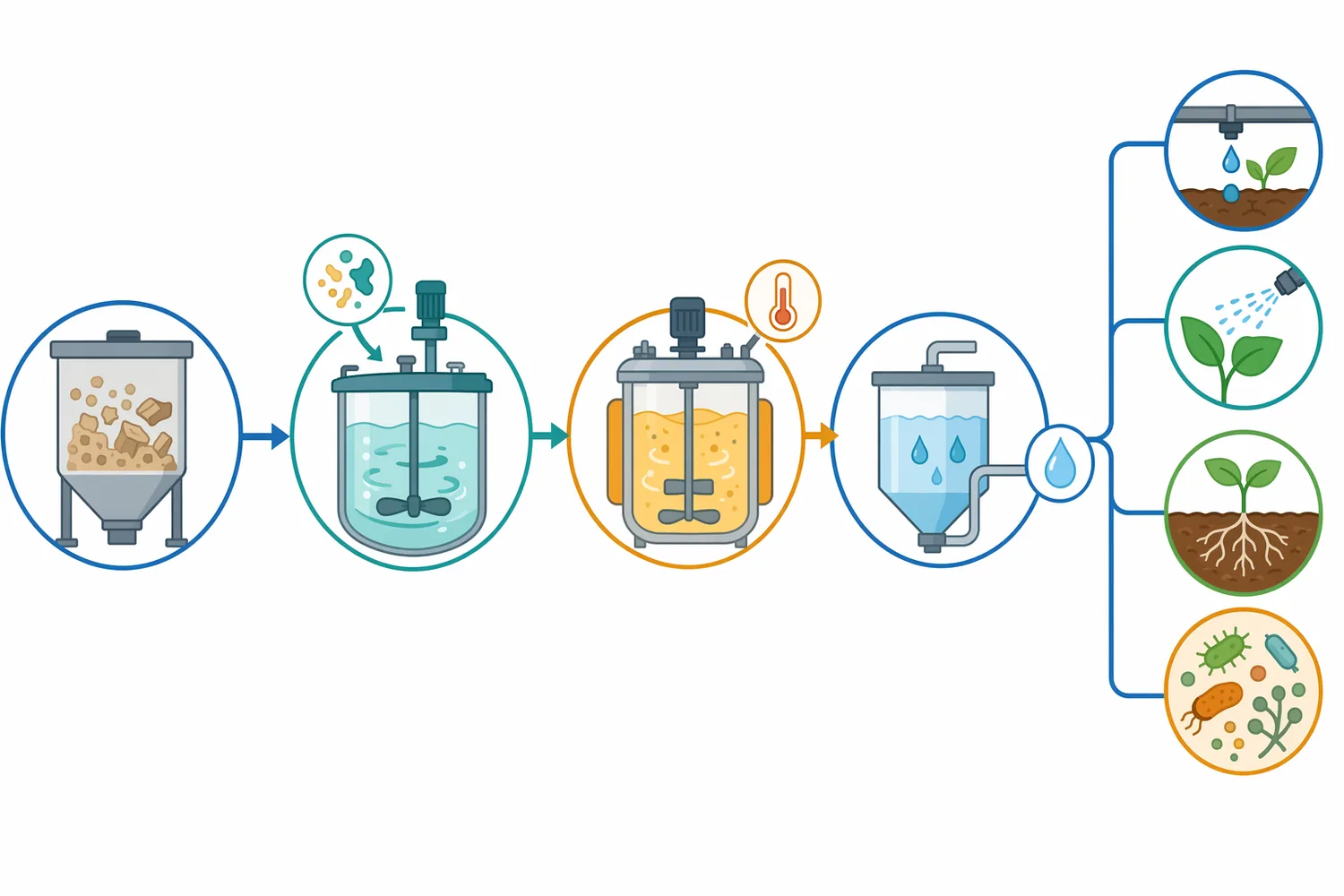
The most direct use case is water-based fertilizer processing where the formulation includes or is derived from organic materials containing phytic acid. In this setting, the enzyme contacts the substrate in an aqueous environment and catalyzes phosphate release, helping convert a bound organic phosphorus fraction into a more usable soluble form [1].
This is particularly relevant for fertilizer systems that combine amino acids, peptides, soluble minerals, and organic nutrient fractions. The goal is not merely to suspend organic matter in water, but to transform selected nutrient-bearing molecules so the final product behaves more consistently in water-based application.
Amino-acid fertilizer systems may be designed for crops where rapid nutrient delivery, crop quality, or stress support is important. Because amino acids move through dedicated plant transport systems and participate in nitrogen allocation, they offer a different biological profile from nitrate, ammonium, or urea alone [2].
In these blends, phosphate release from phytic acid can complement the amino-acid fraction. The amino acids contribute organic nitrogen and metabolic relevance, while the enzyme-supported reaction helps make organic phosphorus less chemically locked in its original form.
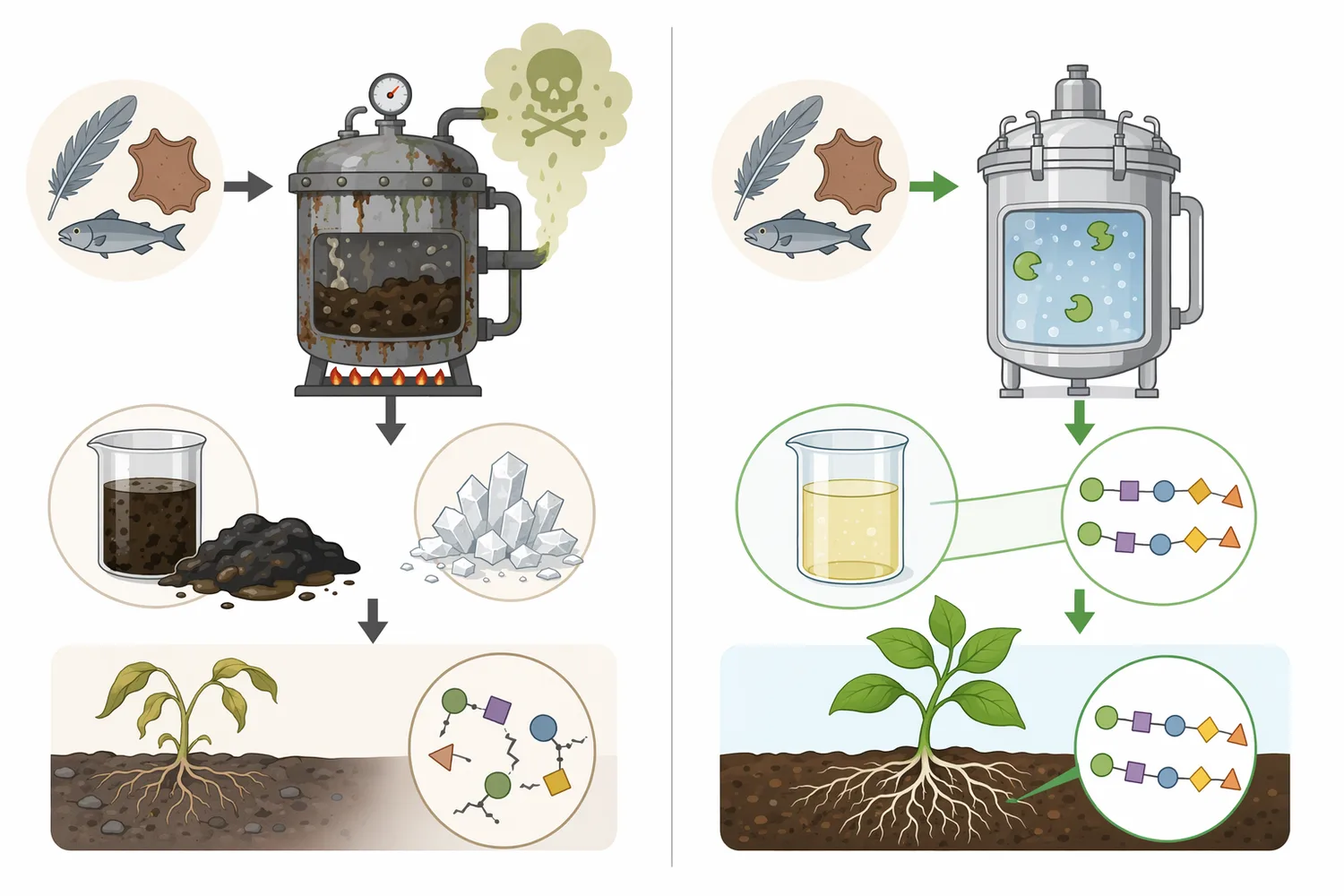
Many organic fertilizer ingredients originate from plant meals, fermentation streams, seed materials, or protein-rich byproducts. Some of these materials contain phytic acid or other organic phosphorus forms. Enzyme treatment can support upgrading by reducing the proportion of phosphorus held in tightly bound organic structures [1].
The broader enzyme-processing literature supports this type of approach. Protein hydrolysis research shows that enzymes can convert biological macromolecules into smaller, more soluble peptides and amino acids, while studies on advanced hydrolysis methods demonstrate that process design changes the functional profile of the resulting hydrolysate [12].
Water-soluble fertilizer systems are especially relevant in controlled environments, nurseries, high-value horticulture, and irrigated production where nutrient solutions are handled more precisely. In these systems, clarity, solubility, compatibility, and predictable nutrient behavior matter because the fertilizer is delivered through water rather than incorporated as a bulk soil amendment.
Evidence from organic and biochar fertilizer studies also shows why controlled nutrient conversion is important. In rice, biochar combined with nitrogen fertilizer influenced yield through changes in soil enzyme activity and microbial structure, while in maize black soil, biochar-nitrogen combinations affected enzyme activities and organic carbon content [7]. These studies reinforce that nutrient outcomes depend on biochemical context, even when the enzyme product itself is used upstream in fertilizer preparation rather than applied as a soil amendment.
When the enzyme works on a phytic-acid-containing substrate, the main expected change is dephosphorylation. The original molecule carries multiple phosphate groups; enzymatic hydrolysis removes those groups progressively. As phosphate groups are released, the mixture can contain a higher proportion of smaller phosphorus-containing intermediates and free phosphate compared with the untreated substrate [1].
This can improve the conceptual fit with water-soluble fertilizer systems because the nutrient fraction is less dependent on later breakdown of intact phytic acid. It may also reduce the mismatch between total phosphorus and immediately useful phosphorus in an organic input. Total phosphorus can look adequate on paper while a portion remains in a molecular form that is not readily available in the intended use environment.
The amino-acid component of the fertilizer concept adds a second functional layer. Amino acids can serve as nitrogen-containing metabolites, interact with plant transport systems, and participate in stress and quality pathways. Their value is not identical to mineral nitrogen, and research on amino acid transporters shows that movement and allocation are regulated biological processes [2].
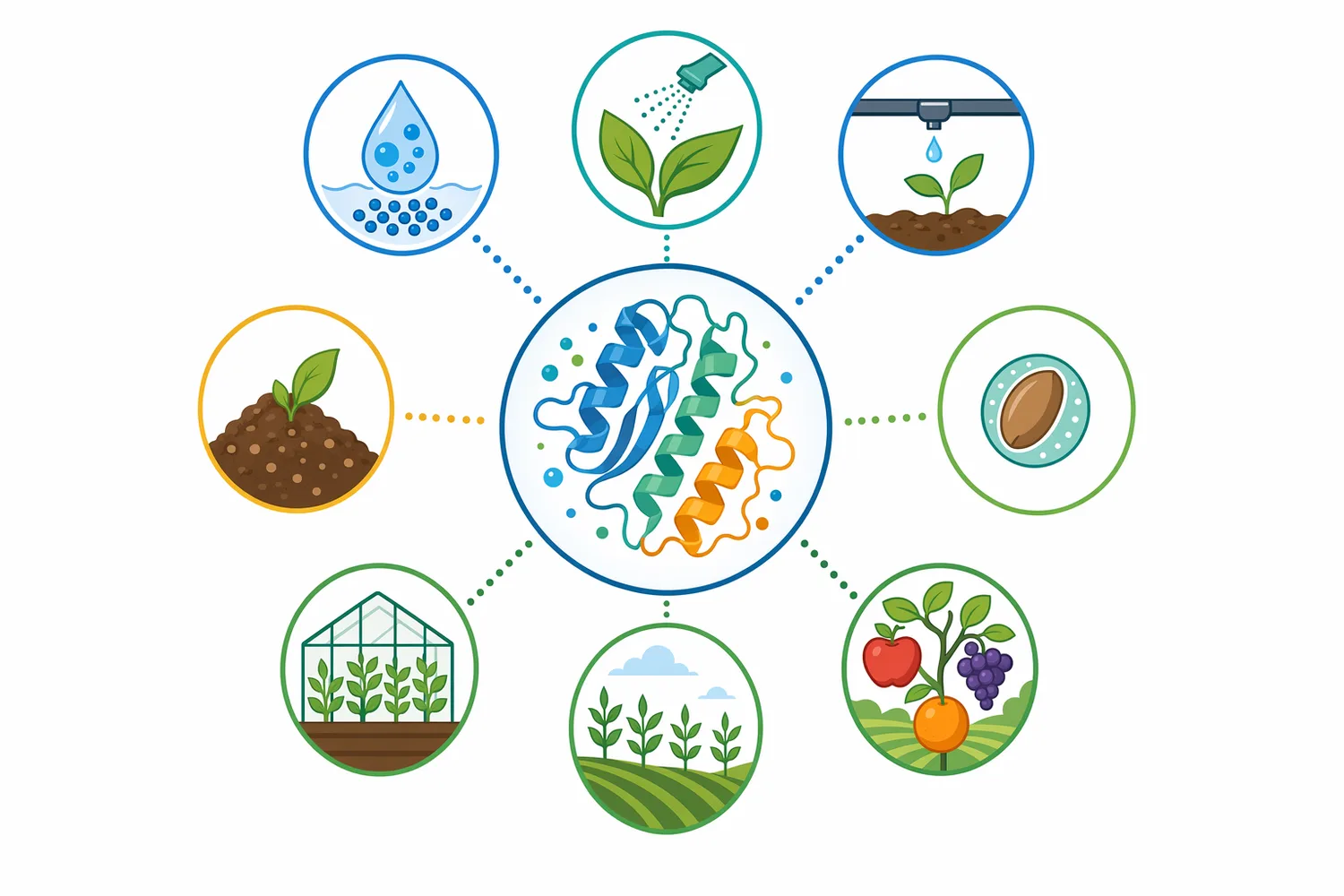
Together, enzyme-supported phosphate release and amino-acid nutrition can help create a more functionally balanced water-soluble fertilizer concept: organic nitrogen compounds are present in soluble form, while organic phosphorus is shifted toward simpler phosphate forms. The evidence supports this as a scientifically grounded processing strategy, not as a universal guarantee of yield increase.
Even when a fertilizer is applied as a soluble product, its performance ultimately meets the biology and chemistry of the root zone. Soil enzymes are produced by plant roots, microbes, and soil organisms, and they mediate transformations of carbon, nitrogen, phosphorus, and sulfur. Studies evaluating fertilizer substitution, organic fertilizer dosage, biochar, and crop yield frequently include soil enzyme activity because it provides insight into nutrient cycling capacity [3].
Plant growth-promoting bacteria and other rhizosphere organisms can further influence nutrient uptake, stress tolerance, and soil restoration. A 2025 review describes plant growth-promoting bacteria as a strategy for agricultural sustainability and soil restoration, emphasizing their roles in nutrient mobilization, phytohormone production, and stress mitigation [13].
This does not mean Amino Acid Water-Soluble Fertilizer Enzyme functions as a microbial inoculant. It does not rely on living cells to colonize the rhizosphere. Its action is catalytic on the target substrate. However, by changing the fertilizer matrix before application, it can influence what forms of phosphorus and organic nutrients enter the crop system [1].
The strongest product-specific claim is the enzyme-category function: hydrolysis of phytic acid with progressive release of phosphate groups. That is a processing and substrate-conversion claim, not a blanket field-performance claim [1].
The broader scientific evidence supports several adjacent points. Amino acids are biologically important plant compounds with dedicated transport systems; organic fertilizer strategies can influence soil enzymes, organic carbon, microbial communities, crop yield, and quality; and enzymatic hydrolysis is a well-established method for converting biological macromolecules into smaller, more soluble products [2].
However, field performance depends on many variables outside the enzyme itself: crop species, soil phosphorus status, pH, mineral fixation capacity, irrigation practice, organic matter level, microbial community, weather, and the rest of the nutrient program. For that reason, the enzyme is best positioned as a useful processing aid for water-soluble fertilizer development, not as a standalone replacement for balanced crop nutrition.
This distinction is important for practical use. A fertilizer ingredient can be chemically effective at releasing phosphate from a substrate and still require appropriate formulation and agronomic management to deliver a measurable crop response. The research on biochar, organic fertilizers, and microbial inputs repeatedly shows that yield and quality outcomes arise from interactions among nutrient supply, soil chemistry, microbial activity, and crop physiology [8].
Enzymes.bio supplies Amino Acid Water-Soluble Fertilizer Enzyme directly online by the 1 kg unit. Buyers can place the order online, complete payment, and the order is then processed and shipped.
A Certificate of Analysis and Safety Data Sheet are included with the order. The product is intended for buyers who need a specialty enzyme ingredient for fertilizer-related water-soluble nutrient processing, particularly where amino-acid systems and organic phosphorus conversion are part of the intended application.
Amino Acid Water-Soluble Fertilizer Enzyme is most useful when the practical challenge is not simply adding more nutrients, but converting a nutrient-bearing organic substrate into a more usable soluble form. By hydrolyzing phytic-acid-type phosphorus, the enzyme changes the chemistry of the substrate and releases phosphate groups that can better fit a water-soluble fertilizer matrix [1].
The scientific context is supportive but should be read carefully. Amino acids are important in plant nutrient movement and quality formation; organic and biochar-based fertilizer systems can alter soil enzymes, microbial structure, and yield; and enzymatic hydrolysis is a proven route for transforming biological materials into smaller, more functional fractions [2].
For water-soluble fertilizer and biostimulant-style nutrient systems, the enzyme’s value is therefore concrete: it supports phosphate release from organic phosphorus while fitting into amino-acid-based nutrient concepts. It is a focused catalytic tool for formulation and processing—not a complete fertilizer, not a microbial inoculant, and not a universal field-performance guarantee.
Sold by the 1 kg unit, in stock and ready to ship. Order directly on our store — pay online and we process your order. A Certificate of Analysis and Safety Data Sheet are included with every order.
Buy Amino Acid Water-Soluble Fertilizer Enzyme →Numbered in order of first citation. Open-access sources, each verified reachable at publication; citation numbers in the text link here.