
Beta-glucosidase is a glycoside hydrolase enzyme that cleaves β-glucosidic bonds, most commonly converting cellobiose and other glucose-containing glycosides into glucose plus a smaller reaction partner. In practical processing terms, it is used where cellulose-derived sugars, plant glycosides, or bound aroma precursors need to be “unlocked” into more accessible molecules.
For buyers using enzymes in biomass conversion, botanical processing, fermentation-adjacent systems, or food and beverage applications, beta-glucosidase is most relevant when the substrate contains accessible β-linked glucose. Enzymes.bio supplies beta-glucosidase for direct online purchase by the 1 kg unit; after online payment, the order is processed and shipped with a Certificate of Analysis and Safety Data Sheet.
Beta-glucosidase, also written as beta glucosidase or β-glucosidase, targets β-glucosidic linkages: the chemical bonds that connect a glucose unit to another sugar or to a non-sugar aglycone. When the enzyme acts on cellobiose, it splits the two-glucose molecule into glucose; when it acts on a plant glycoside, it can release glucose and expose the aglycone that was previously held in a bound, often less volatile or less bioavailable form [1].
This bond-level action is why the same beta-glucosidase enzyme class appears in several different application areas. In cellulose processing, it completes the last step of cellulose-to-glucose hydrolysis; in plant extract work, it removes glucose from selected glycosides; and in aroma applications, it can release volatile compounds that were stored in odorless or less aromatic glycosidic forms [2].
Beta-glucosidase is commonly classified as EC 3.2.1.21 and is sometimes called cellobiase when the intended substrate is cellobiose. The “beta” part refers to the stereochemical arrangement of the glucosidic bond, not to unrelated uses of the word beta in medicine, nutrition, or pharmacology; for example, beta-glucans, beta blockers, and beta-glucosidase refer to different subjects.
At the enzyme-family level, beta-glucosidases belong to the broad group of glycoside hydrolases. These enzymes accelerate the cleavage of glycosidic bonds by positioning the sugar-bearing substrate in an active site, polarizing the bond, and allowing water or another acceptor molecule to participate in bond breakage and product formation [3].
Many natural and engineered beta-glucosidases have been studied from fungal, bacterial, animal, and metagenomic sources. For industrial readers, the important point is not the name of a single organism but the functional role: beta-glucosidase recognizes β-linked glucose-containing substrates and converts them into smaller products that are more usable in the process [4].
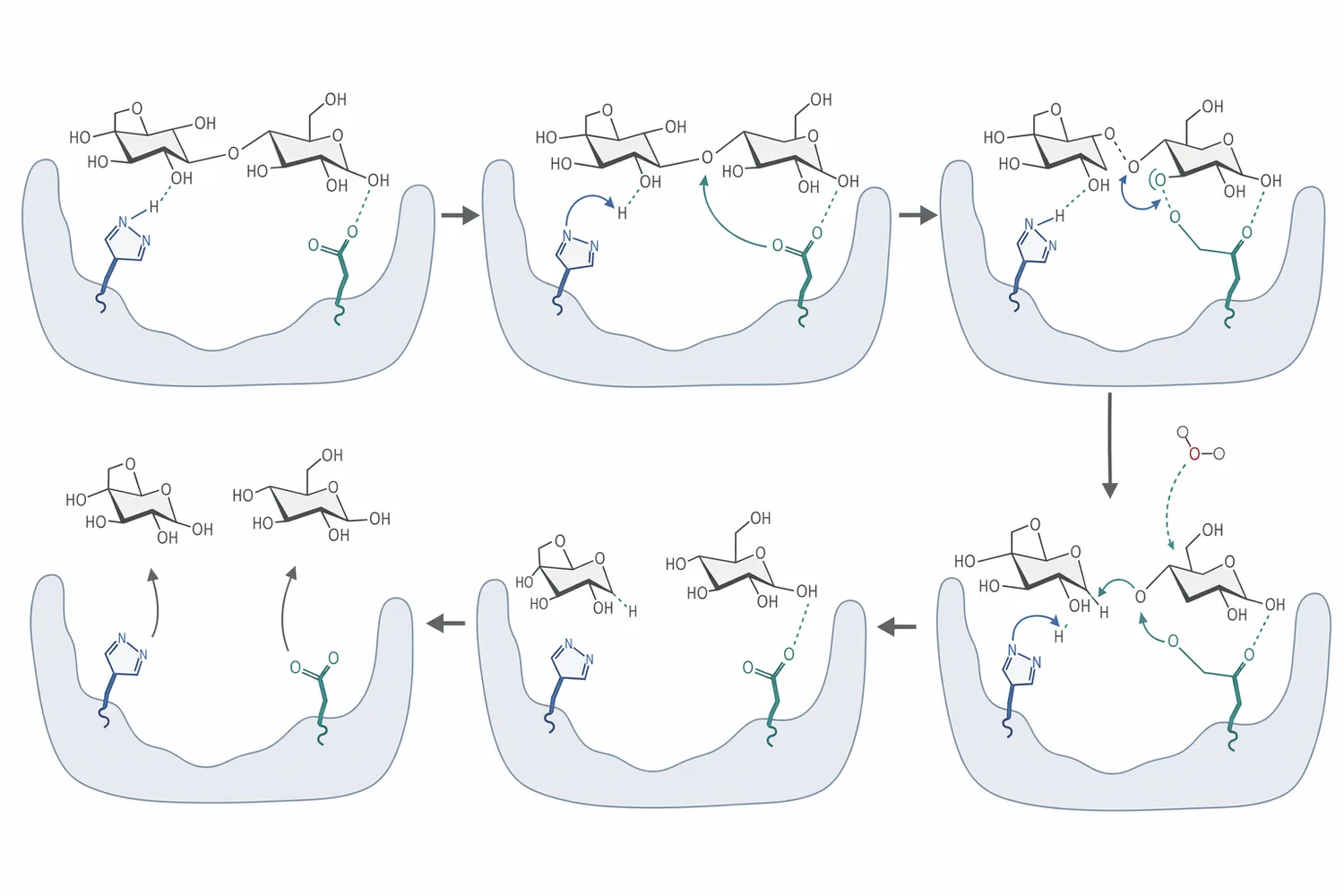
A β-glucosidic bond is a covalent connector between the anomeric carbon of glucose and another group. In cellobiose, that other group is a second glucose molecule; in a plant glycoside, it may be a terpene, phenolic compound, flavonoid-related structure, or other aglycone.
Beta-glucosidase works by binding the glucose-containing portion of the substrate in a shaped active site. The enzyme positions catalytic amino-acid groups close to the bond, stabilizes the transition state, and promotes cleavage of the linkage. Water then supplies the elements needed to finish hydrolysis, producing free glucose and the corresponding product fragment [1].
For cellobiose, the change is easy to visualize: one molecule made from two glucose units becomes two molecules of glucose. This matters because glucose is directly fermentable by many microorganisms, while cellobiose can accumulate and interfere with cellulase systems if it is not removed efficiently [5].
For plant glycosides, the chemistry is similar but the practical outcome is different. The glucose portion is removed, and the aglycone becomes exposed. That aglycone may have different solubility, volatility, bitterness, color contribution, reactivity, or biological accessibility compared with the original glycoside.
Beta-glucosidases can also participate in transglucosylation under some conditions, where a glucose group is transferred to an acceptor other than water. Mechanistic studies using transglucosylation as a probe show that beta-glucosidase chemistry is not simply “random bond cutting”; it depends on enzyme structure, substrate positioning, and the availability of water or alternative acceptor molecules [6].
The most established technical role for beta-glucosidase is in cellulose hydrolysis. Cellulose is a long chain of glucose units connected mainly through β-1,4 linkages, but it is not normally converted to glucose by beta-glucosidase alone. A cellulase system first opens and shortens the cellulose chain, producing soluble cellulose-derived sugars such as cellobiose and short glucooligomers.
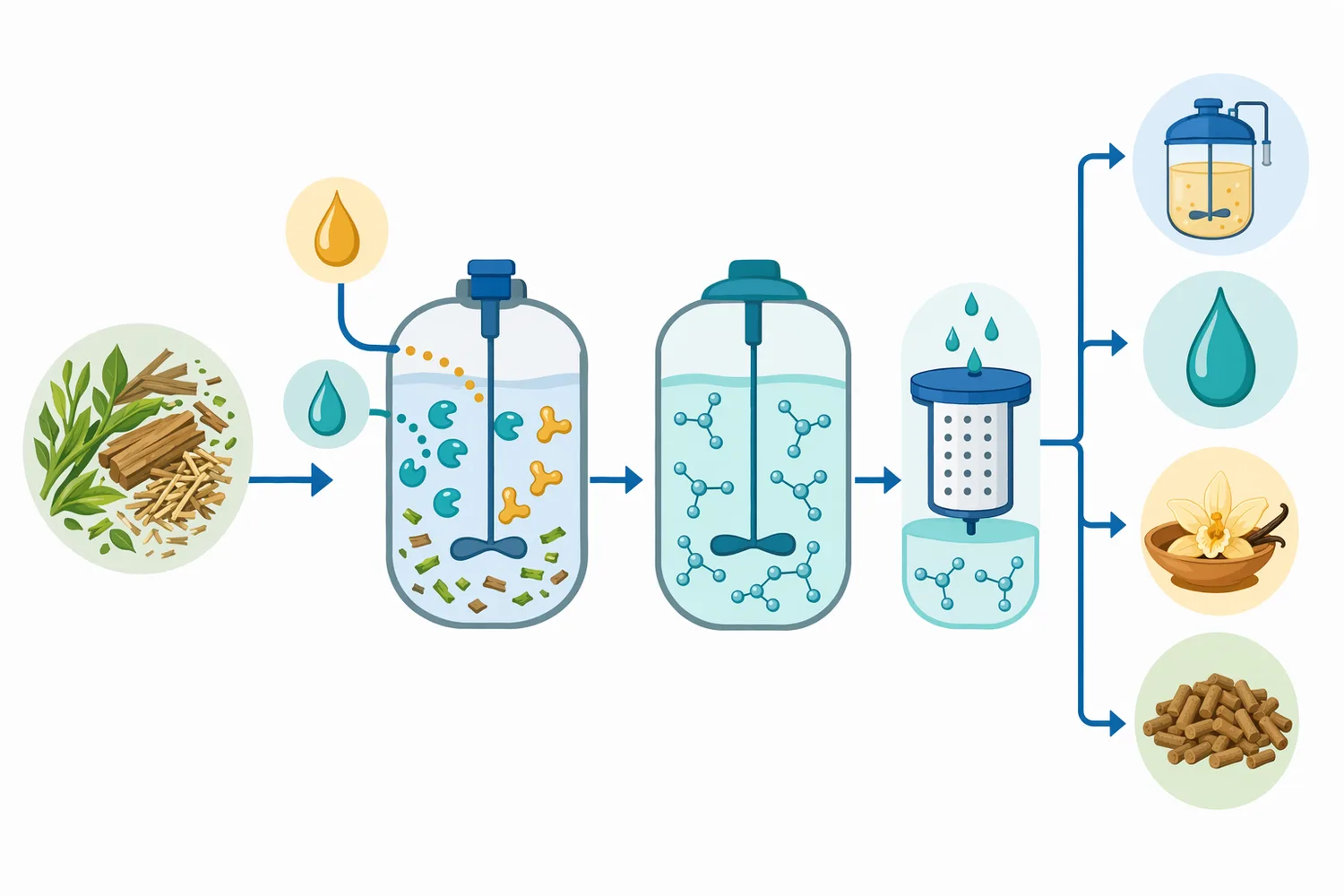
Beta-glucosidase then completes the downstream step by converting those soluble intermediates into glucose. This is why the term beta-glucosidase cellulose is common in biomass and biorefinery searches: the enzyme’s strongest value is often not in attacking crystalline cellulose directly, but in removing cellobiose and related soluble products that arise during cellulase action [5].
This matters for process efficiency because accumulated cellobiose can inhibit upstream cellulase components. When beta-glucosidase is present in an appropriate cellulase system, it reduces cellobiose buildup and helps the hydrolysis sequence continue toward glucose formation rather than stalling at intermediate sugars [7].
Plants store many compounds as glycosides. Adding glucose can make a molecule more water-compatible, less volatile, less reactive, or easier for the plant to store. Beta-glucosidase reverses part of that storage chemistry by removing glucose when the glycosidic bond is accessible to the enzyme.
In botanical extract processing, this can change the composition of an extract without applying harsh chemical hydrolysis. The result may be a shift from glucosides toward aglycones or partially deglycosylated products, depending on the substrate and enzyme specificity. The underlying mechanism is the same as in cellobiose conversion, but the process target is different: composition modification rather than simple glucose production [2].
Substrate specificity is important here. A beta-glucosidase that works well on cellobiose is not automatically efficient on every bulky plant glycoside, because the aglycone portion must also fit or be tolerated near the enzyme’s active site. Research on different beta-glucosidases shows that enzyme source and active-site architecture strongly influence which β-glucosides are converted effectively [8].
Many fruit, tea, wine, and plant-derived aroma compounds occur as non-volatile glycosides. While bound to glucose, the aroma molecule may not evaporate readily and therefore contributes less to perceived aroma. Beta-glucosidase can hydrolyze the bond and release the aglycone, making the aroma-active compound more available.
This is a useful mechanism, not a universal flavor guarantee. If the released aglycone has a desirable aroma, beta-glucosidase can support a more expressive profile; if the raw material contains bitter or undesirable aglycones, hydrolysis may produce a less favorable result. The enzyme changes chemistry first, and the sensory outcome follows the specific composition of the material [1].
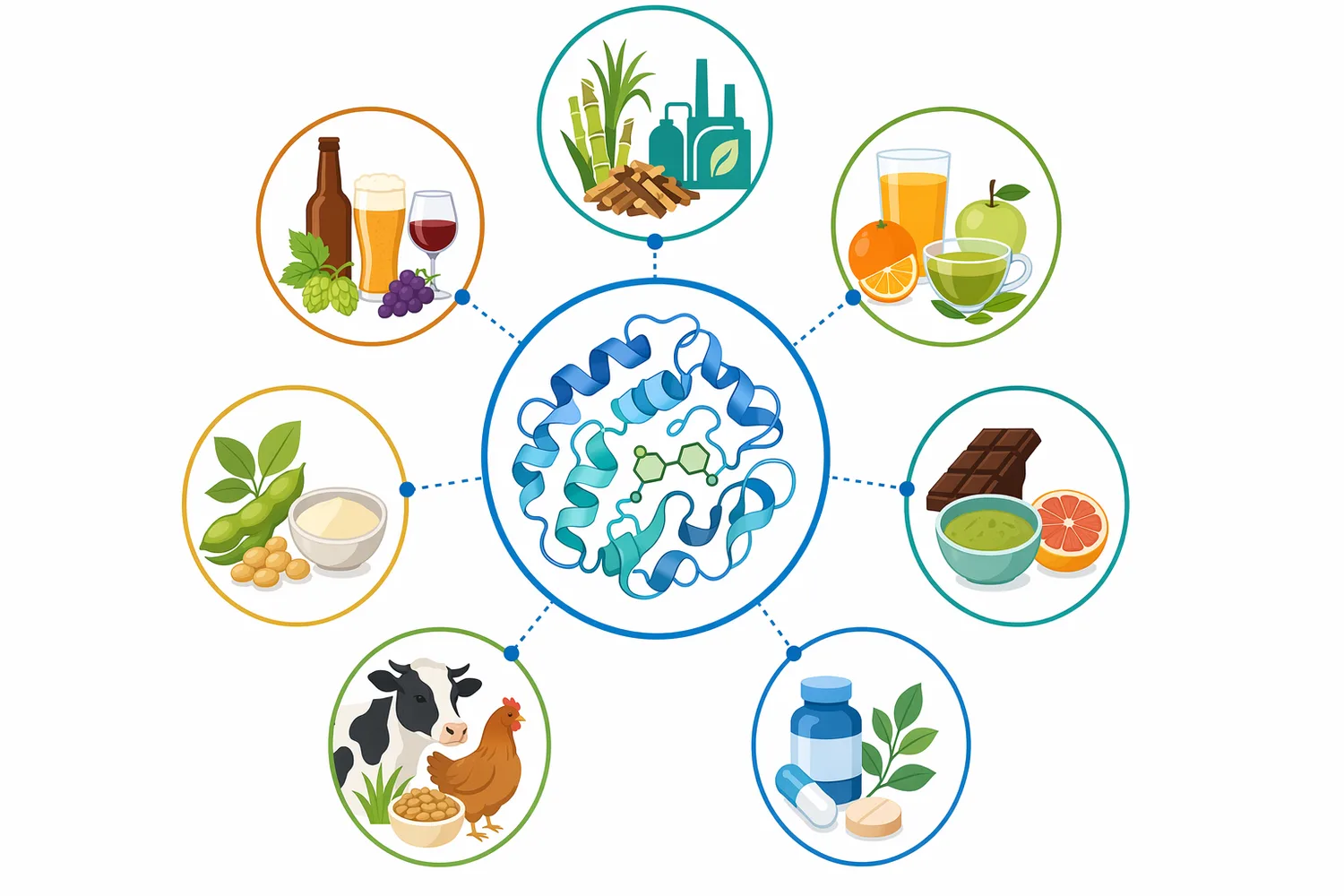
The same principle explains why searches such as beta glucosidase yeast often appear in fermentation contexts. In fermented foods and beverages, glycosidase activity can influence the balance between bound and free aroma compounds, although the result depends on pH, ethanol, sugar levels, temperature, and the glycosides present.
In fermentation-adjacent processes, beta-glucosidase can support the release of fermentable glucose from cellobiose or other β-glucosides. This is relevant when a feedstock contains cellulose-derived oligosaccharides or plant glycosides that are not directly consumed by the production organism.
The enzyme’s role is not to ferment sugar itself. Instead, it prepares the substrate by converting certain bound or dimeric glucose forms into free glucose or by modifying glycosides that affect the downstream process. This distinction is important when evaluating beta-glucosidase applications in brewing, biomass fermentation, botanical fermentations, or mixed enzyme systems [9].
| Application area | Main substrate type | What beta-glucosidase changes | Practical reason it is used |
|---|---|---|---|
| Cellulose hydrolysis | Cellobiose and short cellulose-derived glucooligomers | Converts β-linked glucose intermediates into glucose | Supports more complete hydrolysis and reduces cellobiose accumulation |
| Biomass-to-sugar processing | Soluble products formed by cellulase action | Finishes the conversion sequence after upstream cellulases create smaller sugars | Improves availability of fermentable glucose in the hydrolysate |
| Botanical extract conversion | Plant glucosides | Removes glucose from selected glycosides, forming aglycones or smaller products | Modifies extract composition, solubility, reactivity, or sensory profile |
| Aroma release | Glycosidically bound aroma precursors | Releases volatile or aroma-active aglycones | Makes previously bound aroma compounds more available |
| Fermentation-adjacent systems | Cellobiose, glucosides, mixed plant-derived substrates | Releases glucose or changes glycoside composition | Supports substrate preparation before or during a bioprocess |
| Medical and diagnostic search contexts | Human enzyme systems | Not an industrial processing application | Terms such as beta-glucosidase leukocyte test or Gaucher disease beta glucosidase refer to medical diagnostics, not this processing enzyme |
The mechanism of beta-glucosidase action has been studied using purified enzymes, kinetic analysis, structural work, mutagenesis, and substrate analogs. These studies show that beta-glucosidase activity depends on precise enzyme-substrate interactions rather than nonspecific sugar breakdown [3].
Work on Aspergillus oryzae beta-glucosidase examined substrate binding energy and enzymatic action, supporting the view that the enzyme’s active site recognizes and stabilizes a β-glucoside substrate in a way that lowers the energy barrier for bond cleavage [1]. In practical language, the enzyme does not simply “digest sugar”; it binds the glucose-bearing linkage in a productive orientation so the bond can be split efficiently.
Kinetic analysis of beta-glucosidase from Botryodiplodia theobromae further illustrates that reaction behavior depends on substrate interaction and catalytic mechanism. For process use, that means performance is shaped by the substrate and environment, not only by the presence of the enzyme name on a label [2].
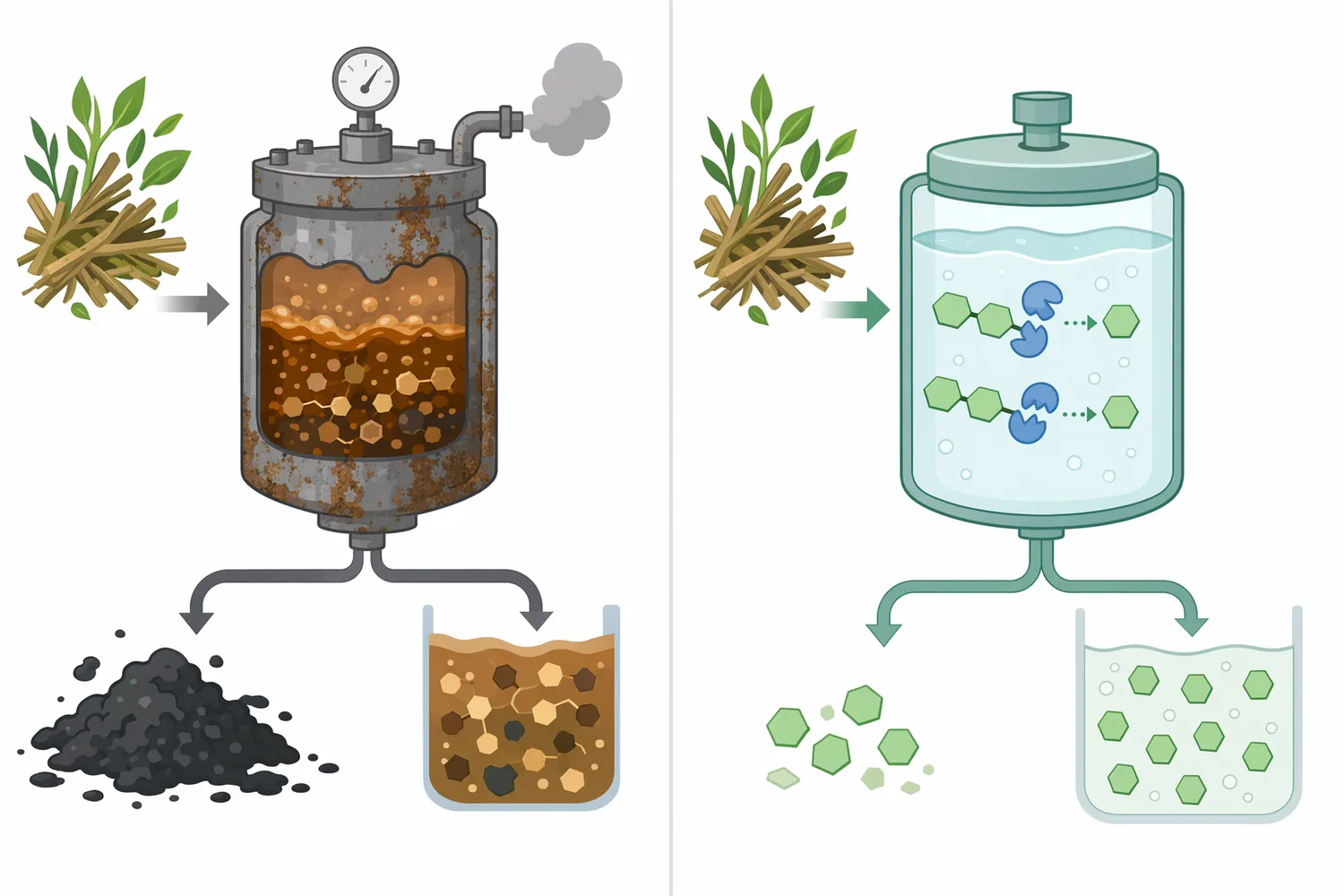
Stereochemical studies with α- and β-glucosidases also show that glucosidases act with specific orientation requirements. Beta-glucosidase is therefore not interchangeable with alpha-glucosidase: both act on glucose-containing substrates, but they recognize different bond geometry [10].
In lignocellulosic biomass processing, beta-glucosidase is part of a coordinated cellulase system. Endoglucanases act within cellulose chains, exoglucanases or cellobiohydrolases release smaller units from chain ends, and beta-glucosidase converts cellobiose into glucose. This division of labor explains why beta-glucosidase is often described as essential for complete cellulose saccharification [5].
The spatial arrangement of cellulase components can influence the rate and completeness of cellulose degradation. Research on the proximity of beta-glucosidase and cellulosomes showed that placing beta-glucosidase close to cellulose-degrading enzyme assemblies can improve cellulose degradation by reducing the distance between intermediate formation and cellobiose conversion [5].
This evidence is important because it explains a common process observation: beta-glucosidase is not only a “final step” enzyme but also a system-support enzyme. By consuming cellobiose near where it is generated, it can reduce local product accumulation and help the upstream cellulase components continue working.
Not all beta-glucosidases behave the same way. A thermostable beta-glucosidase purified from Thermoascus aurantiacus has been studied for biochemical characterization and mechanism, illustrating that fungal beta-glucosidases can differ in stability and catalytic properties [7].
Other research has examined beta-glucosidases from metagenomic DNA, insects, and bacterial sources. A multifunctional beta-glucosidase from Musca domestica and a beta-glucosidase mined from goat rumen metagenomic bacterial DNA both demonstrate the diversity of this enzyme class across biological systems [8].
For industrial interpretation, this diversity means beta-glucosidase should be understood as a functional enzyme category rather than a single identical molecule. Different beta-glucosidases may vary in how they respond to glucose, heat, pH, salts, organic co-solvents, and bulky glycoside structures.
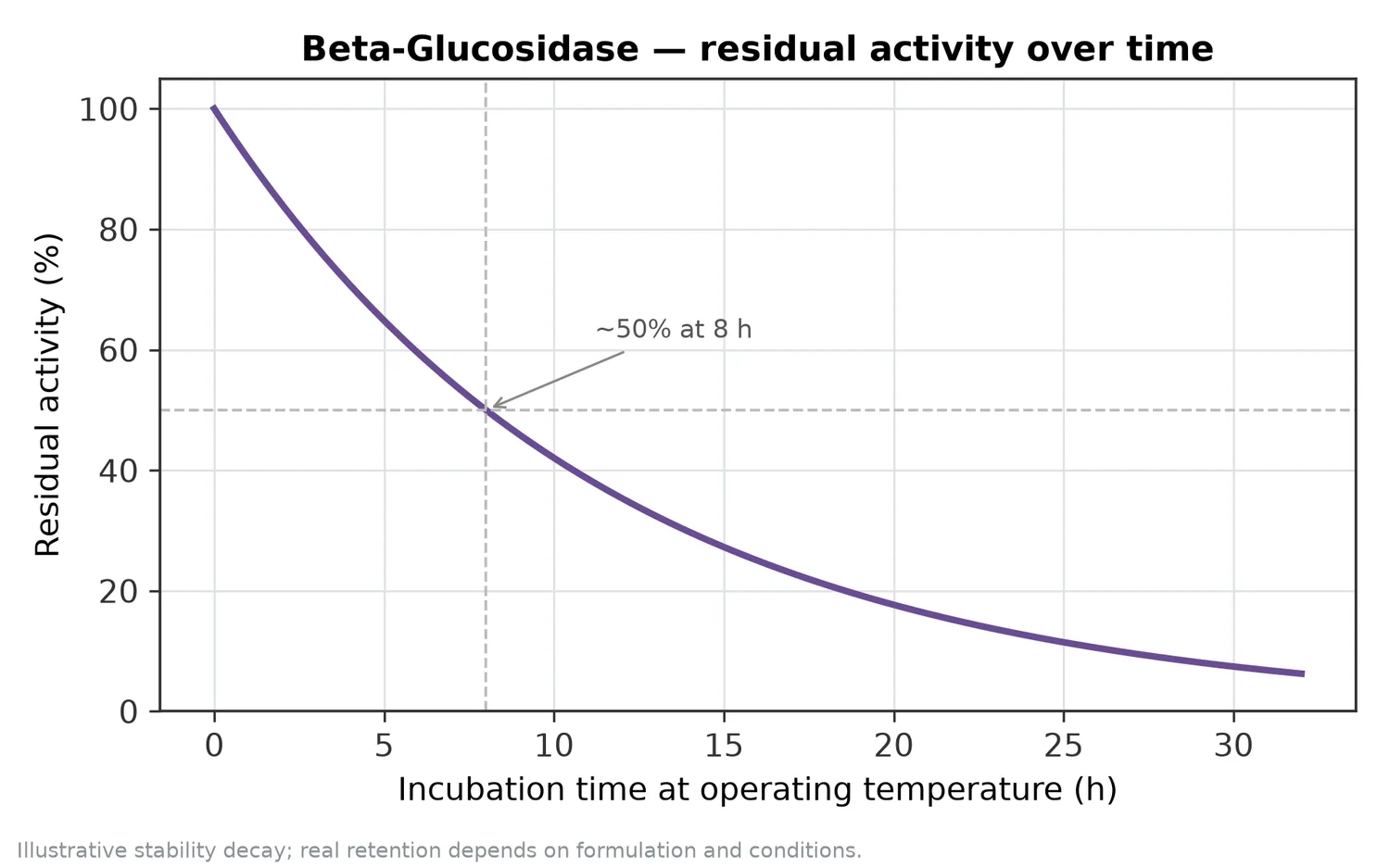
A practical challenge in beta-glucosidase use is that glucose, one of the main products, can inhibit some enzymes. If glucose accumulates during cellobiose hydrolysis, the reaction may slow unless the enzyme remains active in the presence of product sugar or the process removes or consumes glucose downstream.
Research on a glucose-tolerant GH3 beta-glucosidase, Bgl1973 from Leifsonia sp. ZF2019, highlights why glucose tolerance is a recurring theme in beta-glucosidase literature. In processes designed to release glucose, the enzyme’s response to its own product can influence how far and how fast hydrolysis proceeds [9].
This is particularly relevant in biomass conversion and fermentation-adjacent systems, where glucose formation is the objective. When glucose is rapidly fermented, consumed, or otherwise removed from the immediate enzyme environment, inhibition pressure can be reduced; when it accumulates, beta-glucosidase behavior becomes more central to process performance.
Beta-glucosidase is a folded protein, so its activity depends on maintaining the right three-dimensional structure around the active site. Charged particles, metal ions, organic solvents, and immobilization environments can shift the enzyme’s conformation or affect substrate access.
Recent work on charged peptides and beta-glucosidase examined how charged particles influence enzyme activity and molecular dynamics, pointing to a mechanism in which surface interactions and conformational changes can affect catalytic performance [11]. This helps explain why the same enzyme can behave differently in a clean aqueous system than in a complex plant extract, biomass slurry, or formulation.
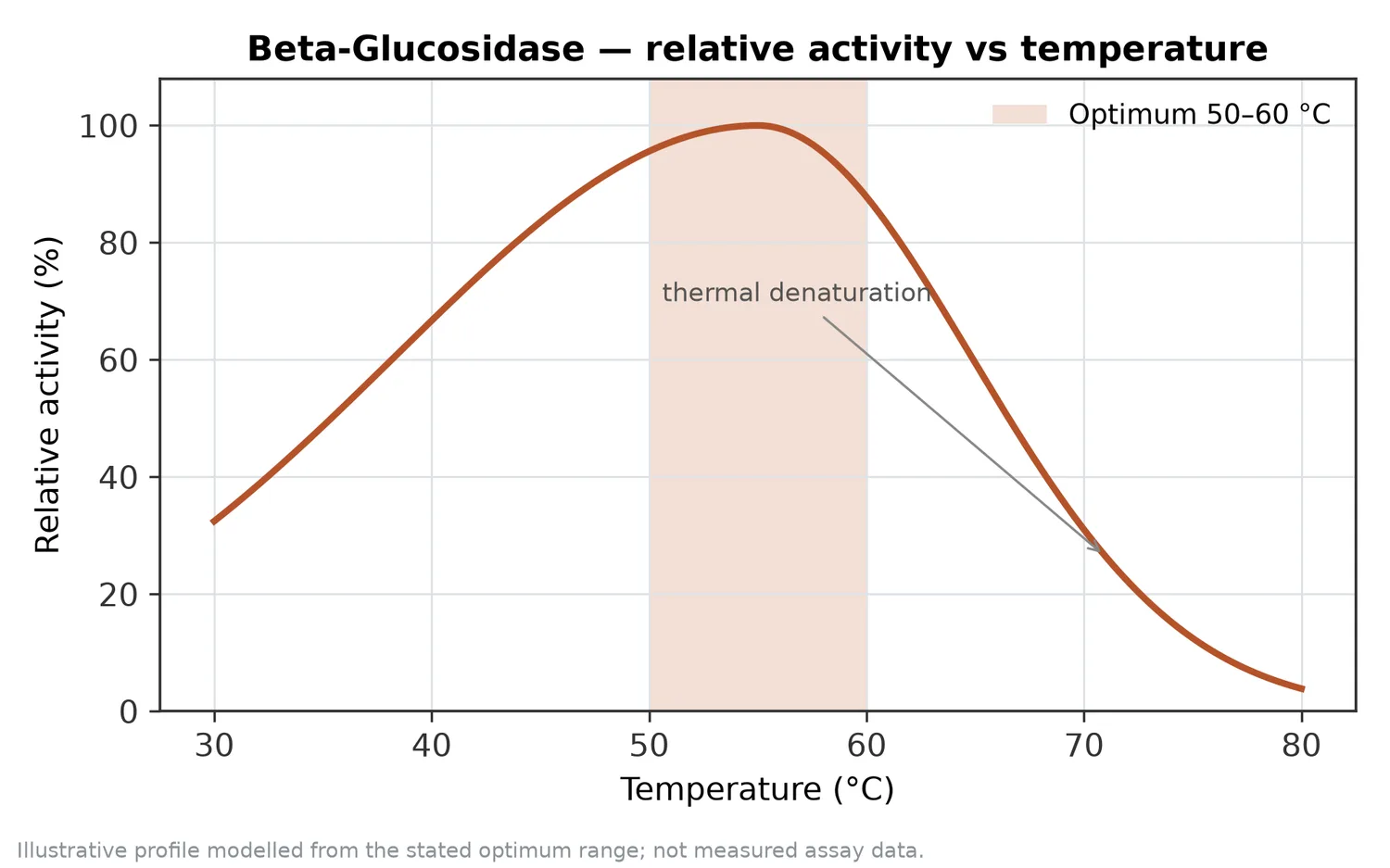
Studies on beta-glucosidase nanoflowers in the presence of metal ions and organic solutions also show that the surrounding chemical environment can influence activity and stability [12]. For customer applications, the takeaway is straightforward: beta-glucosidase acts on a specific bond, but the process matrix affects whether the enzyme can maintain the active structure and reach the substrate.
Cellobiose is a two-glucose molecule. Because its glucose units are joined by a β-glucosidic linkage, it is a direct substrate for many beta-glucosidases. Hydrolysis produces glucose, which is smaller, more soluble, and more directly usable in many fermentation and bioconversion systems.
In biomass hydrolysis, cellobiose removal is valuable for two reasons. First, it increases the glucose yield from cellulose-derived intermediates. Second, it prevents cellobiose from building up and slowing cellulase enzymes that act earlier in the chain. This is why beta-glucosidase cellulose applications are often discussed as part of complete cellulase systems rather than as a standalone cellulose-degrading step [5].
In plant tissues, aroma molecules may be stored as glucosides. The glucose group acts like a chemical handle that changes the molecule’s volatility and behavior. Beta-glucosidase removes that handle when the linkage is accessible, releasing a freer aglycone.
The most important practical distinction is between chemical release and sensory benefit. The enzyme may successfully release an aglycone, but whether the result is perceived as fruity, floral, bitter, harsh, or neutral depends on the aglycone and the surrounding matrix. This makes beta-glucosidase useful but not automatically beneficial in every flavor system [1].
Many botanical ingredients contain complex mixtures of glycosides. Beta-glucosidase can shift the mixture by converting selected glucosides into aglycones or less glycosylated forms. This may change extract behavior during filtration, drying, blending, fermentation, or formulation.
The structural challenge is that plant glycosides are often bulkier than cellobiose. The glucose portion may fit the enzyme’s recognition site, but the aglycone must also be accommodated near the active pocket. This is why broad statements such as “beta-glucosidase converts all plant glycosides” are not technically accurate; substrate specificity remains central [8].
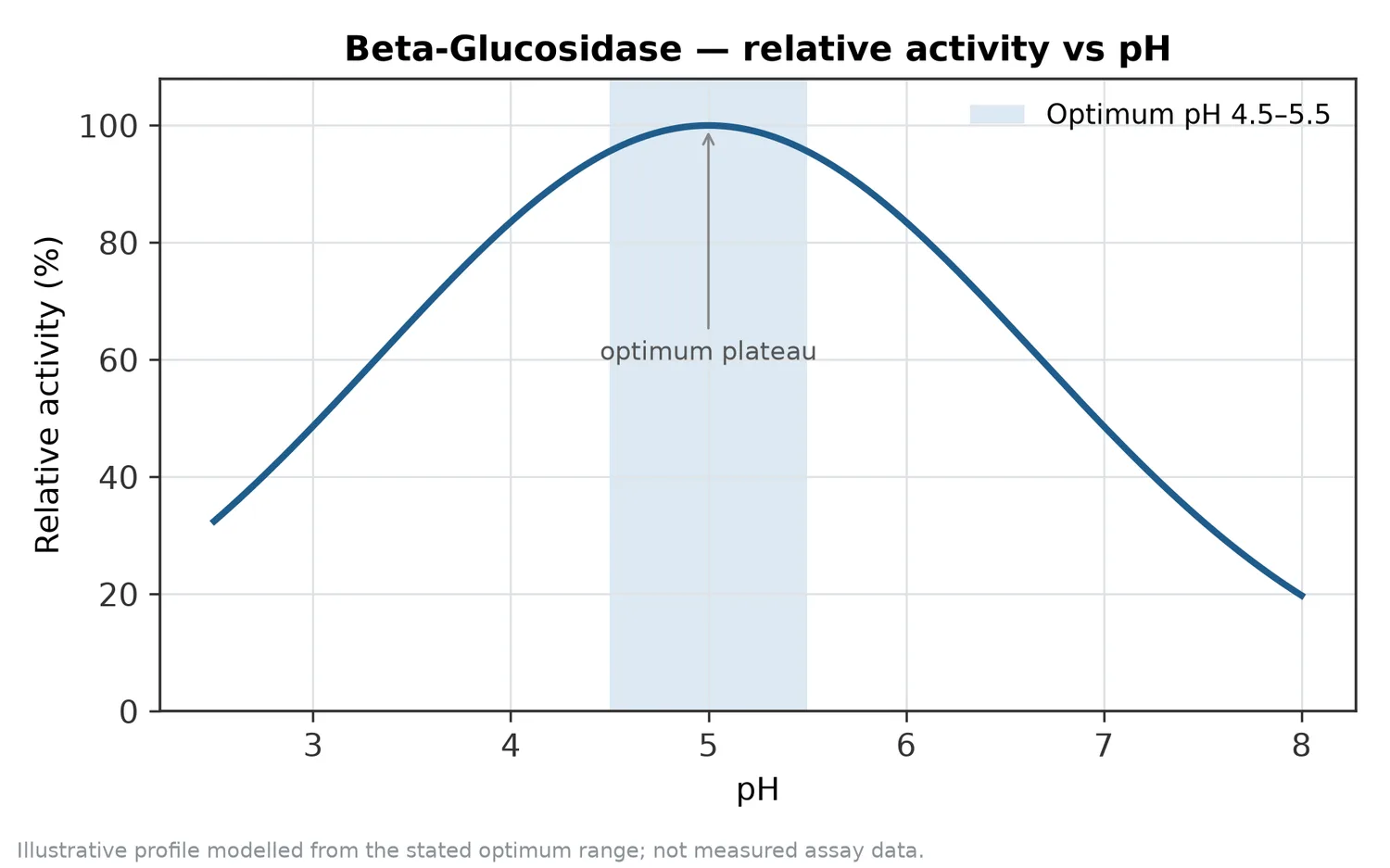
Beta-glucosidase performance is strongly shaped by pH because catalytic amino acids must carry the right charge to donate, accept, or stabilize protons during bond cleavage. If the pH shifts too far from the enzyme’s workable range, the active-site residues may be incorrectly protonated, the substrate may bind less productively, or the protein structure may become less stable.
| pH context | Conceptual enzyme behavior | Typical processing implication |
|---|---|---|
| Acidic systems | Many fungal beta-glucosidases are commonly studied in acidic-to-mildly acidic environments | Often relevant to fruit, plant extract, and some biomass hydrolysis systems |
| Near-neutral systems | Some microbial and metagenomic enzymes are studied for activity closer to neutral conditions | Can be useful where fermentation organisms, proteins, or ingredients are sensitive to strong acidity |
| Alkaline systems | Fewer beta-glucosidase applications operate strongly alkaline compared with cellulase and food-acid systems | Matrix compatibility and enzyme stability become especially important |
| Mixed or changing pH systems | Activity can shift as hydrolysis proceeds or as other ingredients are added | Reaction timing and matrix composition affect the real outcome |
The pH effect is mechanistic, not cosmetic. Beta-glucosidase depends on charge positioning inside the active site; changing pH changes those charges. That is why two beta-glucosidases with the same general function can differ substantially in practical performance under different processing environments [3].
Several related searches use similar wording but refer to different contexts. A beta-glucosidase leukocyte test, beta glucosidase leukocyte test, beta glucosidase leukocyte BGL test, or beta-glucosidase leukocyte BGL test belongs to a medical diagnostic context and is not the same as buying an industrial beta-glucosidase enzyme for processing. Likewise, searches such as beta-glucosidase Gaucher, beta glucosidase Gaucher, or Gaucher disease beta glucosidase relate to human acid beta-glucosidase biology, not to cellulose hydrolysis or botanical processing.
The phrase beta-glucosidase cancer cells also appears in biomedical literature searches, but that is separate from the customer-facing industrial applications described here. Enzymes.bio supplies beta-glucosidase as an enzyme product for professional processing use, not as a diagnostic, therapeutic, or clinical product.
Other phrases are source or naming variations. Beta glucosidase from almonds usually refers to plant-source enzyme discussions; beta glucosidase yeast often appears in fermentation or aroma-release contexts; and names such as beta glucosidase B, beta-glucosidase B, Bgl1973, or beta-glucosidase 1317 may refer to specific enzymes, isoforms, or research constructs rather than a universal commercial identity [13].
Beta-glucosidase is most useful when the process contains accessible β-linked glucose structures. In that setting, it can provide a clear chemical function: conversion of cellobiose to glucose, removal of glucose from selected glycosides, or release of aglycones from bound forms.
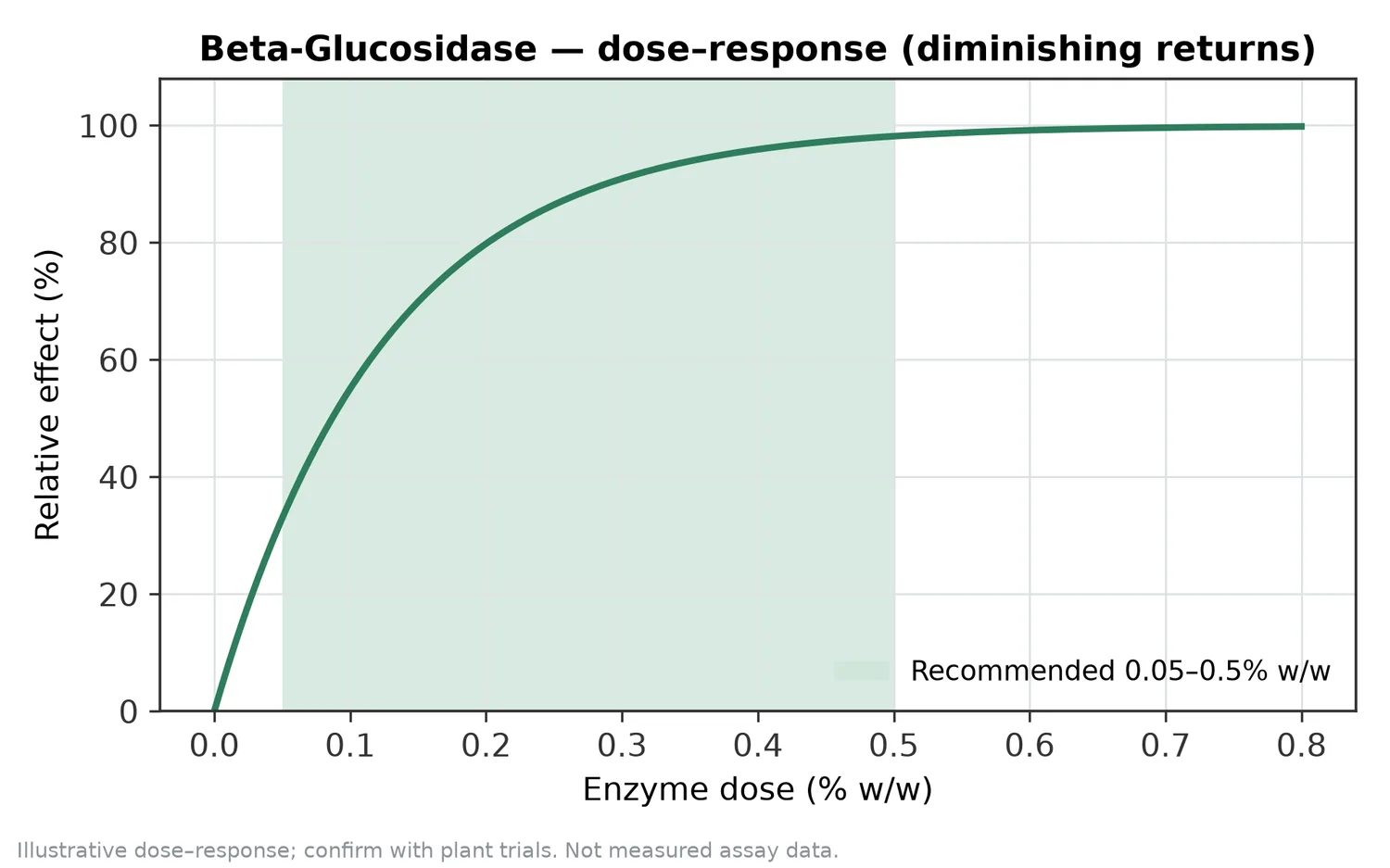
In biomass and cellulose hydrolysis, the benefit is more complete conversion of soluble cellulose-derived intermediates. In plant and food materials, the benefit is selective modification of glucosides that influence aroma, extract composition, or downstream behavior. In fermentation-adjacent systems, the benefit is preparation of substrates that are easier for organisms or subsequent enzymes to use [9].
These benefits are application-dependent. Beta-glucosidase does not replace the need for upstream cellulases in full cellulose breakdown, and it does not guarantee a desired sensory or botanical profile in every raw material. Its value comes from matching its bond specificity to a substrate that actually contains accessible β-glucosidic linkages.
Enzymes.bio supplies beta-glucosidase for direct online purchase by the 1 kg unit. Buyers can place the order online, pay online, and the order is then processed and shipped. A Certificate of Analysis and Safety Data Sheet are provided with the order.
Enzymes.bio is a product supplier, not a medical laboratory or enzyme manufacturer. This article is intended to help buyers understand the science behind beta-glucosidase applications, including cellulose hydrolysis, plant glycoside conversion, aroma release, and fermentation-adjacent substrate preparation.
Beta-glucosidase is a targeted enzyme for β-glucosidic bonds. Its strongest industrial role is converting cellobiose and related cellulose-derived intermediates into glucose, while additional beta-glucosidase applications include plant glycoside transformation and release of bound aroma compounds. The enzyme works by changing substrate chemistry at the glycosidic bond, and its real-world performance depends on substrate accessibility, matrix environment, product accumulation, and the specific beta-glucosidase structure being used.
Sold by the 1 kg unit, in stock and ready to ship. Order directly on our store — pay online and we process your order. A Certificate of Analysis and Safety Data Sheet are included with every order.
Buy Beta-Glucosidase →Numbered in order of first citation. Open-access sources, each verified reachable at publication; citation numbers in the text link here.