
Bromelain is a pineapple-derived proteolytic enzyme complex that breaks proteins into smaller peptide fragments. Its most dependable commercial value is controlled protein modification: softening meat texture, hydrolyzing food proteins, supporting digestive-enzyme and bromelain dietary supplement concepts, and enabling enzyme-based exfoliation or topical protein-removal systems. Research also reports anti-inflammatory, antiedematous, immunomodulatory, anticoagulant, mucolytic and related biological activities, but health-positioning should stay conservative because evidence strength varies by use, population and product format [1].
Enzymes.bio supplies Bromelain as a 1 kg online product. Buyers place and pay for the order directly online; the order is then processed and shipped, with a Certificate of Analysis and Safety Data Sheet included.
Bromelain is not a single simple molecule; it is commonly described as a group of proteolytic enzymes found in Ananas comosus, the pineapple plant. Scientific reviews refer to bromelain as a pineapple protease complex, with cysteine proteases as the central enzyme activity responsible for protein cleavage [2]. This is why phrases such as bromelain from pineapple, bromelain in pineapple, pineapples bromelain and bromelain and pineapple all point to the same practical origin story: pineapple tissue contains enzymes that can cut proteins.
The practical meaning is straightforward. Proteins are long chains of amino acids folded into structures that give foods, tissues and biological materials their texture and behavior. Bromelain hydrolyzes peptide bonds within those chains, converting large proteins into shorter peptides and smaller fragments. Once those large protein networks are partially cut, meat can become less tough, plant proteins can disperse differently, and protein-rich surface material can become easier to remove [3].
Bromelain’s protease action also explains why it appears in consumer-facing categories such as supplement bromelain, bromelain supplement, bromelain supplements, and bromelain food supplement products. In those formats, its most direct functional rationale is support for protein breakdown in digestive-enzyme blends. Broader claims around the benefits of bromelain—including inflammation support, sinus support, recovery support, or vascular and immune effects—belong to a more nuanced evidence category and should be framed carefully [4].
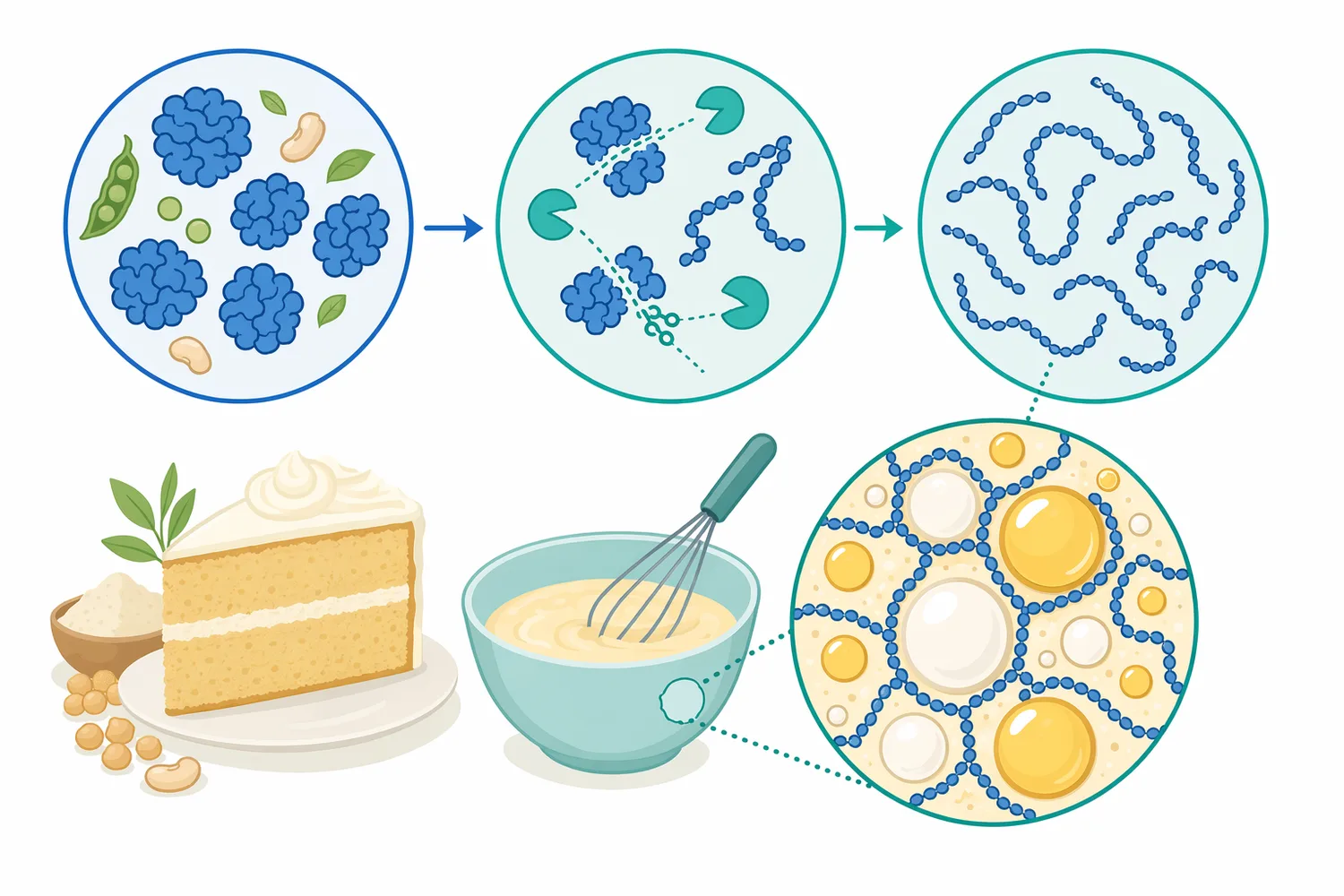
At the molecular level, bromelain acts like a selective cutting tool for peptide bonds. Cysteine proteases use a reactive sulfur-containing group in the enzyme’s active site to attack the bond that links one amino acid to the next. The result is hydrolysis: water is used to split the bond, and the original large protein is converted into shorter chains that behave differently in a food, supplement, cosmetic or topical system [1].
Those smaller peptide fragments can change a material in several visible or measurable ways. In meat, partial breakdown of myofibrillar and connective-tissue-associated proteins reduces structural resistance during chewing. In plant or animal protein ingredients, hydrolysis can alter solubility, viscosity, emulsification behavior, foaming behavior and digestibility perception. In skin-care concepts, protease action is relevant because the outer surface contains protein-rich structures that help bind dead cells together [5].
The key word is partial. Bromelain is valuable when the process stops at the desired point: enough hydrolysis to improve tenderness, dispersibility or surface removal, but not so much that the substrate collapses into an undesirable texture. In food, excessive proteolysis can move from “tender” to “mushy.” In topical or cosmetic concepts, uncontrolled protease exposure can become irritating rather than beneficial. This is why bromelain is best understood as a controlled protein-modification tool, not a generic additive [6].
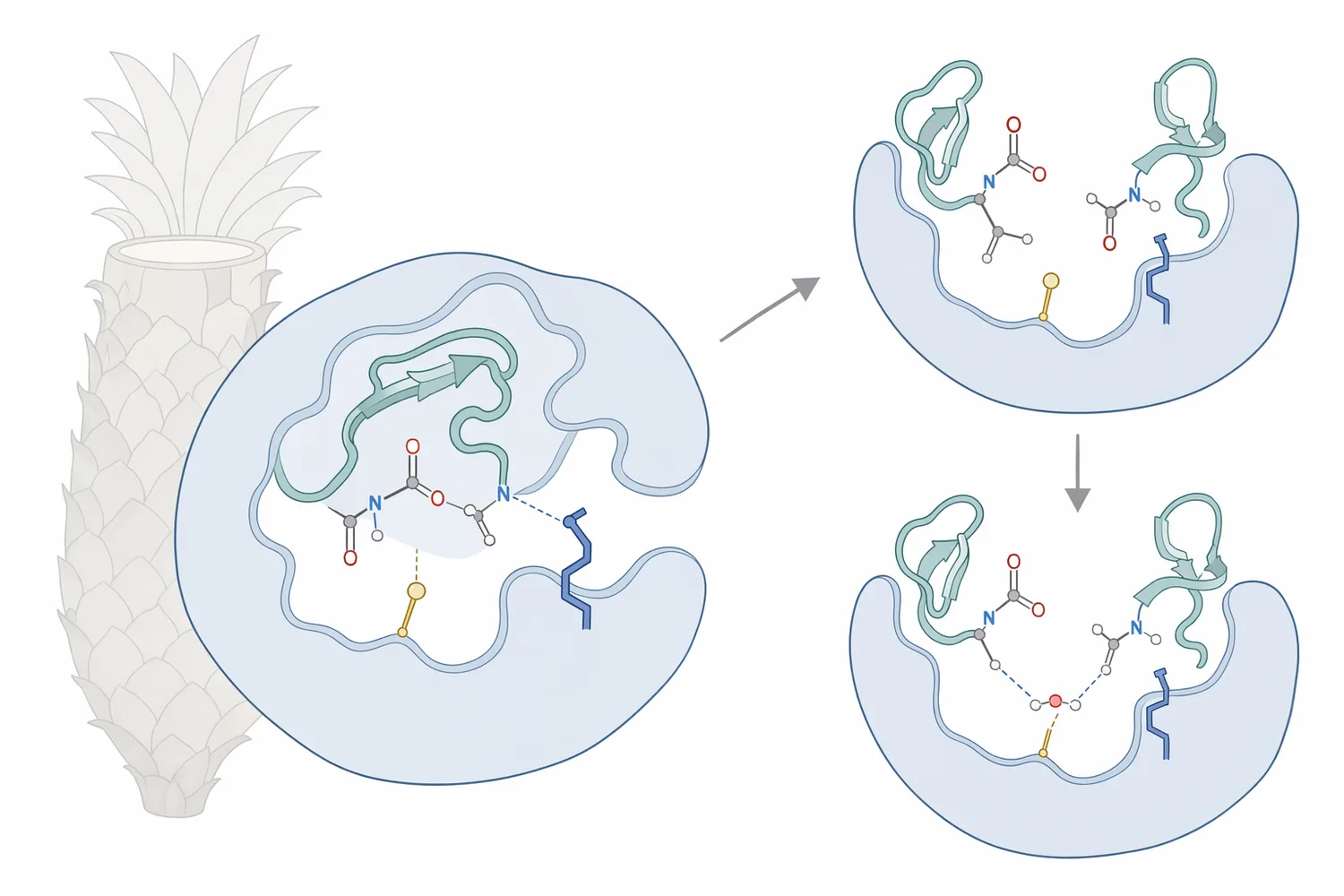
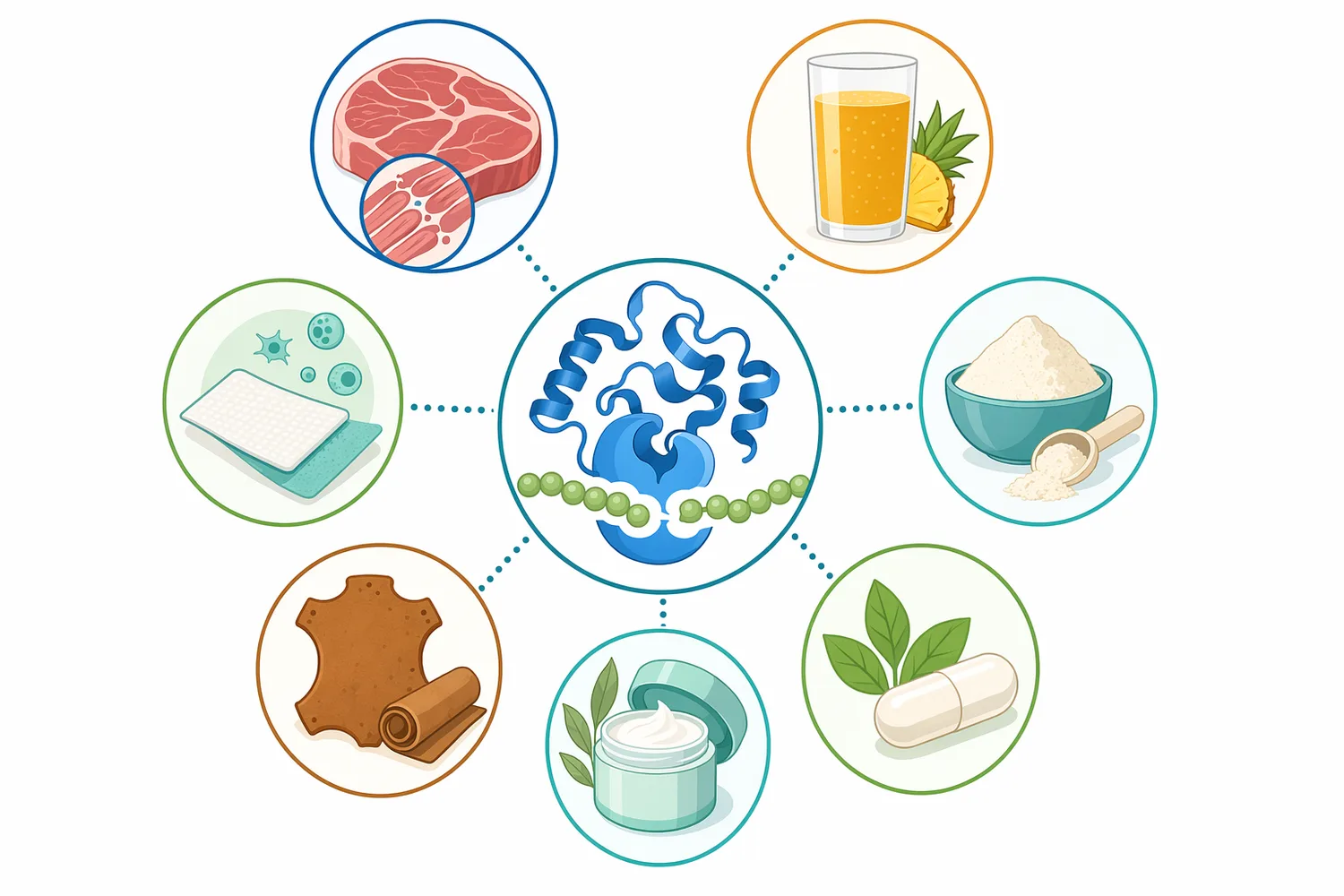
Bromelain is commercially relevant because one core biochemical action supports several product categories. The same protein-cutting function that tenderizes meat can also generate protein hydrolysates, support digestive-enzyme formulations, enable cosmetic exfoliation concepts, and provide a research basis for specialized biomedical and topical applications [7].
Its plant origin is another reason for interest. Pineapple is familiar to consumers, and pineapple-derived enzymes fit naturally into plant-based, fruit-derived or upcycled-ingredient narratives when those claims are valid for the finished product. Reviews of pineapple and pineapple by-products describe peels, stems and other side streams as sources of bioactive compounds, including bromelain, which supports broader interest in sustainable ingredient development [8].
Commercial relevance should still be separated from exaggerated claims. Bromelain is well supported as a protease. It is also actively studied for anti-inflammatory, anticancer, antimicrobial, digestive, metabolic and immune-related activities, but the level of proof differs sharply across those areas. For buyers using bromelain in finished products, the most reliable foundation is its enzyme function; any health or performance claim should be appropriate to the product category and local rules [9].
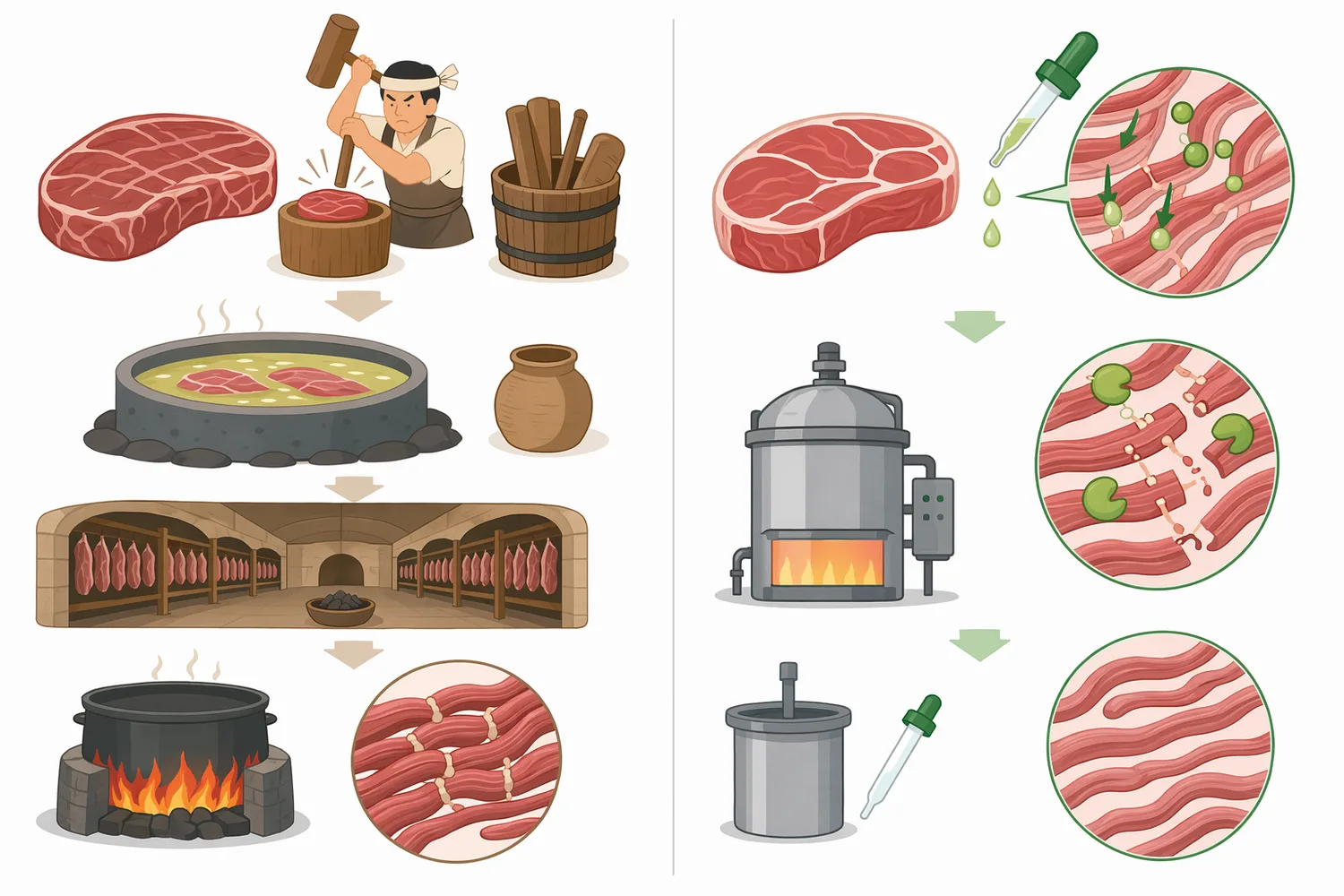
Bromelain’s most familiar food-processing application is meat tenderization. Muscle foods are tough when proteins and connective structures resist deformation during biting and chewing. Bromelain partially hydrolyzes those proteins, weakening the structural network and allowing the meat to feel softer and easier to chew. Recent work on bromelain-enzyme marination has specifically examined steak taste, juiciness, tenderness and acceptability, reflecting its continued relevance in sensory-focused meat processing [6].
The mechanism is not simply “softening” in a vague sense. Bromelain cuts protein chains that help maintain muscle fiber integrity. As those proteins are shortened, the tissue matrix loses some resistance. Marinade penetration, water distribution and chew-down behavior can change because the protein network is no longer intact in the same way. Research using impedance measurement to estimate textural properties of bromelain-tenderized beef also points to the relationship between enzyme action and physical changes in meat structure [10].
Bromelain can also be combined with other food-processing steps. A 2024 study examined bromelain treatment together with bacterial cultures and evaluated physicochemical properties and oxidative stability in horse meat, showing how enzymatic tenderization can be studied alongside fermentation or culture-driven changes rather than as an isolated intervention [11]. In such systems, bromelain modifies protein structure while cultures may influence acidity, flavor compounds, microbial ecology and oxidative behavior.
The main practical limitation in meat systems is over-processing. A short, controlled protein breakdown can improve tenderness; extended or excessive hydrolysis can damage bite, sliceability or visual quality. The same enzyme action that creates a premium tender texture can create a soft, pasty or uneven texture if the process is not matched to the meat type and process design [6].
Bromelain is also used conceptually in protein hydrolysis: converting intact proteins into peptide mixtures. This can be useful when the goal is to change how a protein behaves in water, at an oil-water interface, during mixing, or during digestion. Hydrolysis can expose previously buried hydrophobic and charged regions, reduce molecular size and create peptides that move and arrange differently than the original protein [12].
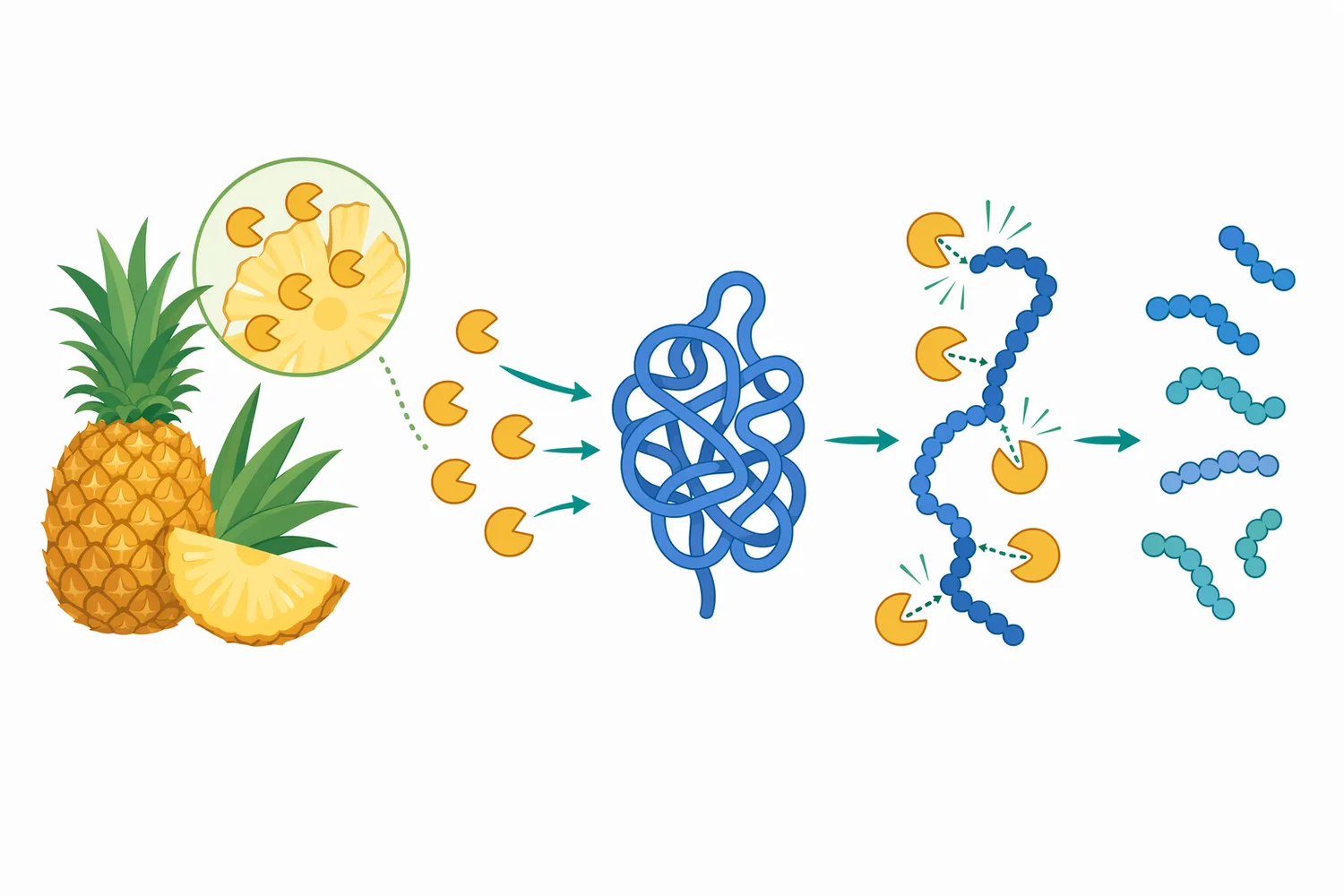
A recent study on potato protein hydrolysis with papain and bromelain examined functional and emulsifying properties for gluten-free cake emulsifier applications. The underlying logic is clear: intact potato proteins may not always create the desired structure in a gluten-free batter, while enzymatically modified proteins can interact differently with air, water, oil and starch-based systems. By cutting proteins into smaller, more flexible fragments, bromelain can help create peptides that adsorb at interfaces and support emulsion or batter stability [12].
Hydrolysis can also affect sensory properties. Smaller peptides may improve dispersibility, but some peptides can contribute bitterness or alter mouthfeel. This is not unique to bromelain; it is a general feature of protease-treated proteins. The benefit is that enzymatic hydrolysis provides a route to modify proteins under relatively mild processing concepts compared with harsher chemical treatment, while the finished ingredient still requires application-specific evaluation [3].
Protein hydrolysates are also important in nutrition research. Bromelain has been used in studies generating bioactive peptide mixtures, including work on bitter gourd seed protein hydrolysate with antidiabetic activity in experimental models [13]. Such studies do not mean every bromelain hydrolysate has the same biological effect, but they show why protease selection matters: different enzymes cut proteins at different sites, producing different peptide populations.
Bromelain appears widely in dietary supplement concepts because it is plant-derived, recognizable, and directly linked to protein digestion. In a bromelain dietary supplement or digestive-enzyme blend, the clearest functional story is that bromelain is a protease that helps break dietary proteins into smaller peptides. This aligns with consumer familiarity around pineapple and digestion, but it should not be stretched into disease-treatment language [14].
The phrase bromelain benefits is broad, and the evidence behind each claimed bromelain benefit differs. Reviews describe bromelain as anti-inflammatory, antiedematous, immunomodulatory, anticoagulant and mucolytic in various experimental and clinical contexts, but they also emphasize that mechanisms, dosing context, product composition and clinical relevance are not uniform [15]. A responsible supplement positioning therefore distinguishes between enzyme identity, studied biological activities and proven health outcomes.
Bromelain is often seen in consumer searches together with flavonoids, especially bromelain quercetin, bromelain and quercetin, bromelain with quercetin, quercetin with bromelain, and quercetin and bromelain. That pairing is common in the supplement market because both ingredients are associated with inflammation and seasonal-wellness positioning; however, bromelain’s own role should still be described accurately as a pineapple-derived protease studied for biological activities rather than as a guaranteed therapeutic agent [4].
A 2025 pilot study explored supplementation with bromelain, troxerutin and escin to support postoperative recovery after hip or knee arthroplasty in older adults. This is a useful example of how bromelain is studied in combination products rather than always as a standalone ingredient [16]. It also illustrates a common evidence challenge: when several bioactive ingredients are combined, the result may support interest in the formula, but it does not automatically isolate bromelain as the sole cause of the outcome.
Bromelain’s biological activity beyond simple protein digestion is one reason it has remained scientifically interesting. A 2024 systematic review describes bromelain as a natural anti-inflammatory agent and evaluates evidence across inflammatory contexts [15]. Proposed mechanisms in the broader literature include effects on inflammatory signaling, edema-associated pathways, cell-surface molecules, fibrin-related processes and mediator balance, though these mechanisms are complex and context-dependent.
The mechanism is plausible because proteases can do more than digest food proteins. In biological systems, proteins on cell surfaces, inflammatory mediators, extracellular matrix components and coagulation-related proteins all influence signaling and tissue behavior. A protease can potentially modify some of these protein targets directly or indirectly, changing how cells interact or how fluid and inflammatory responses evolve. That said, biological plausibility is not the same as finished-product efficacy [1].
Bromelain has also been discussed in oncology research. A 2023 review of anticancer properties summarized current knowledge and recent trends, reflecting interest in mechanisms such as inflammation modulation, apoptosis-related pathways, immune effects and tumor microenvironment interactions [9]. These are research areas, not general commercial claims for ordinary bromelain products.
Other emerging research links bromelain to metabolic and obesity-related mechanisms. A 2025 review describes bromelain in obesity therapy through anti-inflammatory and metabolic mechanisms, again showing scientific interest in how the enzyme complex may influence biological pathways beyond digestion [17]. For commercial communication, the safest distinction is that bromelain is “studied for” these effects unless a specific finished product has the required evidence and regulatory status to claim more.
Bromelain’s cosmetic relevance comes from proteolysis at the skin surface. The outermost skin layer contains dead, flattened cells held together by protein-rich structures. Enzyme exfoliation concepts use proteases to help loosen this material, supporting smoother-feeling skin without relying solely on abrasive particles. A 2025 study on bromelain, ficin and papain from fruit by-products specifically connects proteolytic activity with potential applications in sustainable and functional cosmetics for skincare [5].
Compared with mechanical exfoliation, an enzyme approach is more biochemical: it targets protein linkages rather than physically scraping the surface. That difference is attractive in “gentle exfoliation” concepts, although the word gentle depends on the complete formulation and use conditions. Proteases are active biological molecules; if exposure is too strong or the user is sensitive, irritation can occur [14].
Bromelain can also fit sustainability-oriented cosmetic narratives when sourced from pineapple by-products or fruit-processing streams. The cosmetic sector increasingly values bio-based ingredients, and fruit by-product proteases offer a way to connect enzyme function with waste valorization. The evidence base supports the concept, but finished-product performance still depends on formulation compatibility and consumer-use conditions [5].
Bromelain has a long association with topical protein removal because dead tissue, damaged extracellular matrix and surface debris contain proteins that can be enzymatically degraded. In medical contexts, this concept is much more specialized than general cosmetic exfoliation. Prescription bromelain-containing products used for burn debridement are distinct from ordinary supplement or cosmetic bromelain products, and their use belongs to regulated healthcare settings [14].
Research into bromelain’s collagenase-like or collagen-degrading activity helps explain why it is relevant to debridement and wound-related concepts. A 2021 study examined collagenase activity of bromelain immobilized at gold nanoparticle interfaces for therapeutic applications, showing that researchers are exploring ways to present or stabilize bromelain at engineered surfaces while retaining protein-degrading activity [18].
A later study immobilized bromelain on gold nanoparticles and evaluated antioxidant, anti-angiogenic and wound-healing potentials. This type of work shows how bromelain can be integrated into advanced delivery or material systems, not merely sprinkled into a formulation as a generic enzyme [19]. It also underscores why topical biomedical claims should not be generalized from one product format to another.
Dental and oral-surgery research is another specialized area. A study on bromelain in alveolar ridge preservation investigated therapeutic efficacy in a defined clinical dental context [20]. Such work contributes to the broader evidence base, but it is not the same as evidence for routine consumer use in unrelated product categories.
Bromelain is often discussed alongside papain and ficin because all three are plant-derived proteases used for protein breakdown. They share the broad ability to hydrolyze proteins, but they are not interchangeable in every application because enzyme composition, substrate preference, formulation behavior and sensory impact can differ [5].
| Plant protease | Typical plant association | Core functional action | Practical application logic | Key distinction |
|---|---|---|---|---|
| Bromelain | Pineapple (Ananas comosus) | Cleaves proteins into smaller peptides | Meat tenderization, protein hydrolysis, digestive-enzyme supplements, cosmetic exfoliation concepts | Strong consumer recognition through pineapple and broad research interest in inflammation and topical uses |
| Papain | Papaya | Cleaves proteins into smaller peptides | Meat tenderization, hydrolysates, digestive concepts, cosmetics | Often compared with bromelain in protein hydrolysis and topical-enzyme research |
| Ficin | Fig latex and fig-derived materials | Cleaves proteins into smaller peptides | Protein modification and cosmetic-enzyme concepts | Less widely recognized by consumers, but studied with bromelain and papain in fruit by-product protease applications |
This comparison is useful because buyers may encounter all three in food, supplement or personal-care ingredient discussions. Bromelain’s advantage is not that it is always “stronger” in every setting; rather, it combines a clear protease function with pineapple-derived familiarity and a broad published research base [7].
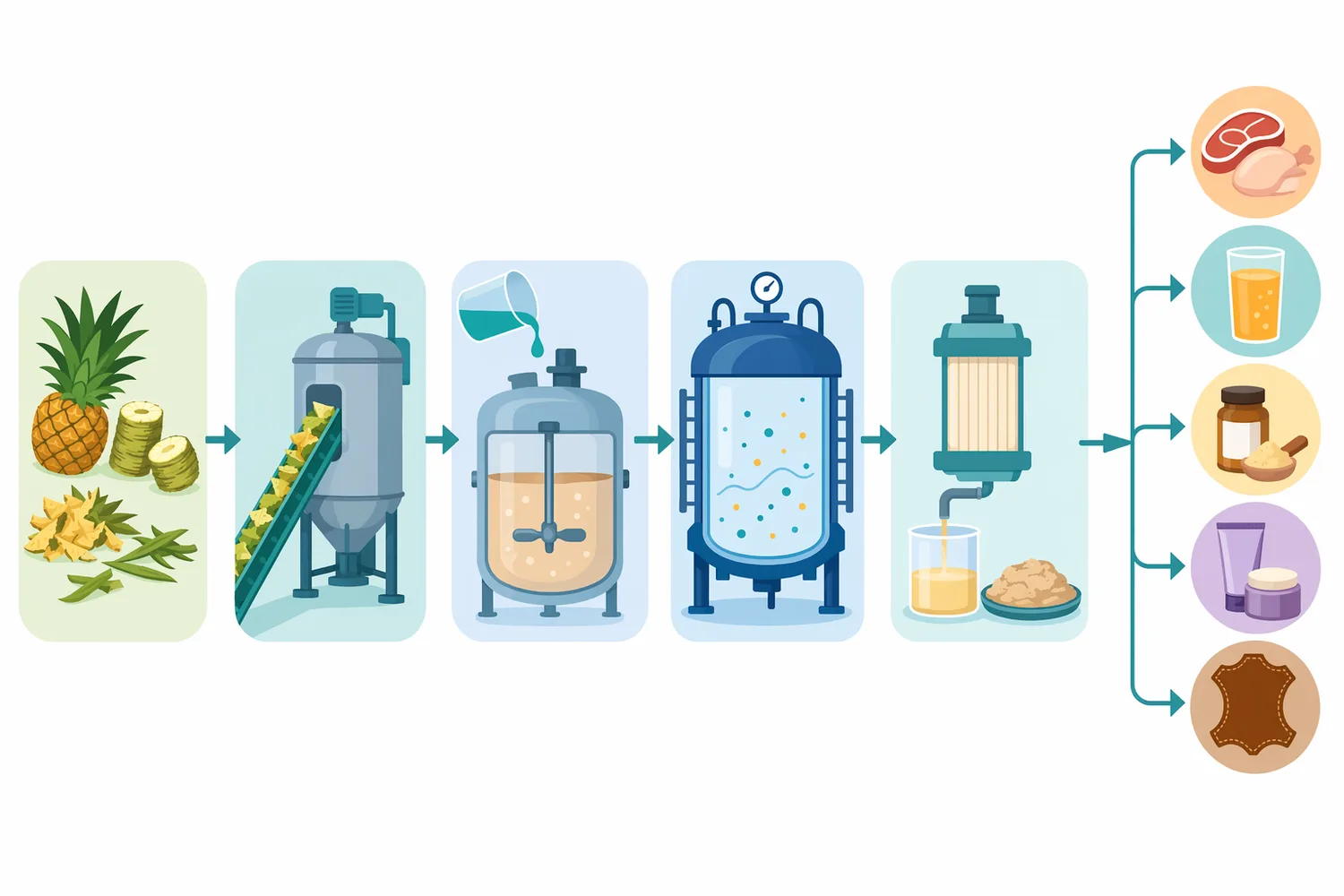
Bromelain’s connection to pineapple by-products is important for circular-economy thinking. Pineapple processing generates peels, cores, stems and other side streams that may contain valuable compounds. Reviews of pineapple peel describe nutritional composition and therapeutic potential, including interest in bioactive recovery rather than treating peel only as waste [8].
Extraction and purification research has examined ways to recover bromelain from pineapple-derived materials. A 2022 study investigated retention and purification of bromelain from pineapple juice using plain and hollow polymeric membrane techniques [21]. This kind of research matters because enzyme recovery must preserve protein structure and activity while separating bromelain from sugars, fibers, pigments and other juice components.
A 2023 study on extraction and purification of bromelain from fruits and therapeutic application research also reflects ongoing interest in obtaining bromelain from natural sources and evaluating its biological potential [22]. For commercial buyers, the important point is that bromelain sits at the intersection of food processing, bioactive ingredient development and sustainable use of agricultural biomass.
Sustainability claims should remain precise. Pineapple-derived bromelain can support waste-valorization narratives when sourcing and processing genuinely use by-products, but the environmental profile of any finished product depends on the complete supply chain. The scientifically supported statement is that pineapple by-products are recognized as potential bromelain-containing resources and are being studied for higher-value applications [3].
The strongest evidence for bromelain is its identity as a pineapple-derived protease. This supports use wherever protein cleavage is the desired technical effect: tenderizing meat, hydrolyzing proteins, supporting digestive-enzyme concepts, and enabling topical protein-removal or exfoliation concepts [2].
Food texture applications have a practical and mechanistic foundation because the substrate is protein-rich and the desired outcome—controlled weakening of structure—is directly connected to protease activity. Recent meat studies examining tenderness, sensory acceptability, impedance-based texture estimation and combined enzyme-culture treatment reinforce the applied relevance of bromelain in protein foods [10].
Supplement and nutraceutical evidence is more layered. Bromelain clearly has protease activity, and reviews describe anti-inflammatory and immunomodulatory potential, but consumer health outcomes depend on study design, product form, population and claim type [15]. This is why “bromelain supports protein digestion” is a much more direct statement than broad disease-oriented claims.
Cosmetic and topical evidence also ranges from straightforward to specialized. Enzyme exfoliation is mechanistically plausible because bromelain degrades proteins at the skin surface; prescription debridement and nanoparticle-immobilized bromelain research are much more specific and should not be treated as equivalent to ordinary cosmetic or supplement use [18].
Bromelain is widely available, but it is still a biologically active protease. Consumer health sources describe possible adverse effects such as digestive upset, mouth or skin irritation, and allergic reactions in susceptible individuals [14]. People with pineapple sensitivity or related allergies should treat bromelain-containing products cautiously.
Because bromelain is studied in relation to inflammation, coagulation and edema, supplement positioning should also be careful around people using medicines or managing medical conditions. Consumer-facing guidance commonly notes potential concerns with blood-thinning medicines and other therapies, and health professionals should be involved where medical use is being considered [14].
For finished products, responsible wording matters. Bromelain can be described as a pineapple-derived proteolytic enzyme and, where appropriate, as an ingredient studied for anti-inflammatory or immune-related activity. It should not be represented as a treatment, cure or substitute for approved medical care unless the finished product has the required regulatory status and evidence [4].
Enzymes.bio supplies Bromelain as a 1 kg product available for direct online purchase. The buying process is simple: place the order online, pay online, and the order is processed and shipped. A Certificate of Analysis and Safety Data Sheet are included with the order.
This format is suited to buyers who already know they need bromelain for product development, production trials, formulation work or technical use. The article above is intended to explain what bromelain is, how it works on protein substrates, and where the evidence is strongest, without overstating health outcomes or implying that all bromelain-containing products perform the same way.
Bromelain is best understood as a pineapple-derived protease complex with broad application value wherever controlled protein breakdown is useful. In food systems, it can reduce toughness and modify texture; in protein ingredients, it can generate hydrolysates with altered functionality; in supplement formats, it provides a plant-derived protein-digesting enzyme; and in cosmetic or topical concepts, it supports enzyme-based removal of protein-rich surface material [3].
The wider research base explains why bromelain remains commercially and scientifically interesting. Studies and reviews continue to examine anti-inflammatory, immunomodulatory, metabolic, wound-related and anticancer mechanisms, but those areas require careful interpretation and claim discipline [15]. For practical use, the most reliable foundation remains the same: bromelain cuts proteins, and when that action is controlled, it can create valuable changes in texture, functionality and product performance.
Sold by the 1 kg unit, in stock and ready to ship. Order directly on our store — pay online and we process your order. A Certificate of Analysis and Safety Data Sheet are included with every order.
Buy Bromelain →Numbered in order of first citation. Open-access sources, each verified reachable at publication; citation numbers in the text link here.