
Cold Bleach Enzyme Granules – Oxygen Bleach Activator for Detergent Formulations are supplied by Enzymes.bio as a 1 kg online-purchase detergent ingredient for formulations that use oxygen bleach and need stronger performance in cooler wash conditions. In practical detergent use, the ingredient supports the oxidative cleaning side of a formulation: helping peroxide-based bleach chemistry act more effectively where heat alone would otherwise be needed to accelerate stain oxidation.
For a formulator, the key value is straightforward: oxygen bleach can brighten fabrics and reduce oxidizable stains, while enzymes and surfactants remove the underlying soil structure. A cold bleach activator helps bring that bleaching contribution into modern cold- and low-temperature wash formats without relying on chlorine bleach or high-temperature laundering.
Enzymes.bio supplies this product directly online by the 1 kg unit. The buyer pays online, the order is processed and shipped, and a Certificate of Analysis and Safety Data Sheet are provided with the order .
Cold Bleach Enzyme Granules should be understood as a functional granulated additive for detergent formulations, not as a finished laundry detergent on its own. It is intended for use alongside the main cleaning architecture of a detergent: surfactants to detach and suspend soils, builders to support alkalinity and water-softening effects, oxygen bleach sources to generate active oxygen, and detergent enzymes to break down specific biological soils [1].
The “cold bleach” part of the name refers to the performance problem the ingredient is designed to address. Peroxide-based oxygen bleach systems are widely used because they can oxidize color bodies and odor-associated residues, but their bleaching reaction is typically more effective as temperature increases; low-temperature bleaching research has therefore focused on activators, catalysts, and enzyme-assisted peroxide systems that help peroxide chemistry work under milder conditions [2].
The “granules” format is also significant for detergent use. Dry detergent powders, tablets, and granulated boosters often contain chemically reactive ingredients—alkaline builders, oxidants, surfactants, and moisture-sensitive components—so granulation is a practical way to handle a functional ingredient in a dry blend and release it when the detergent dissolves in the wash liquor. Enzymes.bio supplies the product in a 1 kg unit format for direct online purchase, with order documentation provided with the shipment .
This product belongs in the same formulation space as oxygen bleach sources such as sodium percarbonate and peroxide-generating systems, but it should not be confused with the oxygen bleach source itself unless a finished formulation is designed that way. In most detergent concepts, the activator function is valuable because peroxide released into the wash needs to be converted into oxidizing species that can attack stains quickly enough at the wash temperature and contact time available.
Laundry chemistry is governed by time, temperature, mechanical action, and chemical reactivity. When wash temperature drops, the physical removal of oily soils becomes harder, enzyme reaction rates may change, and peroxide bleaching becomes slower. This is why low-temperature detergent development often combines several technologies rather than expecting one ingredient to do all the work: surfactants mobilize soil, enzymes hydrolyze stain polymers, and activated oxygen bleach oxidizes colored residues [3].
Unactivated hydrogen peroxide is useful, but it is not always fast enough in a short, cool wash cycle. In alkaline wash liquor, peroxide can participate in oxidation, but many stain chromophores—especially colored structures from foods, beverages, body soils, and aged residues—need sufficiently reactive oxygen species to change their chemical structure during the wash. Low-temperature bleaching research has therefore explored manganese catalysts and other peroxide activators as routes to improve bleaching efficiency without simply raising wash temperature [2].
A cold bleach activator helps by making the peroxide side of the system more chemically productive. Depending on the activator chemistry used in a formulation, this may involve promoting formation of more reactive oxygen-transfer species, improving oxidation of stain chromophores, or supporting peroxide generation in situ. For example, research on low-temperature cotton bleaching has examined glucose oxidase systems and hydrogen peroxide activators as ways to induce bleaching under milder conditions than conventional hot peroxide bleaching [4].
The practical result is not that all stains disappear by one mechanism. Instead, the oxidizable parts of a stain are chemically changed. Conjugated double-bond systems and other chromophoric structures absorb visible light and create yellow, brown, red, or grey discoloration; oxidation can break or modify those structures so they absorb less visible light. Once the color body is weakened, surfactants and builders can more easily carry the residue away with the wash liquor.
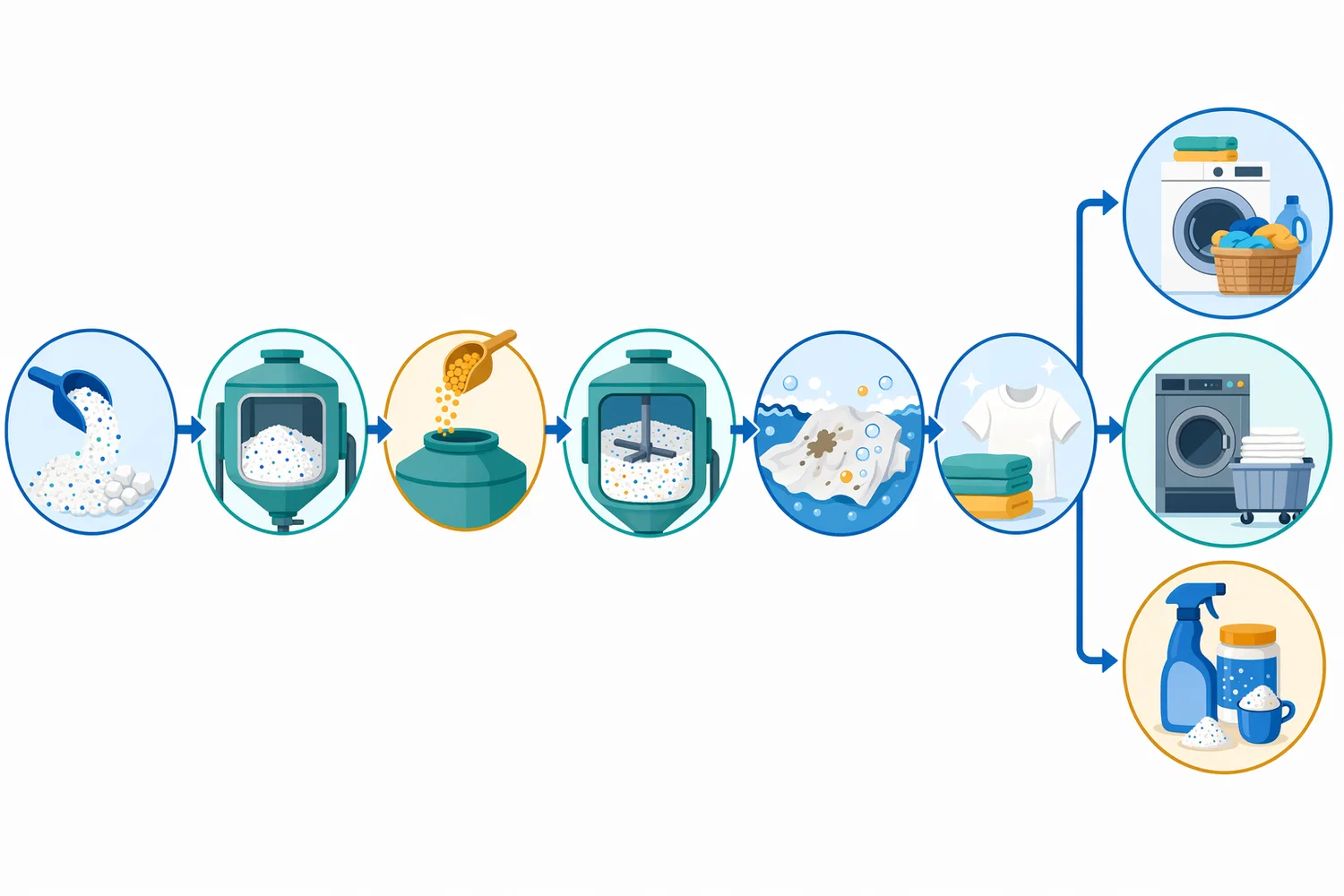
A detergent wash begins at the fabric surface. Textile fibers hold soils through a combination of physical entrapment, hydrophobic interactions, dried-on films, mineral binding, and chemical staining. Body soils, for example, may contain proteins, sebum lipids, salts, skin-cell residues, and odor precursors; food stains may combine starch, protein, fat, pigments, and tannin-like color bodies. A single cleaning chemistry rarely removes all of these components efficiently.
Surfactants lower interfacial tension and help wet the fabric, penetrate soil films, and emulsify oily material. Builders and alkalinity help swell and loosen soils, reduce water-hardness interference, and improve the detergency environment. Detergent enzymes then attack specific macromolecules: proteases hydrolyze protein stains into smaller peptides, amylases break starch into shorter carbohydrates, lipases hydrolyze fats and oils, and cellulases can help release soil trapped in cotton microfibrils [1].
Oxygen bleach works differently. It does not mainly cut proteins or emulsify oils; it oxidizes stain molecules. In a peroxide bleach system, the key cleaning event is electron transfer or oxygen transfer into susceptible parts of the stain. Colored molecules often contain extended electron systems that create visible color; oxidation can disrupt those systems, introduce oxygen-containing groups, or fragment the chromophore so the stain becomes less visible and more removable.
A cold bleach activator improves this oxidative contribution in cooler water. Instead of relying mainly on heat to accelerate peroxide reactions, the activator helps the peroxide system generate bleaching action earlier in the cycle. This is particularly relevant in modern laundry, where short wash cycles and cooler water leave less time and thermal energy for slow oxidation reactions to proceed.
Enzyme-supported bleaching concepts demonstrate the same principle from another direction: peroxide can be generated or used under milder conditions if the formulation provides the correct chemical pathway. Tavčer’s work on low-temperature bleaching of cotton examined glucose oxidase enzymes with hydrogen peroxide activators, showing how enzymatic peroxide generation and activator chemistry can be combined for textile bleaching under reduced-temperature conditions [4].
The important point for a finished detergent is complementarity. Activated oxygen bleach weakens color and odor-associated oxidizable residues, while hydrolytic enzymes reduce the physical bulk and adhesion of soils. When the stain matrix is broken down and the color bodies are oxidized, surfactants can suspend the fragments more effectively and rinsing can remove them from the fabric.
The table below shows how cold bleach activation fits into a detergent formulation. It is a conceptual comparison, not a product specification.
| Detergent function | Main action in the wash | Best suited to | Limitation without support | Role alongside Cold Bleach Enzyme Granules |
|---|---|---|---|---|
| Surfactants | Wet fabric, loosen soils, emulsify oils, suspend particles | General soil removal, oily films, particulate dirt | May not fully remove dried biological stains or colored residues | Carry away fragments after enzymatic hydrolysis and oxidation |
| Hydrolytic detergent enzymes | Cut large biological molecules into smaller, more soluble fragments | Protein, starch, fat, and fiber-bound soils | Do not bleach chromophores directly | Expose and loosen stain matrices so oxidation and washing are more effective |
| Unactivated oxygen bleach | Releases peroxide-derived active oxygen in solution | Whitening, deodorizing support, oxidizable stains | Slower bleaching in cool water | Provides the peroxide chemistry that activation makes more useful |
| Activated oxygen bleach | Promotes stronger oxidation under milder wash conditions | Colored stains, dinginess, odor-associated residues | Still depends on the complete formulation and wash process | Core functional area supported by cold bleach activator granules |
| Chlorine bleach chemistry | Strong oxidation through chlorine-based species | Selected whitening and hygiene uses | Odor, fabric compatibility, dye damage, and formulation constraints | Often avoided in oxygen-bleach detergent concepts |
Low-temperature bleaching research supports the general principle that peroxide systems can be made more effective under milder conditions through activation or catalysis. Hage’s 1994 work on manganese catalysts, for example, focused specifically on efficient catalysts for low-temperature bleaching, reflecting the long-standing formulation challenge of obtaining acceptable bleach performance without high heat [2].
The scientific support for cold bleach activation does not rest on one study or one ingredient type. It comes from a broader body of textile and detergent research showing that bleaching can be shifted toward lower-temperature or lower-alkali conditions when peroxide chemistry is supported by catalysts, activators, enzymes, or process changes. This is directly relevant to laundry detergents because laundering has increasingly moved toward lower energy use, shorter cycles, and fabric-care-sensitive washing.
Manganese-based peroxide catalysts are one established research direction. Hage’s work on efficient manganese catalysts for low-temperature bleaching showed that metal-catalyzed peroxide activation was being developed specifically to make bleaching more effective when conventional heat-driven peroxide bleaching was not desirable [2]. The formulation lesson is that peroxide can be made more reactive by providing an activation pathway rather than simply increasing temperature.
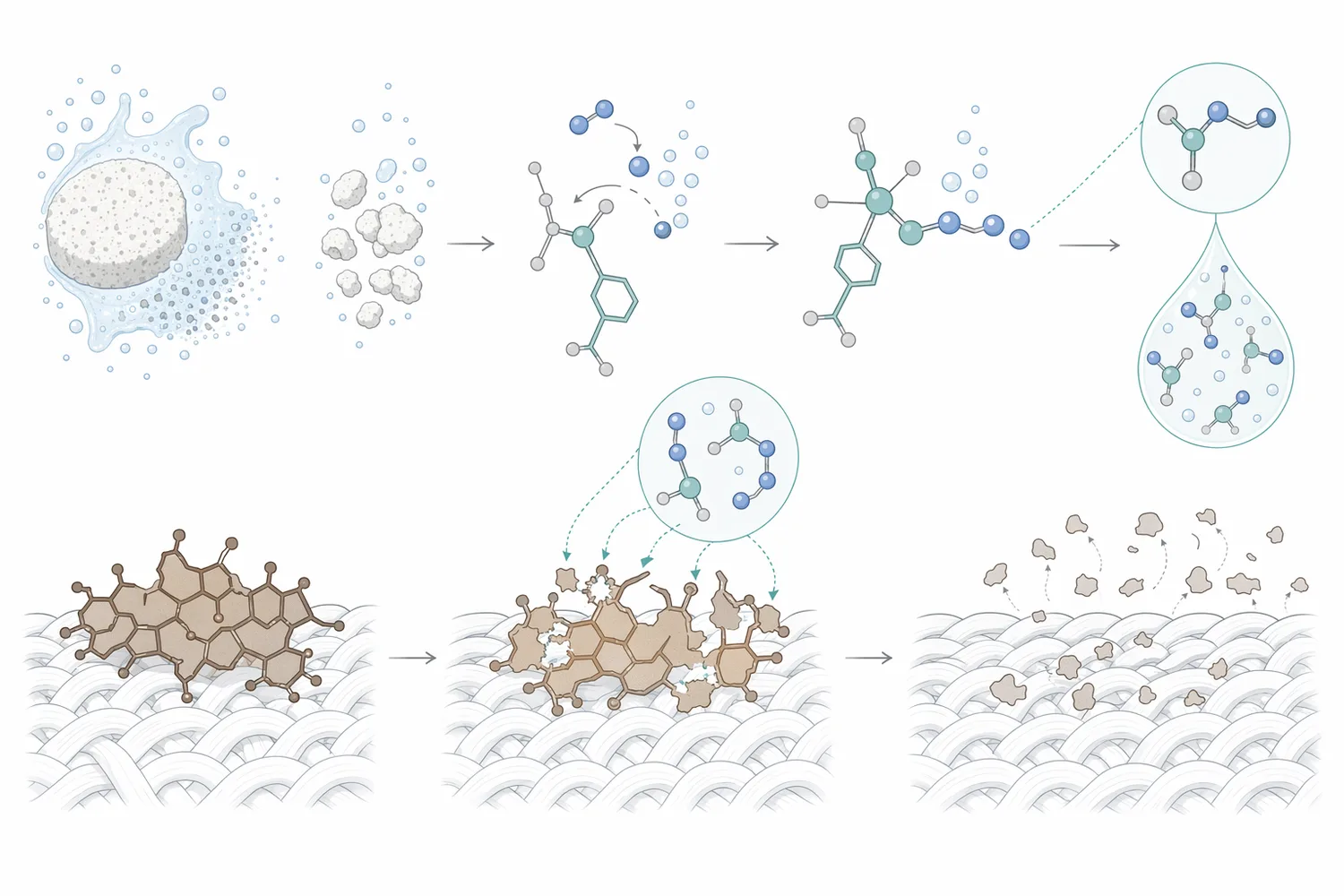
Enzyme-associated peroxide systems are another route. Tavčer’s study on low-temperature bleaching of cotton induced by glucose oxidase enzymes and hydrogen peroxide activators connected enzymatic hydrogen peroxide generation with activator-assisted bleaching, demonstrating that enzyme chemistry and peroxide activation can be combined in textile bleaching strategies [4]. For detergent formulators, this supports the broader concept that “enzyme” and “bleach” technologies can be used together when the formulation is designed around compatibility and release timing.
Peracetic acid processes also illustrate the value of more reactive oxygen-transfer chemistry at reduced temperature. Research on regenerated bamboo knit fabric compared different peracetic acid bleaching processes for low-temperature bleaching, reflecting interest in oxygen-based systems that can deliver whiteness effects on cellulosic or regenerated cellulose fibers without relying on conventional high-temperature treatment [5].
Work on enzymatic scouring and low-temperature bleaching of fabrics made from cotton, regenerated bamboo, poly(lactic acid), and soy protein fibers also shows that enzyme-aided preparation and lower-temperature bleaching have been studied across a range of textile substrates [6]. The relevance for detergent formulation is not that a laundry wash is identical to textile pretreatment, but that the same chemical problem appears in both settings: soils, waxes, pectins, pigments, and fiber-associated residues must be removed or decolorized without excessive thermal or alkaline stress.
Low-temperature, low-alkali scouring and bleaching processes have also been discussed as new pretreatment approaches for cotton fabrics, combining complex enzyme scouring with activated bleaching concepts [7]. Such work reinforces the industrial direction: reduce temperature and chemical severity while maintaining cleaning, whiteness, and process effectiveness.
Although Cold Bleach Enzyme Granules are positioned around oxygen bleach activation, the detergent context is inseparable from enzyme cleaning. Enzymes are used in laundry because they catalyze highly specific reactions under washing conditions, allowing stains to be broken down at the molecular level rather than removed only by mechanical action. Detergent literature has long described enzymes and zeolites as technologies that improve cleaning power while supporting modern detergent performance [1].
Low-temperature active enzymes are especially important because many consumers and commercial users wash at cooler temperatures. A 2024 metagenomic study characterized a cold-active, alkali-stable GH8 endoglucanase from ikaite columns in southwest Greenland for detergent applications, illustrating the research effort behind enzymes that remain useful in cold and alkaline detergent environments [3]. This matters because cellulase-type activity can help remove fiber-bound residues and improve appearance, while cold activity helps maintain cleaning when water temperature is reduced.
Proteases remain among the most important detergent enzymes because many troublesome stains contain proteins: blood, sweat residues, dairy, egg, grass-associated proteins, and mixed food soils. A 2023 study of a low-temperature alkaline serine protease from Exiguobacterium indicum evaluated its active capacity and detergent application potential, connecting low-temperature enzyme activity with alkaline detergent relevance [8]. In a bleach-containing detergent, protease action can open up the stain matrix so peroxide oxidation is not limited to the outer surface of a dried soil film.
Esterases and lipases are also relevant to low-temperature washing because fats and sebum become less mobile in cooler water. Research on a low-temperature-active and thermostable esterase from marine Enterobacter cloacae demonstrates the continuing development of enzymes that act on ester-containing substrates under reduced-temperature conditions [9]. In a laundry context, esterases and lipases can help split lipid soils into more dispersible fragments, improving surfactant access and reducing greasy residues that trap pigments and odor.
These enzyme studies support a central formulation principle: low-temperature detergency is strongest when multiple mechanisms operate together. A cold bleach activator strengthens the peroxide oxidation pathway, while cold-active enzymes preserve hydrolysis of protein, starch, lipid, and fiber-associated soils. The result is a formulation concept designed around the real chemical diversity of laundry stains.
Visible fabric dinginess is not always a single stain. It may be a combination of redeposited soil, oxidized body oils, residual pigments, mineral interactions, and microfibril-bound dirt. Oxygen bleach contributes by oxidizing colored residues, while surfactants and enzymes remove the underlying material. This is why activated oxygen bleach is most valuable as part of a complete detergent system rather than as an isolated effect.
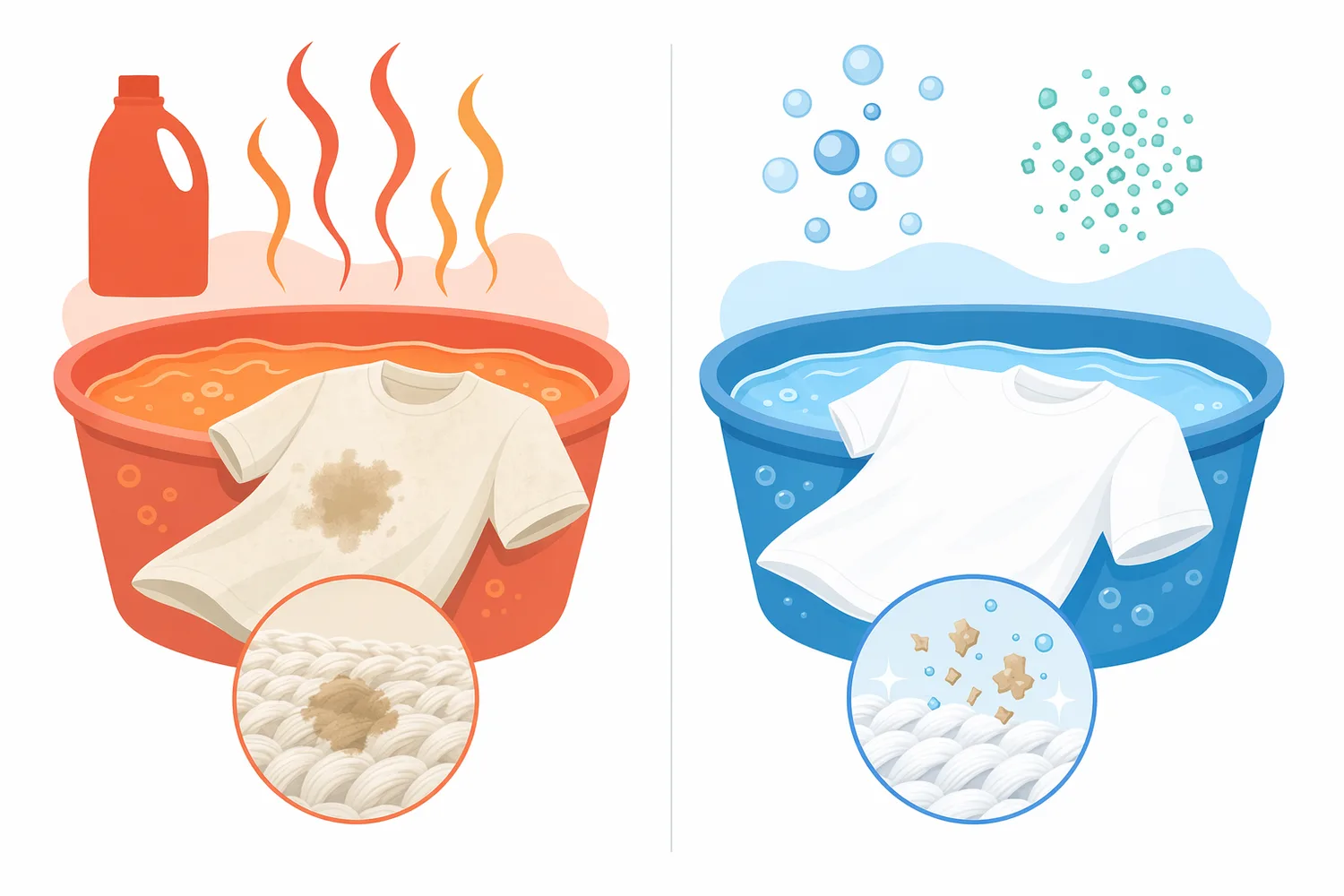
On white and light-colored textiles, the main consumer-visible outcome is often improved whiteness maintenance. On colorfast fabrics, oxygen bleach is commonly valued because it avoids chlorine chemistry, although any finished detergent still has to respect fiber type, dye stability, and care-label restrictions. The mechanistic difference is important: oxygen bleach targets oxidizable stain structures, while chlorine bleach is a more aggressive oxidant with different compatibility and odor considerations.
Low-temperature bleaching research on regenerated bamboo fibers is relevant here because regenerated cellulose textiles can be sensitive to process severity. Špička’s work comparing peracetic acid bleaching processes for low-temperature bleaching of regenerated bamboo knit fabric reflects the broader industry interest in achieving whiteness while moderating temperature and process harshness [5]. The same logic underpins low-temperature laundry concepts: preserve cleaning and brightness while reducing reliance on hot water.
For cotton and other cellulosic fabrics, enzyme-assisted and activated bleaching approaches can also help manage residues bound to the fiber surface. Enzymatic scouring and low-temperature bleaching studies across cotton, regenerated bamboo, PLA, and soy protein fiber fabrics show how different fiber chemistries respond to enzyme and bleach processes [6]. The detergent takeaway is that fiber composition matters, and a complete formulation must balance stain removal with textile compatibility.
Laundry odor is often caused by a combination of volatile compounds, microbial residues, body soils, and incomplete removal of sebum or sweat components. Oxygen bleach can reduce odor by oxidizing odor-associated molecules, while enzymes remove the nutrient-rich residues that hold or regenerate malodor. A cold bleach activator supports this by making the peroxide system more active during cooler washes, where odor removal can otherwise be less robust.
The mechanism is concrete: lipid films from body soils can trap volatile compounds and pigments; proteases and lipases help break those films apart, and activated oxygen bleach can oxidize susceptible odor molecules. Once the matrix is weakened, surfactants can emulsify and suspend the fragments, preventing redeposition. This combined action is especially relevant for athletic wear, hospitality linens, towels, uniforms, and other textiles exposed to repeated body-soil loading.
Low-temperature detergent research supports this multi-mechanism approach because cold washing reduces the natural solubilization of oily soils. Cold-active enzymes, such as the alkali-stable endoglucanase characterized for detergent applications in 2024, are part of the same trend toward maintaining cleaning performance when heat input is reduced [3]. Cold bleach activation complements that trend by improving the oxidative side of the formulation.
It is important not to overstate the claim. A cold bleach activator is not, by itself, a universal sanitizer or disinfectant. Hygiene outcomes in laundering depend on the complete wash process: chemistry, dilution, temperature, contact time, mechanical action, rinsing, drying, and textile type. The appropriate claim is that activated oxygen bleach can support odor and stain control by oxidizing susceptible residues within a properly designed detergent system.
Powder detergents are a natural application area because dry formats can accommodate builders, surfactants, oxygen bleach sources, enzymes, and granulated functional additives. In a powder detergent, Cold Bleach Enzyme Granules can be incorporated as the bleach-activation component of a peroxide-based system, supporting stain oxidation in cooler or moderate-temperature wash conditions.
The main benefit in this format is balanced cleaning. The surfactant system removes particulate and oily soils, detergent enzymes hydrolyze specific stain components, and activated oxygen bleach addresses chromophores and odor-associated residues. Detergent literature has long recognized enzymes as a major contributor to improved cleaning power, especially when combined with other detergent technologies [1].
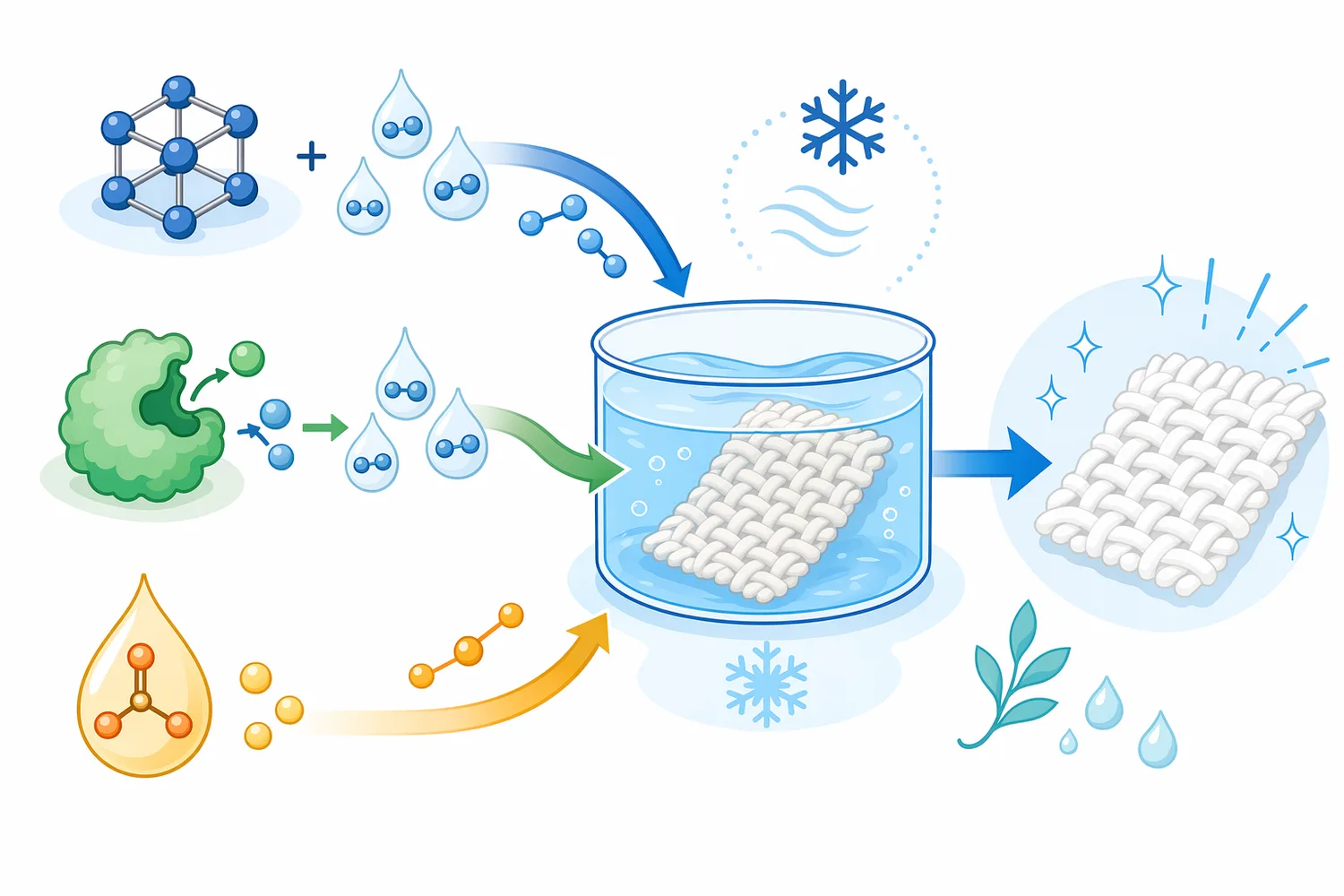
Compressed tablets and other dry unit formats require ingredients that can be distributed in a dry matrix and then release into the wash. Granules are practical because they are easier to handle in dry blending than liquids and can help separate reactive ingredients until dissolution. For oxygen bleach systems, this separation is especially important because peroxide sources, activators, enzymes, moisture, and alkalinity must remain sufficiently stable before use.
Cold bleach activation is useful in tablets because consumers often expect one compact dose to perform across mixed stains and variable wash temperatures. The ingredient supports the bleaching contribution, while the rest of the formula provides detergency, water conditioning, and stain hydrolysis. Research into low-temperature enzyme and bleach systems supports this integrated approach rather than relying on heat alone [4].
Stain-removal powders and boosters often emphasize oxygen bleach because consumers associate them with whitening, stain lifting, and odor reduction. In these products, cold bleach activation helps make the peroxide system more useful during short contact times or cooler water use. The effect is especially relevant for oxidizable stains such as beverage discoloration, fruit residues, sauces, dinginess, and aged body-soil yellowing.
A booster format still depends on the full wash environment. If the main detergent contains surfactants and enzymes, the booster can strengthen the oxidative pathway; if the booster is formulated as a more complete stain-removal product, the same principles apply within that dry blend. Studies on low-temperature bleaching and enzyme-aided textile preparation show why oxidation and enzymatic residue removal are often considered together [6].
Textiles from hotels, gyms, spas, restaurants, and uniform services accumulate repeated mixed soils: sweat, body oils, food residues, cosmetics, deodorant residues, and environmental dirt. These soils are chemically complex, so a single cleaning mechanism is rarely enough. Activated oxygen bleach can reduce colored and odor-associated residues, while enzymes and surfactants remove the underlying soil load.
Low-temperature performance is commercially relevant in these settings because repeated laundering can consume significant energy and can accelerate textile wear if high temperatures are used unnecessarily. Low-temperature bleaching work with catalysts, activators, and enzymes reflects the wider industry interest in reducing process severity while maintaining cleaning outcomes [2].
Cold bleach activation also fits detergent concepts positioned around lower-temperature washing and chlorine-free bleaching. Enzymes support lower-temperature cleaning by catalyzing stain breakdown, while oxygen bleach provides an oxidative route to brightness and odor control without chlorine bleach chemistry. This combination is consistent with the broader direction of detergent development toward efficient cleaning under milder conditions.
Cold-active and alkali-stable enzymes are being actively explored for detergent applications, including enzymes sourced from cold environments and characterized for performance in alkaline wash conditions [3]. A cold bleach activator complements that work by addressing a different limitation of cold washing: the slower oxidative action of peroxide bleach.
In a finished detergent, performance depends on how the whole system behaves when dissolved. Oxygen bleach must release peroxide, the activator must be available at the right time, enzymes must remain sufficiently functional during the wash, surfactants must wet and detach soils, and builders must create a favorable wash environment. If one part of the formulation is poorly balanced, the finished product may underperform even if each ingredient is individually useful.
Compatibility is especially important because oxidants and enzymes can work against each other if not managed. Peroxide chemistry is useful for bleaching stains, but strong oxidizing conditions can also affect sensitive proteins, including enzymes. Granulated dry formats help manage this by keeping ingredients separated before use and allowing them to dissolve during the wash, where dilution and timing reduce the risk of premature interaction.
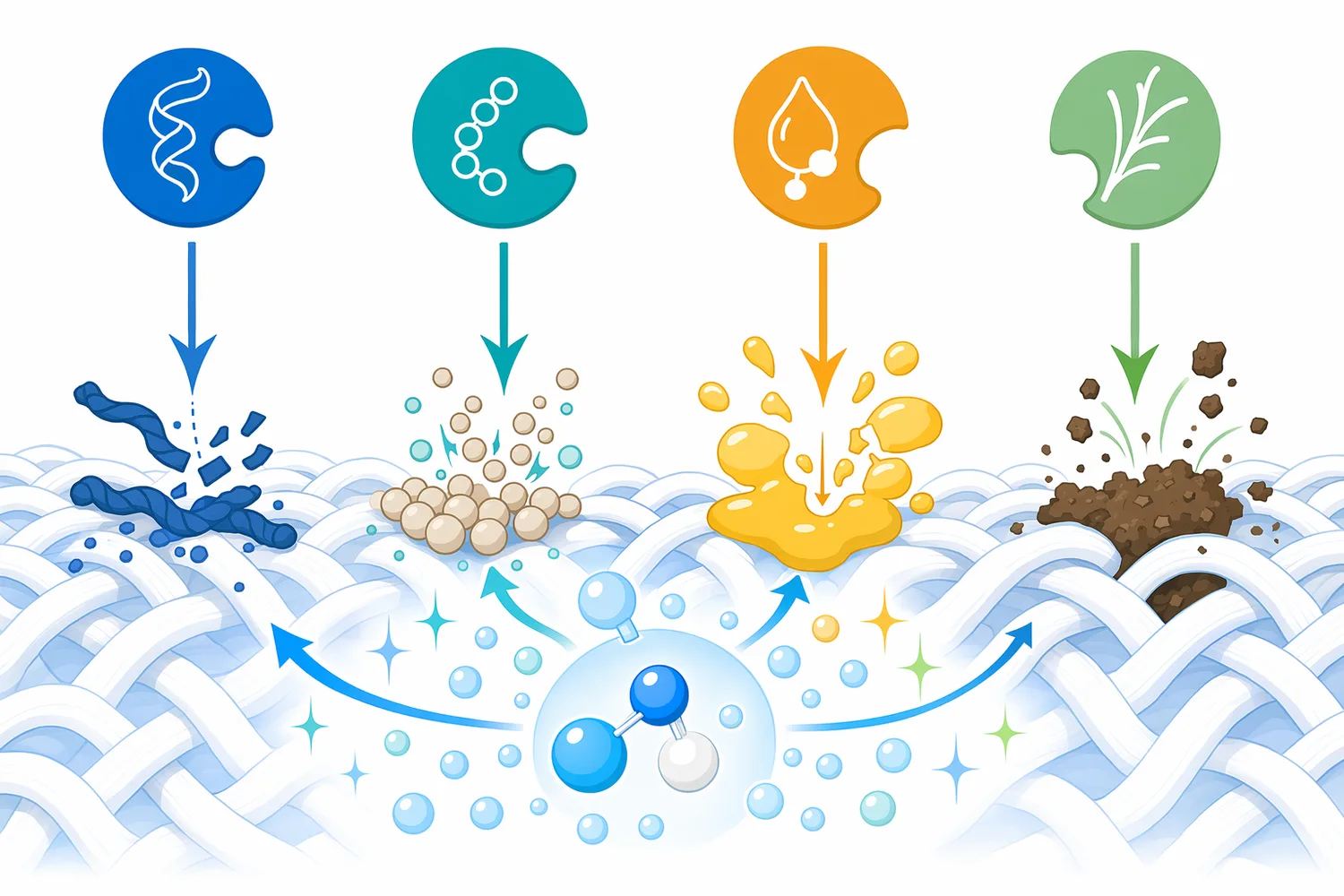
Alkalinity is another important part of the detergent environment. Many laundry detergents operate under alkaline conditions because alkalinity helps soil swelling, fatty soil removal, and water-hardness control. Research on low-temperature alkaline serine protease for detergent application potential shows why enzymes intended for laundry are often evaluated in alkaline contexts rather than neutral water alone [8].
Surfactants can help or hinder enzyme access depending on the substrate. For example, lipid soils require interfacial access: the enzyme must reach the oil-water boundary, while the surfactant must emulsify the oil without blocking enzyme contact entirely. The same practical idea applies to bleach activation: the stain matrix must be wetted and opened so oxidizing species can reach the colored residues rather than reacting only in solution.
Oxygen bleach systems are most commonly associated with cotton, polycotton, synthetics, and many colorfast washable textiles, but textile compatibility always depends on the finished formulation and the fabric. Protein-based fibers such as wool and silk require particular care because protease-containing detergents and bleaching systems may be unsuitable. Delicate dyes and specialty finishes may also respond differently to oxidation.
The textile literature shows why fiber type matters. Enzymatic scouring and low-temperature bleaching have been studied across cotton, regenerated bamboo, poly(lactic acid), and soy protein fibers, and these materials differ in chemistry, morphology, and sensitivity to process conditions [6]. A cotton towel, a regenerated cellulose knit, a polyester sports shirt, and a protein-based fiber do not present the same substrate to a detergent system.
For cotton and regenerated cellulose, the surface can hold pectins, waxy residues, microfibril-trapped soils, and oxidizable color bodies. For synthetics, hydrophobic soils and odor retention can be more prominent. For blends, both issues can occur together. Activated oxygen bleach is therefore best seen as one part of a broader soil-removal system rather than a universal textile treatment.
Cold-temperature detergency is particularly valuable where fabric care is important. Lower wash temperatures can reduce thermal stress, but they also reduce the rate of some cleaning reactions. Cold bleach activation is used to help preserve the bleaching contribution under those milder conditions, while cold-active enzymes and surfactants carry the hydrolytic and soil-suspension workload.
The strongest defensible claim is that Cold Bleach Enzyme Granules fit within established detergent science for low-temperature oxygen bleach activation. Research supports the general concept that peroxide bleaching can be enhanced at lower temperatures through catalysts, activators, and enzyme-associated systems, and detergent enzyme research supports the complementary role of hydrolytic enzymes in cold and alkaline wash environments [2].
It would not be responsible to claim that one ingredient alone guarantees stain removal, disinfection, whitening, or odor elimination in every wash. Laundry results depend on the complete formula, the soil type, fabric construction, water conditions, temperature, wash time, and mechanical action. A colored beverage stain on cotton, aged body-oil yellowing on polyester, and protein-rich food soil on a blend fabric are chemically different cleaning problems.
It is also important to distinguish product-category science from product-specific published validation. The open literature supports low-temperature bleaching strategies, peroxide activation, enzyme-aided textile processing, and cold-active detergent enzymes. Those studies provide a credible scientific foundation for the formulation concept, but they should not be read as independent published trials of this exact Enzymes.bio commercial product unless a cited study specifically tested it.
For buyers purchasing the 1 kg unit online, the practical point is that this is a specialized detergent ingredient for oxygen-bleach formulations, not a consumer laundry instruction sheet or a stand-alone cleaner. The Certificate of Analysis and Safety Data Sheet supplied with the order provide the accompanying product documentation .
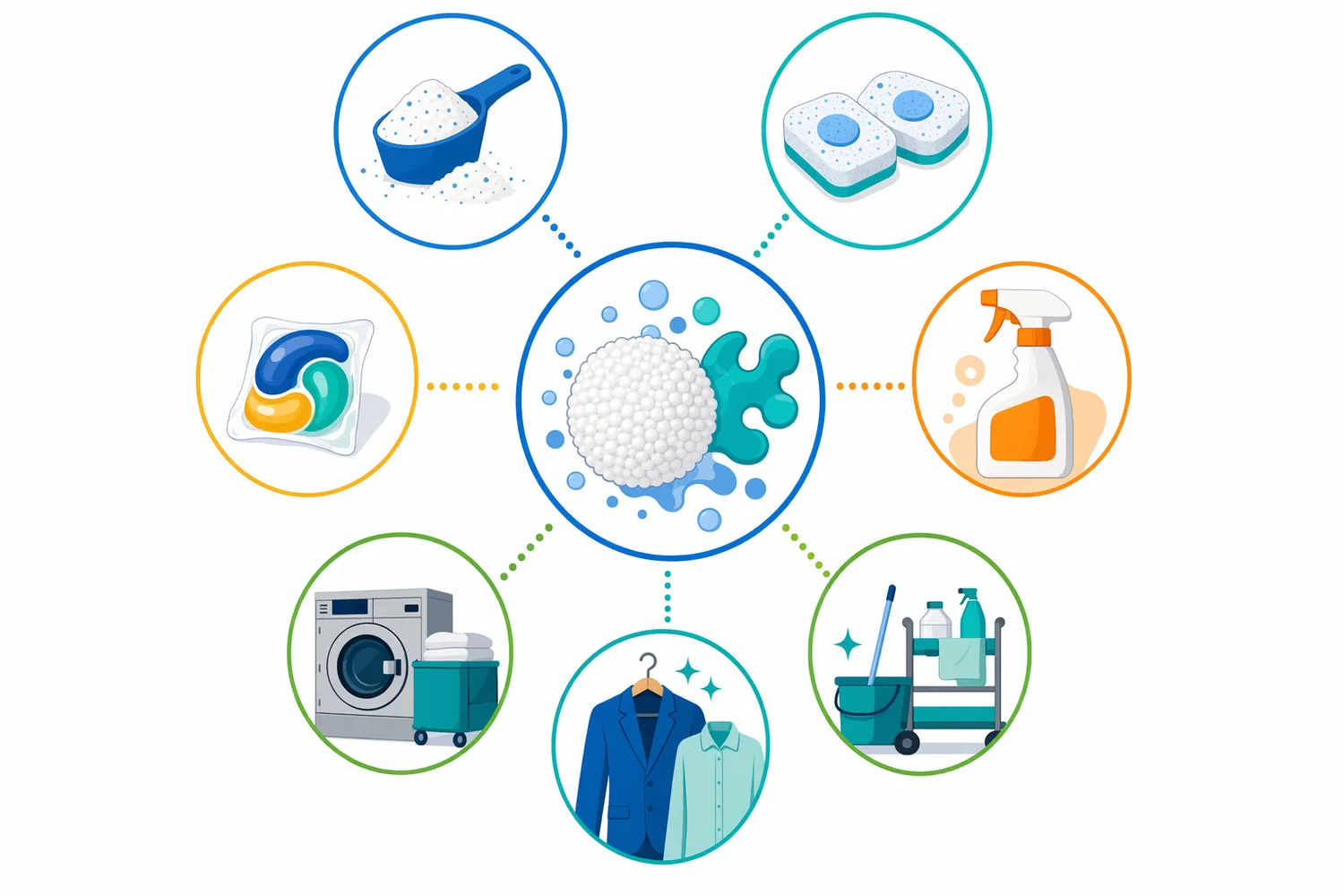
Modern detergent design is moving toward lower wash temperatures, shorter cycles, compact dry formats, and broader stain coverage. Those trends create a technical challenge: the detergent must do more work with less heat and often less time. Cold bleach activation directly addresses the oxidative part of that challenge by helping peroxide bleach chemistry contribute in cooler conditions.
The formulation logic is strongest when the activator is paired with a peroxide-releasing oxygen bleach source and the rest of the detergent system is built to remove the non-colored stain matrix. Protease, lipase or esterase, amylase, cellulase, surfactant, builder, and bleach systems each address different parts of the soil. Research on low-temperature alkaline protease and cold-active detergent enzymes illustrates why cold-wash performance depends on maintaining multiple reaction pathways, not only one [8].
For stain removal, this means a dried food stain can be attacked on several fronts: protein is hydrolyzed, starch is shortened, fat is emulsified or enzymatically split, and colored residues are oxidized. For whiteness maintenance, oxidizable dinginess is reduced while fiber-bound soil is released. For odor control, volatile and precursor residues are oxidized or removed together with the soil films that hold them.
This is the central value of Cold Bleach Enzyme Granules in detergent formulation: it strengthens the bleach function where low temperature would otherwise limit peroxide performance. In doing so, it supports detergent products designed for energy-conscious washing, chlorine-free bleaching concepts, and broader stain coverage in dry laundry formats.
Enzymes.bio supplies Cold Bleach Enzyme Granules – Oxygen Bleach Activator for Detergent Formulations directly online in 1 kg units. The buyer completes payment online, after which the order is processed and shipped. A Certificate of Analysis and Safety Data Sheet are provided with the order .
This online 1 kg format is well suited to buyers who need a defined quantity of a specialized detergent ingredient without entering a custom quotation or bulk procurement process. The product should be used as a formulation ingredient within an appropriately designed detergent system, especially where oxygen bleach activation in cooler wash conditions is desired.
Cold Bleach Enzyme Granules are a granulated detergent ingredient for formulations that need stronger oxygen bleach performance in low-temperature or moderate-temperature washing. The product supports the oxidative side of cleaning: helping peroxide-based systems attack stain chromophores, dinginess, and odor-associated residues when heat alone is not being used to drive the bleaching reaction.
The scientific foundation is consistent and practical. Low-temperature bleaching research has examined manganese catalysts, peroxide activators, enzyme-generated hydrogen peroxide, peracetic acid systems, and enzyme-aided textile preparation; detergent enzyme research shows why cold-active and alkaline-compatible enzymes are valuable in modern laundry formulations [4]. Together, these findings support the formulation concept of combining activated oxygen bleach with surfactants, builders, and hydrolytic enzymes for broader stain removal.
Enzymes.bio supplies the product directly online by the 1 kg unit, with payment completed online and the order processed and shipped with a Certificate of Analysis and Safety Data Sheet .
Sold by the 1 kg unit, in stock and ready to ship. Order directly on our store — pay online and we process your order. A Certificate of Analysis and Safety Data Sheet are included with every order.
Buy Cold Bleach Enzyme Granules – Oxygen Bleach Activator For Detergent Formulations →Numbered in order of first citation. Open-access sources, each verified reachable at publication; citation numbers in the text link here.