
Food-grade catalase is used to decompose residual hydrogen peroxide into water and oxygen after peroxide has served its purpose as an oxidizing, bleaching, antimicrobial, or cold-treatment agent. The reaction is direct: catalase converts hydrogen peroxide into harmless end products without requiring a separate hydrogen donor, which makes it useful in food, dairy, ingredient, textile, and process-water applications where peroxide must be reduced before the next step [1].
Enzymes.bio supplies Food-Grade Catalase for Hydrogen Peroxide Decomposition as a direct online product sold by the 1 kg unit. Buyers place the order and pay online; the order is then processed and shipped, with a Certificate of Analysis and Safety Data Sheet included with the order.
Catalase is a naturally occurring antioxidant enzyme found across aerobic organisms, where its biological role is to prevent hydrogen peroxide from accumulating to damaging levels. Hydrogen peroxide is useful in many industrial operations because it is reactive, but that same reactivity becomes a liability if peroxide remains in a food, ingredient, process stream, or treatment bath after its intended function is complete [2].
The core reaction is simple:
2 H2O2 → 2 H2O + O2
In process terms, this means catalase changes a reactive oxidant into water and oxygen gas. The oxygen release is not incidental; it is the visible and measurable result of peroxide disproportionation, and it explains why bubbling, foam formation, or gas release may be seen when catalase contacts peroxide-containing liquids [3].
Food-grade catalase is therefore best understood as a processing aid for peroxide reduction, not as a flavor, texture, or nutrition ingredient. Its value comes from controlling a specific residual chemical—hydrogen peroxide—after peroxide has been used for microbial control, bleaching, oxidation, or enzymatic generation in a process [1].
Hydrogen peroxide is widely used because it is a clean oxidant compared with many alternatives: it can participate in disinfection, bleaching, oxidative conversion, and advanced oxidation reactions. Reviews of hydrogen peroxide-mediated catalysis describe it as a versatile oxidizing agent in environmental and industrial chemistry, but also emphasize that its reactivity must be managed in the system where it is applied [4].
In food and ingredient processing, residual peroxide can create several practical problems. It can continue oxidizing sensitive components, interfere with microbial cultures, alter flavor or color chemistry, and complicate downstream processing steps that are not designed to operate in an oxidizing environment. Catalase addresses these issues by shortening the time peroxide remains chemically active in the matrix [1].
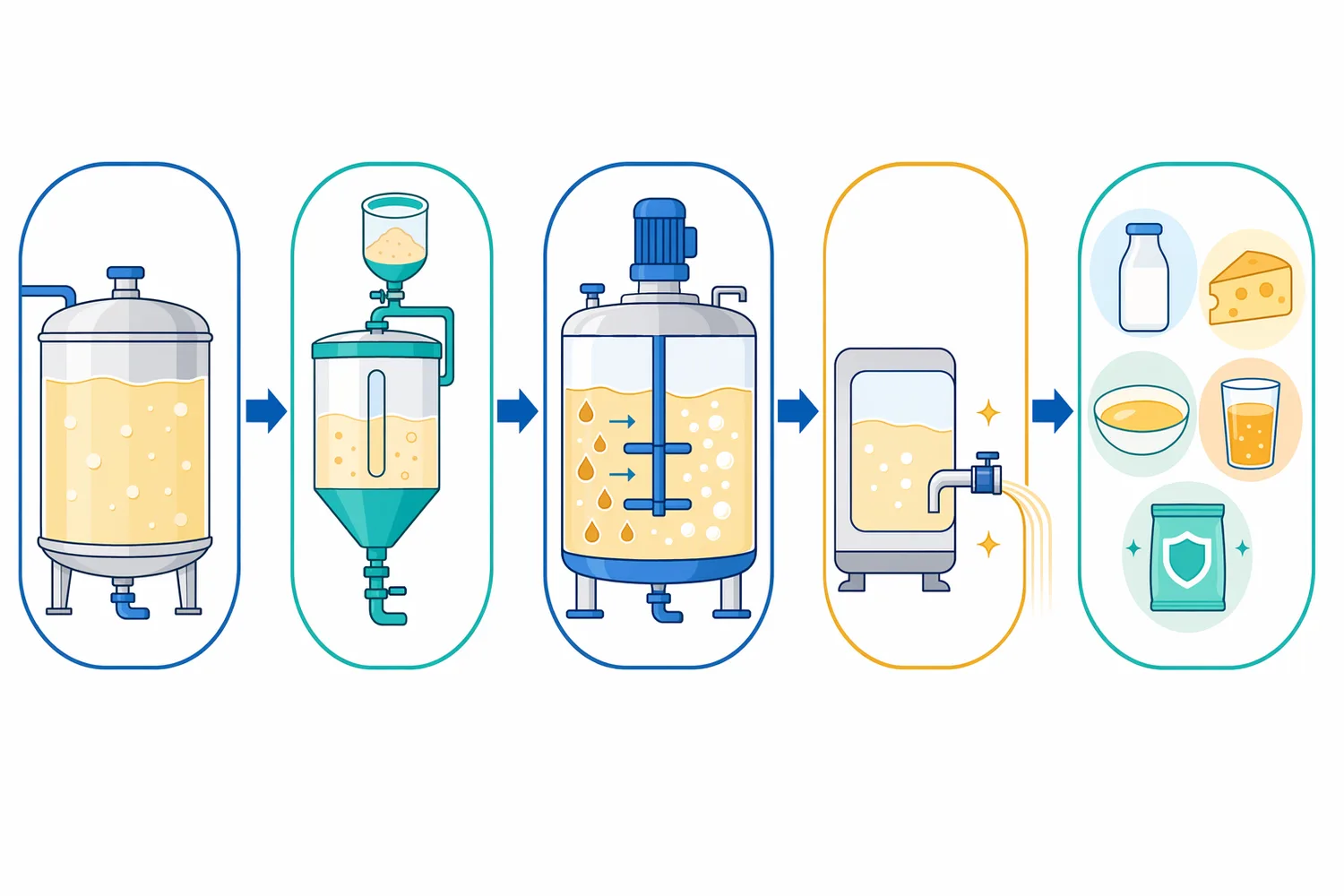
Dairy processing is one of the clearest examples. Hydrogen peroxide has been used in milk-related microbial-control systems, but leftover peroxide can be undesirable before fermentation or cheese-making because starter organisms and milk components are sensitive to oxidative conditions. Catalase helps remove the residual peroxide burden before those biological or quality-sensitive steps proceed [1].
The same logic applies outside dairy. In textile bleaching, pulp and paper operations, egg and ingredient treatment, and process-water applications, hydrogen peroxide may be useful during one step and problematic in the next. Catalase provides an enzymatic route for peroxide decomposition that does not rely on adding a conventional reducing chemical to neutralize the oxidant [1].
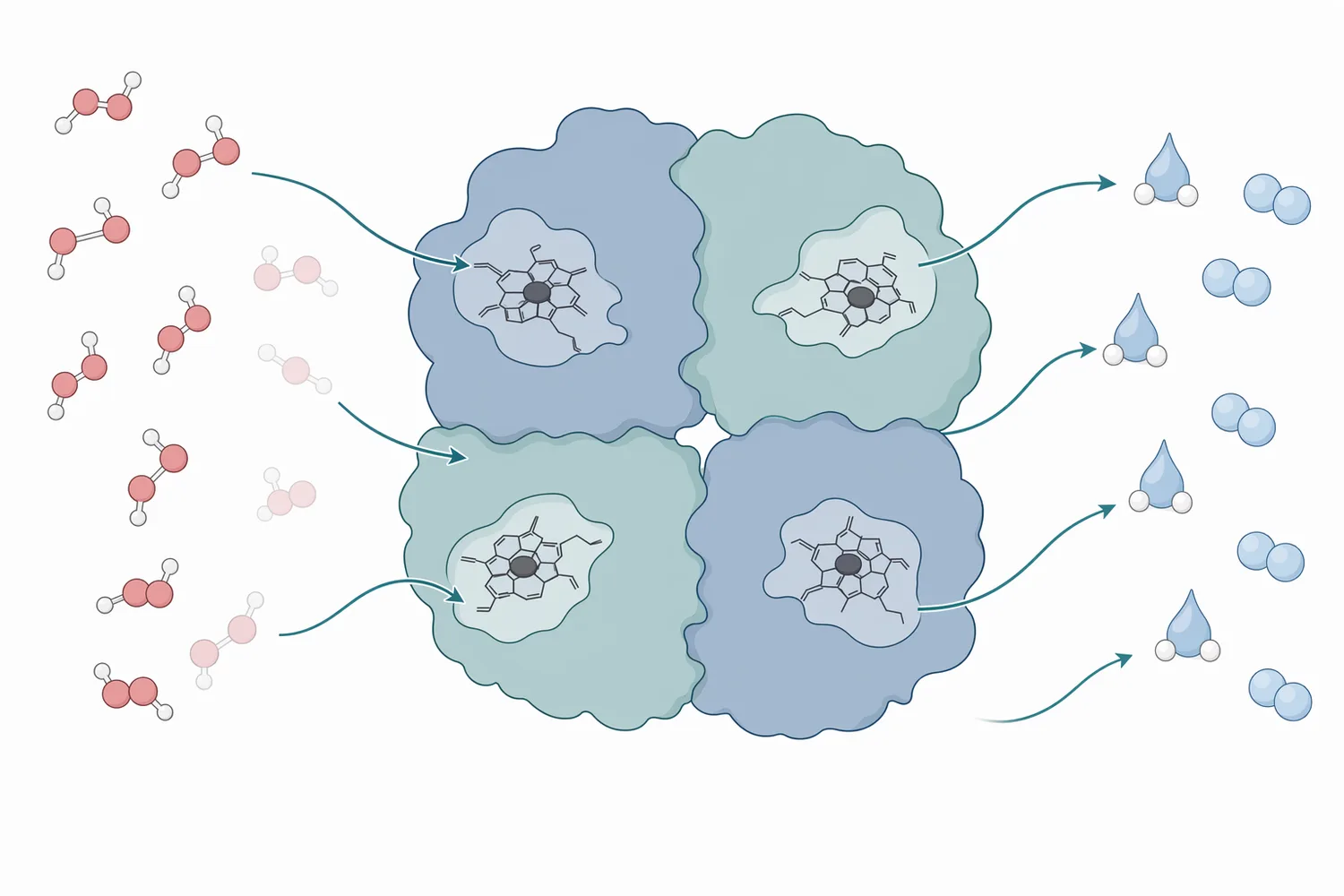
Catalase is typically described as a heme enzyme, meaning its active site contains an iron-bearing heme group that participates directly in peroxide breakdown. Hydrogen peroxide enters the active site, reacts with the enzyme-bound iron center, and is converted through a short catalytic cycle that releases water and molecular oxygen while regenerating the active enzyme form [2].
Mechanistically, the enzyme does not simply “absorb” peroxide or mask its effect. It changes the chemical identity of peroxide. The oxygen–oxygen bond and electron balance of hydrogen peroxide are transformed so that two peroxide molecules become two water molecules and one oxygen molecule, removing the oxidizing species from the process stream [3].
This distinction matters in real processing. If peroxide is only diluted, it may still remain chemically active. If it is chemically reduced, other reaction products may be introduced depending on the reagent. With catalase, the intended enzymatic pathway is direct decomposition of hydrogen peroxide into water and oxygen, which is why catalase is used where processors want peroxide removal without adding a separate reducing co-substrate [1].
Catalase also differs from peroxidase-type reactions. Peroxidases use hydrogen peroxide to oxidize another donor molecule; catalase can disproportionate hydrogen peroxide itself. For peroxide-removal applications, that means catalase does not need a second food component or added electron donor to consume peroxide, which simplifies its role in the process [2].
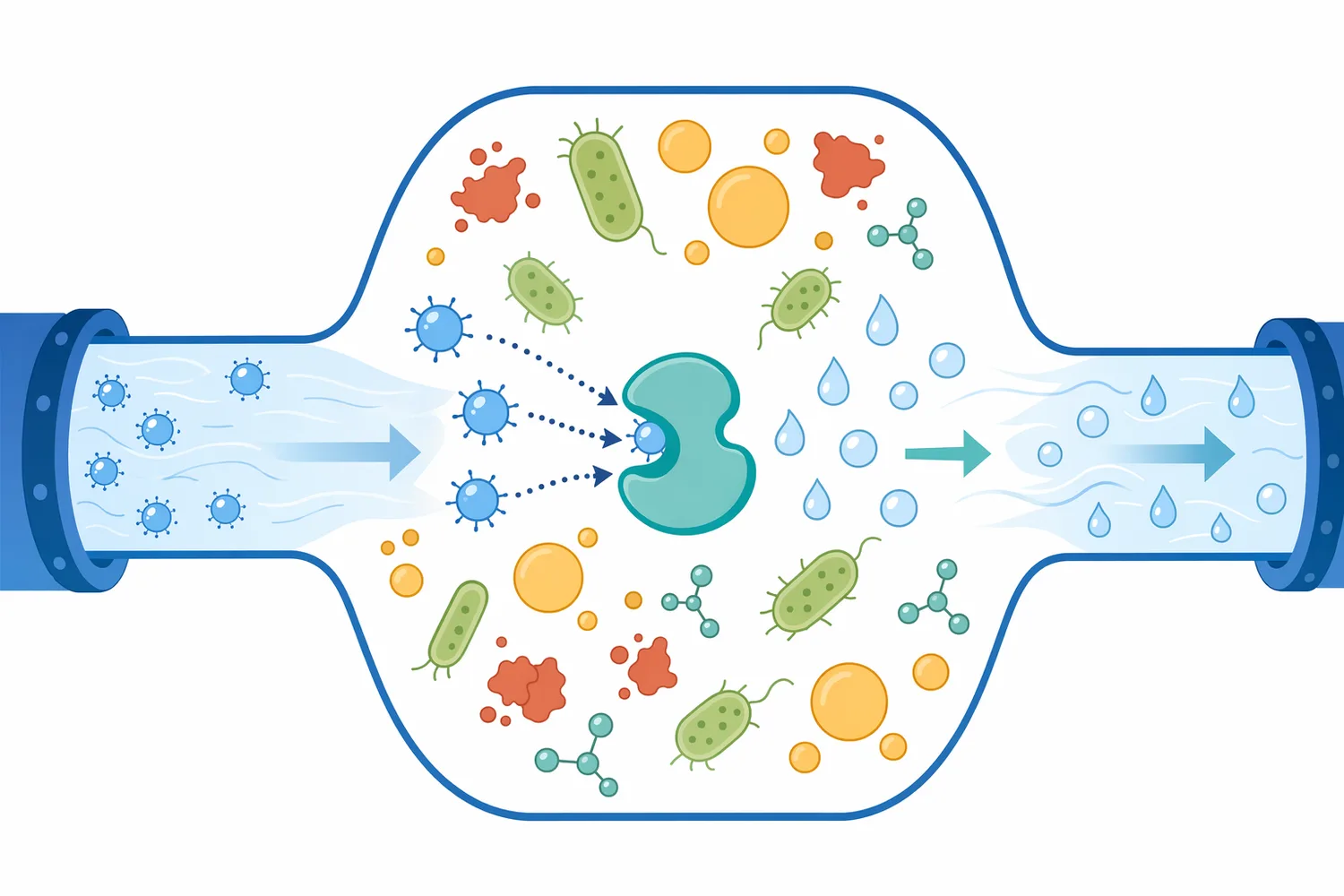
Food-grade catalase is most relevant where peroxide has already completed its useful function. For example, hydrogen peroxide may be used for antimicrobial control, surface treatment, oxidation, or bleaching-like effects; once that treatment window is complete, catalase can be introduced to decompose what remains [1].
In dairy systems, the practical concern is often downstream biological performance. Starter cultures used in fermented dairy products require a suitable redox environment, and residual peroxide can create oxidative pressure that slows or disrupts microbial activity. By decomposing peroxide before fermentation or culture-dependent steps, catalase helps shift the matrix away from a high-oxidation condition [1].
Catalase may also support quality protection where peroxide-sensitive molecules are present. Proteins, lipids, pigments, vitamins, and aroma compounds can be affected by oxidative chemistry depending on the matrix and exposure conditions. Removing residual peroxide does not reverse oxidation that has already occurred, but it can reduce continued peroxide-driven reactions after the treatment stage [4].
Egg and ingredient processing can face similar peroxide-management needs. Where hydrogen peroxide is used for decontamination or functional treatment, a defined decomposition step helps prevent carryover into subsequent blending, heating, fermentation, packaging, or formulation operations. Catalase is cited in industrial enzyme literature as relevant to food-processing contexts in which hydrogen peroxide removal is required [1].
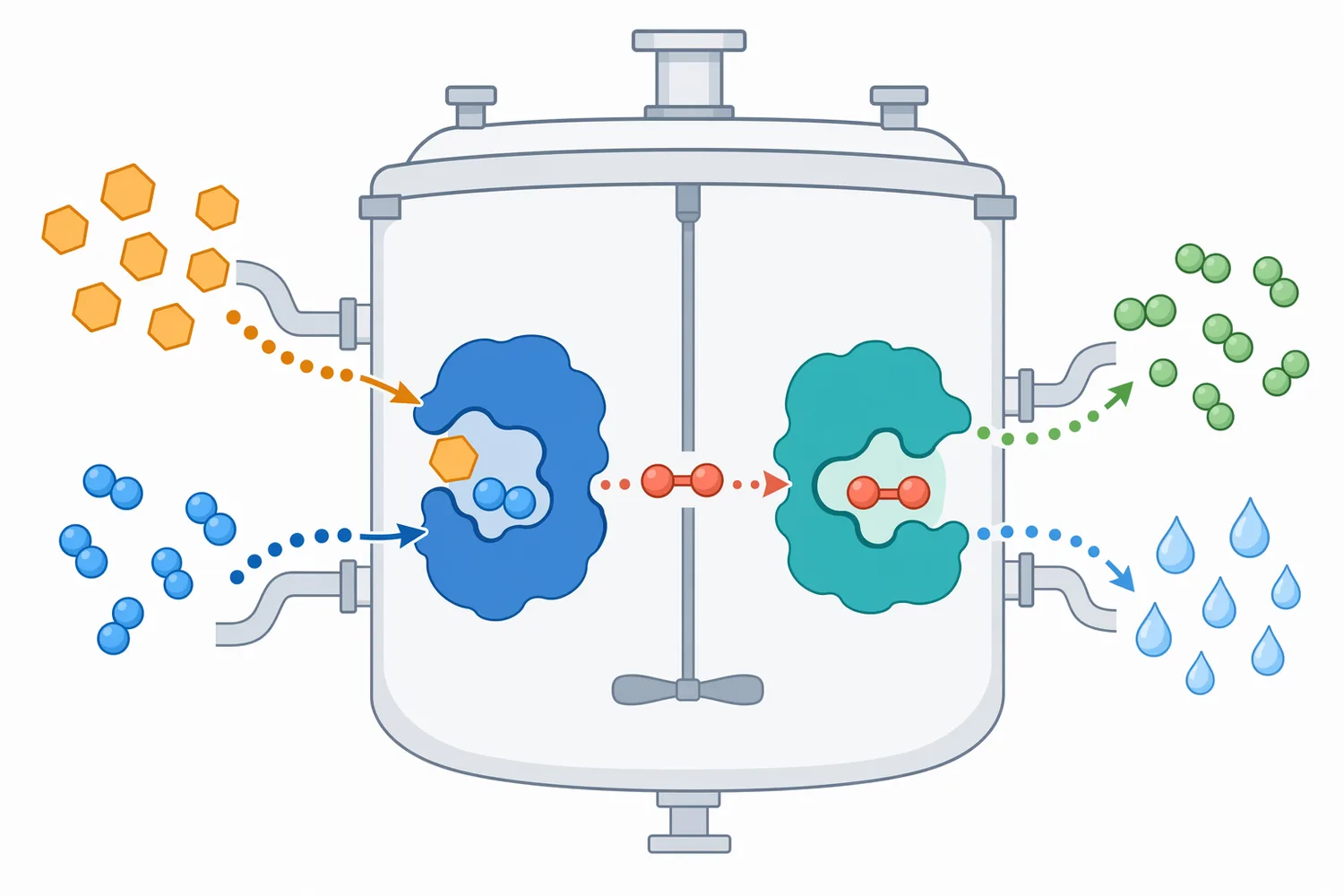
Catalase is often discussed together with glucose oxidase because the two enzymes can form a coupled system. Glucose oxidase oxidizes glucose and generates hydrogen peroxide as a reaction product; catalase then decomposes that hydrogen peroxide into water and oxygen [5].
This pairing is important because hydrogen peroxide is not always added directly. In some processes, peroxide is formed enzymatically inside the system. Without catalase, the peroxide generated by glucose oxidase may accumulate and become inhibitory or oxidative; with catalase present, peroxide can be continuously converted as it forms [5].
The glucose oxidase–catalase relationship is also a useful example of process balance. One enzyme creates peroxide as part of its normal reaction chemistry, while the other prevents peroxide from becoming excessive. In applications where oxygen, glucose, and peroxide are linked by enzyme reactions, catalase can help stabilize the chemical environment by removing the peroxide leg of that cycle [5].
Research on co-immobilized glucose oxidase and catalase systems continues because peroxide generation and peroxide decomposition often need to be coordinated spatially and kinetically. Studies using porous silica supports have evaluated operational conditions for combined glucose oxidase and catalase systems, showing the continuing technical importance of managing both enzymes together in peroxide-related conversion processes [5].
The best peroxide-removal method depends on the process context, but catalase occupies a distinct position because it enzymatically converts peroxide into water and oxygen. The table below summarizes the conceptual differences without treating them as interchangeable specifications.
| Approach | What happens to hydrogen peroxide | Main practical implication | Typical limitation |
|---|---|---|---|
| Catalase decomposition | Peroxide is enzymatically converted into water and oxygen | No separate hydrogen donor is required; the reaction directly removes residual peroxide | Performance depends on enzyme-compatible conditions such as moderate processing environment, contact, and absence of strong inhibitors |
| Dilution or rinsing | Peroxide concentration is lowered by adding or exchanging water | Simple in some wash-based processes | May consume water and may not be suitable when product dilution is unacceptable |
| Chemical reduction | Peroxide is consumed by reaction with a reducing chemical | Can be fast and robust in some non-food contexts | May introduce additional reaction products or residues depending on the reagent |
| Waiting for natural decay | Peroxide decomposes slowly over time or through contact with surfaces and impurities | Requires little intervention | May be too slow or inconsistent for controlled processing |
Catalase is attractive when a process needs an enzymatic, targeted peroxide-decomposition step rather than a broad chemical neutralization step. Its reaction products—water and oxygen—are also why catalase is widely described in industrial literature as a useful enzyme for hydrogen peroxide removal [1].
Catalase is a protein catalyst, so its effectiveness depends on the environment in which it is used. The enzyme must remain structurally active long enough to contact hydrogen peroxide, and the liquid or slurry must allow peroxide molecules to reach the enzyme’s active sites. Temperature, pH, mixing, peroxide exposure, and inhibitors all affect the practical rate and completeness of peroxide decomposition [6].
Temperature has two opposing effects. A warmer process stream can increase molecular motion and reaction rate up to a point, but excessive heat can unfold the enzyme and reduce activity. Studies examining catalase temperature stability show that thermal conditions matter because catalase, like other enzymes, depends on maintaining the active-site structure needed for peroxide binding and turnover [6].
pH also changes catalase behavior because ionization states around the active site and the overall protein structure influence catalytic function. Catalase can tolerate a useful operating range, but strongly acidic or strongly alkaline conditions may reduce activity or stability depending on enzyme source and formulation. Research specifically testing catalase pH stability highlights that pH is not just a background condition; it can directly affect how well the enzyme decomposes peroxide [6].
Hydrogen peroxide concentration and exposure time are also relevant because peroxide is both the substrate and a reactive oxidant. Catalase is designed to react with peroxide, but harsh or prolonged oxidative exposure can damage proteins, including enzymes. For this reason, catalase is used as a controlled peroxide-removal tool rather than as an indefinitely stable material in any peroxide-containing environment [1].
Mixing is another practical factor. Catalase only decomposes peroxide molecules that reach the enzyme. In uniform liquids, contact can be rapid; in viscous products, foams, slurries, or systems with poor circulation, peroxide may remain unevenly distributed. The oxygen released during decomposition can also influence mixing, foam, headspace, and venting behavior depending on the vessel and matrix [3].
Certain compounds may inhibit catalase or reduce its stability. Studies that test catalase under different environmental conditions and in the presence of inhibitors reinforce a basic process principle: enzymes work best when the surrounding chemistry does not disrupt the protein structure or active-site chemistry required for catalysis [6].
A major theme in catalase research is improving stability under industrial conditions. Native enzymes can be highly effective but may be sensitive to heat, pH extremes, oxidants, solvents, interfaces, or repeated use. Immobilization research explores ways to place catalase on or inside solid supports so that the enzyme can be reused or better protected while still allowing hydrogen peroxide to diffuse to the active site [7].
One recent approach involves catalase contained within hollow silica nanospheres. The purpose of this type of immobilization is not to make the enzyme rigid and inaccessible, but to create a protected environment where catalase can retain catalytic function while gaining improved performance characteristics compared with unprotected enzyme under studied conditions [7].
Other work has investigated catalase immobilization on natural or low-cost carrier materials. For example, catalase immobilized onto eggshell membrane has been studied as a carrier-based system, reflecting broader interest in using accessible biological waste materials as supports for enzyme immobilization [8].
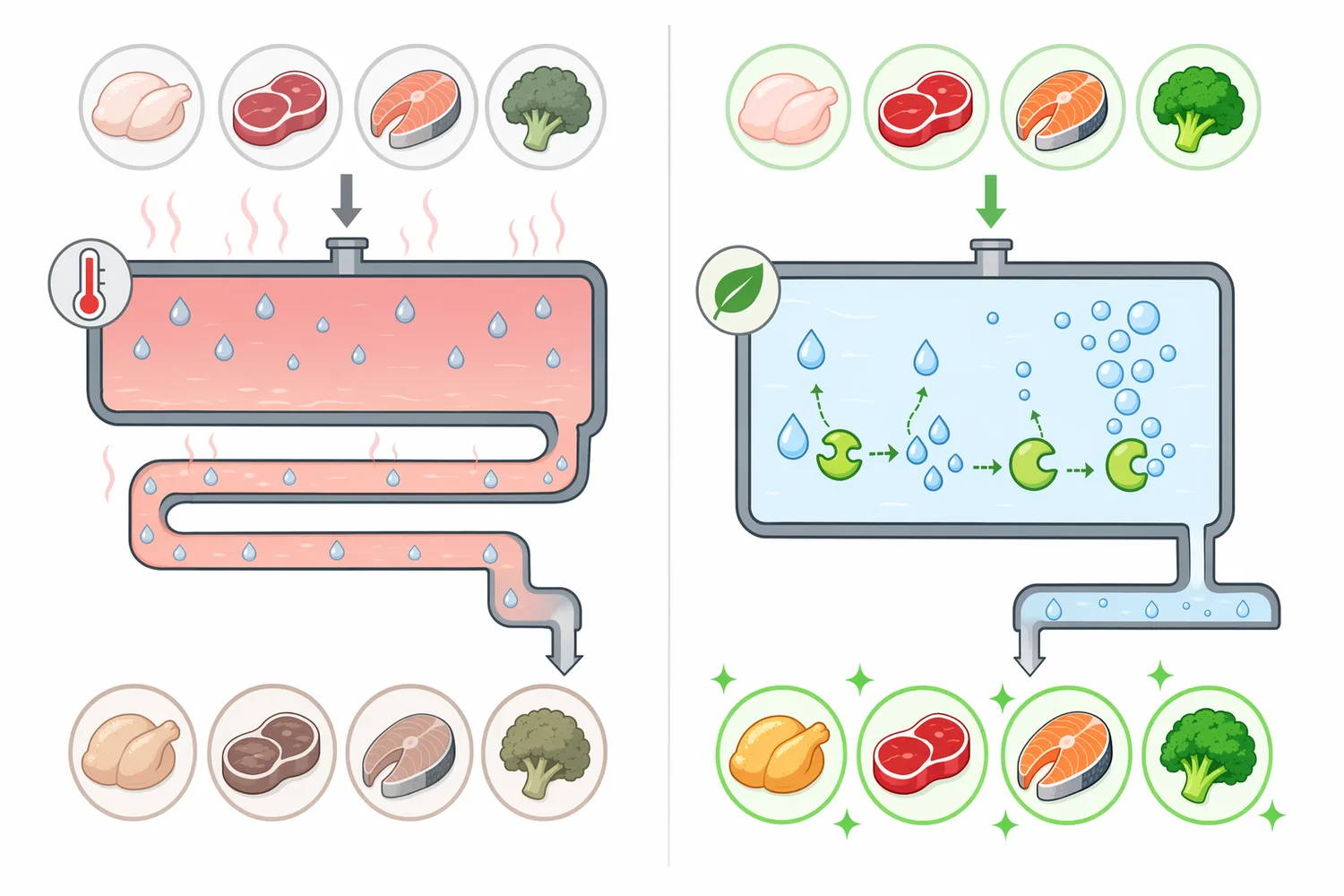
Chitosan-based immobilization has also been studied for peroxide removal from artificial wastewater. In one study, catalase purified from mushroom was immobilized onto glutaraldehyde-activated chitosan and evaluated for hydrogen peroxide removal, illustrating how catalase can be adapted to aqueous treatment contexts beyond food matrices [9].
Continuous-flow systems are another research direction. Immobilized catalase in a continuous-flow reactor has been investigated for enhanced hydrogen peroxide decomposition, which is relevant where peroxide-containing streams move through equipment rather than being treated only in stirred batches [10].
These research examples should not be read as claims that every commercial catalase product is immobilized, reusable, or engineered for the same conditions. They show something more specific and useful: catalase’s peroxide-decomposition chemistry is well established, and researchers continue to study ways to improve its process robustness in demanding environments [11].
Although this product is food-grade, catalase’s peroxide-removal chemistry is relevant across several industries. In textile processing, hydrogen peroxide is commonly associated with bleaching steps, and residual peroxide can interfere with subsequent dyeing or finishing. Catalase offers an enzymatic route for peroxide cleanup after bleaching, reducing reliance on repeated rinsing or chemical neutralization in suitable systems [1].
Pulp and paper operations also use peroxide chemistry in bleaching and oxidative treatment. When residual peroxide needs to be reduced before downstream steps, catalase can provide a targeted decomposition mechanism. The same underlying reaction—peroxide to water and oxygen—makes the enzyme relevant wherever hydrogen peroxide carryover is undesirable [1].
Wastewater and process-water treatment are additional areas of interest. Hydrogen peroxide appears in advanced oxidation systems, oxidative contaminant treatment, and cleaning processes, but residual peroxide can interfere with biological treatment or later chemical steps. Catalase immobilized on chitosan has been studied specifically for removing hydrogen peroxide from artificial wastewater, supporting its technical relevance in aqueous treatment systems [9].
Hydrogen peroxide is also used in advanced oxidation processes for organic pollutant removal, including systems involving peroxide with ultrasound, iron, ozone, bicarbonate, or other catalysts. Those technologies are designed to exploit peroxide’s reactivity; catalase is relevant after that stage when the remaining peroxide must be reduced rather than further activated [12].
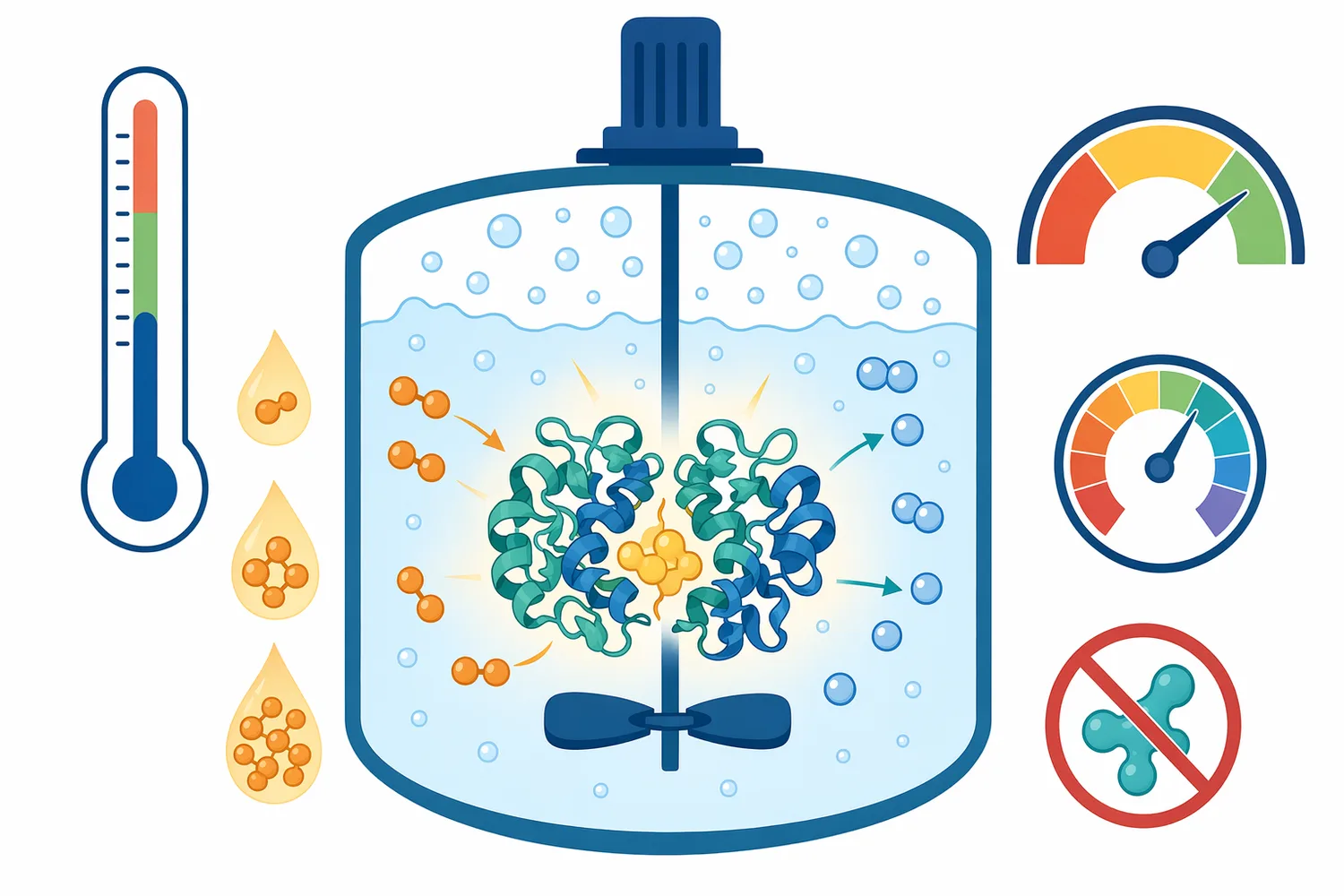
The most important change catalase makes is chemical: hydrogen peroxide concentration decreases as peroxide is converted into water and oxygen. This reduces the oxidizing capacity of the stream, which can make the material more compatible with peroxide-sensitive downstream steps [1].
The second change is physical: oxygen gas is generated. In low-viscosity liquids this may appear as bubbles that dissipate quickly; in proteinaceous, sugary, or surface-active systems it may contribute to foam. Processors using catalase should expect gas release as part of the intended reaction, not as a contaminant or failure mode [3].
The third change is redox-related. By removing peroxide, catalase lowers oxidative pressure in the system. This can matter for starter cultures, enzymes, pigments, flavors, and other components whose performance or quality is affected by residual oxidants [4].
The fourth change is operational. A catalase step can allow peroxide treatment and biological or quality-sensitive processing to coexist in the same overall workflow. Peroxide can be used when oxidation or microbial control is needed, and then decomposed before the process moves into a stage where peroxide would be harmful or disruptive [1].
The strongest evidence for catalase is the core biochemical reaction: decomposition of hydrogen peroxide into water and oxygen. This is a foundational enzyme function described across catalase references and supported by modern studies measuring oxygen flux from immobilized catalase during peroxide disproportionation [3].
Industrial relevance is also well supported. Reviews and application-focused literature describe catalase use for hydrogen peroxide reduction in food, dairy, textile, pulp, paper, and related process contexts. The common thread is not the industry label; it is the need to remove residual peroxide after peroxide-based treatment [1].
Research into immobilization, continuous operation, and enzyme stabilization is promising but technology-specific. Silica nanospheres, chitosan supports, eggshell membrane carriers, polymer systems, and other materials can improve performance under particular test conditions, but those outcomes depend on the exact immobilization method and environment [7].
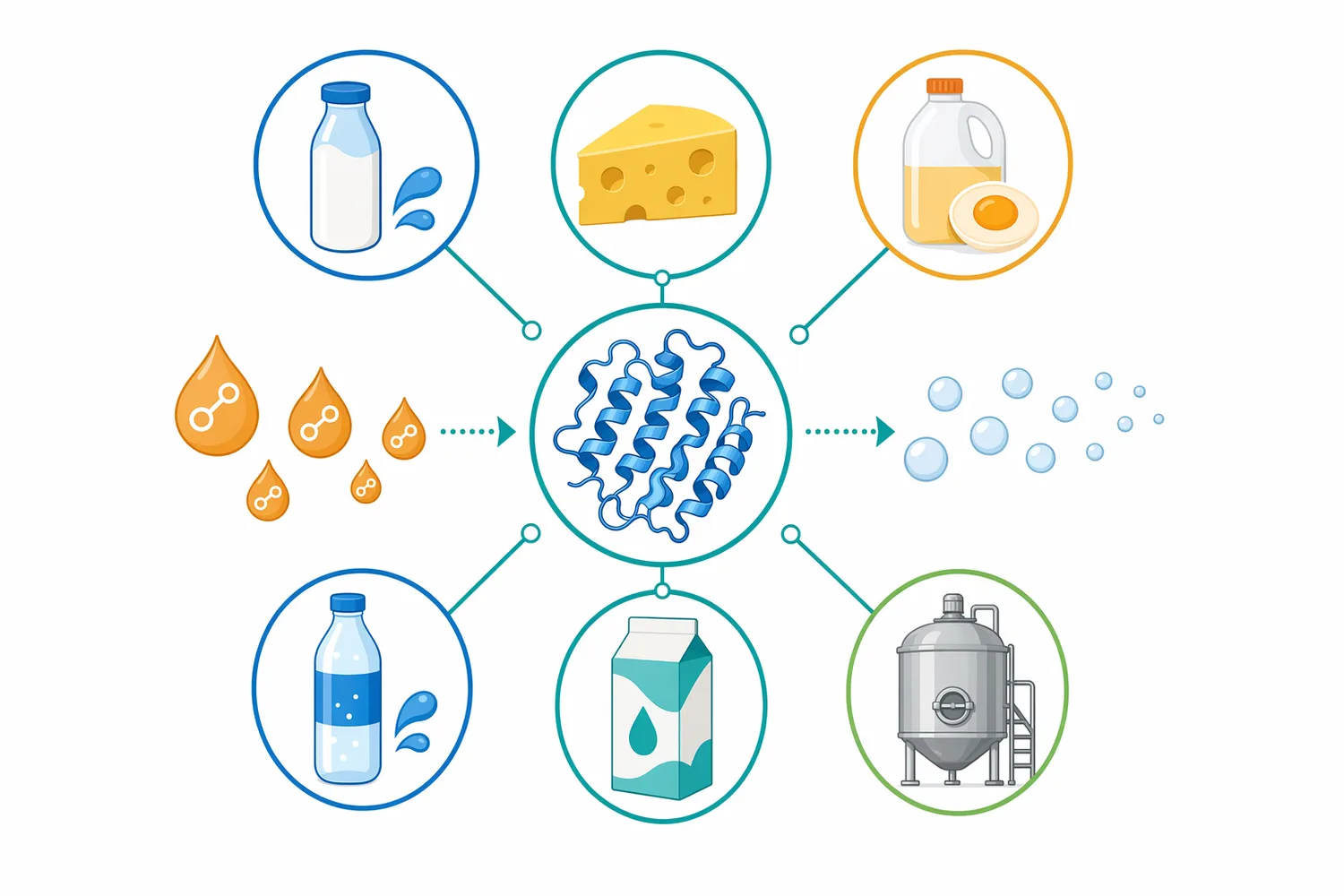
For a user of food-grade catalase, the realistic expectation is clear: the enzyme is intended to decompose hydrogen peroxide when it is brought into contact with peroxide under enzyme-compatible conditions. It should not be treated as a universal preservative, sterilant, antioxidant additive, or guarantee of finished-product quality independent of the process in which it is used [1].
Enzymes.bio supplies Food-Grade Catalase for Hydrogen Peroxide Decomposition for buyers who need a direct online purchasing route. The product is sold by the 1 kg unit through the Enzymes.bio website; payment is completed online, and the order is then processed and shipped.
A Certificate of Analysis and Safety Data Sheet are provided with the order. Enzymes.bio is a product supplier, not a manufacturer or testing laboratory, and this article is intended as an educational technical overview rather than a product specification sheet.
Food-grade catalase is a practical enzyme for decomposing residual hydrogen peroxide after peroxide-based treatment, oxidation, bleaching, antimicrobial control, or enzymatic peroxide generation. Its value is based on a direct and well-established reaction: hydrogen peroxide is converted into water and oxygen [1].
For food, dairy, ingredient, textile, and process-water applications, catalase helps reduce the carryover effects of peroxide before the next processing step. The outcome in any real system depends on contact, mixing, temperature, pH, peroxide exposure, and matrix compatibility, because catalase is an active protein enzyme whose structure and active site must remain functional during use [6].
Sold by the 1 kg unit, in stock and ready to ship. Order directly on our store — pay online and we process your order. A Certificate of Analysis and Safety Data Sheet are included with every order.
Buy Food-Grade Catalase For Hydrogen Peroxide Decomposition →Numbered in order of first citation. Open-access sources, each verified reachable at publication; citation numbers in the text link here.