
Food Grade β-Glucanase for Plant Extraction is used to hydrolyze β-glucans—glucose-based polysaccharides that can thicken extracts, reinforce cell-wall structures, and slow liquid–solid separation in cereal, botanical, yeast, fungal, and mixed biomass processing. By cutting β-glycosidic bonds in these polymers, β-glucanase converts long, water-holding chains into shorter fragments, which can lower viscosity, improve filtration, and help release soluble compounds when β-glucans are part of the extraction barrier.
Enzymes.bio supplies Food Grade β-Glucanase directly online by the 1 kg unit. Buyers complete payment online; the order is processed and shipped, and a Certificate of Analysis and Safety Data Sheet accompany the order.
β-Glucanase is not a general “plant-dissolving” enzyme. It is a carbohydrate-active enzyme used when β-glucans are present and accessible in the raw material or process stream. β-glucans are polysaccharides made from glucose units joined through β-linkages, with structures that vary by source: cereal β-glucans are commonly mixed-linkage polymers, while yeast, fungal, and some microbial β-glucans often have β-1,3 backbones with β-1,6 branching or related architectures [1].
In an extraction slurry, intact β-glucans behave like long hydrated chains. They bind water, increase apparent viscosity, create gel-like resistance, and can trap soluble compounds within swollen cell-wall or gum phases. β-Glucanase works by hydrolyzing susceptible bonds in those chains; after cleavage, the fragments are shorter, less entangling, and less able to form high-viscosity networks. That physical change is the reason β-glucanase is relevant to practical extraction problems such as slow filtration, turbid extracts, sticky press cakes, and incomplete release from β-glucan-containing matrices.
The value of β-glucanase is best understood as targeted matrix modification. In cereals such as oats and barley, β-glucans are important cell-wall and soluble fiber components; in yeast and fungal biomass, glucans are major structural wall polysaccharides; and in plant residues, β-glucanase may be useful when glucan-rich fractions contribute to mass-transfer resistance. A review of β-glucans from plant and microbial biomass emphasizes that both origin and molecular structure matter, because biological function and processing behavior depend strongly on linkage pattern, branching, solubility, and molecular size [1].
Plant extraction is often limited by more than the solubility of the desired compound. The raw material has to hydrate, swell, rupture, diffuse, release liquid, and then separate cleanly from insoluble solids. When β-glucans are present as long-chain polymers, they can interfere at several of those steps: they absorb water, increase slurry thickness, reduce diffusion, and form fine colloidal material that passes slowly through filters.
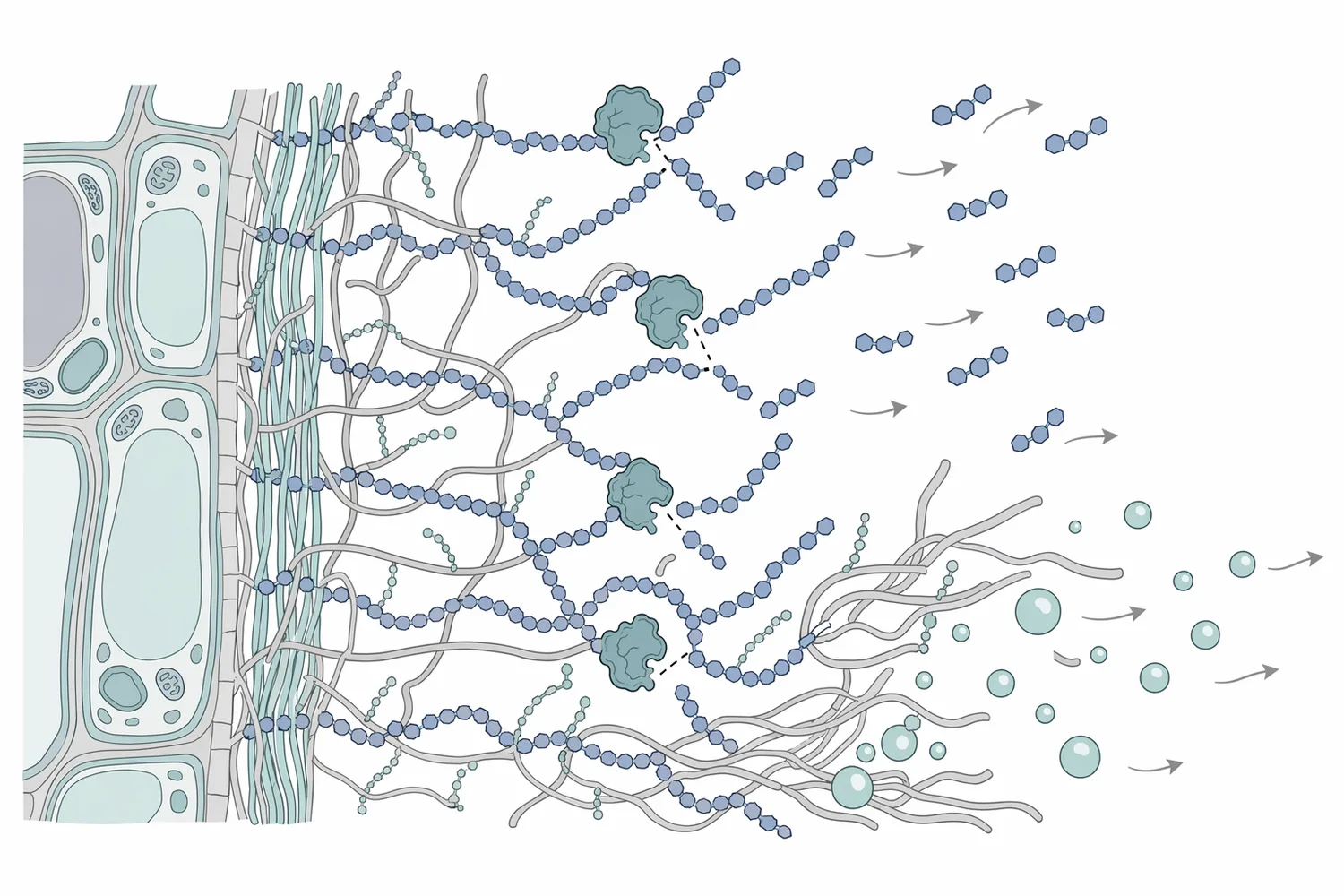
The mechanism is physical as much as chemical. A long β-glucan molecule presents many hydroxyl groups to water, so it hydrates strongly. Multiple hydrated chains overlap and entangle, raising viscosity even at modest concentration. If these polymers are embedded in a cell wall, they also help maintain wall cohesion; if they are dissolved or partially dissolved, they make the liquid phase more resistant to flow. Hydrolysis shortens those chains, reducing the number of entanglement points and lowering their ability to hold water as a continuous viscous network.
This is why enzymatic hydrolysis is widely studied in biomass processing: enzymes can convert resistant structural polymers into smaller, more soluble, or more processable fragments under milder conditions than many purely chemical treatments. Work on cellulose bioconversion describes enzymatic hydrolysis as a central route for improving conversion efficiency of lignocellulosic biomass, while also showing that accessibility of the substrate is a major determinant of outcome [2].
For β-glucanase specifically, accessibility is crucial. If β-glucans are already hydrated and exposed, the enzyme can act directly. If they are locked behind lignin, waxes, dense protein bodies, or unbroken tissue, the effect may be more limited unless the process also includes milling, heat treatment, aqueous soaking, or other compatible steps that expose the glucan substrate. That does not make β-glucanase less useful; it defines where it is most useful.
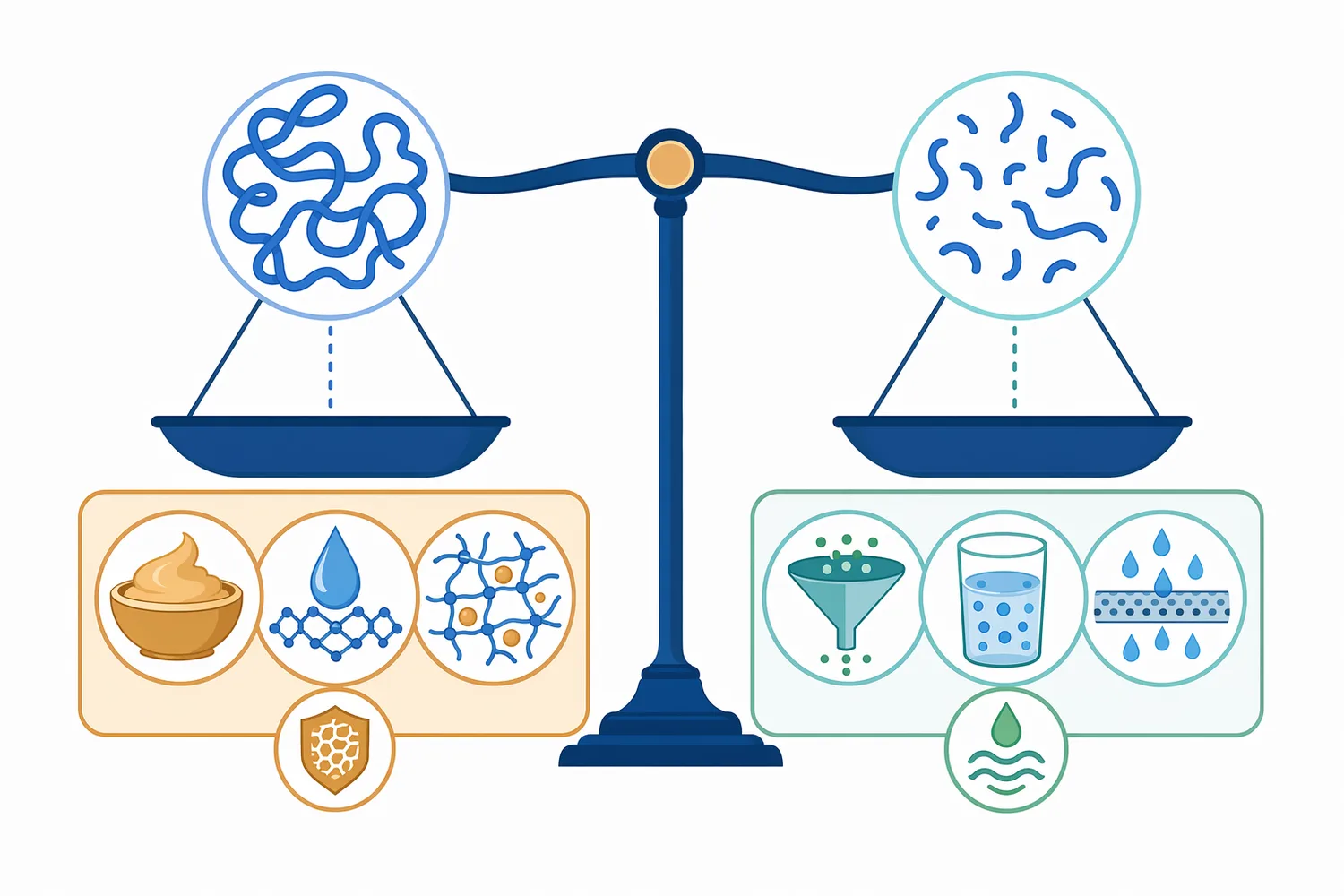
The most immediate effect expected from β-glucanase is reduced viscosity where β-glucans are responsible for thickening. Long β-glucan chains increase viscosity because they occupy a large hydrodynamic volume in water and interact with other molecules in the extract. Enzymatic cleavage reduces chain length, which reduces molecular entanglement and the ability of the polymer to form a continuous hydrated network.
Oat β-glucan research shows why molecular size matters. In a study on enzymatic hydrolysis and cholesterol-lowering activity, hydrolysis altered oat β-glucan properties by changing the polymer structure that contributes to physiological function [3]. For extraction, the same principle applies operationally: changing molecular size changes how the β-glucan behaves in water, whether the goal is nutritional functionality, viscosity control, or downstream separation.
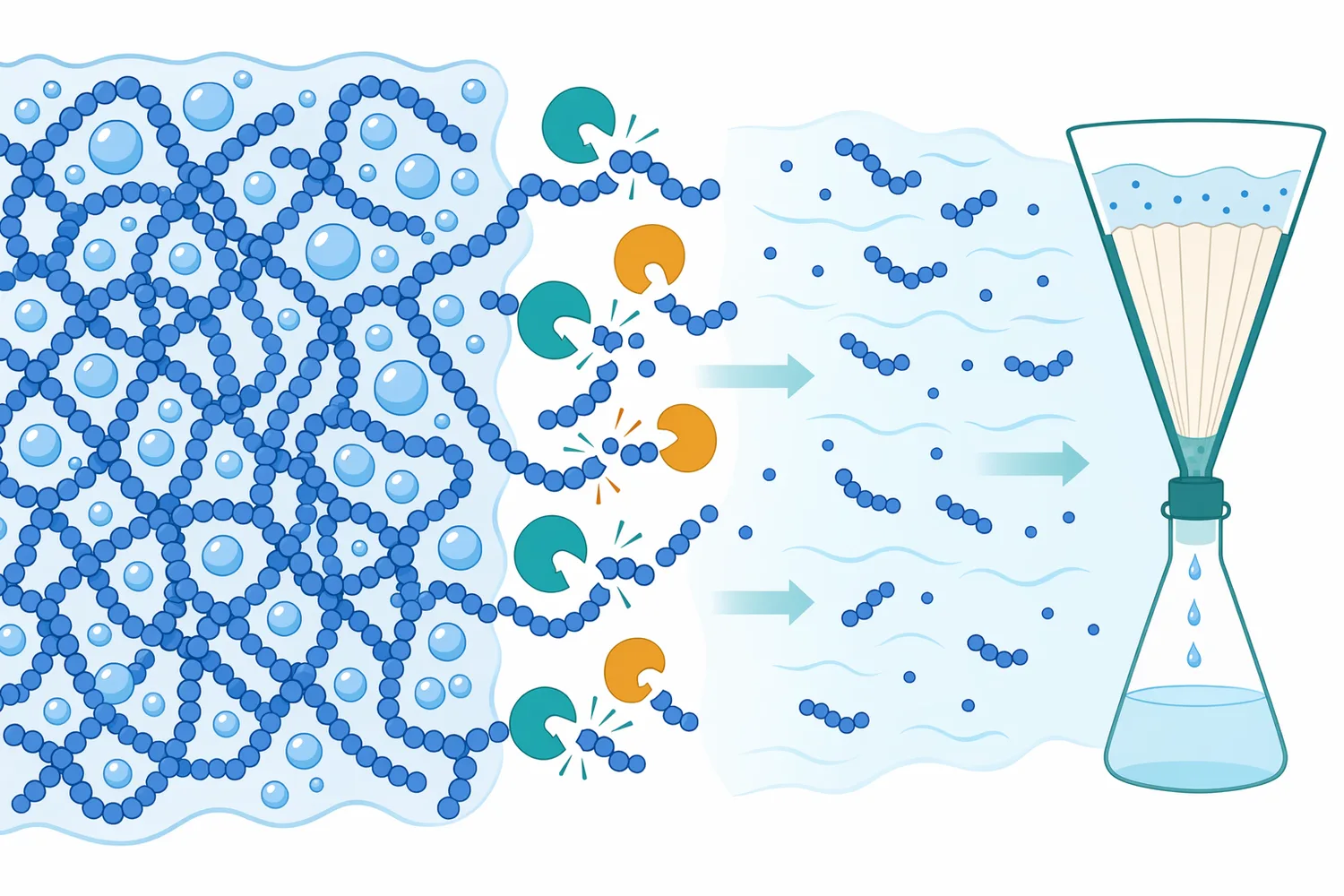
This effect should be managed according to the intended product. In some extracts, lower viscosity is desirable because it improves flow and filtration. In others, native or high-molecular-weight β-glucan may be part of the desired functional ingredient. β-Glucanase therefore changes the material, not merely the process: it can make extraction easier, but it can also alter the molecular profile of the β-glucan fraction.
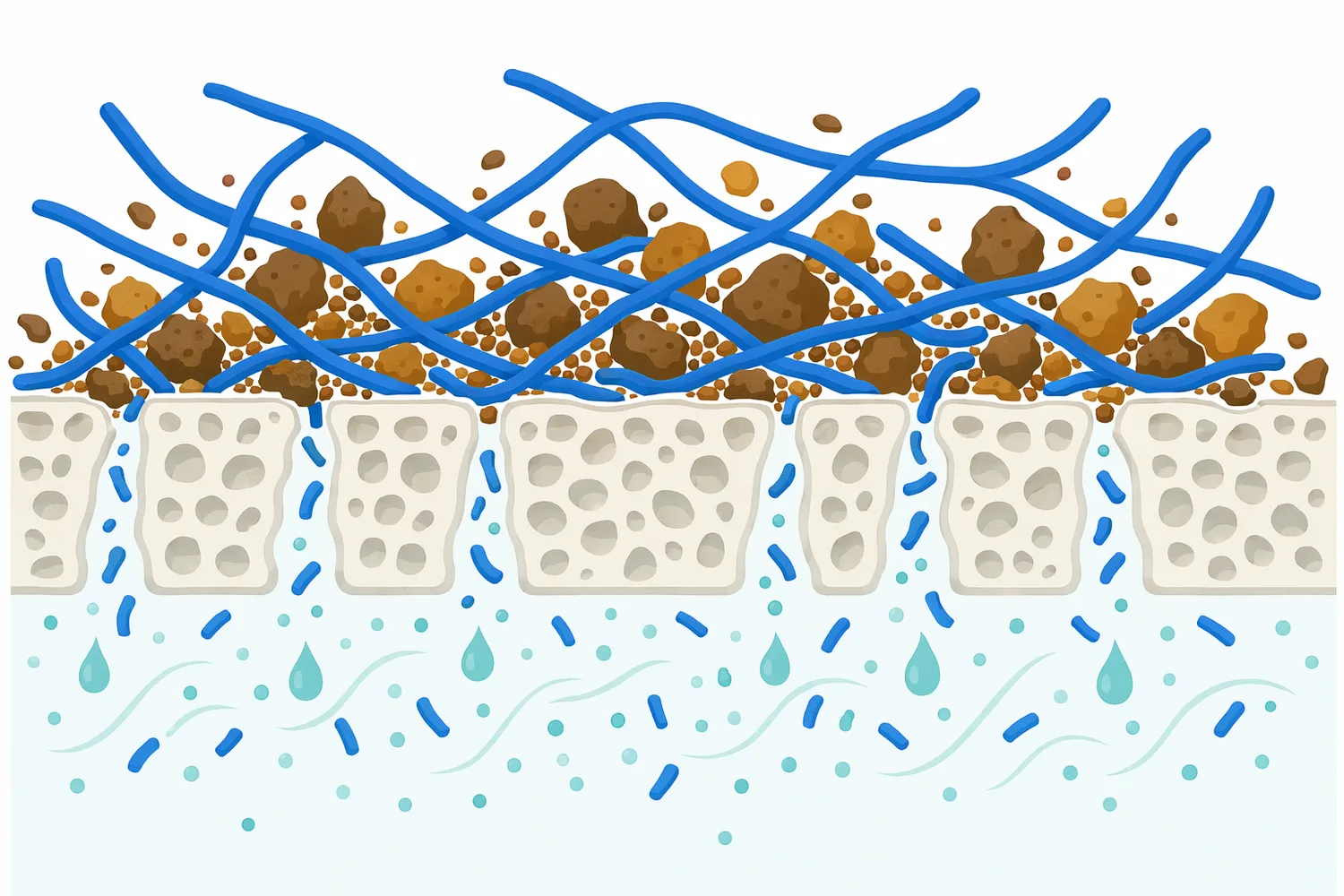
Filtration problems in plant extraction often come from fine suspended solids, swollen cell-wall fragments, soluble gums, and colloidal polysaccharides. β-glucans can contribute to all of these. When hydrolyzed, they become smaller and less gel-forming, so the liquid phase may pass more easily through filter media and separate more cleanly from insoluble solids.
The practical outcome is not “removal” of β-glucan in the sense of making it disappear. The enzyme changes the β-glucan’s size distribution and physical behavior. Shorter fragments are less likely to bridge pores, bind fine particles into slimy cakes, or maintain a thick boundary layer at the filter surface. In a process where β-glucans are a major cause of slow filtration, this can support clearer extracts and more efficient liquid recovery.
Evidence from broader enzyme-assisted extraction literature supports this mechanism-based approach. A review on valorizing plant residues by enzymatic hydrolysis describes enzymes as tools for releasing bioactive compounds from plant matrices by breaking structural barriers and improving access to intracellular or wall-associated materials [4]. β-Glucanase fits that strategy when the relevant structural barrier is β-glucan-rich.
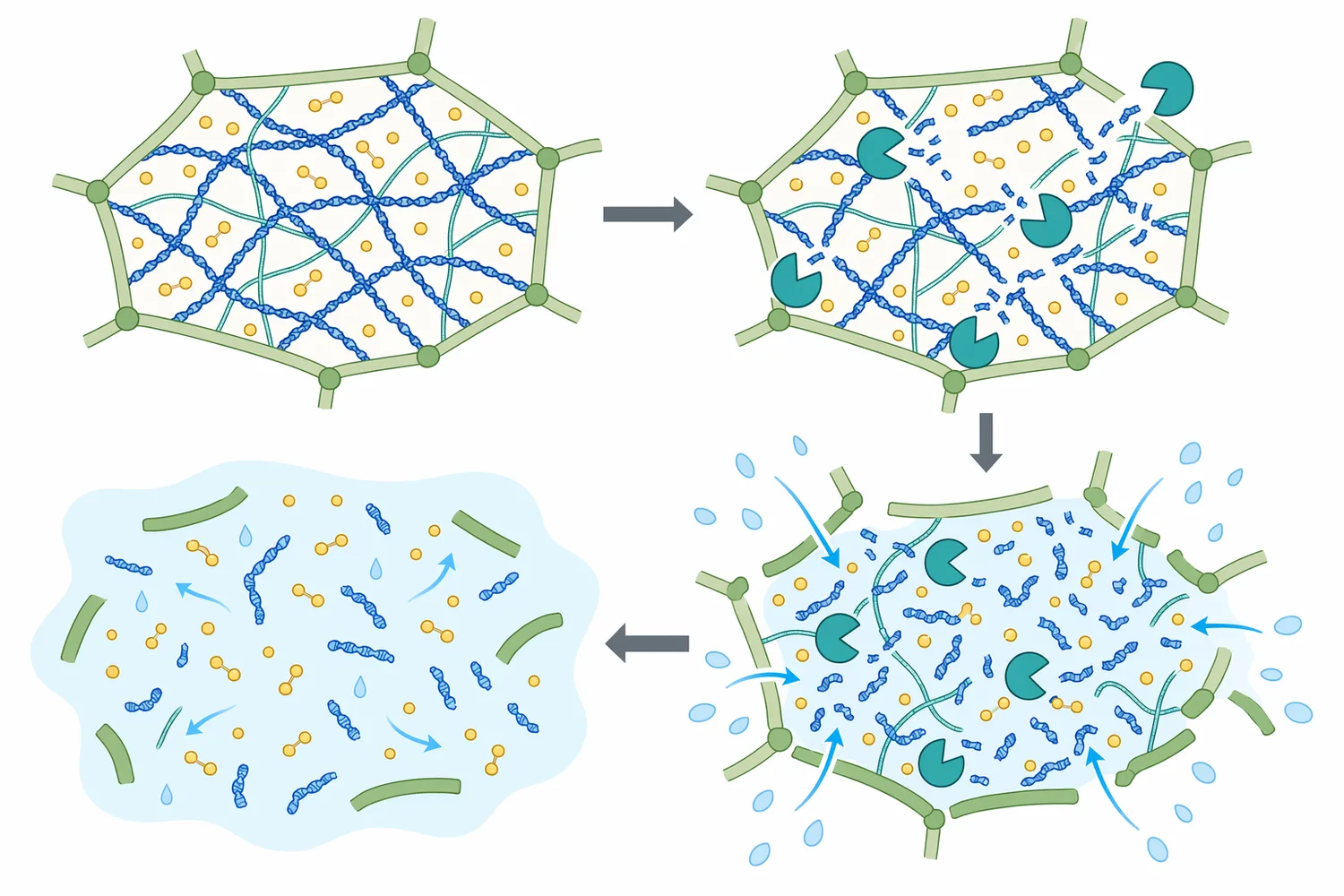
Many target compounds in botanical and cereal extraction are not simply floating freely inside water-accessible pores. They may be enclosed within cells, held in the apoplast, associated with wall polymers, or physically trapped in hydrated residues. When β-glucans contribute to that structure, hydrolysis can loosen the matrix and increase the movement of soluble material into the liquid phase.
This mechanism is easiest to picture as a wall network losing cross-support. A β-glucan chain running through a cell-wall or gum phase acts like a flexible reinforcing strand. When the enzyme cuts the strand at multiple points, the network loses continuity. Water penetrates more easily, fragments disperse, and dissolved compounds have shorter diffusion paths into the extraction liquor.
Enzyme-assisted extraction studies on plant materials demonstrate that hydrolysis pretreatments can influence recovery of phenolic or flavonoid-type compounds. In work on Leucaena leucocephala seed, enzymatic hydrolysis pretreatment was examined together with extraction time and temperature for effects on total flavonoid content, illustrating how enzyme treatment can be integrated into plant extraction workflows where bioactive release is the goal [5].
Cereal materials are among the clearest fits for β-glucanase because β-glucans are prominent in oats, barley, and related grain fractions. In these systems, β-glucans can contribute both nutritional value and processing difficulty. When the extraction target is a soluble cereal fraction, β-glucanase can be used to manage viscosity and improve movement of liquid through hydrated grain solids.
Grain processing literature increasingly treats enzymatic hydrolysates as functional materials rather than simple breakdown products. A review of enzymatic hydrolysates of grain and grain-processing products highlights the breadth of enzyme use in cereal-derived materials, including changes in technological and nutritional properties after hydrolysis [6]. β-Glucanase belongs in this context as a targeted enzyme for glucan-containing grain matrices.
The important distinction is product intent. If the finished ingredient is intended to retain high-molecular-weight oat or barley β-glucan, extensive hydrolysis may not be appropriate. If the main objective is extraction of other soluble cereal components, lower viscosity, or improved clarification, β-glucanase can be a practical processing aid because it reduces the polymeric behavior that slows separation.
Plant residues can contain cellulose, hemicellulose, pectin, lignin, proteins, starches, gums, and phenolic complexes. β-Glucanase is most relevant when β-glucan-like or glucan-containing fractions are part of the resistance to extraction. It should be seen as one enzyme in the broader field of enzyme-assisted plant valorization rather than a universal treatment for all botanical residues.
The sustainability rationale for enzyme-assisted extraction is strong: plant by-products can contain valuable antioxidants, polysaccharides, proteins, colorants, and other functional ingredients, but those materials are often trapped in a structural matrix. A 2025 review on enzymatic hydrolysis of plant residues for extraction of bioactive compounds describes enzymatic treatment as a route to obtain functional ingredients from biomass that might otherwise be underused [4].
For β-glucanase, the practical benefit is most likely when the plant residue becomes viscous during aqueous extraction, contains cereal or microbial residues, or includes cell-wall glucans that hold water and slow filtration. In pectin-rich fruit residues, a pectinase-centered system may be more relevant; in lignocellulosic residues, cellulase and hemicellulase effects may dominate. β-Glucanase is the right tool when β-glucan is a meaningful part of the bottleneck.
Yeast and fungal cell walls are highly relevant to β-glucanase because β-glucans are structural wall components. In these materials, hydrolysis can weaken the wall, increase permeability, and release soluble intracellular or wall-associated fractions. That makes β-glucanase useful not only for botanical extracts, but also for mixed plant–fermentation materials, yeast-derived ingredients, mushroom extracts, and processing streams where fungal glucans contribute to viscosity or turbidity.
Research on enzymatic hydrolysis of yeast glucan shows that water-soluble β-glucan can be obtained from yeast glucan by enzymatic hydrolysis, and that the resulting soluble material can retain biological interest in immune-related testing [7]. The extraction lesson is concrete: enzymatic cleavage can convert a less soluble wall glucan into more soluble fragments, changing both processability and functional profile.
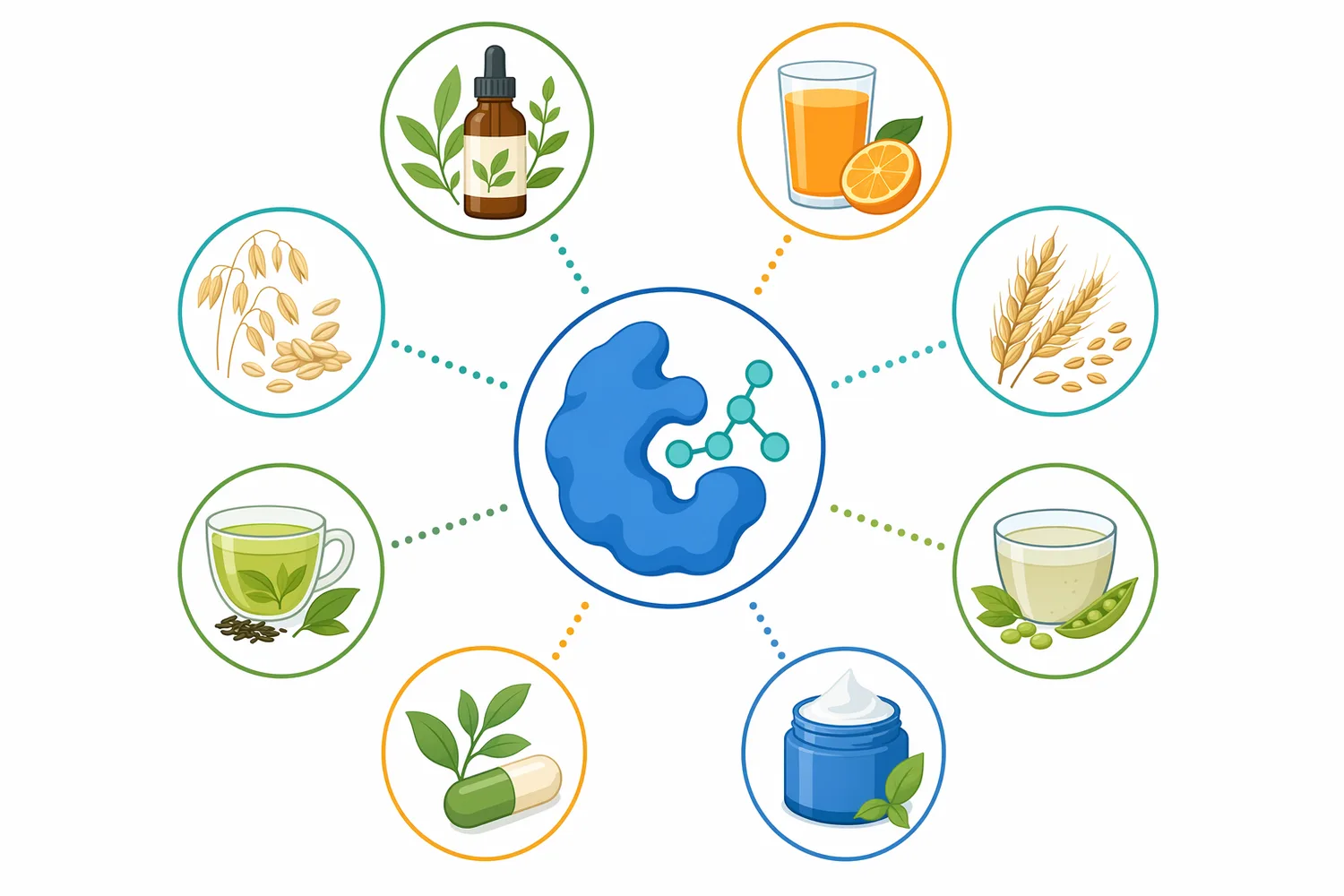
Mushroom and yeast applications require a clear product goal. If the target is soluble extract, improved release, or reduction of wall-derived haze, β-glucanase can be useful. If the target is an intact or high-molecular-weight β-glucan ingredient, aggressive hydrolysis may move the material away from the desired specification. The enzyme enables structural modification; whether that is beneficial depends on what the finished extract is meant to be.
In fibrous plant materials, β-glucanase may contribute to extraction but is rarely the only relevant enzyme. Cellulose microfibrils, hemicelluloses, lignin, and pectin networks often dominate the physical barrier. In these matrices, β-glucanase can help if glucans are accessible, but total extraction improvement may depend on broader cell-wall loosening.
Bamboo hydrolysis research illustrates this point. A study on bamboo used a mild ethanol-assisted alkaline peroxide pretreatment to improve enzymatic hydrolysis efficiency, emphasizing that pretreatment can expose structural carbohydrates and make enzymatic conversion more effective [8]. The principle applies broadly: enzymes perform best when the substrate is physically and chemically accessible.
Rice biomass research also shows that cell-wall architecture can strongly affect enzymatic saccharification. Down-regulation of a rice transcription factor altered β-1,4-glucan polymerization and cellulose microfiber assembly, resulting in enhanced biomass enzymatic saccharification [9]. For extraction, this reinforces the same mechanism: how glucans are assembled in the wall changes how easily enzymes can open the matrix.
Different enzymes act on different parts of the plant or microbial matrix. β-Glucanase is most valuable when β-glucans are the process-limiting polymer; other enzymes may be more relevant when pectin, cellulose, hemicellulose, protein, or starch is the dominant barrier.

| Enzyme type | Main substrate focus | What changes in the material | Typical extraction relevance |
|---|---|---|---|
| β-Glucanase | β-glucans in cereals, yeast, fungi, and selected plant or microbial matrices | Long hydrated glucan chains are cut into shorter fragments; viscosity and wall cohesion can decrease | Viscosity reduction, filtration support, release from β-glucan-containing walls |
| Cellulase / endoglucanase | Cellulose and related β-1,4-glucan regions | Cellulose-rich wall regions are loosened or depolymerized where accessible | Fibrous plant residues, lignocellulosic biomass, cell-wall opening |
| Hemicellulase / xylanase | Hemicellulose networks such as xylans | Matrix polysaccharides around cellulose are reduced, improving wall porosity | Bran, stalks, hulls, grasses, agricultural residues |
| Pectinase | Pectin-rich middle lamella and fruit cell-wall material | Pectin gels and intercellular cementing materials are degraded | Fruit, vegetable, peel, and pomace extraction; clarification |
| Protease | Proteins and proteinaceous barriers | Proteins are hydrolyzed into peptides; bound or entrapped compounds may release | Protein-rich seeds, meals, and mixed botanical matrices |
This comparison matters because “plant extraction” covers very different raw materials. A cereal slurry, a fruit pomace, a mushroom biomass, a seed meal, and a bamboo residue do not present the same wall chemistry. Enzymatic hydrolysis studies across biomass types consistently show that matching the enzyme action to the substrate structure is central to meaningful process improvement [2].
β-Glucanase changes β-glucan molecular weight. That is the source of many processing benefits, but it is also the reason the enzyme must be used with a clear functional objective. Shorter β-glucans usually behave differently from native polymers: they may be more soluble, less viscous, less gel-forming, and easier to separate, but they may not provide the same texture or physiological behavior as larger polymers.
The oat β-glucan hydrolysis study is a useful reminder that enzymatic treatment can affect biological functionality, not only physical processing. In that work, enzymatic hydrolysis was studied specifically because structural change in oat β-glucan could influence cholesterol-lowering activity [3]. For ingredient production, this means hydrolysis can be a formulation decision as well as a processing decision.
Yeast β-glucan hydrolysis points in the same direction from another substrate class. Enzymatic hydrolysis was used to derive water-soluble β-glucan from yeast glucan, and the product was evaluated for immune-enhancing effects [7]. In extraction terms, the enzyme can make glucan fractions more water-compatible, but the resulting extract is molecularly different from the starting wall polymer.
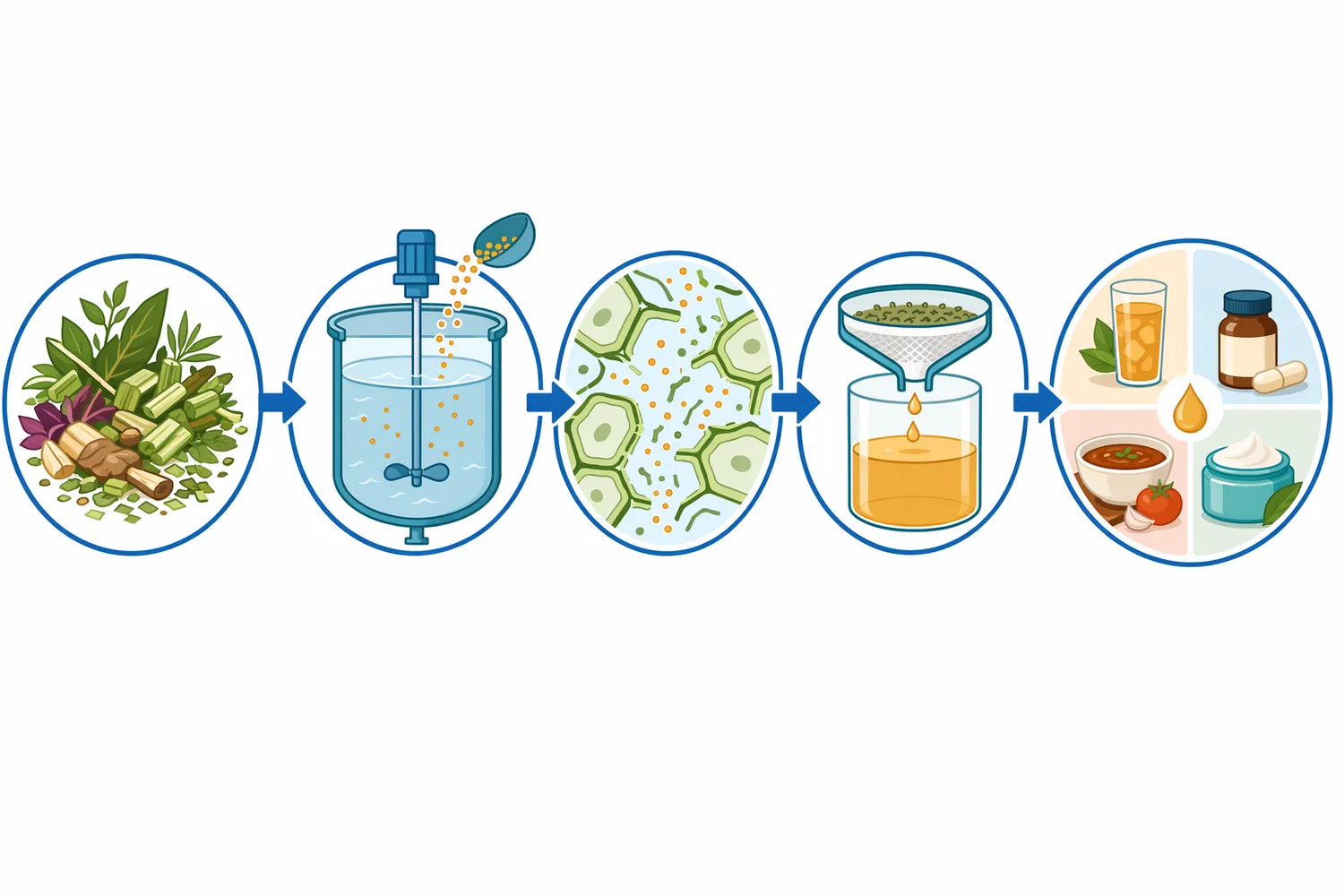
β-Glucanase is normally used in aqueous systems because hydrolysis requires water and because β-glucans must be hydrated enough for the enzyme to access susceptible linkages. In plant extraction, this usually means addition during a maceration, steeping, slurry-holding, or extraction step before final clarification, concentration, or drying.
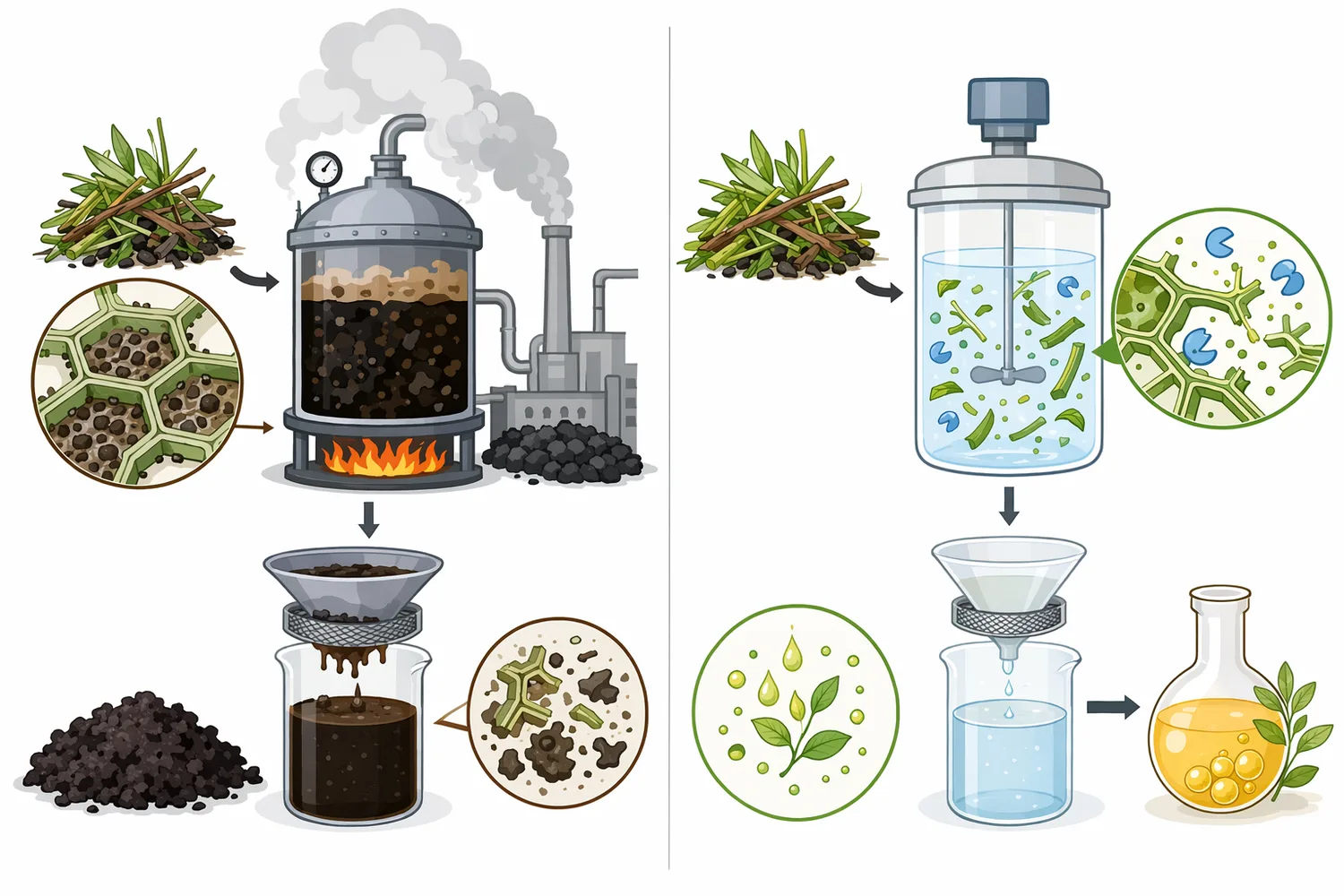
Performance depends on the same practical variables that affect most enzyme-assisted extractions: substrate accessibility, hydration, particle size, mixing, contact time, temperature, pH environment, and the presence of compounds that may limit enzyme action. The key point is not a single universal condition, but the relationship between enzyme and substrate. If β-glucans remain shielded inside intact tissue, hydrolysis will be limited; if they are swollen, exposed, and dispersed, β-glucanase can act more effectively.
Enzyme-assisted plant extraction literature often examines hydrolysis together with extraction time and temperature because those factors influence both mass transfer and enzyme performance. The Leucaena leucocephala seed study, for example, evaluated extraction time and temperature after enzymatic hydrolysis pretreatment when measuring total flavonoid content [5]. This reflects normal extraction reality: enzyme action is one part of the processing environment, not an isolated event.
For fibrous biomass, pretreatment can be especially important. Bamboo research using mild ethanol-assisted alkaline peroxide pretreatment showed that changing the biomass structure before enzymatic hydrolysis can improve hydrolysis efficiency [8]. In less severe food or botanical processes, analogous effects may come from milling, soaking, heat-conditioning, or other compatible steps that expose wall polymers without undermining the intended ingredient quality.
The evidence base for β-glucanase is strongest at the mechanistic level: β-glucans are defined polymers, β-glucanases hydrolyze them, and hydrolysis changes molecular size, solubility, viscosity, and wall behavior. This is supported by plant and microbial β-glucan literature, which shows that β-glucan structure varies by source and strongly influences how the material behaves [1].
Evidence is also strong for the broader principle that enzymatic hydrolysis can improve biomass processing by opening structural barriers and increasing access to valuable fractions. Reviews on cellulose bioconversion and plant-residue valorization both frame enzymatic hydrolysis as an important approach for converting or extracting value from plant materials under more targeted conditions than many non-enzymatic methods [2].
The evidence is more substrate-specific when moving from “β-glucanase hydrolyzes β-glucan” to “β-glucanase improves this particular botanical extraction.” A β-glucan-rich oat slurry, a yeast biomass, and a pectin-rich berry pomace will respond differently because their limiting polymers are different. The responsible expectation is that β-glucanase performs best when accessible β-glucans are a meaningful cause of viscosity, filtration resistance, or restricted release.
It is also important to avoid the assumption that complete hydrolysis is always desirable. In functional foods, β-glucans may be valued for texture, water-binding, soluble fiber positioning, or bioactivity. Studies on oat and yeast β-glucan hydrolysis show that enzymatic modification can create products with altered functional profiles [7]. In practical extraction, the desired endpoint may be partial viscosity reduction rather than maximal breakdown.
When β-glucans are contributing to processing difficulty, Food Grade β-Glucanase may support several practical outcomes. The first is lower slurry or extract viscosity, which can improve mixing, pumping, draining, and heat transfer. The second is improved filterability, because shorter glucan fragments are less likely to form slimy, pore-blocking networks. The third is improved release of soluble compounds where glucan-containing walls or gums physically restrict diffusion.
These outcomes align with the broader direction of enzyme-assisted extraction research. Plant-residue valorization studies focus on using hydrolysis to access bioactive compounds from materials whose structural complexity would otherwise limit recovery [4]. β-Glucanase contributes specifically where β-glucan is one of the structural or rheological obstacles.
Typical application areas include cereal and grain extracts, oat or barley fractions, botanical residues containing glucan-rich components, fermentation-linked plant extracts, yeast or mushroom materials, and mixed biomass streams in which glucans contribute to haze, viscosity, or slow separation. In each case, the mechanism is the same: the enzyme cuts β-glucan chains, and the material becomes less dominated by long-chain glucan behavior.
Enzymes.bio supplies Food Grade β-Glucanase for Plant Extraction as a directly purchasable online product in 1 kg units. The buyer places the order online, completes payment online, and the order is then processed and shipped. A Certificate of Analysis and Safety Data Sheet accompany the order.
This positioning is intentionally straightforward. The product is suitable for buyers who need a food-grade β-glucanase option for plant, cereal, fungal, yeast, or mixed biomass extraction work where β-glucan hydrolysis is relevant. The role of this document is educational: it explains the science behind the enzyme, the mechanisms that produce processing benefits, and the types of matrices where those benefits are most plausible.
Food Grade β-Glucanase is most useful when β-glucans are part of the extraction problem. In β-glucan-containing materials, the enzyme hydrolyzes long glucose-based polymers into shorter fragments, which can reduce viscosity, weaken glucan-rich matrices, improve filterability, and support release of soluble fractions. The strongest rationale is in cereal, yeast, fungal, fermentation-linked, and selected botanical systems where β-glucans are known or likely contributors to process resistance.
It should not be treated as a universal plant-extraction enzyme. Plant biomass varies widely, and many materials are limited primarily by pectin, cellulose, hemicellulose, lignin, proteins, starch, or other components. Used in the right context, however, β-glucanase is a precise and practical tool: it changes the substrate itself, converting high-molecular-weight β-glucan structures into more processable fragments and helping aqueous extraction proceed with less viscosity and better separation.
Sold by the 1 kg unit, in stock and ready to ship. Order directly on our store — pay online and we process your order. A Certificate of Analysis and Safety Data Sheet are included with every order.
Buy Food Grade Β-Glucanase For Plant Extraction →Numbered in order of first citation. Open-access sources, each verified reachable at publication; citation numbers in the text link here.