
Food grade glucose oxidase is used to oxidize glucose into D-glucono-lactone, which hydrolyzes to gluconic acid and can then be neutralized into gluconate salts such as sodium gluconate. The reaction is oxygen-dependent and produces hydrogen peroxide, so practical gluconate processes usually pay close attention to oxygen transfer, pH control, and peroxide management, often by pairing glucose oxidase with catalase in a dual-enzyme system [1].
For buyers using glucose as a feedstock, the value of glucose oxidase is its selectivity: it acts directly on glucose rather than broadly oxidizing a mixed carbohydrate stream. Enzymes.bio supplies Food Grade Glucose Oxidase online by the 1 kg unit; orders are paid for online, processed, and shipped with a Certificate of Analysis and Safety Data Sheet.
Glucose oxidase is an oxidoreductase enzyme that catalyzes the oxidation of β-D-glucose using molecular oxygen as the electron acceptor. In practical terms, glucose is converted first to D-glucono-1,5-lactone, while oxygen is reduced to hydrogen peroxide; the lactone then hydrolyzes in water to gluconic acid, and the acid can be neutralized to form salts such as sodium gluconate, calcium gluconate, or other gluconates depending on the downstream chemistry [2].
This mechanism is why glucose oxidase is relevant to gluconate production rather than just to glucose removal. The enzyme performs the key chemical transformation required for gluconic acid formation: it removes electrons from glucose at the aldehyde-equivalent position of the sugar and transfers those electrons through its flavin cofactor to oxygen, creating a more oxidized sugar acid pathway rather than breaking the carbohydrate chain apart [3].
In an industrial or food-processing context, “food grade glucose oxidase for gluconate production” means a glucose oxidase preparation intended for food-compatible processing uses where the process objective is conversion of glucose into gluconic acid or a gluconate salt. The enzyme is not itself the finished gluconate product; it is the processing catalyst that helps drive the glucose-to-gluconate conversion under controlled aqueous conditions [4].
The core reaction can be written in simplified form as:
Glucose + oxygen → D-glucono-1,5-lactone + hydrogen peroxide
The D-glucono-1,5-lactone formed by glucose oxidase is not usually the final target in gluconate production. In water, it opens to form gluconic acid; when a base is present or added during the process, gluconic acid is neutralized to the corresponding gluconate salt. In sodium gluconate production, for example, neutralization with sodium alkali keeps the reaction environment from becoming too acidic while forming the sodium salt [1].
The important practical point is that glucose oxidase does not simply “remove glucose.” It changes the chemical identity of glucose by oxidizing it into an acid-forming intermediate. That change alters the molecule’s behavior: gluconic acid and gluconate salts are more strongly associated with acidity regulation, metal-ion binding, solubility, and sequestration functions than the original glucose feedstock [5].
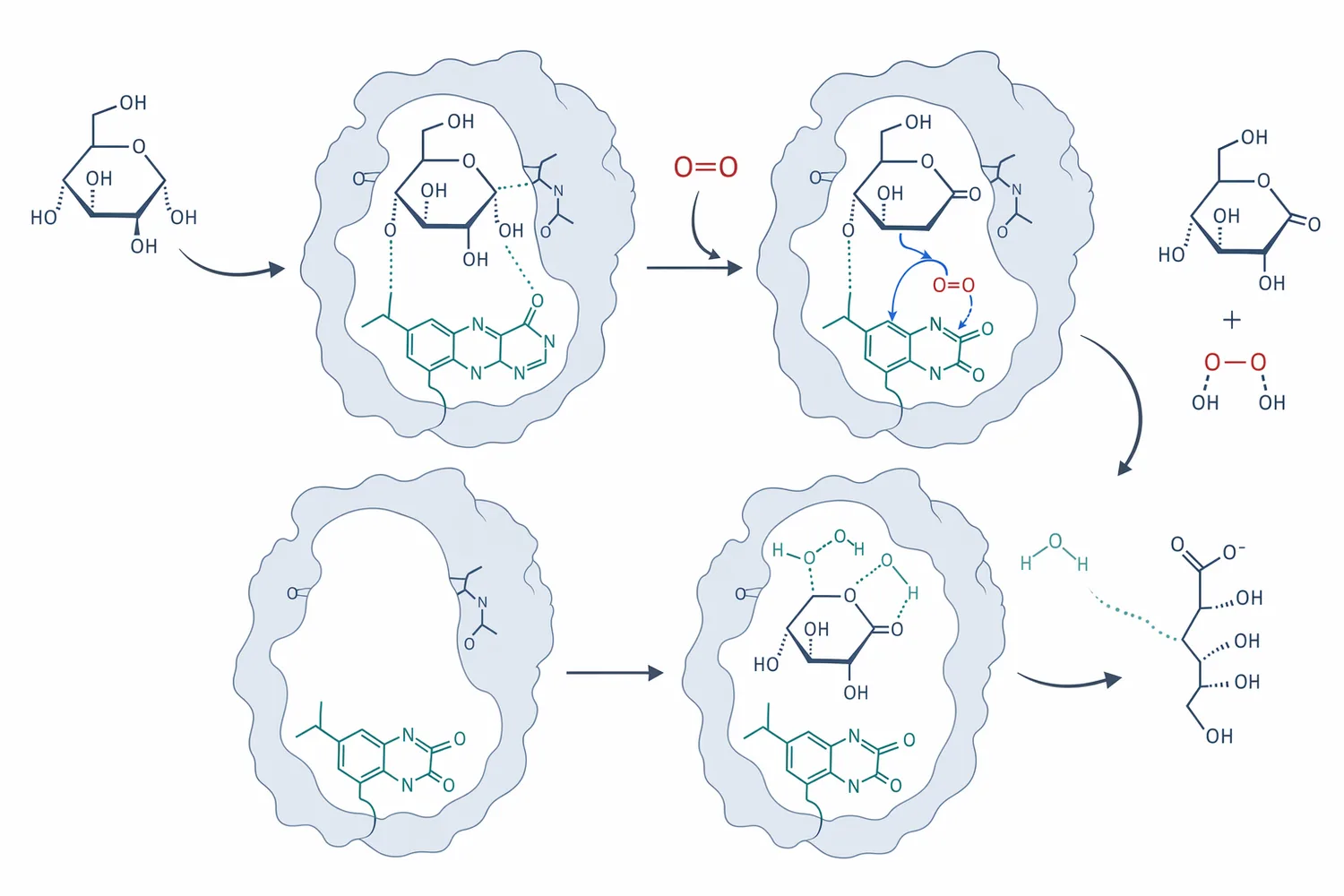
Hydrogen peroxide is a normal co-product, not an impurity that appears only when something goes wrong. Each glucose oxidation event reduces oxygen and forms peroxide, so peroxide management is part of process design. In many enzyme systems, catalase is used alongside glucose oxidase because catalase decomposes hydrogen peroxide into water and oxygen, reducing peroxide accumulation while helping recycle oxygen locally in the reaction environment [6].
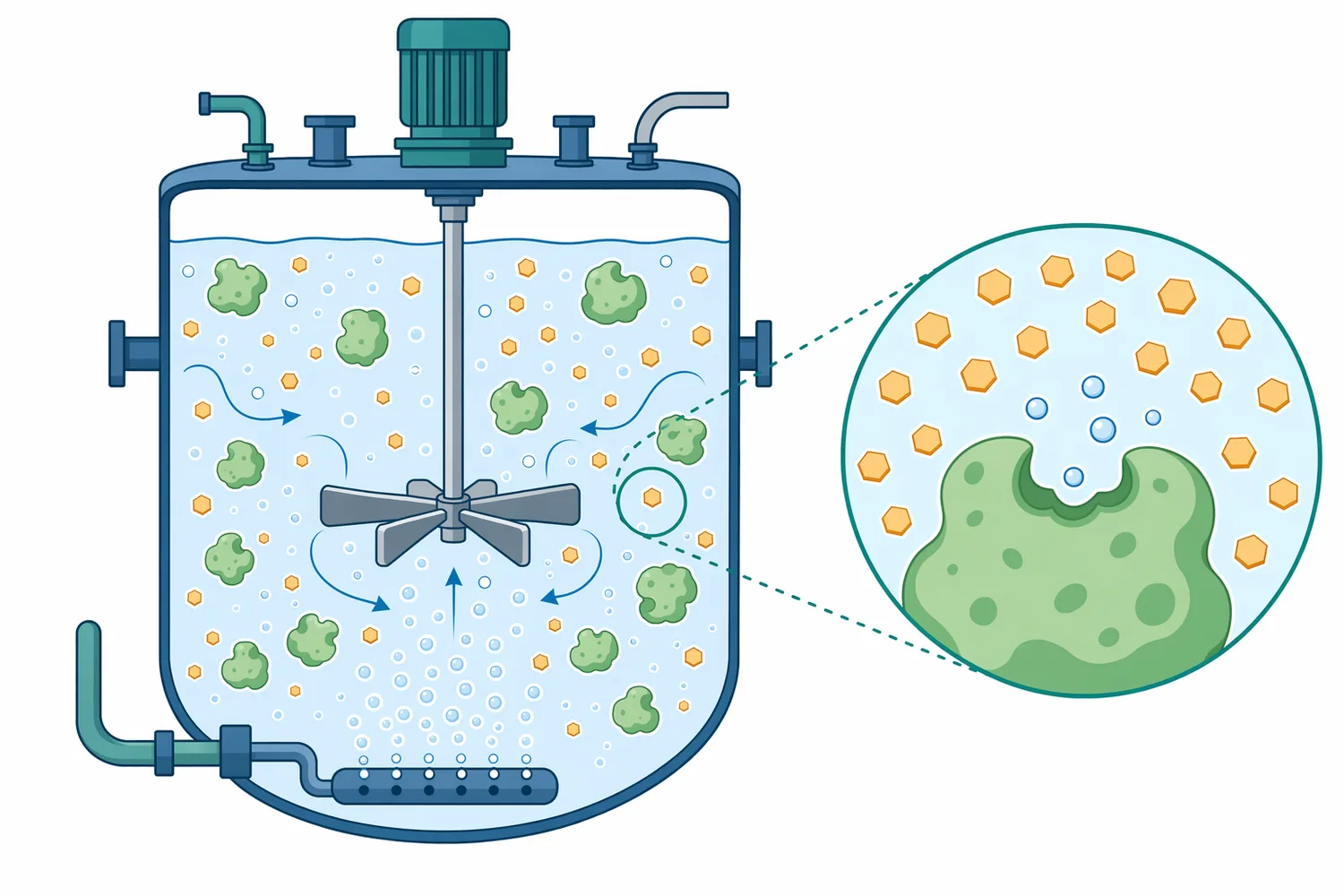
Glucose oxidase requires oxygen because oxygen is the terminal electron acceptor in the reaction. If glucose is abundant but oxygen transfer is poor, the enzyme can become limited by oxygen availability rather than by substrate concentration. This is why studies of gluconate production focus not only on enzyme addition but also on aeration, agitation, and reactor conditions that influence oxygen movement from gas phase into liquid phase [1].
In liquid glucose solutions, oxygen is far less concentrated than glucose. A process may contain a large amount of dissolved glucose, but only a limited amount of dissolved oxygen at any moment. Mixing and aeration help replenish oxygen at the enzyme’s working site; without that replenishment, the reaction can slow even though glucose remains present [2].
This oxygen dependency also explains why glucose oxidase behaves differently from a purely chemical neutralization step. Neutralizing gluconic acid into sodium gluconate is acid-base chemistry, but forming gluconic acid from glucose is redox chemistry. The redox step needs an oxidant, and for glucose oxidase that oxidant is molecular oxygen [3].
A glucose oxidase-only system produces hydrogen peroxide as glucose is oxidized. In low-intensity applications, that peroxide may be part of the intended effect, such as antimicrobial or dough-strengthening chemistry. In gluconate production, however, accumulating peroxide can be undesirable because it may stress the enzyme, affect product quality, or introduce downstream removal needs [6].
Catalase addresses this by decomposing hydrogen peroxide into water and oxygen:
2 hydrogen peroxide → 2 water + oxygen
This reaction is useful for two reasons. First, it reduces the concentration of peroxide in the liquid phase. Second, it regenerates oxygen in the same reaction system, which can support the oxygen requirement of glucose oxidase. The overall effect is a more balanced cascade: glucose oxidase creates gluconic acid chemistry, while catalase moderates peroxide buildup [1].
Co-immobilization studies in grape must show the same mechanistic logic in a different food matrix: glucose oxidase consumes glucose and produces peroxide, while catalase reduces peroxide accumulation during enzymatic glucose reduction. Although grape must processing is not the same as sodium gluconate production, it demonstrates why the glucose oxidase–catalase pairing is repeatedly studied where peroxide control matters [6].
Gluconate products can be made through different production approaches, including whole-cell fermentation, chemical oxidation, electrochemical or bioelectrochemical oxidation, and isolated-enzyme catalysis. Each route has a different balance of selectivity, process control, residence time, by-product profile, and equipment requirements [2].
| Production route | What drives glucose oxidation | Practical strengths | Practical limitations |
|---|---|---|---|
| Whole-cell fermentation | Living microorganisms convert glucose through cellular metabolism | Mature route for gluconic acid and sodium gluconate; can be robust when organism growth and production are well controlled | Requires management of biomass, nutrients, metabolic by-products, and fermentation timing |
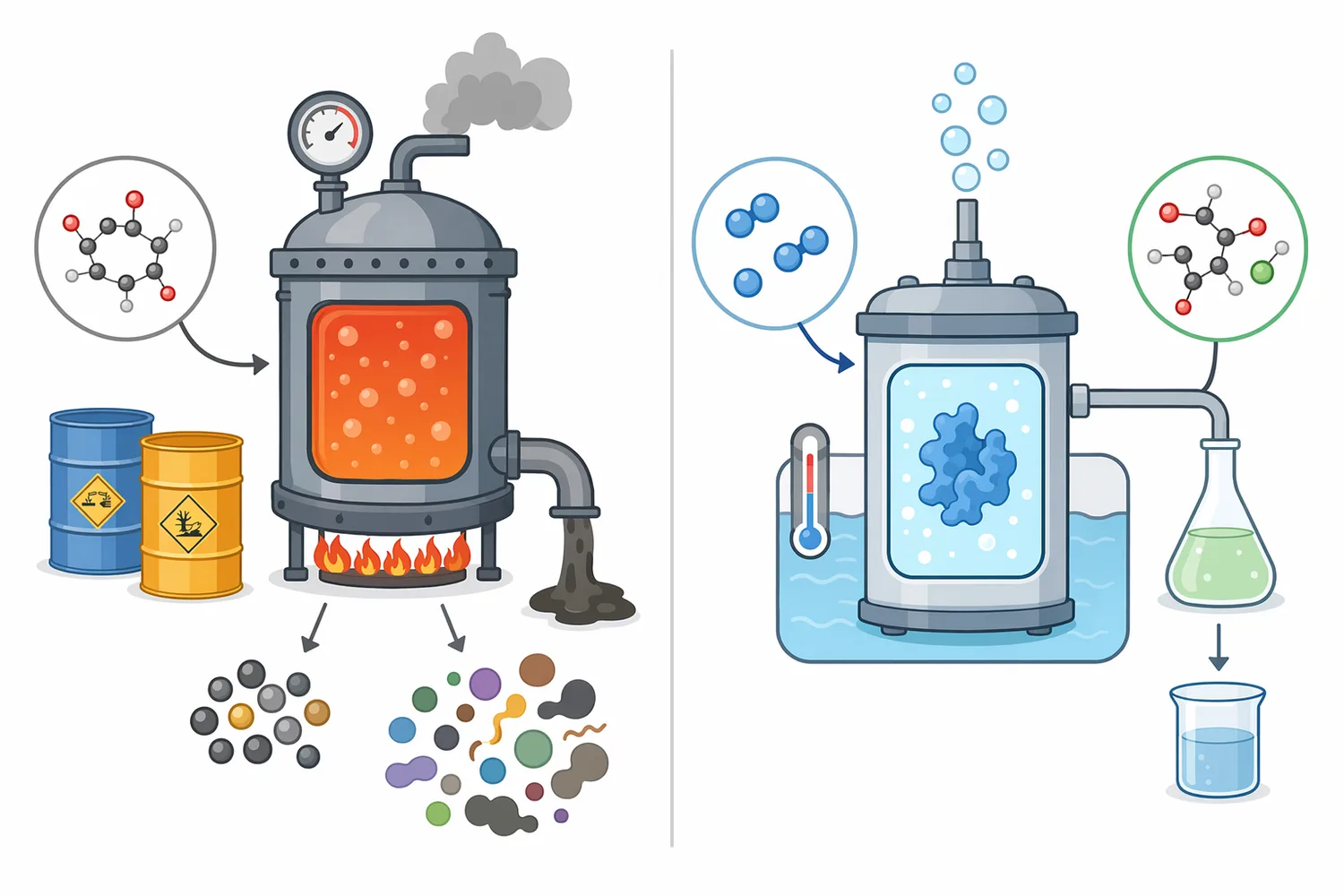
| Chemical oxidation | Chemical oxidants or catalytic oxidation systems | Can be fast and scalable in chemical plants | May require harsher conditions, catalyst handling, and downstream purification from non-enzymatic side reactions |
| Bioelectrochemical oxidation | Enzyme or biocatalyst coupled to an electrode/redox system | Can connect glucose oxidation to electron-transfer control; studied for gluconate synthesis | More specialized equipment and materials are required |
| Isolated glucose oxidase | Enzyme selectively oxidizes glucose using oxygen | Direct glucose-to-gluconic-acid pathway under aqueous, moderate conditions; compatible with catalase pairing | Requires oxygen transfer, pH control, enzyme-compatible conditions, and peroxide management |
Fermentation with Aspergillus niger remains an important reference point because A. niger has been widely studied for sodium gluconate production. Research on seed culture and strain improvement shows that glucose concentration, organism performance, and culture conditions can influence sodium gluconate productivity in microbial systems [7].
The enzyme-based route separates the oxidation chemistry from whole-cell growth. Instead of growing a production organism and managing its metabolism, the process uses glucose oxidase as the catalyst for the defined oxidation step. That does not eliminate process engineering, but it changes the main control points toward glucose availability, oxygen delivery, pH management, and peroxide decomposition [1].
Bioelectrochemical research illustrates another way glucose oxidase chemistry can be harnessed. In one study, glucose oxidase immobilized in a ferrocene-based redox hydrogel was used for gluconate synthesis, showing that the enzyme’s glucose-oxidation capability can be coupled to engineered electron-transfer systems rather than relying only on simple dissolved oxygen chemistry [2].
Glucose is a reducing sugar. In solution, it exists in equilibrium between ring and open-chain forms, and the oxidizable aldehyde-equivalent chemistry allows glucose oxidase to convert it into a more oxidized product. The enzyme’s active site positions glucose so that electrons and hydrogen are transferred from the sugar to the enzyme’s flavin cofactor, which is then reoxidized by oxygen [4].
The first enzymatic product, D-glucono-1,5-lactone, is a cyclic ester. In water, this lactone opens to gluconic acid. That means the glucose molecule has not been fermented into ethanol, split into smaller sugars, or randomly oxidized at multiple positions; it has been selectively transformed into a sugar acid structure [3].
When gluconic acid is neutralized, the result is a gluconate ion paired with a counter-ion such as sodium, calcium, or another allowed cation. This is the point at which the product begins behaving as a gluconate salt rather than as free acid. Sodium gluconate, for example, is valued because its polyhydroxy carboxylate structure can interact with metal ions while remaining highly water-compatible [5].
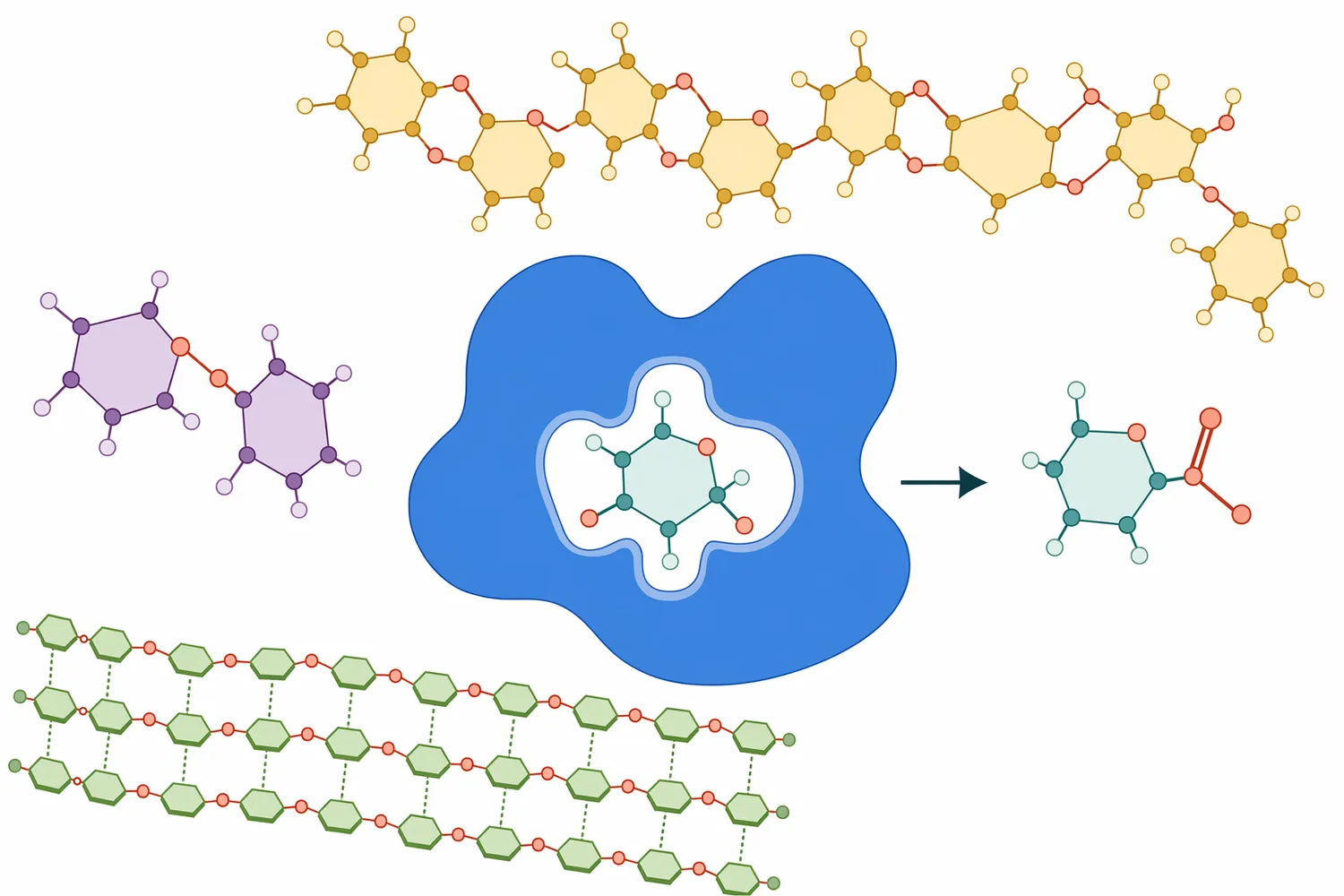
This substrate-level explanation is important for process expectations. If the input stream contains starch, sucrose, maltodextrin, or other carbohydrates, glucose oxidase does not directly convert those polymers or disaccharides into gluconate. The enzyme acts on glucose; non-glucose carbohydrate feedstocks require upstream conversion to glucose before glucose oxidase can perform the gluconate-forming oxidation [4].
Published gluconate work repeatedly highlights that enzymatic conversion is not controlled by enzyme presence alone. The reaction environment must support glucose oxidase as a protein catalyst and must also supply oxygen fast enough to match the desired oxidation rate. Variables such as pH, temperature, aeration, stirring, and the presence of catalase affect how effectively glucose is converted [1].
pH is especially important because gluconic acid formation acidifies the medium. If the target product is a gluconate salt, pH control and neutralization are part of the chemistry, not an afterthought. As gluconic acid forms, neutralizing base can convert it into the desired gluconate salt while preventing excessive acidification that could reduce enzyme performance [1].
Temperature affects reaction rate and enzyme stability. Like other proteins, glucose oxidase has a useful operating window: low temperatures can slow catalysis, while excessive heat can denature the enzyme or reduce its working lifetime. Food and industrial applications therefore typically use moderate aqueous conditions rather than harsh thermal oxidation [4].
Oxygen delivery depends on the reactor and liquid system. Higher viscosity, high dissolved-solids content, limited gas-liquid contact, or insufficient mixing can reduce oxygen availability near the enzyme. Because oxygen is a reactant, the process can become oxygen-limited even if glucose is present in large excess [2].
Hydrogen peroxide management also influences performance. Peroxide is produced stoichiometrically with glucose oxidation, so its concentration reflects the balance between formation and removal. Catalase is often used to keep peroxide from accumulating, and immobilization or co-immobilization strategies have been studied to keep glucose oxidase and catalase in functional proximity [6].
The biochemical reaction of glucose oxidase is widely used in glucose sensing because the enzyme converts glucose into products that can be detected electrochemically or colorimetrically. Glucose biosensor studies using immobilized glucose oxidase on materials such as ZnO films, silver nanowires, mesoporous composites, conducting polymer nanocomposites, and graphene oxide–gold nanoparticle systems all rely on the same core enzyme chemistry: glucose oxidation coupled to measurable electron or peroxide signals [8].
These biosensor applications are not gluconate production processes, but they provide repeated, independent confirmation that glucose oxidase performs a selective glucose oxidation reaction under aqueous conditions. The analytical signal in many designs comes from the peroxide or electron-transfer consequences of that reaction, which is the same oxidation event used to generate gluconic acid intermediates [9].
Food-matrix studies also support practical relevance. In grape must, glucose oxidase and catalase have been co-immobilized in silica-calcium-alginate hydrogels to reduce glucose content. The target there is not gluconate salt recovery, but the work demonstrates that the enzyme pair can function in a complex food liquid where glucose removal, peroxide control, and enzyme localization all matter [6].
Applied gluconate research is more directly relevant. Bioelectrochemical synthesis of gluconate using immobilized glucose oxidase shows that glucose oxidase can be used as the catalytic engine for gluconate formation when coupled to an engineered redox environment. That study emphasizes immobilization and electron-transfer design, but the product objective remains gluconate from glucose [2].
Whole-cell sodium gluconate studies provide useful production context. Work on Aspergillus niger seed culture found that initial glucose concentration influences sodium gluconate production, reinforcing that glucose feed concentration and biological catalyst behavior are central to gluconate manufacturing whether the catalyst is a whole organism or an isolated enzyme system [7].
Mutation and strain-improvement research on A. niger further shows the commercial importance of sodium gluconate as a target product. Such work focuses on improving microbial production capability, while glucose oxidase-based processing focuses on the defined enzyme reaction that underlies glucose oxidation chemistry [10].
Sodium gluconate is one of the most commercially important gluconate salts. Its value comes from the gluconate ion’s combination of water solubility, multiple hydroxyl groups, and carboxylate functionality, which together support metal-ion complexation and compatibility in aqueous systems [5].
In food and related processing, gluconate chemistry is associated with acidity regulation, mineral compatibility, and sequestration behavior. In industrial applications, sodium gluconate is often discussed in relation to chelation and formulation control. The enzyme’s role is upstream of these functions: glucose oxidase helps create the gluconic acid intermediate that can be converted into the gluconate salt [1].
Calcium gluconate and other gluconate salts follow the same general chemical logic. Glucose oxidase generates gluconic acid from glucose, and the choice of neutralizing counter-ion determines the salt form. The enzyme does not determine the final cation; downstream neutralization chemistry does [4].
Food grade glucose oxidase is used where enzyme processing must align with food-processing expectations and the buyer’s regulatory framework. Glucose oxidase has a long history in food-related applications, including oxygen removal, glucose reduction, and quality-related uses in systems such as beverages, egg products, dough, and other aqueous food materials [6].
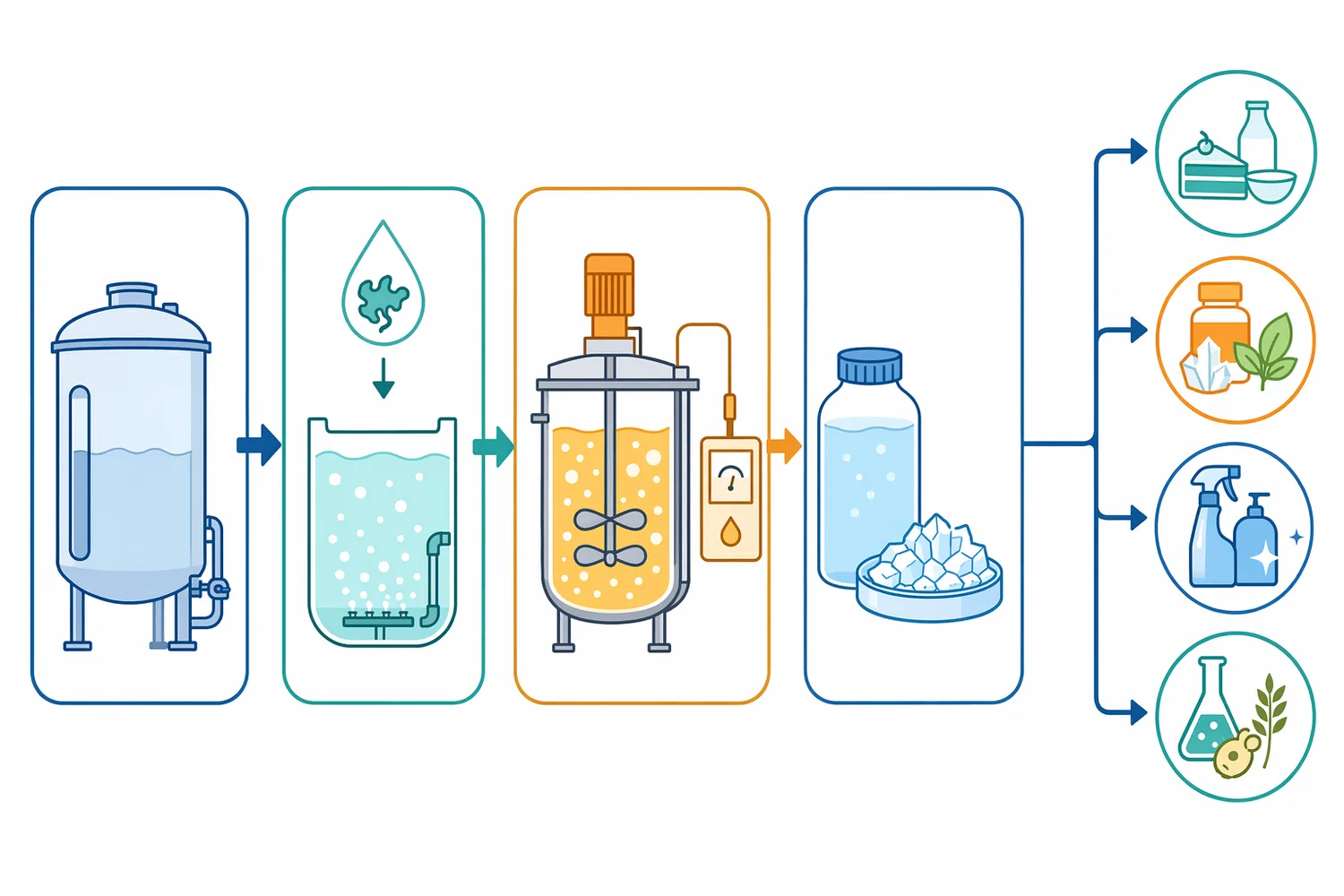
For gluconate production, food grade status is relevant because the intended process may feed into food, nutrition, beverage, or food-adjacent ingredient systems. However, food grade enzyme use does not remove the need for the user’s own finished-product validation, regulatory review, and process controls. The enzyme supports the reaction; the finished gluconate product specification is determined by the full production and purification process [4].
Enzymes.bio supplies Food Grade Glucose Oxidase as an online product for buyers who want a direct 1 kg purchase route. The order is placed and paid for online, then processed and shipped with accompanying documentation, including a Certificate of Analysis and Safety Data Sheet .
The main benefit is selectivity. Glucose oxidase is designed by its enzyme structure to act on glucose and transfer electrons to oxygen, forming the gluconic acid pathway rather than producing a broad mixture of oxidation products. This selectivity is the reason it is used in glucose biosensors, food glucose reduction, and gluconate synthesis research [11].
A second benefit is operation under comparatively mild aqueous conditions. Enzymatic oxidation can avoid some of the harsher conditions associated with non-enzymatic oxidation routes, provided the process maintains oxygen supply, pH control, and enzyme-compatible temperature. The reaction occurs in water-based systems and can be integrated with neutralization to produce gluconate salts [1].
A third benefit is compatibility with cascade design. Pairing glucose oxidase with catalase directly addresses the peroxide co-product, while immobilization and co-immobilization research shows how enzyme location, stability, and reuse can be engineered in more specialized systems [6].
A fourth benefit is process clarity. In a whole-cell fermentation, glucose conversion is embedded in the metabolism of a living organism. In an isolated-enzyme process, the central transformation is easier to define: glucose plus oxygen becomes gluconolactone/gluconic acid plus hydrogen peroxide, with neutralization producing the gluconate salt [2].
Glucose oxidase is not a universal carbohydrate-processing enzyme. It does not hydrolyze starch into glucose, split sucrose into glucose and fructose, or convert cellulose into fermentable sugars. If the feedstock is not already glucose-rich, upstream carbohydrate conversion is required before glucose oxidase can perform the gluconate-forming oxidation [4].
The enzyme also does not eliminate the need for oxygen transfer. A high-glucose feed can still react slowly if dissolved oxygen is depleted. This is a common practical distinction between having enough substrate and having enough oxidant; both are required because glucose oxidase is an oxygen-dependent oxidoreductase [3].
Peroxide formation must be expected. Hydrogen peroxide is part of the reaction equation, so peroxide control is a normal consideration in process design rather than a sign of enzyme failure. Catalase pairing is a common enzymatic solution because it decomposes peroxide into water and oxygen [6].
Finally, the outcome depends on the full process, not only on the enzyme. Conversion, residual glucose, residual peroxide, color, mineral content, salt form, and finished-product quality are affected by feedstock composition, mixing, aeration, pH adjustment, temperature history, and downstream purification. Glucose oxidase supplies the catalytic function, while the user’s process defines the finished gluconate product [1].
Enzymes.bio supplies Food Grade Glucose Oxidase directly online by the 1 kg unit. Buyers can place the order and pay online; the order is then processed and shipped with a Certificate of Analysis and Safety Data Sheet.
This product is suitable for buyers who need a practical online supply route for glucose oxidase used in food-processing or industrial gluconate-related work. Enzymes.bio is a supplier, and this article is provided as educational technical context to explain the enzyme’s mechanism, application fit, and process considerations.
Food grade glucose oxidase is a direct enzymatic tool for converting glucose into gluconic acid intermediates that can be neutralized into gluconate salts. Its mechanism is specific and well understood: glucose is oxidized, oxygen is consumed, D-glucono-lactone/gluconic acid is formed, and hydrogen peroxide is produced as the co-product [2].
For gluconate production, the strongest application fit is a glucose-containing aqueous process where oxygen transfer, pH, temperature, and peroxide management can be controlled. When paired with catalase, glucose oxidase can form the basis of a more balanced enzymatic system for producing gluconate chemistry while reducing peroxide accumulation [1].
Enzymes.bio offers Food Grade Glucose Oxidase as a direct online 1 kg purchase option for buyers who need the enzyme for gluconate-related food-processing and industrial applications, with order documentation included at shipment.
Sold by the 1 kg unit, in stock and ready to ship. Order directly on our store — pay online and we process your order. A Certificate of Analysis and Safety Data Sheet are included with every order.
Buy Food Grade Glucose Oxidase For Gluconate Production →Numbered in order of first citation. Open-access sources, each verified reachable at publication; citation numbers in the text link here.