
Food-grade β-glucosidase supports plant extraction by hydrolyzing glucose-linked glycosides in botanical materials, releasing glucose and the corresponding aglycone compounds that can affect aroma, flavor, extract composition, or downstream functionality. In practical processing terms, it is a targeted enzyme for glucoside conversion—not a universal cell-wall destruction enzyme—and works best where the plant matrix contains enzyme-accessible β-glucosidic bonds. Enzymes.bio supplies food-grade β-glucosidase for plant extraction as an online 1 kg product; orders are paid for online, processed, and shipped with a Certificate of Analysis and Safety Data Sheet.
β-Glucosidase is a glycoside hydrolase: it cleaves certain bonds between glucose and another molecule. In plant extraction, that “other molecule” may be an aroma precursor, a phenolic aglycone, a terpene-related compound, a flavonoid aglycone, or a smaller sugar chain derived from cellulose-type substrates. Reviews describe β-glucosidase as an industrially important enzyme because it hydrolyzes β-glucosidic linkages and is used across food, beverage, pharmaceutical, cosmetic, and biomass-processing applications [1].
The key practical point is that many plant compounds are stored as glycosides. A glycoside is not simply “the compound of interest”; it is the compound of interest chemically attached to a sugar, often glucose. That glucose attachment can change volatility, solubility, taste, stability, and how easily the compound partitions into an extract. When β-glucosidase removes the glucose unit, the product becomes glucose plus an aglycone—the non-sugar portion—which may have a stronger sensory impact or a different extract profile than the bound form [2].
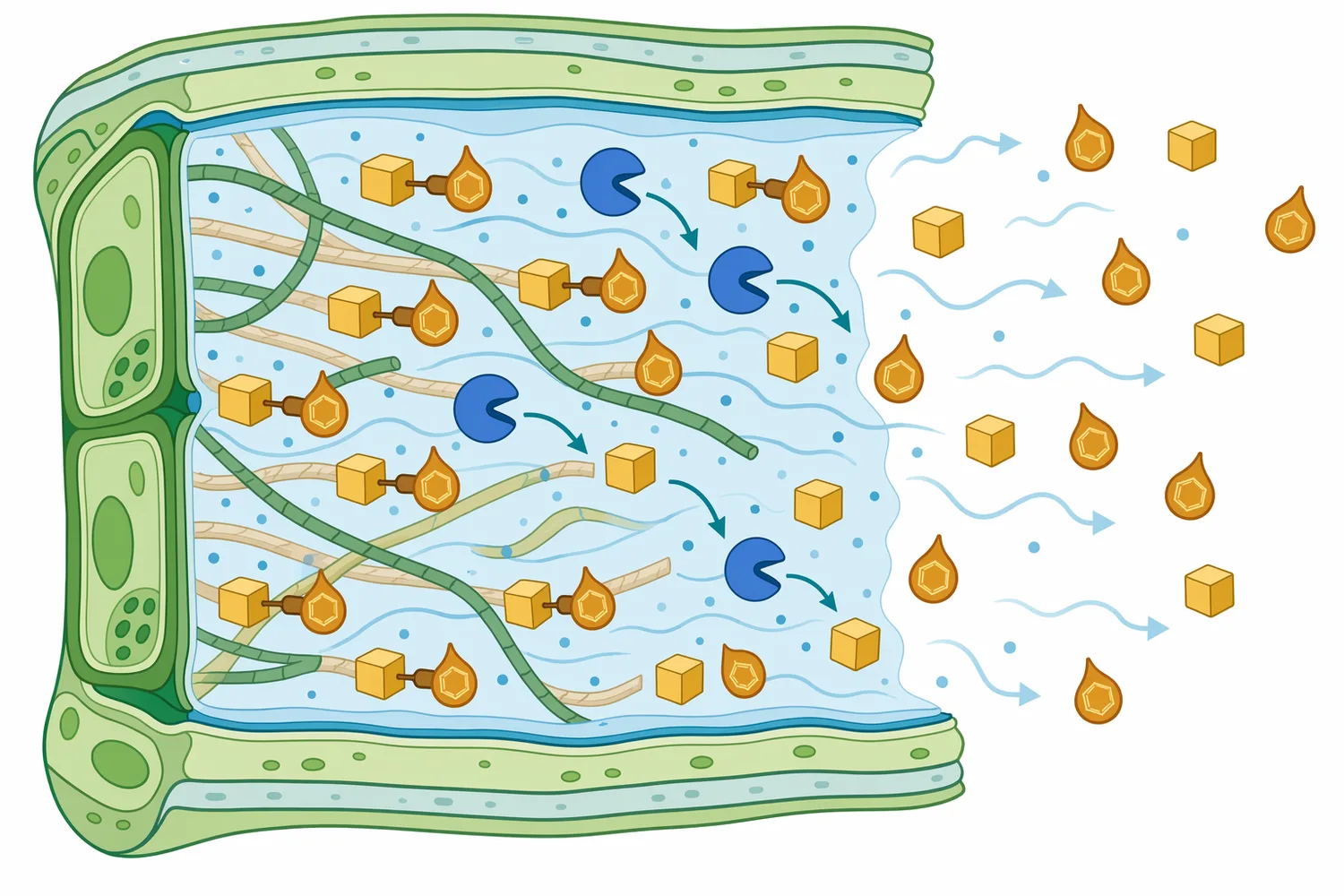
This is why β-glucosidase is relevant to plant extraction rather than only to fermentation or biomass hydrolysis. The enzyme does not pull compounds out by force. Instead, it changes the chemistry of compatible substrates inside the hydrated plant matrix: a bound glucoside becomes a free sugar plus a converted aglycone. That chemical conversion can make existing extraction steps more effective when the target compounds are present in glucose-bound forms [1].
At the molecular level, β-glucosidase recognizes a glucose-containing substrate and positions the β-glucosidic bond in its active site. Water participates in the hydrolysis reaction, and the enzyme lowers the energy barrier for bond cleavage. The substrate is not consumed randomly; the enzyme acts where the glucose linkage fits its active site geometry, which is why β-glucosidase is selective even when it can accept a range of plant-derived glucosides [3].
The visible processing result is conversion. In a botanical slurry, for example, a non-volatile glycoside precursor can become a more aroma-active aglycone. In a cellulose-related system, cellobiose or short cellooligosaccharides can be converted further toward glucose. These are different substrates, but the underlying event is the same: hydrolysis of a glucose-containing bond, followed by release of glucose and a smaller or chemically altered product [1].
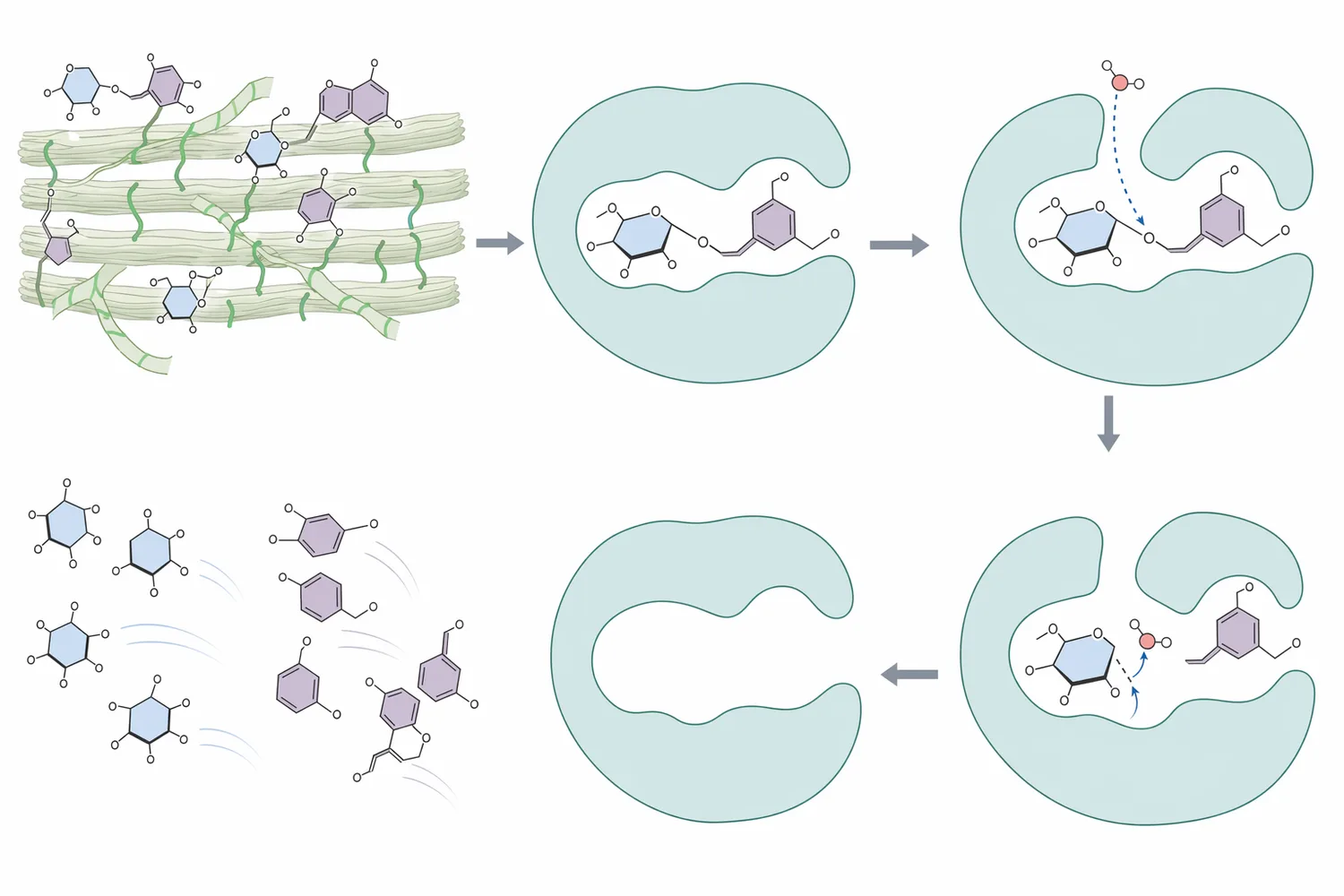
This matters because extraction problems are often not only physical. Milling, hydration, heat, solvent contact, and filtration help expose and separate plant compounds, but they may not convert bound molecules. β-Glucosidase adds a biochemical step: it changes the molecular form of compatible glycosides before or during extraction. That is the practical difference between “washing out” plant constituents and enzymatically transforming glucoside-bound constituents into forms that may extract or express flavor differently [2].
Plants use glycosylation as a natural way to store, stabilize, transport, or detoxify small molecules. Attaching glucose can make a compound less reactive, less volatile, or more compatible with the aqueous environment inside plant cells. For processors, that means the compound measured in a final extract may depend not only on how much plant material is used, but also on whether target molecules remain glycosylated or are converted during processing [1].
In flavor applications, this is especially important. A glycoside may have little aroma because the sugar-bound form is less volatile. When β-glucosidase cleaves the glucose, the released aglycone may contribute more directly to aroma perception. This is one reason β-glucosidase activity is widely discussed in food, beverage, brewing, and fermentation contexts, where sensory expression depends on both precursor chemistry and process conditions [1].
In botanical extract applications, the same principle applies to phenolics, flavonoids, and other plant metabolites. Enzyme-assisted extraction studies across plant matrices increasingly focus on recovering bioactive compounds from leaves, peels, pomace, husks, and other residues. These studies do not all use β-glucosidase alone, but they support the broader point that enzymatic treatment can improve access to plant compounds by changing either the matrix structure, the compound form, or both [4].
β-Glucosidase is often discussed alongside cellulases, pectinases, hemicellulases, xylanases, and other plant enzymes, but these enzymes do not do the same job. A plant matrix contains cellulose microfibrils, hemicellulose, pectin, proteins, phenolics, and small glycosylated metabolites. Different enzymes act on different bonds, so the processing effect depends on what is limiting extraction: compound conversion, cell-wall loosening, viscosity reduction, or release of sugars from structural polymers [5].
| Enzyme type | Main substrate focus | What physically or chemically changes | Typical relevance to plant extraction |
|---|---|---|---|
| β-Glucosidase | Glucose-linked glycosides, cellobiose, short glucooligosaccharides | Cleaves β-glucosidic bonds; releases glucose and aglycones or smaller sugar products | Useful when target compounds are present as glucosides or when final hydrolysis of glucose-containing fragments is beneficial |
| Cellulase system | Cellulose and cellulose-derived chains | Opens or shortens cellulose structures into smaller soluble fragments | Helps disrupt cellulose-rich material and improve release of entrapped compounds |
| Pectinase / polygalacturonase | Pectin-rich middle lamella and cell-wall pectins | Degrades pectin networks that hold plant cells together | Useful for fruit, peel, pomace, and juice-type matrices where pectin limits separation or viscosity |
| Hemicellulase / xylanase | Hemicellulose and xylan-rich fractions | Breaks branched wall polysaccharides that crosslink with cellulose | Useful for cereal brans, husks, fibrous herbs, and structural plant residues |
| Protease or other accessory enzymes | Proteins or matrix-specific components | Changes protein networks or releases protein-associated material | Relevant only where proteins contribute to matrix binding or downstream functionality |
This distinction prevents overclaiming. β-Glucosidase may improve extraction when the bottleneck is glucoside conversion, but it is not the main enzyme for pectin breakdown or broad cell-wall maceration. Plant pectin degradation, for example, depends on enzymes with structures and dynamics suited to pectin substrates, not on β-glucosidase activity [6].
In many plant processes, β-glucosidase is most useful as part of a logic of targeted conversion. If the process goal is to release aroma aglycones, modify flavonoid glycosides, or complete the hydrolysis of glucose-ended fragments, β-glucosidase is directly relevant. If the process goal is primarily to collapse the cell wall, reduce pulp viscosity, or break down xylan-rich material, other enzyme classes may play the larger role, with β-glucosidase contributing where glucose-linked substrates are present [7].
Enzyme-assisted extraction is attractive because it can operate under comparatively mild, water-containing conditions and can reduce the need for severe heat or aggressive solvent exposure in suitable processes. The enzyme is not a solvent substitute in every case; rather, it can prepare the plant matrix or convert target molecules so that the next separation step becomes more efficient. Recent work on enzymatic extraction of phenolic compounds from Verbascum nigrum frames the approach as a sustainable route for enhanced recovery of plant bioactives [8].
The practical mechanism is a combination of accessibility and chemistry. Enzymes can loosen structural barriers, reduce particle-bound retention of target compounds, or transform molecules into forms that partition differently. For β-glucosidase specifically, the chemical conversion of glycosides into aglycones can occur before filtration, concentration, drying, fermentation, or formulation. This makes the enzyme relevant both to extract yield and to extract character, depending on the plant and process design [1].
Enzymatic extraction is also being combined with other “green” technologies. Studies on used tea leaves have examined ultrasonic-assisted and enzymatic-assisted extraction to recover tannins, flavonoids, and terpenoids using natural deep eutectic solvents. That work is broader than β-glucosidase alone, but it shows where the field is moving: lower-impact solvent systems, physical intensification, and enzymatic treatment used together to improve recovery from plant residues [9].
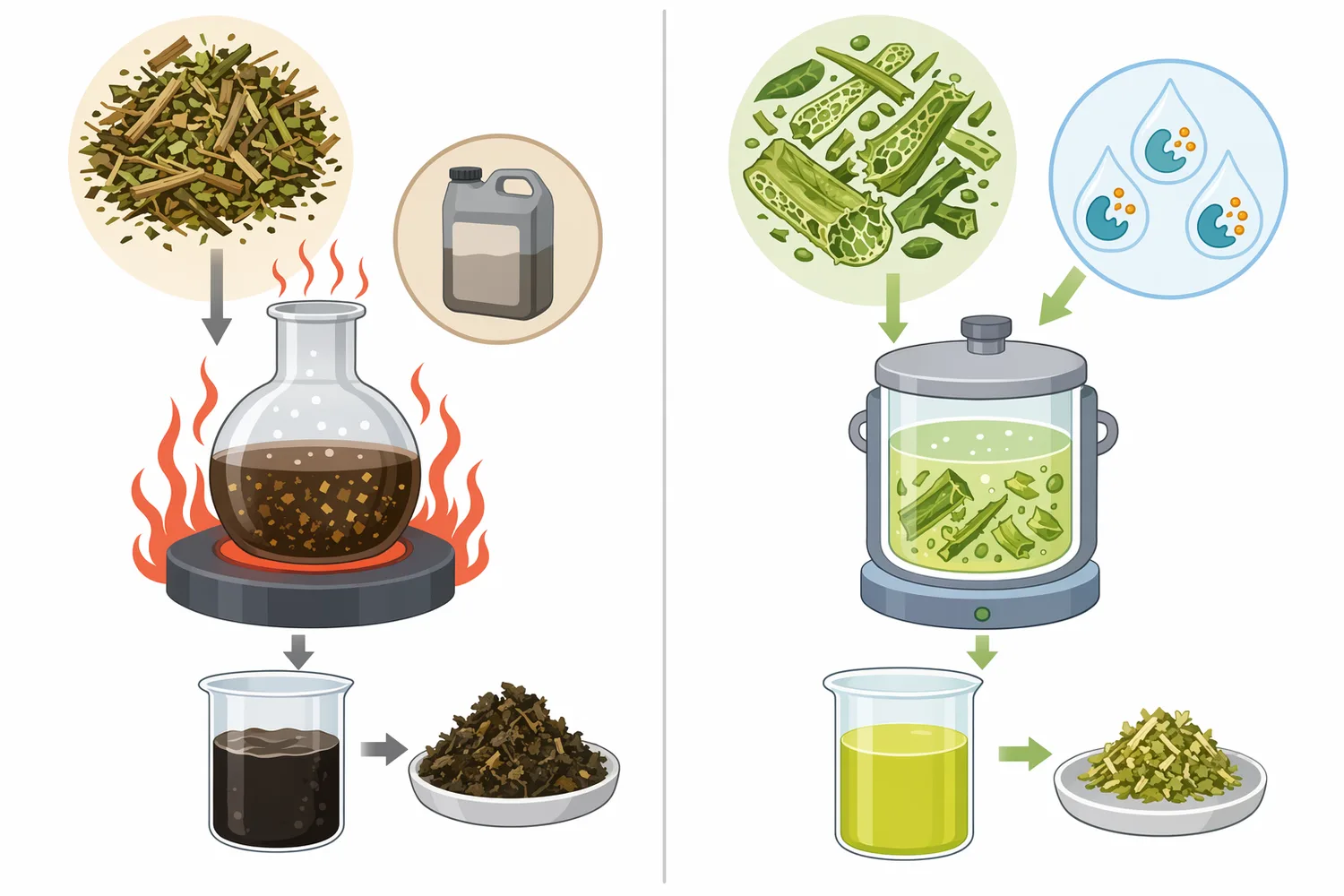
Similar patterns appear in fruit and pomace research. Enzymatic extraction of phenolic compounds from jabuticaba peels and ultrasonic-enzymatic extraction of flavonoids from sea buckthorn pomace both reflect the same process principle: plant side streams often contain valuable compounds, but those compounds are embedded in complex matrices that benefit from controlled pretreatment [10].
For botanical extracts, β-glucosidase is best understood as an enzyme for glucoside conversion within plant-derived material. It can be relevant where the value of the extract depends on the ratio of glycosylated to aglycone forms, or where release of a glucose-bound molecule changes aroma, flavor, solubility, analytical profile, or downstream formulation behavior. Chemo-enzymatic work with medicinal plants and traditional botanical compounds shows the continuing interest in enzymes for transforming plant metabolites rather than relying only on direct solvent extraction [2].
Phenolic-rich ingredients are a common area of interest. Coffee silverskin, foxtail millet husk, fruit peels, pomace, and other plant residues are increasingly studied as sources of phenolics and other bioactive fractions. These substrates are structurally challenging because target compounds may be trapped in the wall network, associated with proteins or polysaccharides, or present in conjugated forms. Enzymatic processing can help valorize these residues by improving release or conversion before separation [11].
Quercetin-related extraction is another useful example because plant flavonoids often occur as glycosides. A review of quercetin extraction from different plant sources compares chemical, physical, and enzymatic extraction approaches, underscoring that enzymatic processing is one recognized route for changing access to plant flavonoids [12]. β-Glucosidase is relevant where the substrate is a β-glucoside form, while other enzymes or extraction steps may be needed for non-glucose conjugates or for matrix opening.
For finished food ingredients, it is important to separate processing function from product claims. β-Glucosidase can support conversion and extraction of plant constituents, but the nutritional, sensory, or functional positioning of a finished product depends on the whole formulation, regulatory category, dosage in use, and validated composition. The enzyme’s role is the processing step: cleavage of compatible glucosidic bonds under suitable conditions [1].
Aroma chemistry is one of the clearest ways to understand β-glucosidase value. Many fruit, herb, tea, and botanical aroma precursors are stored as glycosides. In that bound form, they may be stable but less volatile. When β-glucosidase releases the aglycone, the resulting compound can contribute more directly to aroma perception, especially in aqueous beverages, fermented bases, botanical extracts, and flavor preparations [1].
Fermented plant systems are especially relevant because microbial cultures can naturally produce β-glucosidase activity. Reviews and recent food research discuss β-glucosidase in relation to plant-based foods, beverages, and fermented products where enzymatic conversion contributes to sensory and functional changes during processing. Added food-grade β-glucosidase is not the same as relying on live microbial activity, but the biochemical principle—hydrolysis of glycosides—is shared [13].
Tea and herbal materials illustrate the combined physical and biochemical challenge. Used tea leaves, for example, contain tannins, flavonoids, terpenoids, and structural plant material. Ultrasonic and enzymatic extraction studies show that physical disruption and enzyme action can be paired to improve recovery of multiple compound classes. β-Glucosidase would be specifically relevant to the glucoside fraction within that broader chemistry [9].
Fruit peels, pomace, pulp residues, and seed-associated materials are attractive extraction substrates because they are often rich in phenolics, pigments, aroma precursors, and other plant metabolites. They are also difficult matrices: pectin can bind water and increase viscosity, cellulose and hemicellulose can trap compounds, and glycosides may remain chemically bound even after mechanical processing. Enzymatic strategies are therefore common in research on fruit byproducts [10].
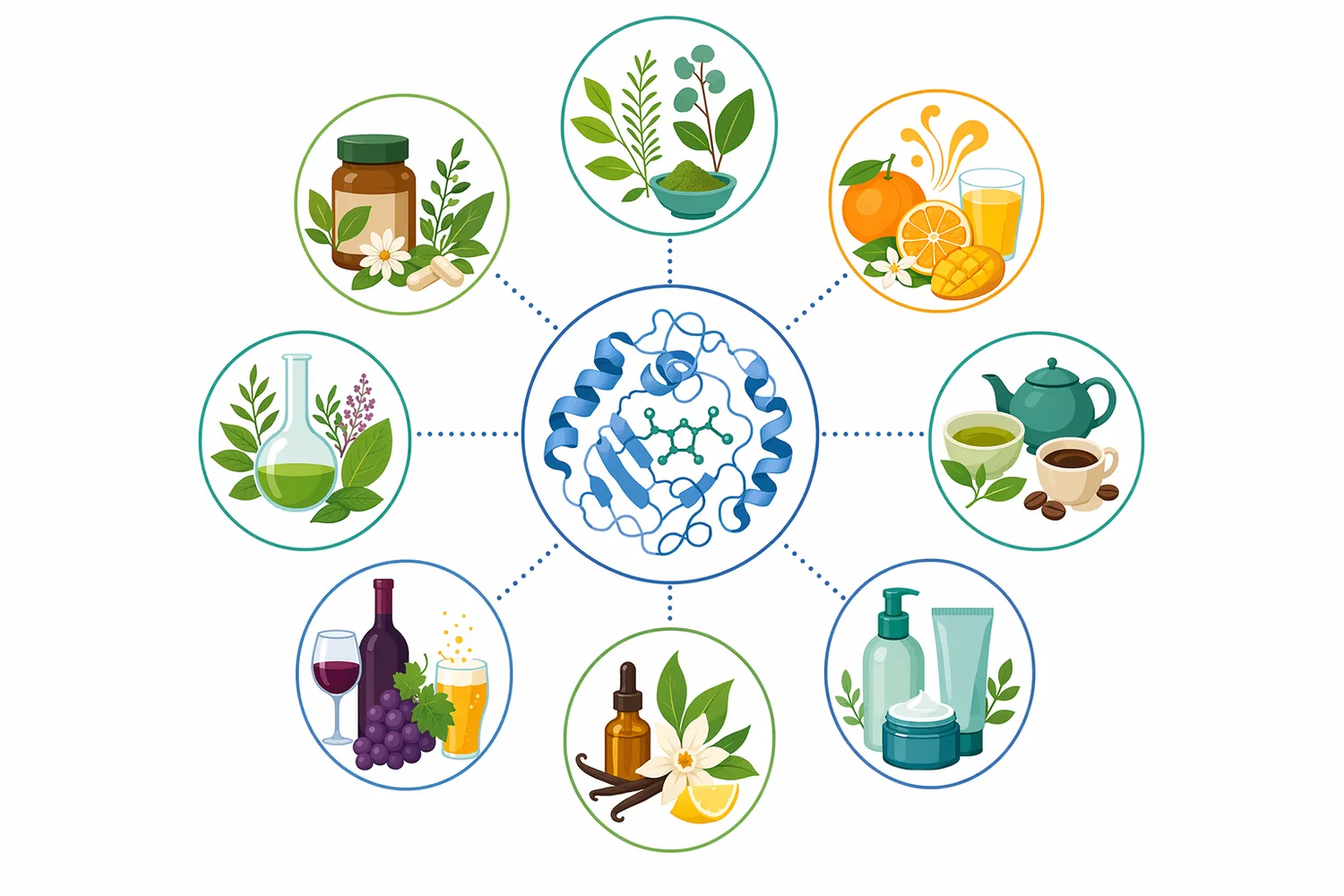
β-Glucosidase can contribute where fruit or vegetable material contains glucose-bound precursors. In an extraction workflow, the enzyme may be used during hydration or maceration so that the substrate is accessible and the conversion occurs before separation. The result is not simply “more extract”; it may be a different extract profile, with a changed balance between glycoside and aglycone forms [1].
Sea buckthorn pomace is an example of a plant residue studied with ultrasonic-enzymatic extraction for flavonoid recovery and biological activity evaluation. The important lesson for processors is not that one enzyme automatically solves every pomace challenge, but that enzyme-assisted extraction can be integrated with physical methods when the matrix is dense, fibrous, or rich in bound compounds [14].
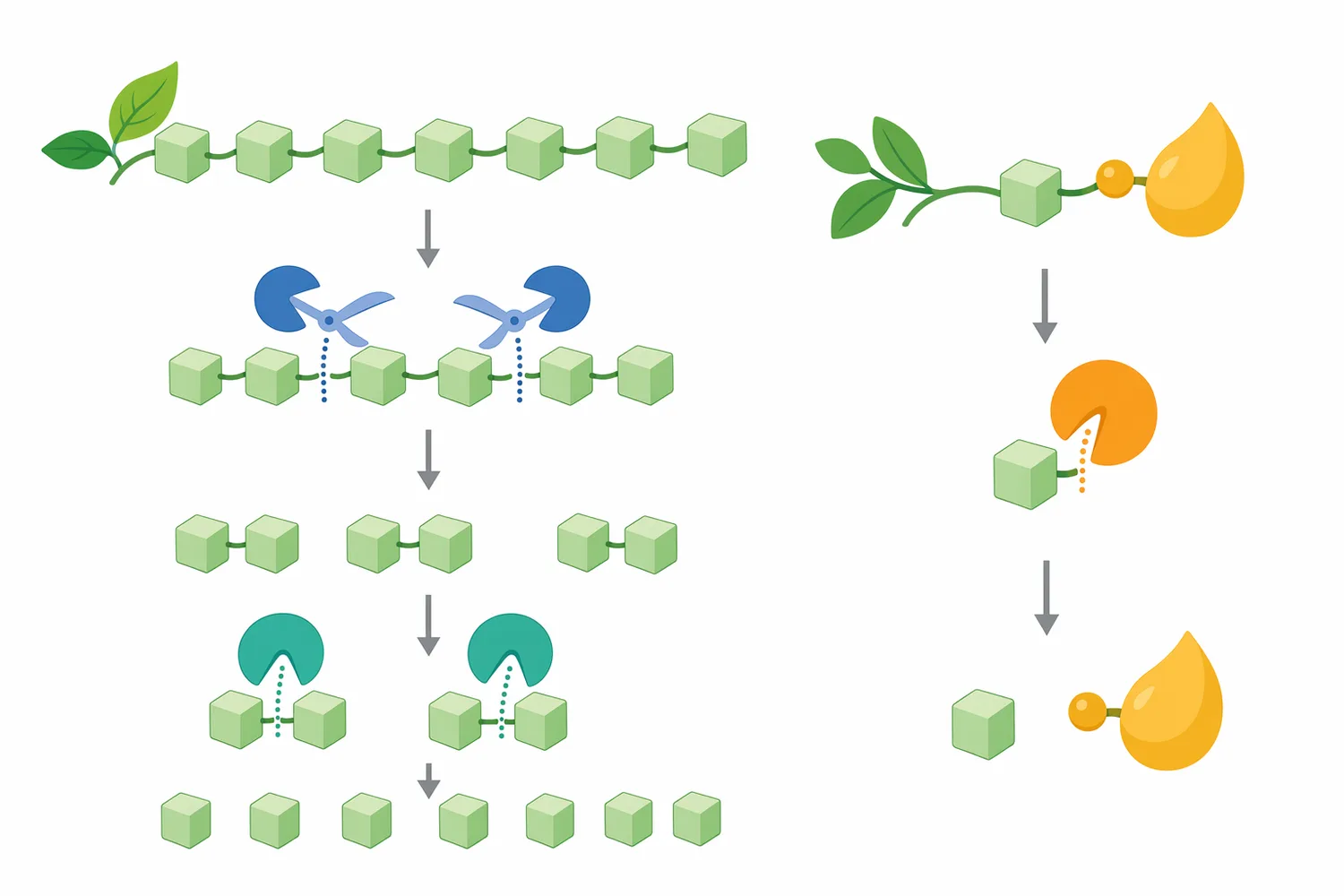
β-Glucosidase is also central to cellulose-related hydrolysis. In lignocellulosic systems, cellulases first generate cellobiose and short cellooligosaccharides from cellulose chains; β-glucosidase then hydrolyzes those glucose-containing fragments toward glucose. This final step is important because incomplete conversion leaves soluble oligosaccharides in the mixture rather than fully hydrolyzed glucose [1].
For plant extraction, this does not mean β-glucosidase should be treated as a complete cellulase replacement. Cellulose breakdown requires enzymes that attack long insoluble cellulose chains, while β-glucosidase mainly acts on soluble or accessible glucose-ended substrates. Its value is in completing or refining glucoside conversion, not in doing every structural task in the plant wall [5].
Still, the cellulose literature helps explain why β-glucosidase is so widely used in plant-processing contexts. It is a finishing enzyme for glucose-linked fragments and a conversion enzyme for glycosides. In extraction, those two functions can overlap: the enzyme may help convert small glucan fragments while also releasing aglycones from plant secondary-metabolite glucosides [1].
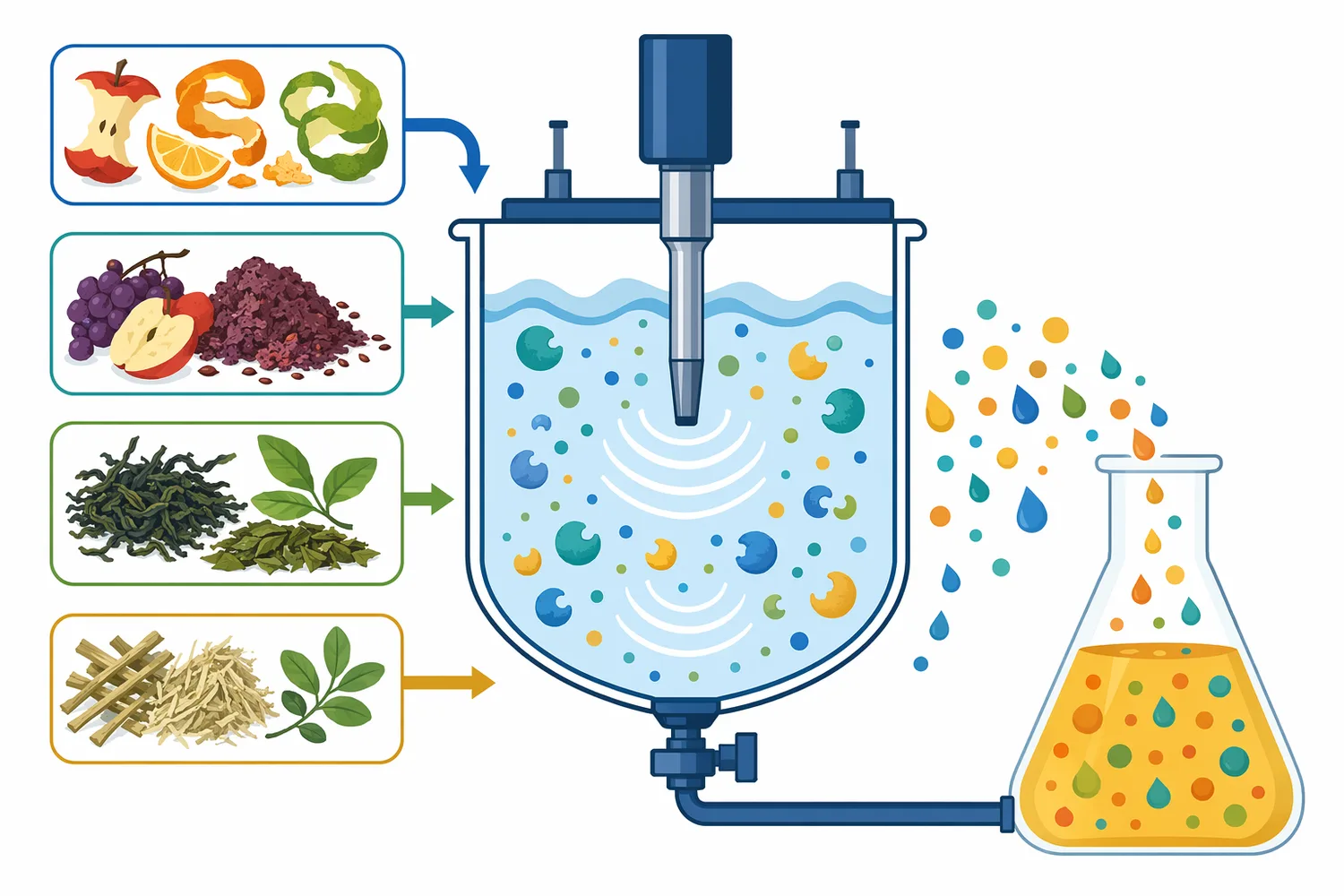
In plant extraction, β-glucosidase is typically introduced where the enzyme can make contact with hydrated plant material or a plant-derived liquid phase. The process must allow the enzyme to disperse, reach compatible substrates, and act before the mixture is clarified, concentrated, dried, or otherwise stabilized. As with all enzymes, extreme process conditions that damage proteins can reduce performance, while insufficient contact with the substrate limits conversion [3].
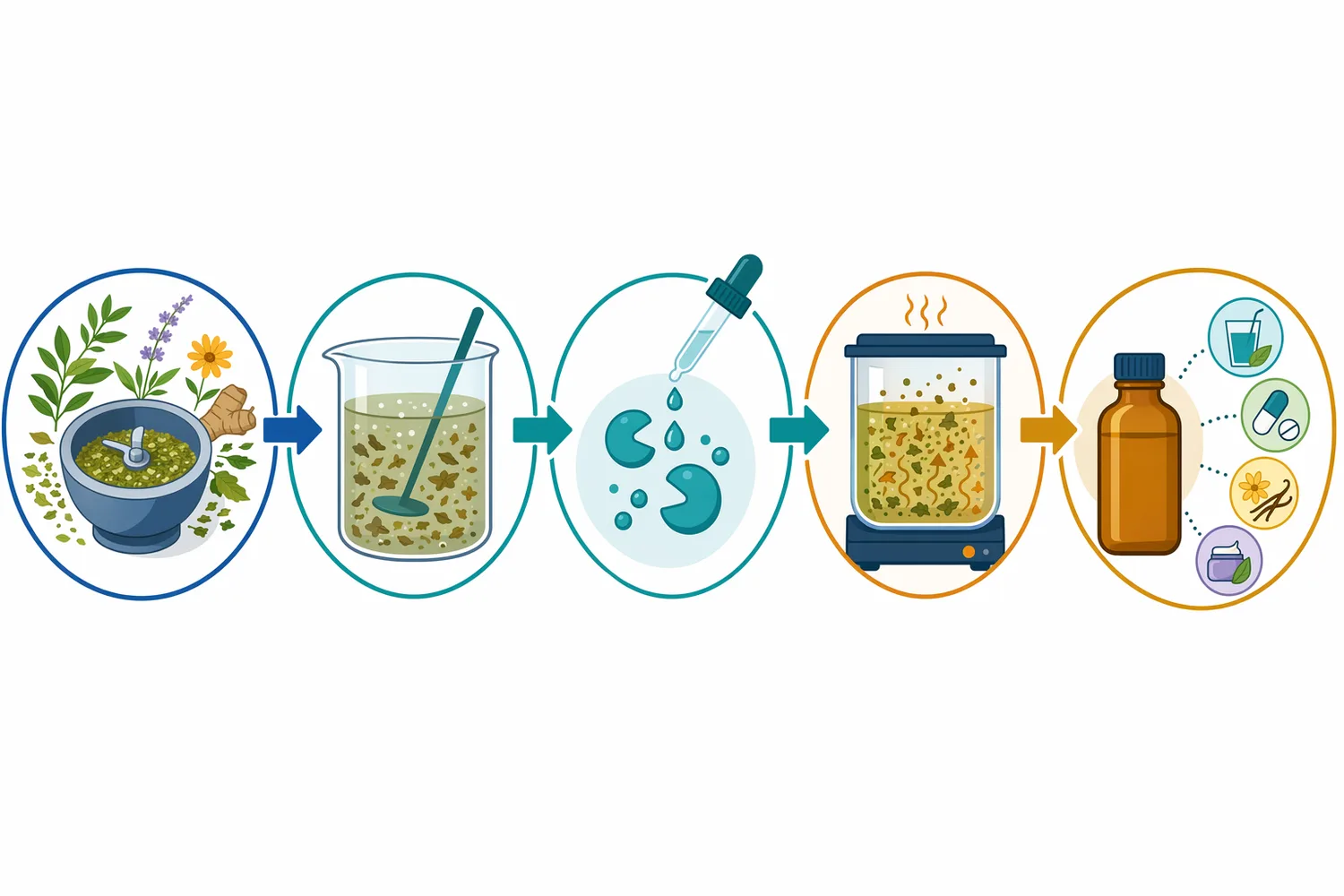
A simple workflow may involve preparing the plant material, hydrating or extracting it in a water-containing phase, adding the enzyme during a controlled contact period, and then continuing with the normal separation or stabilization step. The enzyme step is not a standalone extraction plant; it is a biocatalytic treatment inserted into an existing process so compatible glucosides can be converted before the target fraction is recovered [4].
The main operational concept is accessibility. If glycosides remain locked inside intact cells, enzyme action may be limited. If the plant material is properly wetted and the relevant substrates are exposed, β-glucosidase has a better opportunity to cleave the glucose linkage. This is why enzyme-assisted extraction is often paired with milling, mixing, ultrasound, or other pretreatments in research settings [9].
β-Glucosidase is a targeted tool, not a guarantee of higher yield in every botanical. The strongest evidence supports its biochemical role: hydrolysis of β-glucosidic bonds and release of glucose-containing products or aglycones. Whether that creates a meaningful process benefit depends on the plant species, the compound forms present, substrate accessibility, the surrounding extraction medium, and downstream processing [1].
It is also important to avoid confusing β-glucosidase with α-glucosidase or with general “glucanase” activity. The beta linkage and the substrate structure matter. A compound may be a glycoside without being the right substrate for a given β-glucosidase preparation, and plant matrices may contain many non-glucose conjugates that require different chemistry. This is why enzyme performance is always connected to the actual plant material and target compound class [2].
The enzyme should also not be positioned as a replacement for every plant-processing enzyme. If the main barrier is pectin-rich tissue, pectinase-type activity is more directly relevant. If the main barrier is hemicellulose or xylan, other carbohydrases may be needed. β-Glucosidase contributes most directly where glucose-linked substrates are part of the extraction or flavor-release objective [6].
Enzymes.bio supplies food-grade β-glucosidase for plant extraction as a direct online product sold by the 1 kg unit. Buyers can place the order online, complete payment online, and the order is then processed and shipped. A Certificate of Analysis and Safety Data Sheet come with the order for internal quality and handling documentation.
The product is intended for industrial food-processing, botanical-extraction, beverage, flavor, and related plant-material applications. It is not positioned as a consumer ingredient for direct use; it is a processing enzyme for controlled production environments where glucoside hydrolysis is useful.
For buyers working with botanical extracts, fruit or vegetable streams, fermented plant bases, herbal materials, or flavor systems, the practical value of food-grade β-glucosidase is clear and specific: it helps convert compatible glucose-bound plant compounds into glucose and aglycones, supporting flavor release and extract profile modification under suitable processing conditions. That focused role is what makes β-glucosidase a useful enzyme in modern plant extraction rather than a generic extraction additive [1].
Sold by the 1 kg unit, in stock and ready to ship. Order directly on our store — pay online and we process your order. A Certificate of Analysis and Safety Data Sheet are included with every order.
Buy Food-Grade Β-Glucosidase For Plant Extraction →Numbered in order of first citation. Open-access sources, each verified reachable at publication; citation numbers in the text link here.