
Food-grade pectinase for wine and fruit wine pre-treatment is used to break down pectin in grape must, fruit pulp, juice, and early-stage fermentations so liquid separates more easily from solids. In practical terms, it can improve juice release, reduce viscosity, support clarification, lower the risk of pectin haze, and make high-pectin fruit bases easier to process before or during fermentation.
Pectinase does not ferment sugar into alcohol; yeast performs alcoholic fermentation. The enzyme prepares the fruit matrix by weakening pectin-rich cell-wall structures, which can improve how juice, suspended solids, colour compounds, and soluble fruit components behave during pressing, settling, maceration, and clarification.
Enzymes.bio supplies Food-Grade Pectinase for Wine & Fruit Wine Pre-Treatment directly online by the 1 kg unit. Buyers can pay online, after which the order is processed and shipped; a Certificate of Analysis and Safety Data Sheet come with the order.
Pectinase is a broad term for enzymes that degrade pectic substances, the polysaccharides that help plant cells adhere to one another and give fruit tissue its structure. Pectin is useful to the fruit because it acts like a natural binder in the middle lamella and primary cell wall, but in winemaking that same binding and water-holding behaviour can keep juice trapped in pulp, increase viscosity, suspend fine particles, and contribute to persistent haze [1].
In grape must and fruit pulp, pectin forms a hydrated network. This network holds water, traps colloids, increases resistance to flow, and makes solids settle more slowly. Pectinase attacks that network by cleaving pectin chains into smaller fragments; when the long chains are shortened, the gel-like behaviour weakens, liquid moves more freely, and suspended material is less physically supported in the juice phase [2].
Several pectolytic activities may be involved in commercial pectinase preparations. Polygalacturonase-type activity hydrolyses glycosidic bonds in the galacturonic-acid backbone of pectin, while other pectin-degrading activities can modify esterified or branched regions of the polymer. The important processing effect is that large, structure-forming pectin molecules are converted into smaller, less viscosity-building fragments [1].
This is why pectinase is used before or near the start of fermentation rather than only after a wine has already become difficult to clarify. When pectin is broken down while the fruit solids are still present, the enzyme can act directly on the tissue and pulp network that restricts juice release, settling, and separation. Early work on pectic enzymes in winemaking already recognised their value in treating fruit material before clarification problems became locked into the process [3].
Fruit is not simply “juice inside a skin.” It is a structured biological material made of cells, cell walls, soluble sugars, acids, phenolics, proteins, minerals, and colloidal polysaccharides. Pectin helps hold this structure together, so when grapes, apples, bananas, berries, citrus-type fruits, or other fruit bases are crushed, the released liquid still contains pectin-rich fragments that can behave like a weak gel rather than a free-flowing liquid [1].
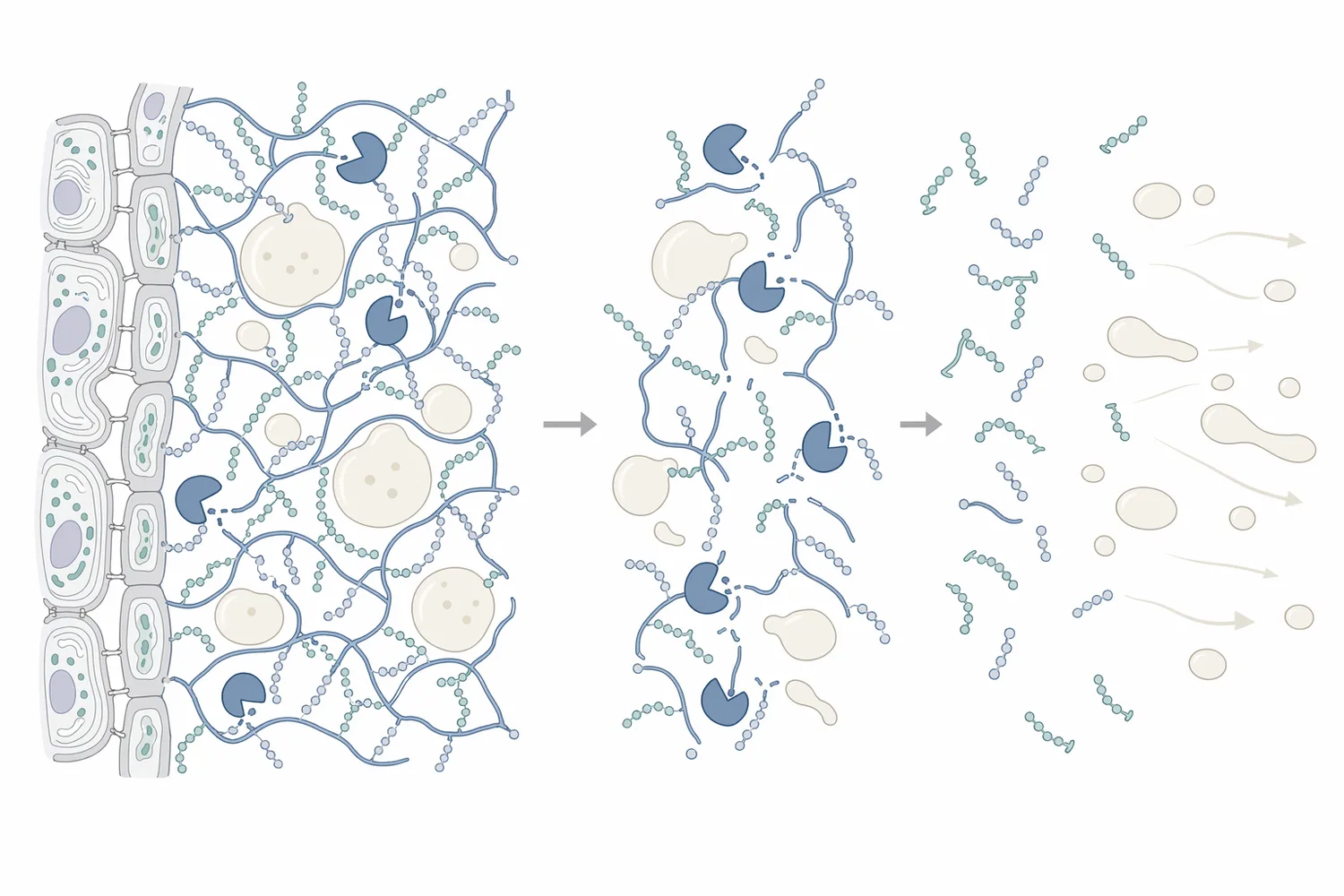
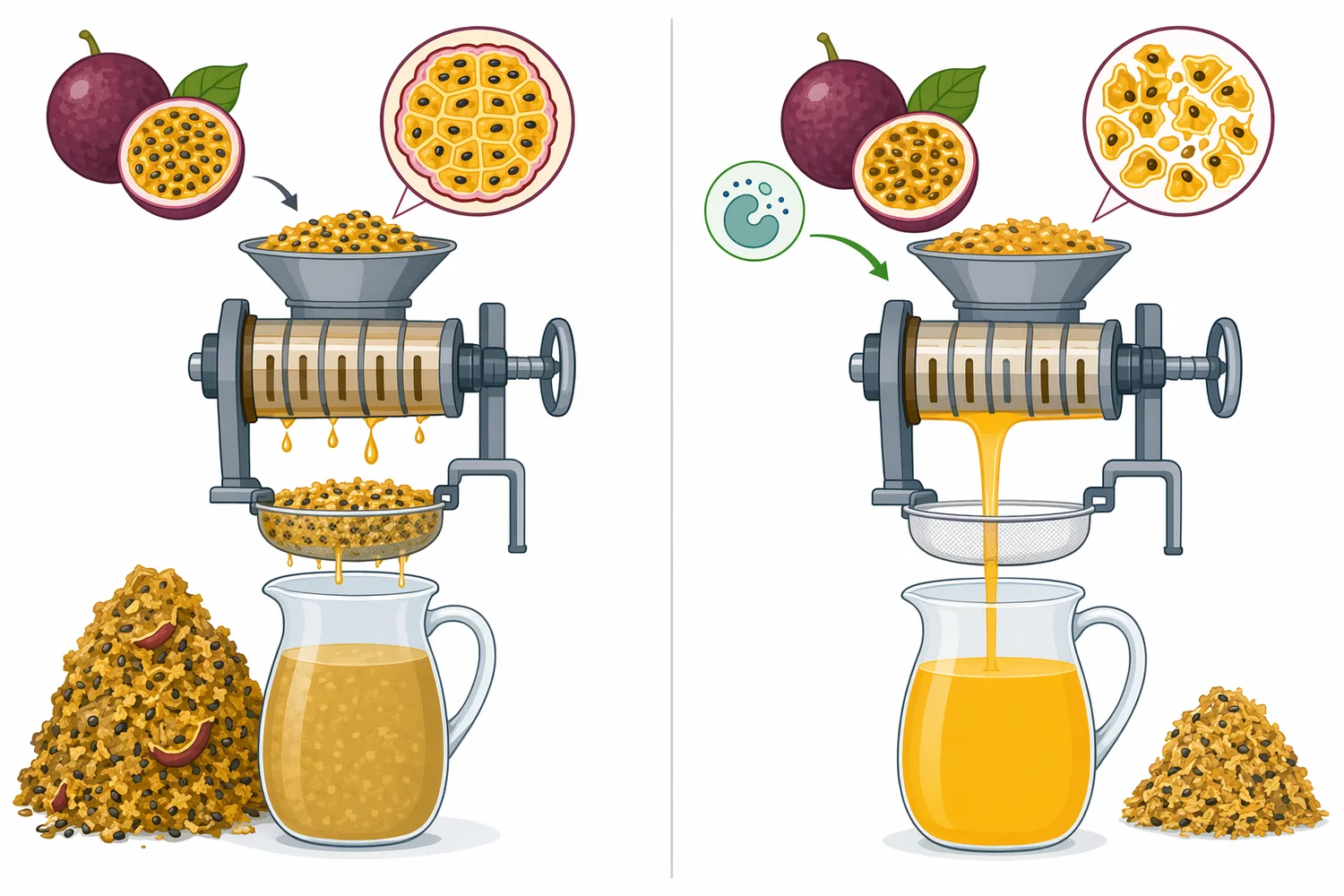
During pressing, intact or partly intact pectin-rich tissue retains liquid. The press cake can remain wet because the cell-wall network and pulp solids hold juice within capillaries and hydrated polysaccharide layers. Pectinase weakens those structures, so less liquid remains immobilised in the solids and more juice can move out under practical pressing conditions. Studies on grape juice production continue to evaluate pre-treatment effects on pressing yield and juice quality because mechanical extraction and biochemical tissue breakdown are closely linked [4].
During settling, pectin increases the viscosity of the continuous liquid phase. A more viscous juice slows the downward movement of solids because particles experience more drag. Pectin can also keep very fine colloids dispersed, so even when larger particles settle, the juice may remain cloudy. Pectin hydrolysis in wine and juice clarification has therefore been studied as a direct way to improve separation by reducing the pectin load that supports cloudiness [2].
During filtration or membrane processing, pectin can contribute to fouling and slow flow by forming a deformable, hydrated layer on filter media or membrane surfaces. Work on concentrated grape juice has examined enzymatic treatment in combination with membrane separation processes because pectin and other polysaccharides influence physicochemical characteristics that matter during concentration and clarification [5].
The most direct benefit of pectinase is improved juice release. When the enzyme weakens pectin in the cell wall and middle lamella, cells separate more easily and liquid held in pulp can escape. This does not require the enzyme to “dissolve” the fruit completely; even partial depolymerisation can reduce the strength and water-holding capacity of the pulp network enough to improve practical extraction [3].
In grape processing, this effect is especially relevant during crushing, maceration, and pressing. Grape skins and pulp contain pectic polysaccharides that influence must texture and juice recovery. Enzymatic treatment of grape-derived materials has been studied not only for juice handling but also for changing the extractability of polysaccharides and phenolic compounds from grape pomace and related fractions [6].
Fruit wine bases can present a stronger challenge than grapes because some fruits have dense pulp or higher pectin-related viscosity. Banana-based wine research, for example, has used pectinase together with amylase because banana pulp contains both pectin and starch-related components that can make extraction and fermentation handling more difficult [7]. The same principle applies broadly: when the fruit matrix is physically thick, enzyme pre-treatment can make the liquid phase easier to separate and manage.
Viscosity is not just a laboratory number; it affects pumping, mixing, settling, clarification, and how evenly yeast contacts the fermentable liquid. Pectinase lowers viscosity by shortening pectin polymers, reducing the ability of those molecules to entangle and bind water. Once the long-chain network is disrupted, the must behaves less like a pulpy gel and more like a processable juice [2].
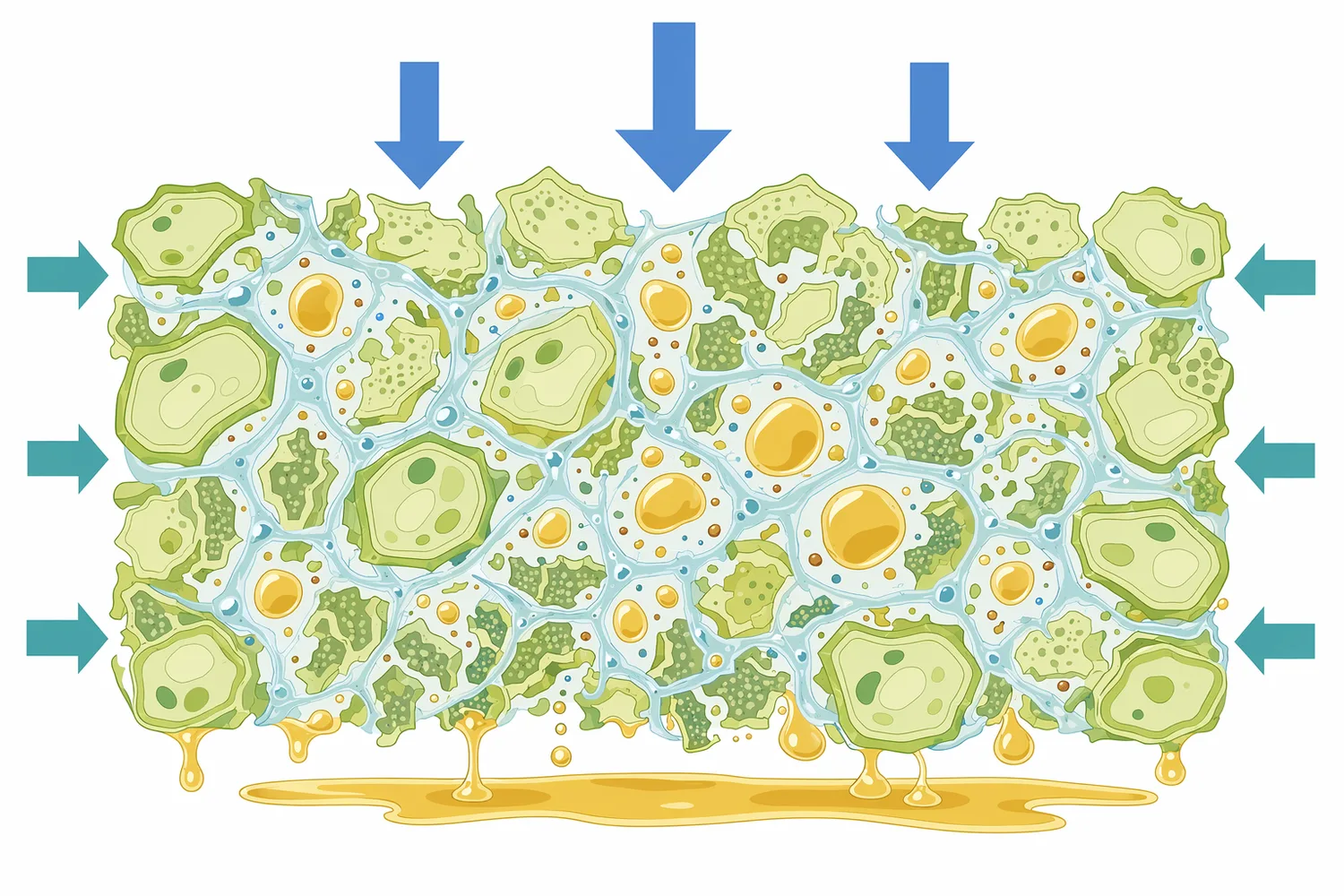
Lower viscosity also helps suspended solids settle because particles can move through the liquid phase more readily. In a thick, pectin-rich juice, fine solids remain buoyant or move slowly; in a less viscous juice, sedimentation becomes more predictable. Immobilised pectinase research in juice clarification has shown the practical importance of pectin breakdown for clearer juice streams [8].
For fruit wines, viscosity reduction can also improve fermentation uniformity. Yeast cells are suspended microorganisms that need access to dissolved sugars and nutrients; when the liquid is very thick or unevenly pulpy, mixing and mass transfer become less efficient. Enzymatic pre-treatment and yeast choice have been studied together in white wine because enzyme action can alter the chemical environment in which fermentation proceeds [9].
Pectin haze occurs when pectic substances remain dispersed in the wine or juice and keep the liquid cloudy even after heavier solids have settled. Because pectin is highly hydrated and colloidal, it can produce cloudiness that is not solved simply by waiting. Pectinase reduces this risk by converting haze-forming pectin into smaller fragments that are less able to maintain a stable cloudy network [2].
Clarification is especially important in white wines and lighter fruit wines where visual brightness is part of product quality. In such products, unwanted turbidity can signal process instability even if the flavour is acceptable. Research on pectinase applications in juice clarification supports the practical role of pectin hydrolysis in producing clearer juice before downstream processing [8].
A useful way to understand this is to separate “solid haze” from “colloidal haze.” Coarse pulp particles may settle or be filtered, but pectin can keep very fine material suspended and can itself contribute to cloudiness. Pectinase addresses the colloidal pectin contribution, making later settling or clarification steps more effective because the liquid phase no longer has the same gel-like support structure [1].
Fruit wine production often involves raw materials that behave very differently from wine grapes. Banana, apple, pomelo, berries, tropical fruits, and other specialty fruit bases may contain high pulp loads, pectin-rich cell walls, starches, gums, or fibrous tissues. Pectinase is valuable because it targets one of the main structural causes of thick pulp and haze: pectic polysaccharides [7].
Banana wine studies are a good example of why fruit-specific processing matters. Banana pulp is naturally thick, and research has evaluated pectinase and α-amylase pre-treatment to improve banana-based wine production rather than relying only on pressing or dilution [10]. The enzyme strategy reflects the real structure of the raw material: pectin contributes to pulp cohesion, while other carbohydrates can also affect texture.
Pomelo wine processing research further illustrates the role of fruit matrix adaptation. Citrus-type fruits and related materials can contain pectin-rich tissues that influence juice extraction, clarity, and fermentation handling. Processing studies for pomelo wine therefore include pre-treatment and formulation choices that are not identical to grape winemaking [11].
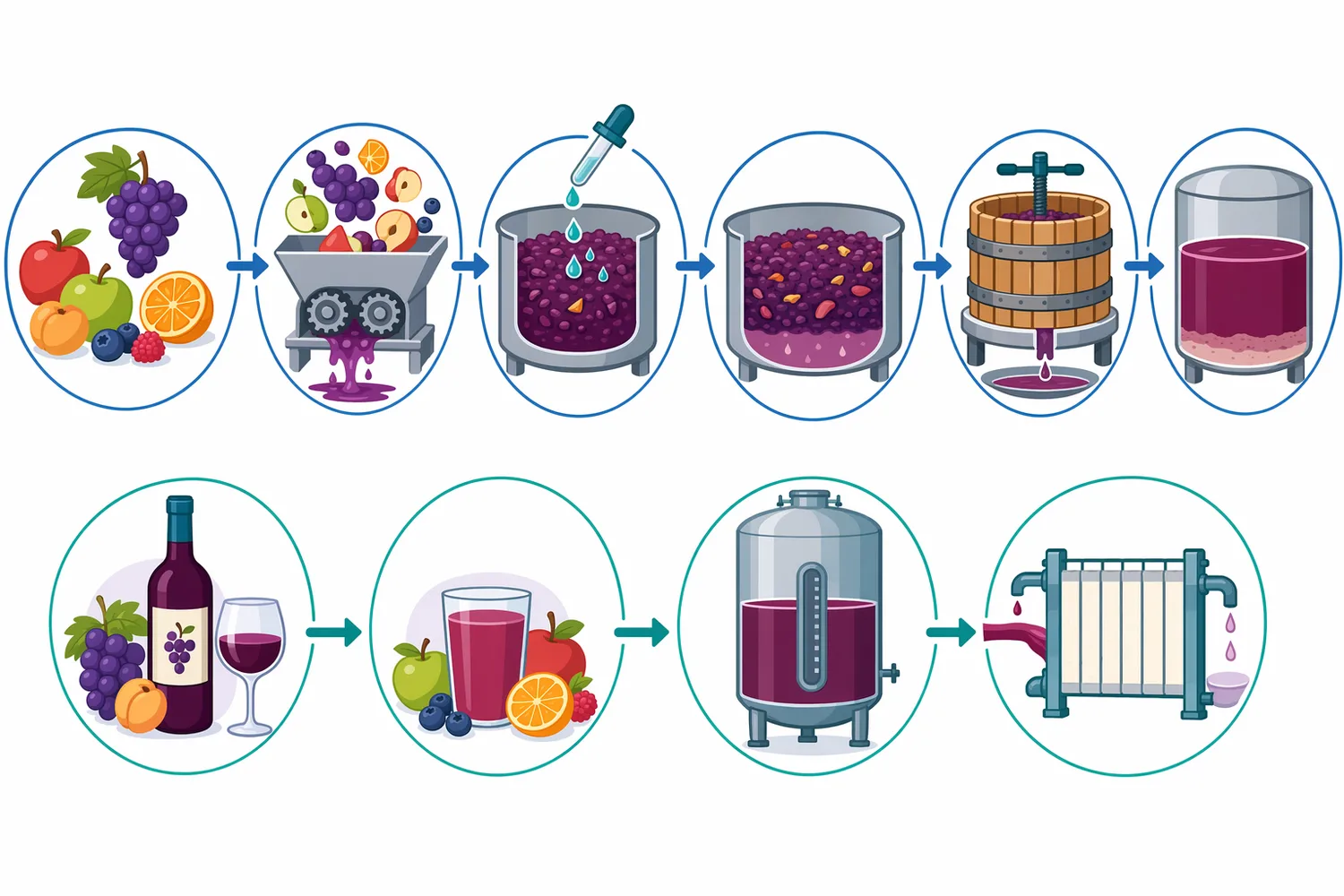
Apple must and cider-type wine materials also respond to auxiliary processing aids because apple pectin and suspended solids influence juice behaviour. Research into apple must and cider wine materials has examined how modern auxiliary materials affect physical and chemical composition, reinforcing the point that pectin management is part of broader fruit-wine process control [12].
| Processing area | Without effective pectin breakdown | With pectinase pre-treatment | Why the change occurs |
|---|---|---|---|
| Pressing and juice recovery | More liquid remains trapped in pulp, skins, or press cake | Juice separates more readily from fruit solids | Pectinase weakens the pectin-rich middle lamella and hydrated pulp network [3] |
| Must viscosity | Thick, pulpy must resists pumping, mixing, and settling | Lower viscosity improves handling and sedimentation | Long pectin chains are shortened into less structure-forming fragments [2] |
| Clarification | Fine solids and colloids stay suspended for longer | Settling and clarification become more predictable | Hydrolysed pectin is less able to stabilise haze and suspended particles [8] |
| Fruit wine fermentation | Dense pulp can limit uniform mixing and mass transfer | Liquid phase becomes more accessible to yeast-driven fermentation | Enzymatic pre-treatment changes the physical environment before or during fermentation [9] |
| Grape and fruit extractability | Some soluble compounds remain locked in skins, pulp, or pomace | Certain phenolics and soluble components may become more extractable | Cell-wall disruption improves access to intracellular and wall-associated compounds [13] |
Pectinase is primarily used for pectin breakdown, but weakening cell-wall structures can also influence extraction of colour and phenolic compounds. In red grape musts, pigment and phenolic extraction occurs mainly from skins and seeds during maceration. If pectinase loosens skin cell walls and pulp structures, liquid can access more surface area and certain compounds may transfer more readily into the must [13].
Studies on grape pomace and grape-derived materials show that enzymatic treatment can change polyphenol and polysaccharide content. This matters because wine processing is not only about separating juice; it is also about controlling how much skin-derived, seed-derived, and pulp-derived material enters the liquid phase. Enzyme action can therefore affect both physical processing and the extractable composition of grape materials [6].
Research on Syrah grape pomace has examined enzymatic extraction to recover phenolic antioxidants, showing that enzyme-assisted treatment can support the release of valuable phenolic compounds from grape residues [13]. Although pomace extraction is not identical to wine maceration, the mechanism is related: cell-wall breakdown improves access to phenolic-rich structures.
Heat and enzymatic treatment have also been studied for improving extraction of resveratrol and antioxidants from grape peel. This supports the broader processing principle that enzyme-assisted tissue disruption can increase the availability of certain skin-associated compounds when conditions are suitable [14]. In winemaking, however, more extraction is not automatically better; colour, bitterness, astringency, aroma, and style all depend on the fruit and the intended product.
White grape pomace extracts produced by sequential enzymatic and ethanol-based extraction have shown antioxidant and other bioactivities, further confirming that enzyme treatment can help release functional compounds from grape residues [15]. For a beverage producer, the practical takeaway is that pectinase may influence extractability, but sensory outcome depends on the raw material, contact time, fermentation, and downstream handling.
In white wine production, clarification before fermentation is often used to manage solids content and produce a cleaner fermentation profile. Pectinase supports this by reducing pectin-driven viscosity and helping suspended solids separate from the juice. Pectin hydrolysis has been specifically studied as an approach to wine and juice clarification, including systems designed to break down pectin before or during separation [2].
In concentrated grape juice processing, enzymatic treatment can improve physicochemical characteristics before membrane separation and concentration. This is relevant because grape juice that will be concentrated, clarified, or further processed needs predictable flow and reduced colloidal burden. Pectin breakdown helps create a juice stream that behaves more consistently during separation [5].
For red wine must, pectinase is often associated with maceration support rather than only clarification. By weakening pectin-rich cell-wall material, the enzyme can support release of juice and facilitate contact between liquid and skins. The resulting impact on colour and phenolic balance is process-dependent, but the underlying mechanism is the same: the enzyme changes the fruit tissue so compounds are less physically trapped [6].
Enzymatic pre-treatment can also interact with yeast-driven fermentation outcomes. A study on white wine examined how enzymatic pre-treatment and yeast type affected chemical properties, highlighting that enzyme use is part of a larger fermentation system rather than an isolated clarification step [9]. The enzyme changes the substrate; yeast then acts on that changed substrate.
Food-grade pectinase is especially relevant for fruit wines because non-grape fruits can be much more variable in pulp structure, pectin level, acidity, soluble solids, and suspended matter. A grape must is already a traditional winemaking substrate; a fruit pulp may require more physical preparation before yeast can ferment it efficiently and before the finished beverage can clarify well [7].
Banana wine is one of the clearest examples. Banana pulp is viscous and carbohydrate-rich, so studies have used pectinase and amylase pre-treatment to improve processing. Pectinase targets the pectic structure that contributes to pulp thickness, while amylase addresses starch-derived viscosity and fermentable extract issues in that particular fruit matrix [10].
Pomelo wine processing provides another fruit-specific example. Pomelo and citrus-type raw materials require careful management of juice extraction, bitterness, acidity, and pectin-rich tissues. Research into pomelo wine technology reflects the need for pre-treatment steps that make the fruit base more suitable for fermentation and clarification [11].
Apple must and cider wine materials also demonstrate why pectinase fits naturally into fruit wine production. Apples contain pectin that affects pressing, juice turbidity, and settling, and studies of apple must composition have evaluated auxiliary materials for their effects on the physical and chemical properties of cider wine materials [12].
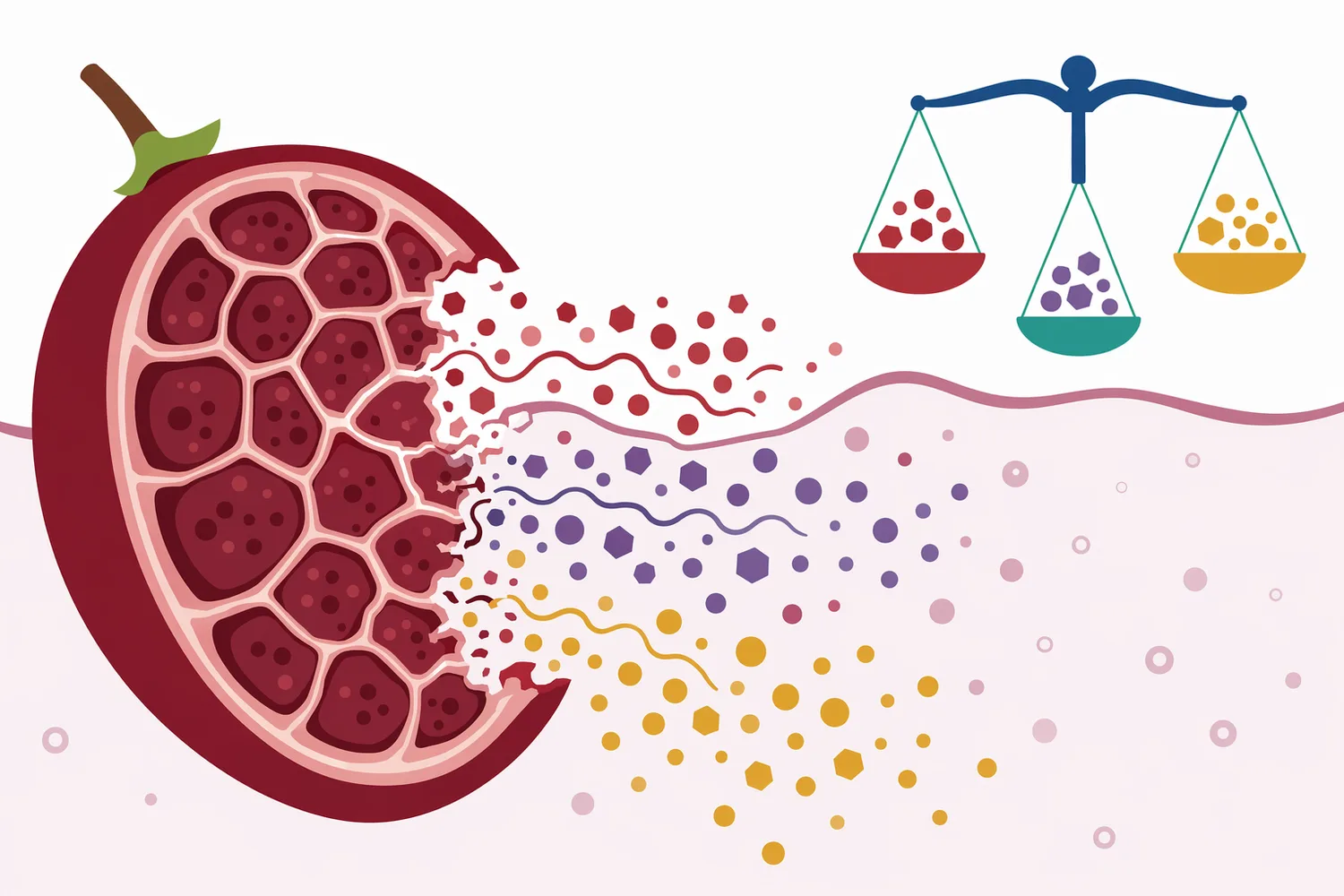
The broad lesson is that pectinase is not limited to conventional grape wine. It is a practical processing aid for many fruit wine bases where pulp viscosity, poor juice release, and pectin haze are recurring issues. The exact sensory result will depend on the fruit, yeast, fermentation management, and clarification approach, but the pectin mechanism remains consistent [1].
Although the main application here is wine and fruit wine pre-treatment, pectinase is also relevant to pomace and by-product upgrading. Grape pomace contains skins, seeds, residual pulp, polysaccharides, phenolics, and other compounds that may remain underutilised after pressing. Enzymatic treatment can help release or modify some of these components for further food or beverage applications [13].
Grape marc has been studied as a source of cello-oligosaccharides and polyphenols through enzymatic processing. While that work involves broader polysaccharide hydrolysis than standard wine must pre-treatment, it illustrates how enzymes can transform plant residues from passive waste streams into more functional ingredient streams [16].
Sequential enzymatic extraction from white grape pomace has also been used to obtain extracts with antioxidant and other bioactivities. For processors interested in residue utilisation, pectinase and related enzyme systems can help open the fruit matrix so valuable compounds become more accessible, although this is a different application from routine must clarification [15].
This distinction is important: using pectinase in wine pre-treatment is about improving juice and must handling; using enzymes for pomace valorisation is about further processing press residues. Both rely on plant cell-wall modification, but they serve different production goals and should not be treated as the same process [16].
Pectinase works on a biological substrate, so its performance depends on the fruit matrix and the processing environment. The enzyme must physically contact pectin-rich material, and the pectin must be accessible enough for hydrolysis to occur. Crushed fruit, macerated pulp, or juice containing suspended pectic material gives the enzyme more opportunity to act than intact fruit tissue [1].
Temperature influences the rate of enzyme action because enzymes are proteins with temperature-sensitive structure and movement. Cooler conditions generally slow enzymatic reactions, while excessive heat can reduce or destroy activity. In practical wine and fruit wine processing, this means pectinase action should be understood as time- and condition-dependent rather than instantaneous [1].
Acidity also matters because pectinases are active only within a workable pH environment. Fruit juices are naturally acidic, and many food pectinases are used in acidic fruit systems, but very different fruit types can still vary substantially. This is one reason studies are conducted on specific fruit substrates such as banana, pomelo, apple, grape, and grape pomace rather than assuming every fruit behaves identically [7].
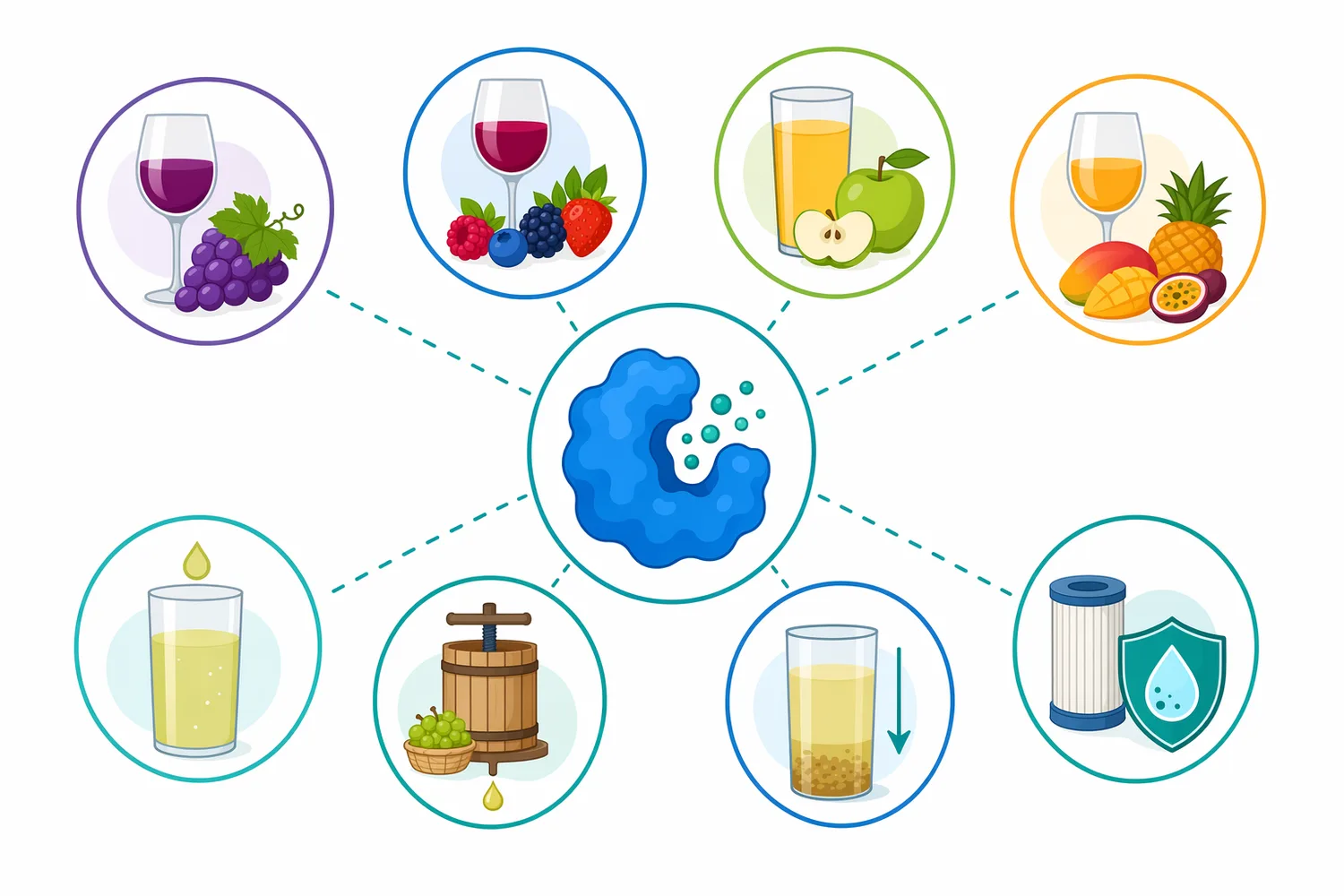
Alcohol can also change the environment in which pectinase operates. Because pre-treatment is typically intended before or early in fermentation, the enzyme can act while the must is still mostly juice and pulp rather than finished wine. This timing gives pectinase better access to the structural material it is meant to modify [3].
Processing order matters as well. If pectinase is used when solids are still present, it can act on tissue structure and suspended pectin. If it is used only after difficult haze has developed, it may still help with pectin-related cloudiness, but it cannot recover all of the process benefits that would have come from earlier tissue breakdown, such as easier pressing or improved juice release [2].
Pectinase is a strong tool for pectin-related problems, but not every processing problem is caused by pectin. Cloudiness can also arise from proteins, tartrates, microbial instability, yeast or bacterial cells, metal complexes, starches, tannin-protein interactions, or other colloids. If the haze is not pectin-based, pectinase alone will not fully solve it [8].
The enzyme also does not replace fermentation control. Yeast remains responsible for converting sugars into ethanol and carbon dioxide and for producing many aroma-active metabolites. Enzymatic pre-treatment can change the physical and chemical accessibility of the substrate, but yeast strain, nutrition, hygiene, oxygen exposure, and temperature still shape the finished wine [9].
Colour and phenolic effects should be treated as process-dependent. Enzyme-assisted extraction can increase access to grape skin or pomace compounds, as shown in studies on grape peel, pomace, and phenolic antioxidant recovery, but the sensory impact depends on whether the extracted compounds support the intended style [13]. More extraction can improve colour or fruit expression in one product and increase bitterness or astringency in another.
Pectinase should therefore be viewed as a processing aid with clear mechanical and biochemical functions: it breaks down pectin, reduces viscosity, improves liquid-solid separation, and can support extractability. It is not a universal corrective for poor fruit quality, inadequate sanitation, unstable fermentation, or all forms of haze [1].
Food-Grade Pectinase for Wine & Fruit Wine Pre-Treatment from Enzymes.bio is supplied for buyers who want a practical enzyme option for grape wine, fruit wine, juice pre-treatment, must handling, and pectin-rich fruit processing. It is suitable for direct online purchase by the 1 kg unit, with payment completed online and the order then processed and shipped.
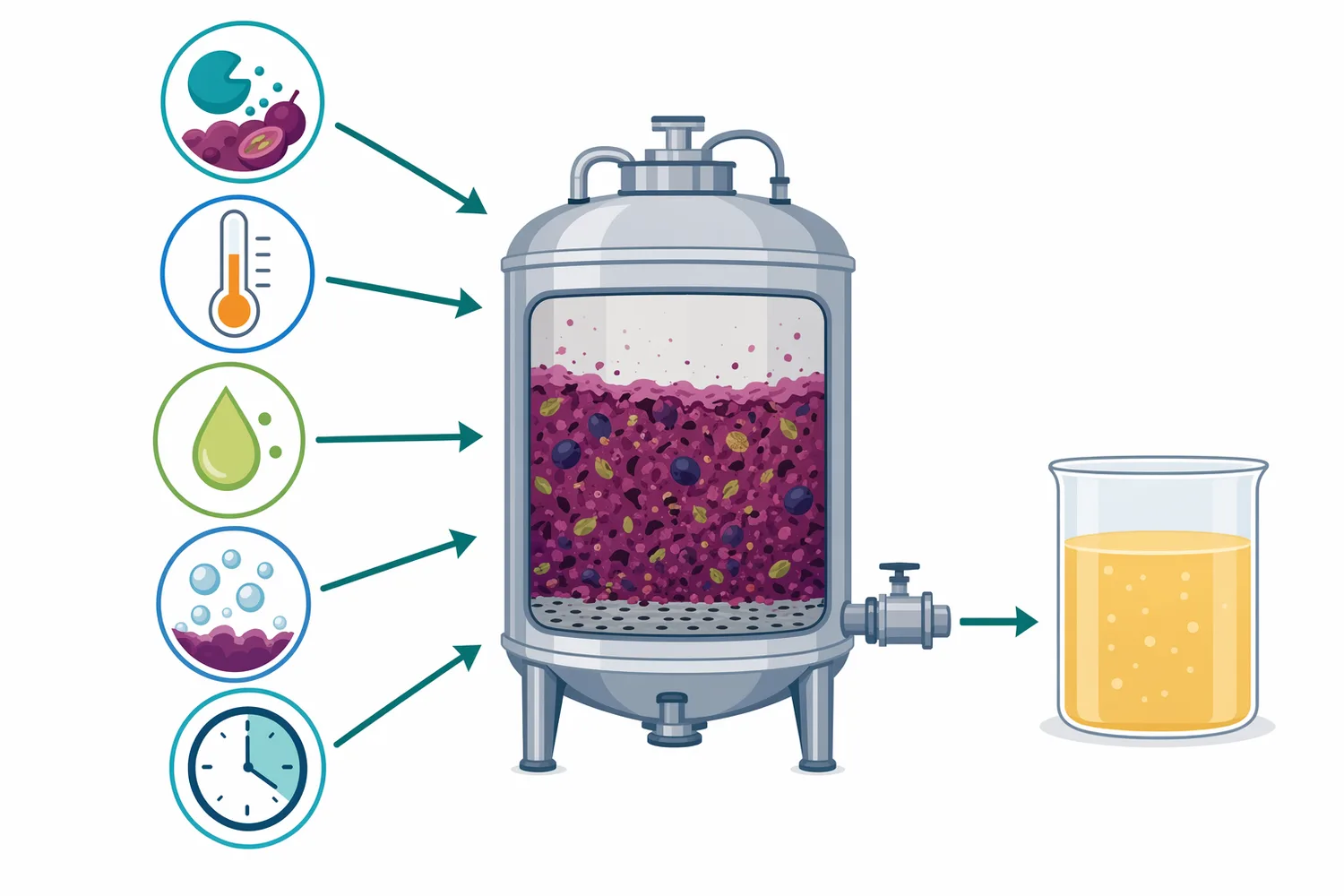
The product fits processes where fruit pulp, grape must, or juice contains enough pectin to affect extraction, viscosity, settling, or clarity. The strongest evidence supports pectinase for pectin hydrolysis, juice clarification, viscosity reduction, and improved handling of fruit materials before or during fermentation [2].
A Certificate of Analysis and Safety Data Sheet come with the order. As with any processing aid, use should follow the product label and the controlled process used for the specific wine or fruit wine being produced.
Pectinase improves wine and fruit wine pre-treatment by acting directly on pectin, the structural polysaccharide that helps fruit tissues hold together and keeps pulp, liquid, and fine solids physically connected. By cutting pectin into smaller fragments, the enzyme weakens the hydrated network that traps juice, increases viscosity, slows settling, and contributes to pectin haze [1].
In grape processing, that mechanism can support juice release, must clarification, membrane or filtration readiness, and controlled extraction from skins or pomace. Studies on grape juice, grape pomace, grape peel, and grape marc show that enzymatic treatment can alter polysaccharide behaviour and improve access to phenolic or antioxidant compounds under appropriate conditions [6].
In fruit wine production, pectinase is especially useful because many fruit bases are thicker, more pulpy, or more pectin-rich than grape must. Banana, apple, pomelo, and other fruit wine studies demonstrate the broader relevance of enzyme pre-treatment where pulp structure and haze are central process challenges [7].
For buyers ordering from Enzymes.bio, the practical value is straightforward: Food-Grade Pectinase for Wine & Fruit Wine Pre-Treatment is a 1 kg online-purchase processing aid designed to help make pectin-rich fruit materials easier to press, clarify, and ferment into wine or fruit wine.
Sold by the 1 kg unit, in stock and ready to ship. Order directly on our store — pay online and we process your order. A Certificate of Analysis and Safety Data Sheet are included with every order.
Buy Food-Grade Pectinase For Wine & Fruit Wine Pre-Treatment →Numbered in order of first citation. Open-access sources, each verified reachable at publication; citation numbers in the text link here.