
Α-Galactosidase feed additive biological enzyme preparation is used to break down α-galactoside carbohydrates—especially raffinose-family oligosaccharides such as raffinose and stachyose—in soybean meal, legumes and other plant-derived feed materials. These compounds are difficult for monogastric animals to digest because poultry and pigs have limited endogenous α-galactosidase activity, so the enzyme helps convert otherwise poorly used soluble carbohydrates into smaller sugars that are less likely to pass intact into the hindgut [1].
For buyers using plant-rich feed systems, the practical value is targeted: α-galactosidase does not “add” protein or energy by itself, but helps release more of the nutritional value already present in soy and legume ingredients. Enzymes.bio supplies Α-Galactosidase Feed Additive Biological Enzyme Preparation directly online by the 1 kg unit; after online payment, the order is processed and shipped, with a Certificate of Analysis and Safety Data Sheet included with the order .
Α-Galactosidase is a carbohydrate-active enzyme that hydrolyzes α-galactosidic bonds, particularly the α-1,6 linkages that attach galactose residues to sucrose-based oligosaccharides. In feed terms, this means the enzyme acts on raffinose-family oligosaccharides—raffinose, stachyose, verbascose and related sugars—that occur naturally in soybeans, pulses and many plant meals used as protein sources [2].
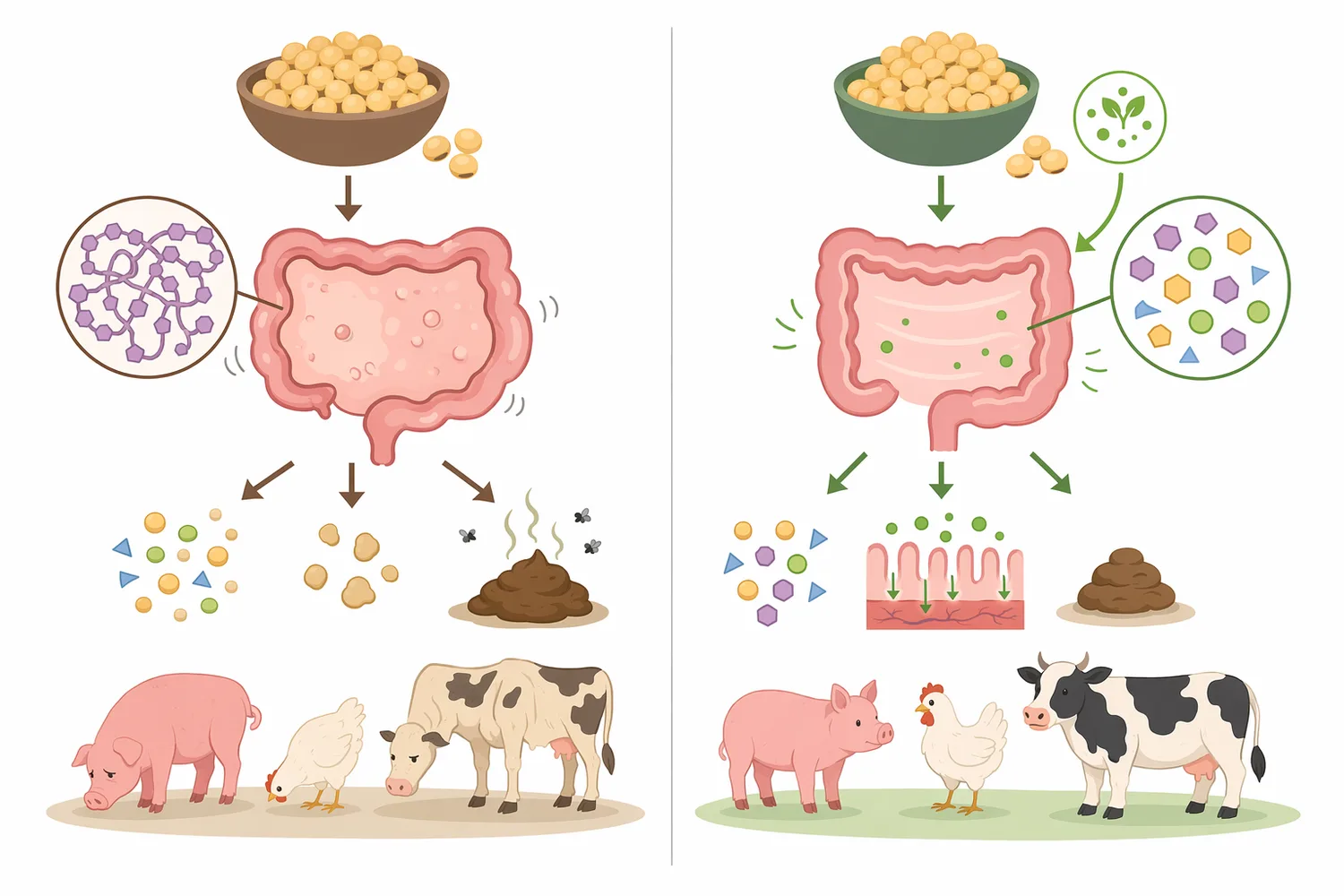
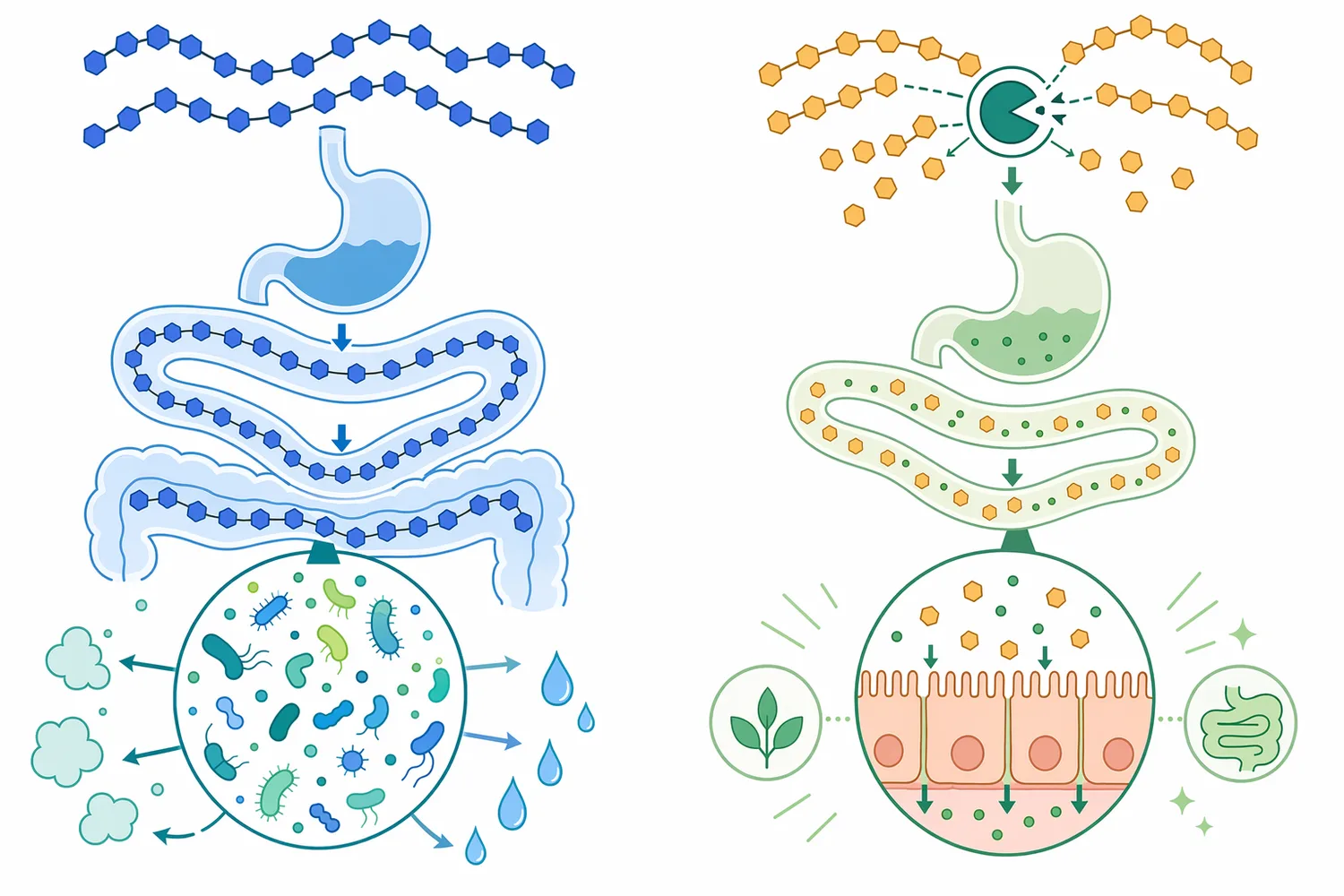
These oligosaccharides are considered anti-nutritional in monogastric diets because the animal’s own digestive enzymes do not efficiently cleave the terminal α-galactose units. When they remain intact, they can draw water osmotically in the gut and move into the lower intestine, where resident microbes ferment them into gases and organic acids; the result can be less predictable nutrient use and more digestive pressure in sensitive feed programs [1].
The enzyme’s function is therefore specific and chemical. It removes terminal α-galactosyl groups from the non-reducing end of the molecule: stachyose can be shortened stepwise toward raffinose, raffinose can be split into sucrose and galactose, and these smaller sugars are more accessible to normal digestive pathways than the original raffinose-family structure [2].
Enzymes.bio positions this product as a feed additive biological enzyme preparation for plant-based feed systems, especially those using soybean meal and other vegetable meals where soy anti-nutritional factors are relevant. The product is supplied as a 1 kg online purchase for business use, making it straightforward for customers who already know the application context and want to order directly without a quotation process .
Soybean meal is widely used because it supplies concentrated protein and amino acids, but its carbohydrate fraction is not nutritionally neutral. Alongside digestible carbohydrates, soy contains soluble non-starch oligosaccharides such as raffinose and stachyose, which are not efficiently hydrolyzed by poultry and pigs before they reach the hindgut [3].
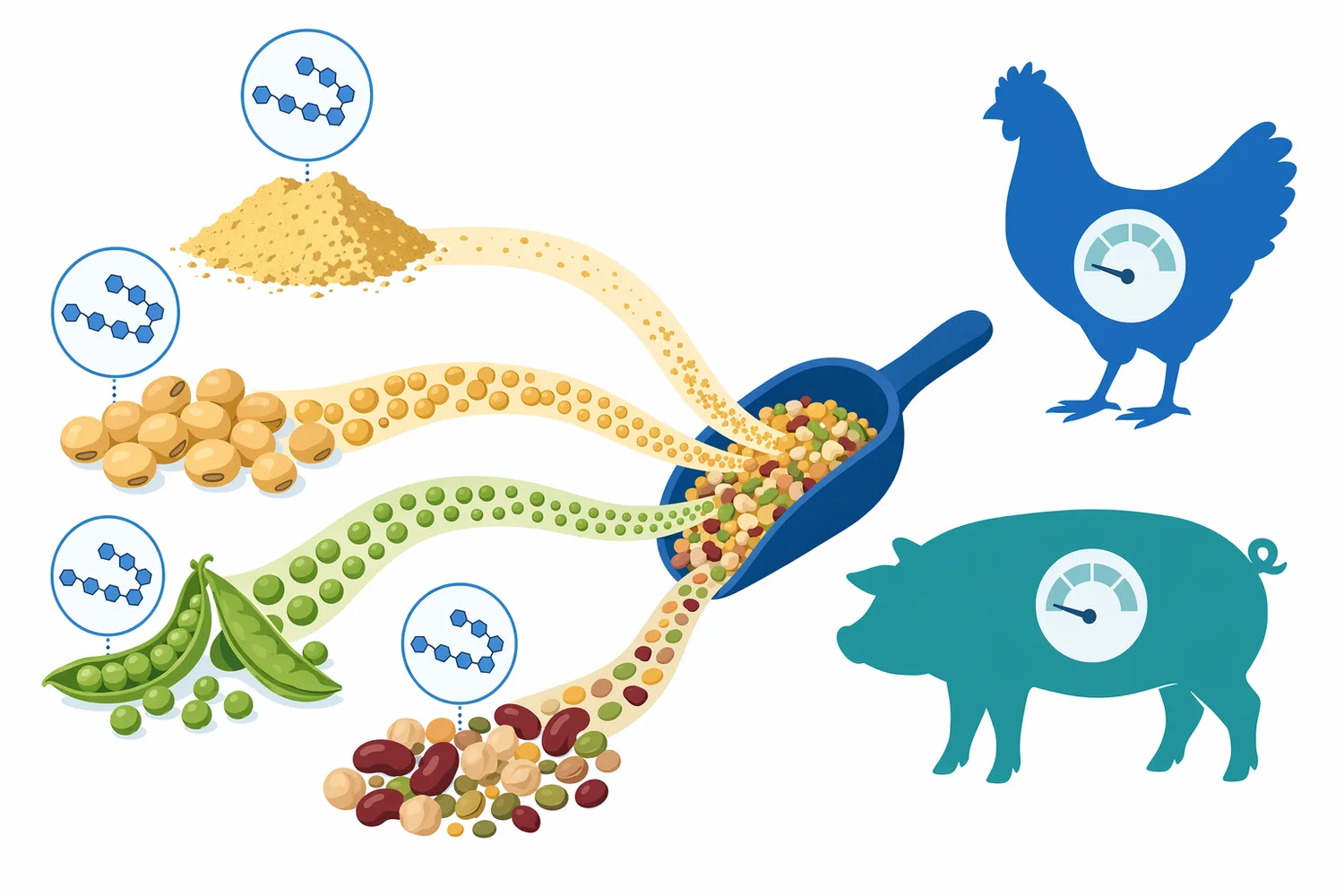
The issue becomes more visible as feed systems use more vegetable proteins, by-product proteins and alternative plant materials. Recent reviews of by-product protein sources emphasize that nutritional value depends not only on crude protein content but also on digestibility, safety and the presence of compounds that can limit nutrient availability or animal performance [4].
A similar point applies to plant raw materials more broadly: their feeding value is shaped by the chemical form of the nutrients, the fiber and carbohydrate fractions, and the way these components behave during digestion. Assessment of plant raw materials for animal feed therefore needs to consider not only headline nutrient values, but also physico-chemical characteristics that influence how animals can use those nutrients [5].
Α-Galactosidase is relevant because it targets a defined limitation in these plant materials. It does not digest protein, release phosphorus from phytate, or break cellulose into glucose; instead, it reduces the α-galactoside fraction that can otherwise behave as a soluble, fermentable anti-nutritional carbohydrate in monogastric animals [3].
Raffinose-family oligosaccharides are built around sucrose with one or more galactose residues attached through α-galactosidic linkages. The animal can digest sucrose once it is available, but the attached galactose groups prevent the intact oligosaccharide from being handled like ordinary dietary sugar in the upper digestive tract [2].
Α-Galactosidase recognizes the terminal α-linked galactose residue and hydrolyzes the glycosidic bond by adding water across that bond. In practical terms, the molecule becomes smaller: a trisaccharide such as raffinose is converted into sucrose plus galactose, while larger members such as stachyose are shortened stepwise before being fully de-galactosylated [2].
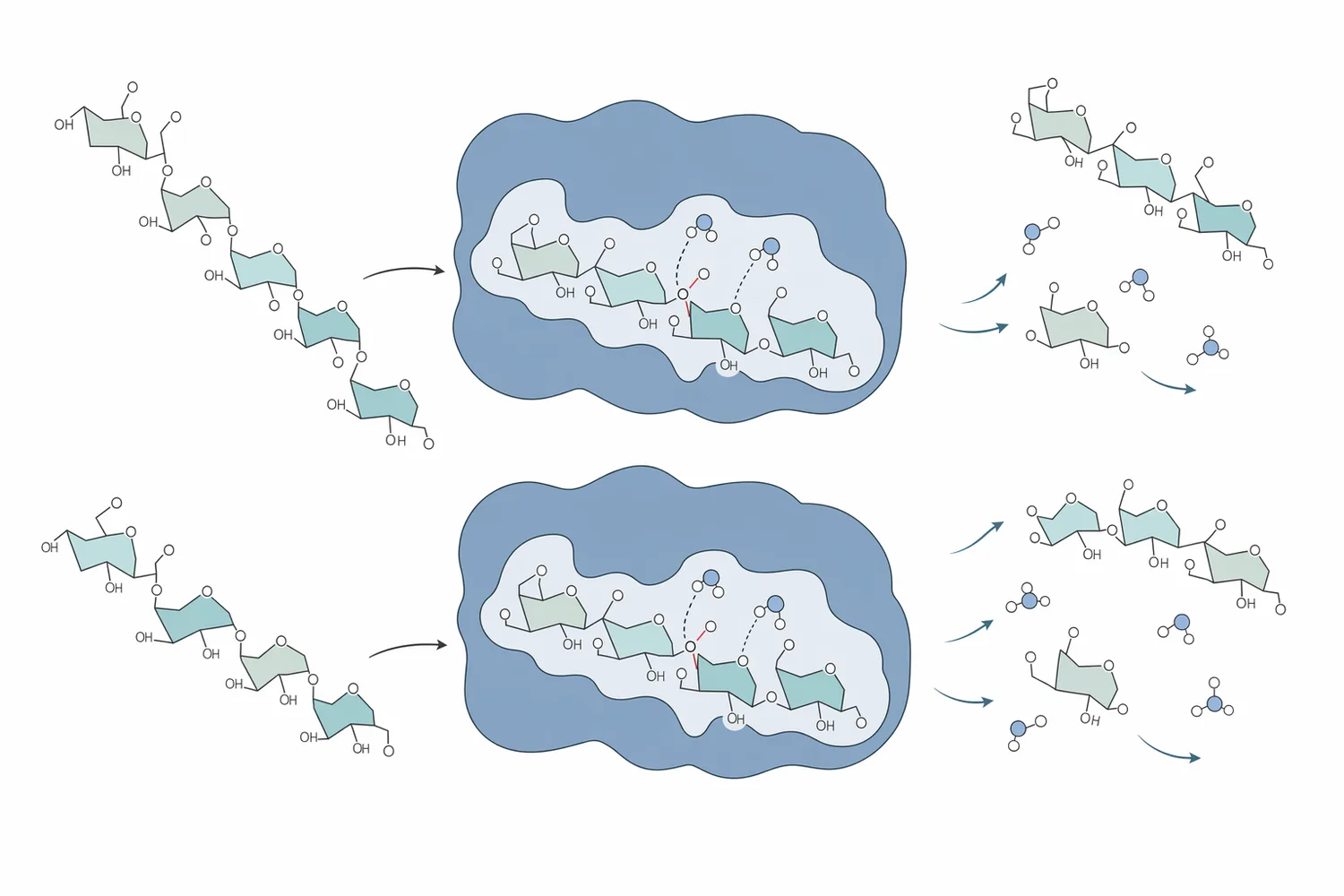
This change matters because molecular size, linkage type and enzyme accessibility determine whether a carbohydrate is digested by the host or fermented later by microbes. Smaller sugars produced by α-galactosidase action are more compatible with normal digestive and absorptive processes, while the original RFOs are more likely to remain intact long enough to become hindgut fermentation substrates [1].
In some plant materials, α-galactose units also occur as side groups on galactomannan-type structures. Removing those side groups can make the carbohydrate structure less obstructive and may make it easier for other carbohydrate-active enzymes or microbial processes to access the remaining backbone, although α-galactosidase itself remains a side-chain-removing enzyme rather than a universal fiber-degrading enzyme [6].
Feed enzymes are often grouped together commercially, but their substrates and expected effects are different. The table below shows where α-galactosidase fits relative to common enzyme categories used in plant-based feed systems.
| Enzyme type | Main substrate targeted | What changes in the feed or gut | Practical relevance |
|---|---|---|---|
| Α-Galactosidase | Raffinose-family oligosaccharides and α-galactosyl side groups | Removes terminal α-galactose units; converts raffinose/stachyose-type sugars into smaller sugars | Reduces α-galactoside anti-nutritional pressure in soy, legumes and plant meals |
| Xylanase | Arabinoxylans and xylan-rich cell wall fractions | Cuts xylan backbones, reducing viscosity and improving access to entrapped nutrients | Often relevant in wheat, rye, corn co-products and mixed cereal diets |
| β-Glucanase | β-glucans in cereal cell walls | Hydrolyzes β-glucan chains that can increase digesta viscosity | Commonly associated with barley, oats and viscous cereal fractions |
| Cellulase | Cellulose and some structural fiber fractions | Breaks β-1,4-glucan chains in cellulose under suitable conditions | More relevant to fiber-rich biomass, forage or processed agricultural residues |
| Protease | Feed proteins | Hydrolyzes peptide bonds, producing smaller peptides and amino acid-accessible fragments | Supports protein digestibility but does not directly remove RFOs |
| Phytase | Phytate-bound phosphorus | Releases phosphorus and reduces phytate’s mineral-binding effects | Targets mineral availability, not α-galactoside carbohydrates |
The distinction is important because evidence for one enzyme class should not be transferred automatically to another. For example, studies of cellulase treatment in agricultural waste-based complete feed silage show that cellulase can improve fermentation and in vitro digestibility characteristics by acting on structural carbohydrate fractions, but that mechanism is different from α-galactosidase cleavage of soluble α-galactosides [7].
Likewise, research on wheat-based fermented liquid feed in grower-finisher pigs evaluates fermentation, nutrient digestibility, gut microbiota, intestinal morphology and barrier function in a system where microbial processing changes the feed matrix before or during consumption. That broader fermentation strategy may improve digestibility through multiple pathways, whereas α-galactosidase is a more targeted tool for specific α-galactose-containing substrates [8].
Broiler studies provide direct evidence that dietary α-galactosidase can be evaluated against practical performance and digestive endpoints. Amer and co-workers studied dietary supplementation of α-galactosidase in broiler chickens and assessed growth performance, ileal digestibility, intestinal morphology and biochemical parameters, which are the types of outcomes that matter when a feed enzyme is expected to change nutrient use rather than simply alter a lab substrate [1].
More recent work has also investigated α-galactosidase in combination with xylanase for corn-soybean-rapeseed meal diets in broiler chickens. The title and study focus are significant because they place α-galactosidase in the exact context where it is most biologically plausible: plant-protein diets containing soybean and rapeseed meal, where carbohydrate anti-nutritional factors and cell wall components can both influence nutritional value [3].
The poultry evidence should be interpreted with appropriate boundaries. A positive enzyme response is most likely when the diet contains enough accessible α-galactoside substrate for the enzyme to act on, while diets with lower RFO contribution may show smaller or less consistent effects because the targeted anti-nutritional factor is less limiting [3].
Regulatory and safety-oriented evaluations have also considered α-galactosidase-containing feed additives for chickens for fattening. The EFSA scientific opinion on Biogalactosidase BL assessed a preparation containing α-galactosidase and beta-glucanase for safety and efficacy in chickens for fattening, reflecting the established interest in this enzyme class for poultry feed use [6].
In pigs, the same core mechanism applies: soy and legume oligosaccharides that are not hydrolyzed in the upper gut may continue to the lower intestine and become microbial substrates. While microbial fermentation is not inherently negative, uncontrolled delivery of highly fermentable soluble oligosaccharides can contribute to variable digesta conditions and less predictable feed efficiency in plant-heavy diets [8].
Swine feed research increasingly evaluates feed processing, fermentation and enzyme strategies together because pig gut health depends on nutrient flow, microbial ecology and intestinal barrier function. Work on fermented liquid feed in grower-finisher pigs illustrates how modifying the feed matrix can affect nutrient digestibility, gut microbiota, intestinal morphology and barrier function, which are also the biological areas indirectly influenced when indigestible carbohydrates are reduced [8].
Α-Galactosidase is not a substitute for fermentation or full feed processing, but it can fit the same nutritional logic: reduce compounds that the host does not digest well before they shift digestion toward less controlled microbial breakdown. In soy-rich pig diets, the enzyme’s most defensible role is reducing the raffinose-family fraction rather than making broad claims about all fiber or all protein digestibility [1].
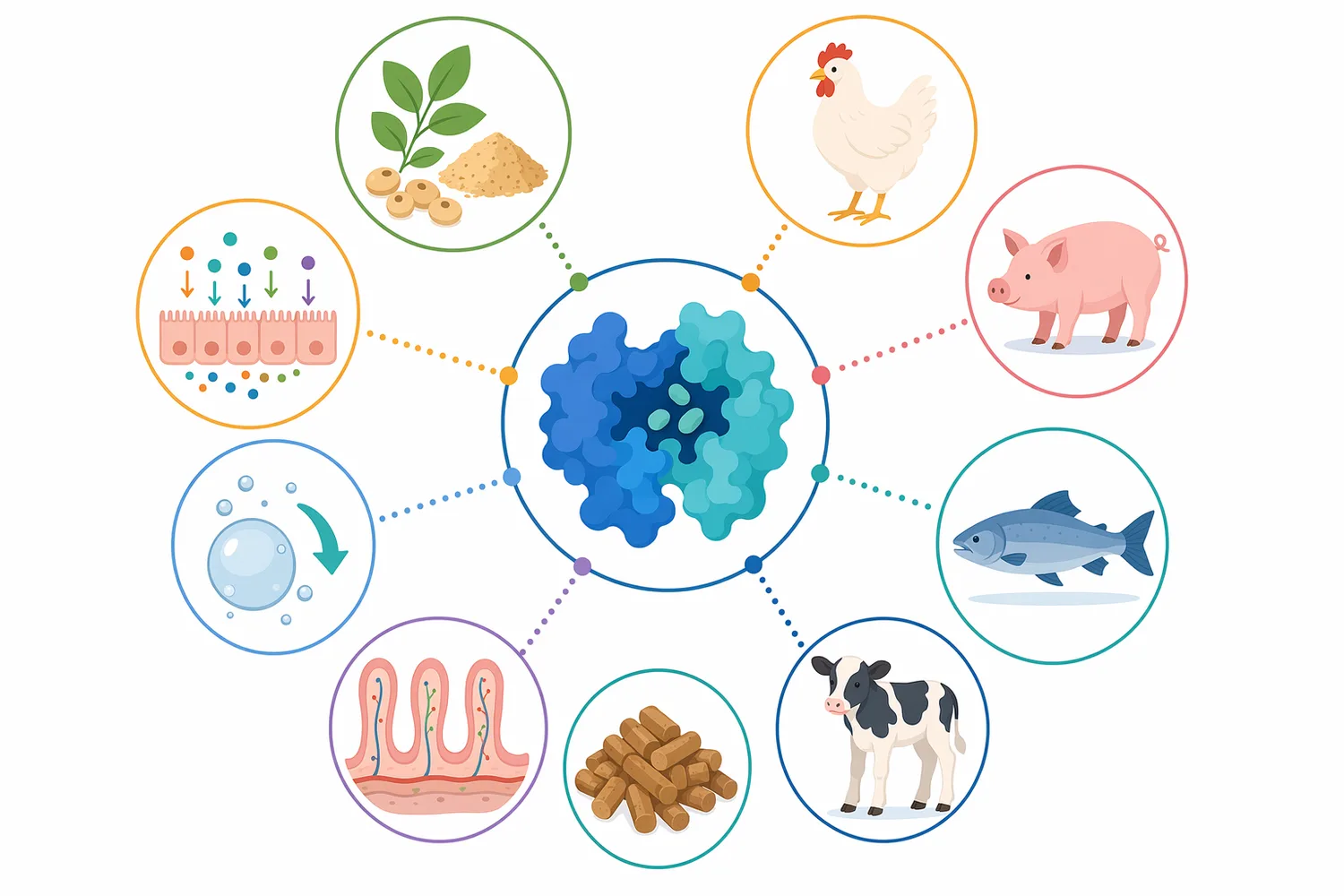
Aquafeed has moved steadily toward more plant protein inclusion, but fish and shrimp species differ widely in digestive physiology and tolerance of plant anti-nutritional factors. Reviews of feed additives in aquaculture note that additives can bring benefits, but also require responsible use and regulatory oversight because responses depend on species, diet composition and production context [9].
In plant-containing aquafeeds, α-galactosidase is relevant where soybean meal, legume proteins or other α-galactoside-containing ingredients are part of the formulation. The mechanism remains the same as in terrestrial monogastrics: hydrolyze α-galactosidic bonds before intact RFOs contribute to osmotic effects or microbial fermentation pressure .
This is particularly relevant as alternative feed proteins diversify. Reviews of microalgae, duckweed and other sustainable protein sources emphasize their potential for food and feed, but also show that novel ingredients must be understood in terms of nutritional composition, functional properties and digestibility—not simply crude protein replacement value [10].
The clearest substrate-level evidence for α-galactosidase comes from soy and legume processing, where the enzyme can be placed in direct contact with hydrated substrates and the reduction of oligosaccharides can be measured. Work on enzymatic removal of oligosaccharides from soymilk by α-galactosidase specifically addresses the reduction of raffinose-family sugars in a soy matrix [2].
This matters for feed because soybean meal and soy-derived ingredients are among the most common sources of raffinose and stachyose in monogastric diets. Although soymilk processing is not the same as pelleted feed manufacture, it confirms the basic chemistry: when α-galactosidase reaches its substrate under suitable conditions, it can hydrolyze the oligosaccharides responsible for the anti-nutritional effect [2].
The same principle extends to other legumes and plant proteins. Reviews of plant-based proteins highlight that extraction, processing and molecular interactions influence functional and nutritional properties, which is why enzyme treatment can be useful when a specific carbohydrate structure limits digestibility or product performance [11].
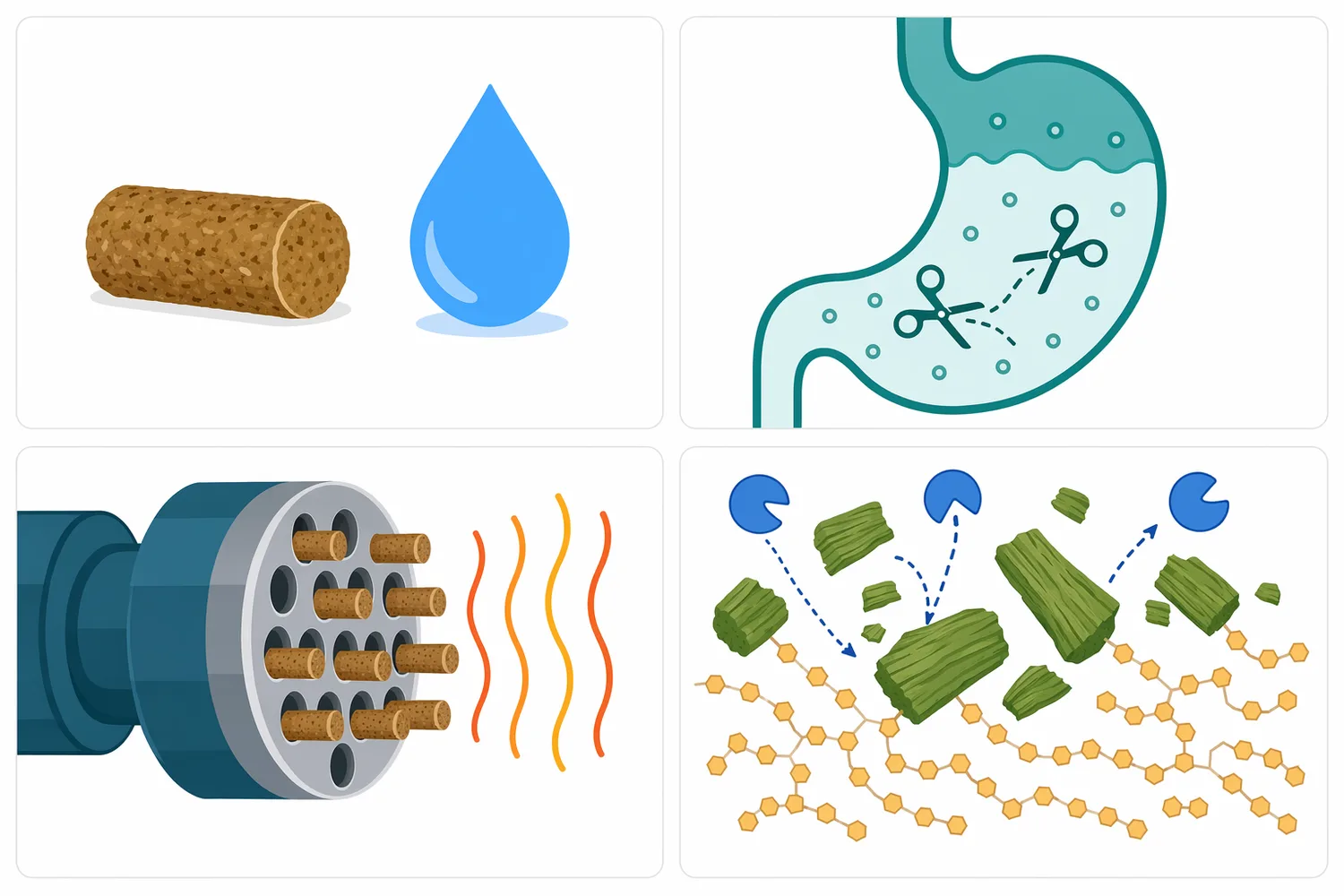
Enzyme action requires contact between enzyme, water and substrate. In dry feed, most hydrolysis is expected after the enzyme encounters moisture during feed preparation or digestion; in soaked, fermented or liquid systems, there may be more opportunity for pre-ingestion contact with soluble oligosaccharides [8].
The digestive environment also matters. Feed enzymes used in monogastric animals may encounter acidic gastric conditions and digestive proteases before reaching intestinal regions, so practical performance depends on whether sufficient functional enzyme remains available at the point where the α-galactoside substrate is accessible [6].
Processing temperature is another practical boundary. Many feed systems include heat exposure during conditioning, pelleting or extrusion, and excessive heat can reduce the functional activity of protein-based enzymes; this is a general enzyme limitation rather than a unique weakness of α-galactosidase [12].
The feed matrix itself can also limit or enhance enzyme access. In finely processed, hydrated soy materials, soluble RFOs may be more accessible, while in coarse or highly structured plant materials, substrate accessibility may depend on grinding, moisture distribution, residence time and the presence of other cell-wall components [11].
Α-Galactosidase has been the subject of safety assessment in feed additive contexts, including assessments of enzyme preparations containing α-galactosidase and endo-1,4-beta-glucanase. Such evaluations are relevant because feed enzymes are biologically active proteins and must be considered in terms of target animal safety, user safety and intended use context [12].
The EFSA scientific opinion on Biogalactosidase BL similarly evaluated a feed additive containing α-galactosidase and beta-glucanase for chickens for fattening. While each commercial product and jurisdiction has its own regulatory status, the existence of formal assessments supports the broader recognition of α-galactosidase-containing preparations as feed enzyme tools rather than experimental curiosities [6].
For the Enzymes.bio product, the supplied documentation accompanying the order supports routine business handling and internal quality records. Customers purchasing online receive the product by the 1 kg unit, and a Certificate of Analysis and Safety Data Sheet are included with the shipment .
The strongest benefit case for α-galactosidase is improved handling of soy and legume oligosaccharides. By converting raffinose-family oligosaccharides into smaller sugars, the enzyme can reduce a specific anti-nutritional carbohydrate burden and support more efficient use of plant-based feed materials [3].
A second practical benefit is digestive consistency. When less intact raffinose and stachyose reach the hindgut, there is less substrate available for rapid microbial fermentation of those compounds, which can help reduce the feed-related pressure associated with gas formation, osmotic water movement and variable manure characteristics [1].
A third benefit is formulation flexibility around vegetable proteins. As alternative and by-product protein sources become more important, nutrition programs increasingly need tools that address digestibility limitations rather than only crude nutrient levels; α-galactosidase fits this trend where the limiting factor is α-galactoside carbohydrate content [4].
The boundary is equally important: α-galactosidase will not solve every digestibility challenge in a feed. It does not digest lignin, does not release phytate phosphorus, does not replace amino acids, and does not eliminate the need to manage fiber, protein quality, mineral balance and processing conditions [7].
This is why combined enzyme strategies sometimes appear in research. For example, α-galactosidase with xylanase has been studied in corn-soybean-rapeseed meal broiler diets, reflecting the fact that mixed plant diets contain multiple substrate classes—RFOs, arabinoxylans, proteins, phytate and structural fiber—rather than one single anti-nutritional factor [3].
Feed production is increasingly focused on using plant proteins, agricultural co-products and alternative biomass more effectively. Studies on agricultural waste-based complete feed silage, sugarcane tops, citronella waste and forage legume fermentation all point in the same direction: biological treatments can improve feed value when they act on the specific structural or chemical barriers present in the material [13].
Α-Galactosidase belongs to that broader biological-processing toolkit, but with a narrower substrate target than cellulase, lignin-degrading fungi or full fermentation systems. Its role is best understood as precision reduction of α-galactoside anti-nutritional factors in plant-rich feeds, not as total biomass degradation [14].
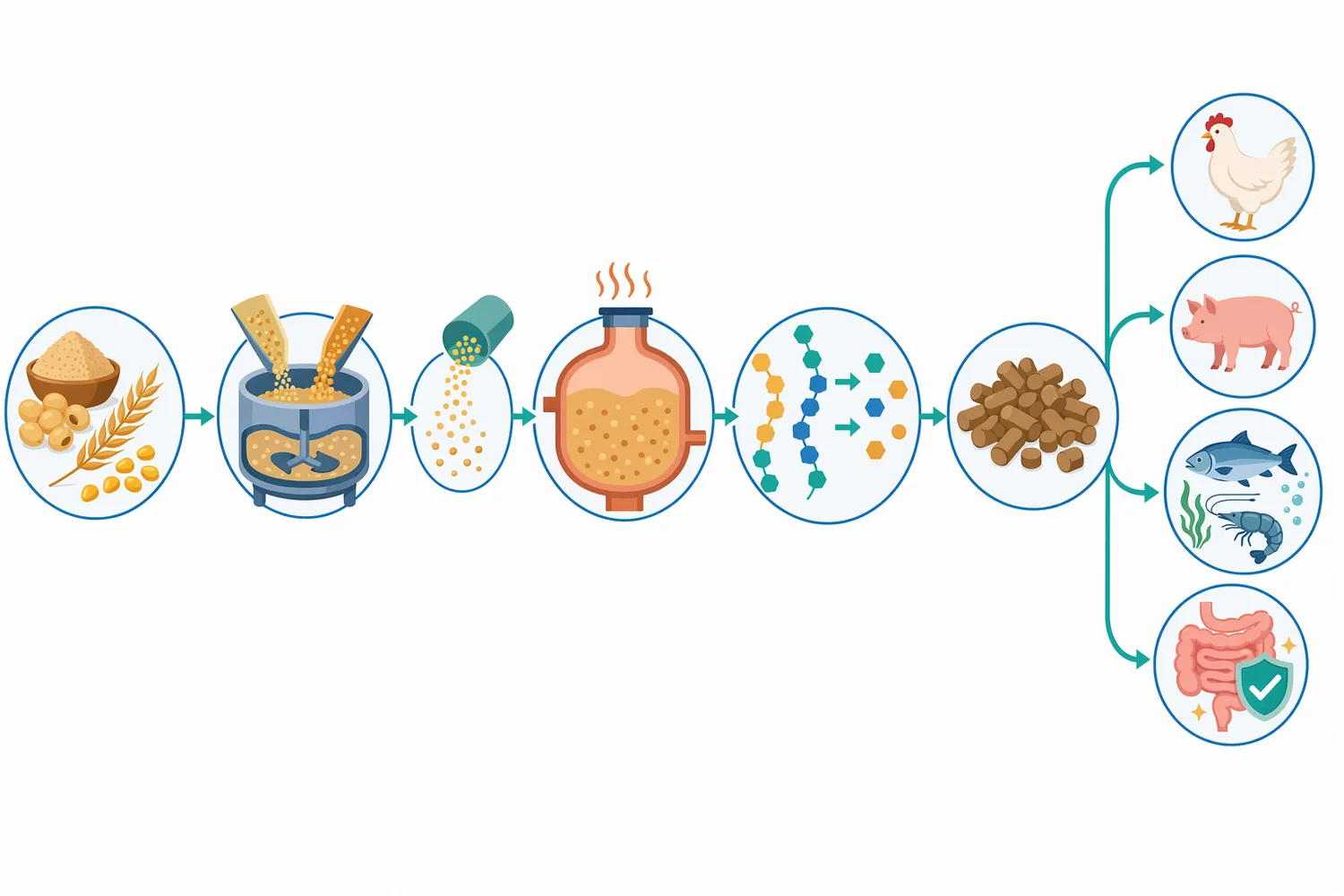
This precision can be valuable because modern feed systems often combine several ingredient streams. A diet may contain soybean meal for amino acids, cereal grains for energy, co-products for cost efficiency and specialty additives for gut support; α-galactosidase contributes when the soy or legume fraction brings raffinose-family oligosaccharides that the animal does not handle efficiently [5].
Enzymes.bio supplies Α-Galactosidase Feed Additive Biological Enzyme Preparation as an online 1 kg product. The purchasing process is direct: the buyer places the order online, pays online, and the order is then processed and shipped with the accompanying Certificate of Analysis and Safety Data Sheet .

The product page presents the enzyme preparation for feed additive use, particularly where soy anti-nutritional factors such as raffinose are relevant in poultry, swine and other plant-based feed applications. This makes it suitable for customers who are looking for a defined α-galactosidase preparation rather than a broad, multi-purpose digestive additive .
Because the enzyme is sold as a direct online product, the best use case is a buyer who already understands the intended feed or processing application and wants to purchase the 1 kg unit for that purpose. The scientific basis is clear: α-galactosidase hydrolyzes α-galactosidic bonds in raffinose-family oligosaccharides, helping reduce a known anti-nutritional carbohydrate fraction in soy and legume-containing feeds [2].
Α-Galactosidase Feed Additive Biological Enzyme Preparation is a targeted enzyme tool for feed systems that contain soybean meal, legumes or other α-galactoside-containing plant ingredients. Its practical role is to hydrolyze raffinose-family oligosaccharides into smaller sugars, reducing the amount of intact anti-nutritional carbohydrate passing into the hindgut [1].
The evidence base is strongest at the mechanism and substrate level, with additional animal-feed studies supporting its relevance in broiler diets and plant-based formulations. Results in any feed system depend on the amount of accessible α-galactoside substrate, the feed matrix, processing exposure and digestive conditions, so the enzyme is best viewed as a specific support for plant ingredient utilization rather than a universal performance additive [3].
For customers ready to use this enzyme category, Enzymes.bio offers the product directly online in 1 kg units, with order processing and shipping after payment and documentation included with the shipment. In the right plant-rich feed context, α-galactosidase offers a clear, substrate-specific way to reduce soy and legume oligosaccharide anti-nutritional factors .
Sold by the 1 kg unit, in stock and ready to ship. Order directly on our store — pay online and we process your order. A Certificate of Analysis and Safety Data Sheet are included with every order.
Buy Α-Galactosidase Feed Additive Biological Enzyme Preparation →Numbered in order of first citation. Open-access sources, each verified reachable at publication; citation numbers in the text link here.