
Glucose oxidase enzyme for animal feed additives is used to support gut environment, microbial balance, antioxidant status, and resilience during dietary or intestinal stress. It works by converting glucose and oxygen into gluconic acid and hydrogen peroxide, so the practical effect is a combination of oxygen reduction, organic-acid formation, and controlled antimicrobial pressure in the gastrointestinal tract [1]. Evidence is strongest in broiler and piglet challenge models, where glucose oxidase has been associated with improved intestinal health markers, antioxidant responses, and performance stability under stress [2].
Enzymes.bio supplies Glucose Oxidase Enzyme for Animal Feed Additives for direct online purchase by the 1 kg unit. The buyer pays online, the order is processed and shipped, and a Certificate of Analysis and Safety Data Sheet come with the order.
Glucose oxidase, often abbreviated as GOx or GOD, is an oxidoreductase enzyme that acts specifically on β-D-glucose in the presence of molecular oxygen. The core reaction is simple: glucose is oxidized, oxygen is reduced, and the reaction produces gluconolactone, which hydrolyzes to gluconic acid, along with hydrogen peroxide [3].
β-D-glucose + oxygen → gluconic acid + hydrogen peroxide
That reaction explains why glucose oxidase has attracted attention in animal nutrition. It is not a digestive enzyme in the same sense as phytase, xylanase, protease, or amylase; it does not primarily release phosphorus, break down arabinoxylans, hydrolyze protein, or digest starch. Its value comes from changing the local gut environment: it consumes oxygen, generates an organic acid, and forms hydrogen peroxide at the site where glucose and oxygen are available [1].
In feed-additive terms, glucose oxidase is best understood as a gut-environment support enzyme. The enzyme’s reaction can contribute to lower oxygen availability, local acidification, and microbial pressure against organisms sensitive to oxidative conditions or acid stress. These effects are especially relevant in young animals, animals under intestinal challenge, and animals consuming diets exposed to mold or other stress factors [4].
Glucose oxidase has also been studied beyond animal nutrition, including food preservation, biosensing, and industrial production of gluconic acid. That wider industrial use is important because the enzyme’s chemistry is well established: the same glucose-to-gluconic-acid pathway that supports food and industrial applications is the biochemical basis for its feed-additive role [3].
The first practical effect of glucose oxidase is oxygen removal. The enzyme uses oxygen as an electron acceptor while oxidizing glucose, so the reaction can reduce oxygen availability in the immediate environment where it is active [1].
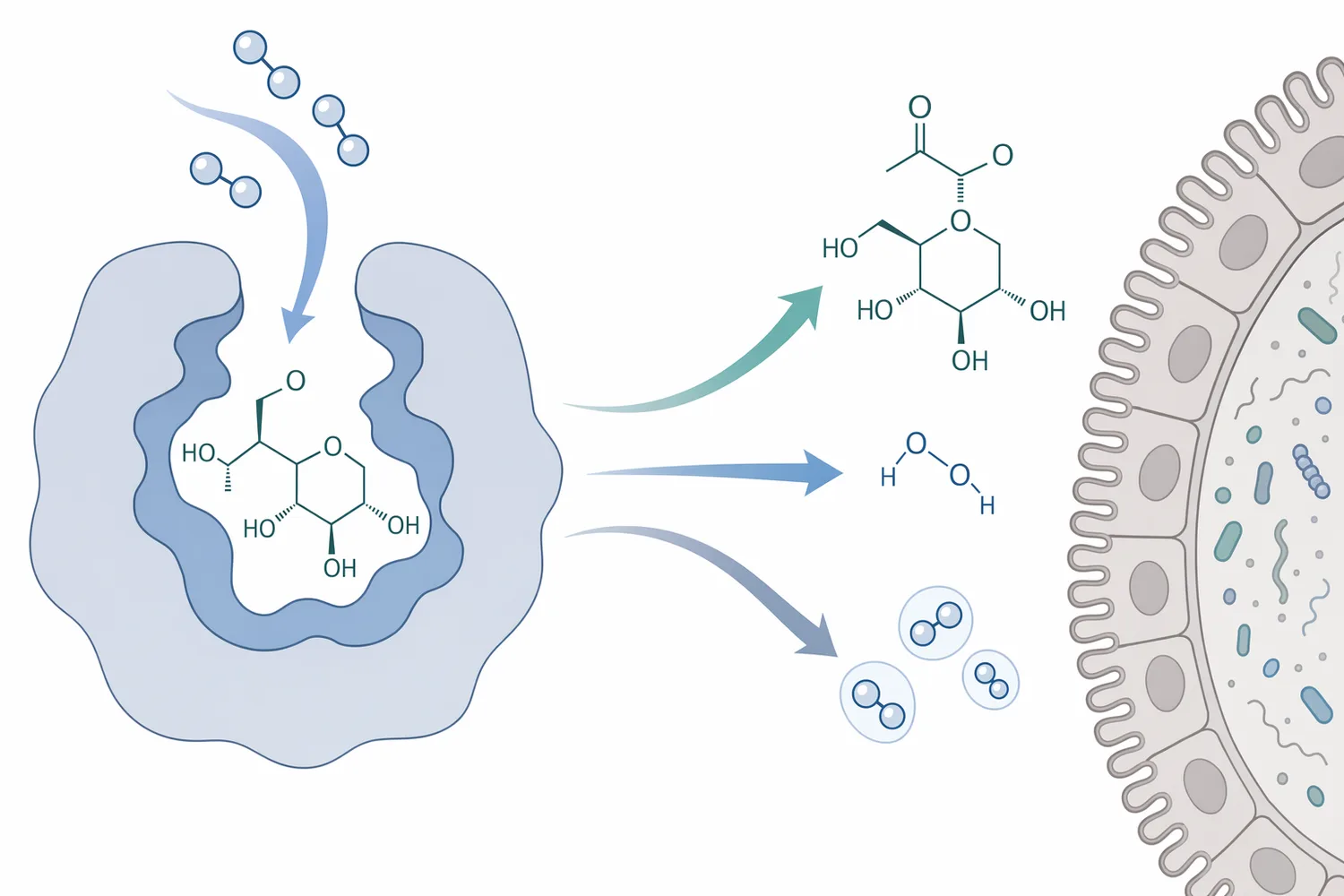
This matters because intestinal microbial communities respond strongly to oxygen tension. Many beneficial gut bacteria are adapted to low-oxygen or anaerobic conditions, while oxygen leakage and oxidative stress can favor different microbial patterns. By consuming oxygen locally, glucose oxidase may help push the gut environment toward conditions that are less favorable for certain aerobic or facultative opportunists and more compatible with anaerobic fermentation patterns [4].
This oxygen effect should not be exaggerated into a claim that the enzyme “sterilizes” the gut. The intestinal tract is dynamic, feed moves continuously, and oxygen gradients vary along the tract. The more responsible interpretation is that glucose oxidase can contribute to microenvironmental pressure that supports microbial stability when included as part of a complete feeding program [2].
The second effect is gluconic acid production. After glucose oxidase forms gluconolactone, it converts to gluconic acid in aqueous conditions. Gluconic acid is an organic acid, and organic acids are widely used in animal nutrition because they can influence pH, microbial ecology, and gut function [3].
The practical significance is that glucose oxidase does not simply add an acid from outside; it generates acid enzymatically from available glucose. Where glucose and oxygen are present, the enzyme can form gluconic acid in situ. This gives glucose oxidase a different functional profile from direct acidifiers, because the acidifying effect is tied to substrate availability and enzymatic activity rather than only to the amount of acid mixed into the feed [1].
Gluconic acid may also influence microbial fermentation patterns. In the lower gut, organic acids and fermentation products interact with microbial populations and epithelial metabolism. Published reviews describe glucose oxidase as relevant to gut function partly because of its ability to produce gluconic acid while also influencing oxygen and redox conditions [4].
The third effect is hydrogen peroxide generation. Hydrogen peroxide is a reactive oxygen compound with recognized antimicrobial relevance, especially where microbes lack sufficient peroxide-detoxifying capacity. In the glucose oxidase reaction, hydrogen peroxide is produced together with gluconic acid, so the enzyme creates both acid and oxidative pressure [1].
This is one reason glucose oxidase is discussed as an alternative or supporting tool in antibiotic-reduction nutrition strategies. The enzyme does not act like an antibiotic drug, and it should not be positioned as one. Instead, it modifies local chemistry in ways that can make the gut environment less favorable for some undesirable organisms while supporting broader intestinal balance [5].
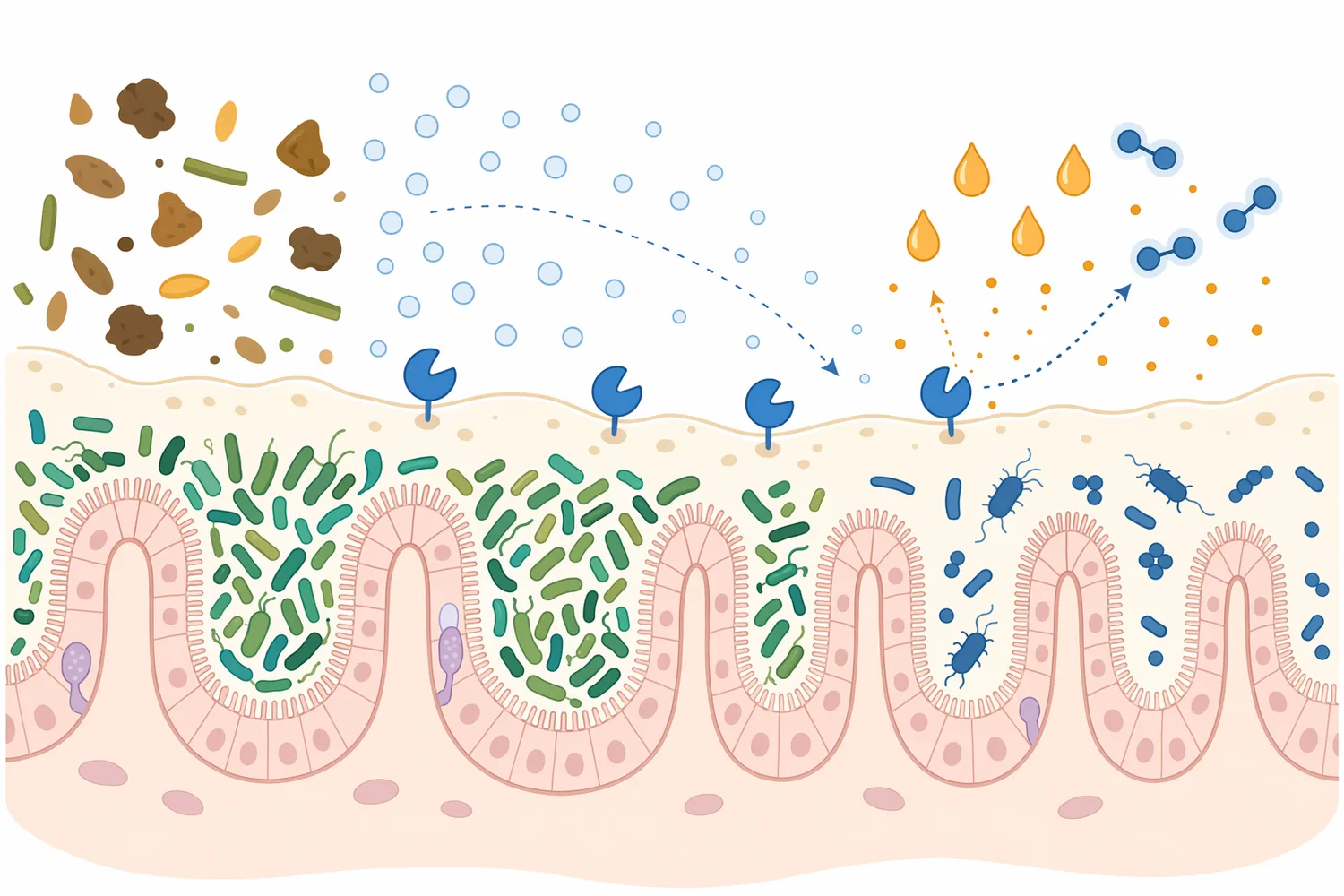
Hydrogen peroxide also needs careful interpretation. In uncontrolled excess, reactive oxygen species can contribute to oxidative stress; however, biological systems also use redox signaling to regulate antioxidant and immune responses. The feed research interest in glucose oxidase comes from this balance: enough reaction effect to influence microbes and signaling, without framing the enzyme as a harsh disinfectant inside the animal [4].
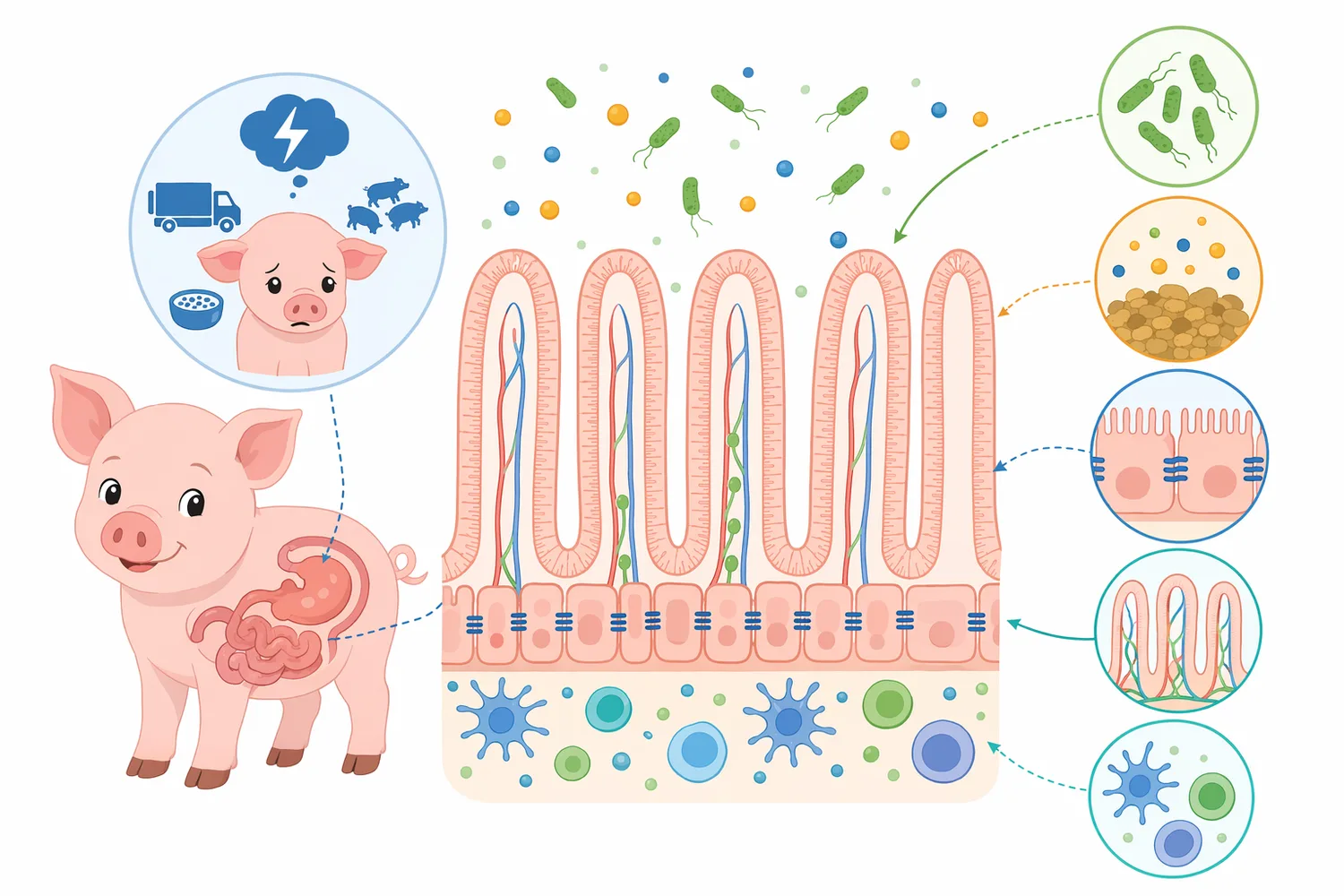
The most relevant published animal studies suggest that glucose oxidase effects are clearest under stress. In challenge conditions, animals often show oxidative imbalance, inflammation, reduced villus integrity, altered permeability, and disturbed microbiota. Glucose oxidase has been associated with improved antioxidant markers and intestinal barrier outcomes in such models [6].
Mechanistically, the likely sequence is not a single isolated pathway. Glucose oxidase changes oxygen, acid, and peroxide conditions; these changes affect microbial ecology and local redox status; the animal’s intestinal tissue then responds through antioxidant enzymes, tight-junction proteins, immune mediators, and epithelial repair processes. That is why studies often measure multiple endpoints rather than only weight gain [2].
Glucose oxidase is often discussed alongside organic acids, probiotics, prebiotics, yeast products, essential oils, and mycotoxin-control tools. Those categories can overlap in their goals, but they do not work in the same way. The following comparison is useful for understanding where glucose oxidase fits in a feed program.
| Additive type | Main functional action | What changes in the gut or feed system | How it differs from glucose oxidase |
|---|---|---|---|
| Glucose oxidase | Enzymatic oxidation of glucose using oxygen | Produces gluconic acid and hydrogen peroxide; consumes oxygen; influences redox and microbial pressure | Reaction-driven effect depends on glucose and oxygen availability [1] |
| Direct organic acids | Acid supplied directly in feed or water | Lowers pH and suppresses acid-sensitive microbes | Does not enzymatically consume oxygen or generate hydrogen peroxide |
| Probiotics | Delivers beneficial live microorganisms | Competes with undesirable microbes; may support immune and barrier function | Adds organisms rather than catalyzing a chemical reaction [5] |
| Prebiotics | Provides fermentable substrates for beneficial microbes | Encourages selective microbial fermentation and short-chain fatty acid production | Feeds microbes rather than directly converting glucose and oxygen [5] |
| Mycotoxin binders or control tools | Reduce exposure or impact of specific contaminants | Bind, transform, or mitigate some toxin effects depending on technology | Glucose oxidase is better described as stress-mitigation support, not a universal mycotoxin destroyer [6] |
This distinction is important for realistic expectations. Glucose oxidase is not a replacement for feed hygiene, grain storage control, mycotoxin testing, veterinary oversight, or balanced diet formulation. Its role is to support the intestinal environment and animal resilience, particularly where stressors disturb normal gut function [7].
Broiler studies provide some of the clearest evidence for glucose oxidase in animal feed. Published work has examined glucose oxidase in birds receiving basal diets and in birds exposed to moldy corn or mycotoxin-associated stress. Those test designs are useful because they separate “normal condition” effects from “challenge condition” effects [6].
In moldy-corn challenge work, broilers were assigned to dietary treatments that included a basal diet, a moldy-corn diet, a basal diet with glucose oxidase, and a moldy-corn diet with glucose oxidase. This four-way structure allowed researchers to evaluate whether the enzyme had different effects in healthy versus stressed feeding conditions [8].
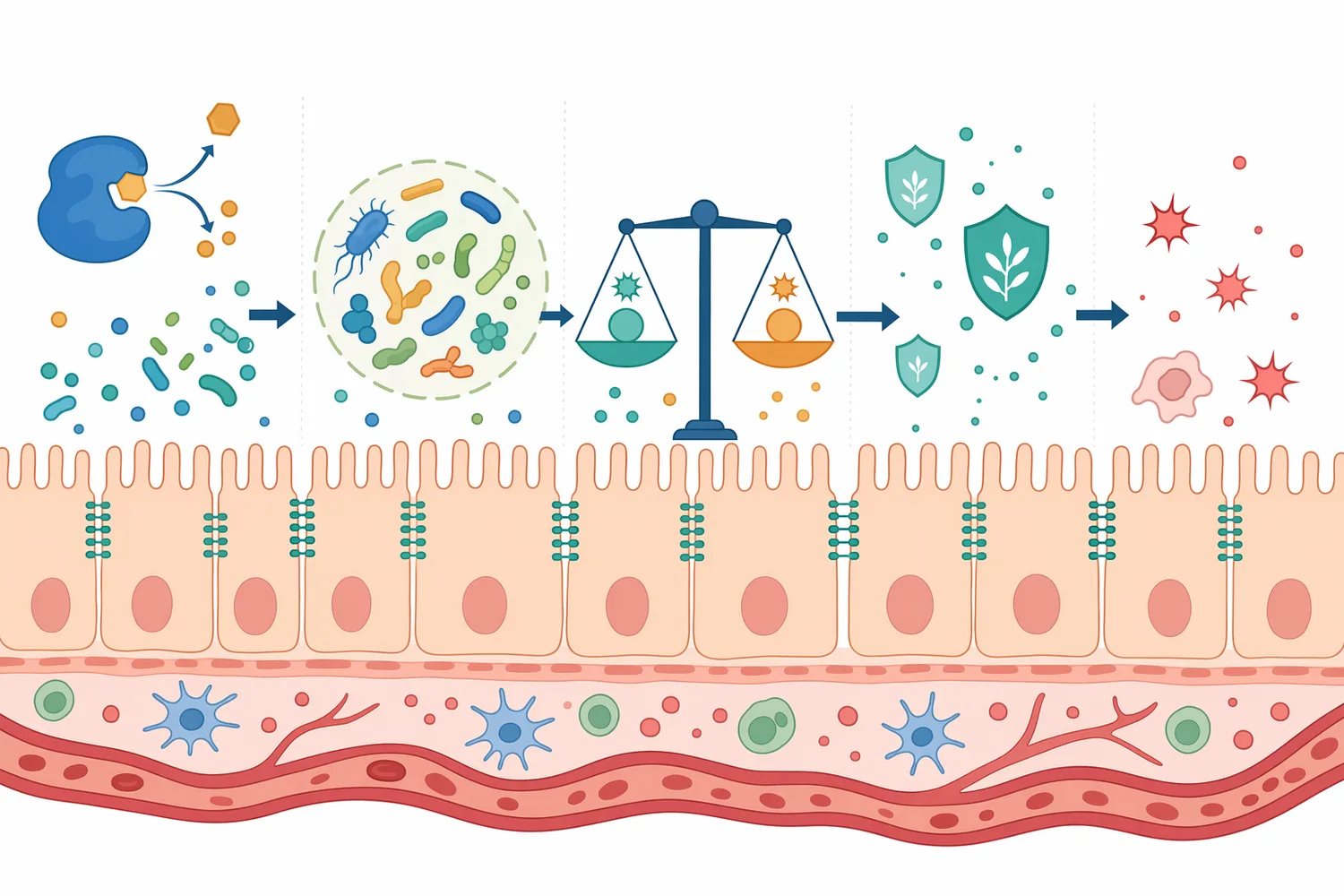
The practical finding was that glucose oxidase was most meaningful under challenge. In birds exposed to moldy corn, supplementation was associated with protection against adverse effects on growth performance, antioxidant activity, inflammatory response, intestinal function, and microbiota composition. In birds on uncontaminated basal diets, some effects were less pronounced, which supports a responsible positioning of glucose oxidase as a resilience-support additive rather than a guaranteed performance enhancer in every situation [6].
The intestinal-barrier findings are especially relevant for feed applications. Challenge conditions can damage villi, increase intestinal permeability, reduce nutrient absorption efficiency, and stimulate inflammatory signaling. Glucose oxidase supplementation in challenged broilers has been associated with better villous structure, improved tight-junction-related markers, and reduced intestinal disruption [8].
This barrier effect is practically important because the intestine is not only a digestive surface. It is also an immune interface. When tight junctions weaken, luminal antigens, toxins, and microbial products can interact more aggressively with immune tissue, increasing inflammation and diverting nutrients away from growth. Supporting villus integrity and tight-junction expression is therefore directly connected to performance stability [6].
Glucose oxidase has also been linked with changes in antioxidant status in broilers under moldy-feed stress. Challenge diets can increase reactive oxygen burden, and animals respond through systems such as superoxide dismutase, glutathione peroxidase, catalase, and related antioxidant pathways. Reports of improved antioxidant markers suggest that glucose oxidase may help animals maintain redox balance when feed quality stress would otherwise overwhelm normal defenses [4].
The microbiota results should be read carefully. Studies report that glucose oxidase can help stabilize or improve intestinal microbial composition under challenge, but the gut microbiome is complex and varies by diet, age, housing, pathogen exposure, and sampling site. The most reliable conclusion is that glucose oxidase can contribute to a gut environment that is less disrupted by stress, not that it produces one fixed microbiome profile in all flocks [8].
Piglets are another relevant species because weaning creates a period of digestive, immune, and microbial instability. Feed intake may drop, gut morphology can change, and opportunistic pathogens can become more problematic. For that reason, feed additives that support intestinal barrier function and immune balance are of interest in nursery nutrition [7].
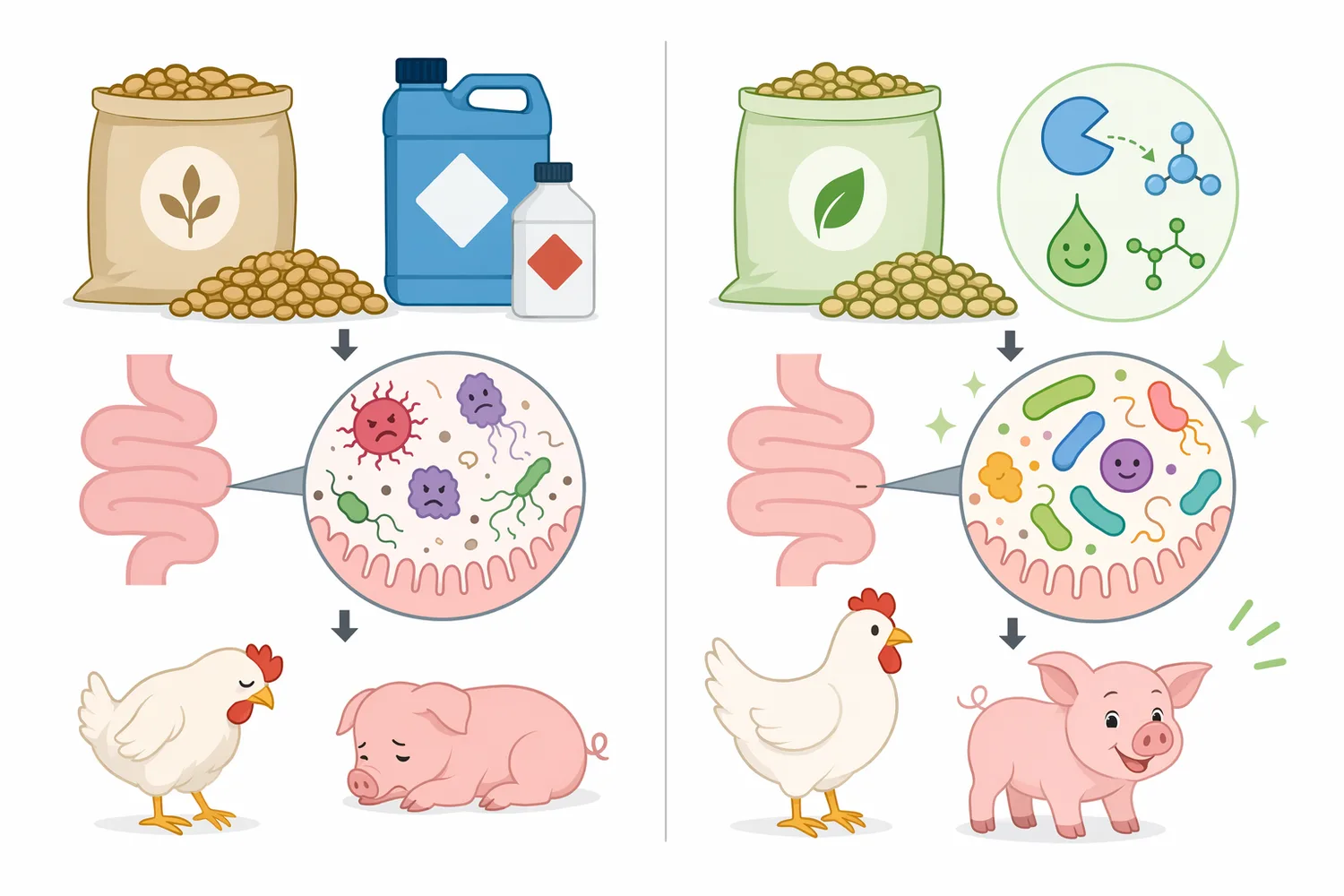
A 2022 study evaluated glucose oxidase in piglets challenged with enterotoxigenic Escherichia coli and examined growth performance, clinical symptoms, serum parameters, and intestinal health. The title and study focus are directly relevant to feed use because enterotoxigenic E. coli challenge is a common model for post-weaning intestinal stress [2].
In this context, glucose oxidase is not being studied as a drug treatment for infection. Its relevance is nutritional support: modifying the intestinal environment, supporting barrier function, and helping the animal maintain better physiological balance during microbial challenge. That distinction matters for responsible use and communication [2].
The piglet evidence also aligns with the broader mechanism observed in broilers. Challenge conditions disturb gut redox status, inflammation, and epithelial function; glucose oxidase acts upstream by changing glucose, oxygen, gluconic acid, and peroxide dynamics. The measured outcomes then appear in performance, clinical signs, serum indicators, and intestinal tissue responses [2].
Animal feed quality is never defined by one ingredient alone. Moisture, storage conditions, microbial load, grain quality, processing, and formulation all influence the final diet. Modern feed systems increasingly use analytical and monitoring technologies to manage quality and safety risks, reflecting the importance of consistency in animal performance [9].
Glucose oxidase fits into this landscape as a functional additive for diets where gut resilience is a priority. It is especially relevant when animals face stress from variable grain quality, microbial pressure, mold exposure, weaning, high-density production, heat or cold stress, or antibiotic-reduction programs. In those cases, the animal’s gut environment is more likely to be unstable, and the enzyme’s environmental effects may have greater practical value [4].
However, glucose oxidase should not be described as a broad mycotoxin-degrading enzyme. The broiler moldy-corn data support mitigation of biological effects from contaminated diets, including intestinal and antioxidant support, but that is different from proving direct destruction of all mycotoxins in feed. Good storage, testing, ingredient control, and appropriate feed-management practices remain essential [6].
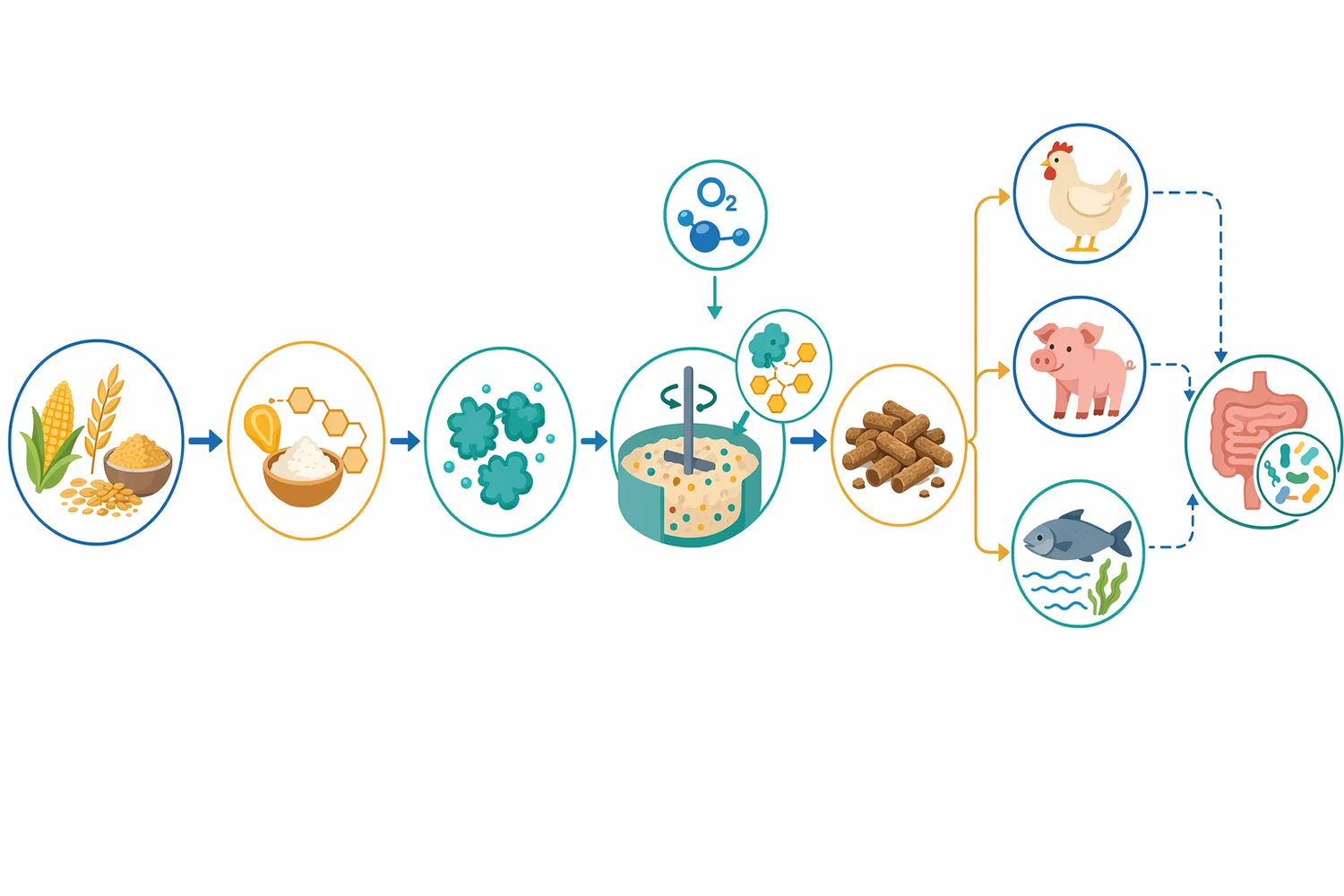
This distinction helps buyers set realistic expectations. Glucose oxidase can be part of a feed strategy that supports animals exposed to stress, but it does not make unsafe feed safe by itself. Its role is to help the animal maintain gut function and physiological balance when conditions challenge normal performance [7].
Many feed enzymes improve performance by releasing nutrients from feed. Phytase releases phosphorus from phytate; xylanase reduces arabinoxylan-related viscosity and can release fermentable fragments; protease improves protein hydrolysis. Glucose oxidase has a different performance pathway: it supports the gut environment in which digestion and absorption occur [1].
That difference explains why performance responses may be condition-dependent. If birds or piglets are already in a low-stress state with high-quality feed and stable intestinal health, the measurable benefit may be modest. If animals are under oxidative, microbial, or feed-quality challenge, the same enzyme can have clearer effects because there is more disruption to correct [6].
In practical terms, glucose oxidase supports performance indirectly through intestinal resilience. A healthier villus surface improves nutrient contact and absorption. Stronger tight junctions help maintain barrier selectivity. Better redox balance reduces the metabolic cost of inflammation. More stable microbial ecology reduces competition for nutrients and lowers the burden of undesirable metabolites [8].
This is why glucose oxidase is commonly positioned as a gut-health additive rather than a simple growth stimulant. The growth response, when observed, is a downstream outcome of improved intestinal conditions, not the enzyme’s immediate biochemical action [4].
Animal nutrition has moved steadily toward systems that reduce routine reliance on antibiotic growth promoters. This shift has increased interest in additive categories that support gut stability, including probiotics, prebiotics, organic acids, enzymes, phytogenics, and postbiotics [5].
Glucose oxidase belongs in this broader non-antibiotic toolbox because its reaction products are relevant to microbial ecology. Oxygen consumption can alter the environment; gluconic acid can contribute acid pressure; hydrogen peroxide can create oxidative antimicrobial pressure. Together, these effects may help reduce the opportunity for undesirable microbial expansion under certain conditions [1].
It is still important to avoid overclaiming. Glucose oxidase is not a therapeutic antibiotic, not a veterinary medicine, and not a substitute for disease diagnosis or treatment. Its best-supported role is nutritional: supporting gut environment, barrier integrity, antioxidant capacity, and performance resilience [2].
For buyers who already use multi-component gut-health programs, glucose oxidase can complement other approaches because its mechanism is distinct. Probiotics add beneficial organisms, prebiotics feed selected microbes, organic acids acidify directly, and glucose oxidase generates chemical changes enzymatically from glucose and oxygen [5].
Glucose oxidase is a well-known industrial enzyme, commonly associated with fungal and recombinant production systems. Reviews describe its sources, applications, and production approaches across food, biotechnology, and industrial fields, which supports confidence that its enzyme chemistry is well characterized [1].
Recent enzyme-technology literature has also discussed oxidoreductases such as glucose oxidase in the context of heterologous expression and production in yeast systems. That broader technical base matters because feed use depends on stable access to enzyme ingredients that can be incorporated into commercial nutrition programs [10].
For feed buyers, the key practical takeaway is not the production method itself but the functional identity of the enzyme. Glucose oxidase is defined by its ability to catalyze glucose oxidation with oxygen, producing gluconic acid and hydrogen peroxide. That reaction is the foundation for its animal-feed application [3].
The most defensible expectations for glucose oxidase in feed are supportive, not absolute. Based on the available literature, glucose oxidase may help support microbial balance, intestinal barrier integrity, antioxidant defenses, immune balance, and performance stability, particularly under stress or challenge conditions [4].
The evidence is strongest where studies include a defined challenge, such as moldy corn in broilers or enterotoxigenic E. coli in piglets. These are the situations where gut disruption is measurable and where glucose oxidase has more opportunity to show a biological effect [2].
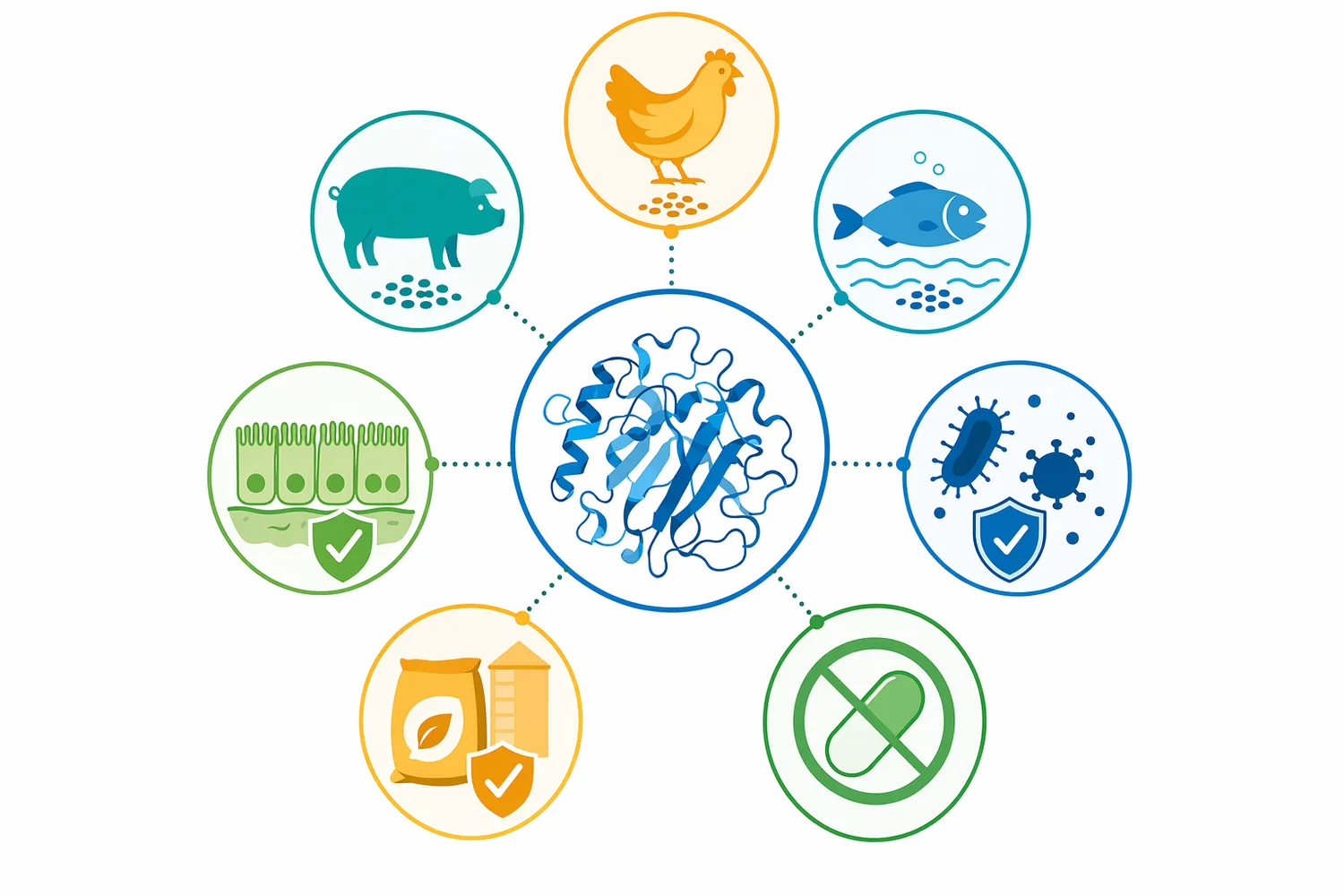
In low-stress conditions, responses may be smaller or less consistent. That is not unusual for gut-health additives; if the animal is already performing well with stable intestinal function, there may be less room for improvement. The practical value of glucose oxidase is therefore tied to resilience, consistency, and support during periods when the gut environment is under pressure [6].
Glucose oxidase should also be presented as one component of sound feeding practice. It does not replace balanced formulation, safe ingredient handling, moisture control, grain-quality management, vaccination, hygiene, or veterinary care. Its role is to support the biological conditions that help animals maintain performance when those other systems are challenged [7].
Enzymes.bio supplies Glucose Oxidase Enzyme for Animal Feed Additives for buyers who want a direct, straightforward online purchase format. The product is sold by the 1 kg unit; payment is completed online, and the order is then processed and shipped.
A Certificate of Analysis and Safety Data Sheet come with the order. This keeps the buying process simple while providing the standard documentation normally needed to receive and handle the product appropriately.
Glucose oxidase is best viewed as a practical feed-enzyme option for supporting gut environment, antioxidant balance, and intestinal resilience. Its value comes from a clear biochemical mechanism—glucose and oxygen conversion into gluconic acid and hydrogen peroxide—and from animal studies showing the greatest relevance under microbial, oxidative, and feed-quality stress conditions [1].
Sold by the 1 kg unit, in stock and ready to ship. Order directly on our store — pay online and we process your order. A Certificate of Analysis and Safety Data Sheet are included with every order.
Buy Glucose Oxidase Enzyme For Animal Feed Additives →Numbered in order of first citation. Open-access sources, each verified reachable at publication; citation numbers in the text link here.