
Glucose oxidase supports drinking-water treatment by converting glucose and dissolved oxygen into gluconic acid and hydrogen peroxide. In animal-production water systems, that peroxide-generating chemistry can help create a mild oxidative environment that may suppress microbial pressure and transform some oxidation-sensitive organic contaminants, including certain mycotoxin structures under suitable conditions [1].
For mycotoxin control, the important point is precision: glucose oxidase is not a universal toxin “binder” and should not be treated as a guaranteed standalone detoxification system. Its value is as an enzyme-based oxidative support tool within broader water hygiene and mycotoxin-risk management, especially where water lines, tanks, organic residues, and feed-associated contamination pressures interact [2].
Enzymes.bio supplies Glucose Oxidase Mycotoxin Detoxifier for Drinking Water directly online by the 1 kg unit. Buyers can purchase online, pay online, and the order is processed and shipped with a Certificate of Analysis and Safety Data Sheet.
Glucose oxidase, often abbreviated as GOx, is an oxidoreductase enzyme. Its primary reaction is the oxidation of glucose using molecular oxygen as the electron acceptor. The practical outcome is the formation of gluconic acid and hydrogen peroxide, two reaction products that matter in water-treatment discussions because they change the local chemistry of the water phase [1].
The simplified reaction is:
Glucose + Oxygen → Gluconic acid + Hydrogen peroxide
More mechanistically, glucose oxidase first oxidizes β-D-glucose to glucono-δ-lactone; that lactone then hydrolyzes to gluconic acid in water. At the same time, oxygen is reduced to hydrogen peroxide. The enzyme itself acts as a catalyst: it enables the reaction and cycles through oxidized and reduced states rather than behaving like a conventional chemical oxidant that is simply consumed in a one-way reaction [1].
For drinking-water use, this matters because the enzyme does not “grab” mycotoxins in the same way that mineral or yeast-cell-wall binders may adsorb toxins in feed. Instead, glucose oxidase works indirectly by generating hydrogen peroxide in situ when glucose and oxygen are present. Hydrogen peroxide can participate in oxidative reactions that alter susceptible organic molecules, and it can also create conditions that are less favorable for some microorganisms [3].
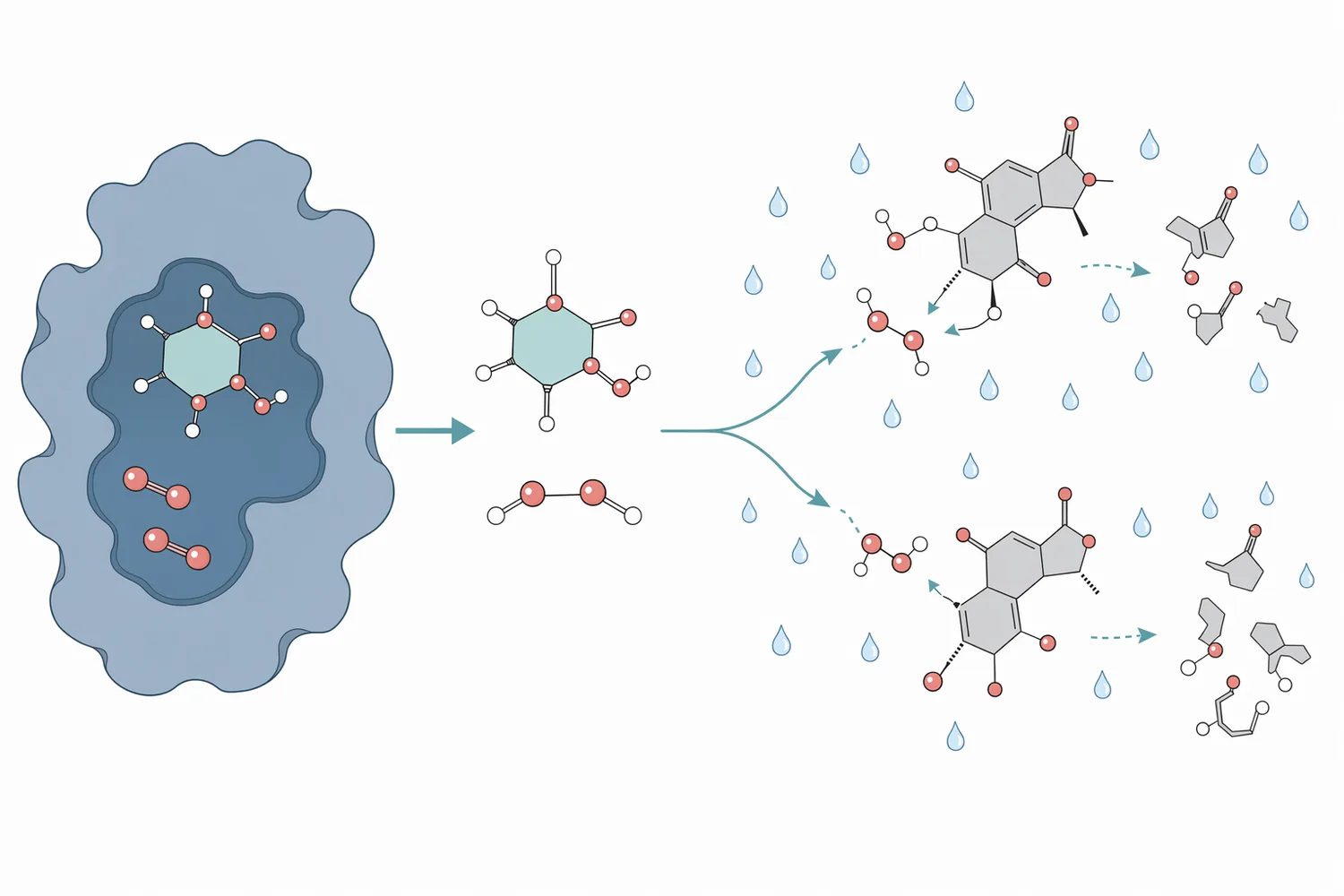
The gluconic acid side of the reaction is also relevant. Gluconic acid can contribute mild acidification in the immediate reaction environment, depending on the buffering capacity of the water. In many practical water systems, that pH effect may be modest because minerals and bicarbonate alkalinity resist pH change, but the reaction still shifts the chemical environment away from untreated organic water residues [1].
Mycotoxins are not one chemical family with one vulnerability. Aflatoxins, ochratoxin A, zearalenone, fumonisins, trichothecenes such as deoxynivalenol, and other fungal metabolites differ in ring structures, functional groups, polarity, stability, and biological targets. Because of that diversity, no single enzyme mechanism should be presented as equally effective against all mycotoxins [2].
Glucose oxidase is best understood as an oxidative support enzyme, not as a toxin-specific hydrolase, lactonase, epoxidase, or transferase. Its detoxification relevance comes from the hydrogen peroxide it produces and from the oxidative environment that can follow. If a mycotoxin contains chemical features vulnerable to oxidation, peroxide-mediated chemistry may contribute to transformation. If the toxin is comparatively resistant under the available water conditions, the same enzyme reaction may have limited direct detoxification effect [2].
This distinction is important for realistic expectations. A laboratory report showing disappearance of a parent mycotoxin does not automatically prove detoxification, because the transformation products also matter. A safe outcome requires that the biologically active structure is destroyed or sufficiently altered, not merely converted into another detectable or undetected compound with retained toxicity [2].
In animal operations, water is rarely isolated from feed and the environment. Dust, feed fines, organic films, microbial residues, and storage contamination can all enter drinker lines or tanks. Mycotoxins are more commonly controlled through feed and raw-material management, but contaminated residues and organic load in water systems can contribute to a broader exposure picture. A glucose oxidase product therefore fits most credibly as part of a water-quality support strategy, not as a replacement for feed-side mycotoxin control [2].
The most concrete change produced by glucose oxidase is the enzymatic formation of hydrogen peroxide. Hydrogen peroxide is a small oxidizing molecule that can react with cellular and organic targets. In microbial cells, oxidative stress can damage proteins, membrane lipids, and nucleic acids, especially when organisms cannot neutralize peroxide quickly enough through catalase, peroxidase, or other antioxidant systems [3].
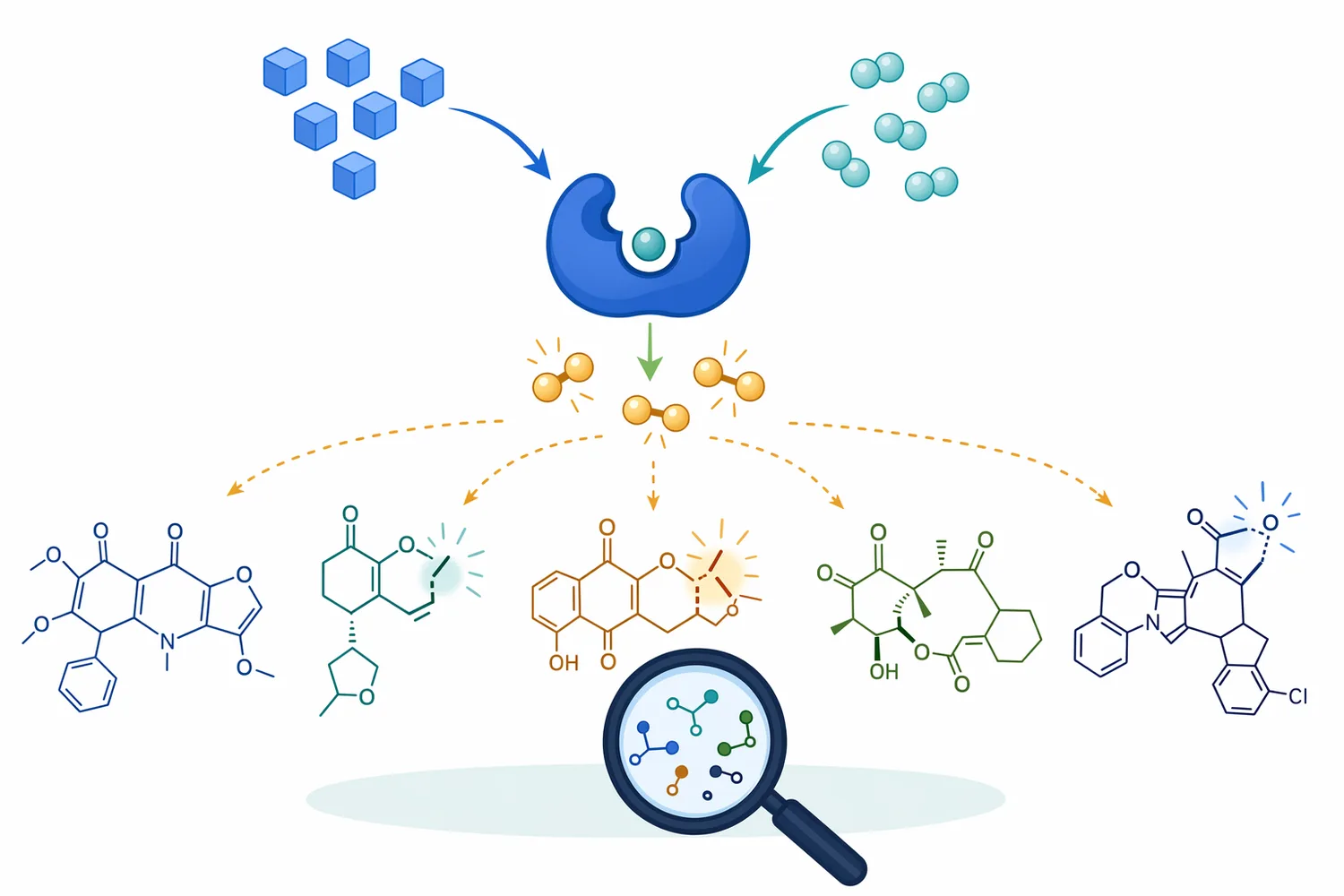
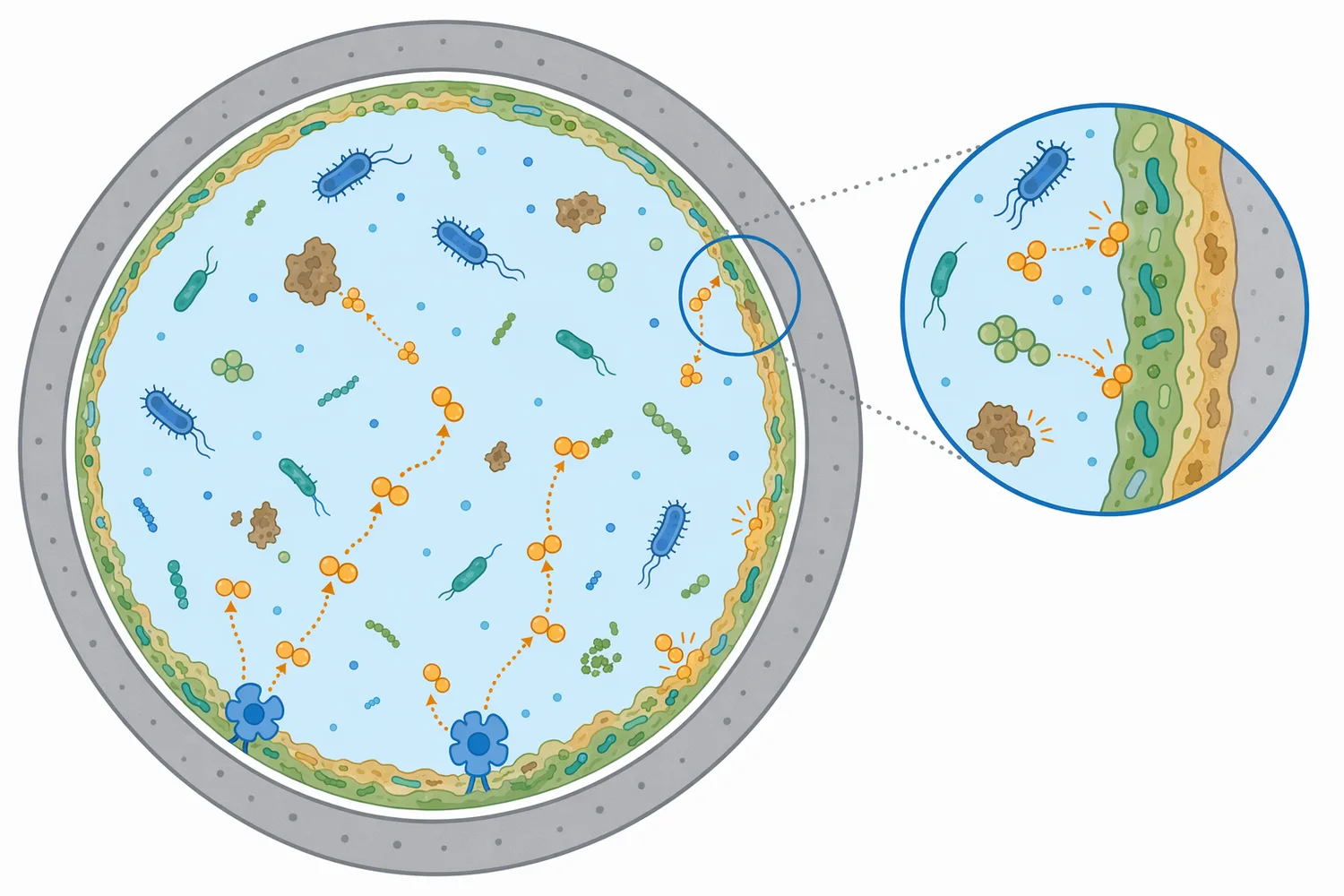
In a water line or holding tank containing organic residues, this peroxide generation can shift the local environment away from a purely nutrient-rich, reduced condition. Biofilms and organic films often protect microorganisms by creating microenvironments where cells are embedded in extracellular polymeric material. An oxidative shift does not instantly remove a mature biofilm, but it can make the surrounding water chemistry less favorable for continued microbial proliferation and organic accumulation [3].
The enzyme reaction also consumes dissolved oxygen. In some food and packaging uses, oxygen removal itself is valuable. In drinking-water support, the more relevant factor is usually the coupled generation of peroxide from glucose and oxygen. The system depends on the presence of both reactants: without glucose, there is little substrate for the enzyme; without oxygen, the oxidation cycle cannot proceed efficiently [1].
A useful way to think about glucose oxidase is as a controlled biochemical generator of peroxide, rather than as bottled peroxide. The peroxide is formed through enzyme catalysis where the enzyme, glucose, and oxygen meet. That is why performance is shaped by contact time, organic load, temperature, water chemistry, and the availability of the reaction components [1].
Different mycotoxin-control tools work through different mechanisms. The distinction matters because water-phase oxidative support is not the same as feed binding, microbial degradation, or toxin-specific enzymatic cleavage.
| Approach | Main mechanism | Where it is most relevant | Strengths | Practical limitation |
|---|---|---|---|---|
| Glucose oxidase oxidative support | Converts glucose and oxygen into gluconic acid and hydrogen peroxide | Water systems, organic residues, hygiene-support contexts | Generates a mild oxidative environment that may suppress microbial pressure and transform oxidation-sensitive compounds | Depends on water chemistry, available glucose and oxygen, contact time, and toxin susceptibility |
| Adsorbent binders | Physically bind certain toxins to reduce absorption | Feed programs | Useful for some toxins, especially where binding affinity is strong | Binding varies greatly by toxin; not a water-line hygiene tool |
| Toxin-specific enzymes | Cleave or modify a particular chemical structure | Feed or controlled treatment systems | Can be highly targeted when matched to the toxin | Not universal; each toxin requires a suitable enzyme mechanism |
| Chemical oxidants | Direct chemical oxidation | Water treatment, sanitation, surface treatment | Rapid and powerful when used appropriately | May require stricter handling and compatibility control |
| Microbial biotransformation | Living organisms or microbial enzymes convert toxins | Fermentation, feed additives, controlled bioprocesses | Can address certain toxins through specialized pathways | Performance depends on organism viability, conditions, and toxin pathway |
Glucose oxidase belongs in the first category: it is an enzyme that produces an oxidative chemical environment. That mechanism can be valuable, but it should not be confused with adsorptive removal or toxin-specific cleavage. This is why it is most accurate to describe the product as supporting oxidative water treatment and mycotoxin-risk reduction, rather than guaranteeing complete detoxification of every possible toxin [2].
In poultry and livestock production, drinking water is a continuous exposure route. Animals drink frequently, and water lines can become reservoirs for organic residues and microbial films if hygiene is poor. Even when the primary mycotoxin risk originates in feed, water systems can interact with that risk through contaminated dust, feed carryover, and biological growth in drinkers and pipelines [3].
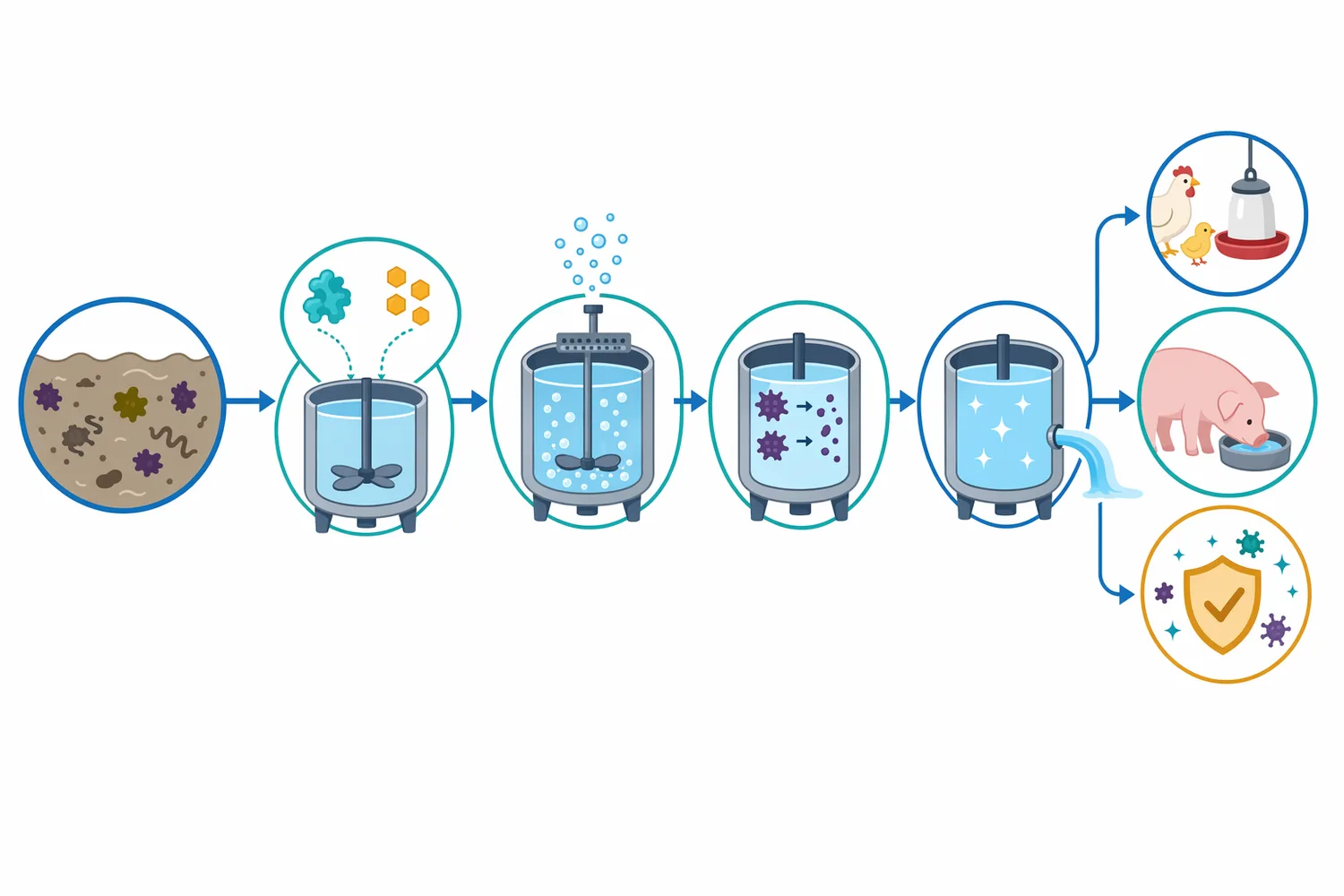
For poultry, clean water supports feed intake, gut function, and flock uniformity. Water-line contamination can reduce palatability, introduce microbial stress, and complicate performance management. A glucose oxidase product can support a cleaner water environment by generating peroxide from available glucose and oxygen, helping to reduce microbial pressure when integrated into normal water-management practices [3].
For swine and other livestock, water systems often include storage tanks, nipples, troughs, medicators, and long distribution lines. These surfaces can accumulate organic films, especially where water contains nutrients or where feed particles enter the system. Because glucose oxidase works in the water phase, its practical value is greatest where the target problem includes organic contamination pressure rather than only a dry feed-side toxin issue [1].
The product name includes “mycotoxin detoxifier,” and that reflects the oxidative support role. The most responsible interpretation is that glucose oxidase may contribute to transformation of susceptible mycotoxin residues under suitable conditions, while also supporting water hygiene through peroxide generation. It should not be viewed as replacing feed testing, proper storage of grain and finished feed, or other toxin-management measures [2].
Hydrogen peroxide is reactive enough to disturb microbial metabolism, but mild enough to be generated biologically in many natural antimicrobial systems. When peroxide contacts microbial cells, it can oxidize sulfur-containing amino acids, disrupt enzyme active sites, and contribute to membrane stress. In some cases, peroxide can also participate in secondary reactions that produce more reactive oxygen species, depending on metals and other chemistry in the environment [3].
Microorganisms vary widely in peroxide tolerance. Some bacteria and fungi produce catalase or peroxidase enzymes that break peroxide down. Others are more sensitive, especially under nutrient limitation or when exposed repeatedly. This means glucose oxidase should not be described as a sterilant; it is better described as a way to shift the environment toward oxidative stress that can help restrain microbial growth pressure [3].
Biofilms add another layer of complexity. Cells inside a biofilm are protected by extracellular polymers, mineral deposits, and gradients of oxygen, nutrients, and pH. Peroxide generated in the water phase may affect the outer layers and surrounding planktonic cells more readily than deeply embedded organisms. That is why glucose oxidase fits as a support measure for water hygiene, not as a substitute for mechanical cleaning or established sanitation programs [3].
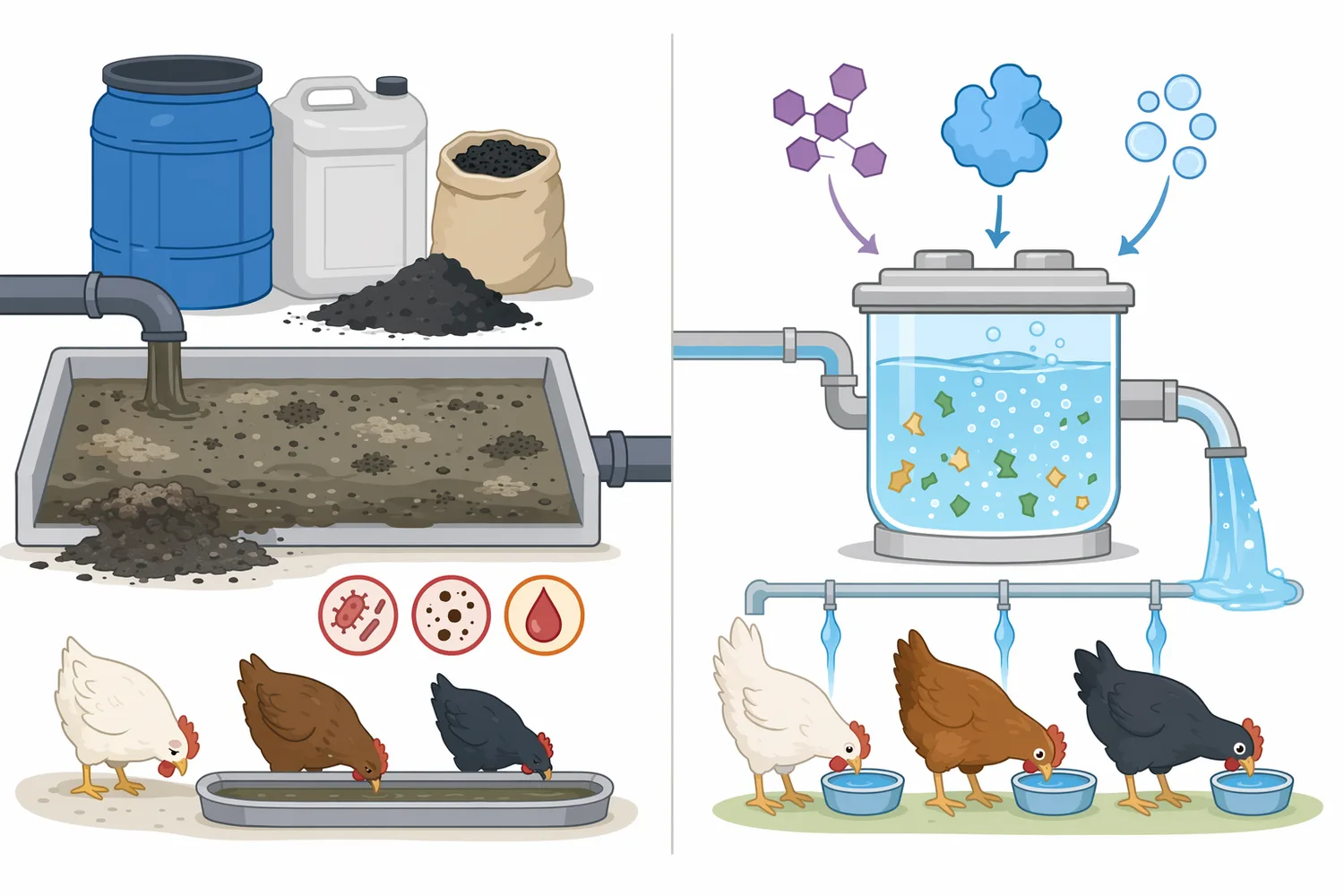
Where organic load is high, the peroxide generated by the enzyme can be consumed by many competing reactions. It may react with microbial cells, dissolved organic matter, reduced minerals, or other contaminants before it reaches the target compound of interest. Lower organic burden generally gives oxidative systems a clearer path to the contaminants they are intended to affect [1].
Mycotoxin transformation depends on the chemical groups present in the toxin molecule. Oxidation can add oxygen, break sensitive double bonds, open rings, modify phenolic groups, or alter conjugated systems. These structural changes can reduce biological activity if they disrupt the part of the molecule responsible for toxicity or receptor binding [2].
For example, aflatoxins contain conjugated ring systems associated with their toxicological activity. Oxidative processes have been studied as one route for aflatoxin transformation, although the exact effectiveness depends on the oxidizing system and reaction conditions. Zearalenone, by contrast, has estrogenic activity linked to its resorcylic acid lactone structure; detoxification may require changes that reduce receptor interaction or alter the lactone-related chemistry [2].
Ochratoxin A presents a different challenge because its toxicity is associated with a chlorinated aromatic isocoumarin linked to phenylalanine. Deoxynivalenol and related trichothecenes are also chemically distinct, with toxicity strongly associated with their epoxide-containing trichothecene skeleton. These differences explain why the same oxidative environment may affect one toxin more than another [2].
Glucose oxidase does not directly recognize each of these mycotoxins as a primary substrate. Its direct substrate is glucose. Therefore, any mycotoxin effect is secondary to the peroxide-generating environment and the downstream oxidation chemistry. This is why claims for glucose oxidase should be framed around supporting oxidative transformation of susceptible contaminants, not universal toxin removal [1].
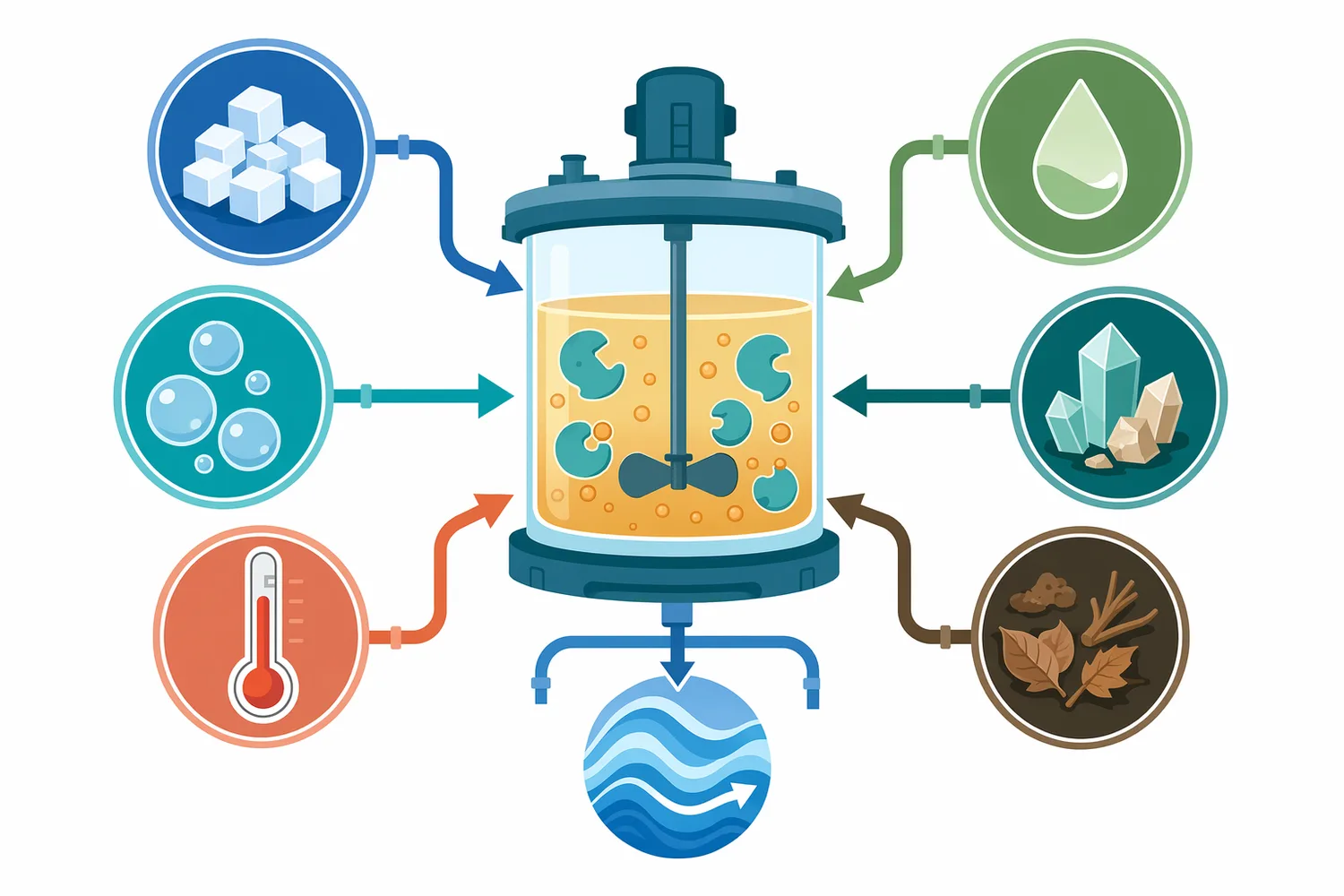
Glucose oxidase needs glucose and oxygen to perform its core reaction. If either is absent or severely limited, peroxide generation is constrained. In practical water systems, oxygen is usually present to some degree, but levels vary with temperature, storage, aeration, microbial activity, and water movement [1].
Water chemistry also shapes the result. Minerals, alkalinity, metals, dissolved organic matter, and existing disinfectant residues can all influence enzyme stability or peroxide persistence. For example, organic-rich water can consume oxidative capacity, while high buffering capacity can reduce visible pH movement from gluconic acid formation. The same enzyme reaction may therefore produce different practical outcomes in clean water compared with heavily contaminated water [3].
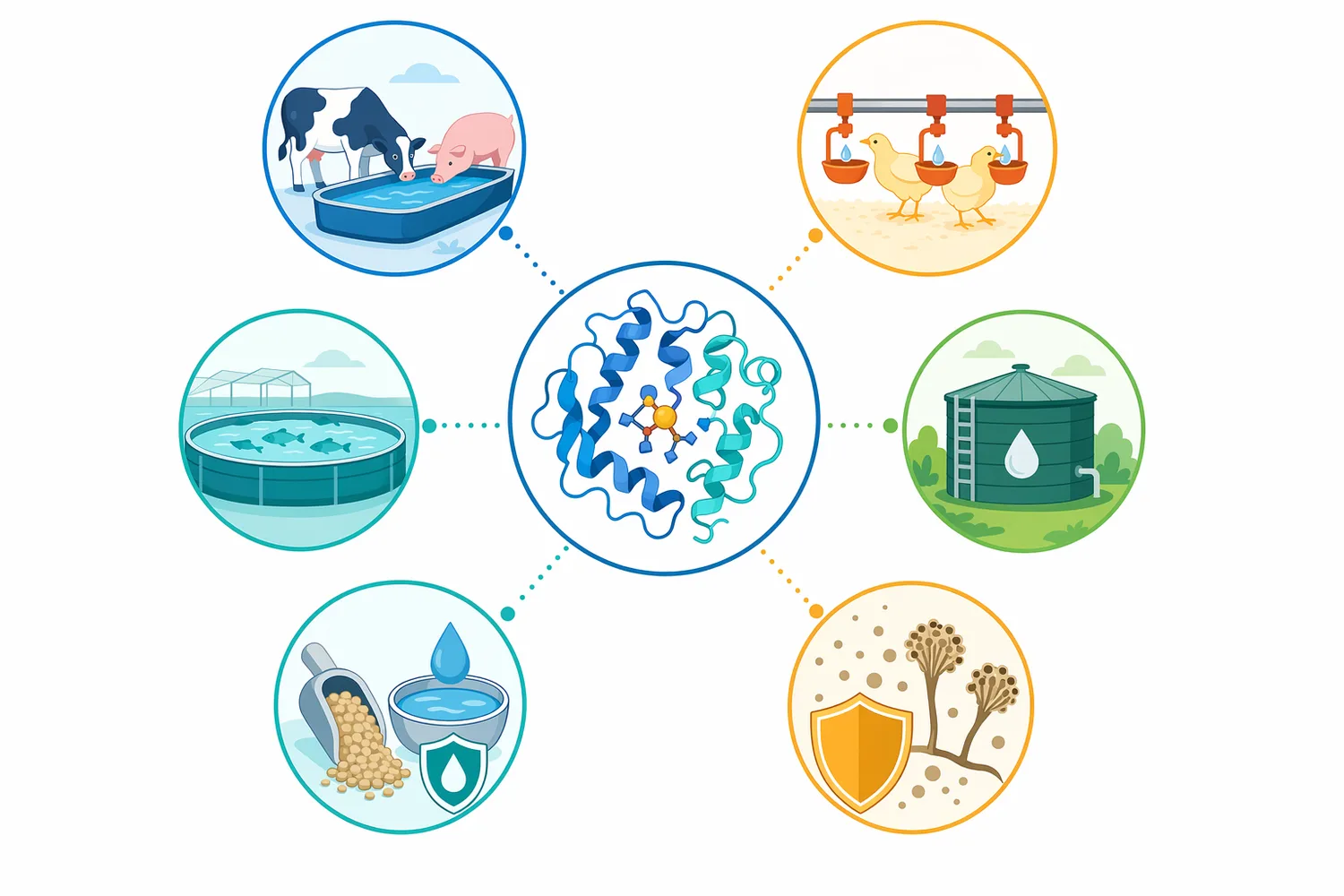
Temperature and pH influence enzyme structure and catalytic behavior. Like other proteins, glucose oxidase depends on a folded three-dimensional shape that positions its active site correctly. Conditions far outside the enzyme’s functional range can reduce activity by changing that structure or by increasing deactivation over time. In routine animal drinking-water environments, the key point is not to treat the enzyme as a harsh chemical, but as a biological catalyst whose performance reflects its surroundings [1].
Contact time also matters. A holding tank, header tank, or recirculating loop can provide more time for glucose oxidase to generate peroxide and interact with organic residues than a very short, fast-flowing pathway. This does not mean longer exposure automatically solves every problem; it means enzyme-driven chemistry has a time component, especially when contaminants are dilute, embedded in residues, or shielded inside films [3].
The strongest and least controversial evidence is the enzyme chemistry itself: glucose oxidase oxidizes glucose using oxygen and produces gluconic acid and hydrogen peroxide. This mechanism is well established and underpins the enzyme’s use in biosensing, food systems, oxygen management, and antimicrobial-support applications [1].
A second supported area is the antimicrobial relevance of peroxide generation. Hydrogen peroxide is a known oxidative stressor for microorganisms, and glucose oxidase has been studied in contexts where enzymatic peroxide formation contributes to microbial control. In water systems, that supports the concept of using glucose oxidase to help manage microbial pressure, especially where organic residues and water-line hygiene are concerns [3].
A third supported area is the broader principle that mycotoxins can be transformed by biological and oxidative systems, but only in toxin-specific ways. Reviews of mycotoxin biotransformation emphasize that degradation must be evaluated not only by disappearance of the parent molecule, but also by the toxicity of transformation products. This supports a careful, mechanism-based claim rather than a broad universal detoxification claim [2].
The more limited area is direct, real-world proof that glucose oxidase alone fully detoxifies all relevant mycotoxins in flowing drinking-water systems. Because the enzyme acts through peroxide generation rather than toxin-specific binding or cleavage, the outcome depends on the toxin, water chemistry, organic load, oxygen, glucose, and exposure time. A responsible product description should preserve that nuance [2].
For buyers seeking an enzyme-based product for animal drinking-water support, the practical appeal of glucose oxidase is its clear biochemical function. The enzyme provides a way to generate oxidative conditions from glucose and oxygen rather than relying solely on direct addition of harsh oxidants. That makes it relevant where the objective is to support water hygiene and reduce organic contamination pressure in a managed system [1].
The product is also relevant when mycotoxin risk is being managed across feed and water together. Feed remains the primary control point for most mycotoxin problems, but water quality can influence animal stress, intake, microbial exposure, and the movement of residues through the production environment. In that setting, glucose oxidase can serve as an additional oxidative layer rather than the central or only control measure [2].
Enzymes.bio supplies this product directly online by the 1 kg unit. The purchasing process is straightforward: the buyer orders online, pays online, and the order is processed and shipped. A Certificate of Analysis and Safety Data Sheet are included with the order for receiving, handling, and documentation purposes.
Because Enzymes.bio is a supplier, the product information is best used to understand the enzyme’s general role and scientific basis. The key commercial point is simple: buyers who need this enzyme product can purchase the 1 kg unit online without a custom quotation process.
Glucose oxidase can be accurately described as a peroxide-generating enzyme that supports oxidative water-treatment conditions. It may help reduce microbial pressure and may assist in transforming certain oxidation-sensitive organic contaminants, including susceptible mycotoxin residues, when the surrounding conditions allow the chemistry to proceed [1].
It should not be described as a universal mycotoxin eliminator. Mycotoxin detoxification is toxin-specific, and the safety of degradation products matters. Aflatoxins, ochratoxin A, zearalenone, fumonisins, and trichothecenes differ enough that no single peroxide-generating enzyme should be assumed to neutralize all of them equally [2].
It should also not be described as a complete replacement for water-system cleaning, sanitation, feed testing, proper grain storage, or broader mycotoxin-risk management. Enzyme-supported oxidative chemistry can improve the treatment environment, but it does not remove the need for source control and good hygiene practices [3].
Finally, “drinking water” in this context should be understood as animal-production water support unless the product is separately reviewed under the regulations that apply to another intended use. Water-treatment requirements differ by species, jurisdiction, and end use, so the most robust claim remains the biochemical one: glucose oxidase converts glucose and oxygen into gluconic acid and hydrogen peroxide, supporting oxidative conditions in the water phase [1].
Glucose Oxidase Mycotoxin Detoxifier for Drinking Water is best understood as an enzyme-based oxidative support product for animal water systems. Its central function is well defined: it uses glucose and oxygen to generate gluconic acid and hydrogen peroxide, changing the water environment in ways that can help restrain microbial pressure and support oxidation of susceptible organic contaminants [1].
For mycotoxin-risk management, the product’s role is supportive rather than absolute. It can contribute oxidative chemistry that may transform certain vulnerable toxin structures, but mycotoxins differ widely and detoxification must be judged by both chemical change and reduction of biological activity. That is why glucose oxidase is most credible as one part of a broader feed-and-water hygiene approach [2].
Enzymes.bio supplies the product directly online in 1 kg units. Orders are placed and paid for online, then processed and shipped with a Certificate of Analysis and Safety Data Sheet included.
Sold by the 1 kg unit, in stock and ready to ship. Order directly on our store — pay online and we process your order. A Certificate of Analysis and Safety Data Sheet are included with every order.
Buy Glucose Oxidase Mycotoxin Detoxifier For Drinking Water →Numbered in order of first citation. Open-access sources, each verified reachable at publication; citation numbers in the text link here.