
Lipase is an enzyme used to break down and transform fats, oils, triglycerides, and related lipid esters. In practical industrial use, it helps convert greasy, hydrophobic materials into smaller lipid fragments or, under low-water conditions, supports ester-forming and ester-exchange reactions used in food, cleaning, cosmetic, fine-chemical, and biodiesel-related processes.
For buyers, the key point is simple: lipase is not a general “cleaning enzyme” or a medical diagnostic term, even though many people search for phrases such as “lipase blood test,” “lipase level,” or “high lipase levels.” Industrial lipase is a processing enzyme for lipid substrates, and its value comes from targeted chemistry at fat–water interfaces and in lipid-rich reaction systems.
Enzymes.bio supplies Lipase as a direct online product sold by the 1 kg unit. Orders are placed and paid for online, then processed and shipped; a Certificate of Analysis and Safety Data Sheet are provided with the order.
Lipases are enzymes that act on ester bonds in lipids, especially the ester bonds that connect fatty acids to a glycerol backbone in triglycerides. A triglyceride can be pictured as a three-armed molecule: glycerol in the center, with three fatty acid chains attached. Lipase attacks those connecting bonds, releasing free fatty acids and partial glycerides such as monoacylglycerols and diacylglycerols, with glycerol formed when hydrolysis proceeds further [1].
That chemistry matters because triglycerides are the dominant form of many natural fats and oils. Vegetable oils, animal fats, dairy fat, sebum, cooking grease, and many lipid-rich residues contain triglyceride structures that resist simple water washing because they are hydrophobic. By cutting these molecules into smaller and often more surface-active fragments, lipase changes how the soil behaves: the residue can become easier to emulsify, disperse, rinse, flavor-modify, or convert into another lipid-derived product [2].
Lipase is also valuable because the same enzyme class can operate in more than one reaction direction depending on the process environment. In water-rich systems, hydrolysis is the expected direction: ester bonds are broken using water. In low-water or nonaqueous systems, many lipases can instead catalyze esterification, transesterification, and interesterification reactions, allowing fatty acids, alcohols, glycerides, and esters to be rearranged or synthesized [3].
Searches for “lipase,” “lipase value,” “lipase lab test,” “s lipase blood test,” “blood test lipase,” “normal value of lipase,” “high lipase level,” or “elevated lipase levels” often refer to clinical testing, not industrial enzymes. In medicine, serum lipase is associated mainly with pancreatic function and is interpreted by healthcare professionals in the context of symptoms and other laboratory results [4].
That clinical meaning should not be confused with Lipase supplied for processing applications. A lipase blood test reports a human biological marker; an industrial lipase product is used as a biocatalyst to act on oils, fats, and lipid esters in a formulation or process. Phrases such as “lipase is high,” “lipase high,” “elevated lipase,” or “lipase levels elevated” describe clinical interpretation, whereas industrial users are concerned with substrate conversion, fat removal, lipid modification, and process fit [5].
Enzymes.bio’s Lipase is therefore not positioned for medical testing, diagnosis, or interpretation of lipase values. The enzyme is relevant to industrial and professional applications where controlled lipid hydrolysis or lipid transformation is useful, such as cleaning, food processing, flavor development, cosmetic ester preparation, and lipid-based biocatalysis [6].
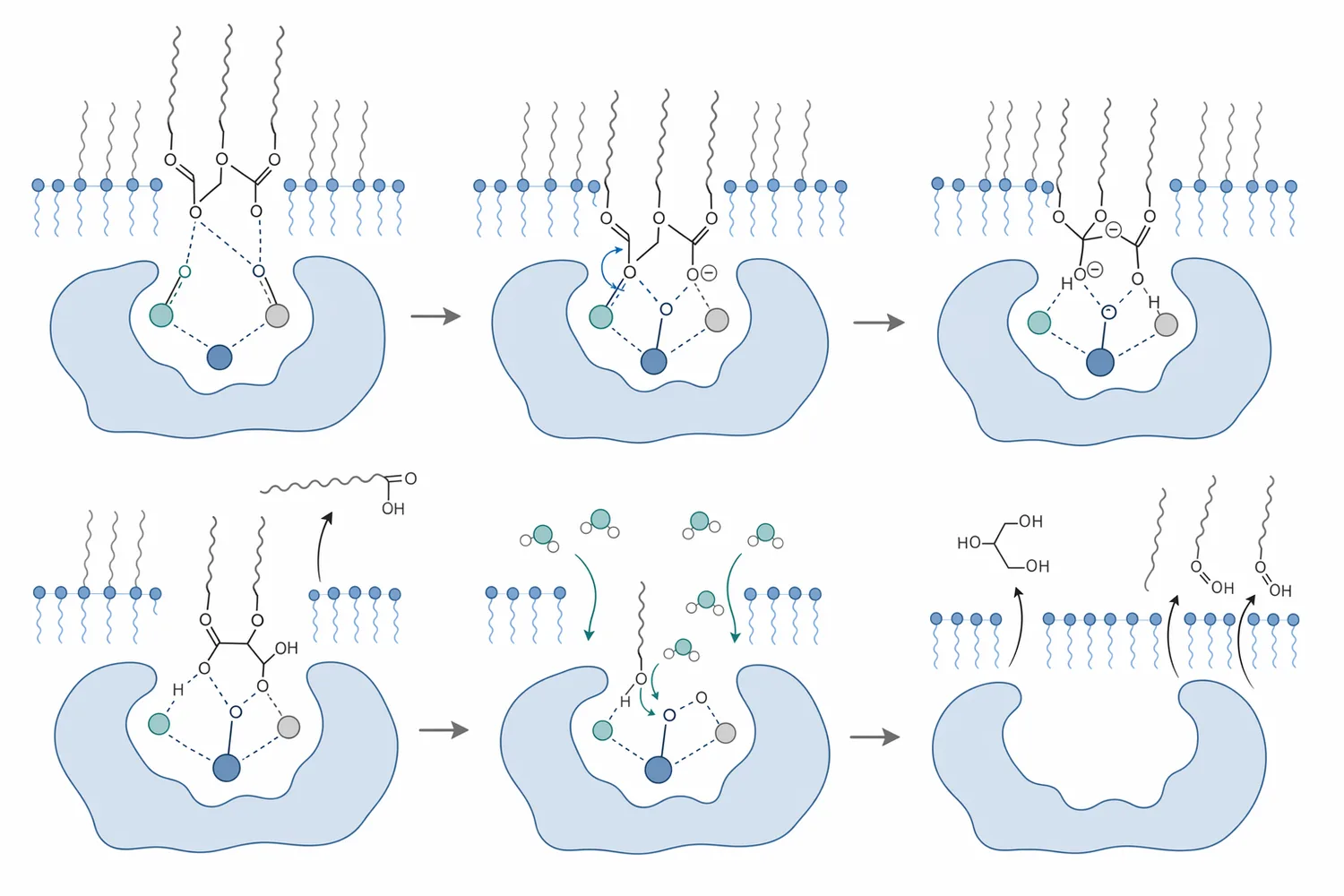
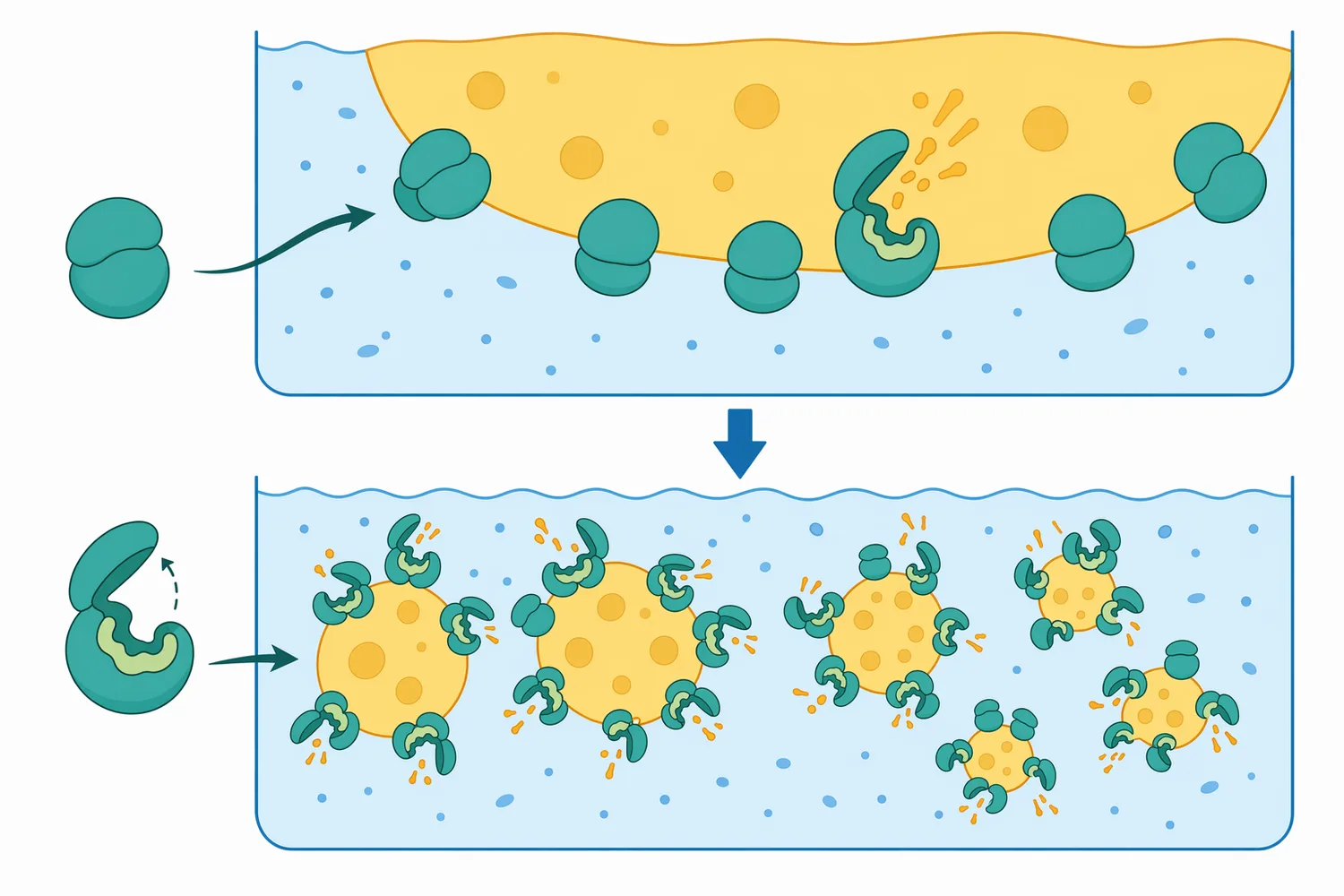
The most important practical feature of lipase is that it often works at an interface. Fats and oils do not dissolve well in water, so the enzyme does not simply act in a uniform liquid phase. Instead, many lipases become most active where an oil droplet, fat particle, or lipid film contacts water or another surrounding phase. Classic work on pancreatic lipase described this “interfacial activation” behavior, in which the enzyme’s catalytic performance is strongly linked to the lipid–water boundary [5].
Many lipases have a structural region often described as a lid or flap near the active site. In a water-only environment, this lid can limit access to the catalytic pocket. When the enzyme encounters a hydrophobic interface, the lid can shift, exposing the active site so the lipid substrate can enter. This helps explain why mixing, emulsification, droplet size, and surface area can have a major effect on observed performance even when the same enzyme and the same oil are present [7].
Inside the active site, many lipases use the common serine hydrolase mechanism. A catalytic serine residue attacks the ester bond in the lipid substrate, forming a short-lived acyl-enzyme intermediate; water or another acceptor molecule then resolves that intermediate, releasing a fatty acid in hydrolysis or forming a new ester in synthesis and exchange reactions. This is why lipase can be used not only to break fats down but also to rearrange fatty acid groups under suitable low-water conditions [8].
The mechanism is substrate-specific in a practical sense. Lipase does not “dissolve grease” physically the way a solvent does. It chemically changes lipid molecules at accessible ester bonds. A thick fat layer, poorly dispersed oil, or waxy residue may expose less surface area to the enzyme than a well-emulsified oil phase. For that reason, lipase performance is tied to the physical presentation of the lipid substrate as much as to the enzyme’s inherent catalytic ability [9].
Lipase is often discussed as a fat-degrading enzyme, but its usefulness is broader. The same catalytic machinery can support several industrially relevant reaction modes depending on water availability, substrate type, and reaction environment [3].
| Lipase reaction mode | What changes chemically | Typical industrial relevance | Process environment concept |
|---|---|---|---|
| Hydrolysis | Triglycerides and other lipid esters are split into free fatty acids, partial glycerides, and glycerol | Detergents, degreasing, food flavor release, fat modification | Water-rich systems favor bond cleavage |
| Esterification | A fatty acid and alcohol form an ester | Flavor esters, cosmetic esters, specialty lipid ingredients | Low-water systems help drive ester formation |
| Transesterification | An ester exchanges its alcohol group with another alcohol | Biodiesel-related conversion, ester restructuring | Controlled alcohol and low-water conditions support exchange |
| Interesterification | Fatty acid groups are redistributed among glycerides or esters | Structured lipids, modified fats and oils | Lipid-rich systems where ester groups can be rearranged |
| Acidolysis/alcoholysis | Fatty acids or alcohols exchange with esterified lipid groups | Tailored lipid profiles, specialty fats | Low-water reaction systems with selected acyl or alcohol donors |
In a cleaning system, hydrolysis is usually the target. The enzyme cuts triglyceride soils into smaller components so surfactants and mechanical washing can remove them more effectively. In contrast, in a specialty synthesis system, the goal may be to preserve the ester chemistry but exchange fatty acid or alcohol groups to create a product with a different melting profile, solubility, sensory character, or functional behavior [1].
This flexibility explains why lipase appears across industries that otherwise look unrelated. A dishwashing formulation, a cheese flavor process, a cosmetic ester reaction, and a biodiesel conversion process all involve lipid ester chemistry. The product, solvent environment, and performance target differ, but the enzyme’s core ability to recognize and transform ester bonds is the common thread [2].
In detergents and dishwashing products, lipase is used for fatty stains and oily residues that are difficult to remove with water alone. Food grease, butterfat, cooking oils, sebum, and animal fat residues contain triglycerides and related lipid materials. Lipase hydrolyzes accessible ester bonds in these residues, producing smaller lipid fragments that can interact differently with surfactants and rinse water [1].
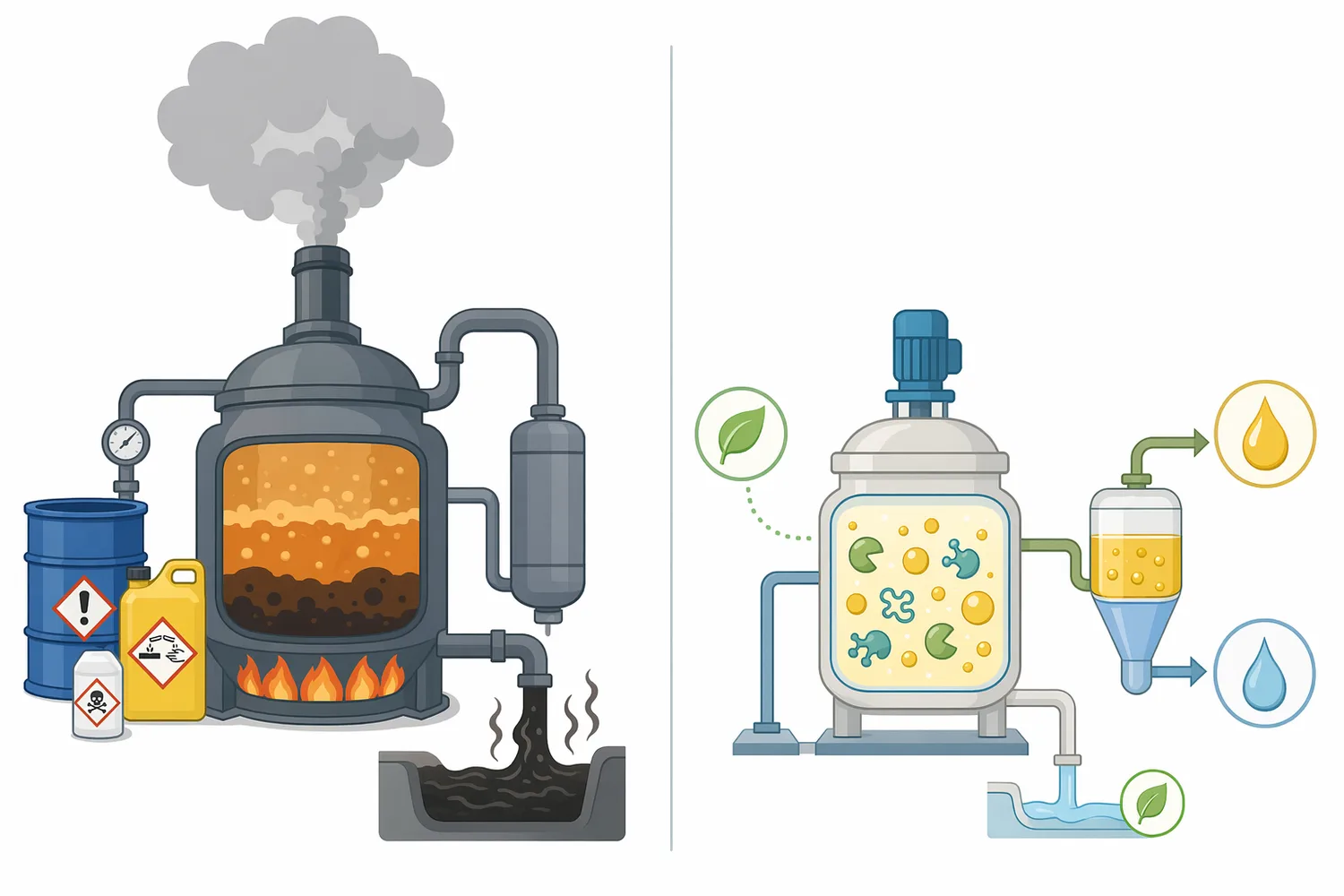
The enzyme does not replace surfactants. Surfactants help wet the surface, reduce interfacial tension, disperse oil droplets, and suspend loosened soil. Lipase adds a chemical step by changing the triglyceride structure itself. When the ester bonds are cleaved, the original hydrophobic mass becomes a mixture of free fatty acids, partial glycerides, and glycerol-derived materials, which can be easier to emulsify and remove under the right formulation conditions [9].
This interface-dependent behavior is why detergent lipase performance can vary with the surrounding formulation. Surfactants may increase the accessible oil–water interface, but they can also affect enzyme binding or conformation. Calcium, salts, builders, oxidants, pH, temperature, and other ingredients can change how the enzyme approaches the soil surface and whether it remains active long enough to contribute to cleaning [7].
For hard-surface cleaning and industrial degreasing, the same concept applies. Lipase is most relevant when the residue contains hydrolysable lipid esters rather than purely mineral oil, silicone, wax, or inorganic contamination. Its role is strongest where the process benefits from converting triglyceride-rich grease into smaller lipid components that are more compatible with detergency and rinsing [6].
Food processing uses lipase because fats and oils strongly influence flavor, aroma, texture, mouthfeel, and processing behavior. In dairy systems, milk fat triglycerides contain fatty acids that can produce characteristic flavor notes when released in controlled amounts. Lipase-mediated hydrolysis can therefore be useful in selected cheese and fermented dairy applications where defined lipolysis contributes to sensory development [10].
The same chemistry can be undesirable when uncontrolled. Free fatty acids generated at the wrong time or in excessive amounts may contribute to rancid, soapy, sharp, or unbalanced flavor notes. This is why lipase is best understood as a precision lipid-modification tool rather than a simple “more is better” processing aid. The value comes from controlled access to the fat substrate and controlled release of flavor-active compounds [11].
Lipase can also modify edible oils and fats by changing the distribution of fatty acids across glyceride molecules. Through interesterification and related reactions, lipases can help produce structured lipids or altered fat profiles without relying solely on harsh chemical routes. Such reactions are relevant where melting behavior, crystallization, digestibility, or ingredient functionality is linked to the arrangement of fatty acids within the lipid molecule [7].
In flavor applications beyond dairy, lipase can support ester chemistry and fatty acid release that contribute to aroma generation. Short-chain and medium-chain fatty acids, for example, can be highly sensory-active, while ester products may contribute fruity or creamy notes depending on the molecules formed. The enzyme’s practical value is its ability to work selectively on lipid substrates under comparatively mild conditions [3].
Many cosmetic and personal care ingredients are esters derived from fatty acids and alcohols. These materials may be used as emollients, spreading agents, sensory modifiers, or functional lipid components. Lipase is relevant because it can catalyze esterification and transesterification reactions under conditions that may be milder and more selective than conventional chemical synthesis [1].
The practical advantage is selectivity. Chemical esterification may require high temperatures, strong acid or base catalysts, or broad reaction conditions that create by-products or require additional purification. Lipase-based routes can favor certain ester bonds, chain lengths, or substrate orientations, depending on the enzyme and reaction system. This helps explain the continuing interest in lipases for specialty lipid chemistry [12].
Lipase-catalyzed synthesis is also relevant to surfactant-like molecules. For example, lipase-catalyzed preparation of sucrose fatty acid esters has been studied because the products can combine a hydrophilic sugar portion with a hydrophobic fatty acid chain, creating amphiphilic molecules with functional and antimicrobial properties [13].
Lipases are widely used in biocatalysis because they can distinguish between molecules that look very similar chemically. This selectivity is especially important in fine chemicals and pharmaceutical intermediates, where chirality and regioselectivity can affect product performance and regulatory acceptability. Reviews of lipase engineering emphasize their role in targeted industrial applications and the continuing development of variants with improved selectivity, stability, and solvent compatibility [7].
A common use concept is kinetic resolution, where lipase reacts faster with one enantiomer than another, allowing separation or enrichment of a desired form. Another is selective ester formation or cleavage at one position of a molecule while leaving other functional groups untouched. These capabilities are valuable because they can reduce the need for protecting groups, harsh reagents, or multi-step chemical workarounds [3].
Lipase is also compatible with immobilization strategies used in repeated or continuous processing. Immobilized lipases can be held on a support material so the catalyst can be separated from the reaction medium more easily. Physical adsorption, particularly on hydrophobic supports, has received attention because it can stabilize the open, interface-activated form of certain lipases while improving reusability in suitable processes [14].
Biodiesel production involves converting triglyceride oils or fats into fatty acid alkyl esters. Lipase can catalyze transesterification, where the fatty acid groups on triglycerides are transferred to an alcohol acceptor to form fuel-related esters. This enzymatic route is studied as an alternative to conventional chemical catalysis because it can offer selectivity and may handle certain lipid feedstocks differently [2].
In practice, biodiesel-related lipase systems must balance conversion, alcohol tolerance, water content, enzyme stability, and catalyst recovery. Literature on lipase immobilization is especially relevant here because reusable catalysts can improve process practicality when reaction conditions are compatible. However, immobilization is not automatically beneficial in every environment; performance depends on how the enzyme, support, substrate, alcohol, and process conditions interact [15].
The same transesterification chemistry is also relevant outside fuel production. Modified oils, fatty acid esters, and specialty lipid materials rely on controlled acyl transfer reactions. Lipase is attractive in these areas because it can combine catalytic specificity with operation in lipid-rich systems where conventional aqueous enzyme assumptions do not apply [14].
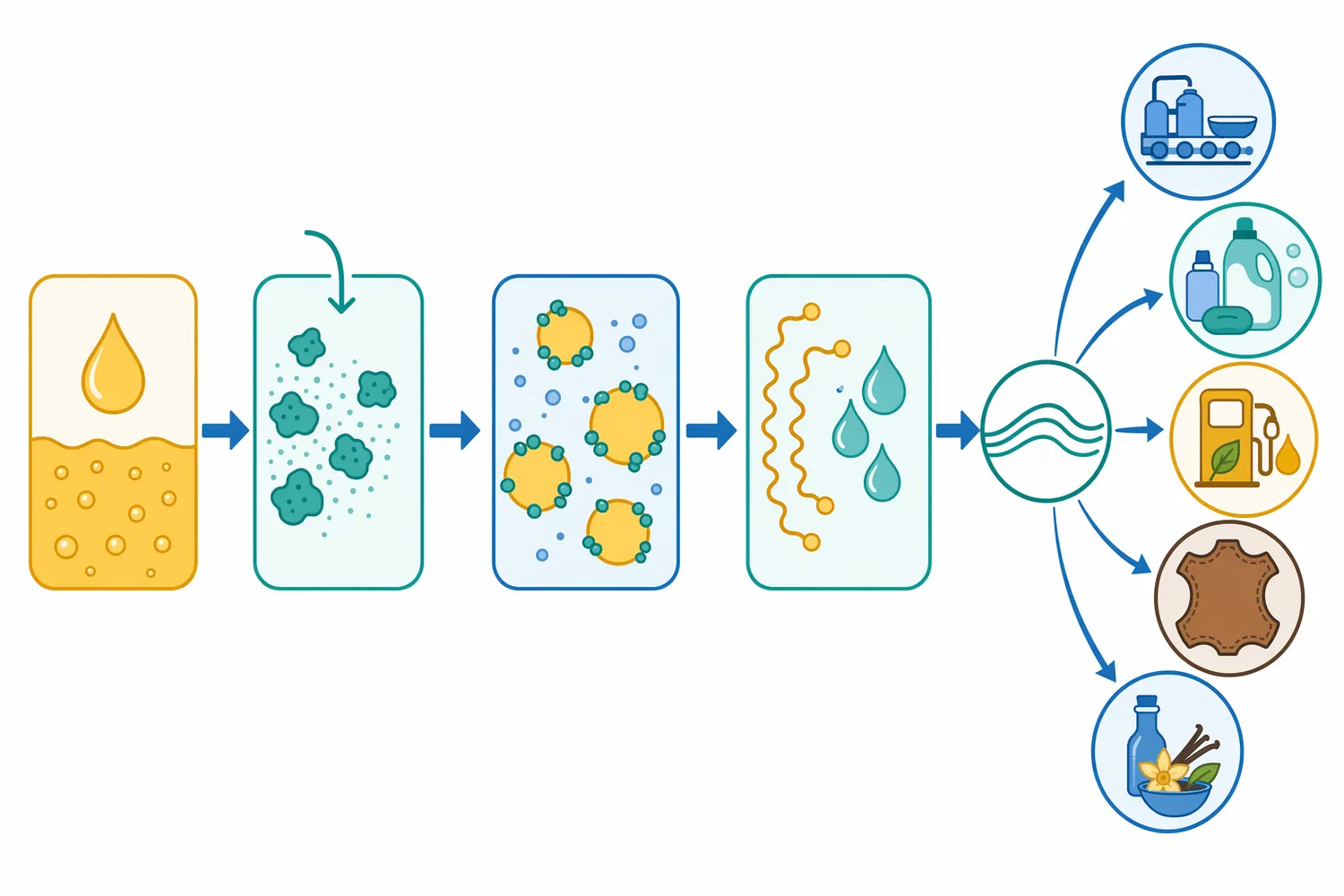
Leather, textile, and material-processing applications often require removal or modification of fats, oils, and greasy contaminants. Lipase can support enzymatic degreasing by hydrolyzing lipid esters in natural fats or processing residues. In textiles, it may contribute to removal of oily soils from fibers or fabrics when used in compatible wash or treatment systems [6].
Material processing can also involve biodegradable polyesters. Lipase-mediated degradation of poly-ε-caprolactone has been studied in organic media, showing that lipases can act on ester-containing polymer chains under specific conditions. In that setting, the enzyme’s ester-bond chemistry extends beyond natural triglycerides to synthetic ester materials with accessible hydrolysable linkages [16].
This does not mean lipase is a universal polymer-degrading enzyme. It means that when a material contains ester bonds in a form the enzyme can access, lipase may contribute to surface or chain modification. Accessibility, crystallinity, solvent environment, temperature, and contact area can all influence whether the enzyme has meaningful effect [9].
Industrial lipases are commonly obtained from microbial sources because microorganisms can produce extracellular enzymes with useful stability and catalytic profiles. Bacterial and fungal lipases are widely reviewed for applications in detergents, food processing, biodiesel, pharmaceuticals, and specialty synthesis [2].
Fungal lipases have received particular attention because many fungal cultures can grow on agro-industrial residues and convert low-value lipid-rich or carbohydrate-rich substrates into enzyme products. Reviews describe the use of agri-residues and agro-industrial waste streams in fungal lipase bioconversion, connecting lipase production with broader green chemistry and circular bioeconomy themes [17].
Extremophilic microorganisms are also important in lipase research. Haloarchaea and other extremophiles can produce enzymes that tolerate unusual salt, temperature, or solvent conditions. These properties are attractive in industrial contexts where conventional enzymes may lose activity or structure under demanding processing environments [18].
Protein engineering has expanded the lipase toolbox further. Recent reviews describe efforts to improve activity, stability, substrate specificity, thermostability, solvent tolerance, and enantioselectivity through rational design, directed evolution, and related methods. This continuing development is one reason lipase remains a major enzyme class in industrial biotechnology rather than a static legacy ingredient [12].
Immobilization means attaching or confining the enzyme on a solid support rather than using it only as a free soluble catalyst. For lipases, immobilization can improve handling, separation, and reuse in suitable reaction systems. It may also affect the enzyme’s conformation, especially when hydrophobic supports encourage the open active form associated with interfacial activation [14].
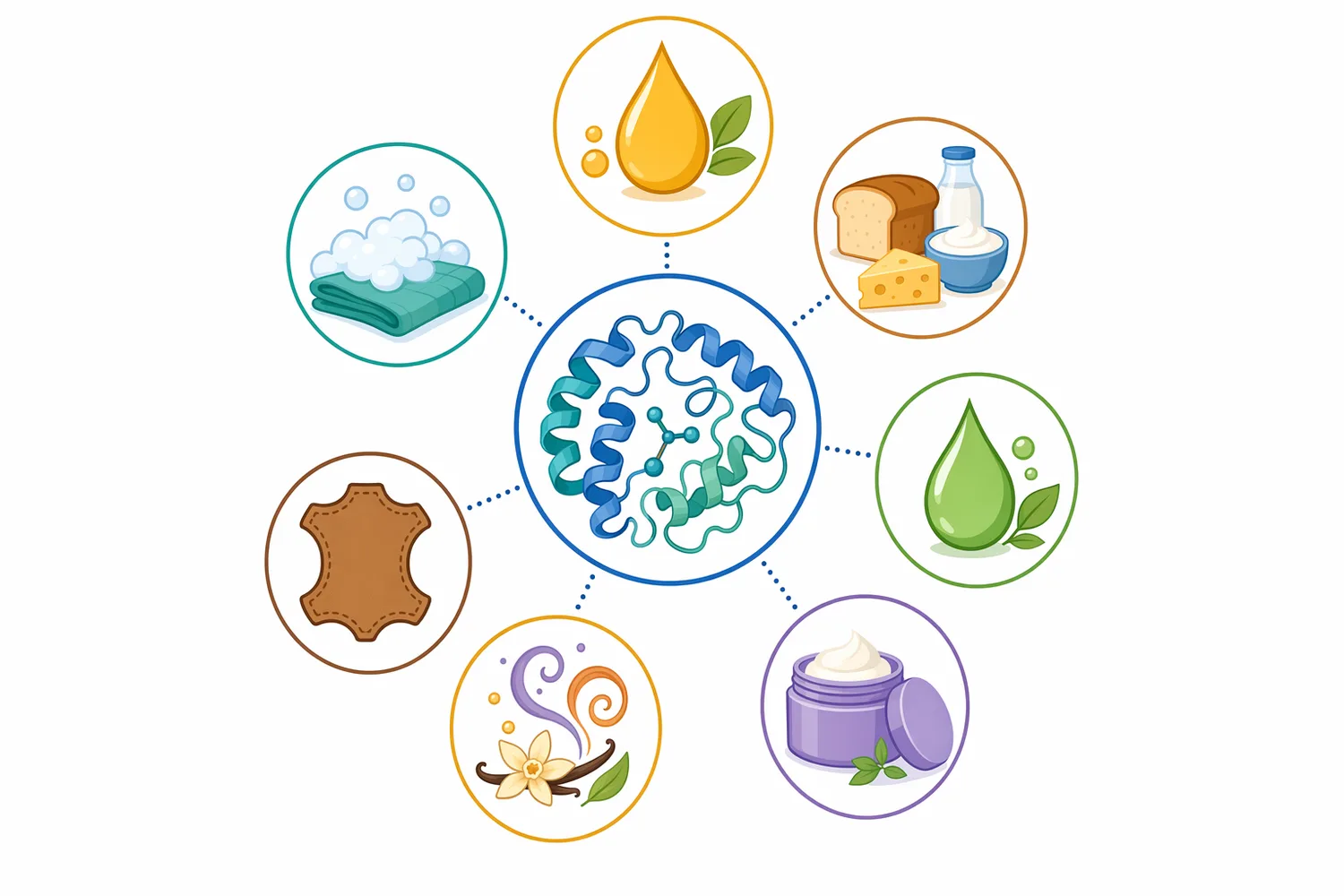
Physical adsorption is one common immobilization concept. The enzyme binds to a surface through hydrophobic, electrostatic, or other non-covalent interactions. This can be relatively simple and can preserve catalytic function, but stability depends on the support and process medium. Detergents, solvents, temperature shifts, and competing surface-active molecules can influence whether the enzyme remains attached and active [15].
Immobilized lipase is especially relevant in ester synthesis, transesterification, and repeated-batch or continuous reactions where catalyst recovery has value. It is less relevant when the application is a single-use cleaning formulation or a dispersed food process where recovery is not part of the operating model. The important point is that immobilization changes the process format as well as the enzyme’s microenvironment [14].
Lipase performance is shaped by the relationship between enzyme, substrate, water, interface, and formulation. In a water-rich process, hydrolysis tends to dominate because water is available to complete ester-bond cleavage. In low-water systems, esterification and transesterification can become more favorable because the reaction environment reduces hydrolytic reversal and supports acyl transfer to alcohol or ester acceptors [3].
pH affects the ionization state of catalytic residues and substrate groups, while temperature affects both reaction rate and enzyme stability. Too low a temperature may slow molecular motion and reduce conversion; too high a temperature may disrupt the enzyme’s folded structure. Different lipases tolerate different windows, which is why lipase source and formulation context matter [7].
The physical form of the lipid substrate is equally important. A large oil layer has much less accessible interface than a fine emulsion with many droplets. Mixing and emulsification can increase the surface area available for enzyme action, but excessive or incompatible surfactant conditions can also interfere with enzyme binding or structure. This dual effect is a direct consequence of lipase working at interfaces rather than in a purely dissolved substrate phase [5].
Inhibitors and competing surface-active molecules can reduce performance by blocking the active site, changing the interface, or binding to the enzyme. Research on lipase inhibitors, including natural compounds and peptides, shows that binding interactions can alter catalytic activity by occupying or distorting regions needed for substrate access and turnover [19].
Lipase is often discussed in green chemistry because it can catalyze targeted lipid reactions under comparatively mild conditions. Enzymatic routes may reduce reliance on strong acids, strong bases, high temperatures, or less selective chemical pathways, depending on the process and product. Reviews on enzymes in green synthetic chemistry highlight lipase as a significant biocatalyst for ester chemistry and lipid transformations [3].
The sustainability case is strongest when the enzyme enables lower energy input, fewer side reactions, easier downstream purification, renewable feedstock use, or improved compatibility with biodegradable materials. For example, microbial lipase production using agro-industrial residues has been reviewed as a way to connect enzyme generation with waste valorization and circular processing concepts [17].
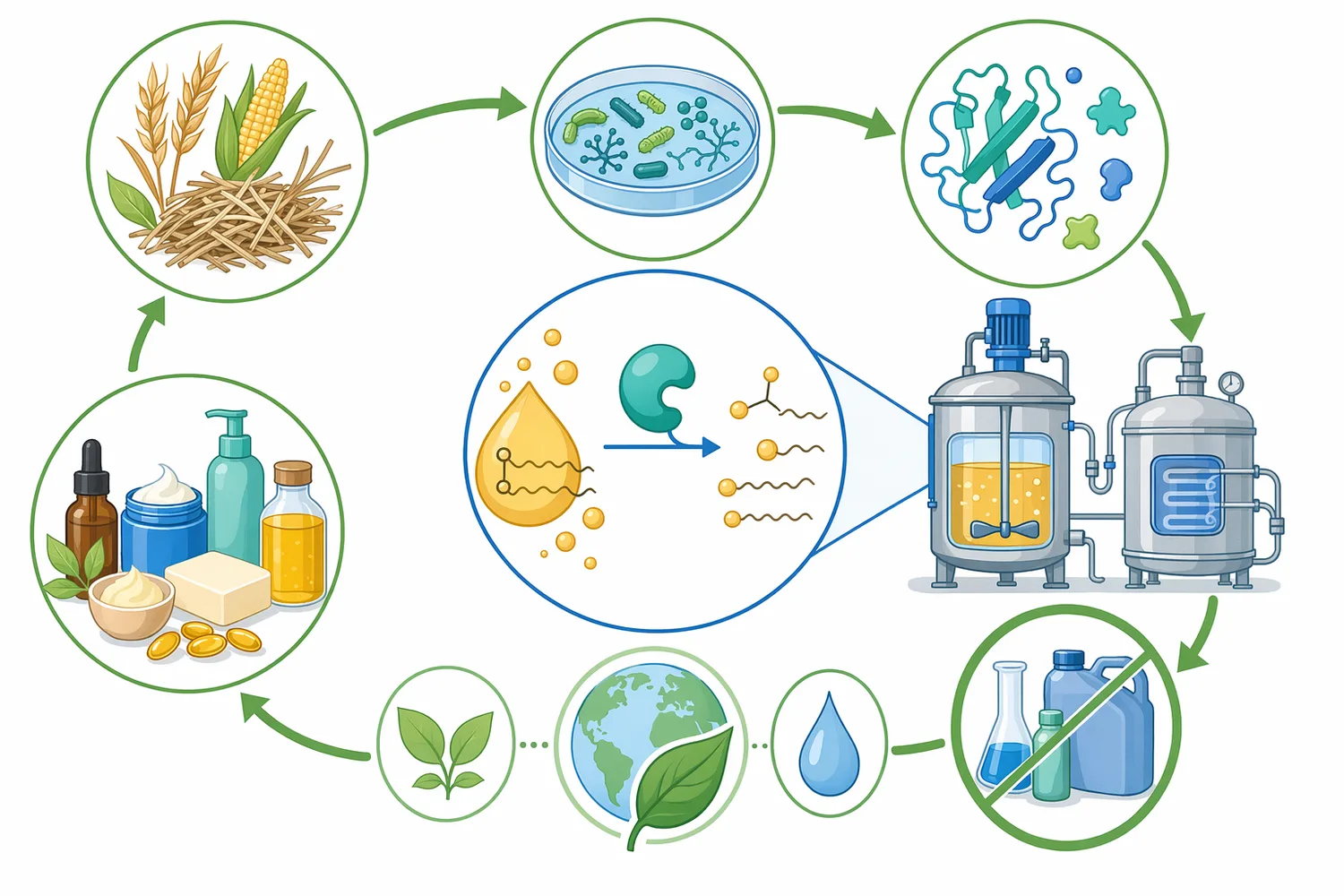
However, sustainability should be evaluated in the actual process rather than assumed from enzyme use alone. Solvents, temperature, substrate source, enzyme loading, product recovery, and waste streams all affect the overall footprint. Lipase is a useful green-chemistry tool, but the environmental benefit depends on how the complete process is designed [6].
The strongest evidence for lipase is its core catalytic function: hydrolysis and transformation of lipid ester bonds. This is well established across enzymology, microbial biotechnology, food science, detergent applications, and biocatalysis reviews. When the substrate contains accessible triglycerides or related esters, lipase can chemically alter those molecules in predictable reaction classes [1].
The next strongest evidence is application breadth. Lipases are repeatedly described in the literature as important enzymes for detergents, food processing, dairy flavor, pharmaceuticals, cosmetics, biodiesel, leather, textiles, and specialty chemical synthesis. That breadth reflects a common chemical theme—lipid ester transformation—rather than a guarantee that any single lipase format will perform equally in every application [2].
The most context-dependent claims involve performance in a finished product or full-scale process. Lipase behavior depends on interfaces, water activity, formulation ingredients, substrate accessibility, pH, temperature, and time. A lipase may be highly effective in a triglyceride-rich emulsion but much less useful against non-ester oily soils or in conditions that prevent access to the lipid interface [9].
Health-related interpretations should be kept separate. Industrial lipase use does not imply medical effect, diagnostic relevance, or treatment value. Searches about “lipase levels,” “lipase values,” “high lipase levels,” or “elevated lipase levels” belong to clinical interpretation, whereas Enzymes.bio supplies Lipase for industrial and professional processing applications involving lipid substrates [4].
Enzymes.bio supplies Lipase as a direct online enzyme product sold by the 1 kg unit. Buyers can place and pay for the order online, after which the order is processed and shipped. A Certificate of Analysis and Safety Data Sheet are provided with the order for routine documentation and safe handling records.
This Lipase overview is intended to support informed use by explaining what the enzyme does, why it works on fats and oils, and where the literature supports industrial relevance. The central takeaway is that lipase is a lipid-ester biocatalyst: it helps break down triglycerides in water-rich systems and can support ester-forming or ester-exchange chemistry in low-water systems, making it useful across cleaning, food, cosmetic, fine-chemical, material, and lipid-processing applications.
Sold by the 1 kg unit, in stock and ready to ship. Order directly on our store — pay online and we process your order. A Certificate of Analysis and Safety Data Sheet are included with every order.
Buy Lipase →Numbered in order of first citation. Open-access sources, each verified reachable at publication; citation numbers in the text link here.