
Livestock feed lipase enzyme is an exogenous digestive enzyme used to help hydrolyse dietary fats and oils into smaller lipid fractions that animals can absorb and use for energy. Its main role in feed is not to replace the animal’s digestive system, but to support the first biochemical step of lipid utilization when diets contain meaningful amounts of triglycerides from oils, fats, full-fat ingredients, oilseed meals, or other lipid-rich raw materials [1].
Enzymes.bio supplies livestock feed lipase enzyme, CAS 232-619-9, for direct online purchase by the 1 kg unit. Orders are paid for online, processed, and shipped, with a Certificate of Analysis and Safety Data Sheet provided with the order.
Lipase belongs to the wider category of exogenous feed enzymes: functional additives supplied in feed to assist the breakdown of nutrients that may not be fully digested under practical production conditions. In animal nutrition, feed enzymes are used because modern diets often combine dense energy sources, plant proteins, oilseed meals, cereal by-products, animal-origin ingredients, and alternative raw materials whose nutrient release depends on digestion in a complex gut environment [2].
The substrate focus of lipase is lipid, especially triglyceride. A triglyceride molecule contains three fatty acids attached to a glycerol backbone through ester bonds. Lipase catalyses the hydrolysis of those ester bonds, releasing free fatty acids, monoacylglycerols, diacylglycerols, and glycerol-containing fractions depending on reaction conditions and substrate structure. In the animal digestive tract, these smaller lipid products can associate with bile salts and other amphipathic molecules to form mixed micelles, which improves their movement through the aqueous intestinal contents and supports absorption across the intestinal lining [1].
This makes lipase different from the more familiar feed enzymes used for carbohydrate, protein, or mineral release. Phytase targets phytate-bound phosphorus, xylanase and cellulase target structural plant polysaccharides, amylase targets starch, and protease targets protein. Lipase specifically addresses the fat fraction of the ration, so its relevance increases when dietary energy is being supplied through oils, animal fats, full-fat seeds, fish oil, poultry oil, rendered fats, or lipid-containing by-products.
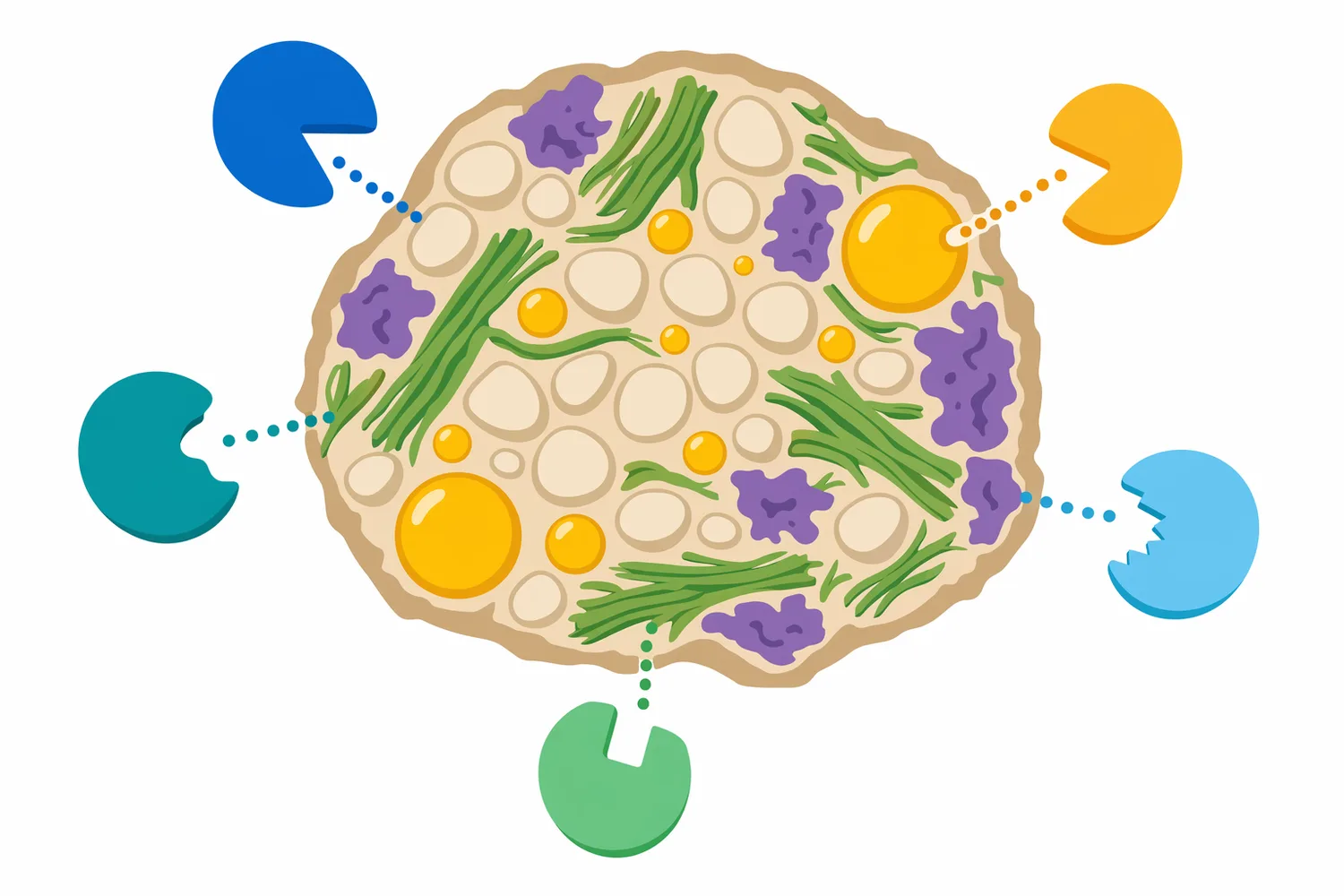
In practice, lipase is often discussed as part of multi-enzyme feed strategies rather than as a universal standalone solution. Feed matrices contain multiple nutrient barriers at once: starch granules may be embedded in protein, lipids may be held within plant cell structures, and fibre can physically limit enzyme access to nutrients. Research on enzyme cocktails in broiler feed reflects this logic, evaluating combinations such as lipase with other digestive enzymes to improve nutrient digestibility and feed efficiency in complex diets [2].
The practical value of lipase starts with a physical and chemical challenge: fats and oils are hydrophobic. In the gut, they do not dissolve readily in water, and large lipid droplets present a limited surface area for digestion. Before lipid energy can be absorbed, triglycerides must be emulsified and enzymatically cleaved into molecules small enough to be incorporated into micelles.
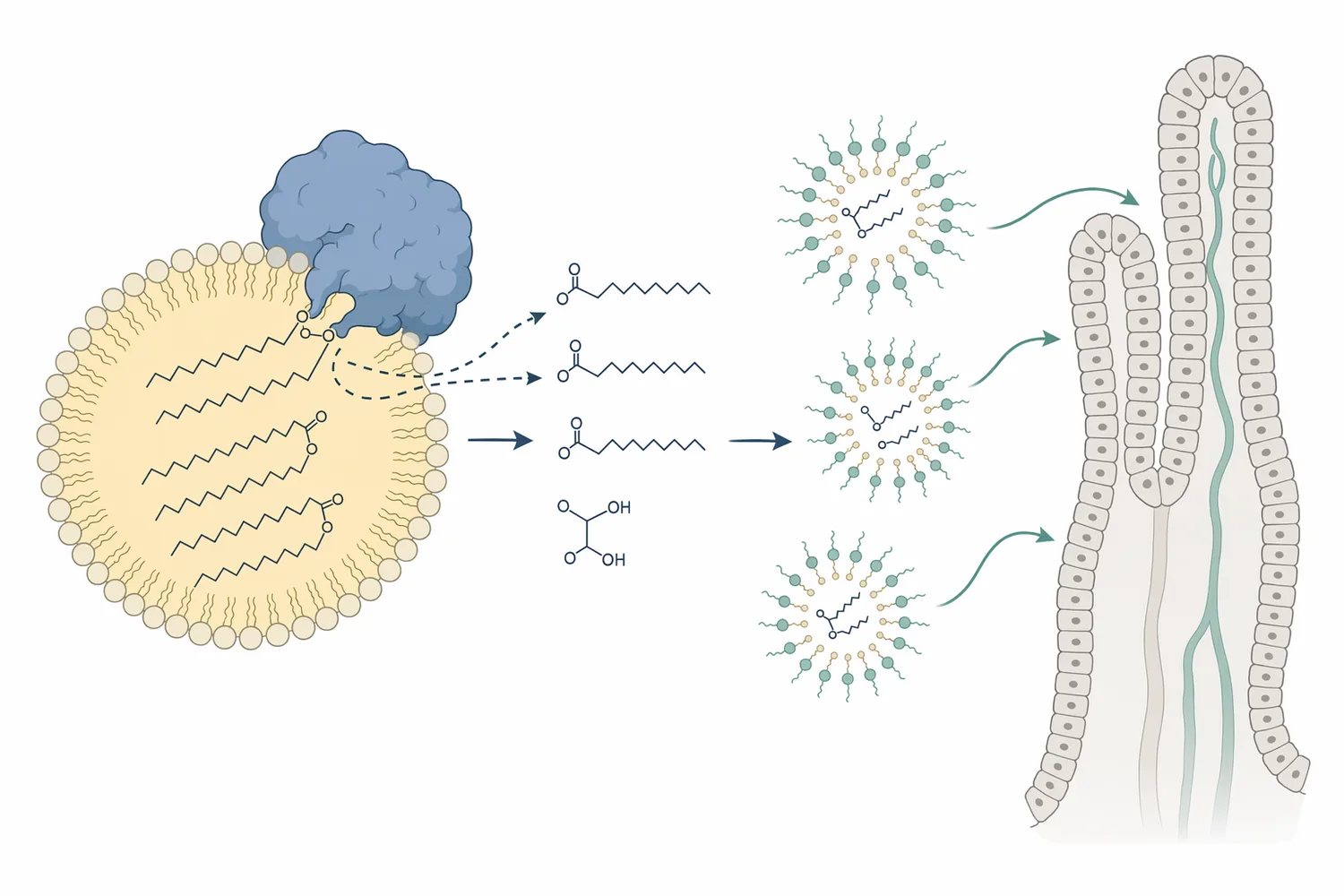
Lipase acts at the oil-water interface. When fat droplets are dispersed in the digestive contents, lipase binds at the surface and attacks ester linkages in triglycerides. This reduces the proportion of intact triglyceride and increases the proportion of free fatty acids and partial glycerides. Those products are more compatible with bile-salt micelles, so the chemical “packaging” of fat changes from large hydrophobic droplets toward absorbable lipid fragments [1].
This mechanism matters because dietary fat is one of the most energy-dense fractions of feed. If triglycerides pass through the digestive tract incompletely hydrolysed, part of the ration’s energy value is not fully captured. By increasing the rate or extent of triglyceride hydrolysis under suitable digestive conditions, lipase can support more complete use of dietary energy where lipid digestion is a limiting factor.
Lipase can also interact indirectly with the rest of the diet. When fat coats particles of protein, starch, or fibre, it can reduce water penetration and limit access by other digestive enzymes. Partial lipid hydrolysis may change the surface properties of feed particles and emulsified droplets, helping the digestive mixture become more accessible. This is one reason multi-enzyme approaches can be more relevant than single-substrate thinking in feeds containing oil, protein, starch, and fibre together [3].
The effect should still be understood realistically. Lipase is not a medication, probiotic, emulsifier, preservative, or growth promoter in itself. Its function is catalytic: it accelerates a defined chemical reaction involving lipid ester bonds. Any observed benefit in animal performance depends on whether that reaction improves the animal’s actual nutrient capture under the conditions of the diet, species, age, gut physiology, and feed processing history.
The scientific foundation for feed enzymes is strongest at the category level. Across livestock, poultry, and aquaculture, exogenous enzymes are used to improve nutrient availability, support feed conversion, reduce undigested nutrient losses, and help producers work with more diverse feed ingredients. Reviews of animal nutrition technologies consistently describe enzymes as part of modern strategies for improving digestibility and production efficiency [2].
For lipase specifically, the evidence is clearest in three areas: the well-established biochemical role of lipases in fat hydrolysis, their inclusion in multi-enzyme feed systems, and the importance of endogenous digestive lipase activity as an indicator of lipid digestion capacity. Publicly available standalone livestock lipase trials are less abundant than the literature for phytase, xylanase, or protease, so the most responsible technical position is that lipase has a clear mechanistic rationale and practical use case, while outcomes remain diet- and system-dependent.
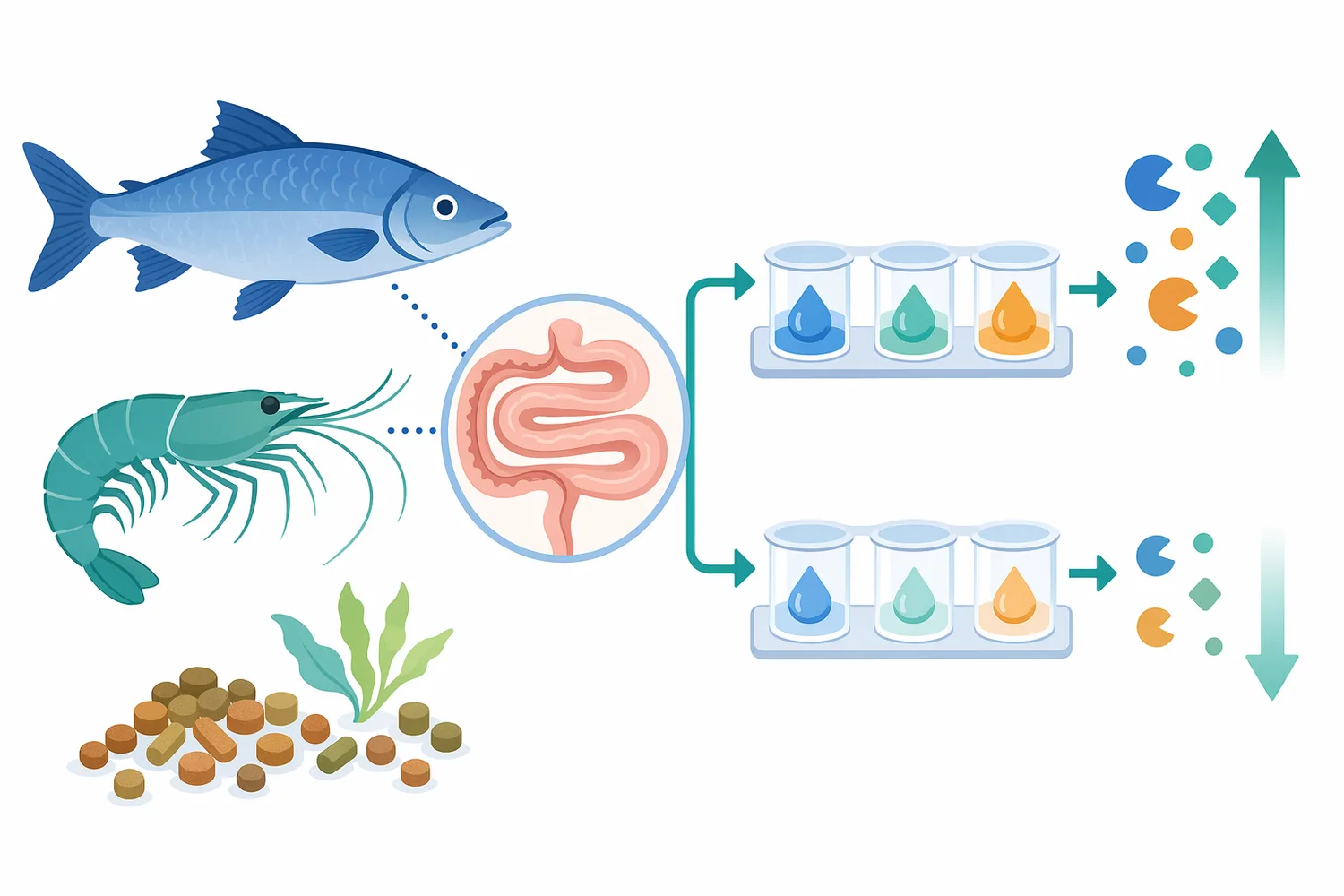
Aquaculture literature gives useful context because fish and shrimp nutrition often involves high-energy feeds, lipid-rich ingredients, and species-specific digestive limitations. A review on exogenous enzymes in finfish aquaculture describes enzymes including proteases, carbohydrases, phytases, and lipases as functional additives for improving digestion, nutrient absorption, feed efficiency, and environmental performance [4]. This does not mean every fish feed requires lipase, but it supports the role of digestive enzymes in systems where nutrient release is a central production constraint.
Recent shrimp and fish studies also show why digestive enzyme activity is frequently measured when evaluating feed additives. Work in whiteleg shrimp, African catfish, common carp, and grass carp links diet composition or feed additive strategies with digestive enzyme activities, growth-related responses, or nutrient absorption capacity [5]. These studies are not all exogenous lipase product trials, but they reinforce an important biological point: digestive enzyme status is closely tied to how animals process feed.
Different enzymes solve different digestion problems. The table below places lipase alongside other common feed enzyme types at a conceptual level.
| Feed enzyme type | Main substrate in feed | What the enzyme changes | Practical nutrition relevance |
|---|---|---|---|
| Lipase | Triglycerides and other digestible lipid esters | Cleaves ester bonds to form free fatty acids, monoacylglycerols, and related lipid fragments | Supports fat and oil digestion where dietary lipid utilization is important |
| Protease | Feed proteins and peptides | Cleaves peptide bonds, increasing smaller peptides and amino-acid-accessible fractions | Supports protein digestibility, especially in protein-rich or variable ingredients |
| Amylase | Starch | Hydrolyses starch chains into smaller dextrins and sugars | Supports energy release from cereal grains and starch-rich diets |
| Cellulase / xylanase / other carbohydrases | Fibre and non-starch polysaccharides | Breaks structural plant polysaccharides and can reduce viscosity or cell-wall barriers | Helps release entrapped nutrients and improve use of plant-based feedstuffs |
| Phytase | Phytate | Releases phosphorus and reduces phytate’s nutrient-binding effects | Supports phosphorus availability and can reduce mineral waste |
This comparison is important because lipase should not be expected to do the work of a protease, carbohydrase, or phytase. Its value is tied to the lipid fraction. In a high-starch, low-fat diet, amylase or carbohydrase activity may be more central; in a ration with substantial added oil or variable fat digestibility, lipase becomes more relevant to the digestion pathway.
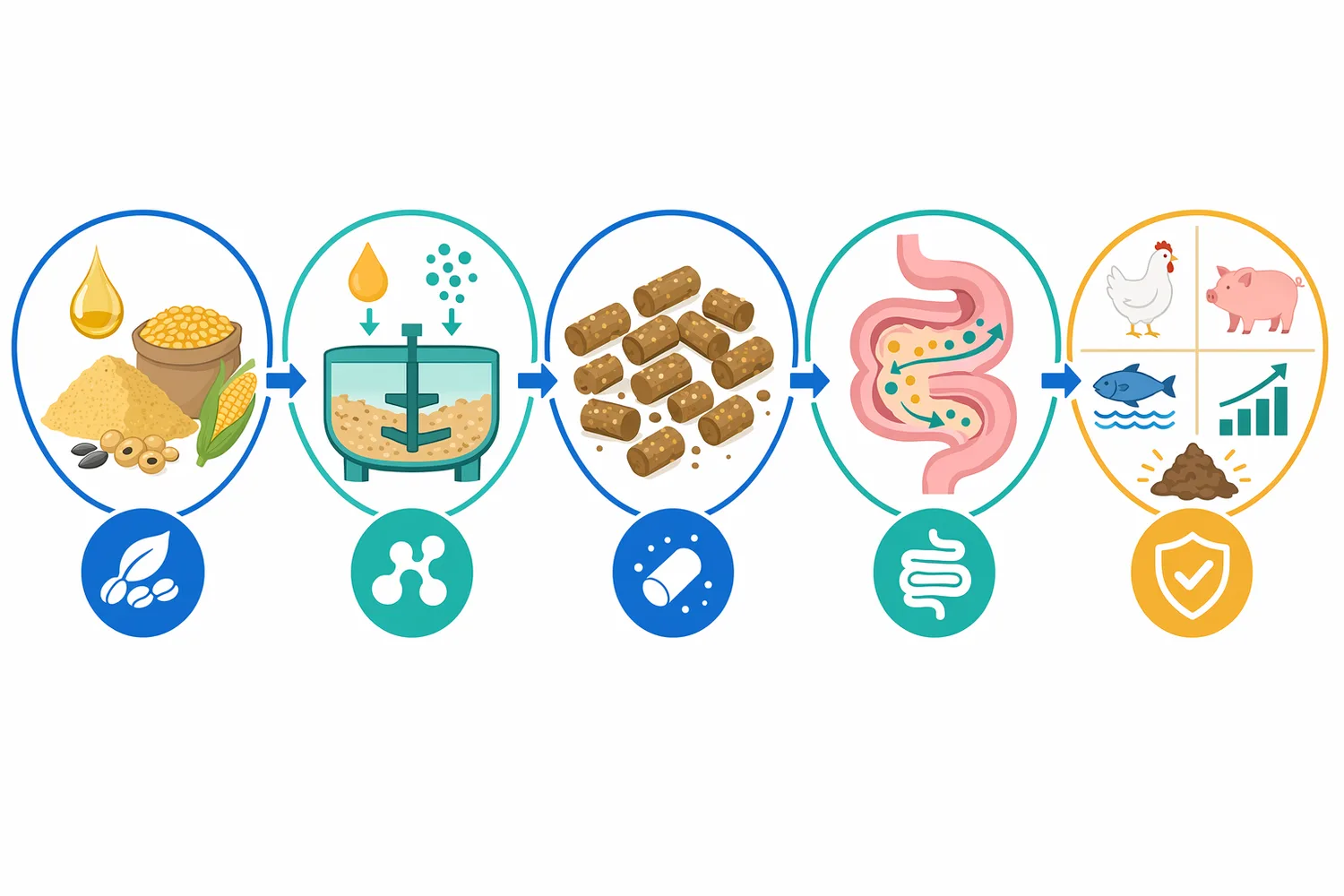
Multi-enzyme systems are common because feed ingredients do not present nutrients in isolated form. A poultry diet may contain corn starch, soybean protein, residual oil, fibre, and mineral-binding phytate in the same pellet. A fish or shrimp feed may combine fishmeal, plant proteins, marine oils, starch binders, and lipid-coated particles. Studies of enzyme cocktails in broilers and multi-enzyme concepts reflect the practical need to act on several substrate classes at once [2].
Poultry diets frequently include maize, wheat, soybean meal, vegetable oils, rendered fats, and other energy-dense ingredients. Broilers in particular are formulated for rapid growth, so efficient capture of dietary energy is central to feed conversion. Lipase is relevant when part of that energy is supplied as fat and oil rather than only as starch.
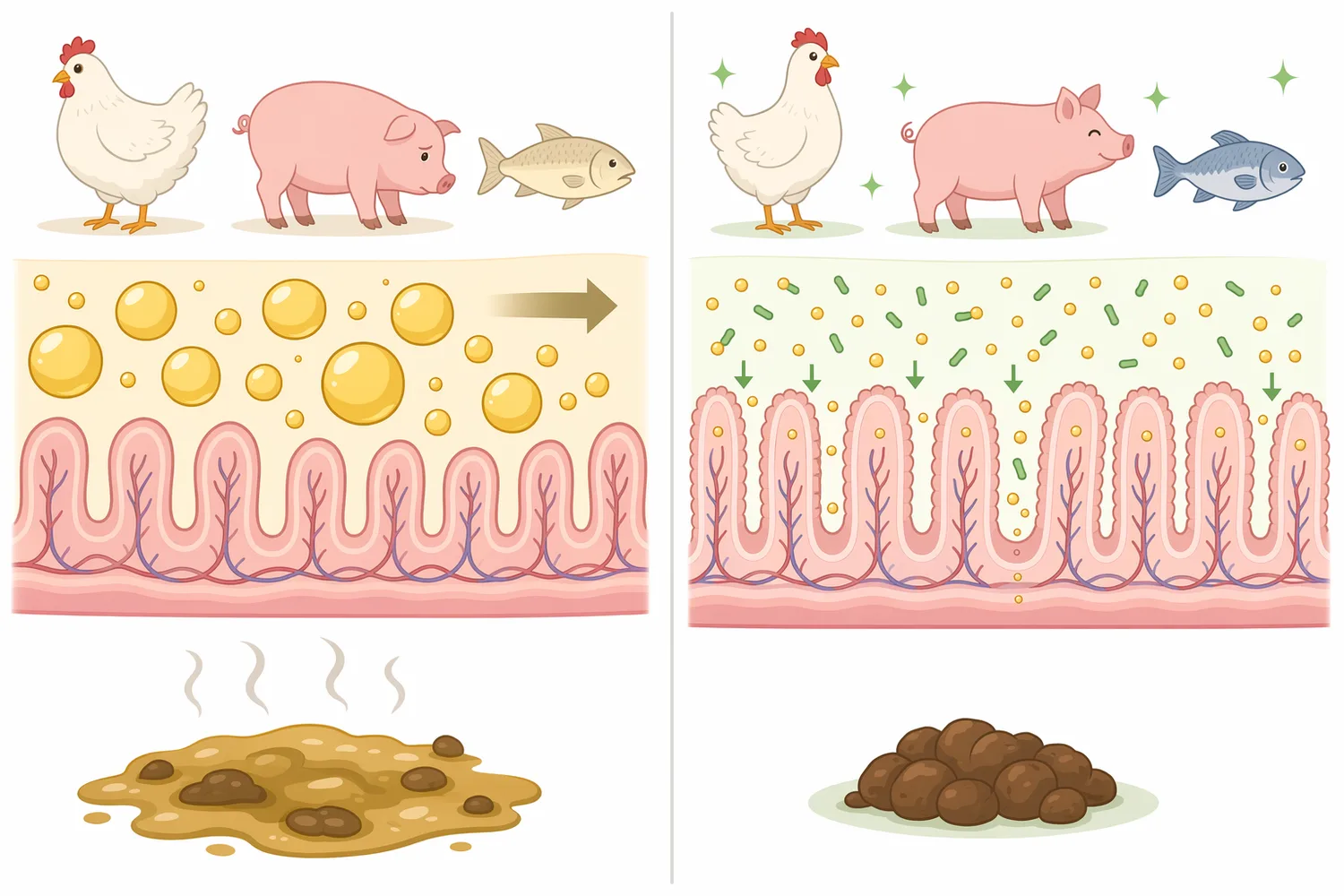
In the digestive tract of poultry, fats must be emulsified, hydrolysed, incorporated into micelles, absorbed, and then transported for metabolic use. Young birds and birds under nutritional or environmental stress may not always digest fats with maximum efficiency, especially when fat sources vary in chain length, saturation level, free fatty acid content, or physical dispersion in the feed matrix. Lipase addresses the hydrolysis step by increasing access to smaller lipid digestion products.
Broiler research on encapsulated enzyme cocktails has evaluated feed enzyme combinations as tools for improving nutrient digestibility and feed efficiency, supporting the commercial logic of using enzymes where multiple substrates limit nutrient release [2]. Within such systems, lipase contributes by targeting triglycerides, while other enzymes address starch, protein, or fibre barriers.
For poultry applications, the expected contribution of lipase is most straightforward in energy-dense feeds, rations using added oils or fats, and formulas where fat digestibility may be variable. It may also complement fibre-degrading enzymes because plant cell-wall breakdown can expose oil bodies and entrapped nutrients, while lipase acts on the lipid fraction once accessible.
Swine diets can contain cereal grains, soybean meal, full-fat soy, added oils, animal fats, bakery by-products, and other lipid-containing ingredients. In nursery pigs, digestive capacity changes rapidly around weaning, while grower-finisher diets often focus on feed efficiency and energy density. Lipase is relevant to the fat-digestion portion of these programs.
The biological role is the same as in other monogastric animals: triglycerides must be hydrolysed before efficient absorption. When dietary fat sources are included to increase energy density, the feed’s calculated energy value depends on actual digestion, not only formulation arithmetic. Lipase can support the reaction that converts intact triglycerides into absorbable fatty acid and glyceride fractions.
Feed enzyme literature in livestock nutrition supports the broader use of enzymes to improve nutrient utilization and feed efficiency, although the evidence base varies by enzyme class and animal system [2]. For swine, lipase is best understood as a targeted digestive-support enzyme for lipid-containing diets rather than a general performance additive.
Rations containing highly digestible fat may show less room for improvement than rations in which fat digestion is constrained by age, emulsification, ingredient variability, or feed matrix effects. This is why lipase is typically positioned around fat utilization, not as a universal replacement for broader nutrition management.
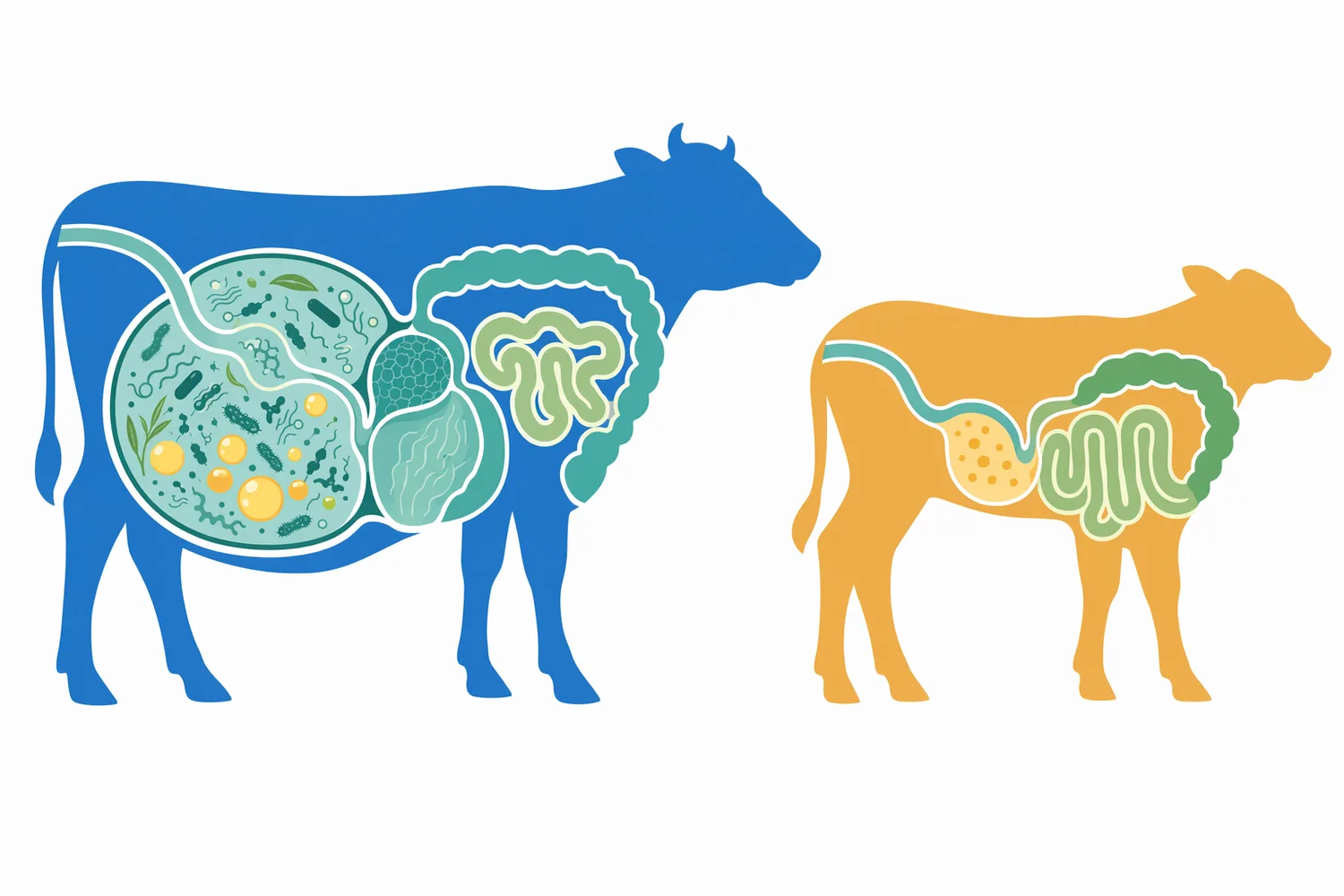
Ruminant systems are more complex because rumen microbes modify dietary lipids before the animal absorbs fatty acids in the small intestine. In the rumen, unsaturated fatty acids can undergo biohydrogenation, and dietary fat can affect microbial fermentation depending on amount, form, and source. That makes exogenous lipase use less straightforward in mature cattle, sheep, and goats than in monogastric animals.
The relevant technical point is that lipid digestion in ruminants is split across microbial and post-ruminal processes. Any enzyme acting on fat before or within the rumen may influence the form in which lipids are presented to microbes, while the animal’s own pancreatic and intestinal digestion remains important later in the tract. Research on sheep digestion highlights that enzyme activity in duodenal chyme changes after feeding, reflecting the dynamic regulation of digestion in ruminants [6].
Lipase may therefore be considered differently in ruminant nutrition than in poultry or swine. Its value is not simply a matter of “more fat hydrolysis is always better.” The fat source, the rumen environment, and the intended nutritional outcome all influence whether lipid hydrolysis support is useful.
For calves and other young ruminants before full rumen development, the digestive situation is closer to monogastric physiology than to mature rumen fermentation. In those contexts, fat digestion support may be considered in relation to milk replacers, starter feeds, and the transition of digestive function, while still recognizing that published product-specific outcomes vary.
Aquaculture is a particularly relevant area for digestive enzyme supplementation because species differ widely in gut structure, digestive enzyme secretion, temperature environment, and ability to use plant or animal feed ingredients. Fish and shrimp feeds often contain lipid-rich components such as fish oil, poultry oil, plant oils, full-fat meals, and marine by-products, making lipid digestion a meaningful part of nutrient utilization.
A review of exogenous enzymes in finfish aquaculture identifies lipase among enzyme categories used to improve digestion and nutrient absorption, with potential benefits for growth performance, feed conversion, and more sustainable feed use [4]. This is important because aquaculture diets increasingly combine marine and plant-derived ingredients, and the ability to digest those ingredients can vary substantially by species and life stage.
In shrimp, studies of dietary feed additives commonly monitor digestive enzyme activity because hepatopancreatic enzyme function is central to nutrient processing. Research in whiteleg shrimp has evaluated feed additives in relation to growth performance, survival, and digestive enzyme activity, underscoring the connection between digestive biochemistry and production outcomes [5].
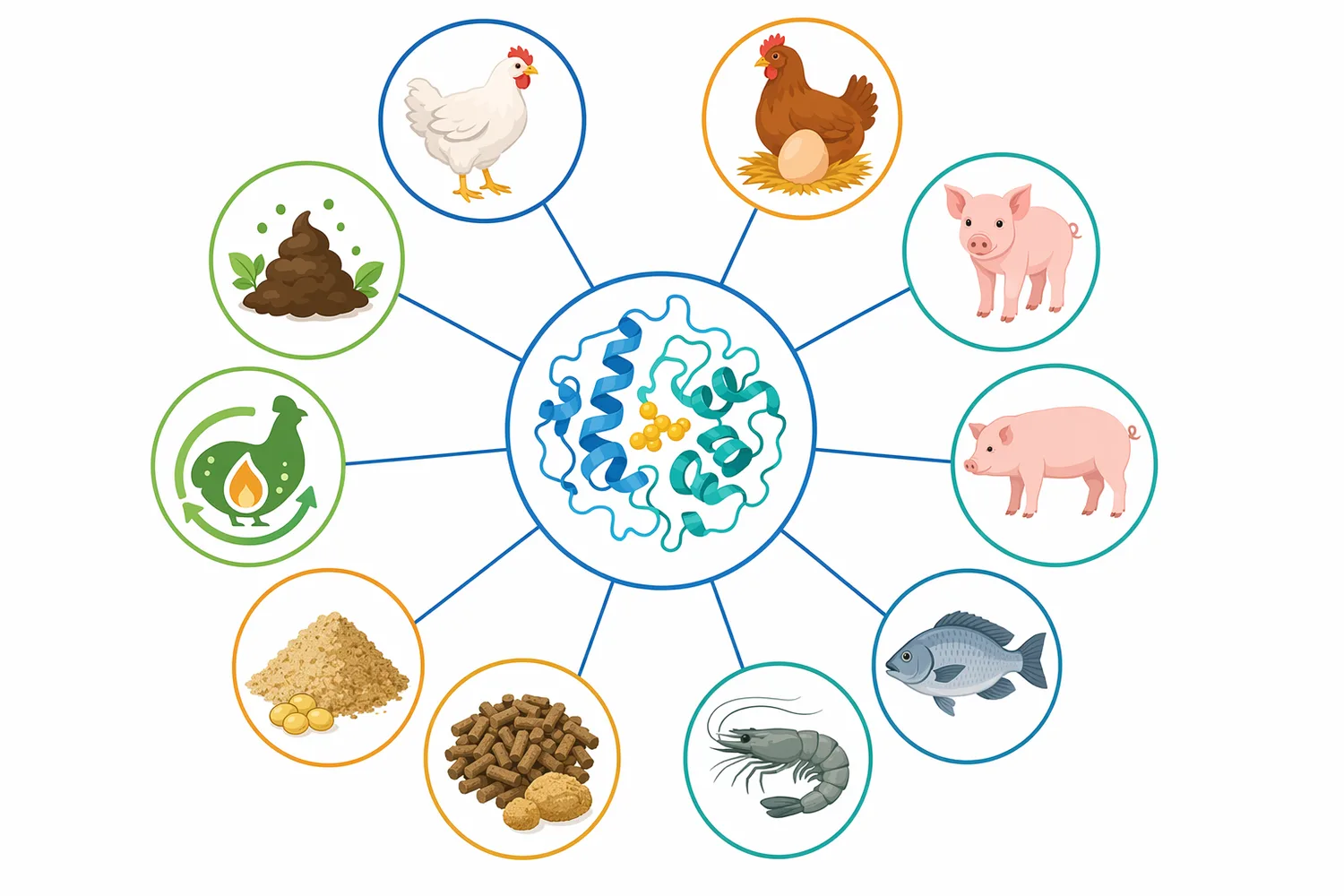
For fish larvae and juveniles, enzyme supplementation is especially plausible in principle because endogenous digestive systems may still be developing. However, aquaculture is not a single application. Carnivorous fish, omnivorous fish, shrimp, crabs, and molluscs differ in lipid requirements and digestive physiology. Lipase should therefore be viewed as a lipid-digestion support tool within species-appropriate feed formulation, not as a blanket solution for all aquatic feeds.
Many animal nutrition studies evaluate digestive enzyme activity because it provides a window into how the animal is responding to diet. If a diet changes endogenous lipase, protease, amylase, or brush-border enzyme activity, that can indicate altered digestive capacity, nutrient demand, or gut adaptation.
In young grass carp, dietary niacin deficiency was associated with decreased digestion and absorption capacities, including declines in digestive and brush-border enzyme activities and downregulation of related gene transcription in hepatopancreas and intestine [7]. Although this study was about niacin rather than exogenous lipase, it illustrates why digestive enzyme activity is nutritionally important: when enzyme systems decline, the animal’s ability to extract nutrients can also decline.
Common carp research has also shown that different diets can affect digestion and immunity when evaluated through enzyme activity assays and transcriptome sequencing [8]. These findings support the general principle that diet composition and digestive enzyme function are linked, especially in aquatic species where feed formulation changes can strongly affect gut physiology.
For lipase, the practical takeaway is that lipid digestion is not only a chemical calculation based on feed fat percentage. It depends on biological capacity: enzyme secretion, gut pH, emulsification, transit time, bile availability, microbial activity, and the physical structure of the feed. Exogenous lipase addresses one part of that system by adding catalytic capacity for lipid hydrolysis.
Lipase can be used in the same nutrition program as other feed additive categories, but it should not be confused with them. Emulsifiers help disperse fat droplets and increase oil-water interface area. Organic acids influence pH and microbial conditions. Probiotics and prebiotics act through the microbiota. Antioxidants protect ingredients and tissues from oxidative stress. Lipase directly catalyses lipid bond cleavage.
The interaction with emulsification is especially concrete. Lipase works at the fat-water interface, so better dispersion of fat can increase the surface area available for enzyme action. Conversely, hydrolysis by lipase produces fatty acids and partial glycerides that can change interfacial properties and support micelle formation. In this way, physical dispersion and enzymatic cleavage are different but connected steps in fat digestion.
Lipase also complements protease and carbohydrase activity in feeds where nutrients are physically associated. Oil may be trapped inside plant cells, protein matrices, or processed feed particles. Carbohydrases may loosen cell-wall structures, proteases may open protein networks, and lipase can then hydrolyse exposed lipid substrates. Food biotechnology reviews describe lipases as versatile enzymes in lipid modification and hydrolysis, which is consistent with their feed role as lipid-processing catalysts [3].
This complementary role is one reason multi-enzyme feed concepts remain common. A single enzyme can only act on its compatible substrate. A multi-substrate feed matrix often benefits from a coordinated approach in which each enzyme contributes a different biochemical function.
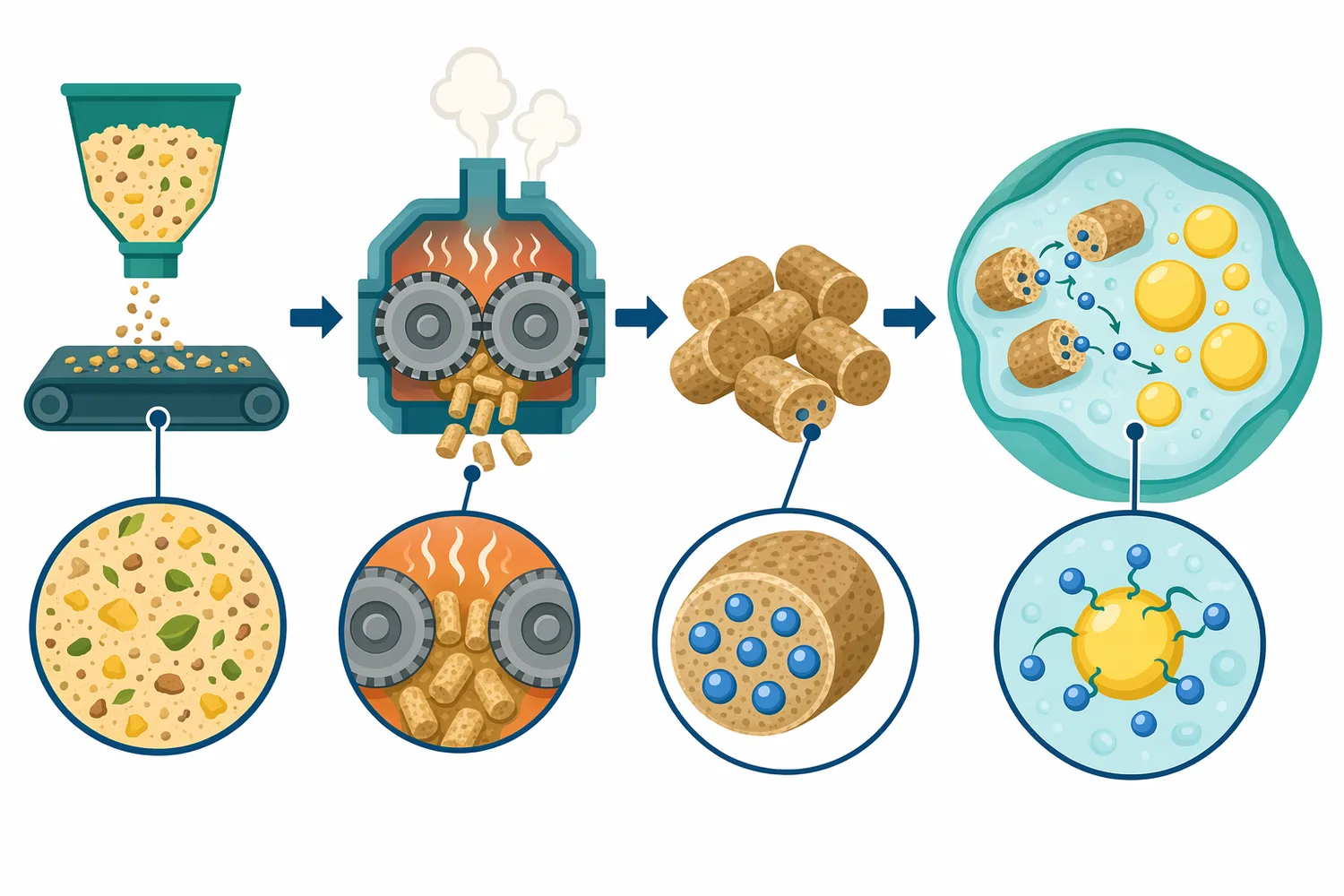
Feed enzymes are proteins, and proteins can lose functional structure when exposed to harsh conditions. Heat, moisture, pressure, oxidants, extreme pH, and prolonged storage stress can affect enzyme activity. This is why feed processing history matters for all enzyme products, including lipase.
Pelleting is a common example. During conditioning and pelleting, feed may be exposed to heat and moisture that improve pellet quality but can challenge enzyme stability. Mash feeds, crumbles, coated feeds, and post-processing applications create different exposure patterns. The general principle is simple: an enzyme must remain sufficiently intact until it reaches the point in the digestive tract where it can contact its substrate.
Encapsulation and other protection strategies are often studied because they can improve enzyme robustness during feed handling and digestion. Broiler research on encapsulated enzyme cocktails reflects this industry interest in maintaining enzyme function through practical feed conditions [2]. The same principle applies to lipase, although the exact performance of any feed enzyme depends on product form, feed matrix, and processing exposure.
It is also important to distinguish processing survival from digestive relevance. An enzyme that survives feed manufacturing still needs suitable digestive conditions and substrate contact. Lipase needs access to lipid droplets or lipid-containing particles; if fat is poorly dispersed or locked inside feed structures, hydrolysis may be limited by access rather than catalytic potential alone.
The most direct benefit of feed lipase is improved hydrolysis of dietary triglycerides. When that hydrolysis is a bottleneck, the animal may gain better access to the energy contained in fats and oils. This can support the nutritional objective of making lipid calories more available from the same formulated diet.
A second benefit is feed-efficiency support. Feed conversion depends on how much of the ingested ration becomes usable nutrients rather than undigested material. Enzyme use in animal nutrition is widely associated with improved nutrient utilization and feed efficiency, although the measurable response depends on enzyme-substrate fit and production context [2].
A third benefit is ingredient flexibility. Modern feeds often use variable raw materials to manage availability, cost, and sustainability. Lipid-containing ingredients can differ in digestibility because of fatty acid profile, saturation, oxidation history, processing conditions, particle structure, and interactions with fibre or protein. Lipase can help address the enzymatic part of that variability by targeting triglyceride hydrolysis.
A fourth benefit is reduced nutrient wastage. If more dietary fat is digested and absorbed, less lipid energy may pass unused through the digestive tract. In aquaculture and intensive livestock systems, improving nutrient capture is not only an economic goal but also part of reducing the environmental burden of feed production and waste output [4].
These benefits are conditional, not automatic. Lipase is most technically credible where dietary fat utilization is important and where the feed matrix allows the enzyme to contact lipid substrate in the digestive tract. It is less relevant where lipid digestion is already highly efficient or where another nutrient fraction, rather than fat, is the main digestibility limitation.
A scientifically responsible view of livestock feed lipase balances mechanism, evidence, and practical variability. The mechanism is clear: lipase hydrolyses lipid ester bonds in triglycerides and related fats. The feed-enzyme category is well established, and multi-enzyme research supports the use of enzymes to improve digestibility in complex diets [2].
The area that should not be overstated is universal performance prediction. Standalone lipase responses are less extensively documented in open literature than phytase, xylanase, or some protease applications. Published studies more often discuss lipase as part of enzyme cocktails, digestive enzyme activity profiles, or broader feed additive strategies.
This means lipase is best positioned as a targeted fat-digestion support enzyme. It is not a guaranteed growth enhancer, and it should not be described as solving unrelated problems such as disease, poor hygiene, toxin exposure, inadequate formulation, or severe processing damage. Its value comes from improving a defined biochemical step when that step matters to the diet and animal system.
For buyers purchasing a 1 kg unit online from Enzymes.bio, the practical understanding is straightforward: this is a feed enzyme ingredient intended to support the breakdown of dietary lipids. It fits within modern enzyme-assisted nutrition strategies where the objective is to improve nutrient availability and make more efficient use of feed ingredients.
Enzymes.bio supplies livestock feed lipase enzyme, CAS 232-619-9, for direct online purchase by the 1 kg unit. The buying process is designed to be simple: the product is purchased and paid for online, the order is processed, and the material is shipped.
A Certificate of Analysis and Safety Data Sheet are provided with the order. Enzymes.bio acts as a supplier, not as the manufacturer or a testing laboratory.
The key technical takeaway is that lipase is a substrate-specific digestive enzyme for fats and oils in animal feed. By hydrolysing triglycerides into smaller absorbable lipid fractions, it supports the biochemical pathway of fat utilization in poultry, swine, ruminant, and aquaculture nutrition where lipid digestion is relevant.
Sold by the 1 kg unit, in stock and ready to ship. Order directly on our store — pay online and we process your order. A Certificate of Analysis and Safety Data Sheet are included with every order.
Buy Livestock Feed Enzymes Lipase Enzyme ≥20,000U/G Cas 232-619-9 →Numbered in order of first citation. Open-access sources, each verified reachable at publication; citation numbers in the text link here.