
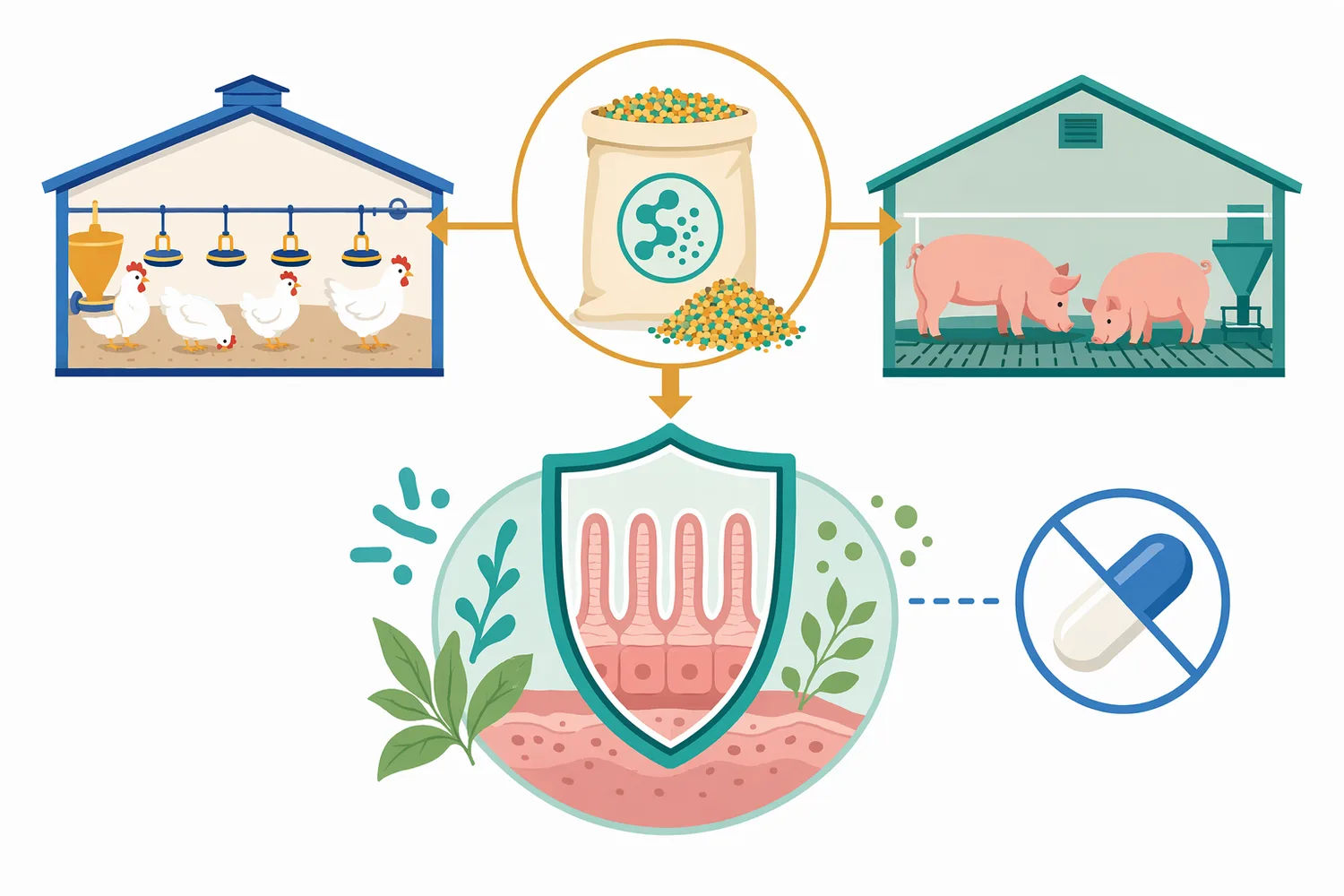
Lysozyme is a naturally occurring antimicrobial enzyme used in poultry and swine feed programs to support intestinal health by hydrolyzing peptidoglycan, a structural polymer in bacterial cell walls. The strongest feed-additive evidence is in nursery pigs, where reviewed studies report improved growth, feed efficiency, gastrointestinal health, and reduced potential pathogen shedding under the conditions tested [1]. Poultry evidence is more limited, so lysozyme is best positioned as a gut-health support additive rather than a guaranteed performance enhancer across all poultry systems.
Enzymes.bio supplies Lysozyme – Feed Additive For Poultry And Swine directly online in 1 kg units. Buyers place and pay for the order online; the order is then processed and shipped, with a Certificate of Analysis and Safety Data Sheet included with the order.
Lysozyme is an enzyme found naturally in animal defense systems, including secretions such as tears, saliva, colostrum, milk, and egg white. Its biological role is antimicrobial: it helps protect tissues and secretions by attacking bacterial cell-wall material, especially peptidoglycan, which is essential for maintaining bacterial cell shape and resistance to osmotic pressure [2].
In animal feed, lysozyme is used as a functional additive rather than as a nutrient in the conventional sense. It does not supply energy, amino acids, or minerals as its main purpose. Its value comes from its interaction with bacteria in the gastrointestinal environment: when susceptible bacteria are weakened or lysed, the microbial pressure on the animal may be reduced, and the gut environment may become more favorable for nutrient absorption and intestinal development [3].
For poultry and swine producers working with reduced-antibiotic or antibiotic-free systems, that mode of action is especially relevant. Antimicrobial resistance concerns continue to drive interest in non-antibiotic tools that can help manage microbial challenges in food-animal production, including the swine food chain where resistant Salmonella enterica remains a practical food-safety concern [4]. Lysozyme belongs in that wider category of non-antibiotic gut-health additives, alongside probiotics, phytogenic compounds, organic acids, and enzyme systems, but it is distinct because it directly attacks bacterial cell-wall structure.
The practical fit is clearest in young animals, especially post-weaning pigs. Weaning creates a difficult transition: the pig moves from milk to dry feed, gut morphology changes rapidly, feed intake may be inconsistent, and the intestinal microbial population shifts. Under those conditions, an additive that reduces microbial pressure and supports intestinal structure can have measurable effects on growth and feed conversion [5].
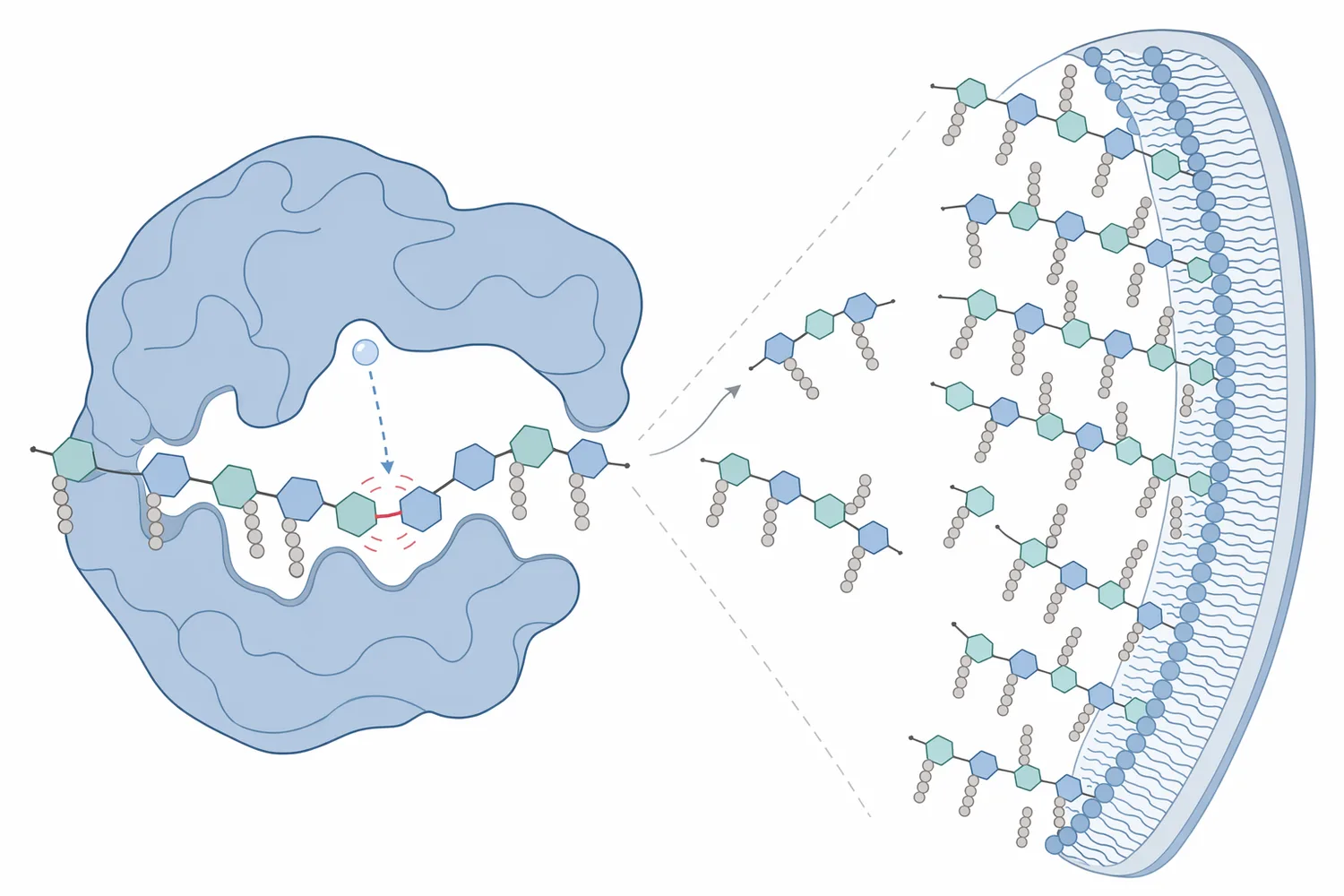
Lysozyme acts on peptidoglycan, the rigid mesh-like polymer that gives many bacterial cell walls their strength. Peptidoglycan is built from repeating sugar units—commonly described as N-acetylglucosamine and N-acetylmuramic acid—cross-linked with short peptides. Lysozyme cleaves the bond between the sugar units, cutting the backbone of that mesh and weakening the cell wall [6].
The effect is mechanical as much as biochemical. A bacterial cell is under internal osmotic pressure; its wall prevents it from swelling and bursting. When lysozyme cuts enough of the peptidoglycan network, the wall loses integrity. In susceptible bacteria, this can lead to rupture, leakage of cellular contents, and death. In less susceptible bacteria, partial damage can still alter surface structure, stress the cell, or make it more vulnerable to other antimicrobial factors in the gut [6].
Lysozyme is generally more directly active against Gram-positive bacteria because their peptidoglycan layer is thick and exposed. Gram-negative bacteria have a thinner peptidoglycan layer protected by an outer membrane, so lysozyme has less direct access unless that outer membrane is disrupted or the local environment increases permeability. This is why lysozyme is often described as strongly active against Gram-positive organisms in vitro while still capable of influencing broader microbial ecology in vivo through indirect effects, interactions with other gut factors, and changes in competitive microbial balance [3].
That distinction matters in feed use. Lysozyme should not be understood as a broad-spectrum sterilizing agent. Feed applications are not intended to eliminate intestinal bacteria; healthy poultry and swine require a functioning microbiome. The goal is better microbial balance: reducing harmful pressure, limiting excessive microbial competition for nutrients, and supporting conditions in which the intestinal lining can maintain absorptive and barrier functions [1].
The gut is not only a digestive tube. It is also an immune organ, a microbial ecosystem, and the surface through which nutrients must pass into the animal. When microbial pressure is high, nutrients may be diverted away from growth and toward immune activation, mucin production, tissue repair, and microbial metabolism. Even without visible disease, that diversion can affect feed efficiency and growth consistency [5].
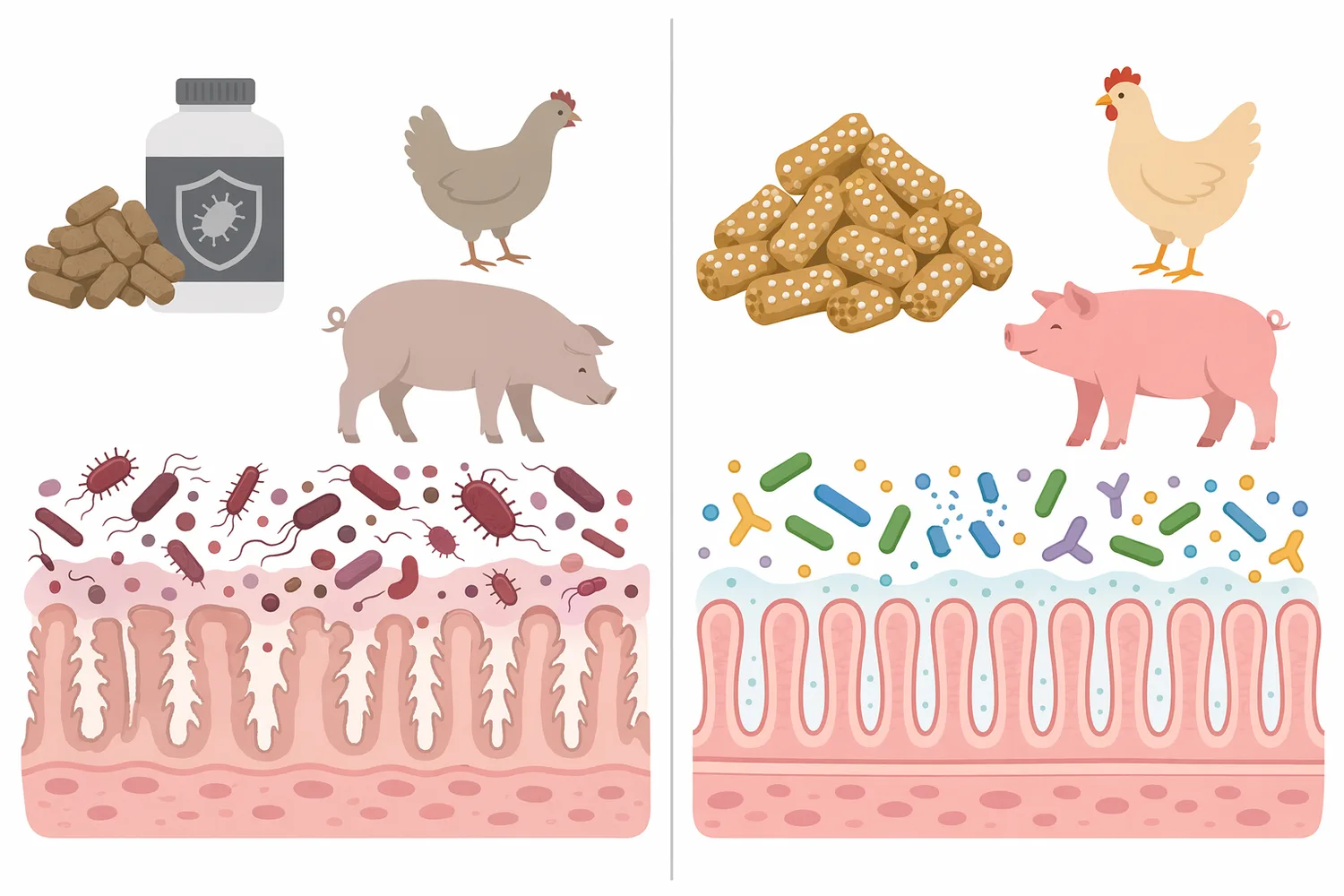
In young pigs, the post-weaning period is a good example. Reduced feed intake, changes in diet composition, and unstable microbial populations can damage villi, deepen crypts, and reduce absorptive efficiency. Villi are finger-like projections that increase surface area for nutrient absorption; crypts contain proliferating cells that replace the intestinal lining. Taller villi and a more favorable villus-height-to-crypt-depth relationship are commonly interpreted as signs of improved intestinal absorptive condition [7].
Lysozyme’s antimicrobial action can contribute to this system by reducing the bacterial load or altering bacterial composition in ways that reduce irritation and metabolic waste products. When the gut lining is under less microbial stress, villus structure may be better maintained, and nutrients from the diet are more likely to be used for tissue growth rather than inflammatory or repair processes [1].
This is why lysozyme’s feed value is often discussed in terms of performance endpoints—gain and feed conversion—even though the enzyme’s immediate biochemical target is bacterial peptidoglycan. The chain of effects is: peptidoglycan hydrolysis → weakened susceptible bacteria → altered microbial ecology → reduced gut stress → improved morphology and nutrient use → better growth or feed efficiency under responsive conditions [5].
The most developed evidence for lysozyme in animal feed is in nursery pigs. A swine-focused review concluded that lysozyme as a feed additive can improve gastrointestinal health, alter gastrointestinal bacterial ecology, reduce potential pathogen shedding, and improve growth and feed efficiency in nursery pigs [1].
Several studies summarized in that literature compared lysozyme-fed pigs with non-medicated controls and with pigs receiving antibiotic-containing diets. The review reports that nursery pigs consuming lysozyme or antibiotics gained weight approximately 8% faster and had feed efficiency improved by approximately 7% compared with non-medicated controls under the study conditions [1].
Another summarized performance comparison reported feed-efficiency improvement of about 8% in pigs consuming egg-white lysozyme compared with untreated diets, with results similar to pigs consuming antibiotic-treated feeds in those experiments. These numbers should be read as study outcomes, not universal guarantees, but they show why lysozyme has attracted interest as an antibiotic-alternative feed additive in swine [5].
The intestinal morphology data are also important. Studies cited in the swine literature reported improved villus height and villus-height-to-crypt-depth relationships in pigs receiving lysozyme. One summarized comparison described an approximately 70% increase in villus-height-to-crypt-depth ratio in pigs consuming lysozyme or antibiotics compared with controls, indicating a more favorable intestinal structure under the conditions tested [7].
Those morphology changes help explain the performance results. Taller villi provide more absorptive surface area. A less exaggerated crypt response suggests reduced need for rapid tissue replacement after irritation or damage. Together, those changes are consistent with a gut environment in which nutrients can be absorbed more efficiently and less energy is spent maintaining or repairing the intestinal lining [7].
Lysozyme has also been studied in different delivery contexts, including transgenic expression systems and egg-derived lysozyme. The practical feed-additive relevance comes from the fact that later work with egg-white lysozyme showed beneficial responses in young pigs without requiring specialized transgenic feed materials [1].
The most responsible interpretation is that lysozyme’s swine evidence is strongest for nursery and post-weaning pigs, not necessarily for every swine production stage. The post-weaning gut is highly responsive to microbial and dietary interventions, while finishing pigs and breeding animals have different digestive physiology, microbial stability, and performance drivers [5].
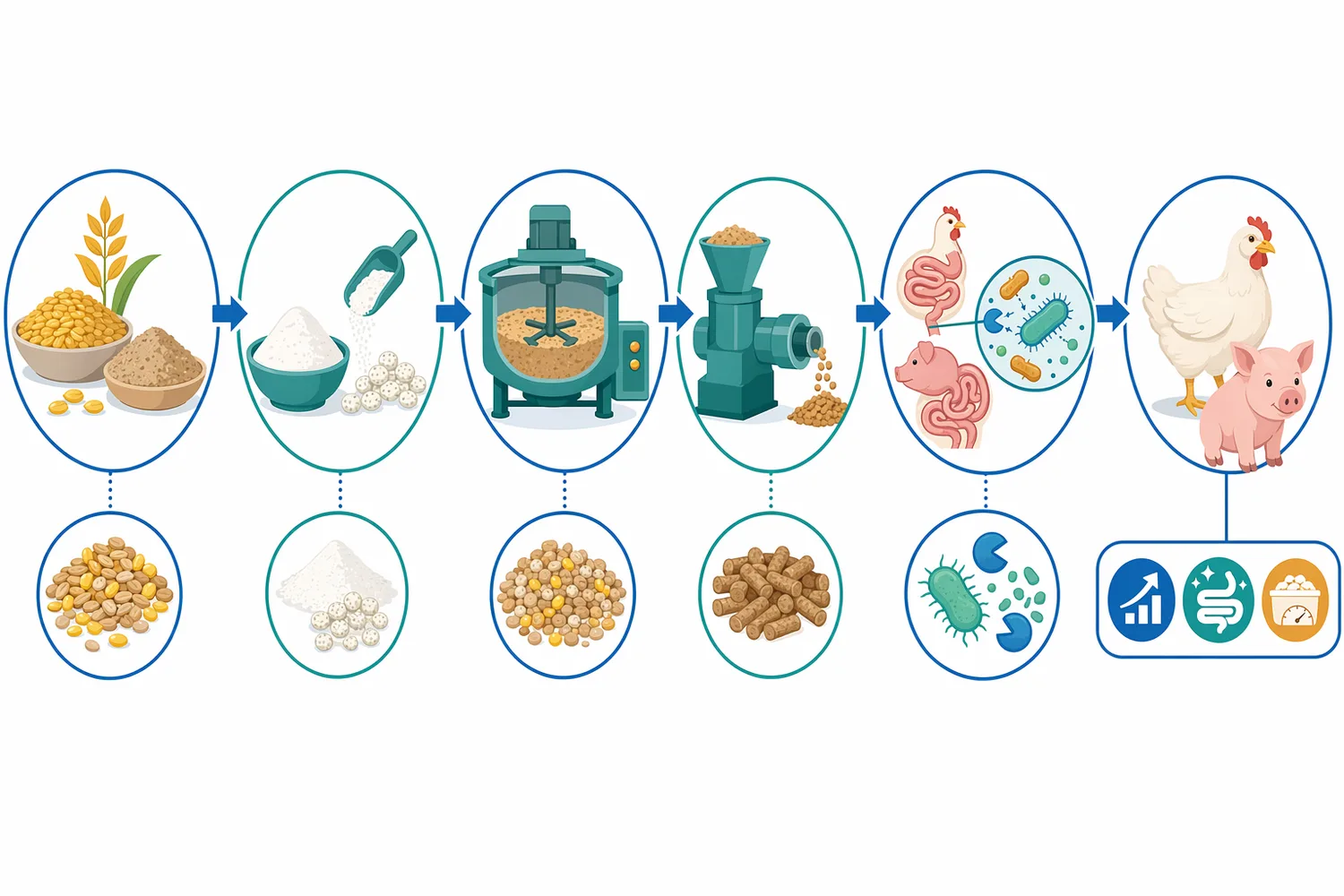
Poultry evidence for lysozyme as a feed additive is more limited than the swine nursery evidence. One reviewed chick study using human lysozyme expressed in transgenic rice did not improve growth rate, but it did significantly improve feed efficiency compared with birds receiving a diet without the transgenic protein or antibiotics [1].
That result is useful but should be interpreted cautiously. Improved feed efficiency suggests that lysozyme can influence nutrient use or microbial conditions in birds under certain experimental circumstances. However, the absence of a growth-rate improvement in that study means poultry claims should remain measured, especially when compared with the stronger nursery-pig data [1].
Poultry gut-health programs already use a wide range of feed technologies. For example, Bacillus-based feed additives are evaluated for growing poultry, while other poultry feed strategies include phytogenic compounds, antioxidant plant extracts, and enzyme systems intended to improve nutrient availability or microbial balance [8]. Lysozyme fits into this wider gut-health landscape, but its primary rationale remains antimicrobial cell-wall hydrolysis rather than fiber breakdown or direct nutrient release.
It is also important to distinguish lysozyme from conventional poultry digestive enzymes such as xylanases, beta-glucanases, amylases, and proteases. Those enzymes act mainly on feed substrates—non-starch polysaccharides, starch, or proteins—to improve digestibility. Lysozyme acts primarily on microbial peptidoglycan, so its expected contribution is gut microbial modulation rather than direct breakdown of cereal cell walls or dietary protein [9].
For poultry applications, the most defensible positioning is therefore gut-health and feed-efficiency support with developing evidence. It may be relevant in programs focused on microbial balance, intestinal resilience, and reduced reliance on conventional antimicrobial growth-promotion approaches, but it should not be represented as a guaranteed performance solution for broilers, layers, or breeders in all conditions [3].
Lysozyme is one option within a broader feed-additive toolkit. Understanding what it does—and what it does not do—helps set realistic expectations.
| Feed-additive approach | Primary target in the animal or feed | What actually changes | Practical interpretation |
|---|---|---|---|
| Lysozyme | Bacterial peptidoglycan in susceptible cell walls | Hydrolyzes cell-wall structure, weakening bacteria and altering microbial pressure in the gut | Best supported in nursery pigs; poultry evidence is promising but less developed [1] |
| Non-starch-polysaccharide enzymes | Fiber-like feed components such as arabinoxylans or beta-glucans | Reduces viscosity or releases trapped nutrients depending on diet composition | Commonly used where cereal substrate limits digestibility; mechanism is feed-substrate hydrolysis rather than antimicrobial action [9] |
| Protease and multi-enzyme systems | Dietary proteins and other nutrient fractions | Improves access to digestible nutrients and may shift undigested substrate reaching the hindgut | Studied in pig diets for nutrient digestibility, growth performance, and gut microbiome effects [10] |
| Probiotics / microbial additives | Intestinal microbial ecology | Adds live beneficial organisms that may compete with pathogens or influence immune and digestive function | Evaluated across poultry and other species as gut-health tools with organism-specific effects [11] |
| Phytogenic additives | Microbial, oxidative, and digestive processes depending on plant compounds | Plant bioactives may provide antimicrobial or antioxidant effects and influence palatability or gut function | Studied in poultry as part of sustainable production strategies, but effects depend strongly on extract composition [12] |
This comparison shows why lysozyme should not be treated as interchangeable with every other “enzyme” in feed. A xylanase improves the feed by degrading cereal cell-wall polysaccharides. A protease improves access to dietary protein. Lysozyme acts on bacteria, so its main value is tied to microbial ecology and intestinal health [3].
The clearest application area is nursery pig feed during the post-weaning period. At weaning, pigs experience diet change, social stress, immune activation, and microbial instability. Lysozyme is relevant because its antimicrobial activity targets one of the major stressors in that period: unstable or excessive bacterial pressure in the gut [5].
In a responsive nursery system, the expected benefit is not simply “killing bacteria.” The more complete expectation is improved gut conditions: fewer disruptive bacterial interactions, less competition for nutrients, improved intestinal structure, and better conversion of feed into gain. This aligns with the reviewed findings of improved growth and feed efficiency in nursery pigs receiving lysozyme compared with non-medicated controls [1].
Lysozyme also fits reduced-antibiotic production strategies. The swine literature describes lysozyme as a viable alternative to traditional subtherapeutic antibiotic use in nursery pig production, based on studies where lysozyme-fed pigs showed performance responses comparable to antibiotic-fed controls [1].
That does not mean lysozyme replaces veterinary treatment or biosecurity. It is a feed additive for gut-health support, not a disease therapy. When animals are clinically ill, veterinary diagnosis and appropriate intervention remain essential. Lysozyme’s role is preventive and supportive within a broader feeding, hygiene, housing, and management system [3].
For swine buyers using Enzymes.bio, the product is available as a 1 kg online purchase. It is suited to professional feed-use contexts where lysozyme is already permitted and appropriate for the buyer’s formulation plan, internal controls, and local regulatory requirements.
In poultry, lysozyme is most logically considered where the feed program is designed to support microbial balance and feed efficiency. The reviewed chick study showing improved feed efficiency without improved growth rate suggests that lysozyme can influence how birds utilize feed under certain conditions, even though the poultry evidence base remains smaller than the swine evidence base [1].
Broilers, pullets, layers, and breeders all have different gut-health priorities. Broilers are typically managed for rapid growth and feed conversion. Layers must maintain long-term intestinal function, nutrient absorption, shell quality, and immune resilience. In each case, microbial pressure can affect performance, but the best-supported lysozyme data should not be overextended beyond the conditions studied [8].
Lysozyme may also be considered alongside other poultry gut-health additives, such as phytogenics and microbial products. Reviews of phytogenic feed additives highlight antimicrobial and antioxidant properties as part of the push toward more sustainable poultry production, while microbial feed additives are evaluated for safety and efficacy in poultry species [12]. Lysozyme adds a different mechanism: enzymatic attack on bacterial cell-wall peptidoglycan.
Because lysozyme does not degrade cereal fiber, it should not be expected to perform the same role as xylanase or glucanase in wheat-, barley-, or rye-based poultry diets. If feed viscosity or nutrient release is the main issue, digestive enzymes address that problem more directly. If microbial pressure and gut-wall resilience are the focus, lysozyme’s antimicrobial enzyme mechanism is more relevant [9].
The cautious poultry message is therefore: lysozyme is a credible gut-health support ingredient with antimicrobial rationale and some feed-efficiency evidence, but the poultry application base is still developing. Buyers should treat it as part of a broader nutrition and management program rather than as a stand-alone guarantee of growth response [3].
Interest in lysozyme has increased because poultry and swine production systems are under pressure to reduce routine reliance on antimicrobial growth promoters. This is not only a market preference; it is also connected to the public-health concern that antimicrobial use can contribute to resistant bacteria moving through livestock, food chains, and environments [4].
Lysozyme is relevant because it is not a conventional antibiotic. It is an enzyme with a physical substrate—bacterial peptidoglycan—and a mode of action based on wall degradation. That does not make it a complete replacement for antibiotics in medical situations, but it makes it useful to study as part of non-antibiotic feed strategies for maintaining gut health and performance [3].
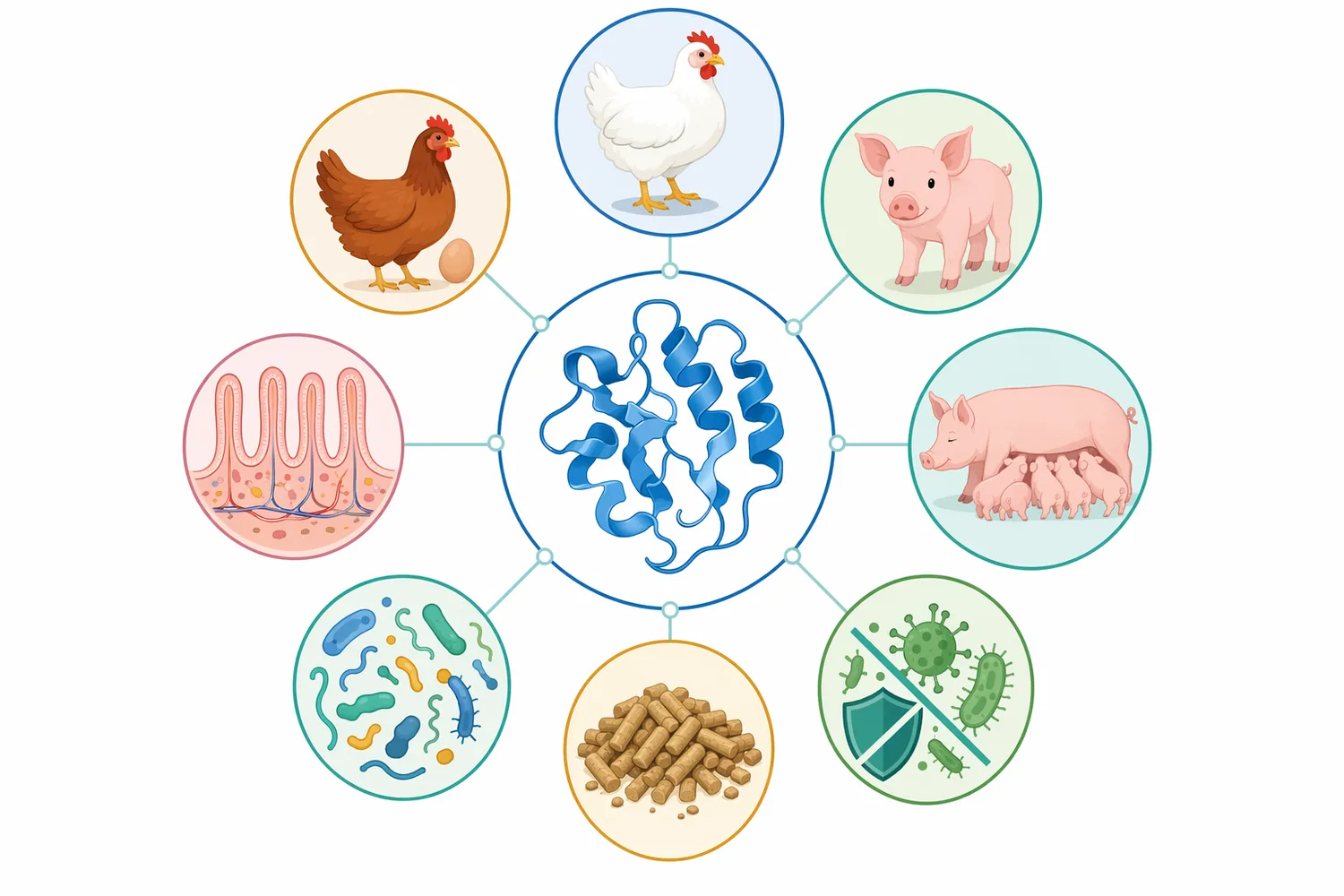
The literature on lysozyme-based animal-feed additives specifically frames the technology as one alternative route in the fight against antibiotic resistance spread. Recent work has also explored nanoformulations and delivery systems for lysozyme-based feed additives, reflecting continuing interest in improving stability, release, and antimicrobial functionality in animal nutrition contexts [3].
For practical feed use, the key point is responsible positioning. Lysozyme can support antibiotic-reduction goals by helping manage gut microbial pressure, especially in young pigs where evidence is strongest. It should not be described as a therapeutic antibiotic, a disinfectant, or a universal replacement for veterinary treatment [1].
When lysozyme performs well in a feed program, the first change is microbial. Susceptible bacteria face cell-wall damage, and the balance of the intestinal microbial community can shift. This may reduce microbial competition for nutrients and lower the production of irritating metabolites associated with undesirable bacterial overgrowth [6].
The second change is at the intestinal surface. With lower microbial irritation, villi may be better maintained, and crypts may not need to expand as aggressively to replace damaged cells. This is why villus height and villus-height-to-crypt-depth ratio are frequently used as indicators in gut-health studies. In the swine evidence base, lysozyme and antibiotics were associated with improved small-intestinal morphology compared with controls [7].
The third change is performance-related. If the intestinal surface absorbs nutrients more effectively and the immune system is less heavily activated by microbial stress, more dietary energy and amino acids can be directed toward growth. This is consistent with the reported nursery-pig improvements of approximately 8% faster gain and approximately 7% improved feed efficiency in lysozyme- or antibiotic-fed pigs compared with non-medicated controls [1].
The fourth possible change is reduced shedding of potential pathogens. The swine review concludes that lysozyme in nursery pig feed can reduce potential pathogen shedding, which supports its role in gut-health and hygiene-oriented feeding programs. This should be understood as a supportive feed effect, not as a guarantee of pathogen elimination [1].
Lysozyme is one of the best-known antimicrobial proteins in egg white. Egg white is naturally designed to protect the developing embryo from microbial invasion, and its proteins include compounds with antimicrobial and functional properties. Reviews of egg white proteins describe lysozyme as a major bioactive component with antimicrobial relevance [13].
This natural origin is one reason lysozyme is attractive in animal nutrition. Buyers often want additives that fit clean-label, reduced-antibiotic, or naturally derived feed strategies. Lysozyme’s presence in biological secretions and egg white gives it a familiar biological role, while its enzymatic mechanism provides a concrete explanation for how it acts [2].
However, “natural” should not be confused with unlimited or automatic efficacy. Feed outcomes depend on the animal, microbial challenge, diet, gut environment, and production conditions. Natural antimicrobial proteins still need to be used in appropriate contexts and interpreted through performance and animal-health evidence [3].
Lysozyme is best described as a functional antimicrobial enzyme for gut-health support. It has a defined biochemical target, a plausible intestinal mechanism, and meaningful swine evidence. Its strongest documented application is in nursery pigs, where reviewed studies report improvements in growth, feed efficiency, gut morphology, gastrointestinal health, and potential pathogen shedding [1].
The poultry case is more conservative. Existing evidence supports interest in feed-efficiency and gut-health applications, but the poultry data are not as extensive or as consistently performance-focused as the nursery-pig data. Lysozyme should therefore be positioned carefully for poultry: promising, mechanistically sound, and relevant to microbial balance, but not universally proven for all poultry categories [1].
Responses can vary. Animals under high microbial pressure may respond differently from animals in exceptionally stable environments. Diet composition, hygiene, housing, age, and overall health status all influence whether gut-health additives create measurable performance differences. This is true not only for lysozyme but also for probiotics, phytogenics, organic acids, and other non-antibiotic feed technologies [12].
Lysozyme should not be used to make disease-treatment claims. It is not a substitute for veterinary care, vaccination, biosecurity, or appropriate farm management. Its role is to support intestinal conditions that help animals use feed more efficiently and maintain gut function under normal production challenges [3].
Enzymes.bio supplies Lysozyme – Feed Additive For Poultry And Swine for professional feed-use applications. The product is sold directly online by the 1 kg unit: buyers add the product to cart, pay online, and the order is processed and shipped.
Each order includes a Certificate of Analysis and Safety Data Sheet for routine documentation and safe handling. Enzymes.bio is a product supplier, not a manufacturer or testing laboratory, so this document focuses on the application science, mechanism, and published evidence rather than manufacturing claims or laboratory-method details.
For buyers seeking a lysozyme feed additive with a clear antimicrobial rationale, the main value proposition is straightforward: lysozyme targets bacterial peptidoglycan, supports gut microbial balance, and has its strongest published feed-performance support in nursery pigs, with more cautious but relevant potential in poultry gut-health programs [1].
Lysozyme is a naturally occurring antimicrobial enzyme that supports poultry and swine feed programs by hydrolyzing bacterial peptidoglycan and weakening susceptible bacteria. In feed applications, the expected downstream effect is improved microbial balance, reduced gut stress, better intestinal morphology, and improved nutrient use where conditions are responsive [6].
The strongest evidence is in nursery pigs. Reviewed studies report approximately 8% faster gain and approximately 7–8% better feed efficiency in lysozyme-fed or antibiotic-fed nursery pigs compared with non-medicated controls, along with improved gut morphology and reduced potential pathogen shedding under the conditions tested [1].
For poultry, lysozyme remains a promising gut-health support additive with more limited evidence, including improved feed efficiency in a reviewed chick study but not a consistent basis for broad growth-promotion claims. Used responsibly, lysozyme is best understood as a non-antibiotic antimicrobial enzyme option within broader nutrition, hygiene, and animal-management programs [3].
Sold by the 1 kg unit, in stock and ready to ship. Order directly on our store — pay online and we process your order. A Certificate of Analysis and Safety Data Sheet are included with every order.
Buy Lysozyme – Feed Additive For Poultry And Swine →Numbered in order of first citation. Open-access sources, each verified reachable at publication; citation numbers in the text link here.