
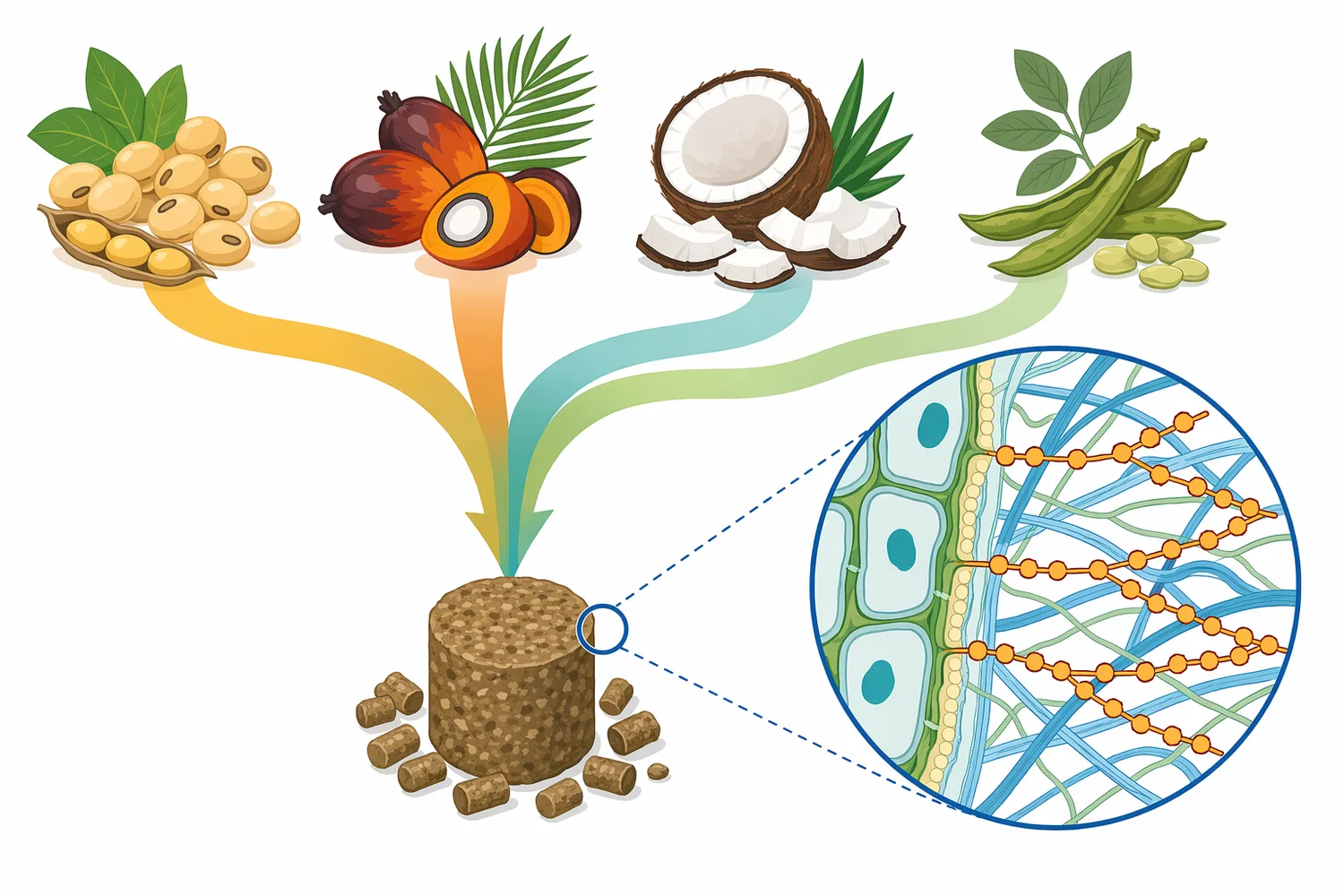
β-Mannanase is a feed enzyme used to help animals digest β-mannans, a group of plant cell-wall carbohydrates found in ingredients such as soybean meal, palm kernel meal, copra meal, and guar-derived materials. By cleaving the β-mannan backbone into smaller carbohydrate fragments, the enzyme can reduce the anti-nutritional effects of intact mannans, support nutrient access, and help maintain a more favorable gut environment in diets where β-mannans are nutritionally relevant [1].
Enzymes.bio supplies β-Mannanase Enzyme – Promote The Digestive Function Of Animals as an online-order enzyme ingredient sold by the 1 kg unit. The order is paid for online, processed, and shipped; a Certificate of Analysis and Safety Data Sheet are included with the order .
β-Mannanase is a carbohydrase: it acts on carbohydrates rather than proteins, fats, or minerals. More specifically, endo-β-mannanase enzymes cleave internal bonds in mannan polymers, which are chains built mainly from mannose units and sometimes decorated with galactose or glucose side groups depending on the plant source. Characterization work on β-mannanases describes this internal chain-cleaving action as the basis for converting larger mannan polymers into shorter mannan-derived fragments [2].
That biochemical target matters because many animal feeds are now built around plant proteins and plant by-products. These ingredients are valuable sources of amino acids, energy, and formulation flexibility, but their cell-wall fractions include non-starch polysaccharides that monogastric animals do not fully digest with their own digestive enzymes. Feed-enzyme reviews place carbohydrases such as xylanase, β-glucanase, cellulase, and β-mannanase within the broader category of bioactive feed additives used to improve the nutritional use of plant-based diets [3].
β-Mannanase is therefore not a general “digestive tonic.” Its function is more specific: it is used when the diet contains β-mannan substrates that can interfere with digestion or gut function if they remain intact. In practical feed terms, the enzyme is most relevant where soybean meal, palm kernel meal, copra meal, guar meal, and similar plant-derived materials contribute mannan-containing fiber to the ration [1].
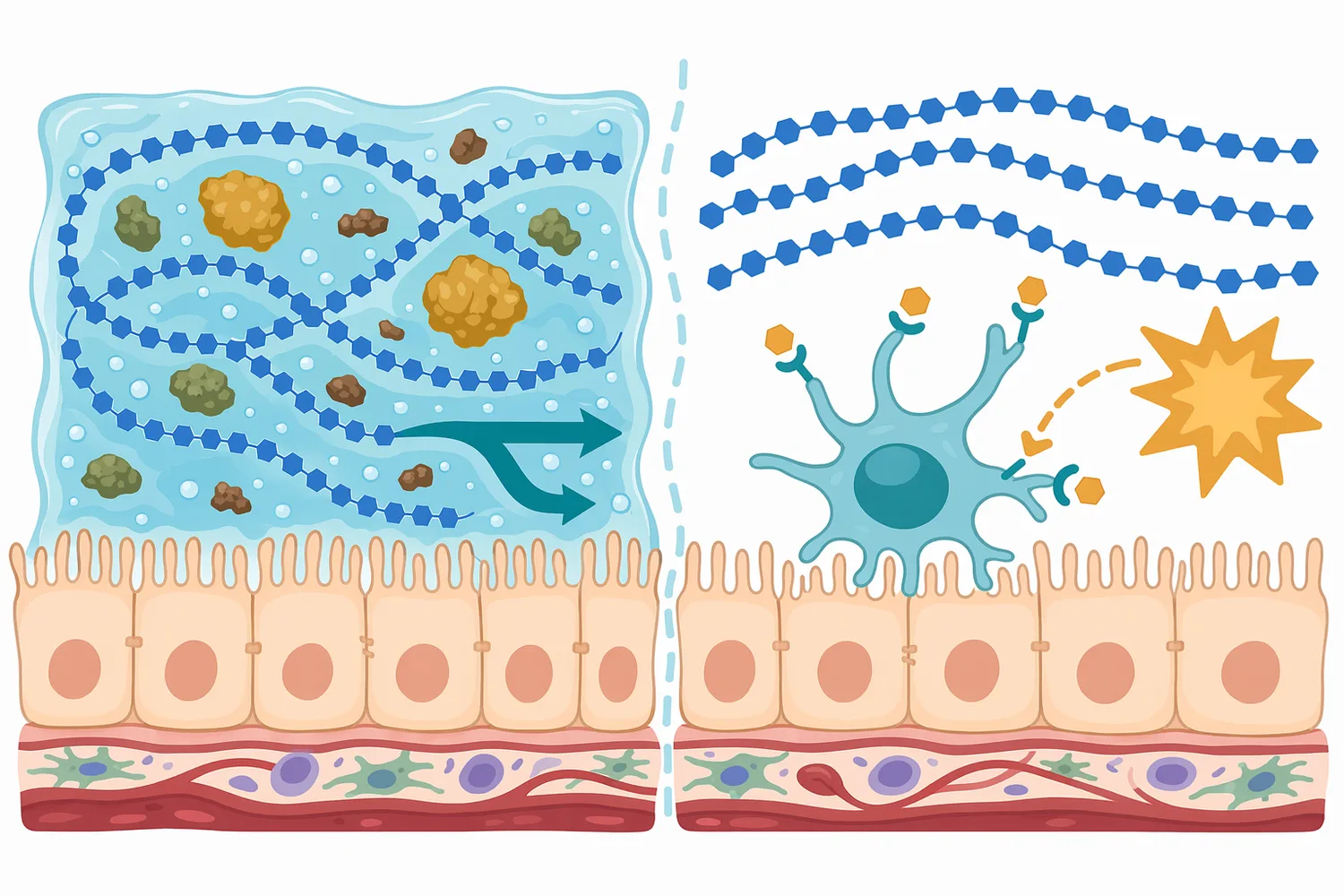
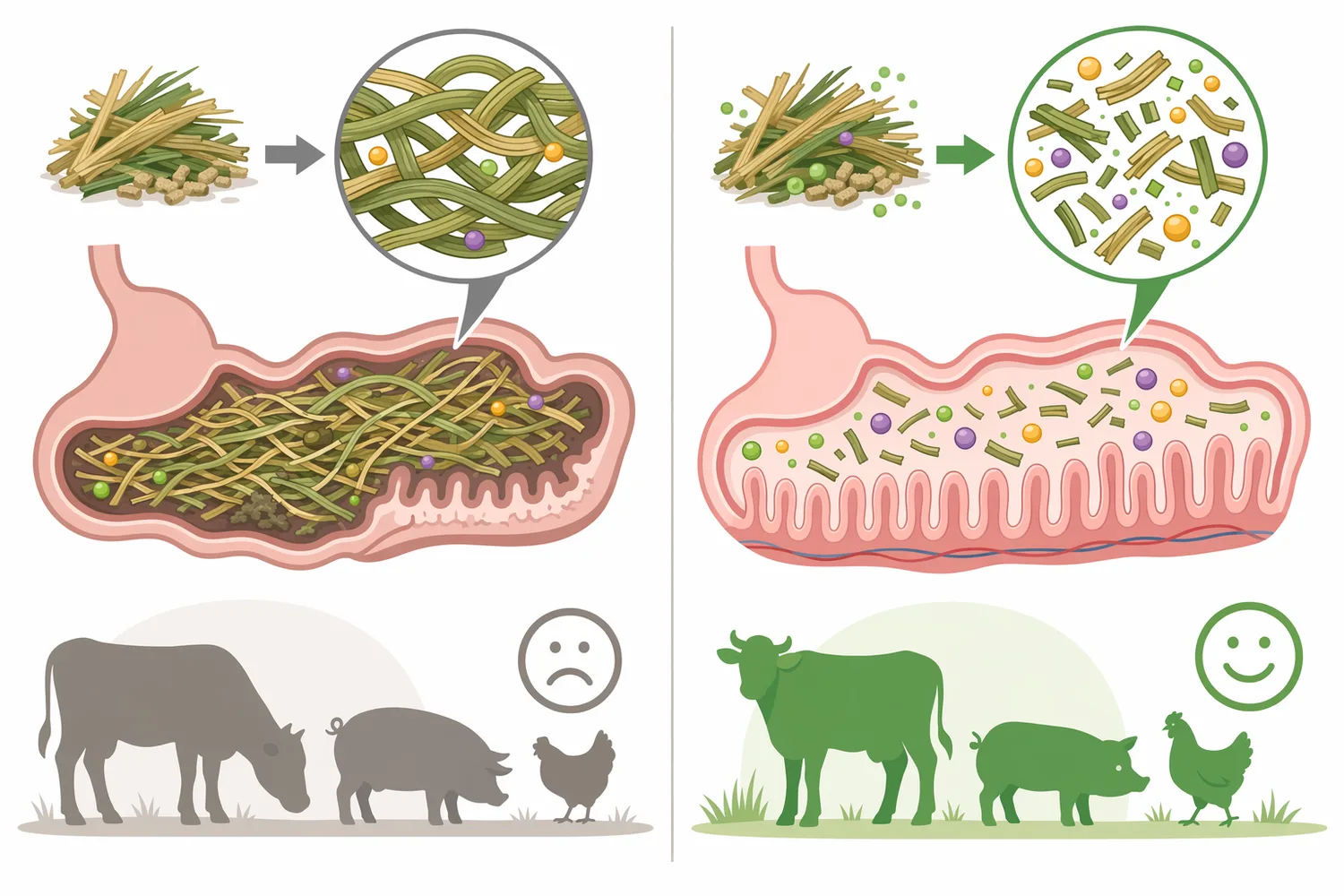
β-Mannans are part of plant cell-wall architecture. In the feed matrix, they can exist as soluble or partially soluble fiber fractions that interact with water and increase the thickness of intestinal contents. In poultry and other monogastric animals, this can reduce the efficiency with which digestive enzymes, bile salts, and nutrients move through the digesta and contact each other [4].
The viscosity mechanism is concrete. When large soluble polysaccharides hold water, digesta becomes more gel-like. That slows diffusion of nutrients toward the intestinal surface, reduces enzyme access to trapped starch, protein, and lipid fractions, and can extend the residence time of undigested material. The animal may still consume the feed, but part of the nutritional value becomes harder to extract because the physical environment in the gut is less favorable for efficient digestion [1].
A second issue is that intact β-mannans can act as anti-nutritional signals, not only as physical viscosity agents. Reviews of β-mannanase use in animal nutrition discuss the concept of a feed-induced immune response, where mannan structures are interpreted by the innate immune system in a way that resembles microbial carbohydrate patterns. The result is not infection control; it is an unnecessary allocation of nutrients and metabolic energy toward immune activity triggered by feed components [4].
This is especially important in young animals and high-performing poultry or swine systems. During weaning, diet transition, heat stress, coccidial pressure, enteric challenge, or rapid growth, the intestine already has high metabolic demand. If intact β-mannans add avoidable viscosity and immune stimulation, the animal may use more nutrients for gut maintenance and inflammatory signaling instead of growth, feed efficiency, egg production, milk production, or tissue deposition.
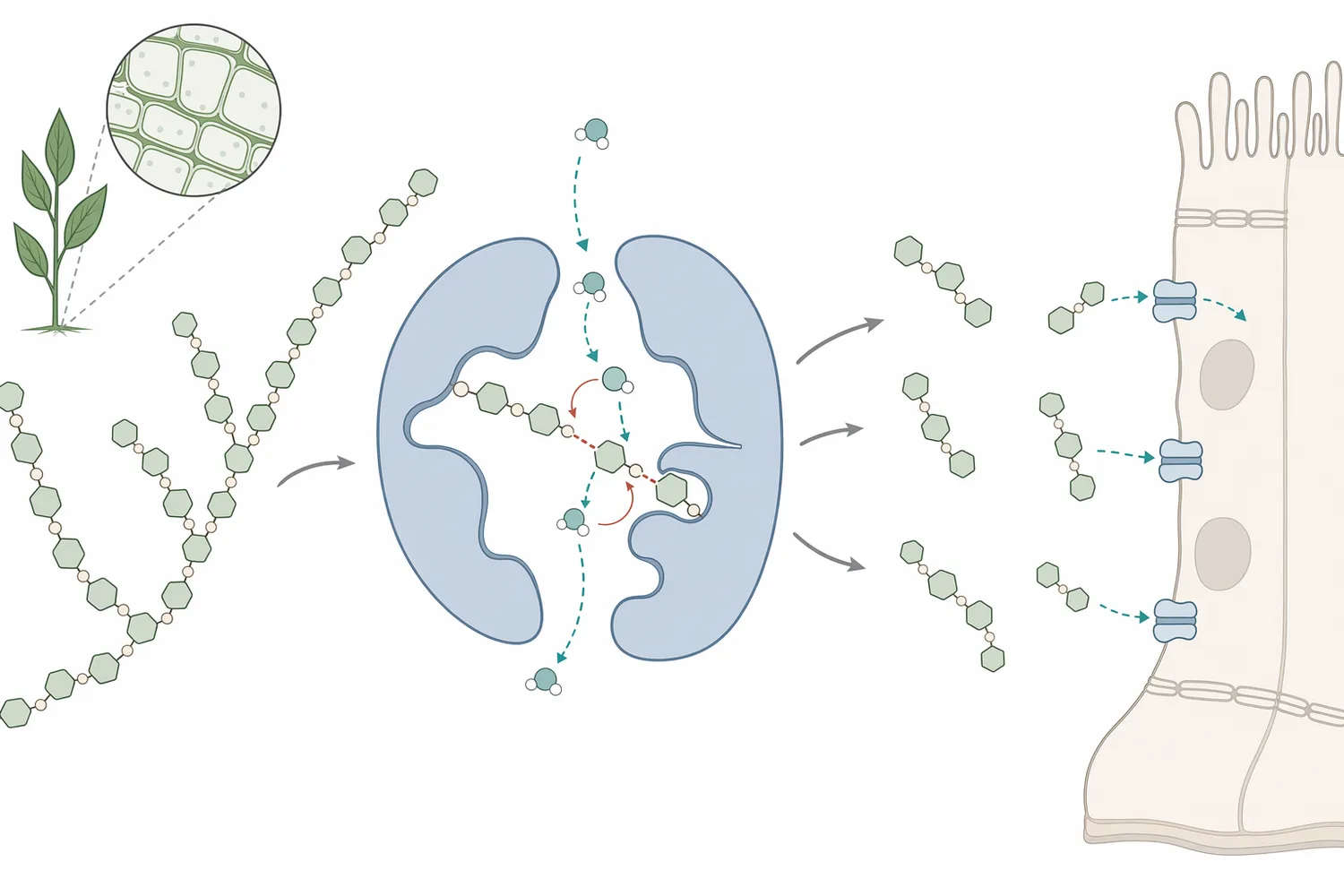
β-Mannanase works by hydrolyzing the β-1,4-linked mannan backbone. Instead of leaving a long, water-binding polymer intact, the enzyme cuts the chain internally and produces shorter mannan oligosaccharides and related fragments. This is different from simply “softening” feed; the enzyme chemically changes the size distribution of the carbohydrate substrate [2].
Once the polymer is shortened, several downstream effects become possible. The large mannan molecule loses part of its ability to increase viscosity, because shorter fragments generally entangle less and hold water differently than intact polysaccharides. At the same time, cell-wall structures containing mannan can become more open, allowing endogenous digestive enzymes and gut microbes better access to nutrients that were previously shielded inside plant cell-wall material [1].
This hydrolysis can also reduce the degree to which native β-mannan structures stimulate innate immune recognition. The proposed mechanism is that smaller fragments are less likely to present the same repeated structural pattern as intact β-mannan polymers. In that way, β-mannanase may help reduce feed-induced immune activation while also improving the physical digestibility of the feed matrix [4].
The smaller hydrolysis products may have a gut-environment role as well. Mannan-derived oligosaccharides can be fermented by selected gut microbes, contributing to microbial cross-feeding and short-chain fatty acid production under appropriate conditions. That does not make β-mannanase an antimicrobial product, but it helps explain why studies often discuss both nutrient utilization and gut-health markers when evaluating the enzyme [1].
The most direct benefit of β-mannanase is improved breakdown of β-mannan-containing feed fractions. When intact mannans are hydrolyzed, the diet can become less anti-nutritional, particularly in monogastric animals that lack enough endogenous capacity to degrade these polysaccharides efficiently. This is the same broad rationale behind other exogenous feed enzymes: they complement the animal’s own digestion by targeting substrates that otherwise pass through the gut with limited degradation [3].
In poultry, β-mannanase is commonly discussed in relation to corn–soybean meal diets and diets containing higher levels of alternative plant ingredients. Broiler-focused sources describe β-mannans as non-starch polysaccharides that can impair nutrient use through viscosity and immune stimulation, while β-mannanase helps reduce those effects by breaking down the mannan fraction before it can exert its full anti-nutritional impact.
In swine, the enzyme is relevant because pigs—especially newly weaned pigs—often receive diets containing soybean meal and other plant-derived ingredients at a time when digestive physiology and gut microbiota are still adapting. The practical goal is to reduce the burden of undigested soluble fiber and support more stable nutrient utilization during sensitive production stages [4].
The gut-function angle is important but should be described responsibly. β-Mannanase is not a drug, disinfectant, or pathogen-control product. Its role is nutritional: by modifying the substrate entering the intestinal environment, it can help reduce conditions that favor poor digestion, excess fermentation of undigested nutrients, and unnecessary immune activation [1].
Feed enzymes are often grouped together, but they do not all act on the same substrate. β-Mannanase has a distinct role because its target is β-mannan, not arabinoxylan, β-glucan, phytate, protein, or starch. The table below shows the conceptual difference without turning the enzyme into a one-size-fits-all replacement for other feed-enzyme categories.
| Enzyme category | Main feed substrate targeted | What changes in the substrate | Typical nutritional purpose |
|---|---|---|---|
| β-Mannanase | β-mannans in plant cell-wall fractions | Cleaves internal mannan-chain bonds, forming shorter mannan fragments and oligosaccharides | Reduces mannan-related anti-nutritional effects and supports digestive function in mannan-containing diets |
| Xylanase | Arabinoxylans in cereal cell walls | Breaks xylan backbones into smaller xylo-oligosaccharides and related fragments | Reduces cereal NSP effects and improves nutrient accessibility in wheat, rye, and some corn-based systems |
| β-Glucanase | β-glucans in barley, oats, and related grains | Hydrolyzes glucan chains that can increase viscosity | Supports lower viscosity and better nutrient use in β-glucan-rich cereal diets |
| Phytase | Phytate-bound phosphorus and minerals | Releases phosphorus from phytate complexes | Improves phosphorus availability and can reduce inorganic phosphorus dependence |
| Protease | Dietary proteins and proteinaceous anti-nutritional factors | Hydrolyzes peptide bonds in proteins | Supports protein digestibility and amino-acid availability |
This comparison is useful because β-mannanase should be understood by substrate specificity. It is most rational when β-mannan is a meaningful part of the anti-nutritional profile of the diet, whereas xylanase or β-glucanase are more directly aligned with other non-starch polysaccharide fractions [3].
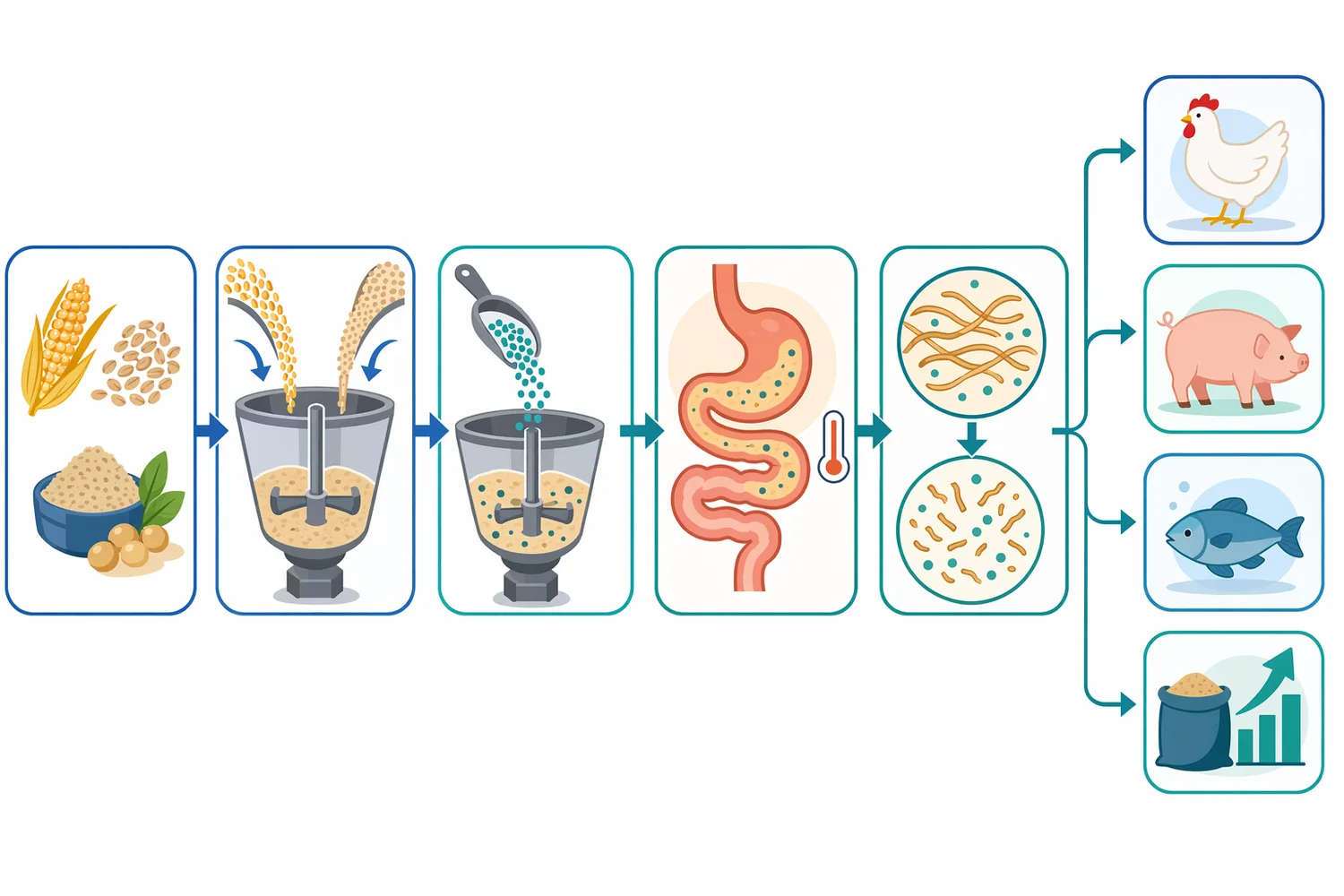
Poultry is one of the strongest application areas for β-mannanase because broiler and layer diets often contain soybean meal and other plant-derived ingredients with non-starch polysaccharides. In broilers, intact β-mannans are linked with increased digesta viscosity, reduced nutrient access, and immune stimulation; β-mannanase is used to hydrolyze those mannans before they can create the same degree of digestive interference.
The mechanism is visible at several biological levels. At the digesta level, hydrolysis can reduce the “sticky fiber” behavior of soluble mannans. At the intestinal level, improved access to nutrients can reduce the amount of undigested material reaching the lower gut. At the immune level, smaller mannan fragments may reduce pattern-based recognition associated with feed-induced immune response [4].
Broiler studies and reviews have evaluated β-mannanase in relation to feed conversion, body-weight gain, nutrient digestibility, intestinal morphology, lesion outcomes under enteric challenge, and inflammatory indicators. Results are not identical across all trials because responses depend on feed composition, animal age, health pressure, and the level of mannan-rich ingredients, but the practical logic remains consistent: the enzyme is most useful when the diet contains the substrate it is designed to hydrolyze [1].
For poultry buyers using plant-based feeds, the customer-facing value is straightforward. β-Mannanase helps address one of the hidden costs of plant proteins: the mannan-containing fiber fraction that can reduce digestive efficiency even when the diet looks adequate on crude nutrient values. It supports the animal’s ability to extract usable nutrition from the feed rather than leaving intact β-mannans to interfere with gut conditions.
In pigs, β-mannanase is generally discussed around soybean meal, soy hulls, copra meal, distillers grain fractions, and other plant materials that contribute fermentable or viscosity-active non-starch polysaccharides. Newly weaned pigs are a key focus because the transition from milk to solid feed coincides with gut immune activation, enzyme adaptation, microbiota shifts, and changes in intestinal barrier function [4].
The enzyme’s value in swine is not simply that it “adds digestion.” Rather, it changes the structure of mannan-containing feed material before that material persists through the small intestine. By reducing intact mannan polymers, β-mannanase can help lower the amount of substrate that contributes to viscosity or reaches the hindgut as poorly digested material [1].
Research discussed in the literature includes endpoints such as growth performance, fecal microbial populations, inflammatory markers, oxidative stress indicators, intestinal permeability, and gut morphology. Some studies report favorable effects, while others show limited or no change in specific outcomes such as diarrhea rate, pH, certain microbial counts, or selected inflammatory markers. That mixed pattern is typical for feed enzymes because the response depends heavily on whether the target substrate is present and biologically active in the diet [4].
For swine feed applications, the most defensible positioning is digestive-function support in diets where β-mannans are nutritionally relevant. β-Mannanase should not be presented as a guaranteed solution for post-weaning diarrhea or pathogen pressure; it is better understood as a substrate-specific enzyme that can reduce one source of anti-nutritional stress in plant-based pig diets [1].
When β-mannanase cleaves mannan polymers, it can produce mannooligosaccharides and related shorter fragments. These fragments may be more available for microbial fermentation than the original polymer, and they may influence gut microbial ecology through selective substrate use. This is one reason β-mannanase is sometimes discussed alongside prebiotic-like effects, even though the enzyme itself is not a probiotic [1].
The microbiome mechanism is indirect. β-Mannanase does not introduce beneficial organisms; it changes the carbohydrate profile entering the intestine. If the resulting oligosaccharides are used by beneficial fermenters, they can contribute to short-chain fatty acid production and microbial competition. If less undigested nutrient reaches the hindgut, there may also be less opportunity for undesirable proteolytic or opportunistic fermentation [4].
This area is promising but should not be overstated. Microbiome outcomes vary by species, age, diet, sanitary pressure, and background microbial population. The clearest and most reliable claim remains the enzyme’s biochemical action on β-mannan; microbiome support is a downstream possibility that depends on the feeding context [3].
Aquaculture interest in β-mannanase is linked to the increasing use of plant proteins and agricultural by-products in feeds for fish and shrimp. Ingredients such as copra-derived materials can contain mannan-rich fractions, and mannan hydrolysis products may be relevant to both nutrient utilization and gut-environment effects in aquatic species. However, aquaculture responses are more species-specific because digestive anatomy, feed processing, water stability, and gut transit differ widely across fish and crustaceans [1].
For shrimp and fish systems, β-mannanase is best viewed as a targeted tool where mannan-rich plant inputs are part of the feed design. The same core mechanism applies—hydrolysis of mannan polymers—but the practical outcome depends on how much substrate survives feed processing, how the animal digests plant material, and how the resulting oligosaccharides behave in the aquatic gut environment [4].
Ruminants are more complex because rumen microbes already degrade many plant carbohydrates. Even so, β-mannan-containing cell-wall fractions may remain relevant in certain diets, especially where concentrates or by-products contribute mannan substrates. The enzyme’s potential role is to support hydrolysis of β-mannan within a microbial fermentation system rather than to replace rumen digestion [1].
Because ruminant digestion is governed by rumen pH, passage rate, forage quality, concentrate level, and microbial adaptation, β-mannanase responses are generally less direct than in poultry or nursery pigs. The opportunity is real, but the most mature and predictable application base remains monogastric nutrition, especially poultry and swine [3].
β-Mannanase is most relevant in plant-forward feeding systems where β-mannan-rich ingredients contribute to the non-starch polysaccharide load. Typical examples include diets built around soybean meal, palm kernel meal, copra meal, guar-derived ingredients, and other fibrous plant protein sources. The enzyme’s role is to make the mannan fraction less disruptive to digestion by reducing polymer size and improving the feed matrix [1].
In commercial poultry feeds, this can support more consistent digestion when plant ingredient quality varies. Two soybean meal sources may have similar crude protein values but different soluble fiber behavior, and a diet may meet nutrient specifications while still carrying anti-nutritional non-starch polysaccharides. β-Mannanase helps address that hidden carbohydrate fraction rather than changing the protein number on the formulation sheet.
In swine diets, the use case is strongest where young pigs or grow-finish pigs receive plant ingredients that increase soluble fiber and mannan exposure. The enzyme is particularly relevant when feed cost or ingredient availability leads to higher reliance on alternative plant meals and by-products. In that setting, β-mannanase supports digestion by acting on a substrate that pigs do not efficiently hydrolyze on their own [4].
In aquaculture and ruminant applications, the use case should be tied to the presence of mannan-rich feed materials and realistic expectations for the species. The enzyme’s chemistry is the same, but the biological response depends on gut architecture, microbial fermentation patterns, and how the feed is processed and consumed [1].
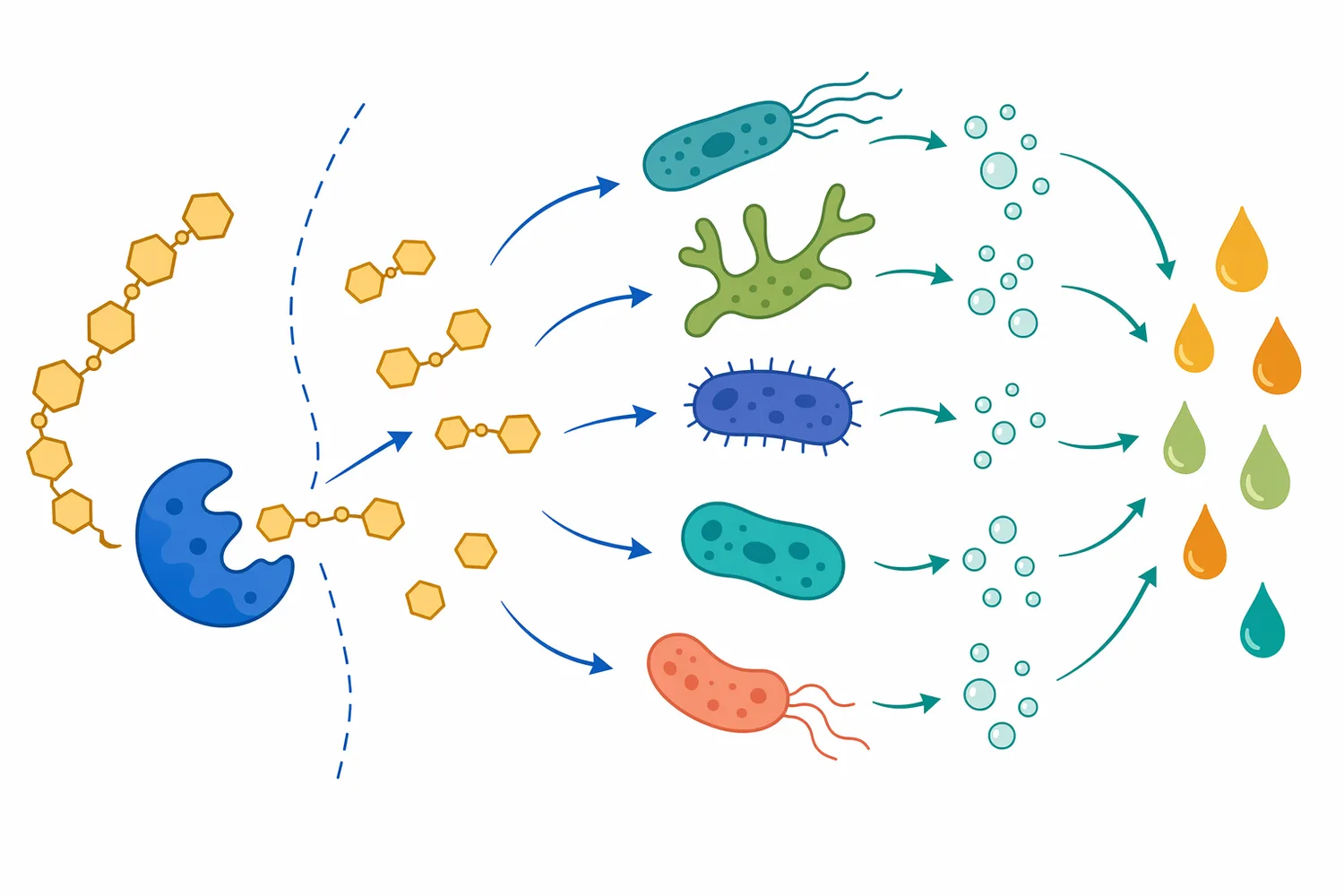
The clearest benefit is substrate breakdown. β-Mannanase hydrolyzes β-mannan chains, turning larger anti-nutritional polymers into smaller fragments. This supports digestive function by reducing the physical and biological burden of intact mannans in feeds that contain the relevant substrate [2].
A second defensible benefit is improved access to nutrients. When mannan-containing cell-wall structures are partially opened, endogenous enzymes and gut microbes can interact more effectively with starch, protein, and fat fractions that may otherwise remain less accessible. This is the same practical principle behind many non-starch polysaccharide enzymes used in feed nutrition [3].
A third benefit is gut-environment support. By reducing viscosity, lowering the persistence of undigested substrates, and potentially reducing feed-induced immune stimulation, β-mannanase may help animals maintain a more efficient intestinal environment. This is a support claim, not a disease-treatment claim, and it is strongest when the feed contains enough β-mannan for the enzyme to matter [4].
Finally, β-mannanase may support formulation flexibility in plant-based feeding systems. It does not make poor-quality feed into high-quality feed, and it does not replace balanced nutrition, but it can help improve the usable value of mannan-containing ingredients by addressing a specific anti-nutritional fraction [1].
The science behind β-mannanase is strong at the mechanism level: the enzyme cleaves β-mannan. The practical response in animals, however, depends on the amount and form of β-mannan in the diet, the animal species, gut health status, ingredient processing, and production conditions. This is why some studies show stronger responses than others [4].
It is also important to avoid over-positioning β-mannanase as an antimicrobial, immune stimulant, or universal performance enhancer. The enzyme may contribute to a healthier gut environment by changing the feed substrate, but it does not directly kill pathogens, replace veterinary care, or guarantee improvements in every measured performance endpoint [1].
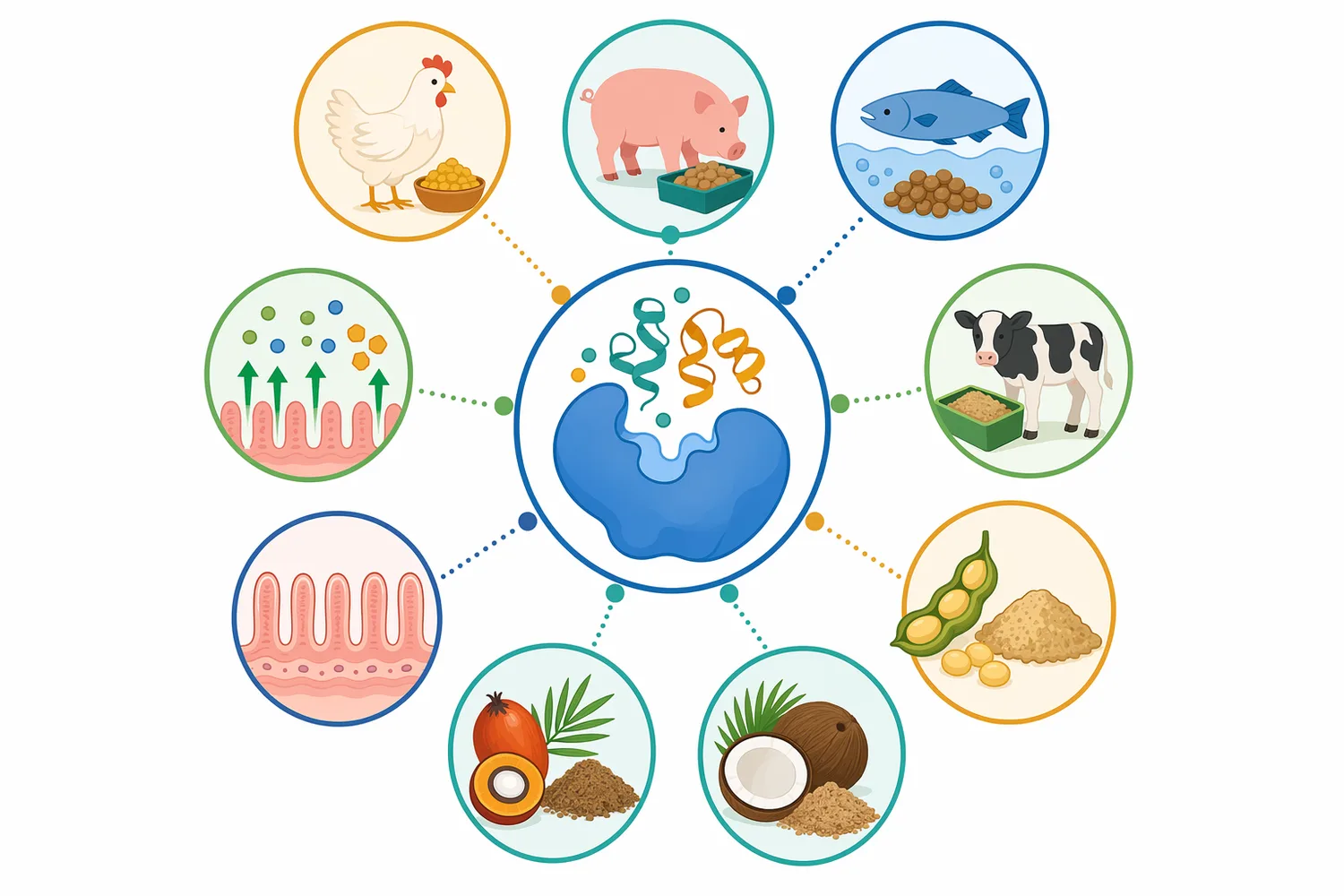
The most accurate customer-facing description is that β-mannanase supports digestive function in animals consuming β-mannan-containing plant ingredients. Where intact mannans create viscosity, nutrient-access limitations, or unnecessary immune activation, enzymatic hydrolysis can reduce that burden and help the animal use the diet more efficiently.
Enzymes.bio offers β-Mannanase Enzyme – Promote The Digestive Function Of Animals for direct online purchase by the 1 kg unit. Buyers can place and pay for the order online; the order is then processed and shipped. A Certificate of Analysis and Safety Data Sheet are included with the order .
For customers working with plant-based animal feed systems, the product is best understood as a targeted digestive enzyme for mannan-containing substrates. Its value comes from a defined biochemical action—hydrolyzing β-mannans—rather than from broad, non-specific claims about animal health [2].
β-Mannanase is a practical enzyme for animal digestive-function applications where β-mannan-rich plant ingredients are part of the diet. By cutting the β-mannan backbone into smaller fragments, it can reduce mannan-related anti-nutritional effects, improve nutrient access, and support a more favorable gut environment in appropriate feed systems [1].
The strongest application base is in poultry and swine, with developing relevance in aquaculture and ruminant diets when mannan-containing ingredients are present. Used with realistic expectations, β-mannanase is a targeted way to improve the nutritional handling of plant-based feed fractions and support digestive efficiency in animals [4].
Sold by the 1 kg unit, in stock and ready to ship. Order directly on our store — pay online and we process your order. A Certificate of Analysis and Safety Data Sheet are included with every order.
Buy Β-Mannanase Enzyme - Promote The Digestive Function Of Animals →Numbered in order of first citation. Open-access sources, each verified reachable at publication; citation numbers in the text link here.