
Pectinase enzyme for distilling is used mainly in fruit-based spirits to break down pectin, the plant-cell-wall polysaccharide that makes many fruit mashes thick, pulpy, and slow to press or clarify. By cutting pectin into smaller fragments, pectinase helps release juice from crushed fruit, reduce mash viscosity, improve liquid–solid separation, and support cleaner fermentation streams before distillation. The strongest evidence comes from fruit juice extraction and clarification research, which closely matches the fruit-mash preparation step used in brandy, eau-de-vie, fruit wine bases, and other fruit-derived distillates.
Enzymes.bio supplies Pectinase Enzyme For Distilling - Enzyme For Distilleries directly online by the 1 kg unit. Buyers complete payment online, after which the order is processed and shipped; a Certificate of Analysis and Safety Data Sheet are included with the order.
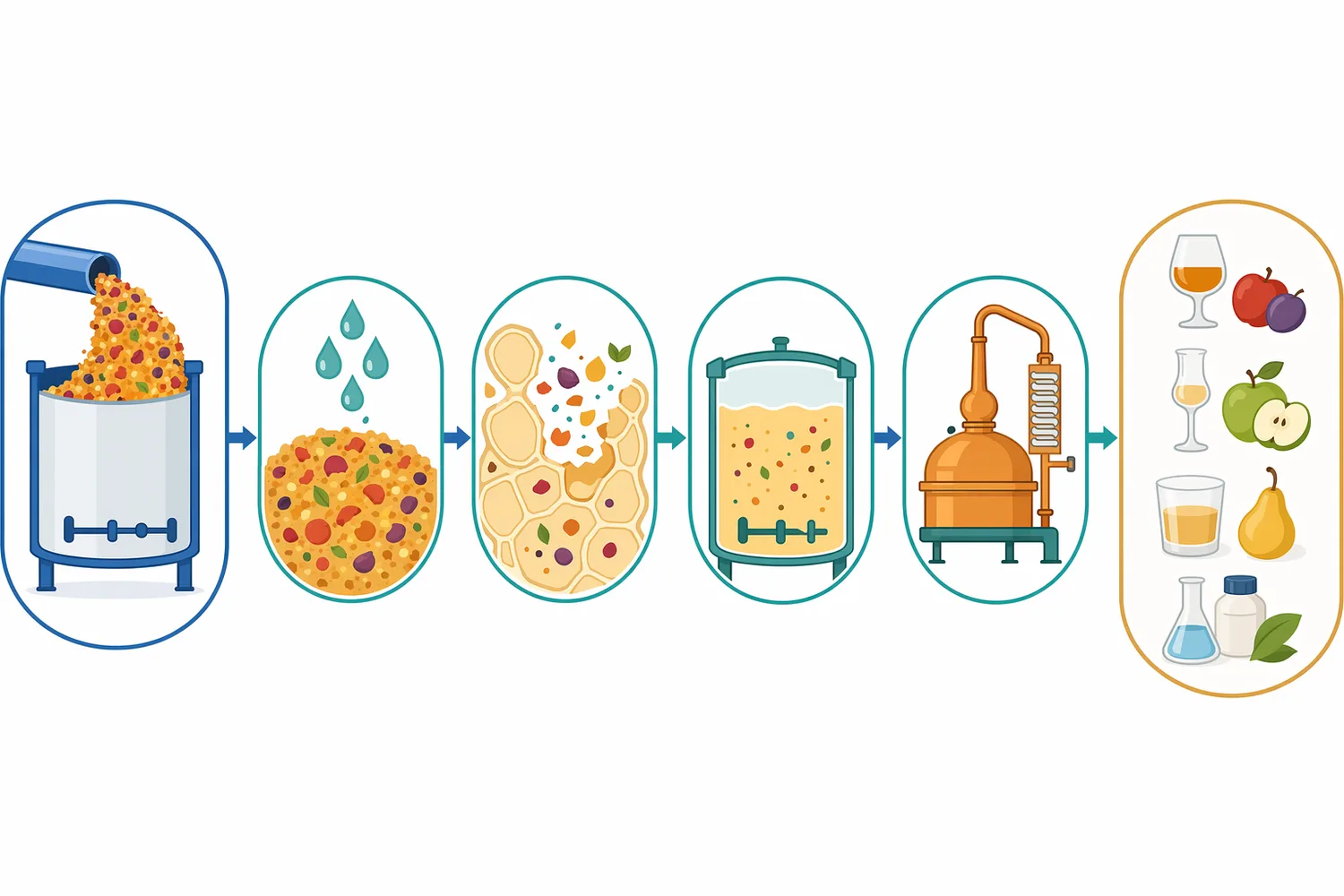
Fruit distilling is not the same problem as grain distilling. Grain mashes are dominated by starch conversion, while fruit mashes are dominated by cell-wall structure, pulp behavior, skins, suspended solids, soluble pectin, and fruit-specific colloids. Pectinase is valuable because it targets one of the main structural materials that holds fruit tissue together and keeps liquid trapped inside the pulp matrix; reviews of pectinase applications consistently place fruit processing, juice extraction, and clarification among the major industrial uses of this enzyme group [1].
In a crushed apple, pear, plum, grape, berry, or tropical fruit mash, pectin acts like a hydrated gel-forming network. It binds water, strengthens the middle lamella between plant cells, and stabilizes suspended particles that otherwise might settle or separate. When pectin remains intact, the mash can stay thick and cohesive, pressing can be slow, juice yield can be lower, and haze-forming material can carry into the fermentation or distillation feed.
Pectinase changes that physical behavior by reducing the size and integrity of pectin molecules. As the pectin network is cut, fruit cells loosen, pulp releases more liquid, viscosity falls, and suspended solids become easier to separate by settling, pressing, decanting, centrifuging, or filtration. This is why pectinase appears repeatedly in research on clarified juices and fruit extract recovery, including studies on apple and grape, papaya, guava, passion fruit, dragon fruit, citrus, and cashew fruit processing [2].
For distilleries, the practical value is upstream of the still. Pectinase does not “distill” the spirit and it is not a yeast nutrient in the usual sense; it prepares the fruit substrate so fermentation receives a more accessible, better-separated liquid phase or a less viscous pulp phase. That can make fruit handling more predictable before fermentation and can reduce the amount of pectin-rich colloidal material carried forward into later processing steps.
Pectin is a family of acidic plant polysaccharides, not one uniform molecule. Its backbone contains galacturonic acid units, many of which may be methyl-esterified, and it is intertwined with other cell-wall materials such as cellulose, hemicellulose, proteins, minerals, phenolics, and fruit-specific soluble solids. Pectinase preparations act on these pectic substances through enzyme activities such as polygalacturonase, pectin lyase, pectate lyase, and pectin methylesterase, depending on the enzyme system and substrate [1].
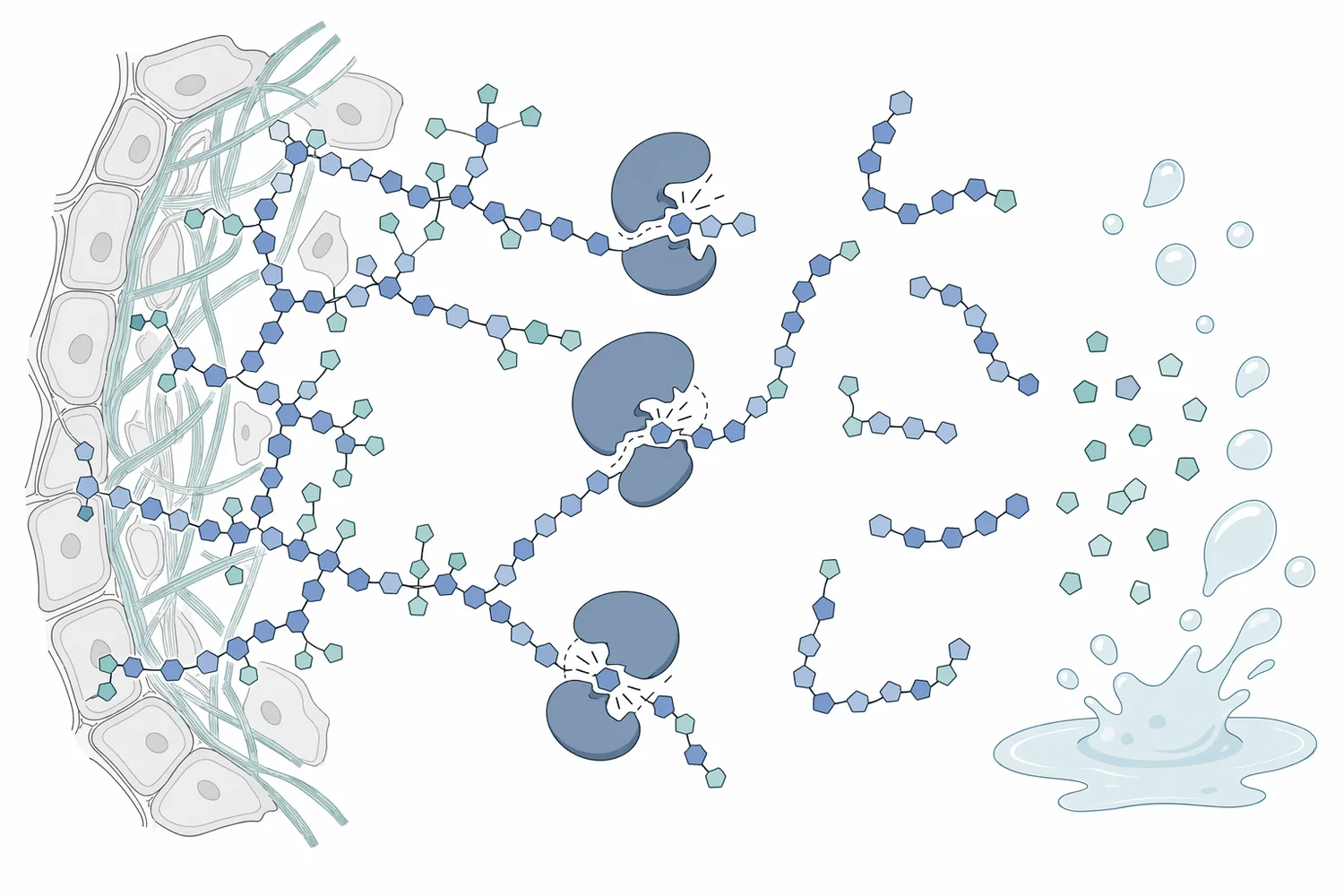
In intact fruit, pectin contributes to firmness and cell adhesion. During crushing or milling, that same material becomes a processing obstacle: it swells in water, increases the apparent thickness of the mash, and keeps fine particles suspended. A high-pectin mash can look wet but still hold liquid inside the pulp, because the cell-wall fragments and soluble pectin form a water-retaining network.
This matters directly to fruit spirits. If juice remains trapped in solids, fermentable sugars and aroma precursors may not enter the liquid phase efficiently. If the mash remains viscous, mixing and mass transfer are less uniform. If pectin-stabilized haze persists, the fermented liquid can be harder to clarify before distillation. These are mechanical and colloidal problems, and pectinase addresses them by changing the substrate itself rather than by adding heat, pressure, or longer settling time.
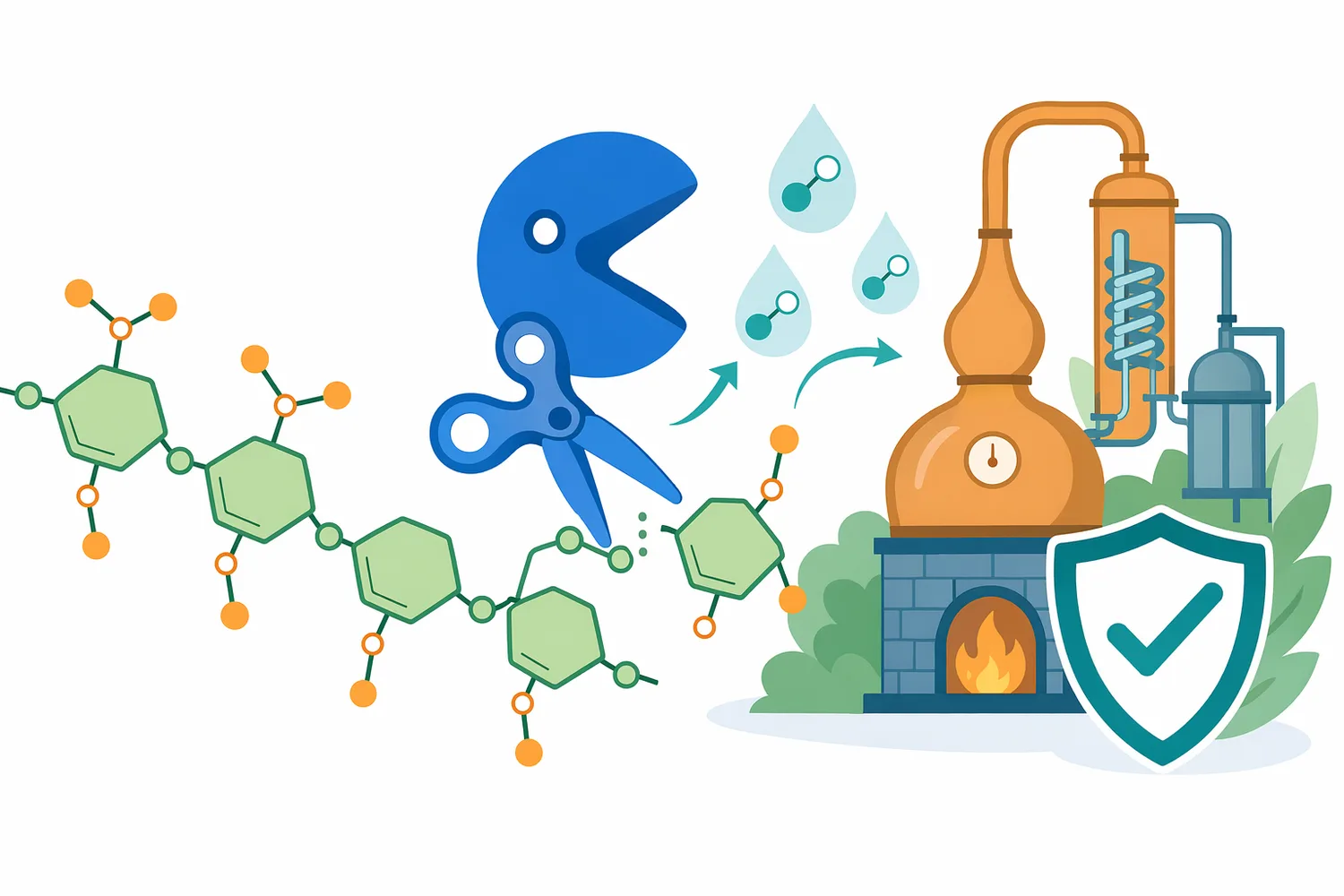
The central action of pectinase is depolymerization: long pectin molecules are cleaved into shorter chains and soluble fragments. Polygalacturonases hydrolyze glycosidic bonds in polygalacturonic acid regions, while lyases cleave pectic chains through a different chemical route; together, these actions reduce the molecular size of pectin and weaken its ability to form viscous, water-holding structures [1].
This molecular change has a visible process effect. Long pectin chains behave like tangled threads in water, increasing thickness and helping fine solids remain suspended. Once pectinase cuts those chains, the threads become shorter and less able to hold the network together. The mash becomes more fluid, juice drains from the fruit solids more readily, and suspended particles can aggregate or separate more easily.
Pectin is concentrated in the middle lamella, the “cement” between neighboring plant cells. When pectinase breaks down that cement, the pulp structure loosens. Instead of relying only on grinding to rupture cells, the enzyme helps separate cells and open the plant matrix chemically, which is one reason pectinase is widely used in fruit juice recovery and clarification studies [3].
For a distillery, this helps at the maceration and pressing stages. Crushed fruit that has been enzymatically treated can release liquid with less resistance because the juice is no longer held as tightly within the cell-wall network. In fruit mashes fermented on pulp, the same loosening can improve distribution of soluble sugars, acids, nutrients, and aroma-relevant compounds throughout the fermentation mass.
Pectin also stabilizes haze. It can keep tiny particles suspended by increasing viscosity and by forming colloidal complexes with other fruit components. When pectinase reduces pectin chain length, the haze-stabilizing effect is weakened, so particles are more likely to settle or be removed in downstream separation. Multi-enzyme papaya juice research that included pectinase, cellulase, and hemicellulase was designed around this same clarification principle: different cell-wall polymers contribute to cloudiness and separation behavior, and enzymatic breakdown helps clarify the juice [3].
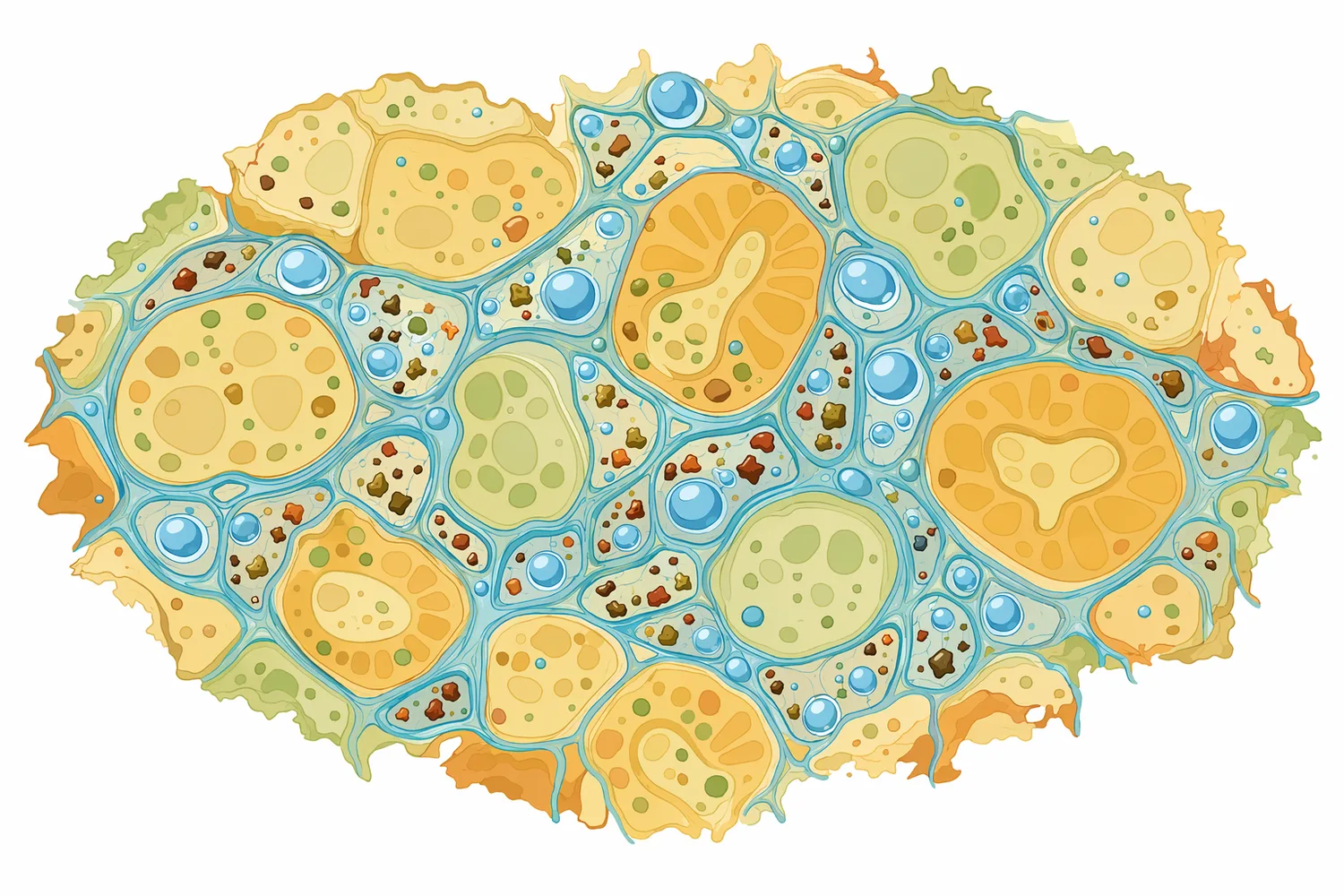
In distilling, clarity before the still is not always pursued for every product style, especially where whole-pulp fermentation is intentional. However, clearer liquids can reduce solids carryover, fouling risk, and variability in heated equipment. The benefit is therefore not only visual clarity but also easier liquid handling.
By opening the fruit matrix, pectinase can support recovery of soluble material from the pulp. This may include sugars already present in fruit juice, organic acids, color compounds, phenolic material, and aroma precursors, depending on fruit type and process design. A study on red dragon fruit juice specifically examined pectinase treatment as a way to obtain an optimum juice production yield, illustrating the enzyme’s practical role in improving recovery from a pulpy, pigment-rich fruit matrix [4].
For distilling, this does not mean pectinase is a primary alcohol-yield enzyme in the way amylase is for starch. Fruit sugars are usually already soluble; the issue is how efficiently they are released from the crushed fruit and separated from solids. Pectinase is best viewed as an extraction and handling enzyme for fruit material rather than a direct saccharification enzyme.
Distillery enzyme discussions often combine several enzyme families, but their functions are different. Pectinase is the core enzyme for pectin-rich fruit substrates; cellulase and hemicellulase may support broader cell-wall breakdown in some fruit matrices; amylase is mainly relevant when starch is present; protease targets proteins rather than pectin. Studies on papaya and guava clarification have examined pectinase alongside cellulase and hemicellulase, which reflects the fact that fruit pulp contains several structural polysaccharides, not pectin alone [5].
| Enzyme type | Main substrate in the mash | What changes physically | Where it is most relevant |
|---|---|---|---|
| Pectinase | Pectin and pectic substances in fruit cell walls | Loosens pulp, lowers pectin-driven viscosity, improves juice release and clarification | Apples, pears, grapes, berries, stone fruits, tropical fruits, fruit wines, brandy bases, eau-de-vie mashes |
| Cellulase | Cellulose microfibrils in plant cell walls | Helps weaken fibrous plant tissue when cellulose limits extraction | Fibrous fruit pulps, peels, botanicals, plant adjuncts |
| Hemicellulase / xylanase-type enzymes | Hemicellulose and related wall polymers | Supports broader wall breakdown and may help reduce suspended solids | Complex fruit or botanical materials with mixed cell-wall composition |
| Amylase | Starch and dextrins | Liquefies or saccharifies starch-containing substrates | Grain, root, or starch-containing adjunct processes rather than typical ripe fruit |
| Protease | Proteins and haze-forming proteinaceous material | Can reduce protein-related haze or release peptides in some processes | Protein-rich raw materials or processes where protein haze is a concern |
The table is conceptual rather than a product specification. In fruit distilling, pectinase remains the central enzyme when the processing problem is pectin-driven thickness, slow juice release, or haze. Multi-enzyme systems may be useful in some fruit-processing contexts, but pectinase is the enzyme that directly attacks the pectin network.
The most directly relevant scientific evidence for pectinase in distilling comes from fruit processing, because many fruit spirits begin with crushed fruit, fruit mash, or fermented juice. In apple and grape juice work, pectinase from Aspergillus niger was applied to juice treatment, supporting the established role of fungal pectinases in improving fruit juice processing outcomes [2].
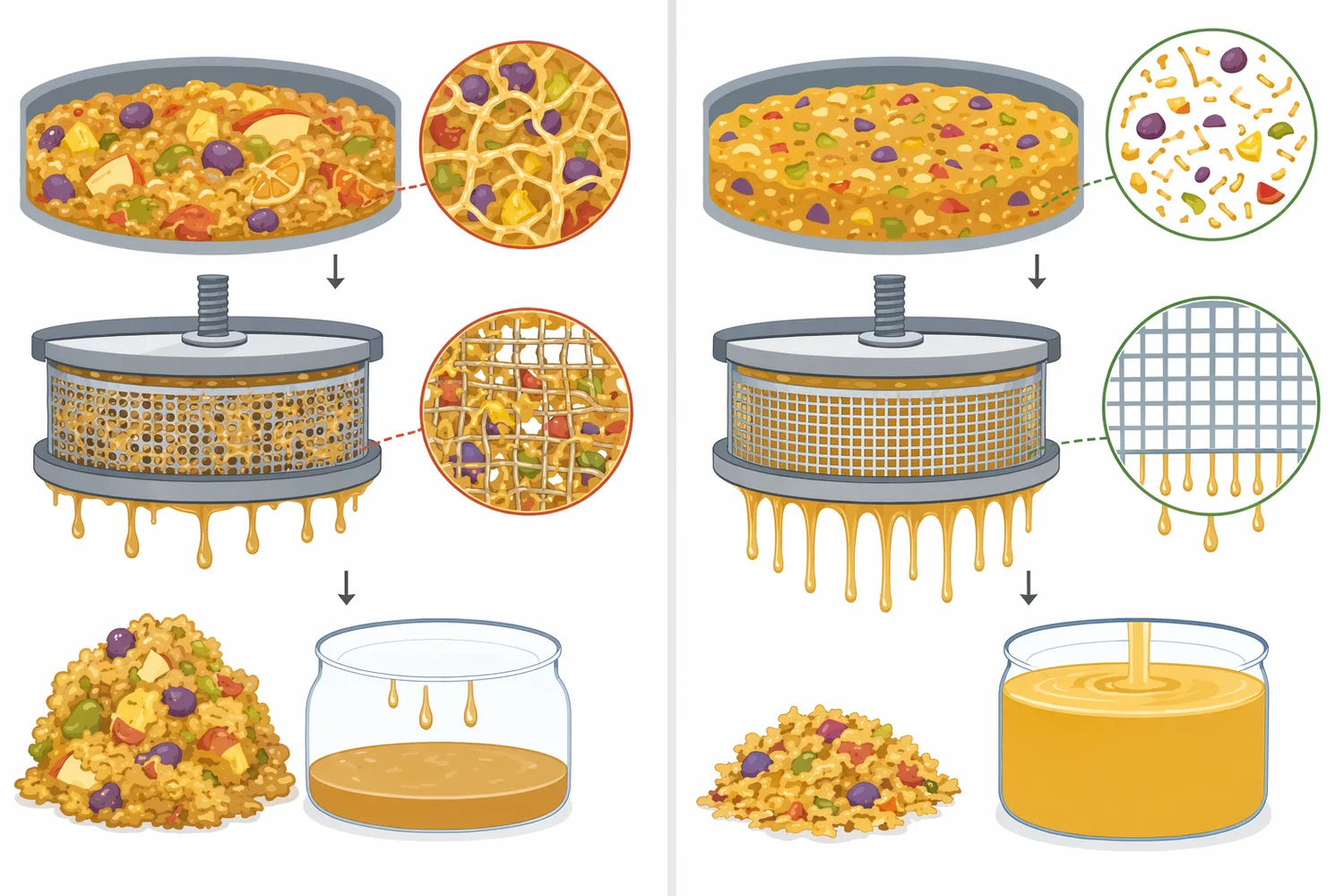
Papaya provides a useful model for soft, pulpy, high-moisture fruit material. Research on acidified blanching water and pectinase pretreatments studied how pectinase affected physicochemical properties and antioxidant capacity in papaya juice, showing that enzyme treatment is not only a clarification tool but also a processing variable that can influence measurable juice characteristics [6].
A separate papaya juice study evaluated immobilized pectinase-alginate beads and considered physicochemical properties, antioxidant activity, and reusability. Although immobilized systems are not the same as adding a soluble enzyme to a fruit mash, the study reinforces the central point that pectinase can alter the processing behavior and quality attributes of papaya juice streams [7].
Guava juice research has also used multi-enzyme treatment with pectinase, cellulase, and hemicellulase to optimize clarification parameters. Guava is naturally cloudy and pectin-rich, so it is a useful example of how pectinase fits into a broader fruit-cell-wall breakdown strategy where viscosity, suspended solids, and clarification are practical processing constraints [5].
Passion fruit work from Cao Bang province examined pectinase enzyme preparations for extraction and recovery of passion fruit juice. That application is particularly relevant to fruit distilling because passion fruit has intense aroma, a pulpy matrix, and high-value soluble material; improving recovery of the juice phase is a logical upstream objective before fermentation or blending [8].
Cashew apple is another fruit matrix where pectinase has been studied for juice clarification. Research on pectinase production by Aspergillus aculeatus included application in cashew fruit juice clarification, linking agro-industrial pectinase production to a practical beverage-processing outcome [9].
Citrus-based systems are also well represented in pectinase literature. A study on Citrus limetta juice used a packed bed system with immobilized pectinase for clarification, demonstrating that pectinase action remains useful even when the process format differs from simple batch treatment [10].
Taken together, these studies do not prove one universal distillery result for every fruit, still design, or fermentation style. They do, however, support the mechanism that matters most for fruit distilling: pectinase changes pectin-rich fruit material in ways that improve extraction, reduce colloidal stability, and make the liquid phase easier to recover and clarify.
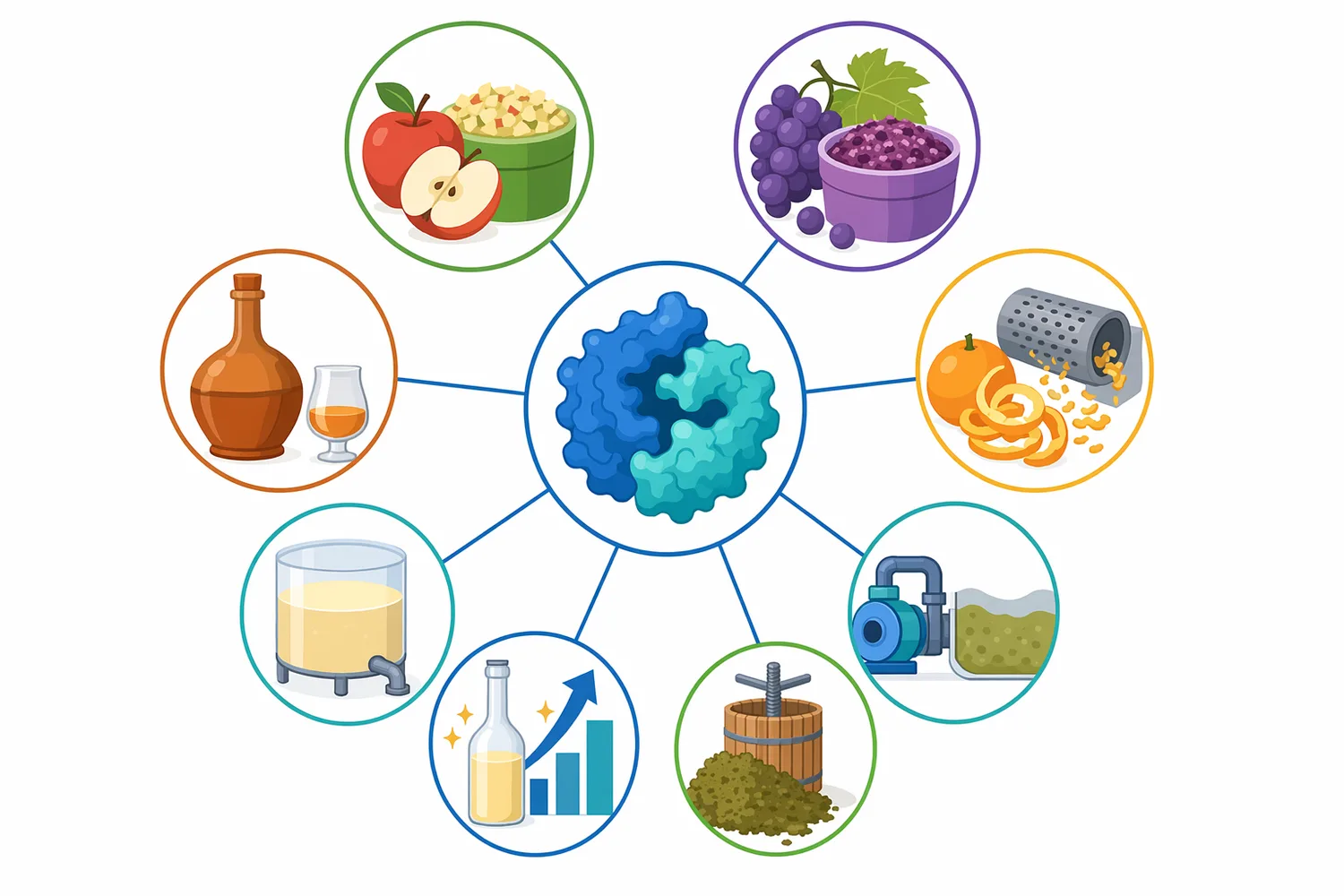
Pectinase is typically most useful before or during fruit maceration, before pressing, or early in mash preparation. At that stage, the enzyme has direct access to crushed pulp, skins, and juice, and it can act before pectin has already created downstream clarification or handling problems. Applying pectinase after solids have already been removed may still reduce soluble pectin haze, but it cannot recover juice that was lost with discarded pulp.
In whole-fruit fermentation, pectinase can be used to reduce pulp structure and improve liquid release inside the fermenting mass. This can help the fermenting fruit behave more like a pumpable mash rather than a thick fruit paste. For distilleries that press first and ferment juice, pectinase is more closely tied to pressing efficiency and clarification of the juice before fermentation.
The process environment matters because enzymes are proteins with defined stability limits. Excessive heat can denature enzymes, and strongly incompatible acidity or alkalinity can reduce the useful reaction rate. Pectinase literature includes fungal, bacterial, free, modified, and immobilized enzymes with different stability characteristics, which is why the same general enzyme category can appear in varied food-processing formats [11].
Practical use should also account for the style of spirit being made. Some traditional fruit spirits are intentionally fermented on skins or pulp to extract character, while others are based on cleaner juice fermentation. Pectinase can support either approach, but the desired degree of solids breakdown and clarification may differ according to the product style and regulatory framework.
Pectin chemistry is especially important in distilling because some pectic substances are methyl-esterified. Pectin methylesterase activity can remove methyl groups from pectin, and methanol can be formed from those methyl esters during pectin breakdown. Reviews of pectinase describe pectin methylesterase as one of the enzyme activities within the broader pectinase family, distinct from chain-cleaving polygalacturonases and lyases [1].
This does not mean pectinase is unsuitable for fruit distilling. Fruit spirits are already made from pectin-containing raw materials, and methanol management is a normal part of compliant fruit-spirit production. It does mean pectinase should be understood as a real biochemical tool, not a generic “yield booster,” and distillers should continue to follow applicable regulations, validated procedures, and normal methanol-control practices for fruit-based alcohol.
The responsible expectation is that pectinase helps process the fruit matrix; it does not remove the need for proper fermentation control, distillation cut management, or legal compliance. In fruit mashes, the same pectin that causes viscosity and haze is also chemically different from starch, so enzyme use should be framed around fruit handling and extraction rather than simply maximizing alcohol output.
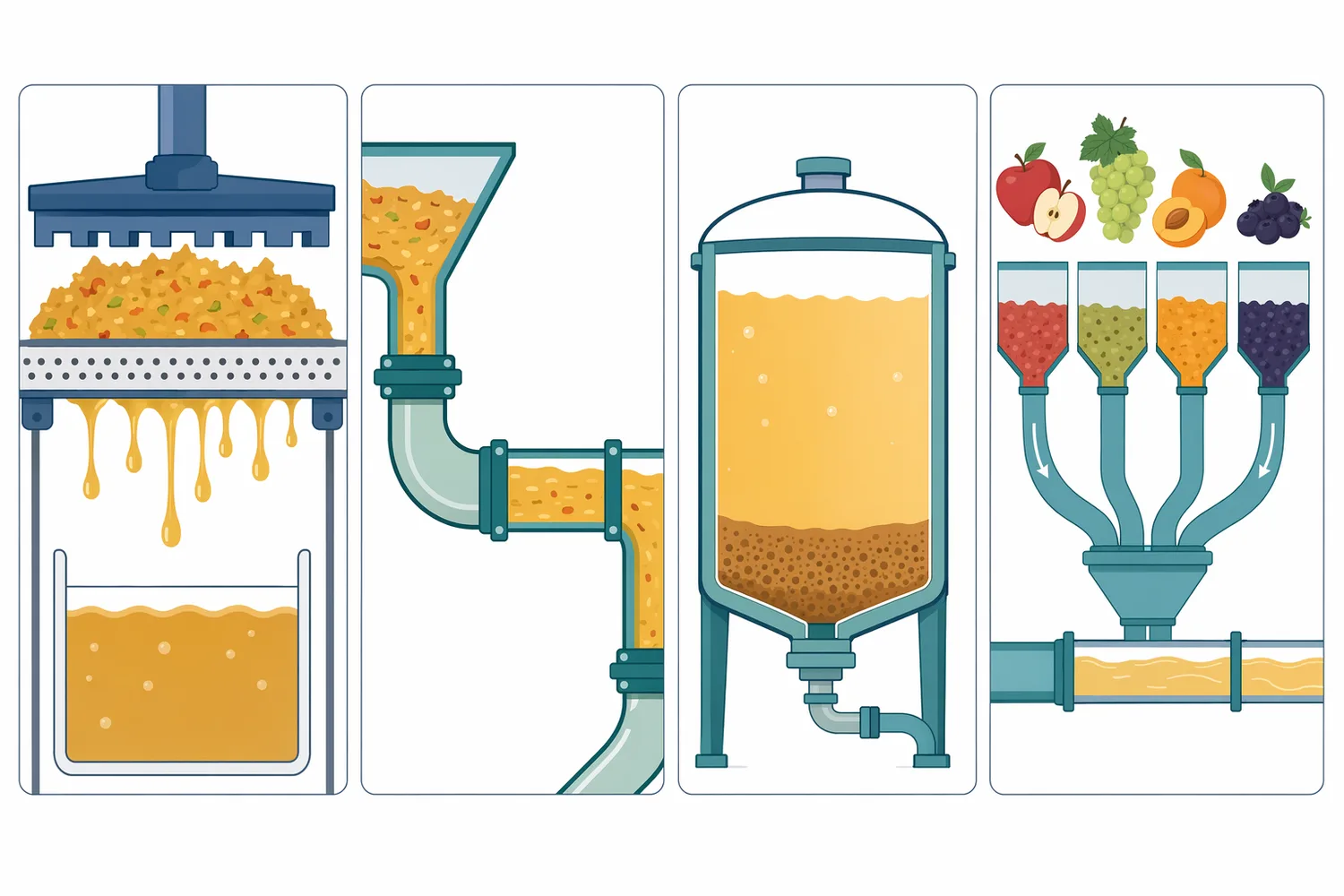
The most realistic benefit is improved juice release. When pectinase weakens the middle lamella and depolymerizes pectin, liquid that was physically held in the fruit pulp can drain more easily. This is consistent with fruit juice recovery studies across several substrates, including passion fruit, dragon fruit, and apple or grape systems [4].
A second benefit is lower viscosity. High-molecular-weight pectin increases the body and stickiness of fruit mashes; enzymatic cleavage reduces that water-holding network. Lower viscosity can make mixing more uniform and reduce the effort required for pumping, pressing, or transferring fruit-derived streams.
A third benefit is better clarification. Pectinase reduces pectin-stabilized haze and can make suspended solids easier to remove. This is why so much of the applied research base focuses on clarified juice, including papaya, guava, citrus, and cashew fruit applications [3].
A fourth benefit is more consistent processing. Seasonal fruit varies in ripeness, pectin content, firmness, and storage history. Enzymatic pectin breakdown cannot make every lot identical, but it can reduce one major source of variability: the amount of intact pectin holding the mash together.
A fifth benefit is potential improvement in recovery of fruit-derived soluble compounds. In aromatic fruits and botanical-like fruit materials, opening the cell-wall network can help bring juice, acids, pigments, and aroma-relevant compounds into the process stream. Enzyme-assisted extraction research on plant materials supports this broader principle, even where the final application is not distillation [12].
Pectinase is not a substitute for yeast. It does not ferment sugar into alcohol, correct a stuck fermentation, or replace oxygen, nutrient, temperature, and hygiene management. Its role is upstream substrate modification: it changes the physical and colloidal behavior of pectin-containing fruit material.
Pectinase is also not the main enzyme for grain mashes. If the raw material is corn, barley, wheat, rye, rice, or another starch-rich substrate, starch-converting enzymes are usually the central biochemical tools. Pectinase becomes relevant when fruit, peel, pomace, botanicals, or other pectin-containing plant material is a meaningful part of the process.
Finally, pectinase should not be expected to guarantee a specific spirit yield or flavor outcome. Final results depend on fruit variety, ripeness, milling, maceration time, fermentation method, microbial performance, solids management, distillation equipment, and cut decisions. The evidence supports pectinase as a fruit-mash processing aid, not as a universal performance guarantee.
Apple and pear brandies benefit conceptually from pectinase because these fruits contain pectin-rich cell-wall material that can hold juice in pomace. Pectinase treatment can help loosen that structure before pressing or fermentation, which aligns with apple and grape juice treatment research using Aspergillus niger pectinase [2].
Stone fruit spirits such as plum, apricot, and peach distillates can also involve thick pulp and suspended solids. In these mashes, pectinase may help reduce pulp cohesiveness and improve liquid release, especially when fruit is ripe, soft, and difficult to press cleanly.
Berry and tropical fruit spirits often involve seeds, skins, pigments, and high suspended-solids loads. Research on dragon fruit and papaya illustrates the broader point that pectinase can be useful in pulpy, color-rich fruit systems where juice yield, physicochemical characteristics, and clarification are important processing outcomes [6].
Grape-based distillates and pomace-derived products present another case. Pectinase can help break down grape cell-wall pectin and support liquid release, but the desired extent of skin and phenolic extraction depends on the product style. Enzyme use should therefore fit the intended spirit profile rather than forcing every process toward maximum clarification.
Citrus and peel-derived materials can contain pectin-rich tissues and essential oils. Pectinase research involving citrus peel substrates and citrus juice clarification shows the enzyme family’s close connection to citrus processing, although peel-heavy distilling processes may also require careful management of bitterness, oil carryover, and product style [13].
Enzymes.bio supplies Pectinase Enzyme For Distilling - Enzyme For Distilleries as a B2B enzyme product sold directly online by the 1 kg unit. The buying process is straightforward: the product is purchased online, payment is completed online, and the order is processed and shipped. A Certificate of Analysis and Safety Data Sheet are included with the order.
This article is intended to explain the application science behind pectinase in fruit-based distilling. It is not a replacement for the product label, the Safety Data Sheet, the Certificate of Analysis, local alcohol regulations, or the operating procedures used in a licensed distillery.
Pectinase is most relevant to distilleries working with fruit, pomace, peel, pulp, or pectin-containing botanical materials. It works by cutting pectin in the plant cell-wall matrix, which weakens fruit tissue, releases juice, lowers viscosity, reduces pectin-stabilized haze, and makes liquid–solid separation easier. Those effects are well supported by fruit-processing and juice-clarification research across multiple fruit systems [8].
For fruit spirits, the practical value is in better mash preparation before fermentation and distillation. Pectinase should be understood as a targeted processing enzyme for pectin-rich substrates—not as a general alcohol-yield additive and not as a substitute for fermentation or distillation control. When used in an appropriate fruit process, it can make the raw material easier to handle, extract, ferment, clarify, and prepare for the still.
Sold by the 1 kg unit, in stock and ready to ship. Order directly on our store — pay online and we process your order. A Certificate of Analysis and Safety Data Sheet are included with every order.
Buy Pectinase Enzyme For Distilling - Enzyme For Distilleries →Numbered in order of first citation. Open-access sources, each verified reachable at publication; citation numbers in the text link here.