
Protease Animal Feed Additive is an exogenous feed enzyme used to hydrolyze dietary proteins into smaller peptides and amino acids, helping animals access more of the protein already present in the ration. In practical feed systems, it is most relevant where protein ingredients vary in digestibility, vegetable meals or alternative proteins are used, or amino acid release is a formulation priority. Enzymes.bio supplies Protease Animal Feed Additive directly online by the 1 kg unit; orders are paid online, processed, and shipped, with a Certificate of Analysis and Safety Data Sheet included.
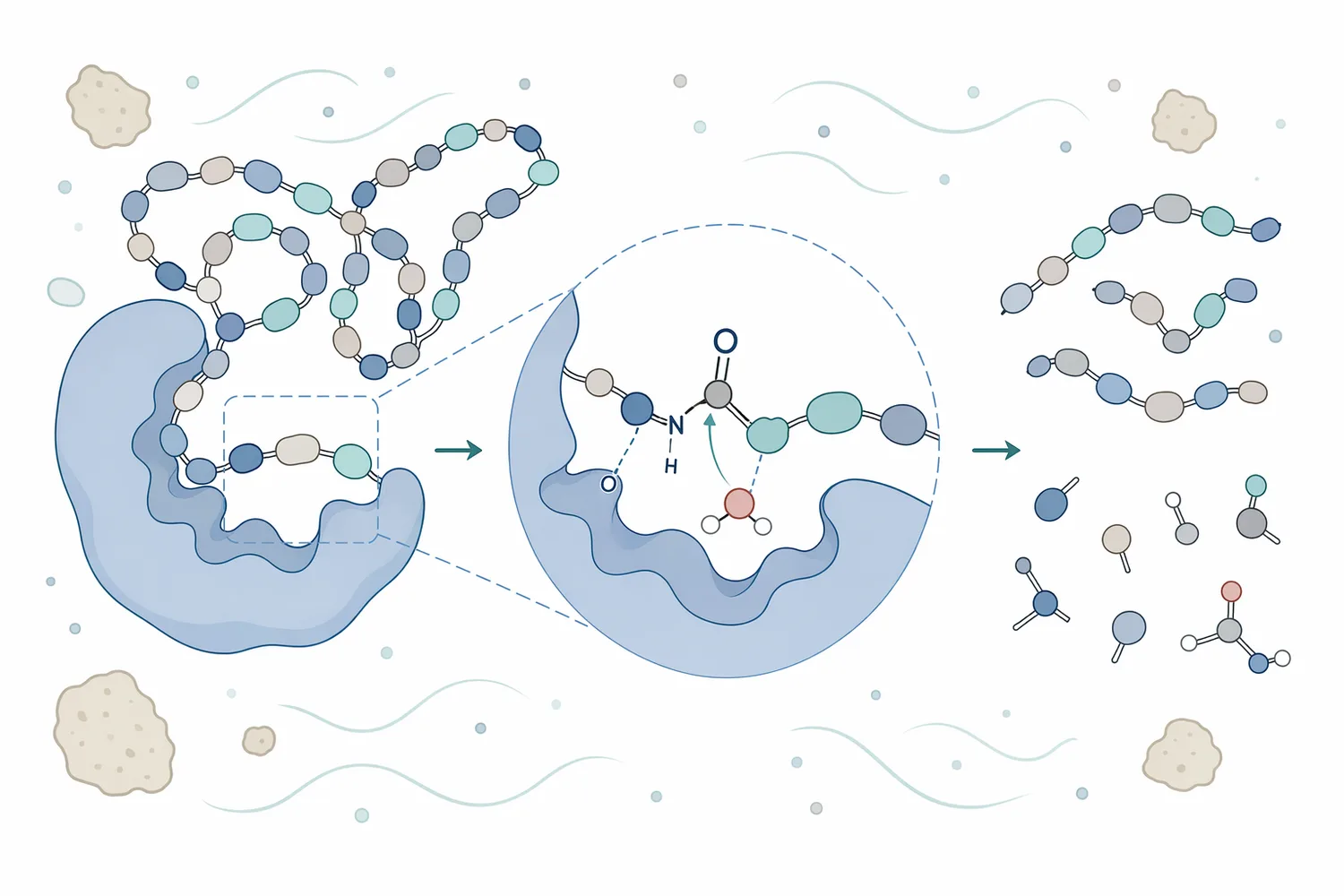
Protease is a protein-degrading enzyme. Its function is to cleave peptide bonds—the chemical links that hold amino acids together in feed proteins—so that large protein structures are reduced into smaller peptides and free amino acids. In animal nutrition, this makes protease a digestibility-support additive rather than a nutrient in its own right: it does not add protein to the diet, but it can help release protein-derived nutrients more effectively from soybean meal, cereal proteins, animal-origin meals, oilseed co-products, microalgae, insect-derived meals, and other protein-containing ingredients when the feed system is suitable [1].
Animals already produce endogenous digestive proteases, such as gastric and pancreatic enzymes, but endogenous digestion does not always extract the full value of every protein source. Protein digestibility is affected by heat processing, ingredient origin, fiber structure, anti-nutritional proteins, protein cross-linking, particle size, and the rate at which digesta moves through the gastrointestinal tract. Exogenous protease is used to complement the animal’s own proteolytic activity, increasing the opportunity for dietary proteins to be solubilized and cleaved before undigested nitrogen passes further down the gut or is excreted [2].
The commercial interest is straightforward: protein is one of the most expensive and nutritionally important fractions in feed. If a diet contains amino acids that are chemically present but not fully digestible, the animal cannot use them efficiently for growth, egg production, milk synthesis, tissue repair, immune proteins, enzymes, or maintenance. Protease additives are therefore studied and used as part of broader enzyme strategies aimed at improving feed efficiency, nutrient digestibility, and the feeding value of variable raw materials [3].
Dietary protein begins as folded or aggregated macromolecules. In soybean meal, for example, storage proteins are packed into compact structures and may be associated with anti-nutritional proteins; in animal meals, heat treatment can alter solubility and create less accessible protein fractions; in cereals, protein may be embedded within starch- and fiber-rich matrices. Protease acts by hydrolyzing internal or terminal peptide bonds, increasing the number of shorter peptide fragments exposed to further digestion by endogenous enzymes in the stomach and small intestine [4].
This hydrolysis changes the substrate physically and nutritionally. Large proteins are less soluble and may resist enzyme access if they remain folded, aggregated, or trapped inside plant cell wall material. Once protease begins cutting accessible peptide bonds, the protein structure opens further: more cleavage sites become exposed, solubility can increase, and smaller peptide fragments become available for brush-border peptidases and peptide transporters. The practical result is not simply “more digestion” in a vague sense; the feed protein is converted into chemical forms the animal is better equipped to absorb [4].
Protease can also reduce the nutritional penalty of certain anti-nutritional proteins. Soybean contains protease inhibitors, including Bowman–Birk inhibitors, which interfere with trypsin and chymotrypsin activity; work on soybean lines with reduced Bowman–Birk inhibitor activity has shown that lowering trypsin and chymotrypsin inhibitor activities can enhance protein digestibility [5]. Exogenous protease is not the same intervention as genetic silencing or heat processing, but the underlying principle is related: when proteins that block digestion or resist digestion are reduced, the usable fraction of dietary amino acids can improve.
Undigested protein that escapes small-intestinal digestion can become substrate for microbial fermentation in the hindgut. In moderate amounts, microbial metabolism is part of normal gut ecology, but excessive undigested nitrogen can shift fermentation toward proteolytic pathways and increase nitrogenous waste. Reviews of protease use in monogastric feed describe potential effects on nutrient digestibility, intestinal integrity, microbiome modulation, and nitrogen excretion, which reflects the connection between upstream protein hydrolysis and downstream gut environment [1].
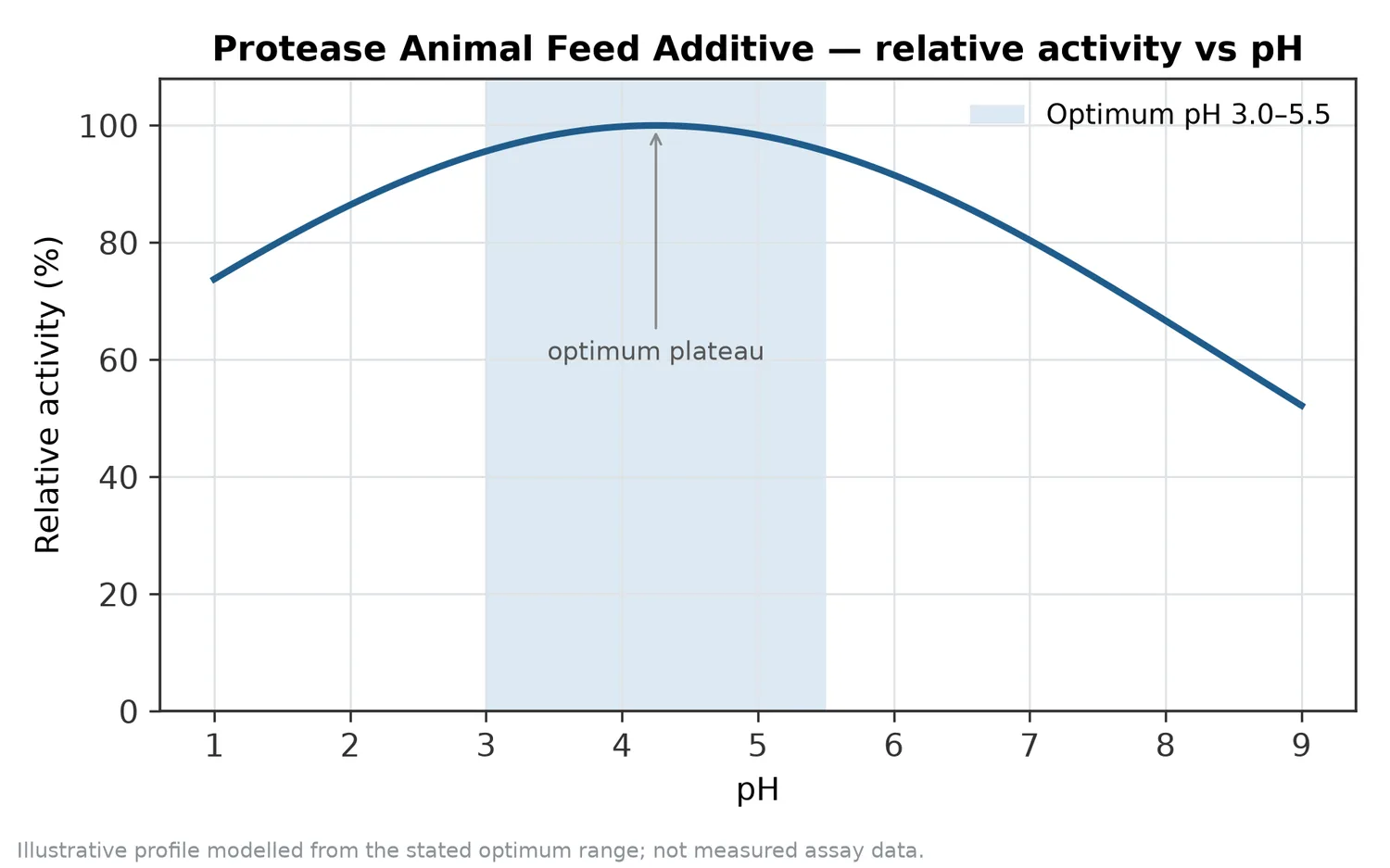
Proteases are often discussed by their catalytic type or by the conditions under which they show strong activity. For feed applications, the most useful high-level distinction is not a specification checklist, but a conceptual one: different proteases are suited to different digestive environments and substrates. Acid proteases are associated with gastric-type conditions, neutral proteases with milder aqueous environments, and alkaline proteases with intestinal-type conditions and many microbial enzyme systems.
| Protease category | General environment where activity is commonly discussed | Feed-relevant interpretation | Practical implication in digestion |
|---|---|---|---|
| Acid protease | Low-pH, stomach-like conditions | Begins hydrolysis early where dietary proteins are denatured and unfolded | Can expose protein sites before digesta moves into the intestine |
| Neutral protease | Mild, near-neutral conditions | Acts where proteins remain soluble and accessible without strongly acidic or alkaline conditions | Can complement other digestive and microbial enzyme activities |
| Alkaline protease | Higher-pH, intestinal-type conditions | Often associated with microbial proteases used in industrial and feed research | Can support peptide release in the small intestine, where amino acid absorption is central |
This distinction matters because digestion is not one static environment. Feed passes through changing moisture, pH, enzyme, bile, and microbial conditions. A protease that remains useful through relevant digestive phases can increase the chance that dietary protein is cleaved at the right time—before the opportunity for amino acid absorption has passed. Research on microbial alkaline proteases, including Bacillus-derived enzymes, continues because these enzymes can be robust and relevant to feed-processing and digestive contexts [6].
Soybean meal remains a dominant protein source in poultry, swine, and aquaculture feeds, but its value depends on processing quality and the balance between denaturation and damage. Proper heat treatment reduces native anti-nutritional activity, while excessive heat can reduce amino acid availability by forming less digestible complexes. Protease is relevant because it targets the protein fraction directly, helping convert soybean proteins and partially processed protein structures into smaller peptides that can be further digested [7].
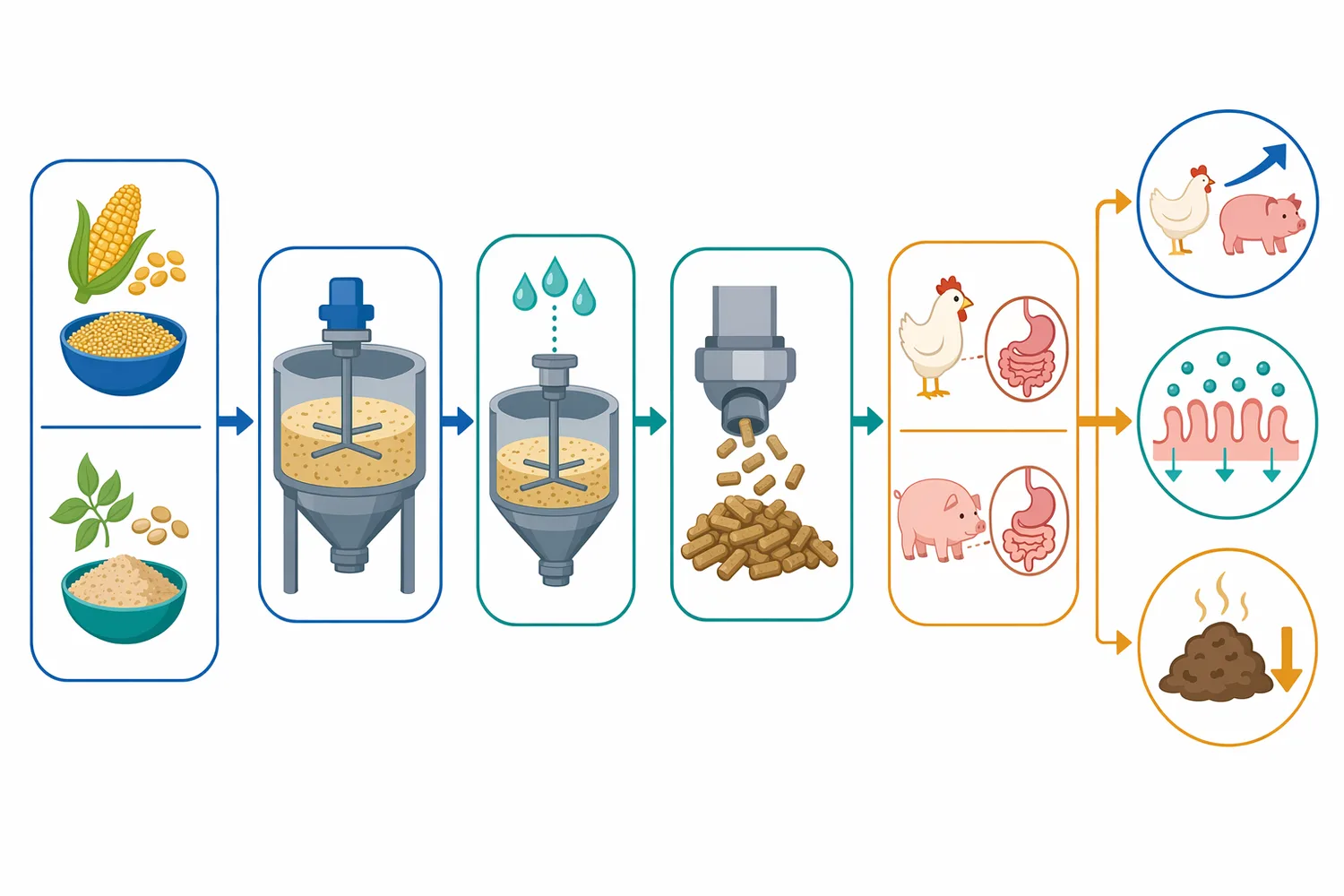
Recent pig research has specifically examined protease supplementation and amino acid digestibility of soybean meal at different animal ages, reflecting an important practical point: the same ingredient can behave differently depending on gastrointestinal maturity and production stage [7]. Young animals often have less developed digestive capacity and may be more sensitive to anti-nutritional factors, while older animals may respond differently because endogenous enzyme secretion, gut morphology, and passage rate change with age.
Animal-origin meals can provide concentrated amino acids and minerals, but digestibility can vary widely with raw material composition and rendering conditions. Heat exposure can improve microbial safety and handling stability, yet it can also reduce protein solubility or create cross-linked fractions that are less accessible to endogenous enzymes. Protease supplementation has been studied in broilers as a strategy to improve amino acid digestibility when animal-origin meals are included in diets [2].
The mechanism is especially relevant for rendered proteins because protease does not need the ingredient to be “new” or unprocessed; it needs accessible peptide bonds. Where processing has unfolded proteins but left them aggregated, exogenous protease may help cut exposed regions and generate smaller fragments. Where proteins are severely heat-damaged or chemically modified, any enzyme response may be more limited, which is one reason performance outcomes vary between trials.
Alternative proteins are increasingly important in feed formulation, including microalgae, insect-derived meals, single-cell proteins, and plant co-products. These ingredients can reduce dependence on traditional protein sources, but their protein may be protected by unusual cell walls, chitin, complex polysaccharides, phenolic compounds, or processing-related structures. A review on microalgae as feed ingredients highlights their promise for livestock and aquaculture, while also recognizing that nutrient availability and processing are central to practical use [8].
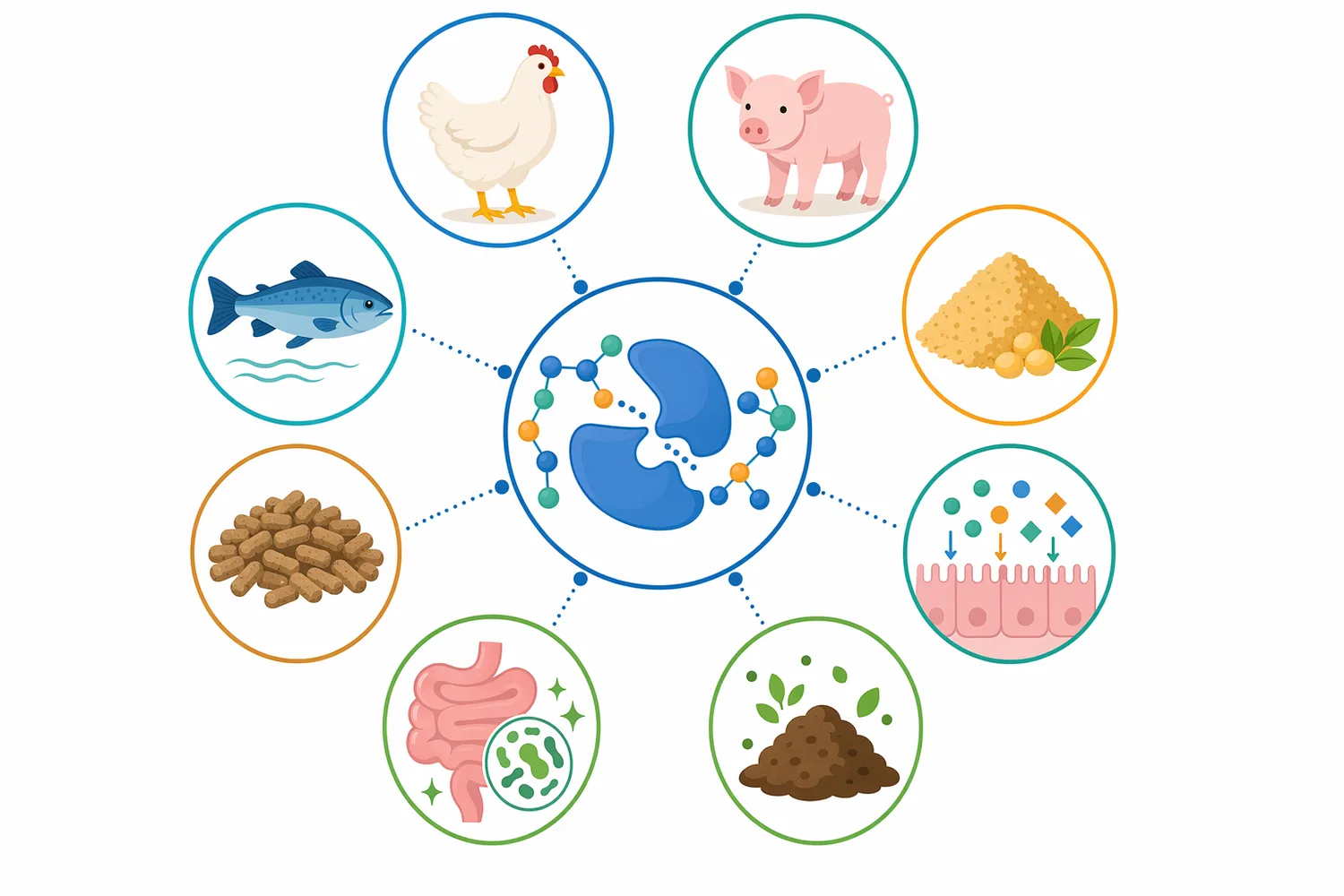
Protease can contribute to alternative-protein utilization by attacking the protein portion once it becomes accessible. In some cases, a protease alone may not fully open the matrix; carbohydrases or other enzymes may be needed to loosen cell wall or non-starch polysaccharide barriers. This explains why multi-enzyme approaches are common in research and practice when novel feedstuffs contain both protein and structural carbohydrate limitations [9].
Poultry diets are a major application area for protease because broilers and layers have high amino acid requirements and fast production cycles. Small changes in digestible amino acid supply can influence growth, feed conversion, breast meat yield, egg output, and nitrogen utilization. Protease has been studied in broilers fed different protein sources and maize batches, showing that the response depends not only on the enzyme but also on raw material variability [10].
In broiler research, protease supplementation has been associated with changes in growth performance and nutrient digestibility, but results are not uniform across every diet. One study evaluating a novel protease in broiler chickens examined growth performance and nutrient digestibility, illustrating the typical research focus: whether added proteolytic activity increases the amount of amino acid and nitrogen value the bird can obtain from a complete diet [2]. This is the most defensible way to view protease in poultry—an enzyme that may improve digestibility and performance when the diet contains responsive protein fractions.
Protease is also used in combination with other enzymes. A study of a protease, phytase, and xylanase combination in broilers reported improvements in body weight, feed conversion rate, ileal digestibility, and gut morphology, showing how protein hydrolysis can be paired with phosphorus release and fiber-matrix disruption [11]. Mechanistically, that combination makes sense: xylanase can reduce cell wall and viscosity constraints, phytase can release phytate-bound nutrients and reduce phytate’s anti-nutritional effects, and protease can act more directly on dietary proteins and endogenous protein losses.
Phyto-proteases have also been explored. Ginger-derived zingibain supplementation in broilers has been studied for growth performance, nutrient digestibility, immunity, and gut health, showing that proteolytic strategies are not limited to one microbial source or one enzyme class [12]. The shared nutritional concept remains protein hydrolysis, but different proteases may interact differently with feed proteins, gastric conditions, and intestinal digestion.
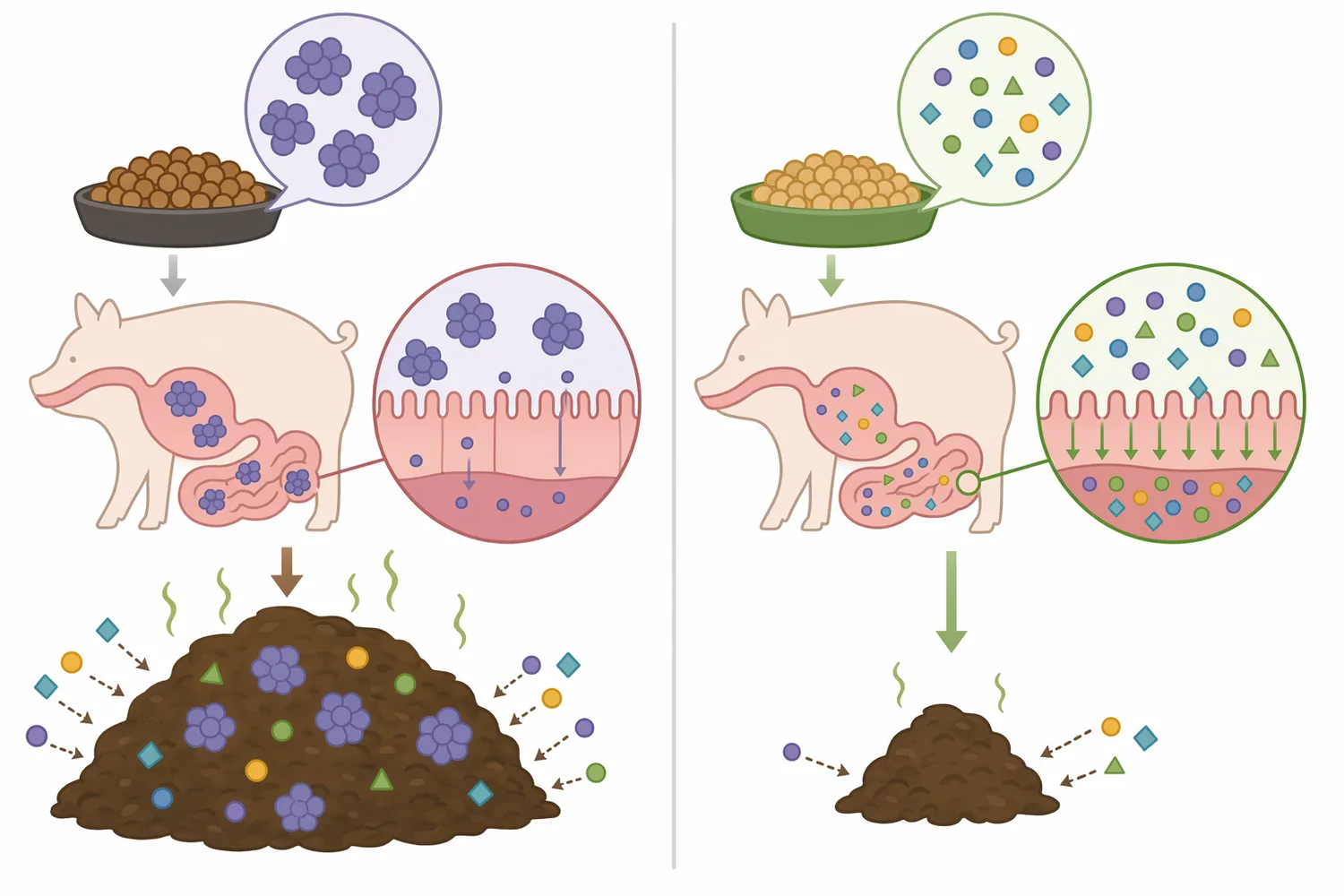
Weanling pigs are a logical target for protease because weaning is associated with digestive stress, diet transition, immature enzyme secretion, and sensitivity to poorly digested protein. In limited-protein diets, exogenous protease has been reported to influence protein digestibility, growth performance, and gut microflora, which aligns with the mechanism of reducing undigested protein flow and improving access to amino acids [13]. This does not mean protease replaces balanced amino acid formulation; rather, it can support the digestible value of the formulated protein supply.
Multi-enzyme feed additives in pigs are also studied because cereal-based diets present more than one nutritional barrier. A weanling pig study using corn–wheat or wheat–barley diets evaluated a multi-enzyme additive for growth performance, nutrient digestibility, and gut microbiome effects, reflecting how protein, starch, fiber, and phytate constraints can overlap in practical diets [9]. Protease fits into this broader enzyme system by targeting peptide bonds while companion enzymes act on cell wall polysaccharides or other anti-nutritional structures.
Pig studies on feed enzymes also connect digestibility with environmental nutrient efficiency. When amino acids are absorbed more efficiently in the small intestine, less nitrogen needs to be handled as waste. Research on phytase variants in pigs, for example, has examined energy and amino acid digestibility alongside production performance, illustrating the wider industry focus on making formulated nutrients more available rather than simply increasing crude nutrient inclusion [14].
Ruminants add another layer of complexity because feed protein is first exposed to the rumen microbial ecosystem. Protein may be degraded to ammonia and microbial protein, or it may escape ruminal degradation and be digested later as rumen-undegraded protein. Exogenous feed enzymes in ruminants are therefore evaluated not only for direct substrate hydrolysis but also for effects on ruminal fermentation, microbial activity, and nutrient flow to the small intestine [15].
A meta-analysis on dietary exogenous feed enzymes in beef cattle examined performance, nutrient digestibility, and ruminal fermentation parameters, showing that enzyme effects in ruminants must be interpreted at the whole-system level rather than as a simple stomach-and-intestine mechanism [16]. Protease may be useful in specific ruminant enzyme blends, but the outcome depends heavily on forage-to-concentrate ratio, protein degradability, rumen retention time, and microbial adaptation.
Work in lactating Jersey cows using a blend of exogenous enzymes has evaluated ruminal fermentation in vivo and in vitro, productive performance, milk quality, and animal health [17]. This kind of study is important because ruminant applications require evidence beyond protein cleavage alone: the enzyme must fit into a fermentation system where microbes, not only the animal’s own digestive enzymes, determine nutrient conversion.
Aquaculture feeds have strong interest in protease because fishmeal replacement remains a central formulation challenge. Plant proteins, animal by-products, and emerging ingredients can reduce dependence on fishmeal, but they also introduce anti-nutritional factors, different amino acid profiles, and variable digestibility. Reviews on microalgae and alternative feed ingredients emphasize that nutrient availability is a key determinant of whether these ingredients succeed in aquaculture diets [8].
Protease is relevant in aquafeed because aquatic species differ widely in digestive physiology. Carnivorous fish, omnivorous fish, and shrimp do not digest protein ingredients in the same way, and their ability to compensate for lower digestibility may be limited by gut length, enzyme secretion patterns, and feeding behavior. Studies of multi-enzyme supplementation in Asian tiger shrimp have evaluated growth, enzyme activity, and essential amino acid index, showing that enzyme systems can be part of improving protein utilization in crustacean feeds [18].
For shrimp, protease may help hydrolyze fishmeal, soybean paste, and other protein fractions into peptides that are easier to absorb. This is particularly relevant because shrimp feeds are often processed to maintain water stability; the feed pellet must resist rapid disintegration in water, yet still release nutrients efficiently after ingestion. Enzyme-aided protein breakdown can support that transition from stable pellet to digestible substrate when the enzyme remains functional through processing and digestion.
Feed ingredients are complex matrices, not purified proteins. A soybean particle contains proteins, carbohydrates, residual oil, minerals, phytate, and heat-modified structures. A cereal grain contains starch surrounded by protein and non-starch polysaccharides. A seaweed or microalgae ingredient may contain protein enclosed by resistant structural polysaccharides. Because of this complexity, protease is often studied together with phytase, xylanase, amylase, cellulase, alginate lyase, or broader carbohydrase mixtures [19].
The mechanism of synergy is concrete. Xylanase can reduce arabinoxylan-related viscosity and open cereal cell wall structures, allowing digestive enzymes better access to entrapped nutrients. Phytase can reduce phytate’s binding effects on minerals and proteins. Protease can then act on exposed protein regions and endogenous proteins that would otherwise contribute to nitrogen losses. Multi-enzyme premix research in poultry has therefore focused on both biochemical characterization and feeding application because the value lies in how enzymes interact with a real diet, not in isolated activity alone [20].
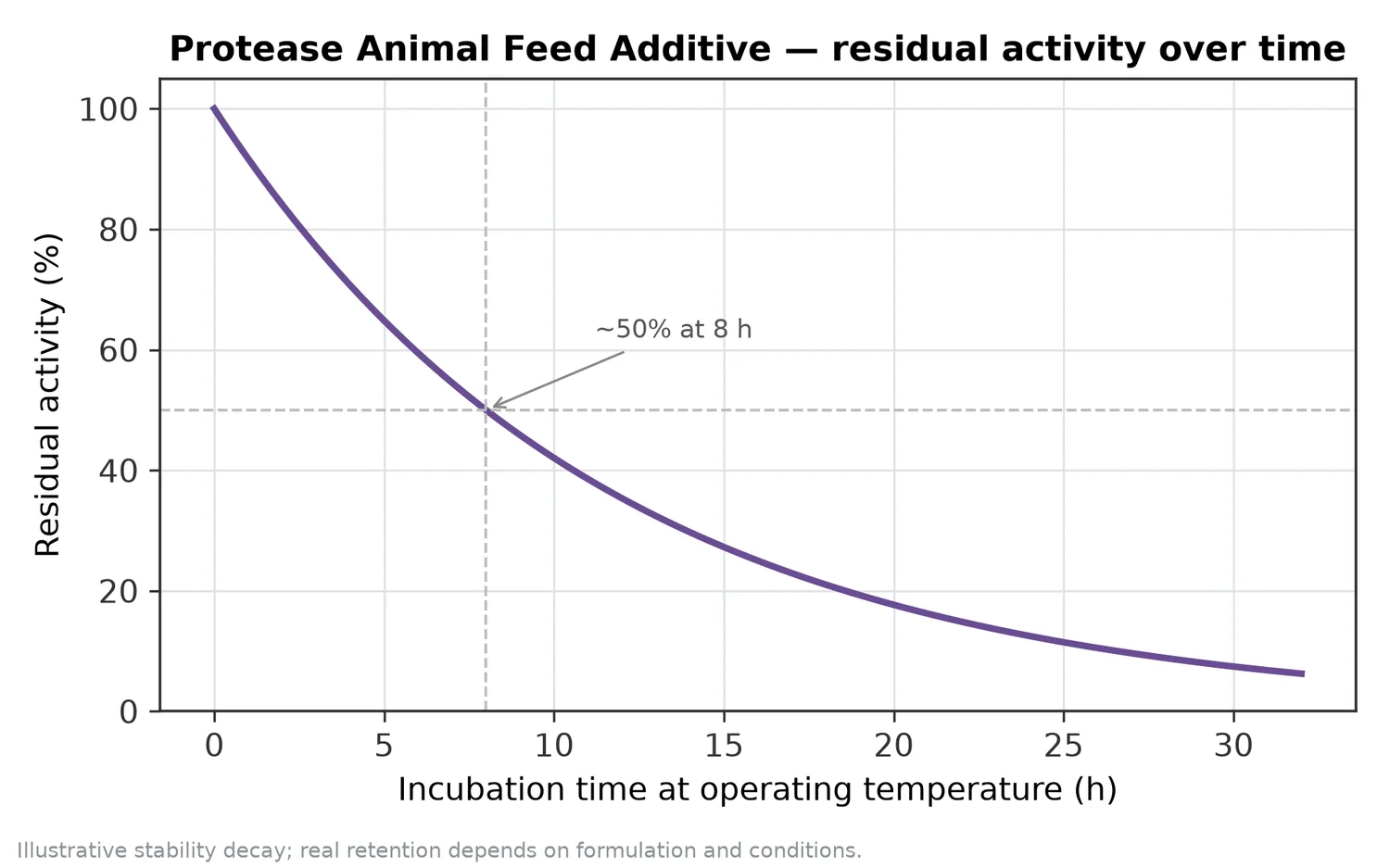
Encapsulation and stabilization research also reflects the practical demands of feed use. Enzyme additives must remain useful after mixing, possible pelleting, storage, and passage through the upper digestive tract. Research on alginate encapsulation of Bacillus subtilis multi-enzyme systems has explored stability for feed additive applications, underscoring that enzyme delivery can be as important as enzyme function in real feeding systems [21].
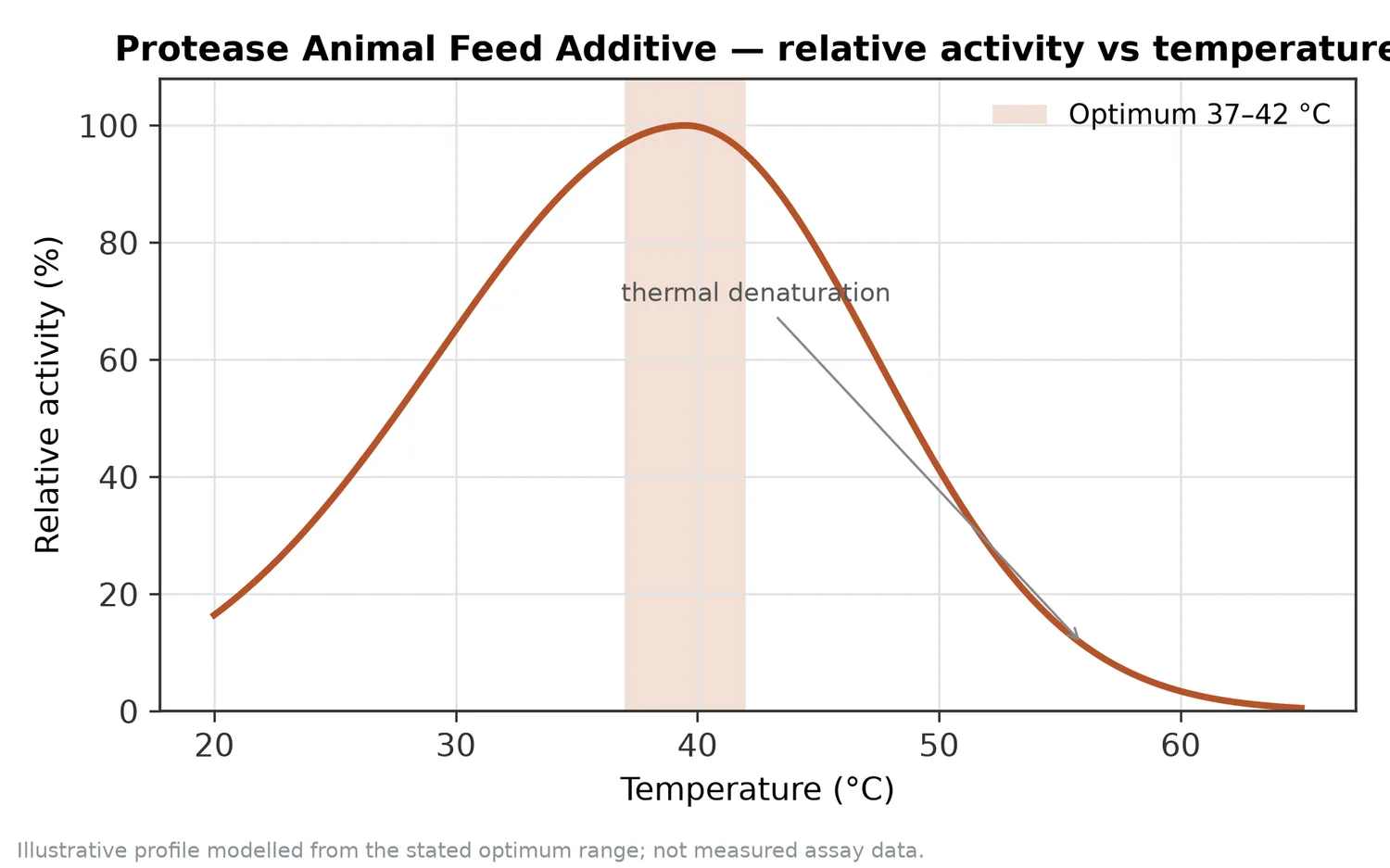
Protease must encounter its substrate in an active form. In feed manufacturing, enzymes may be exposed to heat, moisture, friction, pressure, minerals, organic acids, and other additives. In the animal, the enzyme then faces hydration, changing pH, endogenous enzymes, bile salts, microbial activity, and variable retention times. These conditions determine whether protease reaches the protein substrate early enough to improve digestion.
Pelleted feeds create a particular challenge because heat and moisture can alter both enzyme structure and protein substrate structure. Moderate protein denaturation may expose peptide bonds, but severe heat damage can reduce amino acid availability. At the same time, enzyme proteins themselves can lose functional shape if processing conditions are too harsh. This is why studies of feed enzyme production and application often focus on robustness, stability, and performance under feed-relevant conditions rather than only on purified enzyme behavior [22].
Digestive timing is equally important. If protease acts early, it can start opening protein structures before endogenous enzymes complete digestion. If it acts later, it may still reduce undigested protein flow but with less time for absorption. The most useful effect occurs when hydrolysis produces peptides and amino acids during the window in which the animal can absorb them efficiently.
Proteases are biologically active proteins, and enzyme powders should be handled in a way that avoids unnecessary dust exposure. This is not unique to protease; enzyme-containing feed additives in general require sensible handling because inhaled enzyme dust can be sensitizing for some individuals. Feed biotechnology reviews discuss enzyme additives as part of modern livestock nutrition, but safe use still depends on following the product documentation supplied with the order [1].
For each online order, Enzymes.bio supplies the Protease Animal Feed Additive with a Certificate of Analysis and Safety Data Sheet. The CoA and SDS support routine receiving, documentation, and safe handling at the user’s site. The product is sold directly online by the 1 kg unit: the buyer pays online, the order is processed, and the material is shipped.
The strongest evidence for protease is mechanistic and digestibility-based: protease hydrolyzes feed proteins, increasing the formation of peptides and amino acids that animals can use. Studies in poultry, pigs, ruminants, shrimp, and broader enzyme systems support the idea that protease can improve nutrient digestibility or performance under suitable conditions, but the magnitude and consistency of response depend on the diet and animal system [2].
Performance responses are more variable than the biochemical mechanism. A diet with highly digestible protein and little anti-nutritional pressure may show a smaller response than a diet containing more variable protein meals. Young animals, alternative proteins, heat-processed meals, and multi-enzyme diets may create more opportunity for measurable benefit. Reviews of livestock feed additives and enzyme-based formulation strategies consistently frame enzymes as tools that improve nutrient use within a complete feeding program, not as stand-alone guarantees [3].
A balanced expectation is therefore: protease can support protein digestibility, amino acid release, feed efficiency potential, gut nitrogen management, and more flexible use of protein ingredients. It should be viewed as a practical digestibility-support enzyme for formulated feeds, especially where protein utilization is a priority and the diet contains substrates that can respond to proteolytic hydrolysis.
Enzymes.bio supplies Protease Animal Feed Additive for animal nutrition applications in a simple online purchase format. The product is available directly by the 1 kg unit; the buyer places the order and pays online, after which the order is processed and shipped. A Certificate of Analysis and Safety Data Sheet are included with the order.
For feed users, the value of protease is its ability to make dietary protein more accessible. By cleaving peptide bonds in feed proteins, protease helps convert complex protein structures into smaller peptides and amino acids, supporting the animal’s natural digestive process and improving the potential feeding value of protein ingredients. Scientific literature supports protease as a credible enzyme category in poultry, swine, aquaculture, ruminant, and multi-enzyme feed systems, while also showing that outcomes depend on the ingredient matrix, species, processing conditions, and complete diet design [11].
Protease is not a universal shortcut and does not replace sound nutrition. Its best role is as an evidence-based digestibility tool: it helps unlock protein already present in the ration, supports amino acid availability, and can contribute to more efficient nitrogen use when applied in an appropriate feed program.
Sold by the 1 kg unit, in stock and ready to ship. Order directly on our store — pay online and we process your order. A Certificate of Analysis and Safety Data Sheet are included with every order.
Buy Protease Animal Feed Additive →Numbered in order of first citation. Open-access sources, each verified reachable at publication; citation numbers in the text link here.