
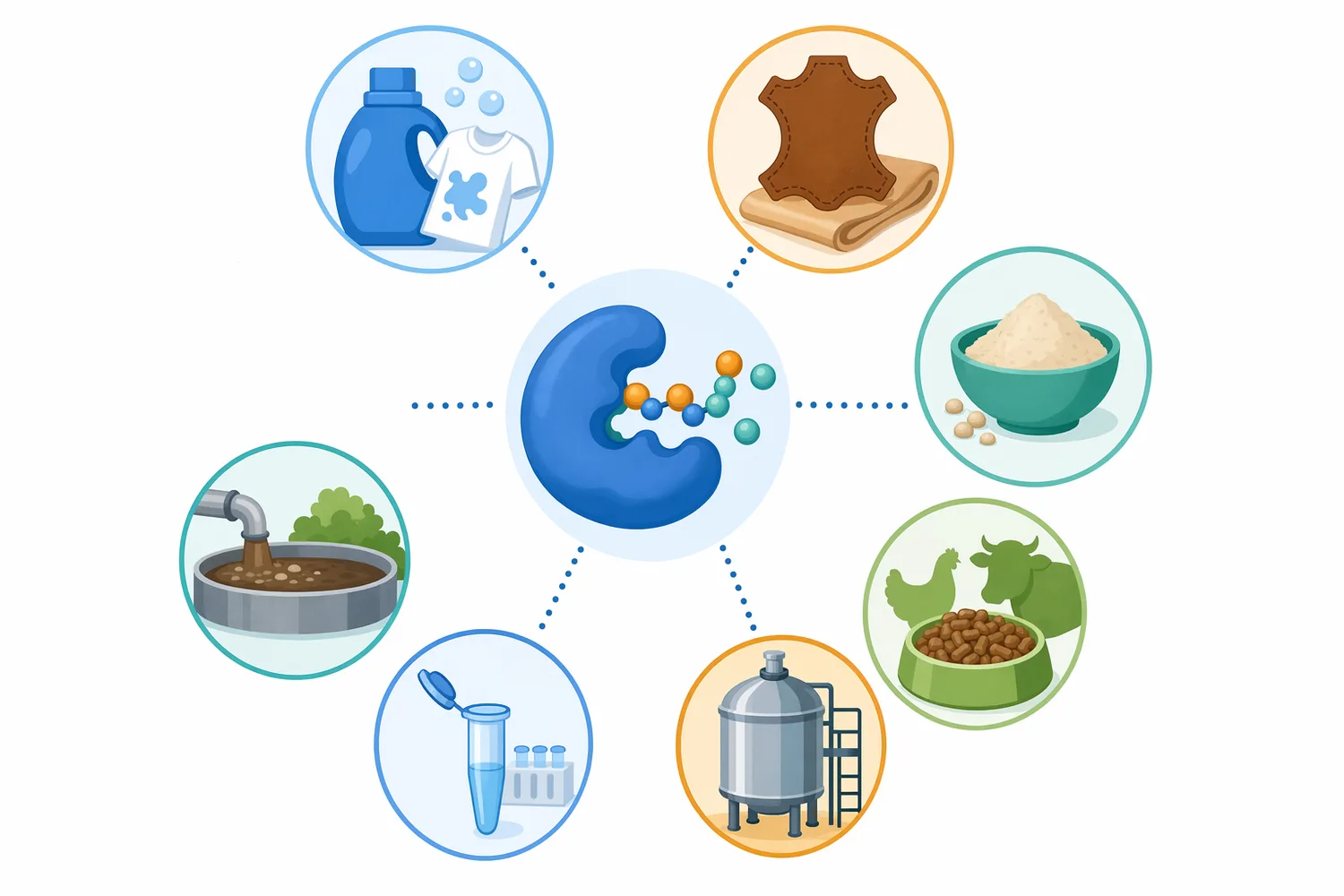
Protease enzyme breaks proteins by hydrolyzing peptide bonds, turning large protein structures into smaller peptides and amino-acid fragments that are easier to solubilize, remove, digest, modify or recover. This makes protease useful wherever protein is either the target material—such as in food or feed protein hydrolysis—or the unwanted barrier, such as in protein stains, hides, seafood waste, biofilms, keratin-rich residues and process fouling. Proteases are one of the major classes of industrial enzymes because the same core reaction—controlled protein cleavage—supports many different applications across alkaline, neutral and acidic process environments [1].
Enzymes.bio supplies protease enzyme directly online by the 1 kg unit. Buyers can purchase and pay online; the order is then processed and shipped, with a Certificate of Analysis and Safety Data Sheet provided with the order. Enzymes.bio is a product supplier, not a manufacturer or testing laboratory.
Protease is not one single enzyme with one fixed behavior. It is a broad category of enzymes that catalyze proteolysis: the cleavage of peptide bonds in proteins. The substrate may be a soluble food protein, a structural protein in animal hide, a keratin-rich residue, a proteinaceous stain, a protein layer on a film, a microbial extracellular matrix component or a protein-rich waste stream. In each case, the enzyme lowers the molecular size and structural integrity of the protein material, often making it more dispersible, extractable, digestible or removable [2].
From a process point of view, protease is valuable because many proteins are physically tough and chemically persistent. Collagen-associated materials, keratin, casein networks, silk sericin, fish and poultry by-products, dairy residues and biofilm proteins can resist simple washing or extraction because their folded structures, cross-links and hydrophobic regions keep them compact or attached to a surface. Protease attacks the peptide backbone itself, so the material is not merely wetted or loosened; it is chemically converted into shorter fragments with different solubility, viscosity, surface adhesion and reactivity [1].
Microbial proteases are especially important industrially because bacteria and fungi produce extracellular enzymes that act outside the cell, where they can access complex protein substrates. Reviews of microbial proteases describe applications across detergent, food, leather, waste treatment, pharmaceuticals, feed and environmental processing, reflecting the fact that many industries handle protein-containing raw materials or residues [3]. This breadth does not mean every protease works in every process; it means the enzyme class contains acid, neutral, alkaline, thermostable, keratinolytic and other types that are useful under different conditions.
For a buyer evaluating protease enzyme for sale, the useful question is not whether protease “works” in the abstract. The relevant point is what protein needs to be changed. If a process problem is caused by protein structure—staining, attachment, opacity, toughness, poor digestibility, excessive viscosity, slow maturation, inefficient extraction or incomplete deproteinization—protease can be a logical enzyme category to consider. The published literature consistently supports protease as a versatile and ecofriendly biocatalyst for protein conversion when the process environment allows the enzyme to remain active [1].
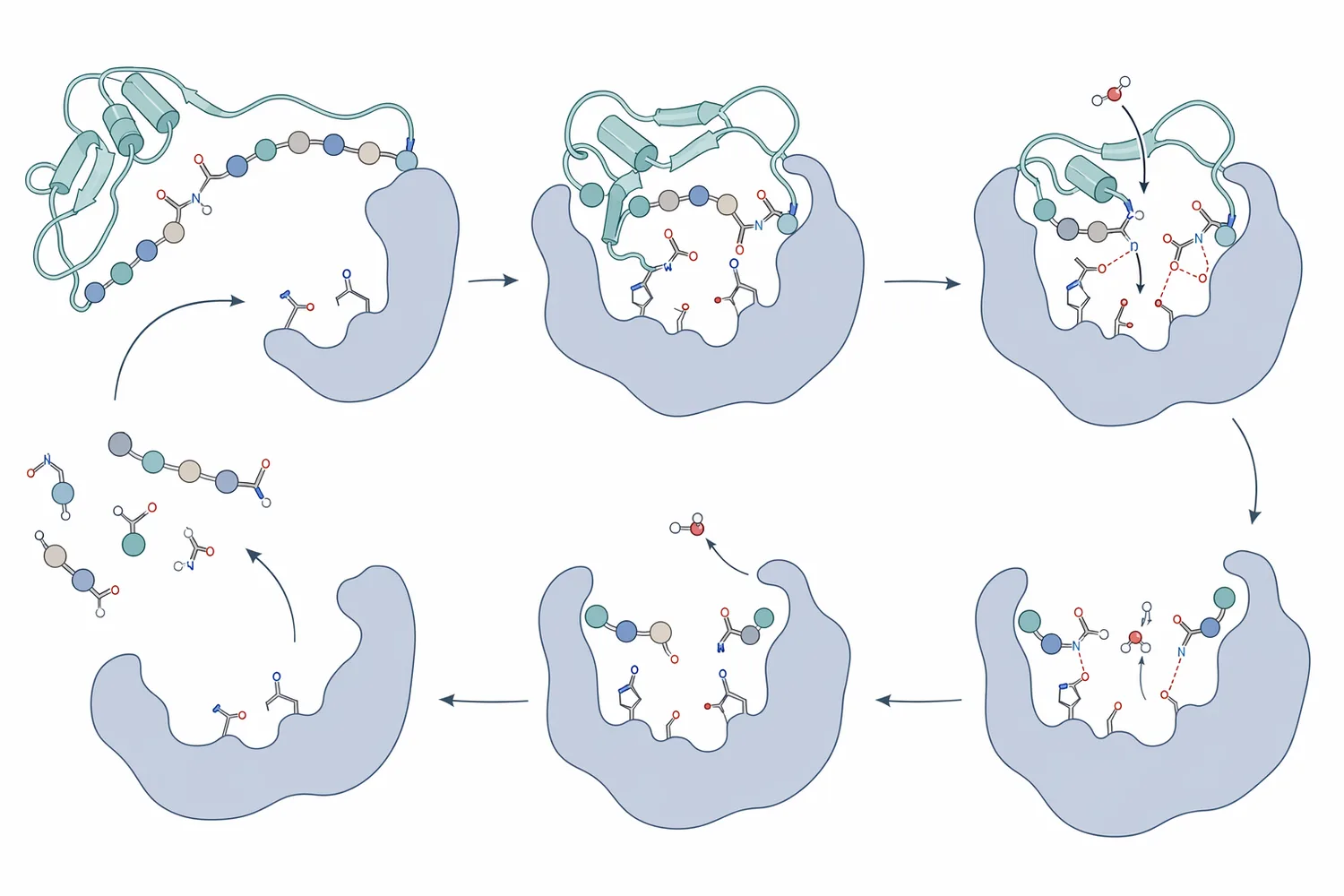
Proteins are chains of amino acids joined by peptide bonds. Those chains fold into three-dimensional structures stabilized by hydrogen bonding, ionic interactions, hydrophobic packing, disulfide bonds and interactions with minerals, fats, carbohydrates or other proteins. A protease positions a peptide bond inside its active site and accelerates hydrolysis: water is used to split the bond, producing two shorter chains. Repeated cleavage changes both molecular size and physical behavior [2].
The first visible effect is often loss of structure. A large protein network can behave like a mesh: it traps water, holds particles together, sticks to surfaces or gives tissue its strength. Once protease cuts enough internal peptide bonds, the mesh breaks into smaller pieces. These fragments diffuse more easily, wash away more readily and expose new ends that can be further cleaved by other protease actions. In food or feed systems, this can increase soluble nitrogen and release peptides and amino acids; in cleaning, it weakens the stain matrix; in leather or keratin processing, it helps separate proteinaceous structures that otherwise require harsher chemical treatment [4].
Different proteases cut proteins differently. Endoproteases cleave within the protein chain, quickly reducing large proteins to smaller peptides. Exoproteases work from the ends of peptide chains, releasing terminal amino acids or small peptides. Some enzyme systems include both types of action, which can deepen hydrolysis and shift the final peptide profile. This distinction matters in applications such as flavor development, where a mixture rich in bitter hydrophobic peptides may behave differently from a more extensively trimmed hydrolysate [5].
The enzyme mechanism also explains why process conditions matter. Protease activity depends on the shape and charge of the active site, the ionization of catalytic residues, the flexibility of the substrate and the stability of the enzyme fold. pH changes can alter charged groups in both enzyme and substrate; temperature can increase molecular motion up to the point where the enzyme begins to lose its folded structure; salts, surfactants, chelators, oxidants, reducing agents and inhibitors can enhance or disrupt the catalytic environment. Protease families differ in their catalytic chemistry, including serine, cysteine, aspartic and metalloprotease mechanisms [2].
In practical terms, protease is best understood as a selective chemical cutter for protein backbones. It does not dissolve every biological material equally, and it does not replace all physical or chemical processing. Its value is that it can make targeted changes to protein components under milder conditions than many conventional chemical approaches, especially where partial hydrolysis is enough to loosen, solubilize, soften, digest or release the desired material [1].
Proteases are often discussed by the pH environment in which they are most useful. This is a practical grouping, not a complete biochemical classification. A neutral protease may be useful in food protein modification, an acid protease may suit acidic food or beverage environments, and an alkaline protease may be suited to detergents, leather, dehairing or waste deproteinization. Microbial alkaline proteases have been repeatedly reviewed as important industrial enzymes because many cleaning and processing systems operate under alkaline conditions [4].
| Protease type | Typical process context | What changes in the substrate | Commonly discussed application areas |
|---|---|---|---|
| Acid protease | Acidic food, beverage and fermentation-style environments | Protein chains are hydrolyzed where low pH keeps the enzyme active and may also unfold some substrates | Food and beverage processing, protein modification, flavor development [5] |
| Neutral protease | Mild to near-neutral aqueous systems | Proteins are partially hydrolyzed while limiting harsh chemical exposure; peptide release can influence solubility, flavor or digestibility | Food ingredients, feed applications, protein hydrolysates and applied bioprocessing [1] |
| Alkaline protease | Alkaline cleaning, leather, detergent and deproteinization environments | Proteinaceous soils, hide-associated proteins, keratin-related materials or waste proteins are loosened and fragmented under alkaline process conditions | Detergents, leather processing, dehairing, waste treatment and industrial cleaning [4] |
| Keratinolytic protease | Keratin-rich residues such as hair, feathers and related structural proteins | Tough keratin structures are attacked more effectively than by general proteolysis alone because the enzyme system can disrupt resistant protein architecture | Leather, detergent, feather waste and keratin valorization [6] |
This comparison is useful because pH affects both sides of the reaction. It changes the enzyme’s catalytic groups and also changes the substrate: proteins may swell, unfold, aggregate or become more accessible depending on their charge state. Alkaline conditions, for example, can help open some protein structures, allowing alkaline proteases to reach cleavage sites that would be buried in a compact protein. Acidic environments can favor aspartic proteases used in food and beverage contexts, where low pH is already part of the process [5].
Temperature has a similar dual effect. Warmer conditions generally speed molecular collisions and can increase reaction rate while the enzyme remains folded, but excessive heat can denature many enzymes. Thermostable proteases are therefore studied for processes where elevated temperature improves substrate accessibility, sanitation, viscosity reduction or reaction speed. Research on thermostable and thermotolerant microbial proteases reflects continuing industrial interest in enzymes that remain useful under more demanding process conditions [7].
Protein stains and residues are common because foods, body fluids and biological materials contain proteins that dry into adhesive films. Blood, egg, milk, meat juices and gelatin-like residues can attach strongly to fibers or equipment surfaces. Protease helps by cutting the proteins that give the soil its cohesive structure. Once the protein network is fragmented, surfactants and mechanical washing can disperse the smaller pieces more effectively [4].
Alkaline proteases are particularly important in detergents because many detergent formulations and wash waters are alkaline. Under those conditions, protein soils can swell or become more accessible, while the enzyme cleaves peptide bonds and weakens the stain matrix. Reviews of alkaline protease describe detergent use as one of the defining industrial applications, alongside leather, waste treatment and other alkaline processing areas [4].
The mechanism is more specific than “better cleaning.” A dried protein stain is often a composite material: denatured proteins trap lipids, pigments, salts and insoluble particles. Protease does not need to remove every component directly. By cutting the protein scaffold, it collapses the structure that holds the stain together. That is why protease is commonly paired conceptually with other cleaning agents: the enzyme attacks the protein backbone, while surfactants, builders and physical agitation help lift and disperse the released material [1].
Protease is also relevant in cleaning environments where biofilms or biological films contain extracellular proteins. Microbial enzymes are being studied as natural anti-biofilm candidates because matrix polymers, including proteins, contribute to microbial attachment and protection. Enzymatic disruption can weaken the matrix, making the community less physically coherent, although biofilm control remains application-specific and should not be reduced to a single enzyme effect [8].
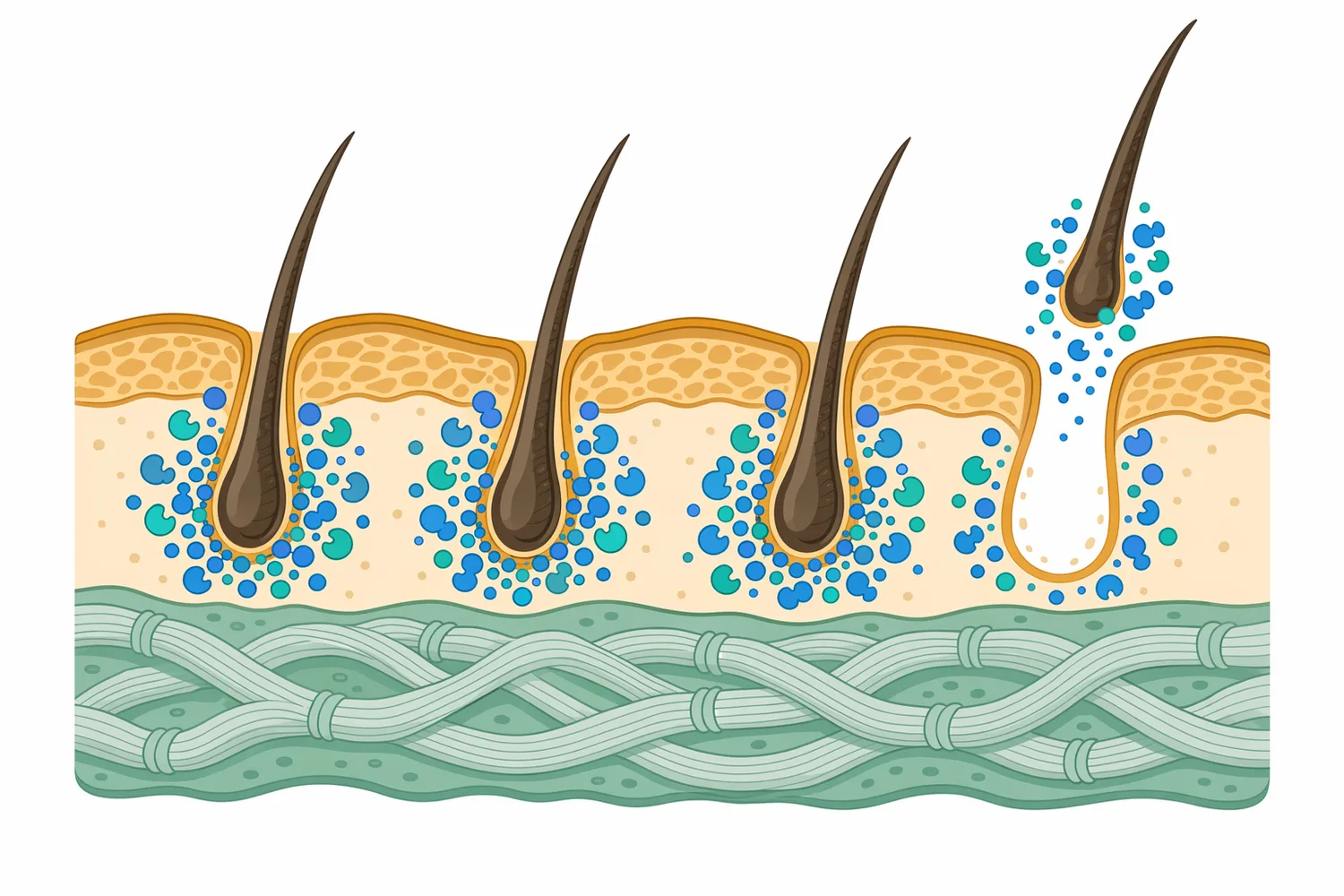
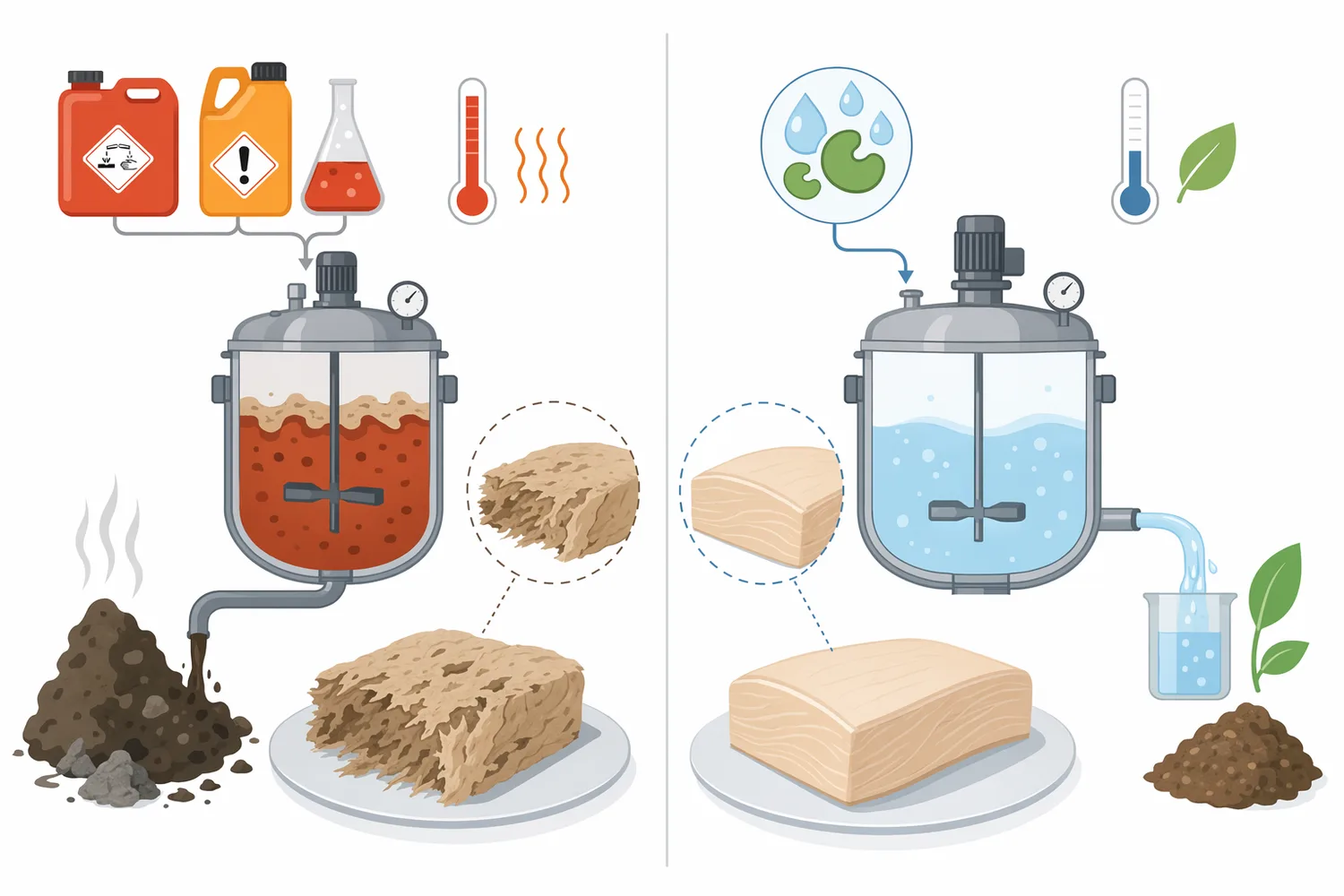
Leather processing is one of the classic areas where protease can reduce reliance on aggressive chemical treatment. Hair, epidermal components and interfibrillary proteins are associated with the hide structure. Protease-assisted dehairing works by hydrolyzing protein material around the hair root and associated structures, loosening hair so it can be removed with less purely chemical attack. Keratinolytic proteases are especially relevant where resistant keratin proteins are part of the target material [9].
The substrate chemistry is demanding. Keratin in hair, wool and feathers is tough because it is highly structured and stabilized by disulfide bonding and dense packing. General proteolysis may not be enough unless the protein is accessible; keratinolytic proteases and compatible process conditions help expose and cleave resistant keratin-associated regions. Reviews of microbial keratinases describe their industrial promise in leather, detergent and keratin waste valorization because they address protein substrates that are difficult to degrade by ordinary means [6].
Recent research continues to explore greener dehairing systems. One study on protease-encapsulated liposomes frames enzymatic unhairing as a route toward both hair removal and softer leather, illustrating the ongoing effort to deliver protease more effectively into the hide environment [10]. The important mechanism is localized protein weakening: the enzyme acts on attachment and structural proteins so that hair release can occur without indiscriminate destruction of the collagen framework that gives leather its value.
Protease-assisted leather processing must be controlled because collagen itself is a protein. The goal is not maximum hydrolysis; it is selective weakening of unwanted protein components while preserving the main hide matrix. This is why alkaline proteases and keratinolytic systems are studied carefully for leather applications, where the same catalytic power that removes unwanted material must be balanced against the need to retain fiber strength and quality [9].
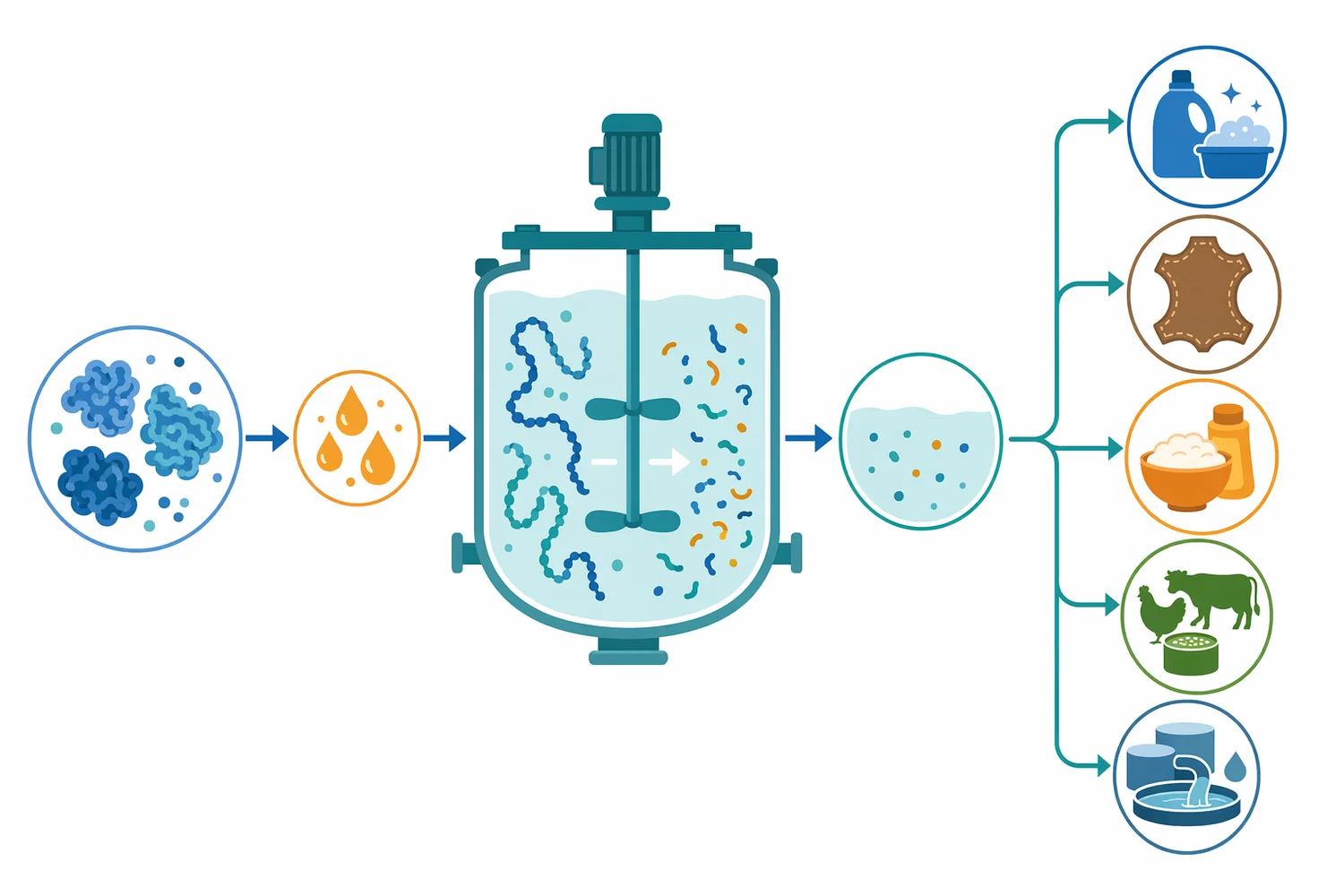
Shrimp shells and other crustacean wastes contain chitin embedded with proteins and minerals. To recover chitin, processors must remove a substantial protein fraction without destroying the polysaccharide structure. Protease supports this by hydrolyzing shell-associated proteins into soluble peptides that can be separated from the chitin-rich solid. Alkaline protease research includes applications in deproteinization and recovery of useful materials from biological waste streams [11].
This is a clear example of protein as a barrier. The target is not the protein itself; the protein is the material blocking access to chitin. When protease cuts the shell proteins, it loosens the composite structure and improves separation. The value is not simply mass removal but cleaner fractionation: peptides move into the liquid phase, while the chitin-rich material remains as a recoverable solid [1].
More broadly, protein-rich industrial wastes are attractive substrates for enzymatic hydrolysis because they contain embedded value but are often heterogeneous and hard to process. Research on simultaneous hydrolysis of various protein-rich industrial wastes using a naturally evolved protease from tannery wastewater microbiota reflects this interest in enzymes that can act on mixed, challenging protein streams [12]. Such studies are relevant to circular-economy processing because hydrolysis can convert low-value residues into more manageable peptide-rich fractions.
Food waste degradation is another related area. Extremophile Bacillus strains capable of producing protease and α-amylase have been studied for food waste degradation, where proteins and starches may both contribute to the physical bulk and persistence of residues [13]. In such mixed substrates, protease does the protein-cutting portion of the work, while other enzymes may act on carbohydrates or fats depending on the formulation and process design.
In food processing, protease can be used when the desired outcome is controlled protein modification rather than complete protein removal. Hydrolysis can increase solubility, reduce particle size, release amino acids, change viscosity, improve emulsifying behavior or create peptides that contribute to flavor. Microbial aspartic proteases are reviewed for food and beverage applications, where protein cleavage plays a role in processes such as coagulation, maturation and flavor development [5].
Cheese and fermented foods show why protease effects are chemically specific. During maturation, caseins are gradually hydrolyzed into peptides and amino acids. These products influence texture and act as precursors for volatile flavor compounds. A protease added to such a system does not “add flavor” directly; it changes the pool of peptides and amino acids available for subsequent enzymatic, microbial or chemical transformations [5].
Peptide generation is also important for ingredient development. The functional properties of a protein hydrolysate depend on peptide size distribution, amino-acid composition and the exposure of hydrophobic or charged residues. Endoprotease action can quickly generate medium and short peptides, while exopeptidase activity can release free amino acids and reduce some bitterness associated with hydrophobic peptide ends. Reviews of protease applications describe protein hydrolysates and bioactive peptide production as major areas of continuing interest [1].
The evidence for peptide health benefits should be interpreted responsibly. Protease can create peptide mixtures for further product development, but biological effects depend on the exact source protein, hydrolysis pattern, digestion stability, absorption and final formulation. Reviews of protease-based industrial applications support the role of enzymes in producing peptide-containing ingredients, while product-level health claims require separate substantiation beyond the fact that hydrolysis occurred [1].
Protease is also used in animal nutrition research because feed proteins are not always fully accessible to digestive enzymes. Plant proteins may be embedded in cell-wall matrices, associated with antinutritional factors or present in forms that reduce digestibility. Supplemental protease can help pre-digest or support breakdown of feed proteins into smaller peptides and amino acids that are more available during digestion [14].
Broiler research on enzyme supplementation reported that combining amylase with glucoamylase or protease changed intestinal microbiota diversity and provided benefits in diets based on newly harvested corn [14]. Mechanistically, this kind of effect is plausible because enzyme treatment changes the nutrient flow through the gastrointestinal tract: more complete protein and starch breakdown can alter what reaches different gut regions and what microbial populations can use.
Rabbit nutrition research has also examined multi-enzyme supplementation together with olive pomace, reflecting broader interest in enzyme systems that help animals use fibrous or by-product-rich diets more efficiently [15]. In such systems, protease is one part of a larger digestive-support concept: it acts on protein fractions, while carbohydrases or other enzymes may act on fiber, starch or non-starch polysaccharides.
The practical value in feed contexts is not that protease replaces nutrition formulation. It is that protein hydrolysis can reduce the amount of intact, poorly accessible protein passing through digestion and may change peptide availability. The final response depends on animal species, diet composition, processing conditions and the rest of the enzyme system, which is why published animal studies are best read as application-specific evidence rather than universal guarantees [14].
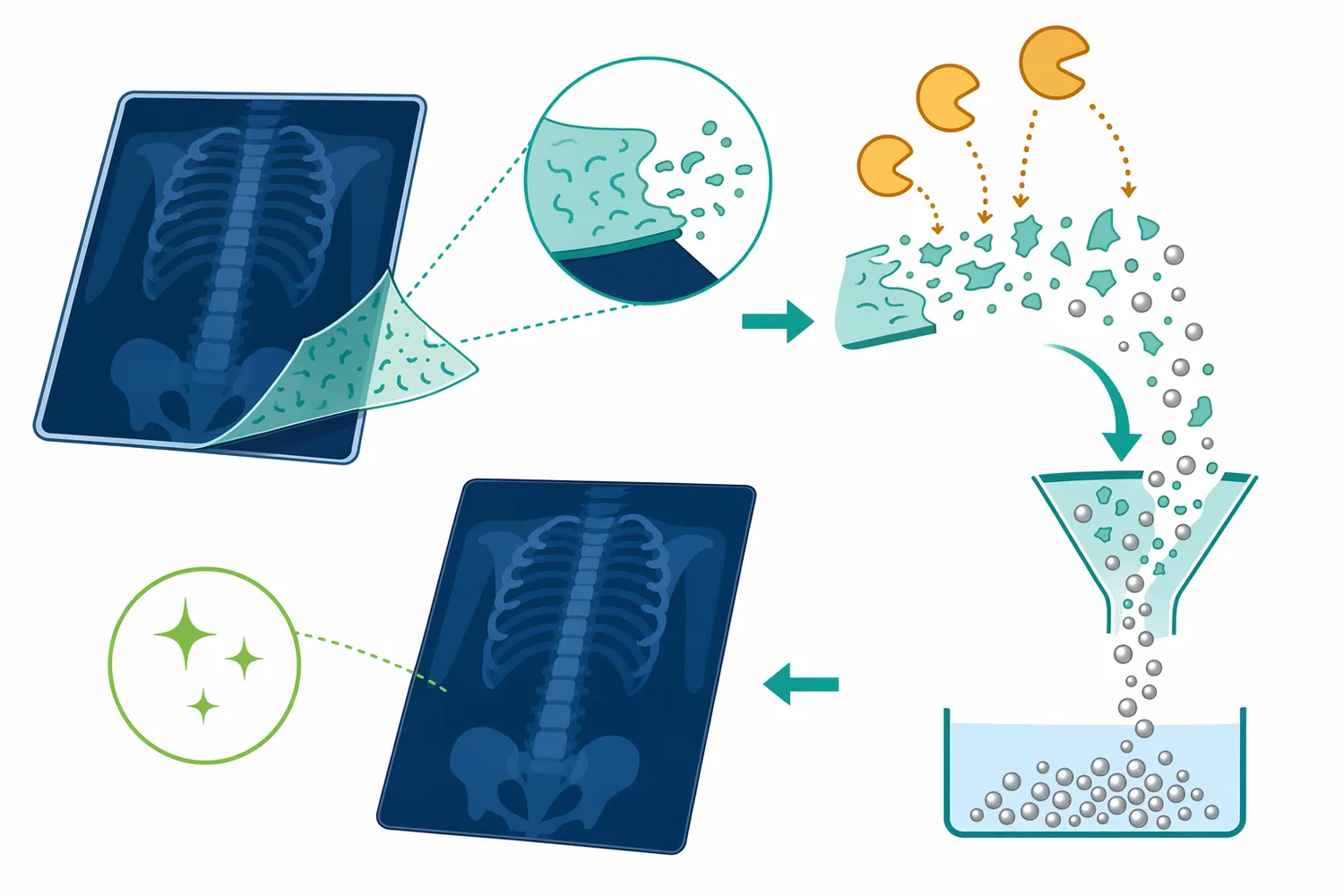
Protease can also be useful where a protein layer holds a valuable or problematic non-protein material. Used X-ray films are a good example: the film contains gelatin, a protein, associated with silver-containing material. Protease can hydrolyze the gelatin layer, allowing silver recovery without relying solely on harsh chemical stripping. Research on a stable Bacillus licheniformis protease includes application in silver recovery from used X-ray films [16].
The mechanism is straightforward. Gelatin is derived from collagen and forms a protein matrix on the film. When protease cuts gelatin into smaller soluble peptides, the film coating loses integrity and releases embedded silver-containing material. Here again, the enzyme is not acting on the metal; it is removing the protein structure that holds the metal in place [16].
This same principle applies to other deproteinization tasks. If a valuable compound, mineral, pigment, fiber or polysaccharide is trapped in a protein network, protease can sometimes open the matrix by digesting the protein fraction. The effect depends on how central the protein is to the structure, whether the enzyme can access cleavage sites and whether process conditions allow hydrolysis without damaging the target material [1].
Protease is therefore best viewed as a separation aid in these specialized applications. It changes the physical state of the protein carrier layer, which may make downstream washing, filtration, flotation, centrifugation or extraction more effective. Published work on protein-rich industrial waste hydrolysis and film gelatin removal illustrates this broader role of protease in resource recovery and waste valorization [12].
Protease is also central in biotechnology and analytical research because controlled protein digestion creates predictable fragments for study. Trypsin is the best-known proteomics enzyme, but research comparing protease alternatives shows that different proteases cut at different sites and can reveal complementary protein sequence information. Sequential digestion with trypsin can improve coverage when alternative proteases are used [17].
This research context highlights a key property of proteases: specificity. Some proteases prefer certain amino acids near the cleavage site; others have broader substrate tolerance. In industrial processing, broad activity may be valuable because substrates are mixed and variable. In proteomics, more defined cleavage rules are valuable because they help identify proteins from peptide patterns [17].
The same biochemical diversity appears in protease families. Rawlings’ review of protease families, evolution and mechanism describes how proteases differ in catalytic nucleophile, structural fold and evolutionary origin [2]. For applied users, this explains why two products both called “protease” can behave very differently: one may be well suited to alkaline cleaning, another to food hydrolysis, another to acidic beverage processing, and another to research digestion.
Protease inhibitors are also studied because they reveal how enzymes bind and process substrates. Work on metalloprotease inhibitors, tick protease inhibitors and enzyme–substrate modeling shows that protease function depends on precise active-site interactions and conformational fit [18]. Industrially, the lesson is that protease performance is shaped by molecular recognition, not just by the presence of protein in the raw material.
The strongest and most consistent evidence is the core mechanism: proteases hydrolyze peptide bonds in proteins. That mechanism directly supports uses in detergent cleaning, leather processing, dehairing, food protein modification, feed supplementation, waste hydrolysis and recovery of materials embedded in protein matrices [1].
There is also strong evidence that microbial proteases are industrially important because microorganisms produce enzymes with diverse operating properties. Reviews of microbial alkaline protease and broader industrial protease applications repeatedly identify detergent, leather, food, pharmaceutical, waste-treatment and environmental uses as major application areas [4]. This does not make protease universal, but it confirms that protease is a mature enzyme category with extensive applied research behind it.
Application-specific evidence is strongest where the substrate and outcome are directly tied to protein breakdown. Examples include keratinolytic proteases for keratin-rich materials, alkaline proteases for detergent and leather contexts, microbial aspartic proteases in food and beverage processing, and stable proteases for gelatin removal in X-ray film silver recovery [6]. In these cases, the benefit follows directly from the enzyme’s ability to cut a protein that is central to the process problem.
Emerging or more specialized areas, such as anti-biofilm use, functional peptide health positioning and complex waste valorization, should be interpreted with more caution. The science is promising, and the mechanisms are plausible, but outcomes depend heavily on substrate composition, process design and downstream validation. Research on microbial enzymes as anti-biofilm candidates, for example, supports the concept of matrix disruption but does not make every protease a finished biofilm-control product [8].
Enzymes.bio offers protease enzyme for direct online purchase by the 1 kg unit. Buyers can place the order and pay online; the order is then processed and shipped. A Certificate of Analysis and Safety Data Sheet are provided with the order, supporting straightforward receipt and internal documentation for the purchased product .
This article is intended to help buyers understand the enzyme category before ordering. Protease is most relevant where proteins need to be hydrolyzed, loosened, solubilized, digested, removed or converted into peptides. Across cleaning, leather, food, feed, waste and recovery applications, its practical value comes from one concrete biochemical action: cutting peptide bonds so that protein materials no longer behave like the original intact structure [1].
Sold by the 1 kg unit, in stock and ready to ship. Order directly on our store — pay online and we process your order. A Certificate of Analysis and Safety Data Sheet are included with every order.
Buy Protease Enzyme For Sale →Numbered in order of first citation. Open-access sources, each verified reachable at publication; citation numbers in the text link here.