
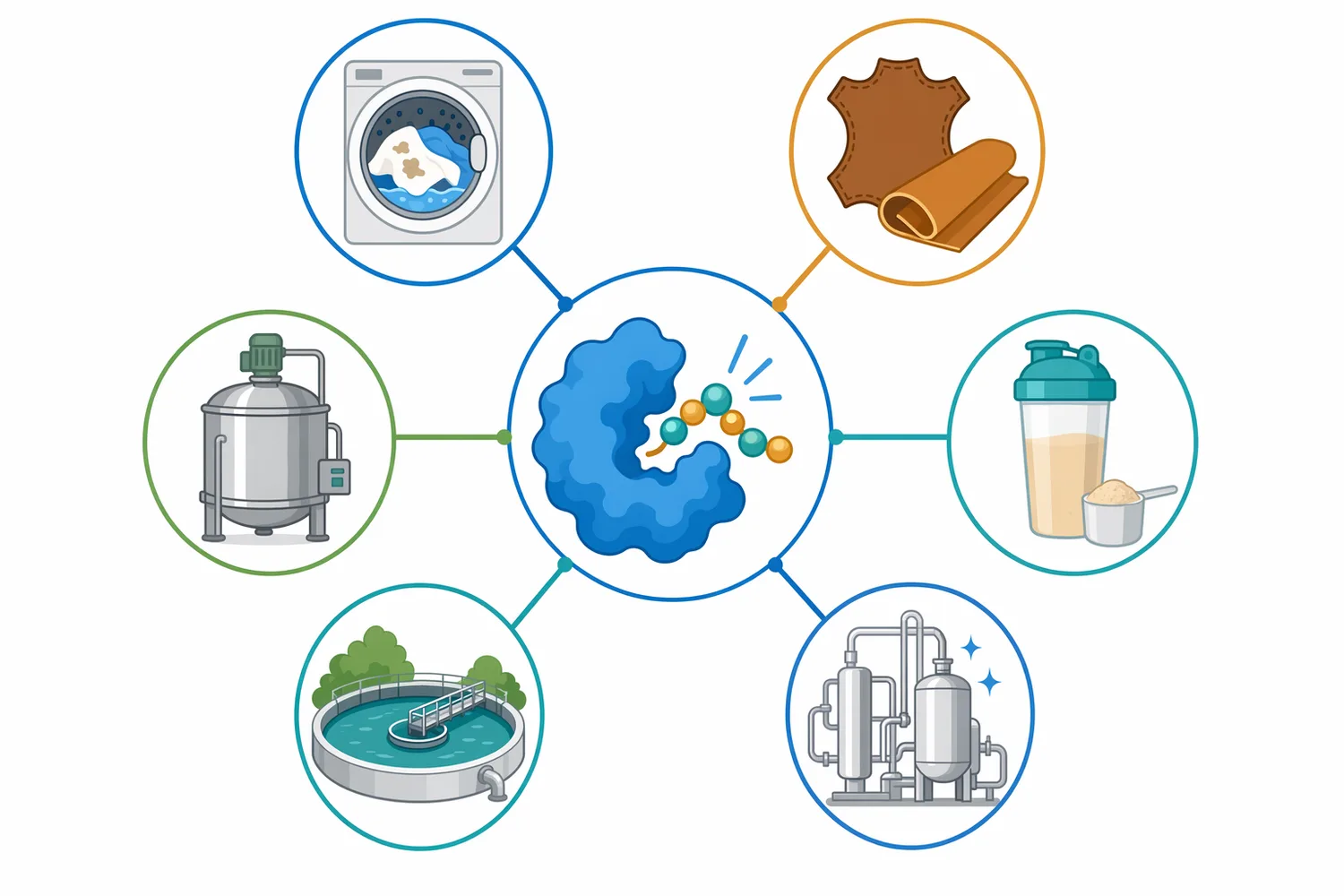
Protein Removal Enzyme Powder – Alcalase CAS 9014-01-1 is an alkaline protease used to break protein soils, residues, and protein-rich raw materials into smaller peptides. In practical processing, that means insoluble or tightly bound proteinaceous material can become easier to disperse, rinse, separate, digest, or convert into a hydrolysate. Enzymes.bio supplies this product directly online by the 1 kg unit; after online purchase, the order is processed and shipped with a Certificate of Analysis and Safety Data Sheet.
Alcalase is widely studied because it works on many animal, plant, and by-product proteins, including fish processing co-products, oilseed meals, rice bran, whey, soy, egg yolk, hemp bran, moringa seed globulin, grape seed protein, and chicken viscera proteins [1]. The same proteolytic action that makes Alcalase useful for protein removal also makes it relevant to protein hydrolysate production, side-stream upcycling, ingredient functionality, and peptide generation.
Protein residues are chemically resilient because proteins are large folded polymers held together not only by peptide bonds but also by hydrophobic interactions, hydrogen bonding, disulfide bridges in some proteins, mineral associations, and interactions with fats, carbohydrates, fibers, or surfaces. A protease does not “dissolve protein” in the way a solvent dissolves salt; it catalyzes cleavage of peptide bonds, physically shortening the protein chain and changing how the remaining fragments behave in water, on surfaces, and in downstream separation steps [2].
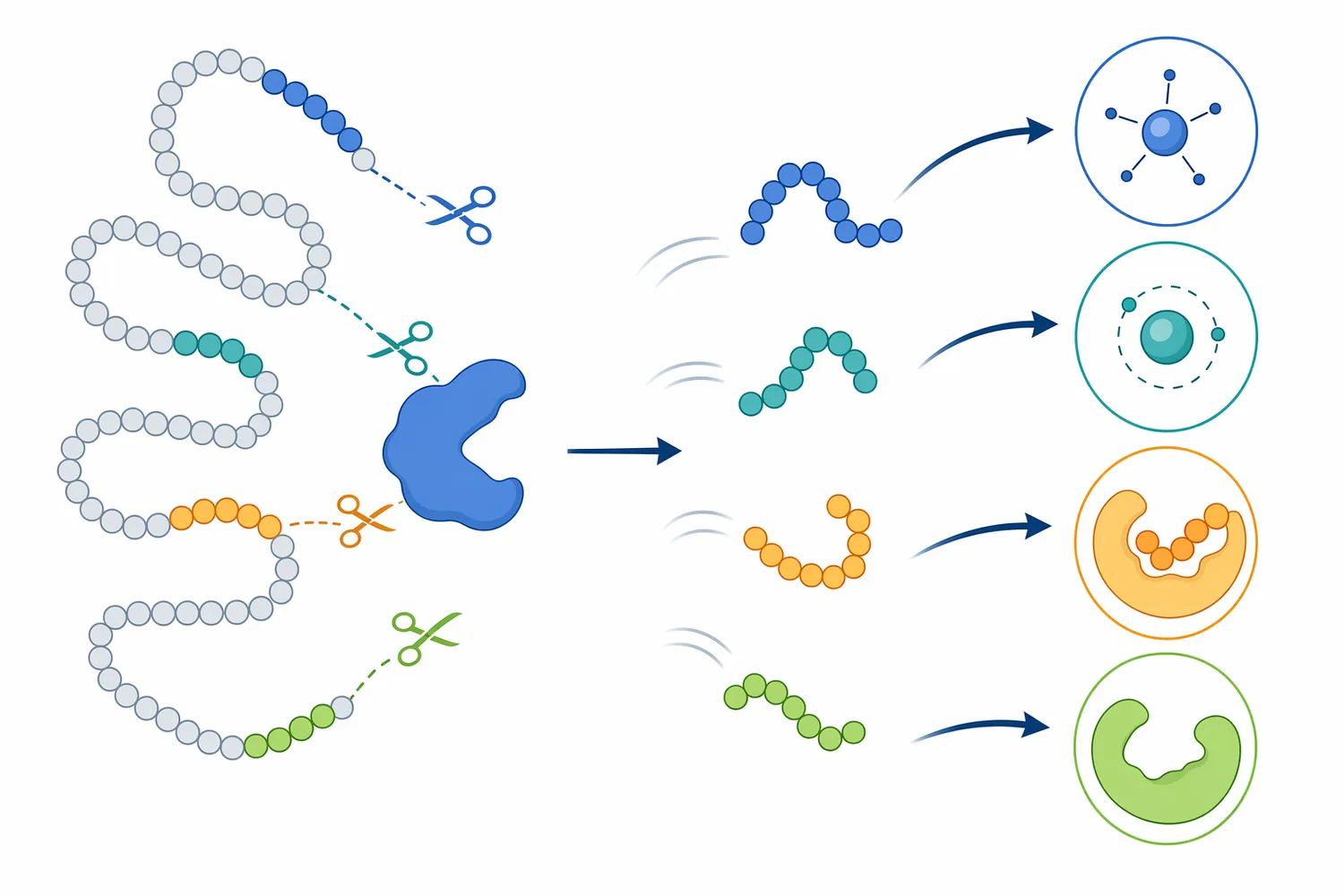
Alcalase-type proteases are especially useful when the practical target is broad protein breakdown rather than a single highly specific cut site. Instead of trimming only the ends of a protein chain, an endoprotease cuts internal peptide bonds, producing multiple peptide fragments from one large molecule. Once the chain is cut in enough places, the protein loses part of its original folded structure, exposes new charged and polar groups, and often becomes easier to suspend, wash away, extract, or further hydrolyze [3].
For a buyer using a 1 kg enzyme powder in a process environment, the important point is that Alcalase is a functional processing aid for proteinaceous material. It can help convert a tough protein deposit, a protein-rich slurry, or a low-value side stream into smaller soluble and dispersible fragments. The exact result depends on the protein source and process design, which is why studies repeatedly compare enzyme type, process time, hydrolysis degree, electrophoresis patterns, and functional outcomes across different substrates [2].
When Alcalase cleaves peptide bonds, it reduces the average molecular size of the protein material. Large proteins that may have been trapped in a matrix, aggregated into particles, or adsorbed to a surface are progressively converted into shorter peptides. These smaller fragments typically diffuse more easily through water, expose more ionizable groups, and interact differently with oils, minerals, membranes, fibers, and other proteins [4].
This molecular size reduction can be seen indirectly in research designs that track hydrolysis degree and protein band patterns. For example, work on defatted Bunium persicum press cake evaluated enzyme type and process time in relation to hydrolysis degree, electrophoresis bands, and antioxidant properties, showing the typical way protease action is connected to both structural breakdown and functional change [2]. In practical terms, disappearance or weakening of high-molecular-weight bands means the original proteins are no longer present in the same large-chain form.
The second important change is exposure of new peptide ends. Every cleavage creates a new amino terminus and carboxyl terminus, increasing the number of charged sites available to interact with water and salts. That can improve dispersibility or digestibility, but it can also change flavor, foam, emulsion behavior, viscosity, or aggregation tendency depending on how far hydrolysis proceeds and what amino-acid sequences are exposed [5].
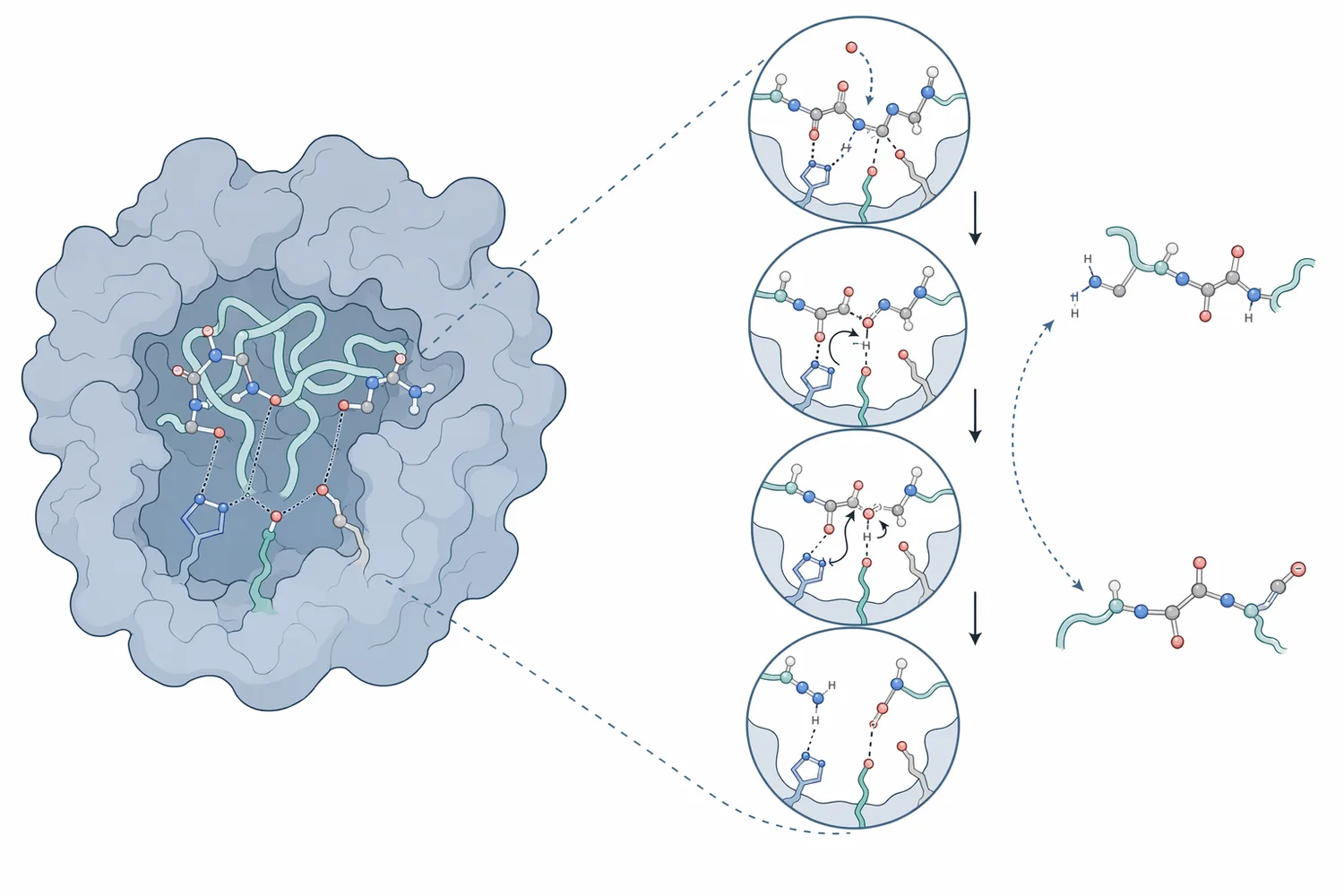
The third change is loss of native protein architecture. Many intact proteins hold hydrophobic regions inside a folded structure. Proteolysis can open those structures and expose hydrophobic patches, which may improve emulsifying behavior in some systems but promote bitterness or aggregation in others. Research on soy protein hydrolysates covalently bonded to polysaccharides shows that enzyme choice and hydrolysis degree can materially affect emulsifying and emulsion-stabilizing properties, which is a direct example of structure-to-function change [5].
Different protein-removal or protein-hydrolysis approaches behave differently because peptide-bond cleavage is influenced by pH, protein charge, unfolding, and enzyme specificity. Alcalase sits in the alkaline protease category, which is why it is often considered where proteins need to be hydrolyzed under neutral-to-alkaline processing conditions rather than strongly acidic treatment.
| Approach | Typical processing concept | What changes in the protein | Practical strengths | Practical limitations |
|---|---|---|---|---|
| Acid hydrolysis | Uses strong acidity and heat rather than enzyme specificity | Broad chemical cleavage and severe denaturation | Can be aggressive and non-selective | May damage sensitive amino acids, darken material, and generate harsh processing conditions |
| Neutral protease hydrolysis | Uses proteases active near neutral pH | Cuts accessible peptide bonds under milder pH | Useful where alkaline conditions are undesirable | May be slower or less aggressive on some compact or insoluble proteins |
| Alkaline protease hydrolysis, including Alcalase | Uses protease activity in neutral-to-alkaline environments | Internal peptide-bond cleavage, unfolding support, peptide formation | Strong fit for protein residue removal, broad protein hydrolysis, and many food/feed side streams | Outcomes depend on substrate, time, pH, temperature, and the desired peptide profile |
This table is conceptual rather than a product specification. It is useful because it shows why Alcalase is not simply “a protein cleaner” but an alkaline proteolytic tool: it works by catalytic peptide-bond cleavage under conditions that often help proteins unfold, hydrate, and detach from other materials. Studies comparing Alcalase with other proteases on fish proteins, plant proteins, and co-products consistently show that enzyme choice changes peptide profiles and functional outcomes [6].
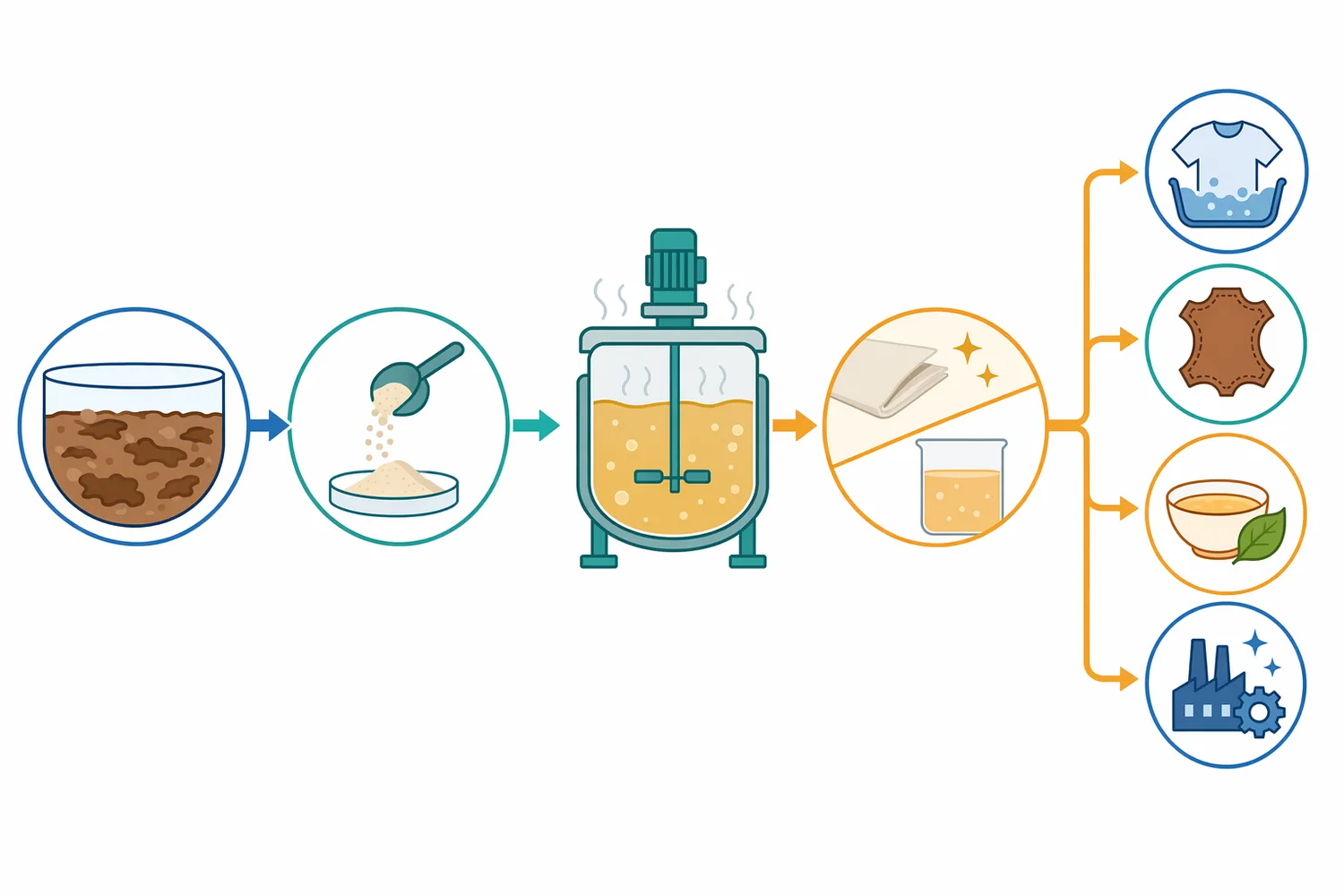
Protein removal is often difficult because proteins are rarely present as pure, loose material. In food-processing residues, protein may be embedded in starch, fiber, oil, minerals, or cell-wall fragments. In cleaning applications, protein soils may be dried, thermally denatured, or attached to stainless steel, membranes, textiles, or processing surfaces. In animal by-products, proteins may be cross-associated with collagen, connective tissue, lipids, and mineral phases [7].
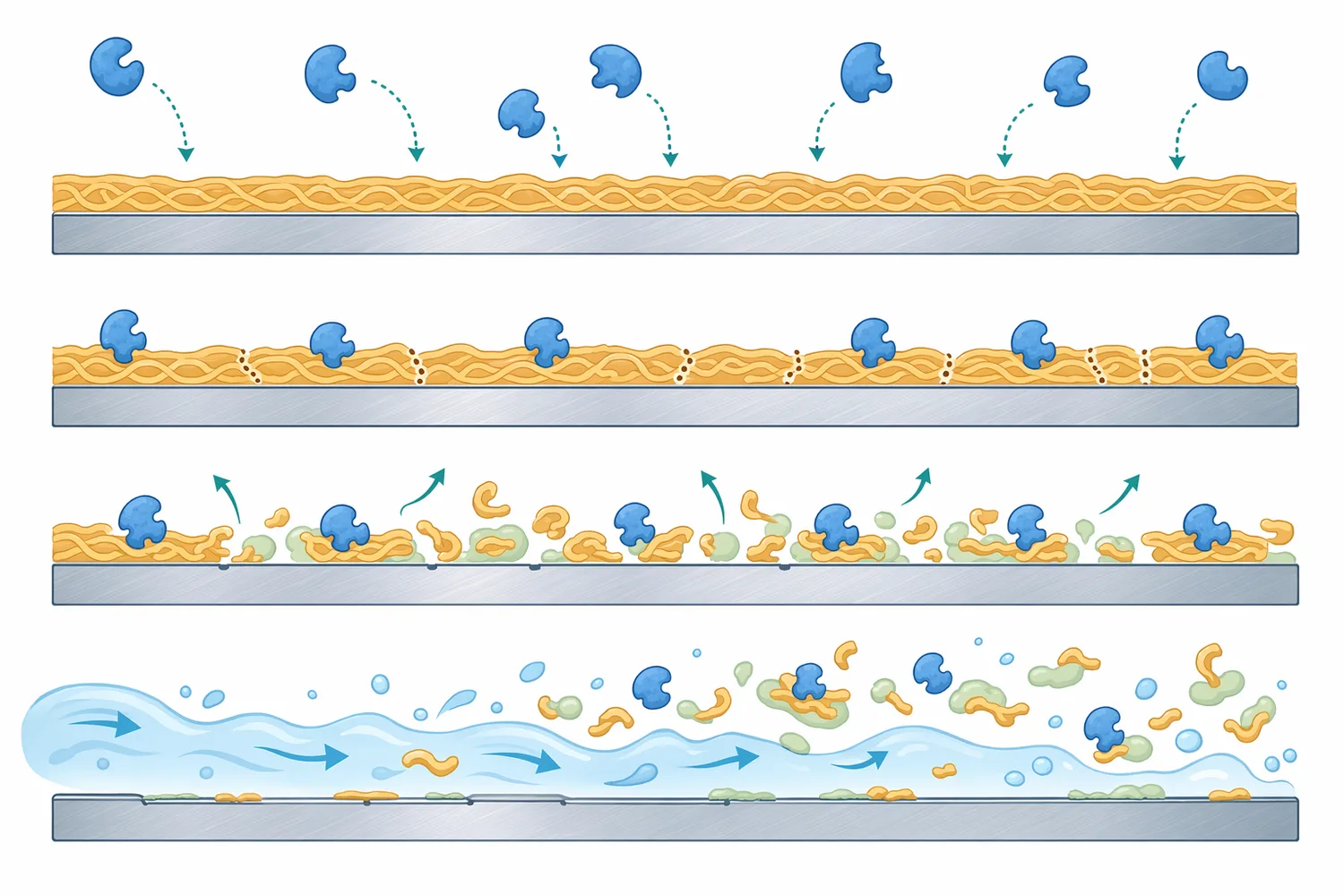
Alcalase helps by cutting the protein component into fragments that no longer anchor the residue as effectively. For example, a large denatured protein film can behave like a continuous network; after protease treatment, that network is cut into shorter pieces with more water-facing ends. The residue can then swell, loosen, disperse, or rinse more readily because the protein fraction is no longer acting as the same cohesive binder [8].
In slurries, the same mechanism can shift material from an insoluble or coarse-particle fraction into a soluble or fine-dispersed fraction. Kinetic work on enzymatic hydrolysis of red tilapia viscera proteins specifically examined substrate and enzyme concentration effects, underscoring that hydrolysis of real by-products is governed by contact between enzyme and accessible protein sites, not just by the presence of protein in the raw material [8].
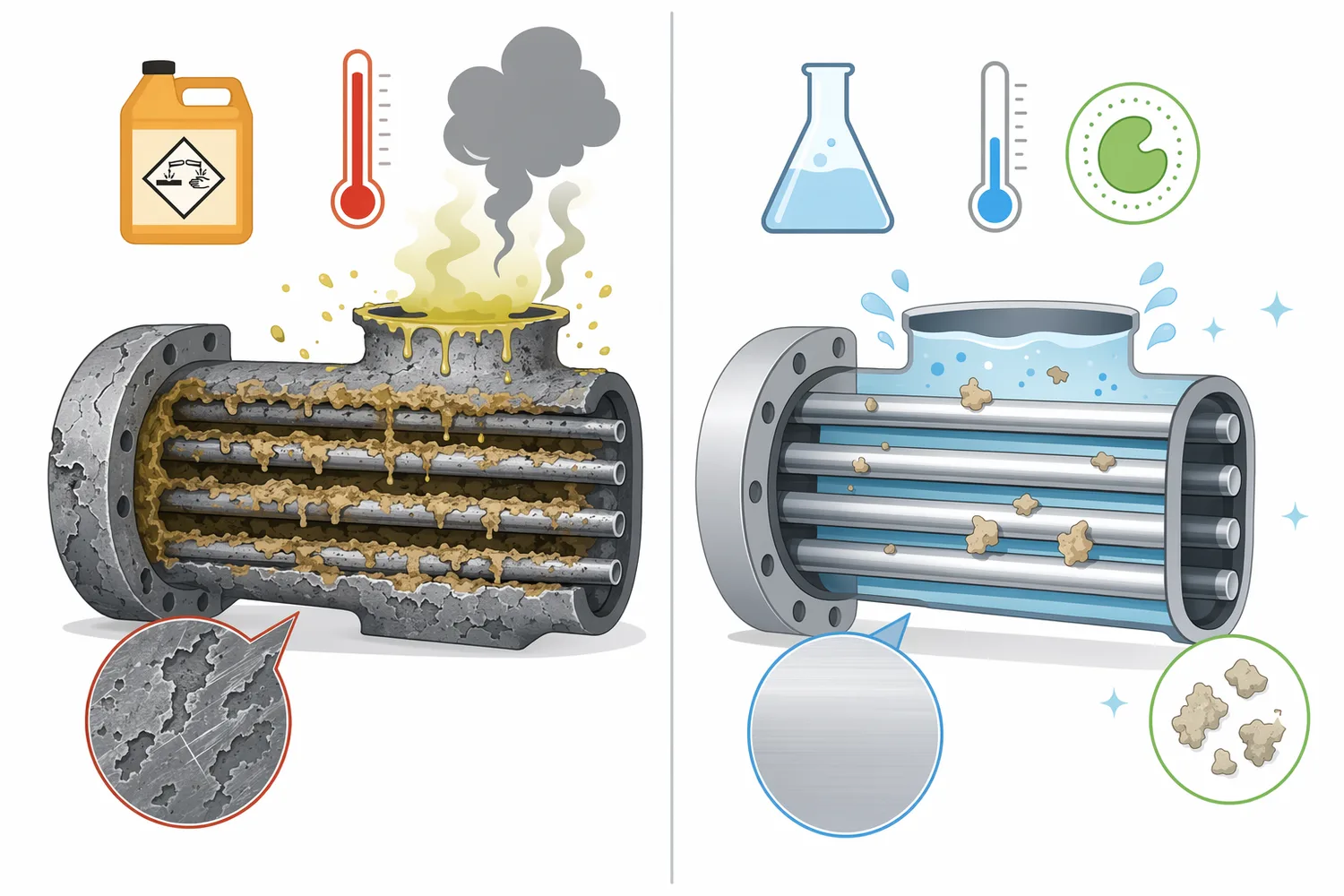
For process use, that means hydration, mixing, and accessibility matter. A tightly compacted, fat-coated, heat-set, or fiber-bound protein will not hydrolyze the same way as a dissolved purified protein. This is why research on frozen fish processing co-products has examined enzymatic hydrolysis systems as a way to improve both efficiency and biological properties of hydrolysates from real industrial side streams [7].
Alcalase is frequently studied for producing protein hydrolysates, where the goal is not only removal but conversion. A hydrolysate is a mixture of peptides and amino-acid-containing fragments produced from a parent protein. Depending on the substrate and hydrolysis pattern, the hydrolysate may show altered solubility, digestibility, emulsification, antioxidant properties, or peptide bioactivity [9].
Rice bran protein is a good example of how Alcalase is used in value creation from plant side streams. A study on jasmine rice bran protein hydrolysate used Alcalase and Flavourzyme to enhance antioxidant properties, showing the role of enzymatic hydrolysis in converting a cereal by-product protein into a peptide-rich material with changed functional behavior [9]. The enzyme is not adding antioxidant molecules; it is releasing peptide sequences that were previously locked inside the intact protein.
Fish and marine by-products are another major area. Salmon by-product protein hydrolysate produced by Alcalase hydrolysis has been studied for angiotensin I-converting enzyme inhibitory peptides, while squid-processing by-products have been evaluated as sources of ACE, DPP-IV, and PEP inhibitory peptides after protein hydrolysis [1]. These studies illustrate why protease treatment is central to side-stream valorization: the original by-product may be low-value, but hydrolysis can release smaller fractions with measurable biological potential.
Animal viscera and processing co-products are also relevant. Chicken viscera proteins have been enzymatically hydrolyzed to obtain hydrolysates with antioxidant properties, and sardine processing wastes have been investigated for quality and in vitro biological activities after enzymatic hydrolysis [10]. In these applications, Alcalase-type hydrolysis can support better utilization of protein-rich streams that might otherwise be underused.
Feed and digestibility applications follow the same logic. Intact proteins can be difficult to access during digestion if they are denatured, aggregated, or trapped in a fiber matrix. Protease treatment pre-cuts peptide bonds and can increase the availability of smaller nitrogen-containing fragments, though the nutritional value of the final material still depends on amino-acid composition, digestibility, processing severity, and the non-protein components present [4].
Plant proteins are structurally diverse and can be difficult to process because they may be associated with starch, fiber, phenolics, oil bodies, or cell-wall materials. Alcalase hydrolysis can loosen these systems by degrading the protein fraction and shifting the balance between insoluble particles and soluble peptides. This is why plant sources such as soy, hemp bran, moringa seed globulin, grape seed protein, walnut dreg protein, rice bran, and oilseed meals appear repeatedly in protease-hydrolysis studies [11].
Grape seed protein research has examined enzyme concentration and enzymolysis time in relation to in vitro digestibility, functional properties, and structural insights. That combination is important: hydrolysis is not only a “more or less breakdown” event, but a structural modification that changes digestibility and how the protein-derived material behaves in water, oil-water interfaces, and analytical fractionation [11].
Hemp bran is another example. Alcalase-derived hemp bran protein hydrolysate fractions have been studied for antioxidant and ACE inhibitory peptides, showing how a bran fraction can become a source of peptide functionality after enzymatic release [12]. The mechanism is direct: peptide sequences with useful activity are part of the original protein chain, but they only become available after the protease cuts around them.
Moringa seed globulin hydrolysate has also been investigated for in vitro antihypertensive and antioxidative properties, including membrane fractions. Fractionation matters because different peptide sizes and sequences behave differently; smaller fractions may have different solubility, charge, and bioactivity than larger partially hydrolyzed fragments [13].
Walnut dreg protein work has evaluated bi-enzyme hydrolysis and the resulting composition and properties of hydrolysates. Multi-enzyme approaches can alter the peptide mixture because one protease may open the protein structure or create new peptide ends that another enzyme can further attack [14]. Alcalase can therefore be used as part of broader hydrolysis strategies where the objective is a particular functional profile rather than simple maximum breakdown.
Animal and marine proteins often respond strongly to Alcalase because many are rich in accessible peptide bonds once hydrated, minced, heated, or otherwise processed. Fish proteins, viscera proteins, and seafood by-products can yield soluble hydrolysates containing peptides with antioxidant or enzyme-inhibitory activity. Grass carp peptides hydrolyzed by a combination of Alcalase and Neutrase have been studied for ACE inhibitory activity, antioxidant activities, and physicochemical profiles [15].
Fish-processing waste research also highlights the importance of enzyme type and treatment intensity. Work on Gadus morhua processing waste evaluated enzyme type and concentration effects on fish protein hydrolysates, showing that the same raw material can lead to different hydrolysate behavior depending on the proteolytic system used [16]. This is a useful reminder that Alcalase is powerful, but it does not create a single universal peptide mixture across all proteins.
Whey protein hydrolysis using Alcalase and Flavourzyme has been studied as well, reflecting the enzyme’s relevance outside meat and fish systems. Whey proteins are globular and can be structurally resistant until heat, pH, or enzymatic treatment opens access to cleavage sites; hydrolysis then changes peptide size distribution and can influence solubility, bitterness, digestibility, and functionality [4].
Egg yolk proteins represent another complex substrate because they are associated with lipoproteins and emulsified fat. Sequential enzymatic hydrolysis of egg yolk proteins has been examined for kinetics, functionality, and bioactivity, showing that protease treatment can modify not only protein size but also the functional behavior of a lipid-protein food matrix [17].
Many Alcalase studies focus on bioactive peptides, especially antioxidant and ACE-inhibitory peptides. The enzyme does not create activity by adding a new chemical group; it releases peptide sequences from the parent protein. Once liberated, those sequences may interact with radicals, metal ions, digestive enzymes, or physiological target enzymes in laboratory systems [12].
Salmon by-product protein hydrolysate is one documented example, with Alcalase hydrolysis used to obtain ACE inhibitory peptides. ACE inhibition is widely studied because the angiotensin-converting enzyme is involved in blood-pressure regulation, but in vitro activity should be understood as a research outcome rather than a finished-product health claim [1].
Antioxidant outcomes are also common in the literature. Jasmine rice bran protein, chicken viscera proteins, hemp bran, moringa seed globulin, and Great Northern Bean hydrolysates have all been studied in connection with antioxidant activity after Alcalase or Alcalase-involved hydrolysis [18]. Mechanistically, antioxidant peptide behavior can relate to amino-acid composition, sequence, hydrophobicity, metal-binding capacity, and ability to donate electrons or hydrogen atoms in test systems.
High-pressure processing has been compared with boiling for antioxidant activity from Alcalase hydrolysate of Great Northern Beans. That matters because pre-treatment can change protein unfolding and enzyme access; a protein that is partially unfolded may expose cleavage sites that were previously buried, producing a different peptide profile after hydrolysis [18].
The evidence is strong that Alcalase can generate peptide mixtures with measurable in vitro functionality across many substrates. The evidence does not mean every hydrolysate will perform the same way, or that a protein-removal process automatically produces a bioactive ingredient. Peptide function is sequence-specific, and the final mixture depends on raw material, process history, hydrolysis extent, and downstream fractionation [19].
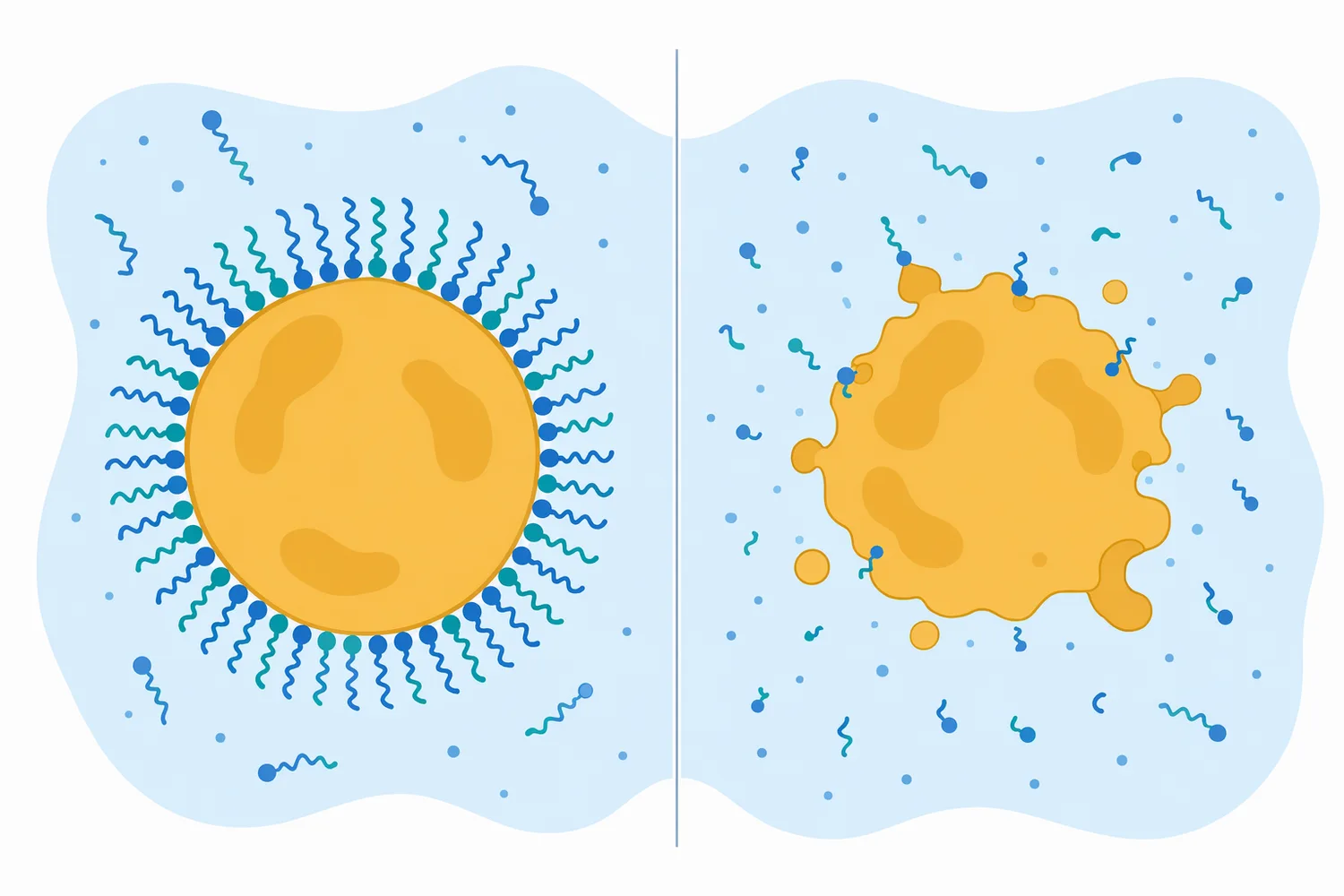
Protein hydrolysis can improve or reduce functional properties depending on how far cleavage proceeds. A moderate amount of hydrolysis may expose flexible amphiphilic peptides that migrate to oil-water interfaces, helping form or stabilize emulsions. Excessive hydrolysis can create fragments that are too small to form strong interfacial films, reducing emulsion stability even if solubility increases [5].
The soy protein hydrolysate work involving covalent bonding to polysaccharides is a good example of this balance. It connected enzyme choice and hydrolysis degree with emulsifying and emulsion-stabilizing properties, emphasizing that the peptide profile—not simply “more hydrolysis”—determines performance [5]. In practical formulation, the same protease action that improves dispersibility can also change texture, viscosity, foam, or mouthfeel.
Hydrolysis can also alter aggregation. Cutting a compact protein can expose hydrophobic regions that associate with each other, especially near pH conditions where charge repulsion is low. That is why hydrolysate behavior should be interpreted as a combined effect of peptide size, charge, hydrophobicity, mineral content, heat history, and the presence of carbohydrates or lipids [11].
For protein removal, aggregation can be less problematic if the goal is to loosen and separate residue. For ingredient production, aggregation may be either useful or undesirable depending on whether the target is suspension stability, gelation, emulsification, or rapid solubility. Alcalase gives a route to controlled molecular modification, but the desired physical result depends on the application context [2].
Alcalase is also studied in immobilized form, where the enzyme is attached to or held within a support material instead of being freely dissolved. One study investigated immobilized Alcalase on micron- and submicron-sized alginate beads as a potential biocatalyst for hydrolysis of food proteins [3]. The interest in immobilization is straightforward: a supported enzyme may be easier to separate from the hydrolysate and may behave differently at the interface between enzyme, substrate, and water.
Immobilization can change the practical hydrolysis environment. Protein molecules must diffuse to the enzyme-bearing surface or into the bead structure, and peptides must diffuse away. This can reduce uncontrolled enzyme carryover but may also introduce mass-transfer limits if the protein substrate is large or poorly soluble [3].
Synergistic hydrolysis research using immobilized proteases on soy proteins has examined peptide profiles, reflecting another process-intensification idea: using more than one proteolytic activity to create a broader or more targeted peptide mixture [20]. In a multi-protease system, the first enzyme may open the protein and create new sites, while the second enzyme cuts different sequences that were previously unavailable.
Non-thermal processing can also affect protease hydrolysis by changing protein structure before or during enzyme treatment. Reviews of non-thermal food processing discuss technologies such as high pressure and other methods as ways to modify food matrices without relying solely on conventional heat [21]. For Alcalase applications, the practical relevance is access: anything that changes protein folding, particle structure, or matrix porosity can influence how easily the enzyme reaches peptide bonds.
A major reason Alcalase appears so often in recent research is the growing interest in converting processing by-products into useful materials. Fish frames, viscera, rice bran, grape seed meal, hemp bran, walnut dreg, soybean residues, and other protein-bearing streams can contain valuable amino acids, but the protein is often locked in a form that is not directly functional or easy to recover [7].
Protease hydrolysis offers a biological route to release that value. Instead of treating side streams only as waste or low-grade feed, enzymatic processing can convert proteins into soluble hydrolysates, peptide fractions, or modified ingredients. The result may support food, feed, fermentation, cosmetic, or technical applications depending on the source material and regulatory context [19].
Frozen fish processing co-products are a clear example. Enzymatic hydrolysis systems have been studied for improving efficiency and biological properties of hydrolysates from those co-products, linking waste reduction with peptide functionality [7]. The same logic applies to plant by-products, where proteins may be embedded in fibrous or phenolic-rich residues.
Sustainability should still be stated accurately. Alcalase can help make protein side streams more usable, but it does not by itself solve every processing issue. Fat separation, odor control, microbial quality, mineral content, bitterness, drying behavior, and end-use compliance remain part of the complete process [10].
Alcalase is a protein hydrolysis enzyme, not a sterilant, oxidizer, chelator, or universal cleaning chemical. It targets peptide bonds in proteins. If a residue problem is mainly mineral scale, carbohydrate gum, oxidized oil, or inorganic pigment, protease action may help only if protein is acting as the binding matrix [8].
It is also important not to overstate allergen or health-related outcomes. Proteolysis can reduce or change immunoreactive protein structures in some systems, but smaller peptides can still be biologically relevant, and allergen control requires application-specific validation. The safer general statement is that Alcalase changes protein structure and can reduce intact protein content; it should not be treated as a universal allergen-elimination step [17].
For bioactive peptide applications, in vitro findings are valuable but not identical to finished-product performance. ACE inhibition, antioxidant activity, DPP-IV inhibition, and related test outcomes demonstrate potential, yet final use depends on peptide stability, digestion, sensory profile, concentration, matrix effects, and applicable regulations [19].
Enzyme powders should be handled with appropriate care because enzymes are biologically active proteins and may irritate or sensitize if dust is inhaled or if contact is uncontrolled. Enzymes.bio includes the Safety Data Sheet with the order so the product can be handled according to the relevant safety information.
Enzymes.bio supplies Protein Removal Enzyme Powder – Alcalase CAS 9014-01-1 directly online in 1 kg units. The ordering model is simple: the buyer purchases online, payment is completed through the website, and the order is processed and shipped.
Each order includes a Certificate of Analysis and Safety Data Sheet. For customers using Alcalase in protein removal, hydrolysis, cleaning support, side-stream processing, or ingredient development, the key value is the enzyme’s broad proteolytic action: it cuts protein chains into smaller fragments that are easier to disperse, separate, digest, or convert into peptide-rich materials.
Alcalase is best understood as a practical alkaline protease for controlled protein breakdown. The research base supports its use across a wide range of protein substrates, while also showing that results are governed by the raw material and process environment. Used with clear expectations, it is a versatile tool for reducing proteinaceous residues and transforming protein-rich materials into more usable hydrolysates.
Sold by the 1 kg unit, in stock and ready to ship. Order directly on our store — pay online and we process your order. A Certificate of Analysis and Safety Data Sheet are included with every order.
Buy Protein Removal Enzyme Powder - Alcalase Cas 9014-01-1 →Numbered in order of first citation. Open-access sources, each verified reachable at publication; citation numbers in the text link here.