
Soy Peptide Production Enzyme is a protease-based processing aid used to convert soy protein isolate, soy protein concentrate, defatted soy flour, okara protein, and related soy substrates into smaller peptide-rich hydrolysates. In practice, controlled enzymatic hydrolysis can improve solubility, modify foaming and emulsifying behavior, reduce molecular size, and generate peptide fractions studied for antioxidant, antihypertensive, cholesterol-related, sensory, and other biofunctional properties in food and nutrition research [1].
Enzymes.bio supplies Soy Peptide Production Enzyme directly online by the 1 kg unit. Buyers can place an order online, pay at checkout, and the order is processed and shipped with a Certificate of Analysis and Safety Data Sheet included.
Soy Peptide Production Enzyme works by hydrolyzing peptide bonds in soy proteins. Soy proteins are long chains of amino acids folded into compact globular structures; in soy protein isolate and defatted soy flour, the major storage proteins include glycinin and β-conglycinin. These proteins provide nutrition and structure, but their intact molecular size and folded conformation can limit solubility, dispersion, and digestibility in some food, beverage, and feed systems. Protease hydrolysis cuts the protein backbone into shorter peptides, exposing new terminal groups and changing how the protein material interacts with water, oil, air, minerals, flavor compounds, and other formulation components [2].
The practical output is not a single peptide but a distribution of peptide sizes and sequences. Some peptides remain large enough to contribute surface activity and body; others become small enough to dissolve more readily and pass through fine separations. This is why soy peptide production is usually described as “controlled hydrolysis” rather than simply “protein breakdown.” The process changes molecular weight distribution, charge exposure, hydrophobic surface exposure, hydrogen bonding, and secondary structure, all of which influence final product behavior [3].
For a buyer using the enzyme in a soy peptide workflow, the enzyme is the processing tool, not the finished soy peptide ingredient itself. The finished hydrolysate may be used as a powder, liquid concentrate, nutritional ingredient, feed component, savory base, fermentation adjunct, or intermediate for further fractionation. Research on plant protein hydrolysis consistently shows that enzymatic treatment can tailor protein functionality and expand food applications by changing solubility, emulsification, foaming, gel behavior, digestibility, and bioactive peptide availability [2].
At the molecular level, protease hydrolysis changes soy protein in three connected ways: it shortens the chain, opens the structure, and alters surface chemistry. Cutting the chain reduces molecular size. Once the long chain is cleaved, buried amino acid residues can become exposed, including hydrophobic regions that were previously inside the folded protein. At the same time, each cleavage creates new amino and carboxyl end groups, which can increase interaction with water and change the net charge behavior of the hydrolysate [1].
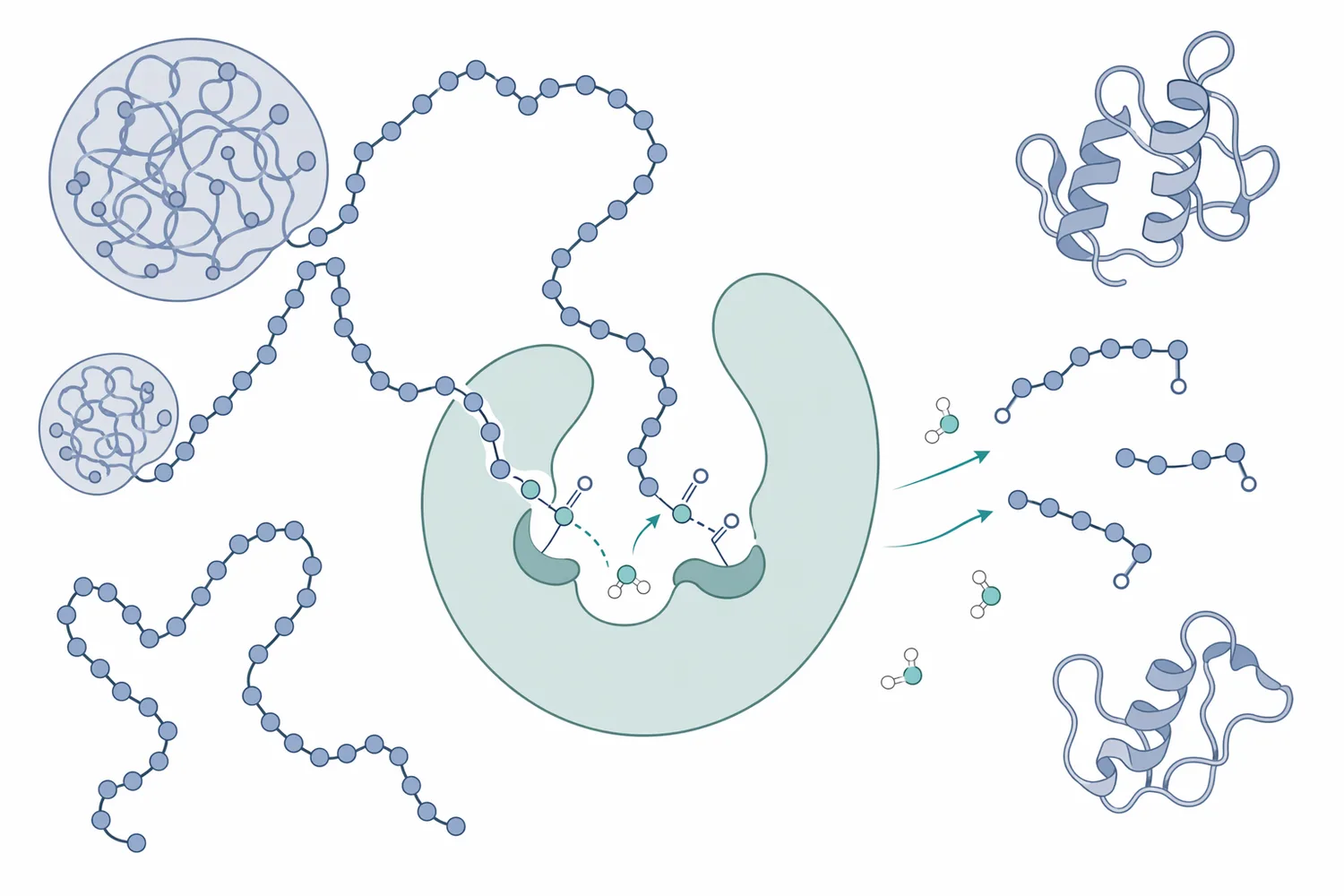
These changes explain why controlled hydrolysis often improves dispersibility. A large intact protein may aggregate because exposed hydrophobic patches, disulfide-linked regions, or heat-denatured domains interact with each other more strongly than with water. When a protease cuts the protein into shorter segments, the resulting peptides can hydrate more easily and resist forming large insoluble aggregates. However, hydrolysis does not automatically prevent aggregation: research on soy and chickpea protein hydrolysis with Alcalase and Flavourzyme found that hydrolysis can also promote hydrogen-bond-mediated insoluble aggregates under some conditions, showing that the physical environment and peptide profile matter [4].
The same mechanism affects texture and mouthfeel. A lightly hydrolyzed soy protein may retain enough peptide length to stabilize foams or emulsions because peptides can adsorb at oil-water or air-water interfaces. More extensive hydrolysis can create smaller peptides that dissolve well but provide less interfacial film strength. That tradeoff is one reason limited enzymatic hydrolysis is widely studied for plant protein functionality: the target is often not maximum breakdown, but the point at which solubility, surface activity, viscosity, and taste are balanced [3].
Proteases are often discussed by the pH region where they work most effectively: acid, neutral, or alkaline. The distinction matters because soy proteins change conformation with pH, and proteases have different cleavage preferences. A protease operating near the protein’s more compact state may access different bonds than one working under conditions where the protein is partially unfolded. This affects peptide size distribution, bitterness potential, solubility, and interfacial performance [5].
| Protease type | Conceptual operating environment | Typical effect on soy protein hydrolysis | Practical implication for soy peptide production |
|---|---|---|---|
| Acid protease | Acidic slurry or digestion-like conditions | Can hydrolyze soy proteins under low-pH conditions and generate peptides resembling those formed in gastric digestion models | Relevant where acid processing, simulated digestion, or acid-stable hydrolysis behavior is important |
| Neutral protease | Mild near-neutral processing environment | Often used for controlled hydrolysis where moderate protein breakdown and functional modification are desired | Useful conceptually for balancing solubility and retention of food-functional peptide length |
| Alkaline protease | Mildly alkaline processing environment | Often produces relatively strong protein breakdown and can expose hydrophobic peptide sequences | Can improve solubilization and peptide release but may require careful sensory control because bitterness can increase |
This table is conceptual rather than a specification. In the research literature, different protease species produce different hydrolysate structures even when the starting soy protein is similar. A 2025 study comparing limited hydrolysis products of soybean protein isolate and mung bean protein found that protease species affected structure, interfacial behavior, and foaming properties, which is exactly the type of difference processors observe when the same substrate is hydrolyzed with different enzyme systems [3].
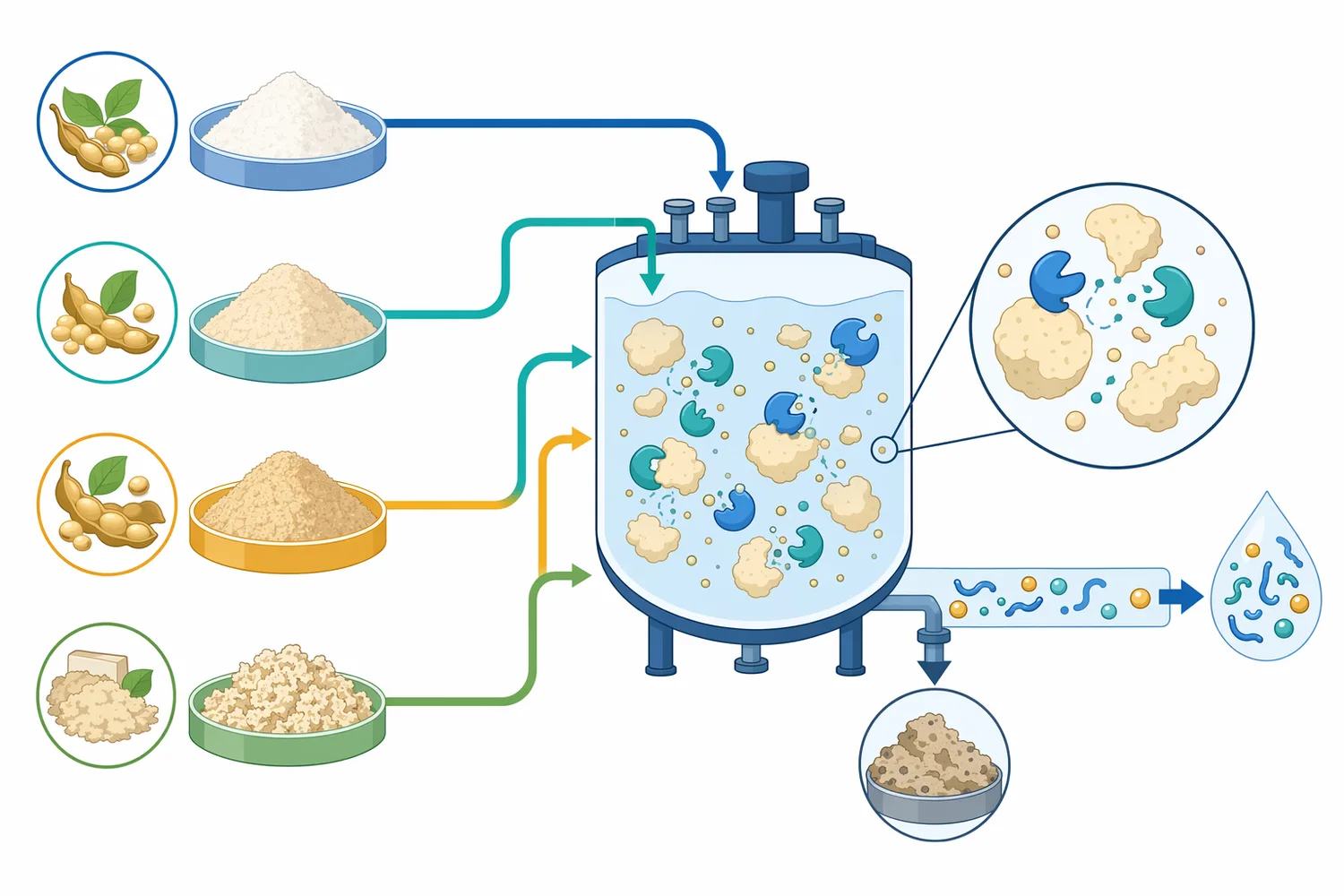
Soy peptide production commonly begins with soy protein isolate, soy protein concentrate, defatted soy flour, soy milk solids, or protein recovered from soy processing by-products such as okara. Each substrate behaves differently. Soy protein isolate is protein-rich and relatively clean, making it suitable when the goal is a controlled peptide ingredient. Defatted soy flour contains protein with additional carbohydrate, fiber, and minor components, which can influence viscosity, filtration, color, and flavor. Okara protein offers a route to valorize a soy by-product, but its cell-wall material and processing history can affect enzyme access [6].
Defatted soy flour has been directly studied as a substrate for enzymatic hydrolysis. In research comparing three different proteases, enzymatic hydrolysis changed the functional properties of the resulting defatted soy flour protein hydrolysates, supporting the use of protease treatment beyond highly refined soy protein isolate [1]. This is important because many commercial peptide processes are built around ingredient cost, available raw material streams, and final application requirements rather than one universal soy substrate.
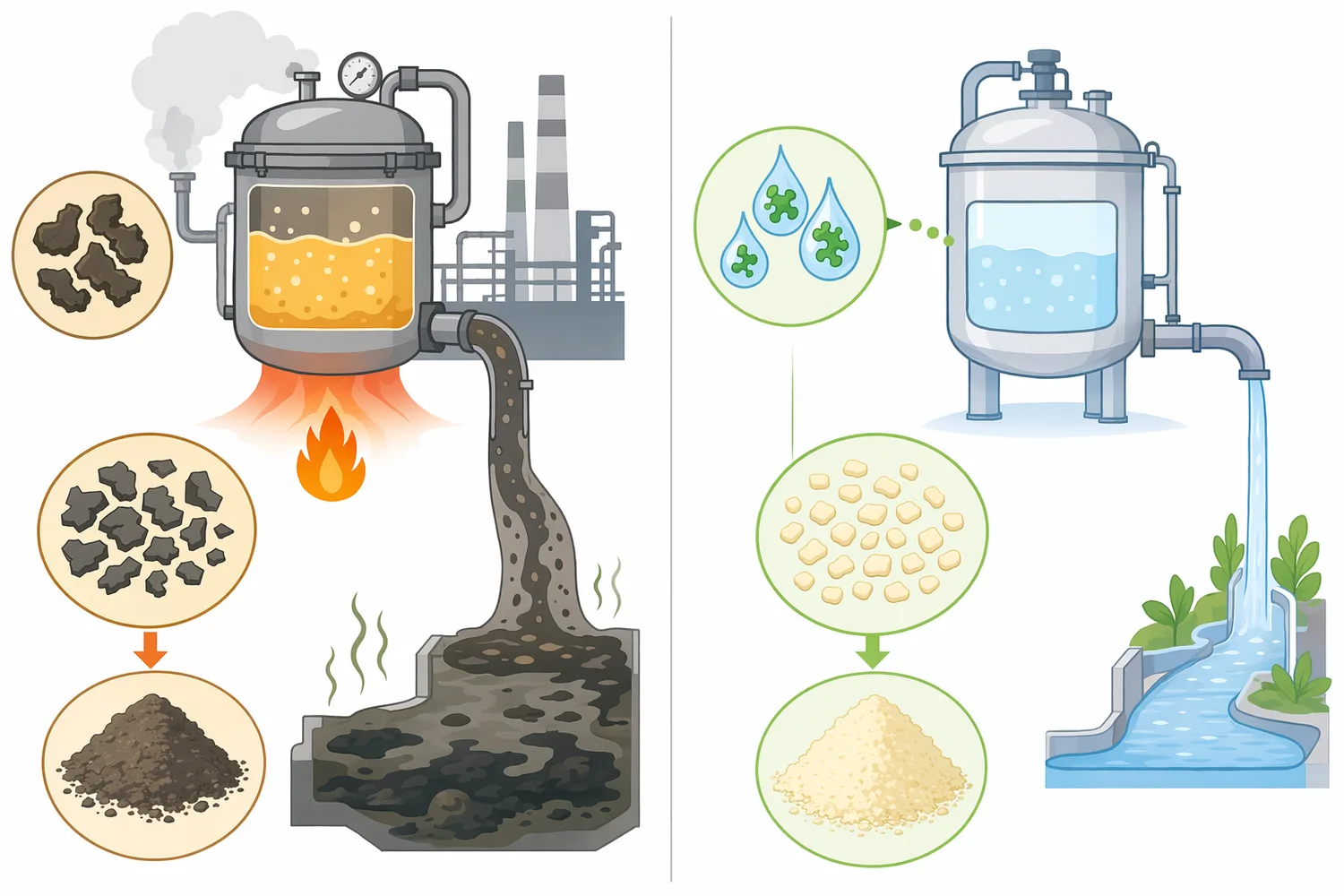
Okara is also relevant because it is generated in large quantities during soy milk and tofu processing. Enzymatic hydrolysis of okara protein has been investigated as a way to produce antioxidant hydrolysates from a sustainable source, showing how protease treatment can turn a lower-value soy stream into a peptide-rich material with measurable functional interest [7]. In practical terms, by-product valorization depends on upstream separation, fiber content, flavor load, and downstream drying or concentration, but the enzymatic principle is the same: proteins must be made accessible and then cleaved into useful peptide fractions.
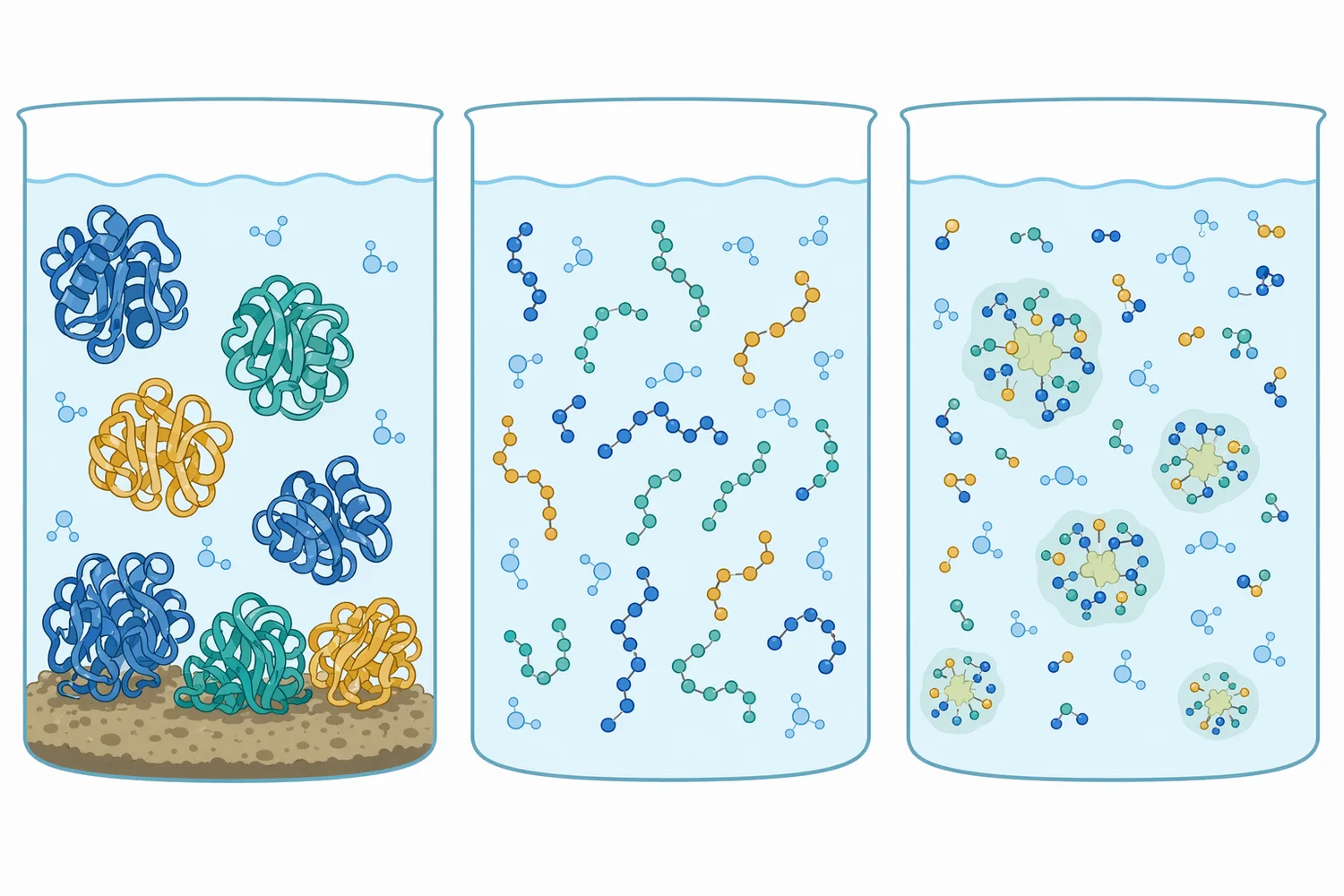
One of the clearest reasons to use Soy Peptide Production Enzyme is to improve the behavior of soy protein in water. Intact soy proteins can form sediment, haze, lumps, or high-viscosity dispersions depending on pH, salt, heat history, and solids level. Hydrolysis reduces particle-forming protein networks and increases the proportion of shorter, more water-compatible peptides. This can improve handling in beverage bases, spray-drying feeds, nutritional powders, and liquid feed systems [2].
The mechanism is straightforward: smaller peptides have less opportunity to form large insoluble networks, and the new charged end groups created by cleavage can increase hydration. However, there is a limit. If hydrolysis exposes many hydrophobic residues, peptides may associate with each other, with oil droplets, or with flavor compounds. The Dent 2023 work on soy and chickpea hydrolysis is a useful reminder that enzymatic hydrolysis can create insoluble aggregates mediated by hydrogen bonding, not just dissolve proteins [4].
For processing, this means hydrolysis should be controlled around the intended product function. A drink powder may prioritize fast wetting and low sediment. A whipped or aerated product may need peptides long enough to form an elastic interfacial layer around air bubbles. A savory hydrolysate may target amino acid and small-peptide release for taste. The enzyme enables these transformations by cleaving the substrate, but the hydrolysate’s final performance comes from the full process and formulation [3].
Proteins and peptides stabilize foams and emulsions by moving to the air-water or oil-water interface, unfolding or orienting there, and forming a film that resists coalescence. Intact soy protein can do this, but its large globular structure may be slow to diffuse and may not unfold optimally. Limited hydrolysis can produce peptides that move faster to the interface while still being large enough to form a cohesive layer [3].
This is why the degree and pattern of hydrolysis matter. If peptides are too large and aggregated, they may not reach the interface efficiently. If they are too small, they may reach the interface but fail to form a strong film. Research on limited hydrolysis products of soybean protein isolate and mung bean protein showed that protease species influenced structure, interfacial behavior, and foaming properties, demonstrating that enzyme-driven peptide architecture directly affects food functionality [3].
Soy protein interactions with polysaccharides add another layer. In emulsion systems containing soy protein isolate and soy hull polysaccharide, trypsin treatment has been studied for its effect on interfacial conformational evolution. This reflects a real formulation issue: hydrolyzed peptides do not act alone; they compete and cooperate with polysaccharides, minerals, lipids, and flavor compounds at interfaces [8].
Protease hydrolysis partially performs the same type of chemical transformation that occurs during digestion: peptide bonds are broken, and large proteins become smaller peptides. In food and nutrition products, this can be useful when formulators want a plant protein ingredient with improved dispersion and a pre-hydrolyzed profile. It also supports peptide ingredient development where the target is a hydrolysate rather than an intact protein [2].
Research on enzymatic hydrolysis with pepsin reported enhanced nutrient compositions of unfractionated soy protein hydrolysate and evaluated cell viability and nitric oxide activities, illustrating how digestion-like enzyme treatment can change both composition and biological readouts in model systems [9]. Such studies support the scientific basis for soy peptide hydrolysates but should not be translated into broad health claims without product-specific evidence.
During digestion and absorption, peptide sequences can also change. A 2025 study on soy peptides reported that different enzymatic hydrolysis conditions altered sequence features and influenced anti-inflammatory activity during digestion and absorption models [10]. This is particularly important for soy peptide products: the peptide profile generated in the processing tank is not necessarily the same as the peptide profile present after gastrointestinal digestion.
Soy protein hydrolysates are widely studied because certain peptide sequences can show bioactivity in laboratory models. Reported areas include antioxidant activity, ACE-inhibitory or antihypertensive peptide discovery, cholesterol-related mechanisms, anti-inflammatory activity, anti-tyrosinase effects, and wound-healing-related cell models. These findings make soy peptide production attractive for functional foods, nutrition products, and research-driven ingredient development [11].
Antioxidant soy peptides are a strong research area. Studies have screened antioxidant peptides from soy protein isolate and investigated structure-activity relationships, including how peptide sequence and chemical features relate to radical-scavenging or oxidative-stress models [12]. The practical mechanism is that certain amino acid residues can donate electrons or hydrogen atoms, chelate transition metals, or stabilize reactive species; peptide size and sequence determine whether those mechanisms are accessible.
Soy hydrolysates have also been studied for antihypertensive peptide potential. Research has isolated and characterized antihypertensive peptides from soybean protein, reflecting interest in peptides that may interact with angiotensin-converting enzyme pathways in model systems [13]. This supports peptide discovery and ingredient-development rationale, but it should be communicated responsibly: in vitro or isolated-peptide findings do not mean every soy hydrolysate will deliver a defined blood-pressure effect.
Cholesterol-related mechanisms have also been investigated. Soybean protein hydrolysate has been studied for cholesterol-lowering mechanisms, showing that hydrolysis can be part of a broader strategy to examine how soy-derived peptides interact with lipid metabolism models [14]. As with antihypertensive research, the enzyme’s role is to generate peptide mixtures; any finished-product claim depends on the actual hydrolysate, dose, food matrix, and supporting evidence.
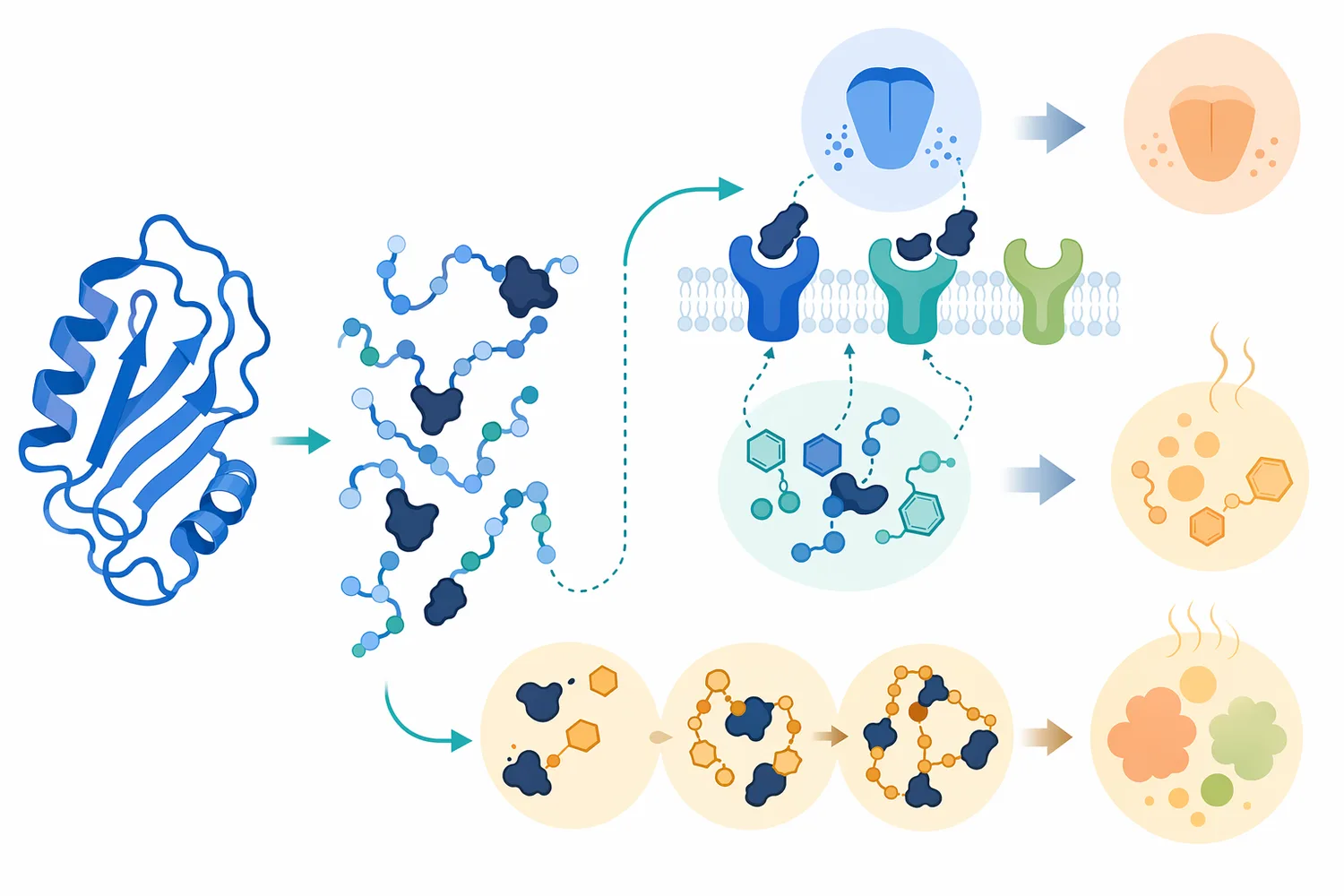
Bitterness is one of the main sensory challenges in soy peptide production. When proteases cut soy proteins, hydrophobic amino acid sequences that were buried inside the intact protein can become exposed as short peptides. Many bitter peptides are small to medium in size and rich in hydrophobic residues. The same hydrolysis that improves solubility and releases bioactive candidates can therefore make the ingredient harder to use in beverages, powders, and mild-flavored foods [15].
Recent bitterness research has compared prediction models for soy protein isolate hydrolysates using sensory, spectrofluorometric, and chromatographic data across varying enzymes and degrees of hydrolysis. The key practical lesson is that bitterness is not controlled by one variable alone; it reflects peptide sequence, peptide size, hydrophobicity, and the overall hydrolysate matrix [15]. This is why simply pushing hydrolysis further is not always desirable.
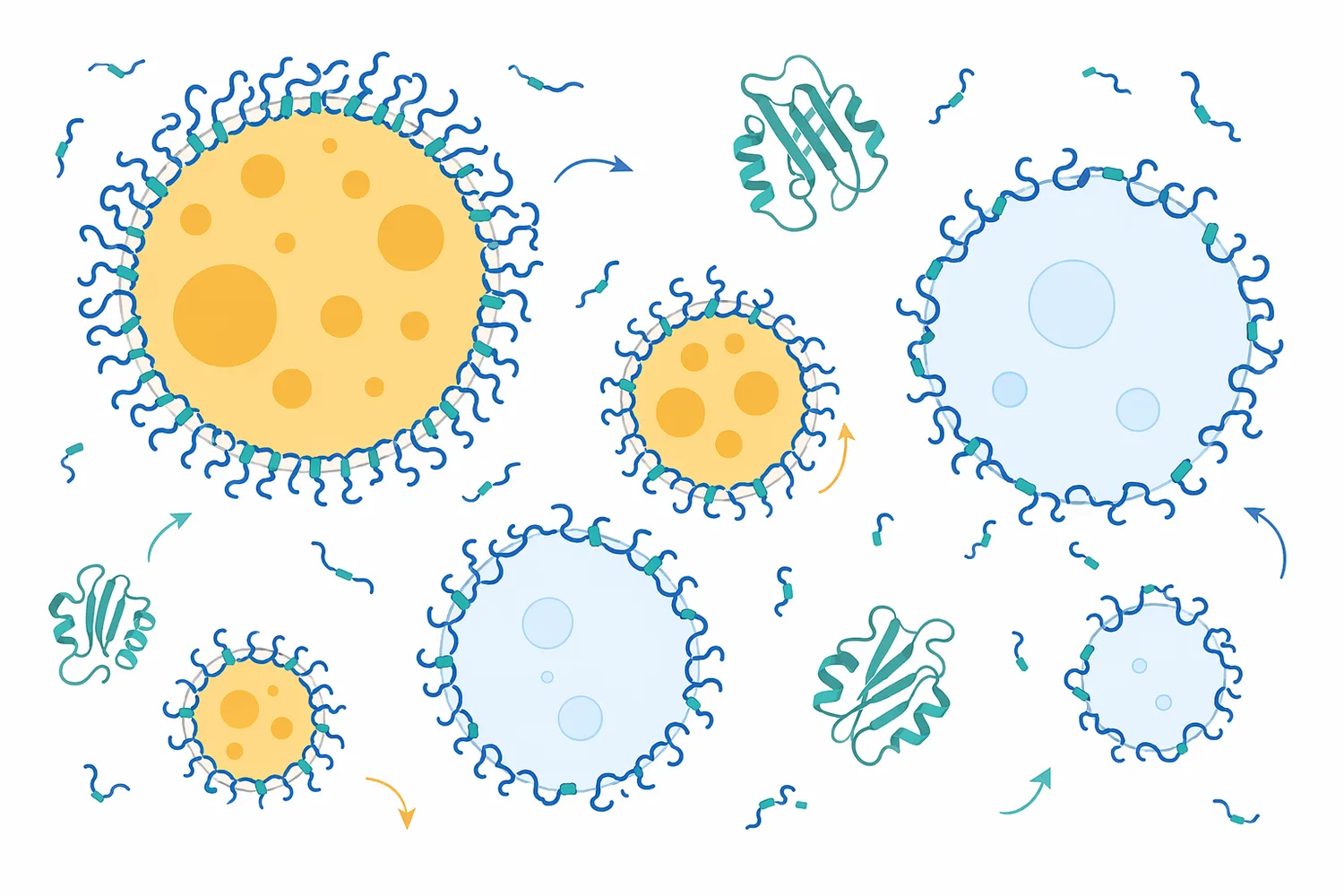
Controlled hydrolysis can also change how soy protein binds off-flavor compounds. A 2024 mechanistic study examined how enzymatic hydrolysis affects binding behaviors between soy protein isolate and off-flavor compounds, showing that hydrolysis can alter the physical interactions responsible for retaining or releasing flavor-active molecules [16]. Mechanistically, cleavage changes hydrophobic pockets, surface charge, and conformational flexibility, which can either reduce unwanted binding or expose new sites depending on the hydrolysate.
Bitterness can also be modified after hydrolysis. Research combining sucrase enzymatic hydrolysis with Maillard reaction treatment examined bitterness and functional properties of soy protein hydrolysates, reflecting a common concept in flavor management: peptide taste can be shifted by subsequent reactions that change reducing sugars, amino groups, color, aroma, and peptide-associated flavor perception [17]. Any such approach must be matched to the final application because Maillard reactions can also affect color and flavor character.
Proteolysis is central to many savory soy systems. In fermented foods, microbial proteases and peptidases release peptides and amino acids that contribute umami, kokumi, body, and aroma precursor formation. Although Soy Peptide Production Enzyme is not a koji culture, the same biochemical principle applies: controlled protein cleavage changes taste-active and aroma-related chemistry [5].
Studies on extracellular proteases from microorganisms show how proteolysis can influence protein degradation and volatile compound evolution. Work on Penicillium extracellular proteases in myofibrillar protein systems, for example, has linked protease action to peptide release and changes in volatile compounds, illustrating how protein breakdown can feed flavor chemistry beyond simple solubilization [18]. The substrate in that study is not soy, but the mechanism—protease-driven release of smaller nitrogenous compounds that participate in flavor development—is relevant to savory hydrolysate thinking.
Yeast extracellular proteases have also been studied through metabolomics and multivariate statistical analysis for effects on protein degradation, metabolite development, and sensory improvement in protein systems [19]. For soy hydrolysates used in savory bases, soups, sauces, seasonings, and fermentation-adjacent products, this helps explain why peptide profile affects not only nutrition and solubility but also depth, lingering taste, and aroma precursor availability.
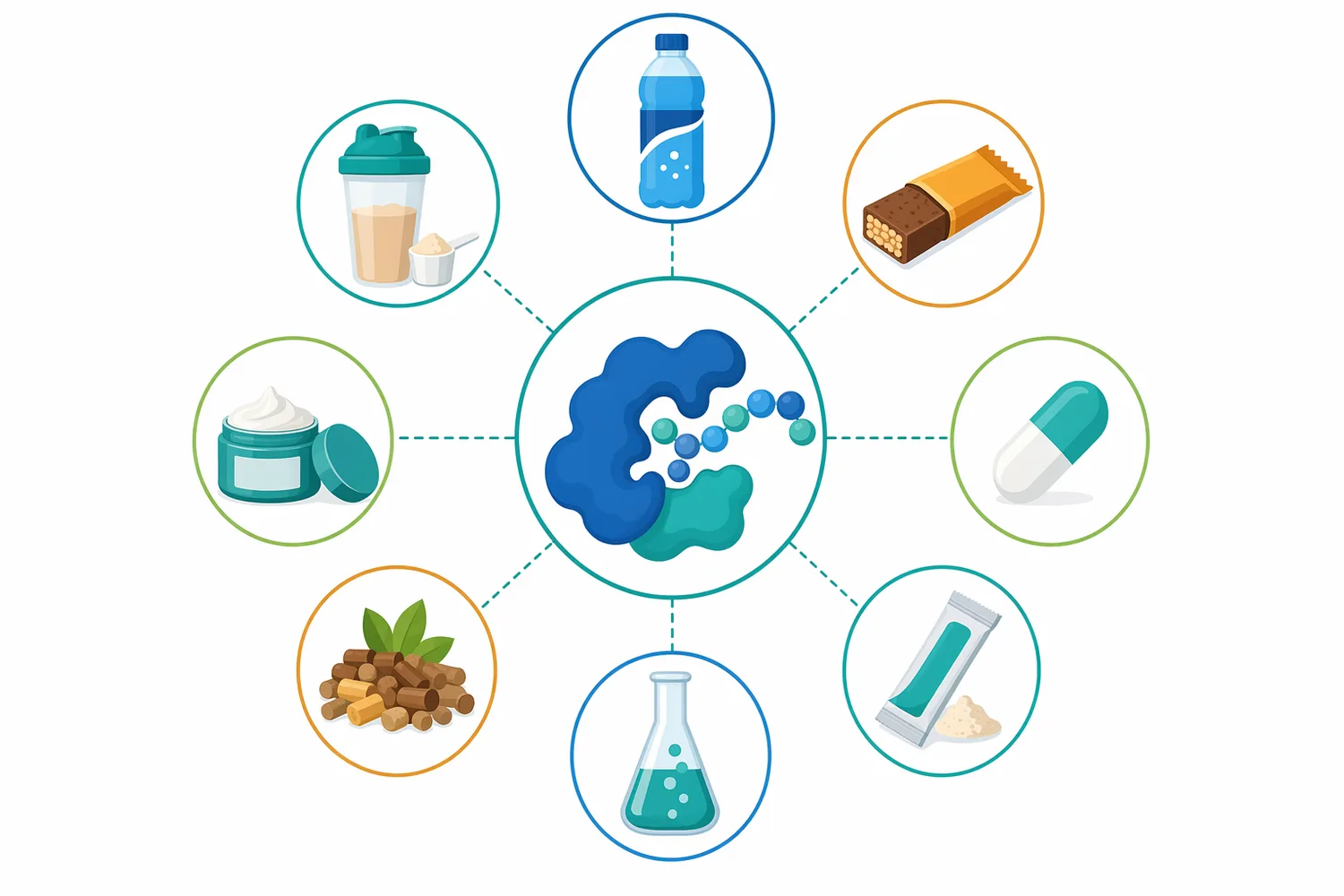
In beverage and powdered nutrition systems, soy peptide hydrolysates are valued for improved dispersion and lower molecular size compared with intact soy protein. Hydrolysis can reduce sedimentation risk, improve wettability, and support smoother mouthfeel when the peptide profile is well controlled. The tradeoff is that highly hydrolyzed materials may require stronger flavor design because bitterness and brothy notes can increase [15].
In protein powders, meal-replacement products, and active-nutrition blends, peptide-rich soy ingredients offer a plant-based option where digestibility, solubility, and processing behavior are priorities. Enzymatic hydrolysis of plant proteins is widely recognized as a way to tailor functionality and expand applications in the food industry, especially as plant protein systems become more diverse and technically demanding [2].
In feed and aquaculture contexts, hydrolyzed soy proteins can be used where pre-digested protein fractions are desirable. The general rationale is similar: protease treatment reduces intact protein size, creates soluble nitrogen fractions, and may improve nutrient accessibility. Research on plant and soy protein hydrolysates supports this direction, although final performance depends on species, diet design, processing conditions, and inclusion strategy [6].
Soy peptide hydrolysates are also used in encapsulation and delivery research. Liposomes containing bioactive soy protein hydrolysate have been produced and characterized, showing how peptide fractions can be incorporated into more complex delivery systems [20]. This type of work is relevant for higher-value food and nutrition concepts where the peptide ingredient must be protected, dispersed, or delivered in a specific matrix.
Soy processing generates protein-containing side streams that can be upgraded through enzymatic hydrolysis. Okara is a prominent example: it contains residual protein, fiber, and carbohydrates, but its wet bulk and fibrous structure can make it difficult to use directly in high-value applications. Protease hydrolysis can release soluble peptides from the protein fraction and support development of antioxidant hydrolysates or functional ingredients [7].
More broadly, recent work on soy-based by-product valorization highlights extraction, modification, interaction, and food-industry applications. Enzymatic hydrolysis fits this trend because it is a targeted modification technology: instead of treating soy by-products only as fiber-rich residues, processors can recover peptide-rich fractions with different solubility, flavor, and functional profiles [6].
This sustainability angle does not remove normal formulation challenges. By-product-derived hydrolysates may carry stronger color, flavor, insoluble material, or variability than isolate-derived hydrolysates. The enzyme can cleave available protein, but upstream preparation and downstream separation still shape the final ingredient. For buyers developing soy peptide materials, the important point is that protease hydrolysis can add value to both refined and less-refined soy streams [7].
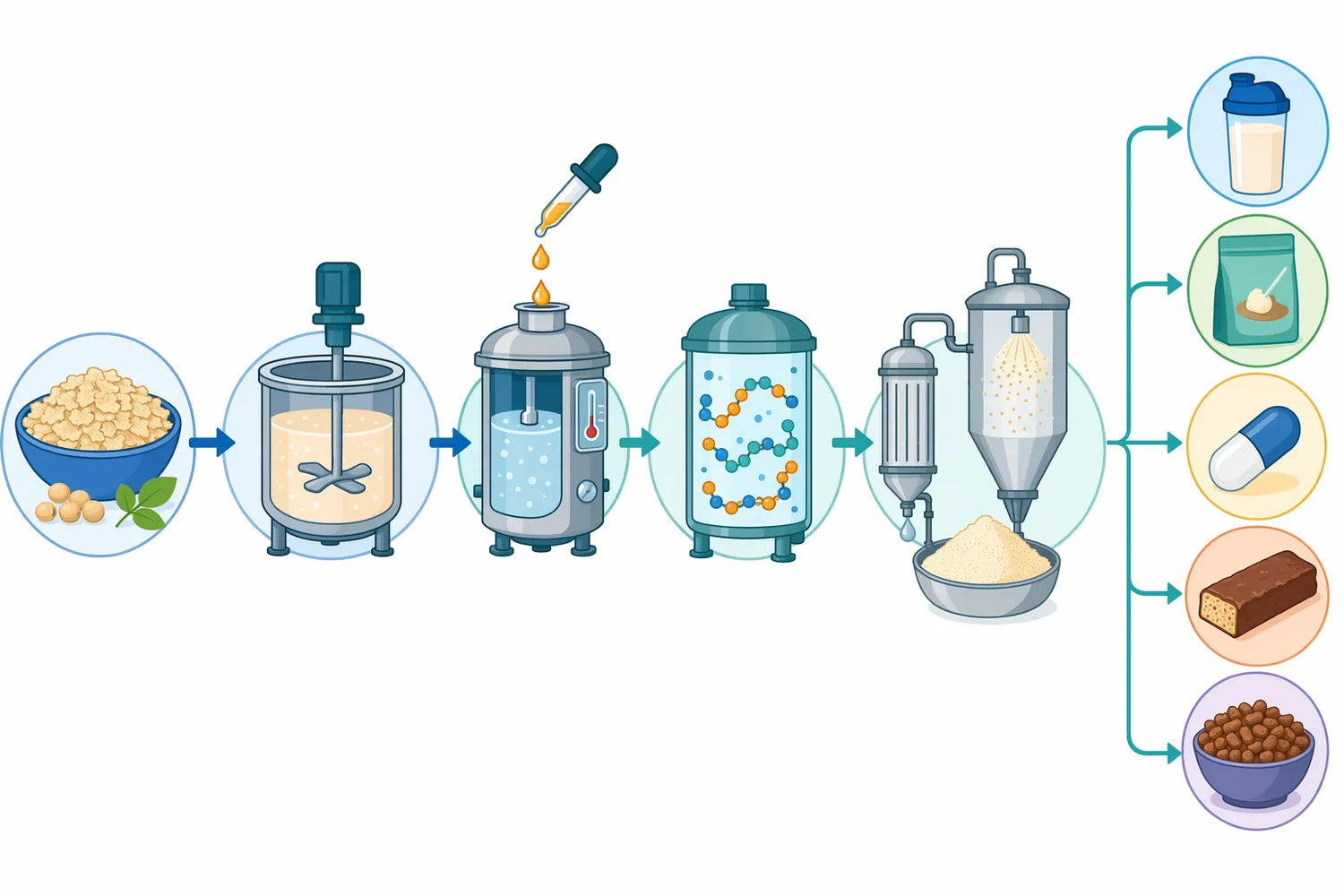
A typical soy peptide process begins by dispersing the soy substrate in water so the protein is hydrated and accessible. Mixing is important because proteases act at the interface between enzyme molecules and protein surfaces; dry agglomerates, poorly wetted powder, or dense insoluble particles reduce contact. Heat history also matters because prior denaturation can either expose cleavage sites or promote aggregates that resist uniform hydrolysis [4].
After hydration, the enzyme is added under conditions appropriate for the protease system. During hydrolysis, peptide bonds are cleaved continuously, and the slurry changes in viscosity, solubility, particle size, and taste. Some systems become thinner as large protein structures break down; others may show transient aggregation if newly exposed peptide regions associate. Research comparing protease species confirms that the enzyme used has a major effect on structure and functionality of the limited hydrolysis products [3].
The hydrolysis step is then stopped when the desired material profile is reached. In many food processes, this is done by heat treatment that denatures the enzyme and prevents continued peptide formation. The hydrolysate can then be clarified, filtered, concentrated, dried, blended, flavored, or further processed depending on the application. Each downstream step changes the final commercial ingredient: filtration can remove insoluble aggregates, drying can affect reconstitution, and flavor systems can mask or complement peptide taste [2].
The evidence base strongly supports enzymatic hydrolysis as a way to convert soy proteins into smaller peptides and change functionality. Defatted soy flour studies show that different proteases modify functional properties of hydrolysates, and soybean protein isolate studies show that protease species affect structure, interfacial behavior, and foaming performance [1]. These are practical, process-relevant findings for soy peptide production.
The evidence also supports bioactive potential, but with boundaries. Antioxidant, antihypertensive, anti-inflammatory, cholesterol-related, anti-tyrosinase, and wound-healing-related findings are typically based on defined experimental systems, peptide identification, in vitro digestion, cell models, or isolated peptide work [11]. They are valuable for ingredient development but should not be presented as guaranteed effects of any generic soy peptide hydrolysate.
Finished-product outcomes depend on the starting soy material, enzyme system, hydrolysis extent, heat treatment, separation, drying, formulation, serving level, and regulatory context. Soy Peptide Production Enzyme enables the biochemical conversion, but the final hydrolysate’s nutritional, sensory, and functional profile must be established in the intended product matrix [2].
Enzymes.bio supplies Soy Peptide Production Enzyme as an online-order product for businesses working with soy protein hydrolysis, soy peptide powders, functional protein ingredients, nutrition formulations, feed applications, and savory hydrolysate development. The product is sold directly online by the 1 kg unit; buyers place the order, pay online, and the order is processed and shipped.
A Certificate of Analysis and Safety Data Sheet are included with the order. Used as part of a controlled hydrolysis process, Soy Peptide Production Enzyme provides a practical route to convert soy proteins into peptide-rich materials with improved processability, tunable functionality, and research-supported potential for value-added food, nutrition, and feed applications.
Sold by the 1 kg unit, in stock and ready to ship. Order directly on our store — pay online and we process your order. A Certificate of Analysis and Safety Data Sheet are included with every order.
Buy Soy Peptide Production Enzyme →Numbered in order of first citation. Open-access sources, each verified reachable at publication; citation numbers in the text link here.