
Thermostable phytase enzyme for animal feed, CAS 37288-11-2, is used to release phosphorus that is naturally locked in phytate in plant-based feed ingredients. In poultry, swine, fish, and other monogastric animals, supplemental phytase helps convert poorly available phytate phosphorus into absorbable phosphate, while reducing the mineral-binding effect of intact phytate. Thermostability is important because pelleting and other heat-processing steps can reduce enzyme function before the feed reaches the animal.
Enzymes.bio supplies Thermostable Phytase Enzyme for Animal Feed CAS 37288-11-2 as a B2B enzyme product sold directly online by the 1 kg unit. Buyers can purchase online, pay online, and the order is processed and shipped; a Certificate of Analysis and Safety Data Sheet are provided with the order.
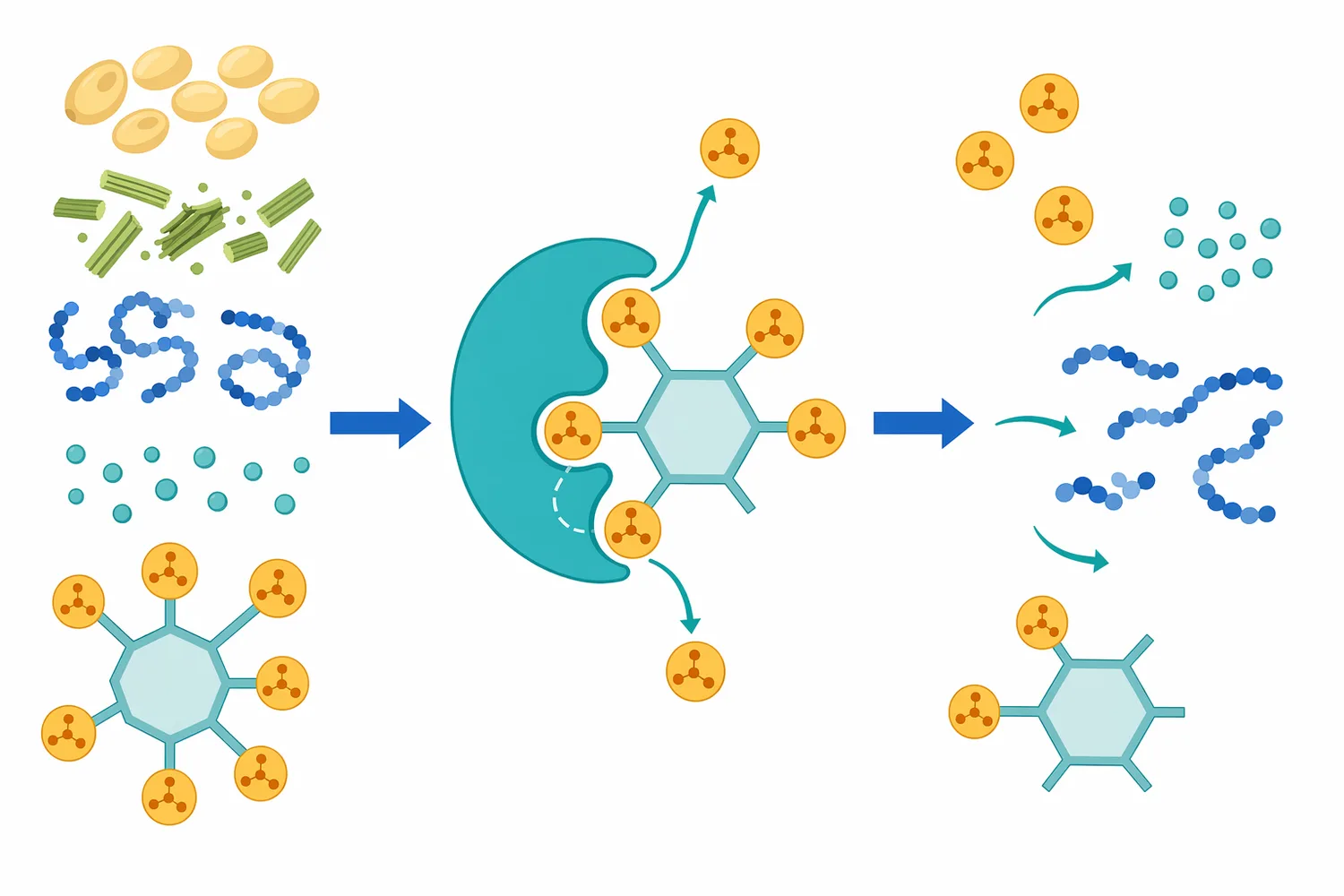
Phytase is a phosphatase enzyme that hydrolyzes phytic acid, also called phytate or myo-inositol hexakisphosphate. Phytate is abundant in cereals, oilseeds, legumes, brans, and many plant protein ingredients used in animal feed. Its structure contains six phosphate groups attached to an inositol ring, which makes it a dense storage form of phosphorus in seeds but also gives it strong negative charge. That charge is the reason phytate can bind positively charged minerals and interact with proteins in the feed and digestive tract.
The core nutritional problem is that poultry, pigs, and many farmed fish do not naturally produce enough phytase in the right digestive locations to fully break down phytate. As a result, feed may contain a meaningful amount of total phosphorus, but a portion remains nutritionally unavailable unless it is hydrolyzed before excretion. Research on phytase use in broilers, pigs, catfish, and tilapia consistently treats phytate phosphorus availability as the central reason for adding the enzyme to feed [1].
Phytase works by cleaving phosphate ester bonds on the phytate molecule. Each enzymatic step removes one phosphate group, releasing inorganic phosphate and converting the original molecule into lower inositol phosphate forms. As phosphate groups are removed, the molecule loses part of its mineral-binding strength, so the feed matrix changes chemically: less phosphorus remains trapped in phytate, and fewer intact phytate sites are available to chelate calcium, zinc, iron, magnesium, and other cations. This is why phytase is described not only as a phosphorus-releasing enzyme but also as a tool for reducing the antinutritional impact of phytate [2].
Thermostable phytase is designed for feed systems where enzymes may be exposed to heat, moisture, pressure, and friction during processing. Complete poultry feeds, pig feeds, and aquaculture feeds are often conditioned and pelleted, and some aquaculture diets may also be extruded. These processes improve feed hygiene, handling, density, and pellet durability, but they can also unfold proteins. Once an enzyme’s three-dimensional active site is damaged, the enzyme may no longer bind phytate effectively.
A study on complete poultry feed examined how heating temperature and phytase type affected enzyme activity, calcium level, and phosphorus level, highlighting the practical link between heat exposure and the nutritional value of phytase-treated feed [3]. The important mechanism is physical as much as biochemical: heat can disrupt hydrogen bonding, ionic interactions, and hydrophobic packing inside the enzyme protein. A thermostable phytase is one that is better able to retain a functional active site after this stress, so more active enzyme remains available when the feed is consumed.
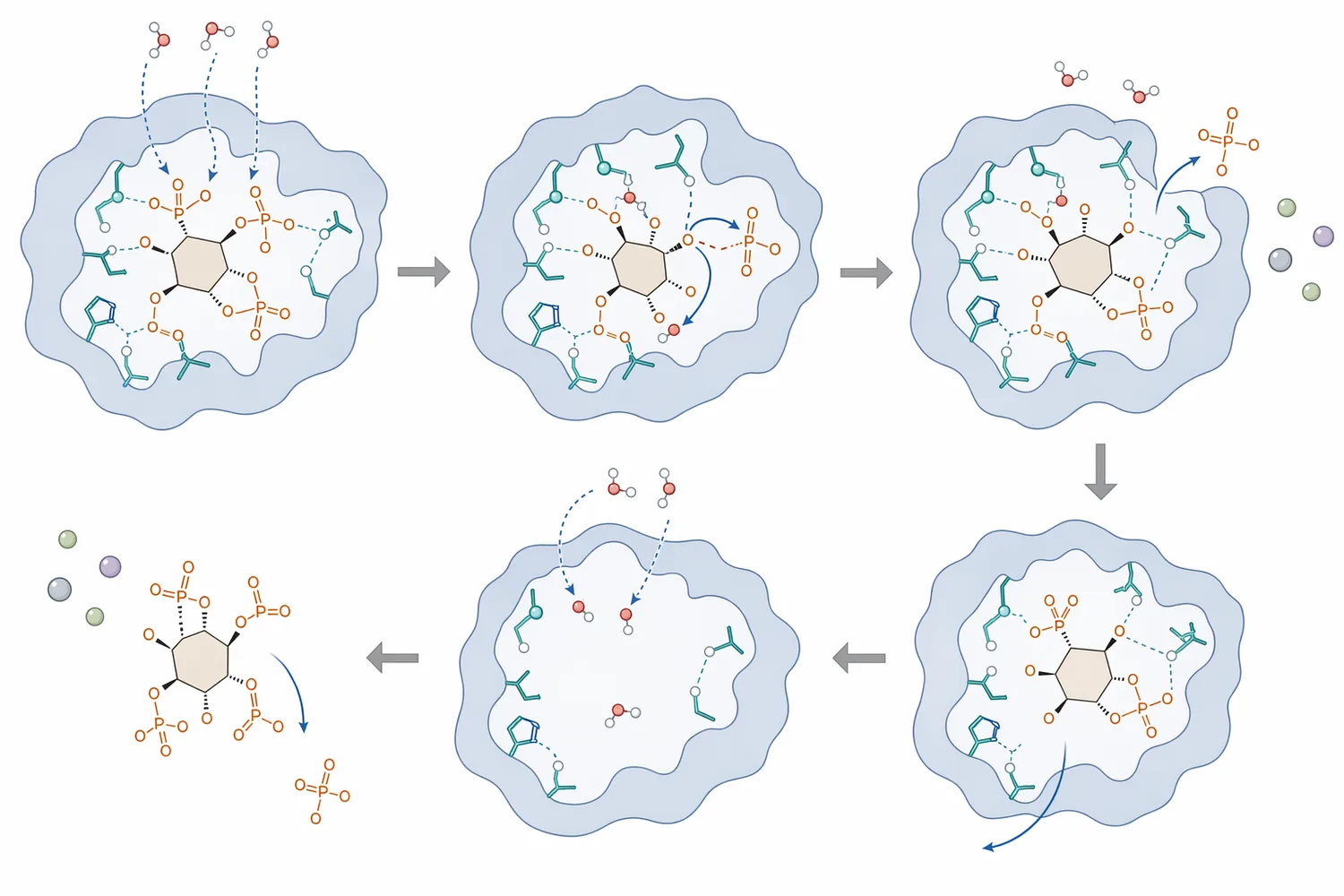
Thermostability does not mean the enzyme is unaffected by all processing conditions. It means the product is intended for better survival under feed-processing stress than a less stable enzyme. The real value is that the enzyme has a greater chance of reaching the animal’s digestive tract with enough functional structure remaining to hydrolyze phytate in the gut. Research on cross-linked phytase aggregates, immobilized phytase systems, and engineered phytase formats shows the industry’s continuing focus on improving stability under low-pH, heat, and feed-use conditions [4].
CAS 37288-11-2 identifies phytase enzyme preparations in chemical and feed-related supply chains. The CAS number is useful for product identification, documentation, and purchasing, but phytase is not a single uniform molecule. Commercial and research phytases may come from fungi, bacteria, yeasts, algae, or engineered expression systems, and they can differ in where they begin hydrolyzing the phytate molecule, how they behave in acidic or neutral conditions, and how well they tolerate processing stress.
Microbial phytases are especially important in animal feed because microorganisms offer a wide range of enzyme properties. Fungal phytases such as those associated with Aspergillus niger have been studied in broiler chickens for improving phosphorus and calcium bioavailability, while bacterial and yeast-expressed phytases have been studied in pigs and other monogastric animals [1]. These sources matter because the amino-acid sequence of the enzyme determines the shape and charge of the active site, the strength of the protein fold, and the enzyme’s response to digestive and processing conditions.
Different phytases are often described as 3-phytases or 6-phytases depending on the first phosphate position they attack on the phytate molecule. For the feed user, the practical point is not the naming convention itself but the outcome: the enzyme starts the dephosphorylation chain and continues reducing intact phytate. Studies on 6-phytase variants in pigs have examined not only phosphorus availability but also digestibility, energy use, amino acid digestibility, and production performance, showing that phytase action can influence more than mineral release when the diet is formulated around the enzyme’s contribution [5].
When feed enters the digestive tract, phytate is present in a complex matrix of starch, fiber, proteins, minerals, and lipids. In intact form, phytate can form mineral-phytate complexes, especially in the presence of calcium and other divalent cations. These complexes can be less soluble and less available for absorption. Phytate can also interact with proteins, either directly through charged interactions or indirectly through mineral bridges, which can affect protein solubility and digestion.
Phytase changes this matrix by stepwise dephosphorylation. The enzyme binds phytate at its active site, positions one phosphate ester bond for hydrolysis, and releases a phosphate group. The lower inositol phosphate product may then be further hydrolyzed. Each step reduces the molecule’s negative charge density and weakens its ability to bind minerals. In a practical feed context, this can increase the pool of available phosphorus and reduce the amount of phosphorus lost in manure, particularly when diets are formulated with the phytase contribution in mind.
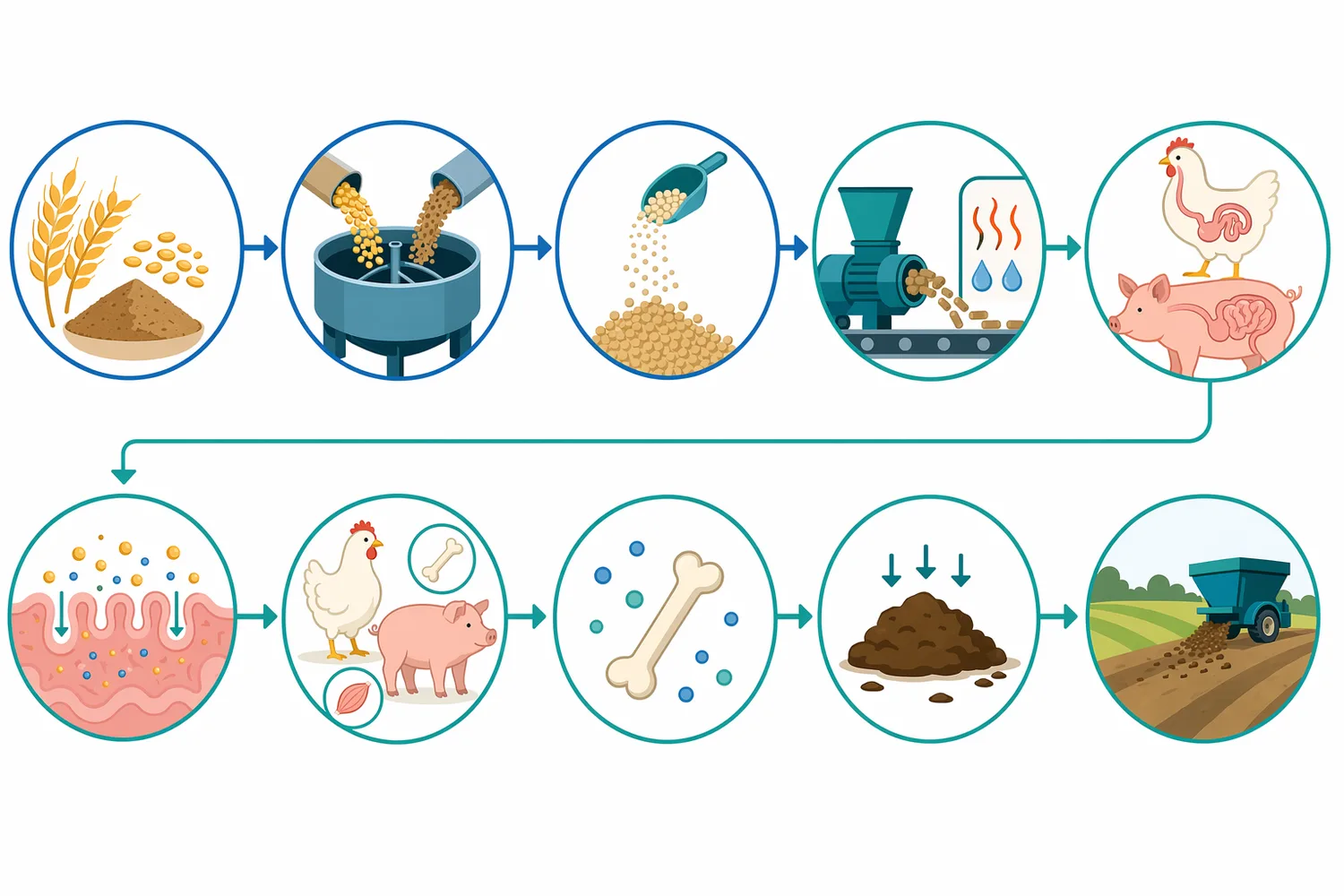
This biochemical mechanism is reflected in animal studies that measure bone status, nutrient digestibility, calcium and phosphorus retention, or fecal phosphorus excretion. In grower–finisher pigs fed phosphorus-deficient diets, phytase supplementation has been studied for its effects on growth performance, nutrient digestibility, and bone status, which are direct biological endpoints of phosphorus availability [6]. In poultry, soybean-based diet research has examined phosphorus bioavailability and fecal phosphorus excretion, connecting enzymatic phytate breakdown with both animal nutrition and manure nutrient output [7].
Phytases are often grouped by their preferred reaction environment. This does not make one category universally “better”; it explains why phytases from different organisms may perform differently in feed processing and digestion. The animal’s gut contains changing pH zones, feed ingredients differ in buffering capacity, and processed feed may expose the enzyme to heat before it ever reaches the gut.
| Phytase concept | Typical functional idea | Practical relevance in feed | Evidence context |
|---|---|---|---|
| Acid-active phytase | Works strongly in acidic digestive sections where phytate solubility and enzyme-substrate contact can be favorable | Relevant for monogastric animals because early digestive compartments are often acidic | Low-pH phytate degradation is a focus of improved phytase aggregate research [4] |
| Neutral-range phytase | Maintains function closer to neutral pH conditions | May contribute where digesta pH is less acidic or where feed matrix conditions shift pH response | Studies compare phytase behavior across feed and animal systems rather than treating all enzymes as identical [3] |
| Alkaline phytase | Shows activity in more alkaline conditions | Relevant to research on enzyme diversity and potential specialized uses | Alkaline or broader-pH phytases have been investigated as part of the wider search for feed-relevant enzyme properties [8] |
| Thermostable phytase | Better retains functional structure after heat exposure | Important for pelleted and heat-processed feeds | Heating studies in complete poultry feed directly connect processing temperature with retained phytase activity and mineral outcomes [3] |
The table is best read as a mechanism map rather than a product selection checklist. The key takeaway is that phytase performance depends on the enzyme’s structure, the feed matrix, and the digestive environment. Thermostable phytase specifically addresses the processing side of this chain: it is intended to preserve more functional enzyme through heat exposure so phytate hydrolysis can still occur after ingestion.
Poultry diets commonly contain corn, wheat, soybean meal, rice bran, and other plant ingredients that store phosphorus as phytate. Broilers and layers require phosphorus and calcium for skeletal development, eggshell formation, energy metabolism, and normal growth. When phytate phosphorus remains unavailable, the diet may appear adequate in total phosphorus while still underdelivering absorbable phosphorus. Phytase helps close that gap by enzymatically releasing phosphate from the plant matrix.
In broiler chickens, microbial phytase produced from Aspergillus niger has been studied for its effect on the bioavailability of phosphorus and calcium, directly matching the core mechanism of phytase in plant-based poultry feed [1]. The calcium connection matters because phytate binds minerals, and calcium-phytate complexes can influence both mineral availability and phytase access to the substrate. When phytase reduces intact phytate, it can change how calcium and phosphorus move through digestion and absorption.
More recent broiler work has examined phytase alone or in combination with multi-carbohydrase enzymes in nutrient-deficient diets, including endpoints such as growth performance, tibia mineralization, and carcass traits [9]. Tibia mineralization is a particularly relevant endpoint because bone ash and mineral status reflect whether the animal is actually receiving enough usable phosphorus and calcium, not simply whether those minerals were present in the feed formula.
Thermostability is especially relevant for poultry because pelleted complete feeds are widely used. The 2024 complete poultry feed heating study is important because it connects enzyme type and heat exposure with retained enzyme activity and calcium and phosphorus outcomes in the finished feed [3]. Mechanistically, the question is whether the enzyme remains folded and active after conditioning and heating; nutritionally, the question is whether enough phytase survives to keep releasing phosphate in the bird.
Swine diets are also built heavily around plant ingredients such as corn, wheat, barley, soybean meal, rapeseed meal, and cereal by-products. Pigs have limited endogenous phytase activity compared with ruminants, so phytate phosphorus can pass through the gastrointestinal tract unless hydrolyzed by supplemental enzyme. The result is both a nutrition issue and a waste issue: unavailable phytate phosphorus cannot support growth or bone development, and it contributes to phosphorus excretion.
In grower–finisher pigs fed phosphorus-deficient diets, increasing phytase supplementation has been investigated for growth performance, nutrient digestibility, and bone status [6]. These endpoints show why phytase is not simply an additive for a single nutrient number. Better phytate hydrolysis can alter available phosphorus, mineral balance, and nutrient utilization, which may influence skeletal development and performance when phosphorus supply is limiting.
A separate study in weanling pigs reported that a new phytase expressed in yeast effectively improved the bioavailability of phytate phosphorus [10]. Yeast expression is relevant because commercial phytase development often uses microbial systems to produce enzymes with desirable feed-use characteristics. The feed result, however, still comes back to the same substrate-level action: phytase must encounter phytate in the digestive tract and hydrolyze phosphate groups fast enough to affect absorption before the digesta moves onward.
Research on a consensus bacterial 6-phytase variant in pigs has also examined energy and amino acid digestibility alongside production performance [5]. This broader effect is plausible because reducing intact phytate can decrease mineral-protein complexes and alter nutrient solubility. However, these wider outcomes are more diet-dependent than the primary phosphorus-release mechanism, so they should be understood as potential formulation-level benefits rather than automatic effects in every feed.
Aquaculture diets increasingly use plant protein and plant by-products to reduce reliance on fishmeal and manage feed cost. Those plant ingredients bring phytate into fish diets, where it can bind phosphorus and minerals and reduce nutrient availability. The challenge is similar to poultry and swine but occurs in a different digestive physiology, feed form, and processing environment.
In Nile tilapia, phytase supplementation has been studied for effects on growth performance, intestinal morphology, and metabolism [11]. This reflects the expanding role of phytase beyond terrestrial livestock. When phytase reduces phytate in fish diets, it may improve the availability of phosphorus and minerals from plant ingredients and reduce the amount of undigested phosphorus entering the aquatic environment.
Catfish research has also evaluated phytase as a way to increase phosphorus bioavailability and growth performance [12]. The environmental dimension is particularly important in aquaculture because phosphorus released from uneaten feed and feces can contribute to nutrient loading in water systems. By improving access to plant-bound phosphorus, phytase can support more efficient use of the phosphorus already present in the diet.
Aquaculture feeds may be exposed to demanding processing conditions, especially extrusion. That makes thermostability relevant, because enzyme survival through processing affects how much active phytase is left in the finished feed. The enzyme must also remain useful after contact with water, feed hydration, and the digestive tract. Thermostable phytase therefore fits the broader movement toward enzyme-assisted plant ingredient use in aquaculture diets.
Phytase can be relevant not only in complete feed but also in the treatment or upgrading of plant feed materials. Wheat bran, rice bran, oilseed meals, and other by-products often contain substantial phytate because phytate is concentrated in seed outer layers and germ fractions. These ingredients can be nutritionally valuable but may carry a higher phytate burden than refined grain fractions.
Research on cross-linked enzyme aggregates of Mucor indicus phytase evaluated dephytinization of wheat and rice bran as a prospect for food and feed industries [13]. The mechanism is direct substrate conversion: phytase reduces the phytate content of the bran, releases phosphate, and lowers the level of intact phytate that can bind minerals. In feed systems that use high-bran or high-by-product formulations, this kind of phytate reduction can improve the nutritional value of the plant fraction.
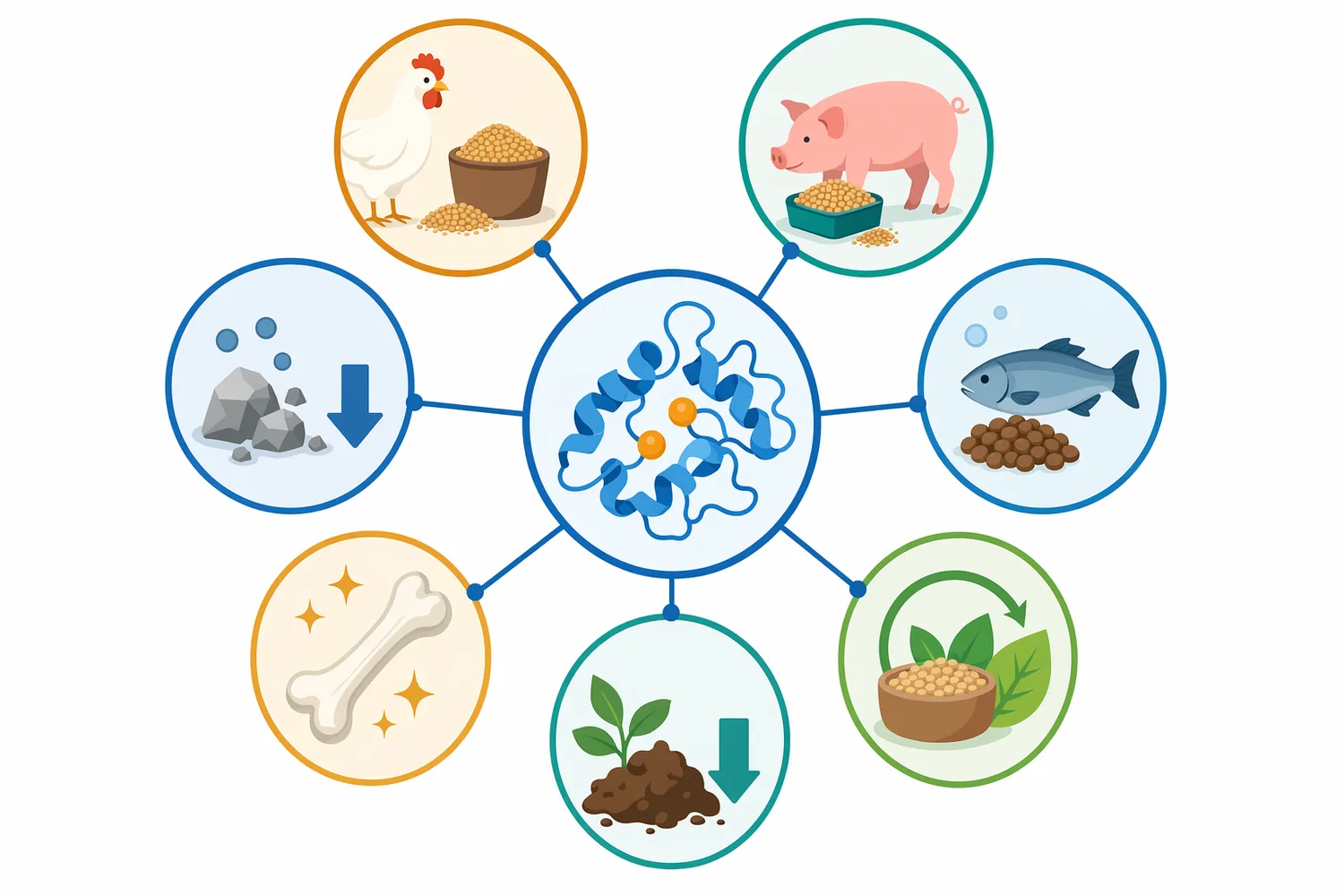
Immobilized phytase systems have also been studied, including phytase immobilized on zeolite modified with iron(II) for use in animal feed and food industry sectors [8]. Immobilization research is not the same as ordinary feed inclusion, but it shows how much attention has been given to enzyme stability and reusability. The underlying goal is still to keep the active site functional long enough to hydrolyze phytate under practical processing or application conditions.
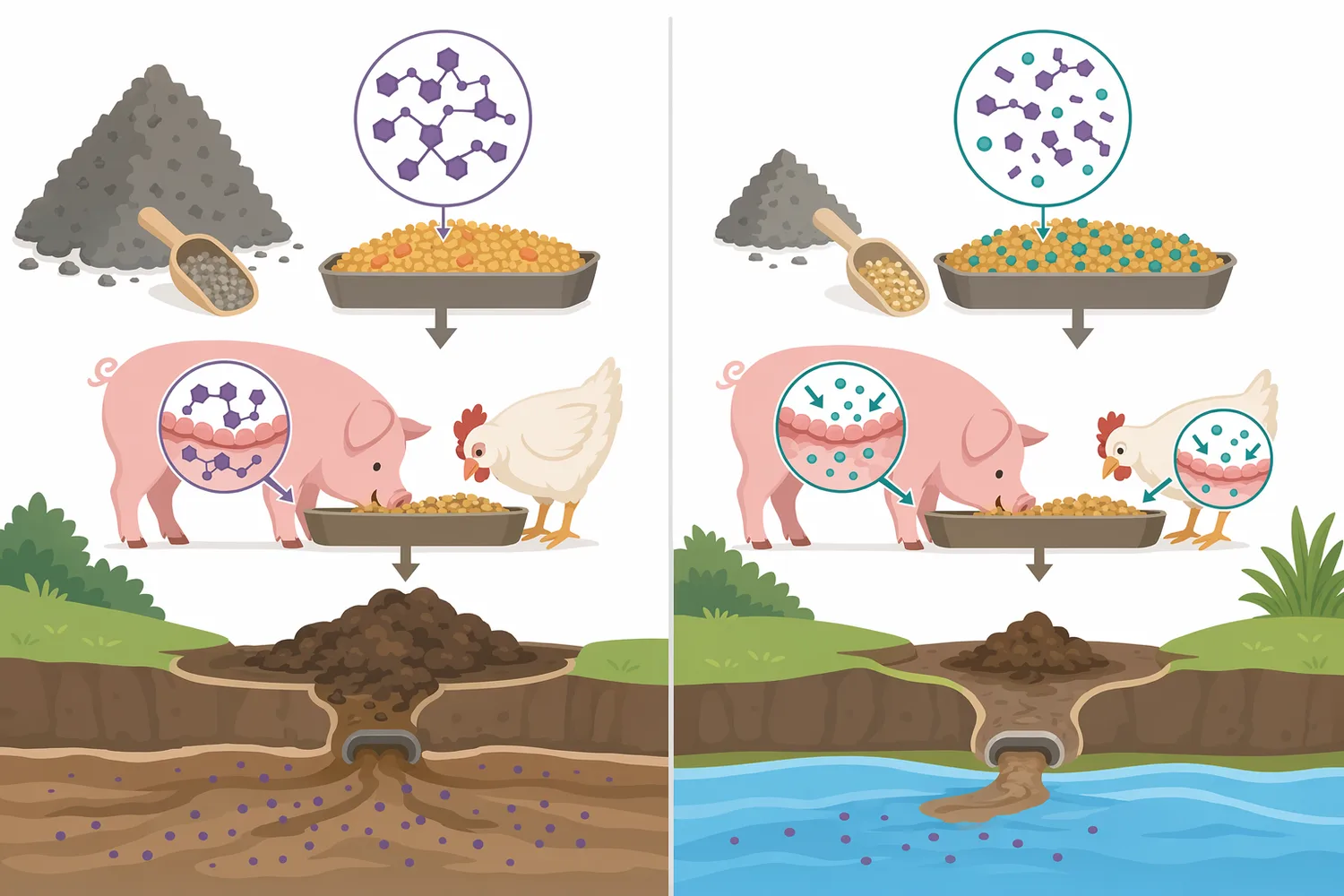
One of the strongest practical reasons for using phytase is improved phosphorus efficiency. If an animal absorbs more phosphorus from plant ingredients, less phosphorus needs to pass through the digestive tract unused. That matters for farms and feed systems because manure phosphorus can accumulate in soil or contribute to nutrient runoff if application rates exceed crop uptake.
Poultry research on soybean-based diets has specifically examined the bioavailability and fecal excretion of phosphorus when diets are supplemented with phytase [7]. This kind of evidence links enzyme action to environmental outcome: phytase does not remove phosphorus from the system, but it shifts more phosphorus into the absorbed nutrient pool and less into excreted waste when the diet is balanced accordingly.
The environmental mechanism is therefore straightforward. Intact phytate travels through the animal with phosphorus still attached. Phytase cleaves phosphate groups before excretion, increasing the opportunity for absorption. When nutrition programs account for that released phosphorus, total dietary inorganic phosphorus inputs can be managed more efficiently, and fecal phosphorus output can be reduced relative to diets where phytate remains largely unavailable.
Phytase performance is closely connected to calcium and phosphorus balance. Calcium can form complexes with phytate, and those complexes can reduce phytate solubility or change enzyme access. When phytase hydrolyzes phytate, it can reduce the number of binding sites available for calcium and other minerals. This helps explain why studies often measure both phosphorus and calcium outcomes rather than phosphorus alone.
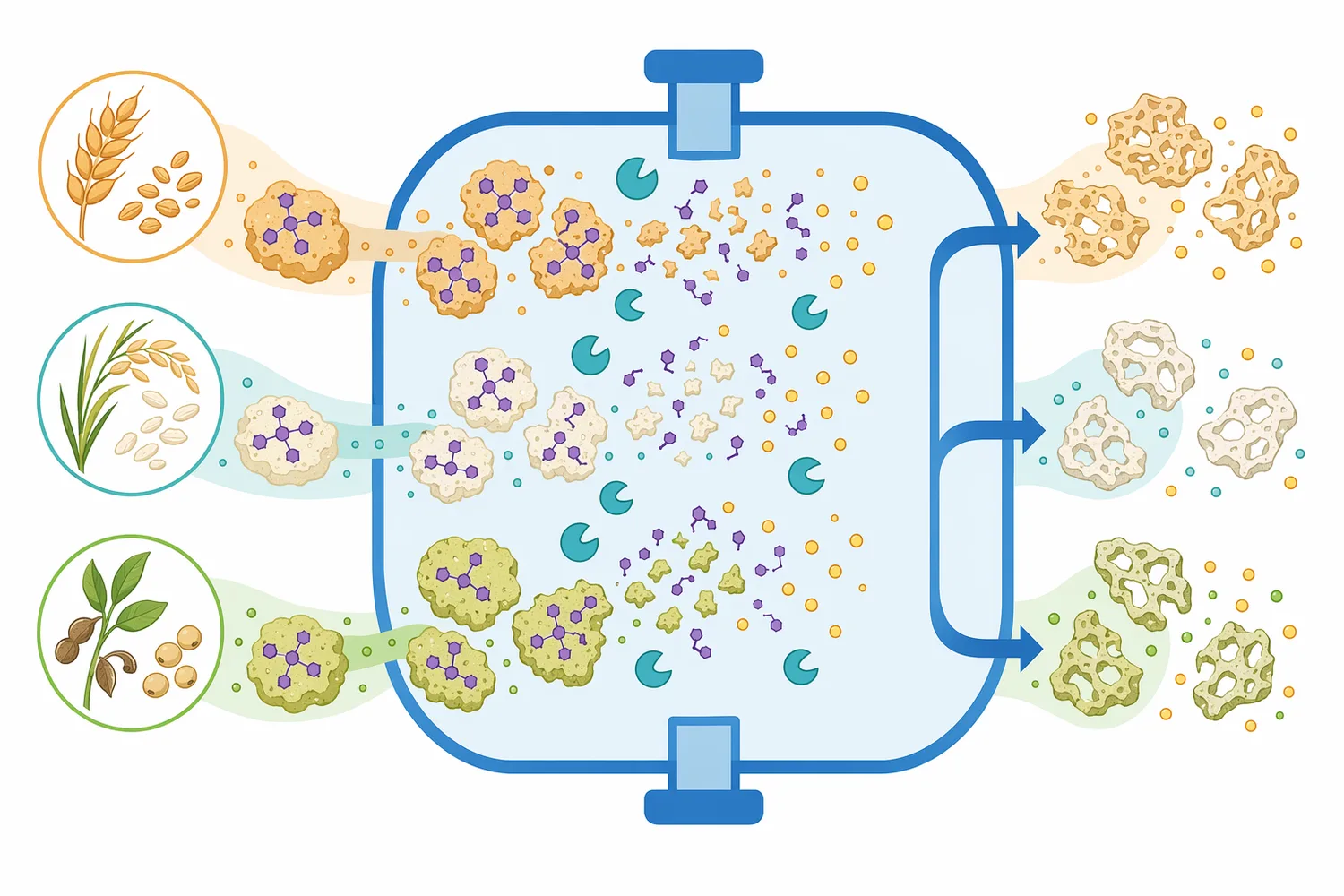
The 2024 poultry feed heating study included calcium and phosphorus levels alongside phytase activity, which is useful because feed processing and phytase survival can influence the mineral profile that reaches the animal [3]. If processing destroys enzyme function, the feed may contain phytase on paper but provide less phytate hydrolysis in practice. If thermostable phytase survives better, more enzyme remains available to change the phytate-mineral chemistry during digestion.
Phytase may also be used in feeds that contain carbohydrases such as xylanases, beta-glucanases, or multi-carbohydrase blends. These enzymes act on different substrates: carbohydrases break down non-starch polysaccharides that affect viscosity, cell-wall structure, and nutrient release, while phytase acts on phytate. In broilers fed nutrient-deficient diets, studies of phytase alone or in combination with multi-carbohydrase enzymes have examined growth, tibia mineralization, and carcass outcomes [9].
The mechanistic reason for combining enzymes is that plant feed ingredients contain multiple barriers. Phytate locks phosphorus and binds nutrients; fiber-rich cell walls can physically limit access to intracellular nutrients; viscous polysaccharides can alter digesta movement and enzyme-substrate contact. Phytase addresses one barrier, while carbohydrases address another. The final animal response depends on the full diet, ingredient quality, and processing history.
All phytases share the same broad catalytic purpose: hydrolyzing phytate. Thermostable phytase is differentiated by its intended resistance to heat-related loss of function. This matters because an enzyme that performs well before processing may perform poorly after pelleting if its active structure is damaged. The active site must remain correctly shaped to bind phytate and catalyze phosphate release.
Thermostability can be achieved in different ways across the industry, including selection of naturally stable enzymes, protein engineering, immobilization, aggregation, or protective formulation approaches. Research on cross-linked phytase aggregates for improved phytate degradation at low pH shows one route for improving functional persistence under challenging conditions [4]. Other work on immobilized phytase systems reflects the same basic objective: protecting enzyme structure and activity long enough for useful phytate hydrolysis [8].
For animal feed, thermostability is not only a laboratory concept. It directly affects whether the enzyme contributes after feed manufacture. If a feed is heat processed, the enzyme must pass through a damaging step before it can act in the animal. Thermostable phytase is therefore best understood as a processing-resilient form of a well-established feed enzyme, designed to keep the phytate-release mechanism available in practical feed formats.
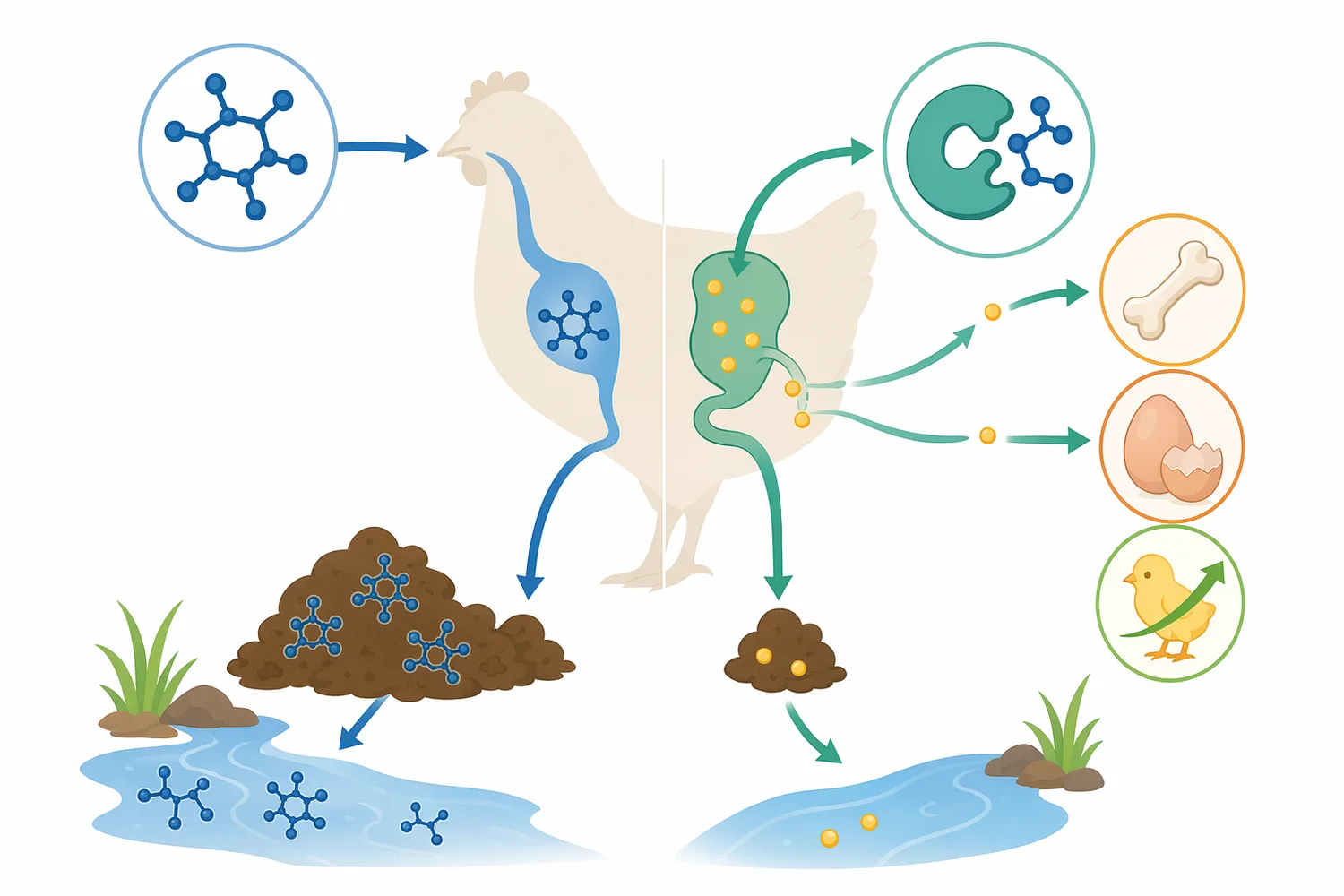
The most consistent and direct evidence for phytase is improved hydrolysis of phytate and release of plant-bound phosphorus. Animal studies then connect that biochemical action with practical endpoints such as phosphorus bioavailability, nutrient digestibility, fecal phosphorus excretion, bone status, growth performance, and mineralization. The strongest expectation is therefore improved access to phytate phosphorus when the enzyme remains active and the diet is formulated to use the released phosphorus.
At the same time, phytase is not a universal fix for every feed challenge. Growth response depends on species, age, ingredient phytate content, calcium and phosphorus balance, digestive conditions, and feed processing. In tilapia, for example, research has examined not only growth but also intestinal morphology and metabolism, showing that responses may involve multiple biological pathways [11]. In pigs and broilers, bone and digestibility endpoints can be highly relevant when phosphorus supply is limiting, but performance outcomes still depend on the complete diet.
Thermostable phytase should also not be interpreted as indestructible. Heat stability improves the chance that functional enzyme remains after processing, but enzymes are still proteins and can be affected by severe temperature, moisture, residence time, shear, and storage conditions. The value of thermostability is practical resilience, not immunity to all manufacturing stress.
Enzymes.bio supplies Thermostable Phytase Enzyme for Animal Feed CAS 37288-11-2 as an online B2B product sold directly by the 1 kg unit. The buying process is simple: the product can be purchased online, payment is completed online, and the order is processed and shipped. Enzymes.bio is a supplier, not a manufacturer or laboratory.
A Certificate of Analysis and Safety Data Sheet are provided with the order for documentation and safe handling. This article is intended to explain the enzyme’s function, feed relevance, and evidence base in practical terms: phytase hydrolyzes phytate, releases phosphorus from plant ingredients, reduces the antinutritional effect of intact phytate, and thermostable formats are designed to retain more function through heat-processed feed systems.
Sold by the 1 kg unit, in stock and ready to ship. Order directly on our store — pay online and we process your order. A Certificate of Analysis and Safety Data Sheet are included with every order.
Buy Thermostable Phytase Enzyme For Animal Feed Cas 37288-11-2 →Numbered in order of first citation. Open-access sources, each verified reachable at publication; citation numbers in the text link here.