
Thermostable Phytase Enzyme Livestock CAS 9001-89-2 is a feed enzyme used to hydrolyze phytate, the major phosphorus-storage compound in plant feed ingredients, into inorganic phosphate and lower inositol phosphates that animals can use more efficiently. In grain-, bran-, and oilseed-meal-based diets, phytase helps reduce the anti-nutritional effect of phytate, supports better phosphorus utilization, and can reduce phosphorus waste when diets are formulated appropriately. Enzymes.bio supplies this product directly online by the 1 kg unit, with the order processed and shipped after online payment and documentation supplied with the shipment .
Phytase is a phosphatase enzyme that acts on phytic acid, also known as phytate or myo-inositol hexakisphosphate. Phytate is abundant in many plant materials used in animal feed, including cereal grains, oilseed meals, brans, and agro-industrial by-products. Its practical importance is simple: a feed ingredient may contain phosphorus, but much of that phosphorus can be locked in phytate rather than immediately available to poultry, pigs, fish, or other animals with limited endogenous phytate-degrading capacity [1].
At the molecular level, phytate is built around an inositol ring carrying six phosphate groups. Those phosphate groups carry negative charges, which allows phytate to bind positively charged minerals such as calcium, zinc, iron, magnesium, and copper. It can also interact with proteins and other feed components, making phytate more than just an unavailable phosphorus source; it is an anti-nutritional compound that can reduce the accessibility of multiple nutrients in a diet [2].
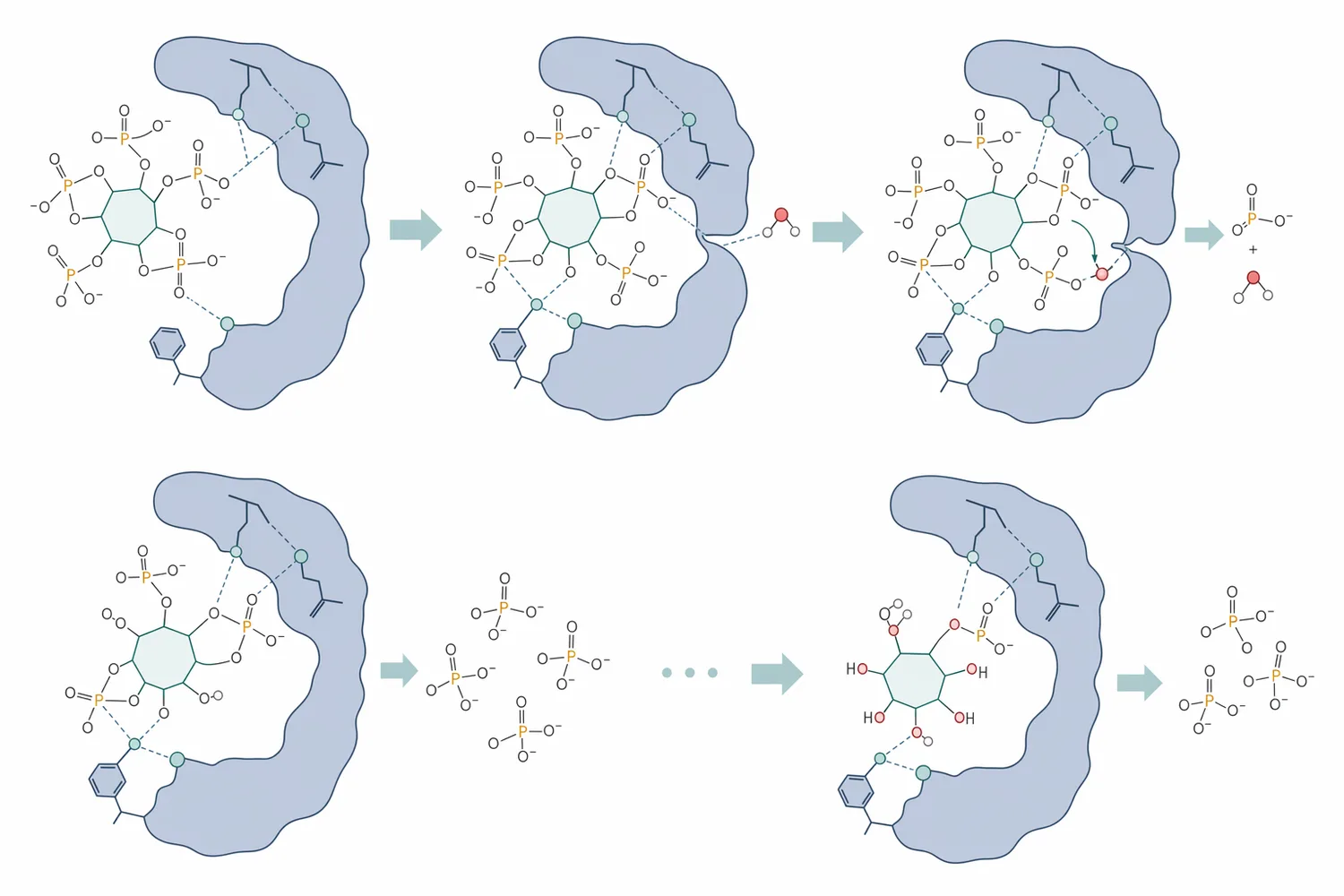
Thermostable phytase addresses this problem by cleaving phosphate ester bonds on the phytate molecule. As hydrolysis proceeds, phytate is converted from IP6 into progressively lower inositol phosphates, such as IP5, IP4, IP3, and smaller molecules, while inorganic phosphate is released. This stepwise removal of phosphate groups reduces the molecule’s negative charge density, weakening its mineral-binding capacity and making phosphorus more available for absorption [2].
The “thermostable” part matters because feed enzymes often encounter heat, moisture, shear, and pressure during feed processing. A phytase that loses its folded structure during processing may no longer position phytate correctly in its active site, which reduces its ability to hydrolyze the substrate later in the digestive tract. Research on engineered and thermostable feed phytases highlights thermal tolerance as a continuing development priority because feed processing can be a major stress point for enzyme performance [3].
Enzymes.bio supplies Thermostable Phytase Enzyme Livestock CAS 9001-89-2 as a B2B enzyme product available for direct online purchase in 1 kg units. After online payment, the order is processed and shipped; a Certificate of Analysis and Safety Data Sheet are included with the order for business documentation and safe handling .
Most modern livestock and aquaculture feeds rely heavily on plant ingredients. Corn, wheat, rice bran, soybean meal, canola meal, wheat bran, and similar materials are nutritionally valuable, but they also introduce phytate-bound phosphorus. In monogastric animals, phytate hydrolysis by the animal’s own digestive system is limited, so a meaningful share of plant phosphorus can pass through the gut unused unless exogenous phytase is added [1].
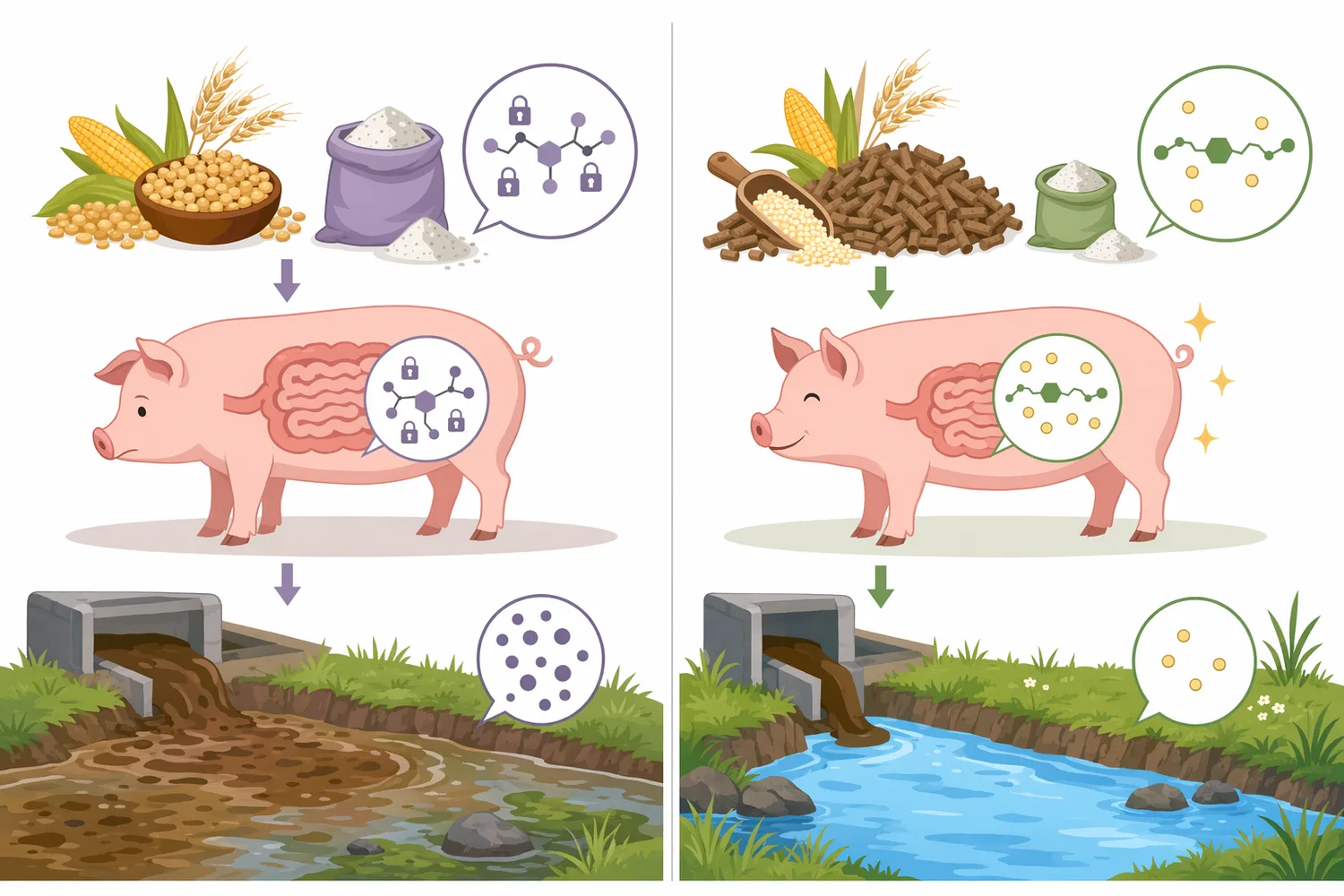
This matters economically and nutritionally because phosphorus is essential for skeletal development, energy metabolism, cell signaling, membrane structure, and general growth. If naturally present plant phosphorus remains unavailable, feed programs often compensate with added inorganic phosphate. Phytase helps recover part of the phosphorus already present in the feed matrix, which can support more efficient phosphorus use in the overall diet [4].
Phytate also affects mineral nutrition beyond phosphorus. Because its phosphate groups strongly bind cations, intact phytate can reduce the bioavailability of minerals that animals need in small but important amounts. Reviews of phytic acid and phytase describe this chelation behavior as a central reason phytate is considered anti-nutritional in food and feed systems [2].
Rice bran provides a useful example of the broader issue. It is a potentially valuable animal feed ingredient because it contains energy, protein, minerals, and bioactive compounds, but anti-nutritional constituents, including phytate, must be considered when using it in feed systems. This illustrates why enzymes that reduce phytate are relevant not only in conventional grain diets but also in feed programs using brans and by-products [5].
The environmental dimension is also important. When phytate phosphorus is not digested, more phosphorus can be excreted in manure or discharged from aquaculture systems. Improved phytate degradation does not eliminate the need for responsible nutrient management, but it can support better phosphorus-use efficiency and help reduce avoidable phosphorus losses from feed into the environment [1].
Phytase acts by binding phytate in its active site and catalyzing the hydrolysis of phosphate ester bonds. In practical terms, the enzyme adds water across the bond that connects a phosphate group to the inositol ring. The phosphate group is released as inorganic phosphate, and the remaining inositol phosphate has one fewer phosphate group than before [2].
This chemical change has several feed-relevant consequences. First, released inorganic phosphate becomes nutritionally useful because it can be absorbed and incorporated into animal metabolism. Second, the remaining lower inositol phosphates have fewer charged phosphate groups, so they generally bind minerals less strongly than intact IP6. Third, reducing intact phytate can decrease its ability to interfere with proteins and other nutrients in the feed matrix [1].
The process is not a single “on/off” conversion. Phytase removes phosphate groups in sequence, so the feed and digestive environment contain a changing mixture of IP6, lower inositol phosphates, and free phosphate. The extent of conversion depends on how long the enzyme remains active, how accessible the phytate is inside the feed particle, and whether digestive conditions allow the enzyme to keep its functional shape [3].
Feed structure matters because phytate is located inside plant tissues, often associated with protein bodies, mineral complexes, or fiber-rich fractions. Grinding, conditioning, pelleting, hydration, and digestive mixing can influence how exposed the phytate becomes to enzymatic attack. Phytase works most effectively when the substrate is accessible and the enzyme remains active long enough to contact it [1].
This is why phytase is best understood as a nutrient-release enzyme rather than a general growth promoter. Any performance benefit ultimately depends on the biochemical release of phosphorus and the reduction of phytate’s anti-nutritional effects. Reviews of exogenous enzymes in monogastric feed emphasize that enzymes are used to improve nutrient availability and feed efficiency, while actual animal responses depend on diet composition, species, age, management, and overall formulation [1].
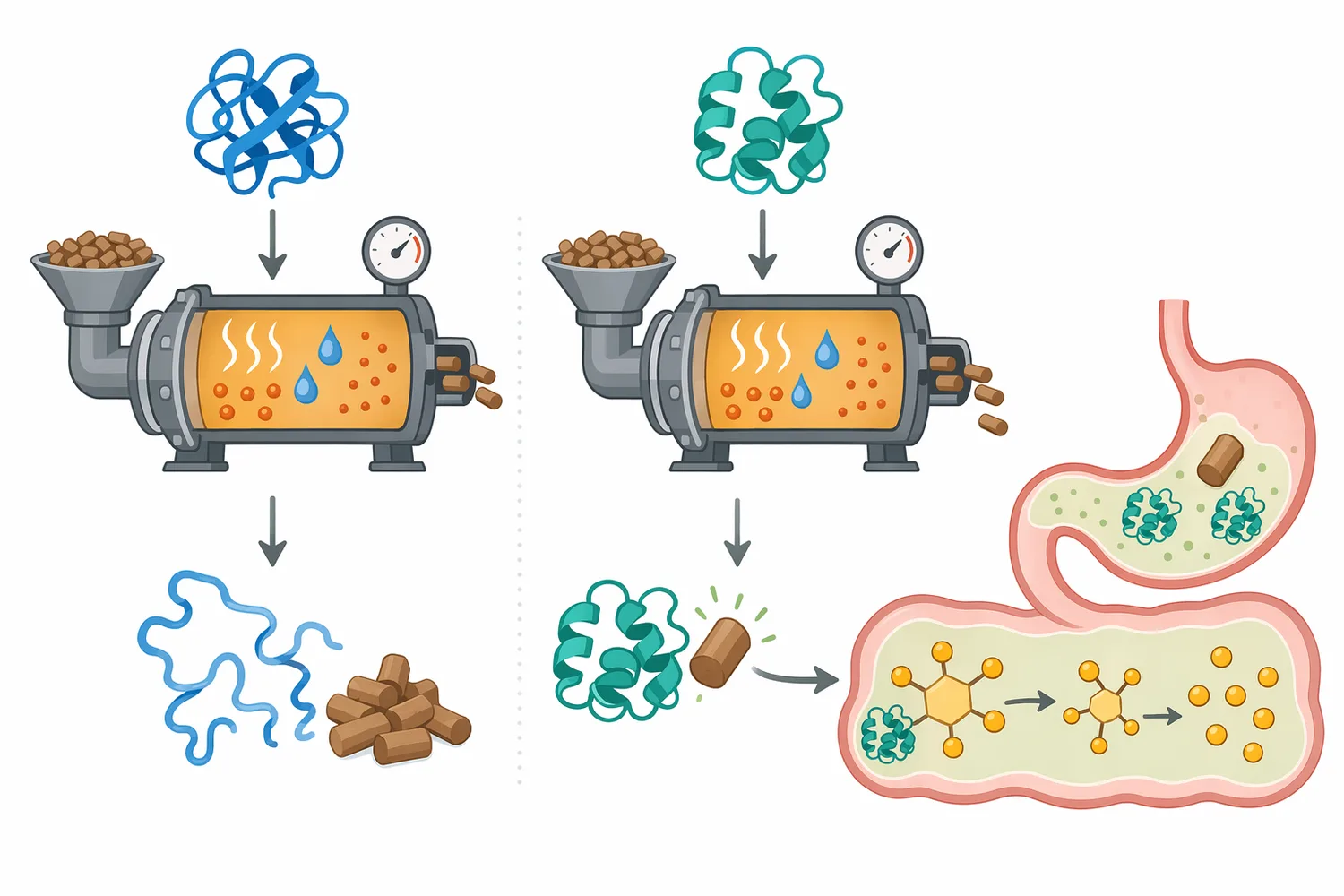
Thermostability refers to the enzyme’s ability to resist irreversible loss of structure and function when exposed to heat. Proteins are folded into precise three-dimensional shapes; the phytase active site only works when amino acid side chains are positioned correctly around the substrate. Excessive heat can unfold the enzyme, disrupt those positions, and reduce catalytic function [3].
Feed processing can expose enzymes to elevated temperature, moisture, and mechanical stress. Pelleting is the most familiar example, but other conditioning and processing steps can also challenge enzyme stability. Thermostable phytase is therefore valuable because it is intended for feed applications where ordinary enzyme stability may be insufficient during processing [3].
Digestive conditions create a second challenge. After feed is consumed, the enzyme may encounter acidic gastric conditions, endogenous proteases, bile salts, minerals, and changing moisture levels. A phytase that survives processing but loses function immediately in the gut may not release the expected amount of phytate phosphorus. For this reason, research on feed phytases often examines both thermal tolerance and behavior under digestive-like conditions [6].
Thermal stability does not mean an enzyme is unaffected by every processing condition. It means the enzyme has properties that help preserve functional structure under heat stress relative to less stable enzymes. In feed applications, this can help maintain useful activity through processing and improve the chance that phytate hydrolysis occurs where it is nutritionally valuable [3].
Some research explores structural engineering to improve thermal tolerance. For example, work on chimeric xylanase-phytase enzymes examined linker-assisted engineering as a way to improve the thermal tolerance of feed enzymes. Although that study is not a product specification for Thermostable Phytase Enzyme Livestock CAS 9001-89-2, it shows why enzyme structure and heat resistance are active areas of feed-enzyme research [3].
Phytases from different microbial sources can behave differently across pH environments. This matters because phytate hydrolysis can occur in different parts of the digestive tract, and the pH shifts as feed moves from the stomach or proventriculus into the intestine. Research continues to describe phytases from fungi, bacteria, and other microorganisms with varying stability and activity characteristics under acidic, neutral, or alkaline conditions [6].
The following table is a conceptual comparison. It is not a product specification or selection checklist; it summarizes how pH context affects phytase function in feed science.
| Phytase pH behavior | Feed-science relevance | Practical interpretation |
|---|---|---|
| Acid-active phytase | Relevant to gastric or upper digestive environments where feed first hydrates and phytate becomes exposed | Can begin phytate hydrolysis early, before minerals and proteins move further through digestion |
| Neutral-range phytase | Relevant where digesta shifts toward less acidic conditions | May contribute after the initial gastric phase, depending on enzyme stability and substrate access |
| Alkaline or alkaliphilic phytase | Studied for environments where higher pH tolerance is useful | Research interest includes broader process tolerance and non-conventional feed or food conditions |
Recent work on an alkalophilic phytase produced by the halophile Cobetia marina strain 439 illustrates the continuing search for phytases with useful behavior under non-acidic and challenging conditions. The study is framed around potential animal food supplement use, showing that phytase research is not limited to conventional acidic fungal enzymes [7].
Fungal phytases remain especially important in feed-enzyme literature. Studies on Aspergillus species, including Aspergillus niger and Aspergillus terreus, frequently examine phytase production and characterization because fungal phytases have long been relevant to food and feed biotechnology [8].
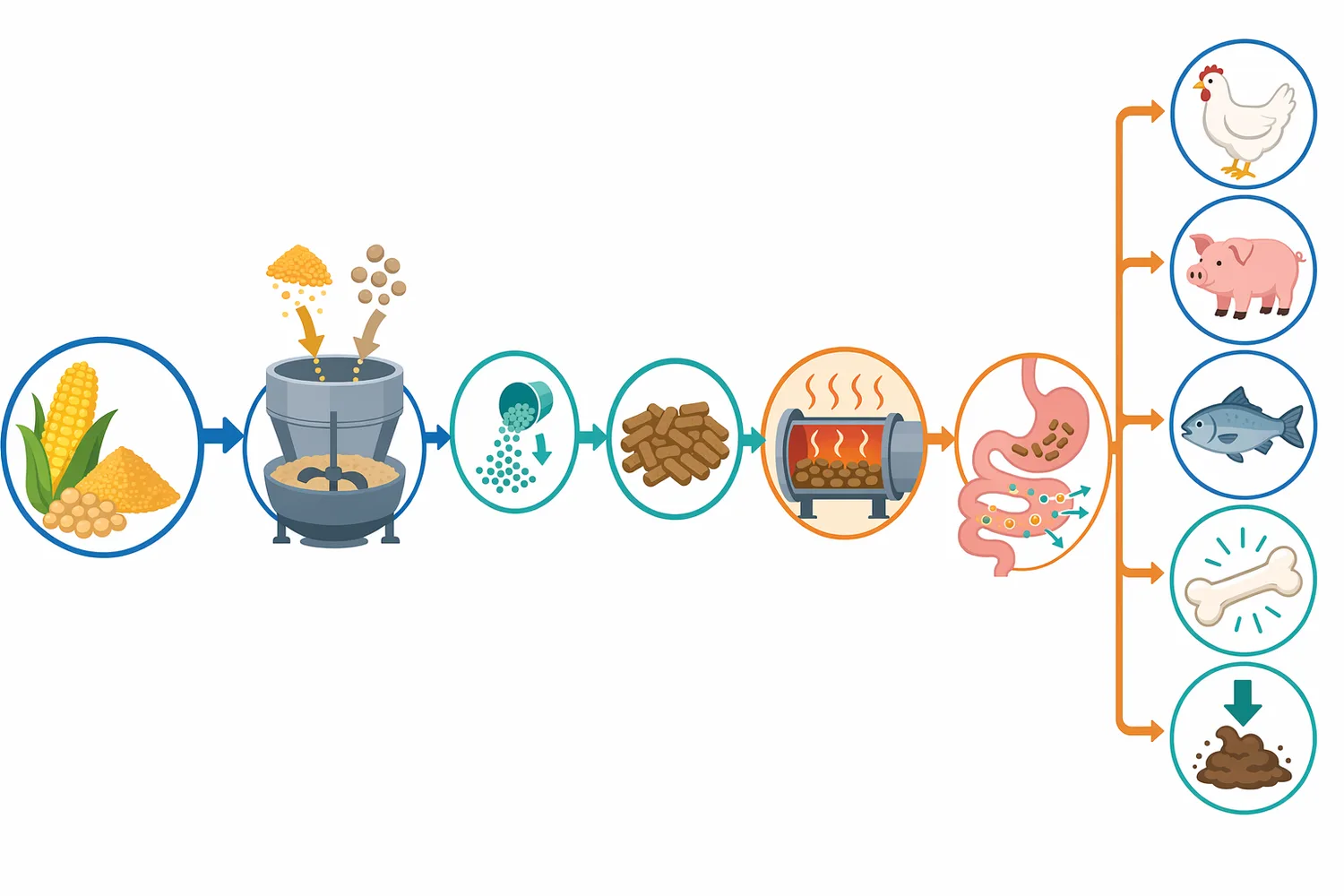
The strongest evidence for phytase is biochemical and nutritional: phytase hydrolyzes phytate and releases phosphate. This mechanism is directly relevant to plant-based diets because phytate is the main storage form of phosphorus in many feed ingredients. Reviews of exogenous enzymes in monogastric animal feed consistently identify phytase as a major zootechnical additive used to improve nutrient availability [1].
In poultry, phytase is widely used because birds consume grain- and oilseed-based diets and have limited ability to degrade phytate on their own. Laying hen nutrition reviews describe feed additives, including enzymes, as tools for improving nutrient utilization and supporting production efficiency when incorporated into appropriate diet programs [4].
In swine, the same phytate problem applies. Pig diets often contain corn, wheat, barley, soybean meal, wheat bran, and other plant materials where phytate can bind phosphorus and minerals. Phytase addition is therefore a practical way to increase access to phosphorus already present in the diet and reduce the nutritional penalty of intact phytate [1].
Aquaculture feeds are also relevant because fish and shrimp diets increasingly use plant proteins and plant by-products. As marine ingredients are partially replaced by plant materials, phytate can become a greater constraint on mineral availability and phosphorus management. Phytase has been reviewed as a functional feed additive in animal nutrition contexts where nutrient utilization and environmental impact are both important considerations [9].
The performance outcomes associated with phytase—such as growth, feed conversion, bone mineralization, egg production, or reduced excretion—depend on how much phytate is present, how the diet is formulated, what animal species is involved, and how the feed is processed. This is why responsible claims focus on phytate hydrolysis and phosphorus release as the core function, while treating broader production responses as application-dependent [1].
Microorganisms are the main source of commercial and experimental phytases. Bacteria, fungi, yeasts, and thermophilic organisms are studied because they produce enzymes with different stability, substrate affinity, and pH behavior. This diversity is useful for feed science because the enzyme must fit a demanding sequence: production, formulation, feed processing, storage, digestion, and substrate hydrolysis [2].
Bacterial phytases from Enterobacter and Serratia species have been reported with characteristics of interest for food and feed applications. Such studies are valuable because bacterial enzymes can show different pH and temperature behavior from fungal enzymes, broadening the available toolbox for phytate degradation in feed and food matrices [6].
Fungal phytases are also heavily studied. Aspergillus niger has been used in phytase production research with groundnut oil cake as a substrate, connecting phytase biotechnology to animal feedstock applications and agro-residue valorization. This kind of work is important because it shows how phytase production and feed ingredient valorization can be linked in circular bioeconomy approaches [8].
Thermophilic fungi are another important area of research because they naturally produce enzymes that may better tolerate elevated temperatures. Work on Thermoascus aurantiacus SL16W examined production of phytase and cellulolytic enzymes using lignocellulosic wastes under semi-solid state fermentation, demonstrating the broader industrial interest in thermostable enzyme systems from heat-tolerant microorganisms [10].
A 2025 study on thermostable phytase from Aspergillus terreus, an endophyte of Catharanthus roseus, specifically evaluated potential hydrolysis of phytic acid in wheat bran. Wheat bran is a practical substrate because it is phytate-rich and commonly encountered in feed and food processing, so this type of research connects enzyme characterization to realistic plant matrices [11].
Cereal grains contribute energy and protein but also introduce phytate phosphorus. Wheat bran is particularly relevant because the outer layers of grain can concentrate phytate, making bran-rich formulations good candidates for phytase-supported nutrient release. Research on thermostable phytase hydrolyzing phytic acid in wheat bran highlights the importance of studying the enzyme against realistic plant substrates rather than only purified phytate [11].
When phytase acts in grain-based feed, the main change is not visible to the eye. The feed particle does not dissolve or ferment because of phytase alone. Instead, phosphate groups are removed from phytate molecules inside hydrated feed material, reducing the binding strength of intact phytate and increasing the pool of available phosphate in the digestive environment [2].
Soybean meal and other oilseed meals are central protein sources in many livestock diets, but their nutritional value can be limited by anti-nutritional factors. Reviews on soybean meal processing describe how biological and microbial processing can improve nutritional properties by reducing anti-nutritional constraints. Phytase fits into this broader strategy because it targets the phytate fraction specifically [12].
In oilseed-meal systems, phytase can help release phosphorus that would otherwise remain partly unavailable. The effect is especially relevant where diets depend heavily on plant protein sources and where mineral nutrition is managed carefully. As with cereal grains, the enzyme’s value comes from a defined substrate reaction: hydrolysis of phytate phosphate bonds [1].
Rice bran, wheat bran, groundnut oil cake, and other by-products can be attractive feed materials because they contain useful nutrients and can support cost-effective formulations. However, they may also carry phytate and other anti-nutritional compounds that reduce nutrient accessibility. Reviews of rice bran composition specifically identify anti-nutritional factors as a consideration for animal feed use [5].
Phytase research using agro-residues such as groundnut oil cake and wheat bran shows why these substrates matter. They are not only potential feed ingredients but also realistic matrices for evaluating whether phytase can access and hydrolyze phytate in complex plant material [8].
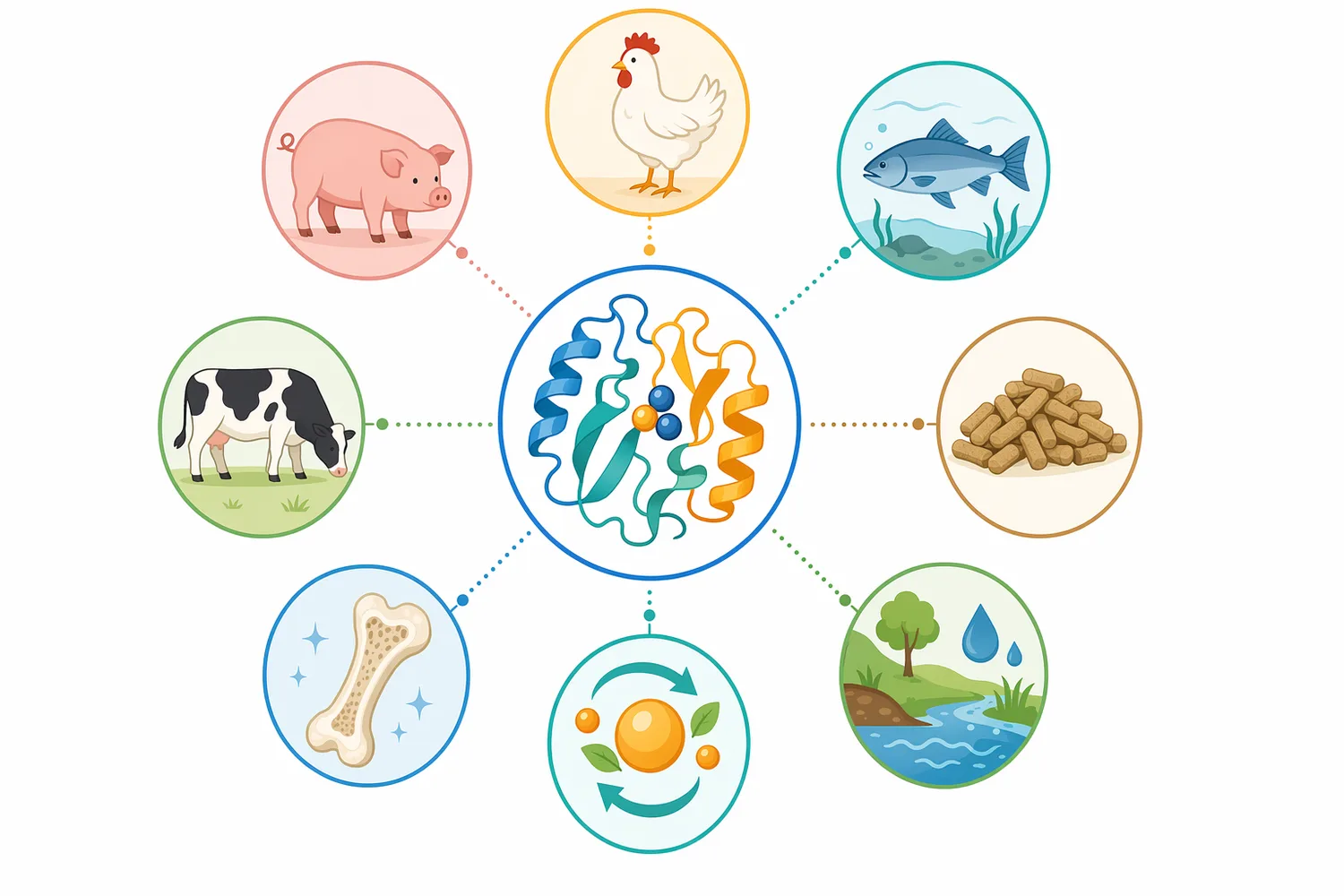
The first practical benefit is improved use of plant phosphorus. By converting part of phytate phosphorus into inorganic phosphate, phytase can help animals access phosphorus already present in raw materials. This supports more efficient diet design when phytase is incorporated within an appropriate feeding program [1].
The second benefit is reduced anti-nutritional pressure from intact phytate. As phosphate groups are removed, the phytate molecule loses some of its ability to strongly bind minerals and interact with other nutrients. This can support better overall nutrient accessibility, especially in plant-heavy diets [2].
The third benefit is support for phosphorus management. When animals use more of the phosphorus in feed, less undigested phosphorus may be excreted. This is especially relevant in livestock and aquaculture systems where phosphorus losses can contribute to environmental loading if manure or effluent is not well managed [9].
The fourth benefit is compatibility with processed feed systems. Thermostability is valuable because many commercial feeds are conditioned, pelleted, or otherwise exposed to heat and moisture. Enzyme stability through these stresses helps preserve the opportunity for phytate hydrolysis during digestion [3].
The fifth benefit is better use of diverse plant raw materials. As feed systems incorporate brans, oilseed meals, and agro-industrial by-products, phytase can help address one of the common nutritional limitations of these materials: phytate-bound phosphorus. This supports broader use of plant-derived feed resources where appropriate [5].
Phytase has a clear and well-supported biochemical role, but it should not be treated as a universal solution for every feed challenge. It does not replace balanced formulation, animal-specific nutrition, good feed processing, or appropriate husbandry. Its primary function is to hydrolyze phytate and release phosphate; performance outcomes arise from that mechanism and vary by application [1].
The most reliable claims are therefore substrate-based: phytase breaks down phytate, releases inorganic phosphate, and reduces phytate’s anti-nutritional potential. Claims about growth rate, feed conversion, egg output, bone traits, or environmental reductions should be understood as dependent on diet composition, animal type, processing history, and management context [4].
Thermostability should also be interpreted correctly. A thermostable phytase is designed for feed environments where heat tolerance is important, but no enzyme is immune to all possible processing stresses. Heat exposure, moisture, residence time, pressure, and mixing all influence how much functional enzyme remains available after processing [3].
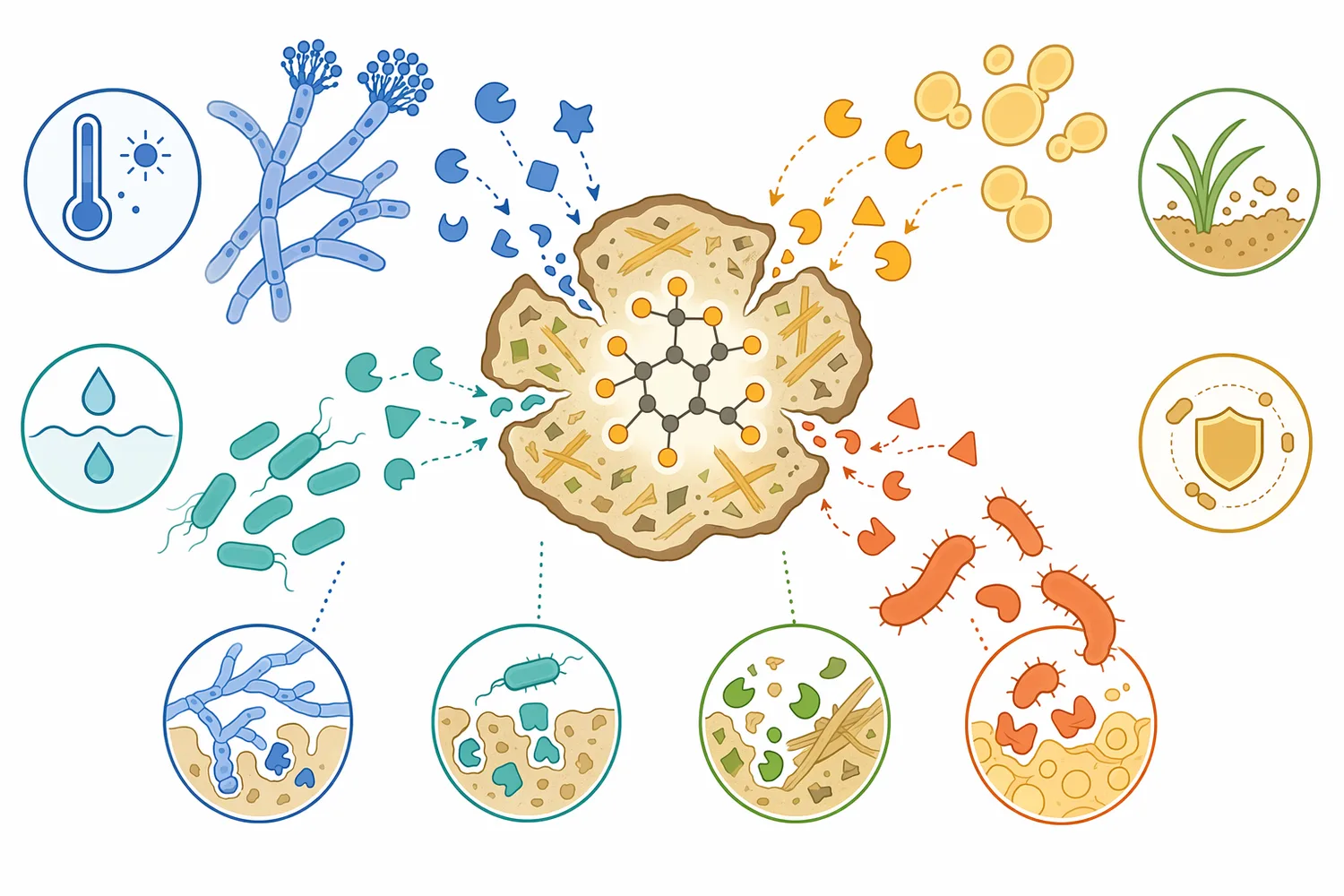
Likewise, phytase activity in the digestive tract depends on biological context. The enzyme must encounter accessible phytate while remaining sufficiently folded and active in the digesta. This is why research continues to explore phytases from diverse microbial sources, including thermophilic fungi, bacteria, and alkalophilic organisms [7].
Thermostable Phytase Enzyme Livestock CAS 9001-89-2 from Enzymes.bio is suited to businesses working with plant-based livestock, poultry, or aquaculture feed systems where phytate limits phosphorus availability. Its value lies in a specific enzyme-substrate reaction: hydrolyzing phytate so that phosphate is released and the anti-nutritional behavior of intact phytate is reduced .
The product is sold directly online by the 1 kg unit. After the buyer completes online payment, the order is processed and shipped; a Certificate of Analysis and Safety Data Sheet are included with the shipment. This purchasing model is intended to be straightforward for businesses that need documented enzyme supply without a custom quotation process .
From a technical standpoint, buyers should view the enzyme as part of their own feed-development, formulation, or production workflow. The scientific rationale is strongest where diets contain meaningful levels of phytate-rich plant ingredients and where preserving enzyme function through processing and digestion is important [1].
Thermostable phytase is one of the most established enzyme categories in animal nutrition because it addresses a widespread feed problem: plant-based ingredients contain phosphorus that is partly locked in phytate. By hydrolyzing phytate into lower inositol phosphates and inorganic phosphate, phytase improves access to plant phosphorus and reduces the anti-nutritional behavior of intact phytate [2].
Thermostability adds practical value in processed feed systems because enzymes must retain functional structure through heat and moisture exposure before acting in the digestive tract. Research on thermostable, engineered, fungal, bacterial, and alkalophilic phytases shows continued industry interest in enzymes that can tolerate demanding feed and digestion conditions [3].
For Enzymes.bio buyers, Thermostable Phytase Enzyme Livestock CAS 9001-89-2 should be understood as a documented, directly purchasable 1 kg enzyme product for feed-related applications involving phytate-containing plant ingredients. The core technical benefit is clear: enzymatic phytate breakdown that supports more efficient phosphorus utilization in suitable livestock, poultry, and aquaculture feed systems .
Sold by the 1 kg unit, in stock and ready to ship. Order directly on our store — pay online and we process your order. A Certificate of Analysis and Safety Data Sheet are included with every order.
Buy Thermostable Phytase Enzyme Livestock Cas 9001-89-2 →Numbered in order of first citation. Open-access sources, each verified reachable at publication; citation numbers in the text link here.