
Xylanase enzyme for animal nutrition helps monogastric animals make better use of plant-based feed by hydrolyzing xylan and arabinoxylan structures in cereal grains, oilseed meals, and fibrous co-products. By cutting these non-starch polysaccharides into smaller fragments, xylanase can reduce the physical “cell-wall barrier” around nutrients, lower fiber-related anti-nutritional effects, and support more efficient use of energy and nutrients in suitable feed matrices.
Enzymes.bio supplies Xylanase Enzyme Animal Nutrition directly online by the 1 kg unit. Buyers place and pay for the order online; the order is then processed and shipped, with a Certificate of Analysis and Safety Data Sheet included.
Xylanase is a carbohydrase enzyme that acts on xylan, a hemicellulose polymer found in plant cell walls. In feed ingredients, xylan rarely exists as a simple, isolated chain. It is commonly part of a larger non-starch polysaccharide network that may include arabinoxylans, cellulose, β-glucans, lignin-associated structures, and other plant cell-wall materials. Reviews of microbial xylanases describe their industrial importance precisely because they hydrolyze xylan-rich biomass that is otherwise resistant to simple digestion or processing [1].
For animal nutrition, the practical issue is that poultry and swine do not produce enough endogenous enzymes to break down many of these plant cell-wall polysaccharides efficiently. Starch, protein, fat, minerals, and other nutrients may be present in the diet, but some of them remain partly locked inside cell structures or affected by soluble fiber behavior in the gut. Research on fibrous feed ingredients in swine diets highlights the use of enzyme supplementation as a way to improve the nutritional value of ingredients whose fiber fraction limits nutrient availability [2].
Xylanase does not “add nutrition” in the way a protein meal, oil, vitamin, or mineral source does. Its value is catalytic: it changes the feed matrix. When xylanase cleaves the xylan backbone, long hemicellulose chains become shorter fragments. That physical and chemical change can make plant material less resistant to digestion, expose nutrients to the animal’s own digestive enzymes, and alter how fiber behaves during passage through the gastrointestinal tract.
The main target of feed xylanase is the xylan backbone, typically built from β-1,4-linked xylose units. In common feed cereals and by-products, that backbone may be substituted with arabinose and other side groups, forming arabinoxylans. These substitutions matter because they influence how tightly the polysaccharide interacts with other wall components and how accessible it is to enzymatic attack.
In a grain or fibrous co-product particle, arabinoxylan can function like reinforcing material in a composite structure. It contributes to cell-wall strength, holds water, and can interfere with the release of starch and protein from inside the plant cell. In poultry diets, interest in carbohydrase enzyme systems has been linked to improving the energy value of fibrous materials such as brewers’ dried grains, where the fiber fraction can otherwise limit metabolizable energy [3].
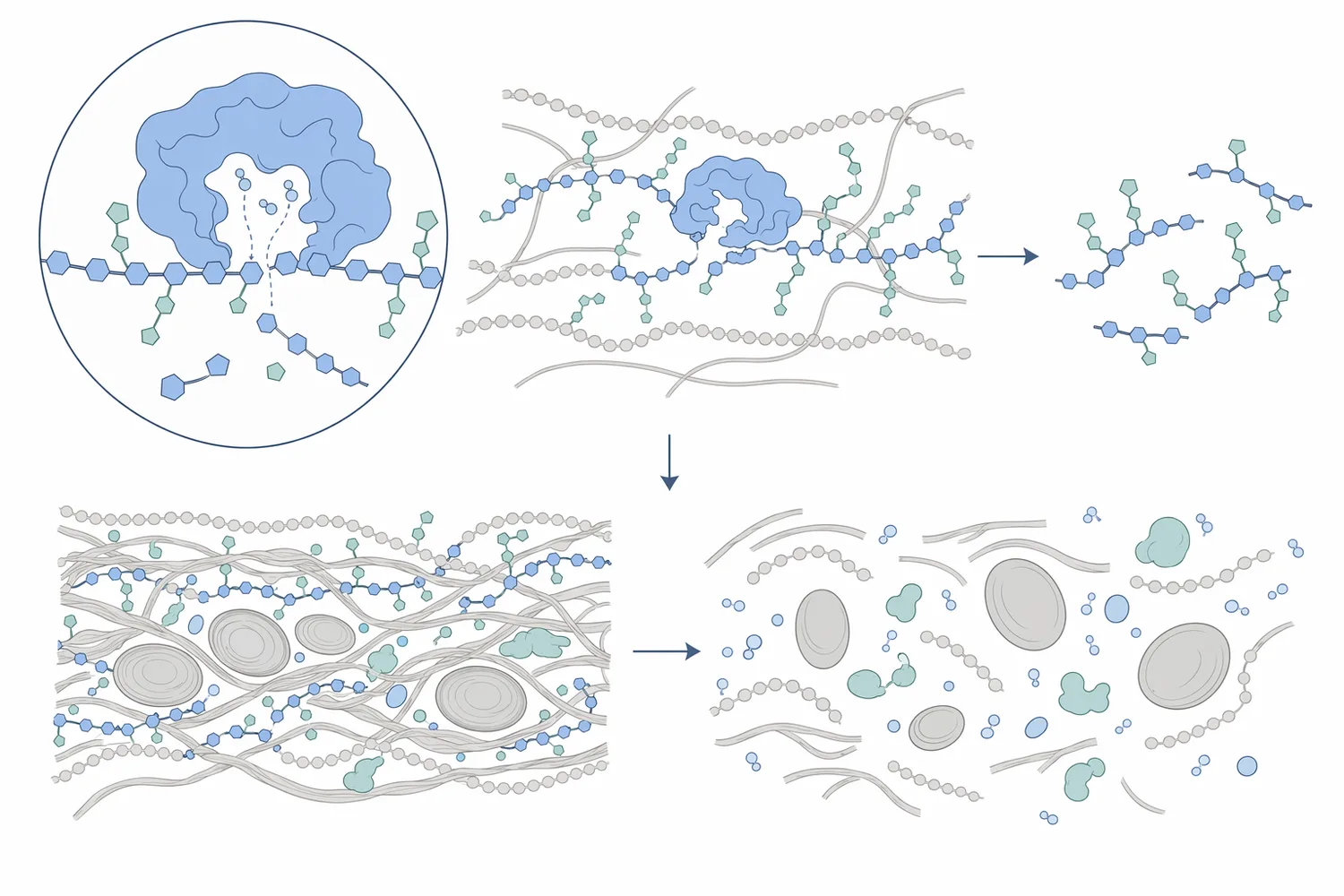
Xylanase attacks that barrier by cutting internal bonds along the xylan chain. Instead of one long polymer that helps maintain cell-wall integrity, the feed matrix contains shorter xylo-oligosaccharides and smaller fragments. The effect is not simply “fiber disappears.” Rather, the fiber architecture is loosened, water-binding behavior may change, and nutrients embedded in the matrix become more accessible during digestion.
This is why xylanase is especially relevant in feeds containing wheat, corn, cereal co-products, bran fractions, oilseed meals, and other plant-derived ingredients. The response is linked to the amount and structure of the xylan-rich fraction, not just to the name of the ingredient. Studies on carbohydrate-hydrolyzing enzyme cocktails for corn as a poultry feed additive show the broader principle: plant feed materials can be bioprocessed enzymatically to alter carbohydrate structures before or during use in nutrition systems [4].
In practical terms, xylanase works in three connected ways: it opens cell-wall structures, changes soluble fiber behavior, and creates smaller carbohydrate fragments. These mechanisms occur at the substrate level before any performance outcome is visible in the animal.
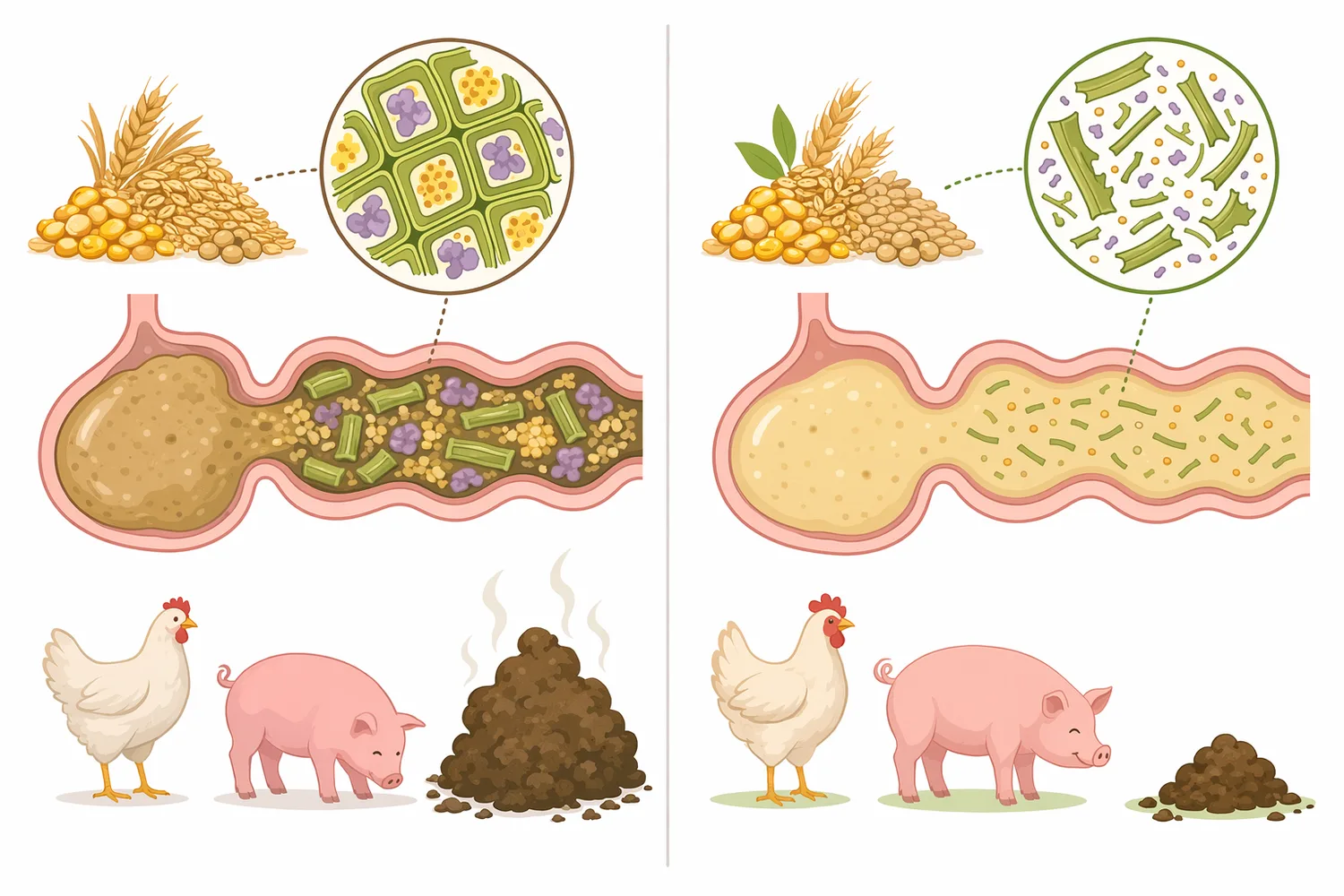
First, xylanase loosens the physical encapsulation effect of plant cell walls. Starch granules, storage proteins, lipids, and minerals can be partly enclosed within cell-wall material. When xylanase cuts the xylan backbone, the wall network becomes less intact. That improves the opportunity for amylases, proteases, lipases, bile salts, and microbial enzymes in the gut to reach nutrients that were previously shielded.
Second, xylanase can reduce the anti-nutritional behavior of soluble arabinoxylans. In some cereal-based diets, soluble non-starch polysaccharides increase digesta viscosity. More viscous intestinal contents mix less efficiently with digestive secretions, slow nutrient diffusion, and can change the microbial environment. By shortening xylan chains, xylanase can reduce the polymer size responsible for viscosity and improve the physical conditions for digestion.
Third, xylanase generates shorter xylo-oligosaccharides and related fragments. These are not just “broken fiber”; they may become fermentation substrates for parts of the gut microbiota. Research on fiber-degrading microbial systems in swine has connected fiber utilization, gut microbiota modulation, and immune-related outcomes, showing why the biological consequences of fiber breakdown extend beyond simple energy release [5].
The exact balance among these effects depends on the feed matrix. A wheat-heavy diet with a strong soluble arabinoxylan component may show a different response pattern from a corn-soy diet where insoluble cell-wall disruption is more important. A high-fiber co-product may respond differently again, because more nutrients are associated with resistant plant-wall structures.
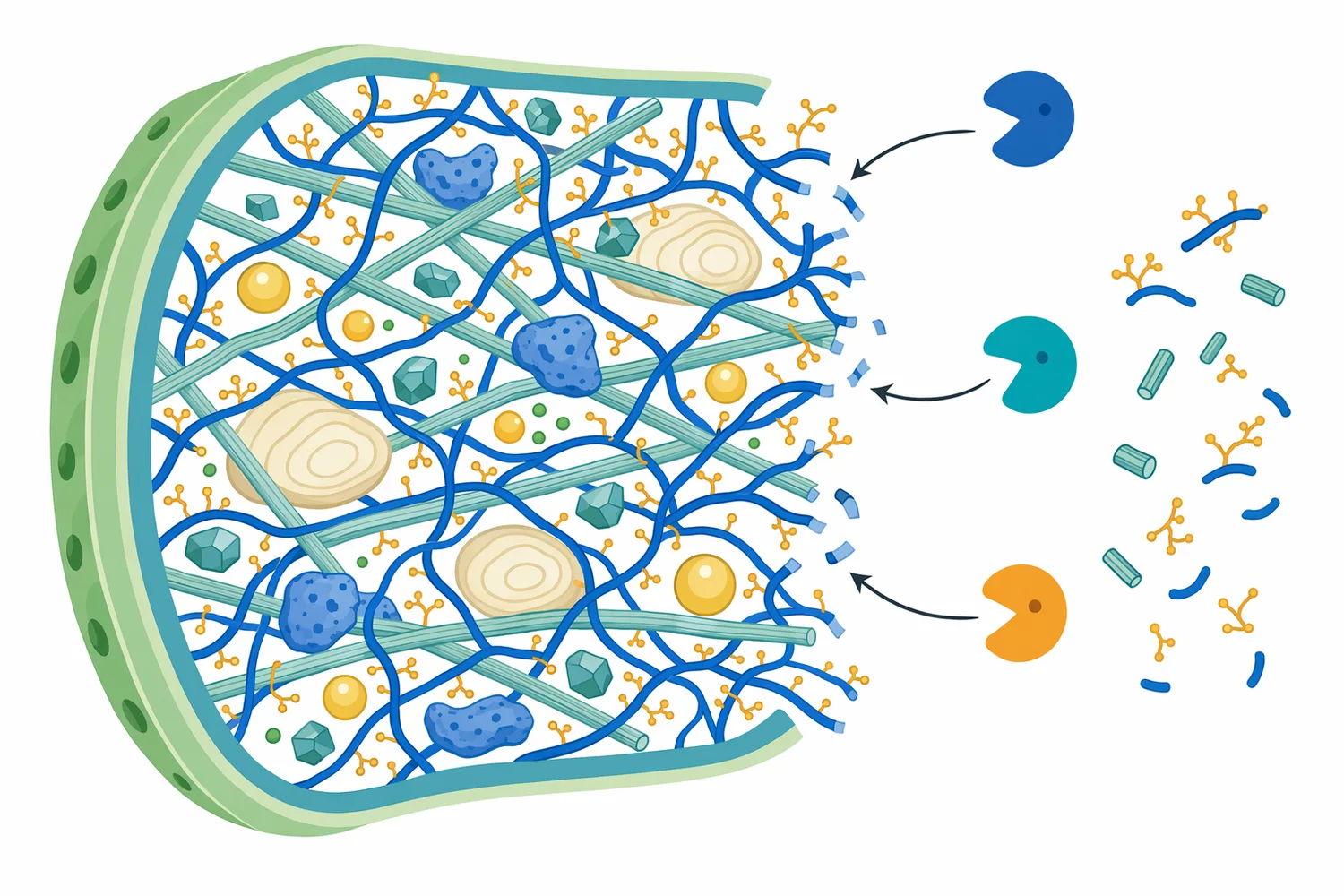
Xylanase is often used and discussed alongside other feed enzymes, but each enzyme acts on a different substrate. Understanding those differences helps explain why xylanase has a distinct role in plant-fiber management rather than functioning as a universal digestive aid.
| Enzyme category | Main substrate in feed | What physically changes | Typical nutritional relevance |
|---|---|---|---|
| Xylanase | Xylan and arabinoxylan in hemicellulose | Long xylan chains are cleaved into shorter fragments; plant cell-wall structure becomes more open | Helps reduce non-starch polysaccharide effects and improves access to nutrients in cereal- and co-product-based diets |
| Cellulase | Cellulose microfibrils in plant cell walls | Cellulose fibers are partially hydrolyzed, weakening rigid structural material | Supports degradation of fibrous biomass, especially where cellulose contributes to feed resistance |
| β-Glucanase | β-glucans in certain cereals and plant materials | Soluble β-glucan chains are shortened, affecting viscosity and fermentability | Useful where β-glucans contribute to viscosity or nutrient-use limitations |
| Phytase | Phytate-bound phosphorus and associated mineral complexes | Phytate is hydrolyzed, releasing phosphorus and reducing mineral binding | Primarily supports phosphorus availability and reduces phytate anti-nutritional effects |
| Protease | Feed proteins and proteinaceous anti-nutritional factors | Protein chains are hydrolyzed into smaller peptides | Supports protein digestibility and may reduce effects of poorly digestible protein fractions |
Enzyme cocktails are common in research because real feed ingredients contain multiple barriers at once. Work on simultaneous xylanase, cellulase, and amylolytic enzyme action for biomass saccharification illustrates the principle that different carbohydrate hydrolases can act on complementary parts of a complex plant matrix [6].
That said, combining enzymes is not automatically better in every context. Xylanase has a specific function: hydrolyzing xylan-rich hemicellulose. Its value is strongest where xylan and arabinoxylan are meaningful contributors to nutrient encapsulation, viscosity, or fiber-related losses.
Poultry feed is one of the most established areas for xylanase use because broilers and layers are commonly fed cereal- and soybean-based diets containing non-starch polysaccharides. A systematic review of enzyme application methods in broilers fed meal-based diets in Ethiopia reflects the continuing interest in how feed enzymes influence poultry performance under practical feeding conditions [7].
In broiler diets based on wheat, corn, and soybean meal, xylanase may be used to address the arabinoxylan fraction of the cereal component while other enzymes address different substrates. A study evaluating a wheat-corn-soybean meal broiler diet supplemented with phytase, with or without a xylanase–β-glucanase combination, reported a production benefit compared with a nutritionally adequate unsupplemented diet, showing how carbohydrases can fit into modern multi-enzyme feed strategies [8].
The mechanism in poultry is concrete. When soluble arabinoxylans increase intestinal viscosity, the bird’s digestive enzymes and bile components diffuse less efficiently through the gut contents. When insoluble arabinoxylans remain intact in cell walls, nutrient access is limited. Xylanase shortens the xylan backbone, which can reduce viscosity-related interference and weaken cell-wall encapsulation so starch and protein digestion can proceed more effectively.
Cereal co-products are another important poultry application area. Brewers’ dried grains, for example, contain residual fiber that can depress available energy when included in poultry diets. Research on enzyme cocktails for brewers’ dried grains was specifically directed at improving metabolizable energy value in poultry nutrition, demonstrating the relevance of enzyme treatment for fibrous by-products [3].
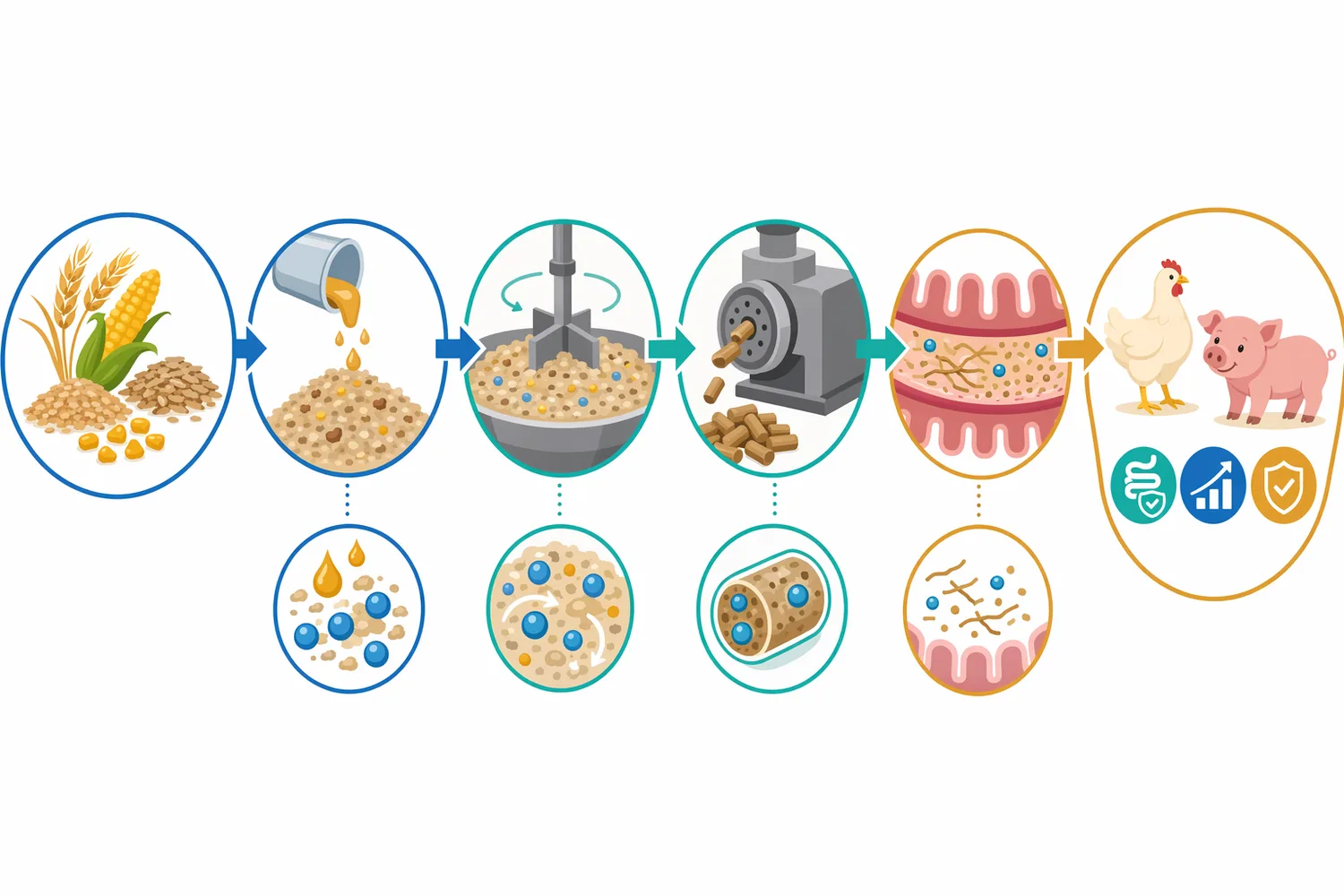
Swine diets also contain cereal grains, soybean meal, milling fractions, and other plant-derived ingredients with variable fiber composition. The relevance of xylanase is especially clear when fibrous ingredients are used, because pigs have limited capacity to enzymatically hydrolyze many non-starch polysaccharides before microbial fermentation becomes involved.
Research on enzyme supplementation in swine diets fed in dry or liquid form has focused on improving the nutritional value of fibrous feed ingredients. This is important because feed form, hydration, and ingredient structure can influence how enzymes contact substrate and how fiber behaves during digestion [2].
In young pigs, the value of fiber hydrolysis may be linked not only to nutrient release but also to gut conditions. Shorter carbohydrate fragments produced from xylan may affect microbial fermentation patterns, while reduced encapsulation can improve access to energy and amino acid sources. The overall result is not a single guaranteed response; it is a shift in how the feed matrix interacts with the developing digestive system.
Fiber-degrading biological systems are also being studied in relation to gut microbiota and immunity in swine. Work on a fiber-degrading Bacillus amyloliquefaciens probiotic isolated from native Thai swine highlights the broader nutritional interest in microbial fiber degradation, gut microbiota modulation, and immune-related responses [5]. Xylanase is not the same as a probiotic, but both areas point to the same underlying concept: plant fiber is biologically active, not nutritionally inert.
Although xylanase in animal nutrition is often associated with poultry and swine, research also examines xylanase in fermented plant materials and silage systems. Corn stover, straw, and other crop residues contain hemicellulose and cellulose structures that limit digestibility but represent large sources of plant biomass.
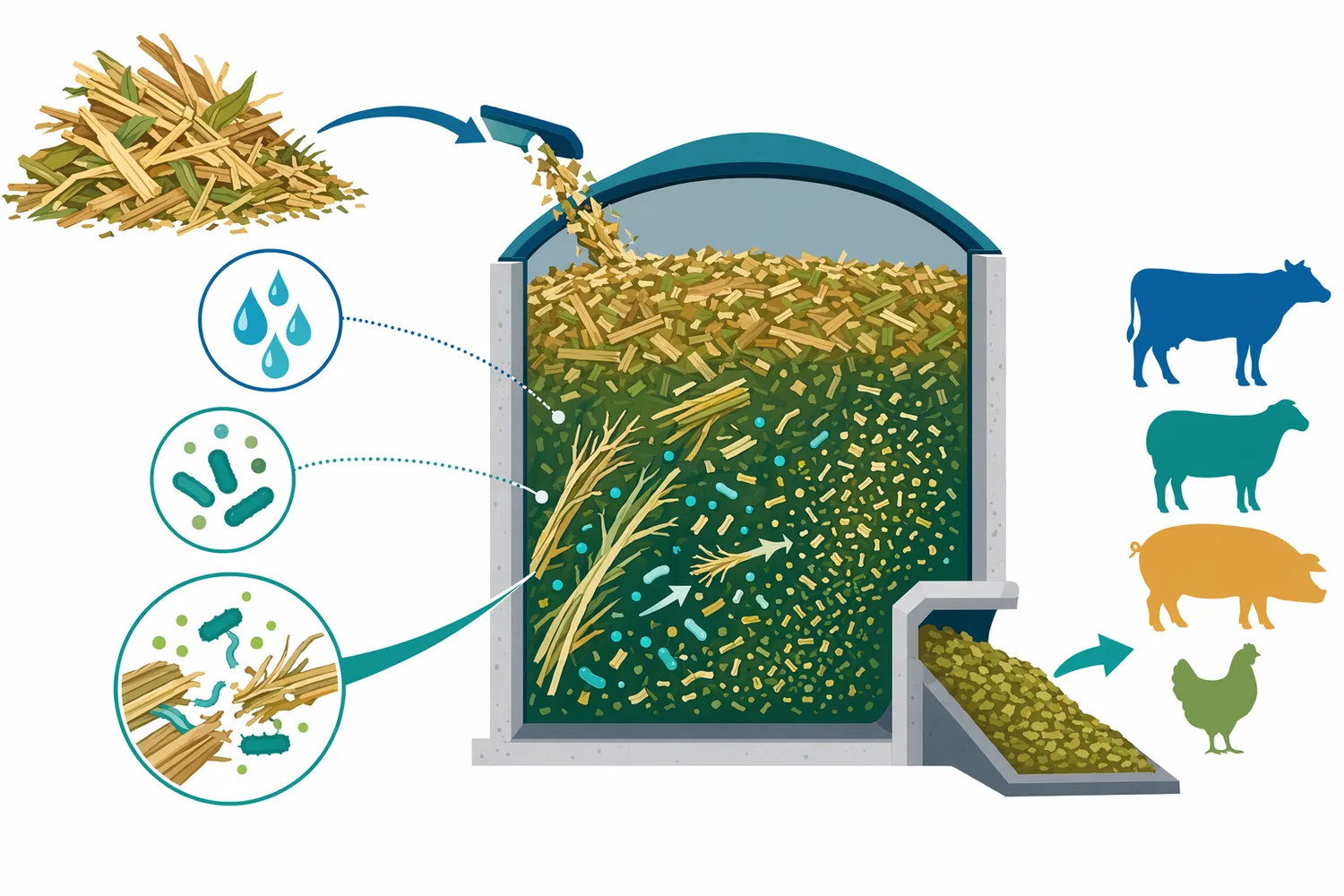
A 2025 study on corn stover silage evaluated Lactobacillus plantarum, cellulase, and xylanase for effects on nutritional quality and microbial community structure. The relevance is clear: xylanase can help modify the hemicellulose fraction of rough plant material, while fermentation organisms shape acidity, preservation, and microbial ecology [9].
In silage or fermented biomass, xylanase may contribute before the feed reaches the animal. By partially hydrolyzing hemicellulose, it can increase the availability of fermentable carbohydrates, alter fiber structure, and support a different fermentation profile when used with appropriate microbial inoculation. The mechanism remains substrate hydrolysis, but the timing shifts from the digestive tract to the feed-processing or preservation phase.
Research on Bacillus safensis xylanase production using sorghum straw substrate also shows why agricultural residues are frequently used in xylanase studies. Sorghum straw and similar materials are rich in lignocellulosic structures, making them relevant both as enzyme-production substrates and as examples of biomass that can be valorized through xylanase activity [10].
One reason xylanase is important commercially is that feed formulation increasingly relies on diverse plant ingredients, including by-products and co-products. These materials may be nutritionally attractive but physically difficult for animals to use efficiently because their nutrients are bound within fiber-rich structures.
Xylanase supports ingredient flexibility by targeting one of the key structural barriers in plant-based feed. It does not make all high-fiber ingredients equivalent to low-fiber grains, and it does not remove the need for balanced formulation. What it can do is reduce part of the nutritional penalty associated with xylan-rich hemicellulose, particularly when cereal fractions, bran, straw-derived materials, or oilseed co-products are present.
Research on in vitro bioprocessing of corn as a poultry feed additive using a carbohydrate-hydrolyzing metagenome-derived enzyme cocktail shows how enzymatic treatment can change plant carbohydrate fractions before feeding. Although that work used an enzyme cocktail rather than xylanase alone, it supports the broader principle that targeted carbohydrate hydrolysis can improve the functional value of plant feed materials [11].
This is especially relevant where feed businesses want to use locally available grains and co-products. The practical value of xylanase lies in making the fiber fraction less obstructive, helping animals access more of the nutrients already present in the ingredient.
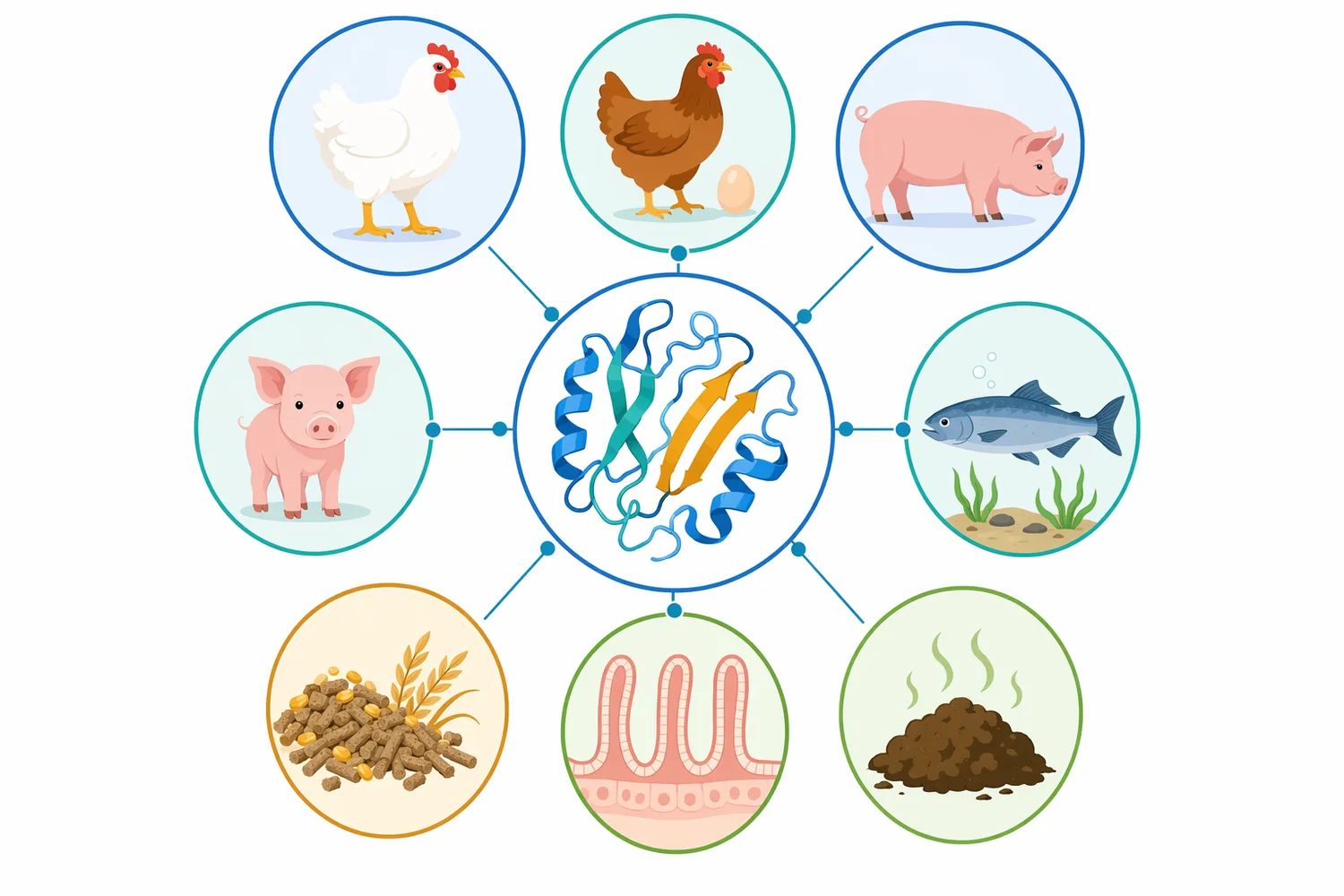
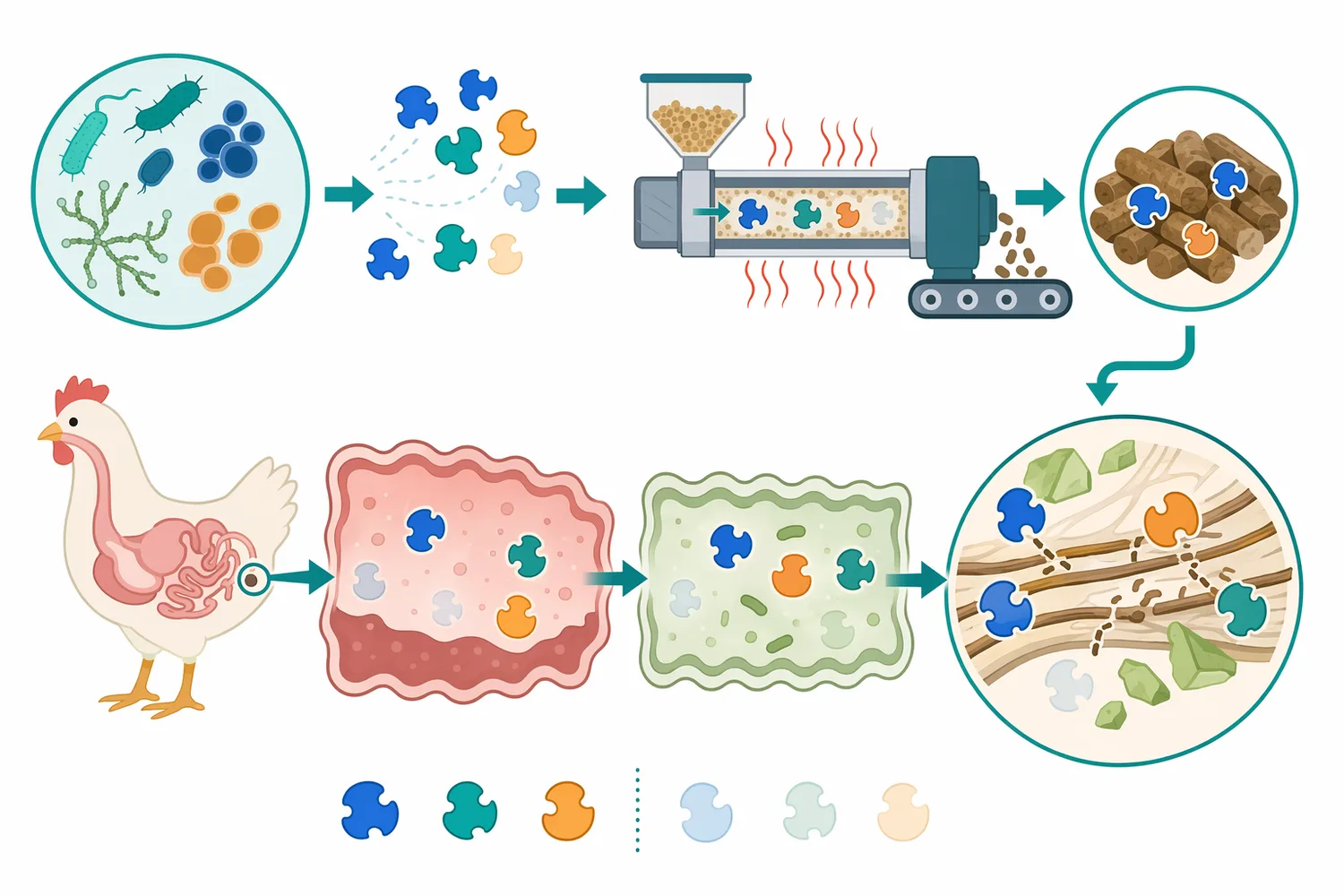
Xylanases are produced by many microbial sources, and they are not all identical. Their structure influences the substrate they attack most effectively, how they tolerate feed-processing conditions, and how they behave across digestive environments. Reviews of industrially important microbial xylanases emphasize that microbial source and enzyme characteristics are central to application performance [1].
Thermostability is a frequent research topic because feed ingredients and enzyme preparations may encounter heat during processing. Work on a thermostable xylanase from Geobacillus stearothermophilus strain NASA267 examined structural features and agro-waste valorization, illustrating why heat-tolerant xylanases attract interest for industrial and feed-related applications [12].
The same applies to pH behavior. The digestive tract is not uniform: feed moves through acidic, near-neutral, and more alkaline microenvironments depending on species and gut section. A xylanase that remains functionally active long enough to contact its substrate under relevant conditions is more likely to contribute to cell-wall hydrolysis.
These points should be understood conceptually rather than as a reason to treat xylanase as a single, interchangeable ingredient class. The enzyme’s biological origin, protein structure, and formulation environment can all influence how much substrate hydrolysis occurs before the feed passes beyond the main digestion sites.
Feed matrices contain multiple anti-nutritional factors, so xylanase is often considered alongside phytase, β-glucanase, cellulase, protease, and organic-acid programs. Each tool acts differently. Phytase targets phytate; xylanase targets xylan; β-glucanase targets β-glucans; protease targets proteins; organic acids influence acidity and microbial conditions rather than directly hydrolyzing cell-wall polysaccharides.
This distinction matters because performance responses can be additive, overlapping, or limited by whichever barrier remains. For example, xylanase may open plant cell walls, but phosphorus bound in phytate still requires phytate hydrolysis for improved release. Poultry research evaluating phytase with or without xylanase–β-glucanase in a wheat-corn-soybean diet reflects this layered approach to nutrient accessibility [8].
Organic acids are sometimes discussed in the same animal-nutrition context because they may influence gut environment, microbial populations, and nutrient digestion. Reviews on organic acids in swine and broiler nutrition describe effects on production parameters, digestibility, and meat quality traits, but their mode of action is different from enzymatic xylan hydrolysis [13].
The practical takeaway is that xylanase is most meaningful when the feed challenge includes xylan-rich fiber. It can be part of a broader nutrition strategy, but its role remains specific: modifying hemicellulose so the feed matrix becomes less restrictive.
The main expected benefit of xylanase is improved nutrient accessibility from plant-based ingredients. By disrupting xylan-containing cell walls, xylanase can help expose starch, protein, and other nutrients to digestion. This can support feed efficiency goals when the diet contains relevant non-starch polysaccharide substrates.
A second benefit is reduced anti-nutritional pressure from soluble and insoluble arabinoxylans. In soluble form, arabinoxylans can affect viscosity and nutrient diffusion; in insoluble form, they can maintain physical encapsulation. Xylanase shortens these structures, which changes how they behave in the gut.
A third benefit is better use of fibrous by-products. Research on enzyme cocktails for brewers’ dried grains in poultry nutrition and enzyme supplementation of fibrous swine ingredients both reflects the same commercial challenge: useful feed materials can be limited by their fiber architecture, and enzymes are one way to improve their nutritional value [3].
The limits are equally important. Xylanase is not a substitute for balanced nutrition, good feed manufacturing, ingredient quality control, or species-appropriate formulation. It cannot correct major deficiencies in amino acids, energy, minerals, or vitamins. It also cannot make a low-quality or contaminated ingredient suitable simply by hydrolyzing fiber.
Responses may vary because feed ingredients differ in xylan content, arabinoxylan structure, particle size, processing history, moisture, and interaction with other dietary components. Research on enzyme application in broiler diets and fibrous swine diets consistently points to context as a major factor in the outcome [7].
Xylanase is an established enzyme category in feed and biomass applications, with microbial xylanases widely described across industrial uses. As with all enzyme products, it should be handled responsibly in accordance with the documentation supplied with the order [1].
Enzymes.bio supplies Xylanase Enzyme Animal Nutrition as a product available for direct online purchase by the 1 kg unit. The buying process is straightforward: add the product to the cart, pay online, and the order is processed and shipped. A Certificate of Analysis and Safety Data Sheet are included with the order.
Enzymes.bio is a supplier, not a manufacturer or testing laboratory. The product information is intended to help buyers understand how xylanase functions in animal-nutrition applications without replacing the buyer’s own formulation controls, regulatory obligations, or feed-use procedures.
Xylanase enzyme for animal nutrition addresses a specific and important feed challenge: plant cell-wall hemicellulose that animals cannot efficiently digest on their own. By hydrolyzing xylan and arabinoxylan structures, it loosens the feed matrix, reduces fiber-related anti-nutritional effects, and can improve access to nutrients already present in cereals, oilseed meals, and fibrous co-products.
The strongest practical relevance is in poultry and swine diets, where cereal-based and plant-protein-based formulations commonly contain non-starch polysaccharides. Research on broiler diets, fibrous swine ingredients, brewers’ dried grains, corn bioprocessing, and silage systems all supports the broader role of xylanase and related carbohydrases in improving the functional value of plant feed materials [2].
For buyers looking for a direct supply option, Enzymes.bio offers Xylanase Enzyme Animal Nutrition online in 1 kg units, with online payment, order processing, shipping, and accompanying documentation included.
Sold by the 1 kg unit, in stock and ready to ship. Order directly on our store — pay online and we process your order. A Certificate of Analysis and Safety Data Sheet are included with every order.
Buy Xylanase Enzyme Animal Nutrition →Numbered in order of first citation. Open-access sources, each verified reachable at publication; citation numbers in the text link here.