
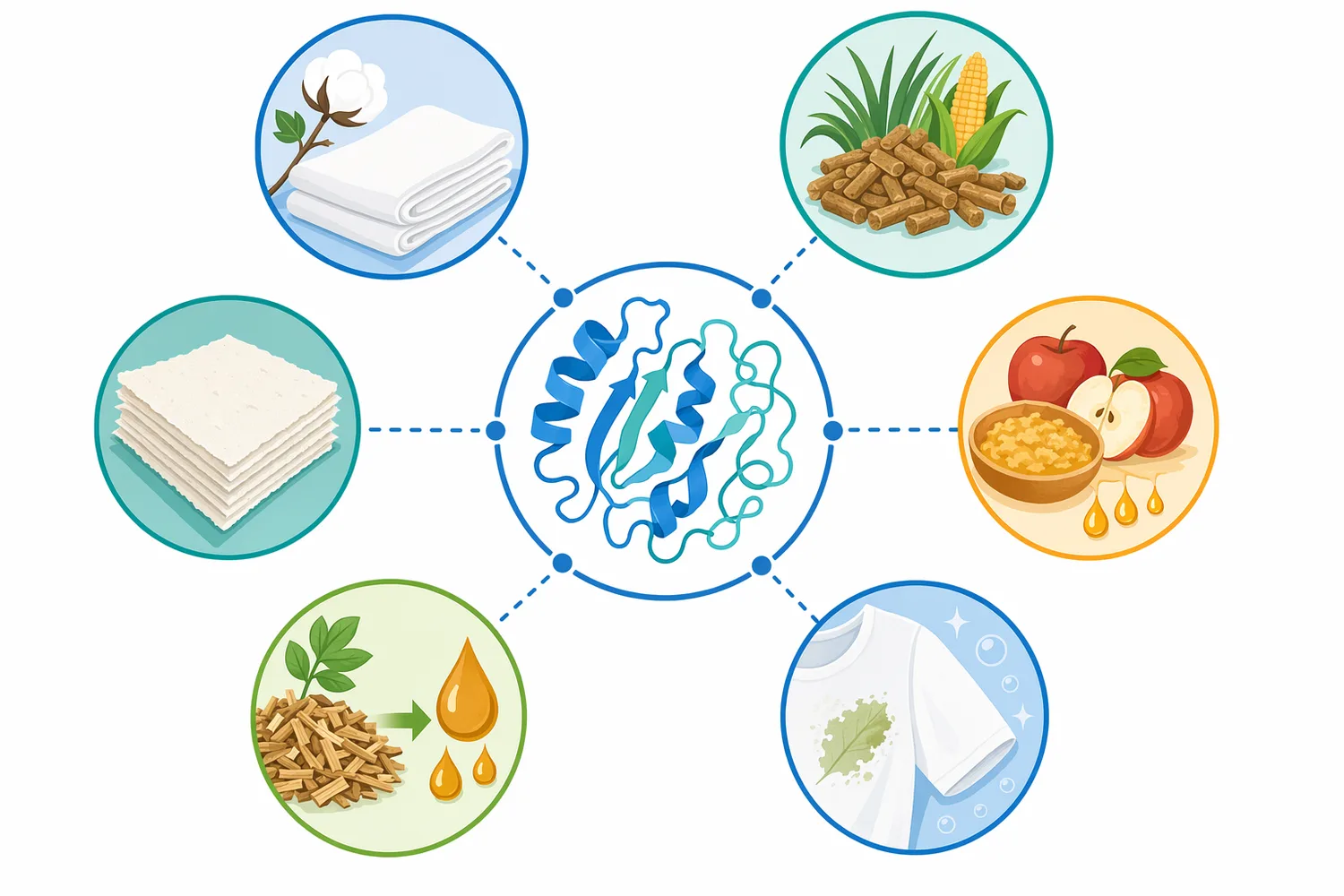
Acid cellulase is used to hydrolyze cellulose-rich fiber under acidic processing conditions, helping convert rigid plant cell-wall material into shorter soluble fragments and, when the enzyme system is sufficiently complete, fermentable sugars such as glucose. It is most valuable where cellulose limits extraction, softening, fermentation, digestibility, or fiber modification—especially in plant biomass, fruit and vegetable processing, dietary fiber ingredients, feed materials, textiles, pulp, and paper applications. Enzymes.bio supplies Acid Cellulase Enzyme for Hydrolyzing Fiber directly online by the 1 kg unit; payment is completed online, the order is processed and shipped, and a Certificate of Analysis and Safety Data Sheet are included with the order.
Acid cellulase is a cellulase enzyme preparation intended for processes where the material is already mildly acidic or where acidic treatment is compatible with the substrate. Its target is cellulose: the structural polysaccharide that gives plant fibers much of their strength, stiffness, and resistance to breakdown. Cellulose is made from glucose units connected mainly by beta-1,4 glycosidic bonds, arranged into long chains that pack together into microfibrils; cellulase hydrolyzes those bonds at accessible sites, reducing chain length and weakening the fiber network rather than simply “melting” fiber on contact. Reviews of cellulolytic enzymes describe this hydrolysis as central to converting cellulose-containing biomass into soluble sugars and biobased products [1].
The “acid” part matters because many fiber-containing materials—fruit mash, berry skins, some plant extracts, acid-pretreated bagasse, and certain textile finishing baths—are processed on the acidic side. Using an acid cellulase avoids forcing the process into a neutral or alkaline condition that may damage flavor, color, texture, downstream fermentation, or existing process chemistry. In acid-pretreated sugarcane bagasse, for example, cellulase-based saccharification is studied after pretreatment has already shifted the biomass structure and chemistry, illustrating why acid-compatible hydrolysis is relevant to lignocellulosic processing [2].
Cellulase should be understood as a controlled fiber-modifying tool, not a universal solvent. It works first where cellulose is hydrated and exposed: amorphous regions, damaged fibrils, cut surfaces, swollen fibers, pretreated biomass pores, or surfaces created by milling and mechanical disruption. In intact lignocellulose, cellulose is shielded by hemicellulose, lignin, pectin, proteins, waxes, and phenolic compounds; that physical shielding is why hydrolysis performance varies strongly between fruit pulp, cotton, straw, corn stover, pomelo peel, bamboo pulp, and other raw materials. Work on pomelo peel pectin extraction, for instance, combined pulsed electric field treatment with cellulase hydrolysis because physical disruption and enzymatic weakening of the plant matrix act together rather than independently [3].
When acid cellulase contacts hydrated cellulose, the first visible process effect is often fiber loosening or softening. At the molecular level, endo-type cellulase components cut within accessible cellulose chains, creating new chain ends and reducing the average chain length in the treated region. This weakens the microfibril network: surface hairs detach more readily, cell walls become more permeable, and tightly packed plant tissue becomes easier to press, extract, ferment, or refine. Studies of cellulase-treated pulp report changes consistent with this mechanism, including reduced polymer chain length and improved fiber flexibility after controlled treatment [4].
Hydrolysis can then continue from the new chain ends. Exo-acting cellulase components remove small soluble units from exposed cellulose chains, and beta-glucosidase-type components can convert cellobiose into glucose. This division of labor is important because cellulose hydrolysis is not a single cut; it is a cascade in which one enzyme activity creates better access for another. Research on synergistic cellulose hydrolysis shows that coordinated catalytic action gives stronger cellulose breakdown than isolated action, which matches the practical observation that cellulase systems work best when the fiber surface, chain ends, and soluble intermediates are all addressed [5].
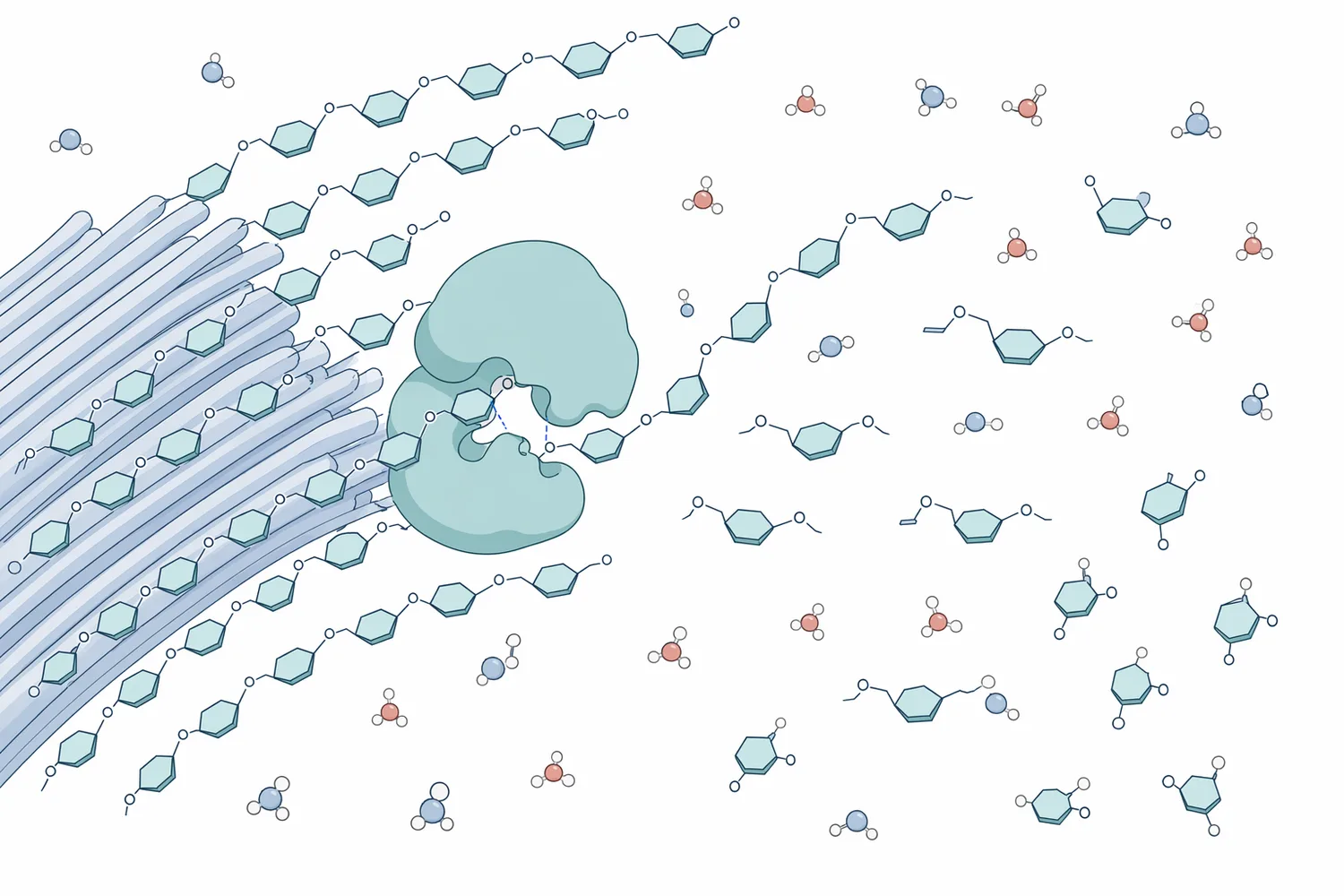
In real plant material, the most important outcome may not be complete conversion to glucose. A food processor may want more soluble dietary fiber and better water binding, not full saccharification. A textile finisher may want reduced cotton fuzz and a softer hand feel, not fabric strength loss. A pulp processor may want improved drainage or fiber flexibility, not excessive chain degradation. This is why cellulase is widely used as a fiber-structuring enzyme: it changes accessibility, surface morphology, and polymer length in a measured way. Research on dietary fiber modification has shown that cellulase treatment can change hydration behavior, adsorption properties, and structural characteristics of plant-derived fiber ingredients [3].
Cellulases are often grouped by the pH environment in which they are most useful. The distinction is practical rather than cosmetic: pH influences enzyme shape, substrate swelling, charge interactions, compatibility with other additives, and the stability of color, flavor, fiber strength, or downstream microbes. The table below gives a conceptual comparison for buyers considering acid cellulase specifically.
| Cellulase type | Common process environment | Typical processing logic | Where it is often useful | Main caution |
|---|---|---|---|---|
| Acid cellulase | Mildly acidic aqueous systems | Works where fruit, plant extracts, acid-pretreated biomass, or denim finishing conditions are already acidic | Fiber hydrolysis in plant biomass, fruit mash support, acidic extraction, denim effects, selected feed or ingredient processes | Over-treatment can reduce fiber integrity or change texture, color, viscosity, or fabric strength |
| Neutral cellulase | Near-neutral systems | Modifies cellulose while often being gentler for substrates sensitive to acid or alkali | Cotton biopolishing, certain food or feed processes, selected pulp treatments | May be less aligned with naturally acidic fruit or acid-pretreated biomass systems |
| Alkaline cellulase | Alkaline washing, detergent, or paper/textile systems | Maintains cellulase function where alkaline chemistry is already part of the process | Detergent, textile, and some pulp-related applications | Not usually the first fit for acid fruit, beverage, or acid-saccharification workflows |
This comparison does not mean one cellulase category is inherently “better.” It means the enzyme should match the chemistry of the process. Thermostable and process-tolerant cellulases are a major research area because industrial fiber hydrolysis often requires enzymes to remain folded and functional under heat, pH stress, soluble inhibitors, and long contact times [1].
Cellulose is difficult to break down because of how it is packed. Individual glucose chains form hydrogen-bonded structures that gather into microfibrils, with crystalline regions that resist penetration and less-ordered amorphous regions that are more accessible. Acid cellulase attacks the accessible parts first; if the substrate has been milled, swollen, heated, acid-pretreated, or otherwise disrupted, more chain segments become reachable. That is why pretreated biomass is consistently easier to saccharify than untreated straw, stalk, hull, peel, or wood-like residue. Studies on acid-pretreated sugarcane bagasse use cellulase saccharification after pretreatment precisely because pretreatment increases enzyme access to the carbohydrate fraction [2].
Lignin is another barrier. It can physically block cellulose and can also bind enzymes unproductively, reducing the amount of cellulase available to hydrolyze the intended carbohydrate target. Hemicellulose creates a further coating around cellulose microfibrils, while pectin-rich tissues such as fruit skins and peels may need pectin breakdown before cellulase can contribute fully. This is why cellulase is frequently used with accessory enzymes in plant processing rather than alone. Work on corn straw conversion to gluconic acid used a multi-enzyme cascade, demonstrating the industrial logic of combining enzyme functions when moving from complex crop residue to a defined product [6].
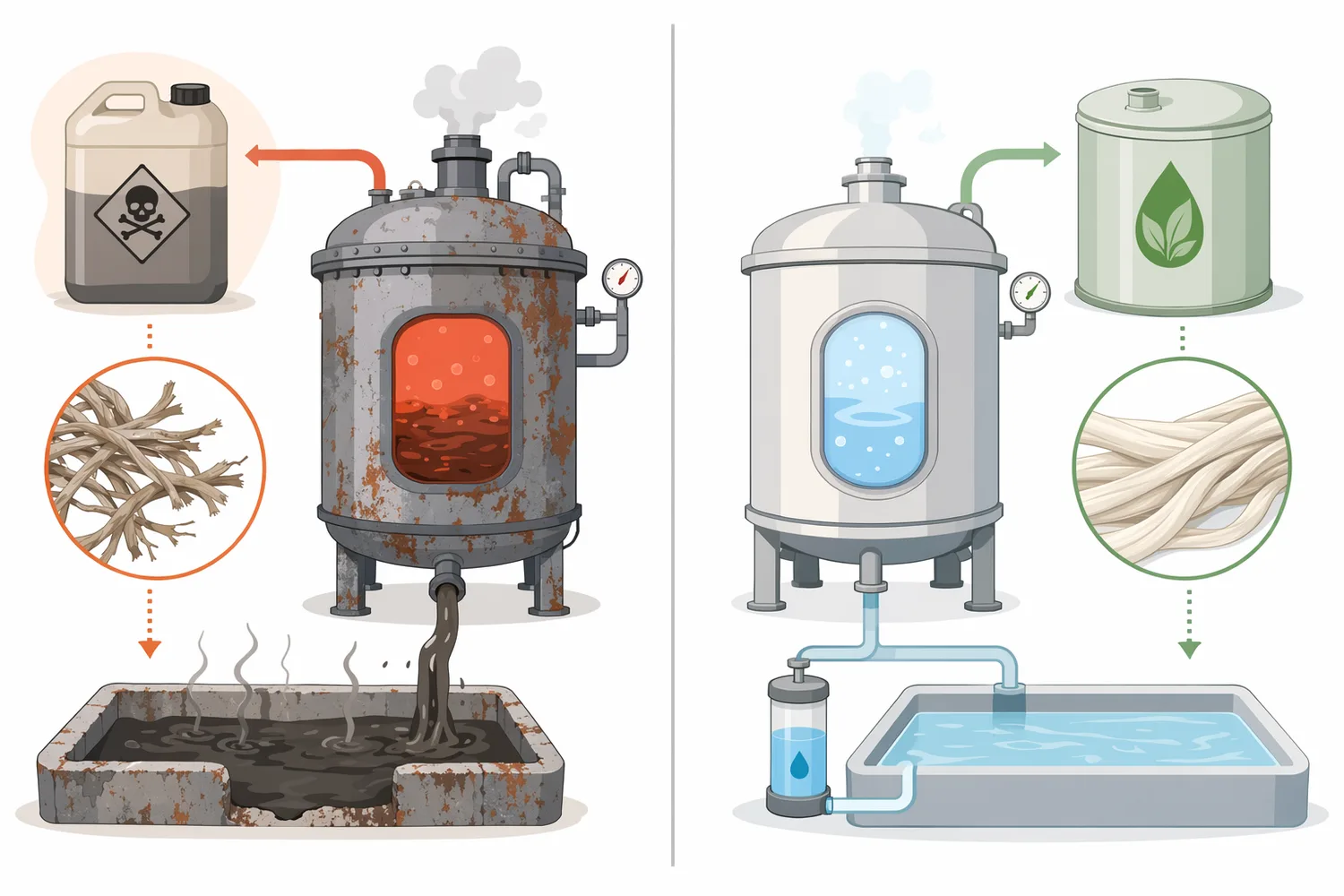
Moisture also matters because hydrolysis is a water-dependent reaction. The glycosidic bond is cleaved by adding water across the bond, so dry fiber, poorly wetted powder, compact pellets, or hydrophobic plant matrices will limit reaction even if the enzyme itself is present. Good contact between enzyme solution and exposed cellulose is therefore central to practical performance. Research on cellulase production and biomass hydrolysis repeatedly treats substrate form, cultivation or processing parameters, and accessibility as major determinants of the resulting hydrolysis behavior [7].
For biomass conversion, acid cellulase helps turn cellulose in agricultural and forestry residues into soluble sugars. Those sugars can then support fermentation or further catalytic conversion into biobased chemicals. The core mechanism is straightforward: pretreatment opens the lignocellulosic structure, cellulase shortens cellulose chains and releases soluble oligomers, and beta-glucosidase-type action can reduce cellobiose accumulation by forming glucose. Agro-industrial waste conversion continues to be an active area of enzyme-driven research because residues such as straw, bagasse, peels, stalks, and cobs contain valuable carbohydrates that are otherwise underused [8].
Corn straw illustrates this opportunity. In one-pot cascade work, enzymes were co-immobilized on reversibly soluble polymers for conversion of corn straw-derived material toward gluconic acid, showing how cellulase-related carbohydrate release can be integrated with downstream oxidation chemistry rather than treated as a stand-alone step [6]. For processors, the practical message is that acid cellulase can be part of a longer value chain: fiber opening, sugar release, fermentation, organic acid production, or other biobased transformations.
Sugarcane bagasse is another strong example. It is abundant, fibrous, and resistant because cellulose is embedded in lignin and hemicellulose. Research using acid-pretreated bagasse and cellulase saccharification demonstrates that hydrolysis is most effective when the biomass has already been made more accessible, and that enzyme performance depends on the interaction between pretreatment severity, solid-state processing, and the final saccharification step [2]. Acid cellulase is relevant here because acidic pretreatment and acidic hydrolysis environments are common in biomass workflows.
In fruit and vegetable processing, cellulase helps weaken cellulose-containing cell walls so that juice, pigments, aroma compounds, phenolics, sugars, and intracellular solids can be released more efficiently. Fruit tissue is not made of cellulose alone; pectin often controls gel structure and viscosity, while hemicellulose crosslinks wall components. For that reason, acid cellulase is commonly most effective as part of a broader cell-wall-degrading approach where cellulase opens cellulose support structures while pectin-focused activity reduces the gel-like middle lamella and wall matrix. The pomelo peel work combining pulsed electric field and cellulase hydrolysis is a good example of using cellulase to improve extraction of a valuable plant-wall component, in that case pectin with altered physicochemical and functional properties [3].
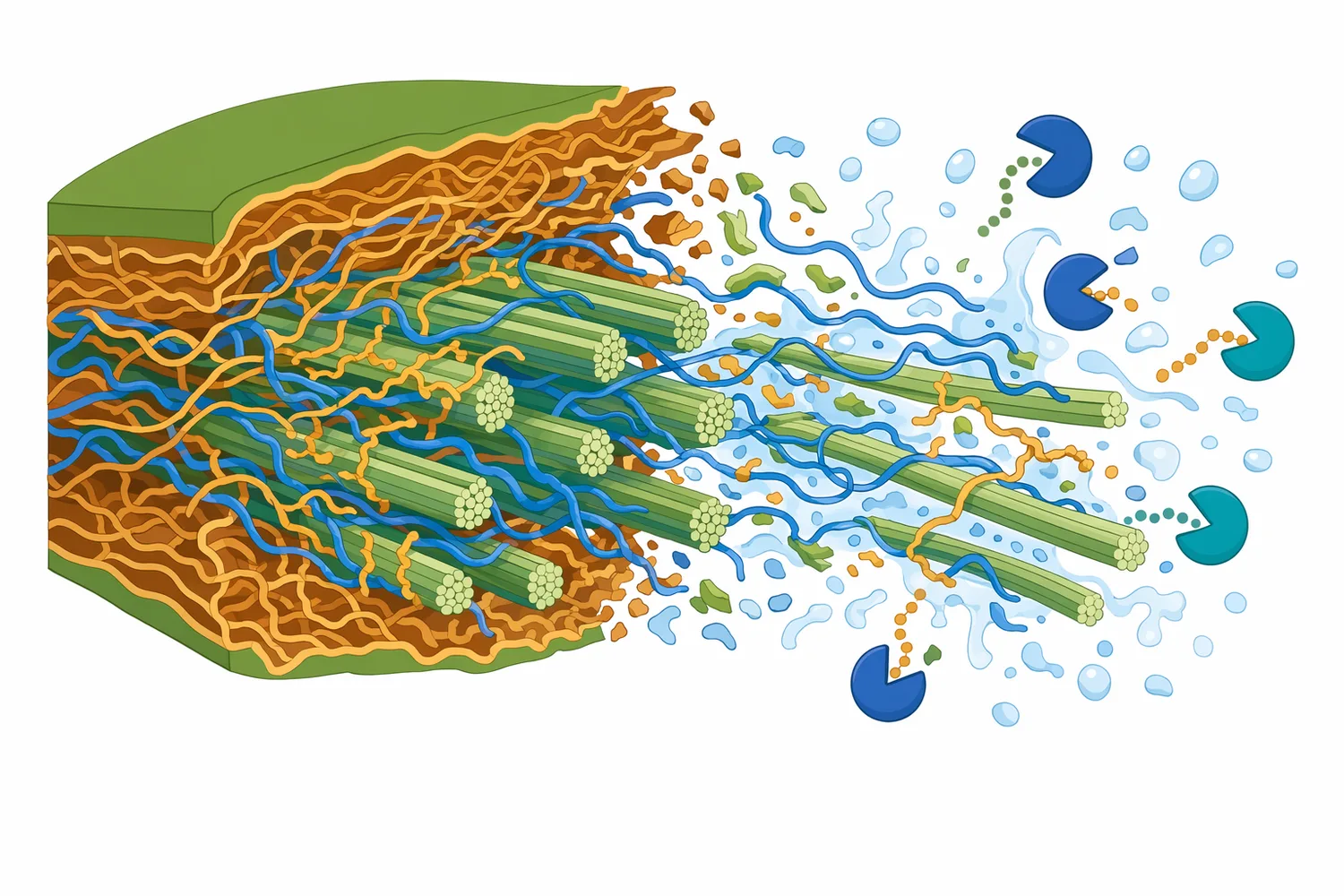
Seed and plant oil extraction can also benefit from cell-wall weakening. In Paeonia suffruticosa seed oil research, enzyme-assisted solvent extraction was studied for high-yield oil recovery, fatty acid composition, and biological activity of the recovered oil fraction [9]. The processing logic is that cellulase and compatible wall-degrading enzymes can reduce the physical barrier around oil-bearing cells, allowing solvent or aqueous extraction systems to contact lipids more effectively. Acid cellulase does not create oil; it improves access to compartments that already contain oil.
For botanical extracts, the same principle applies to color compounds, polyphenols, flavor precursors, and soluble carbohydrates. Cellulase can reduce tissue rigidity and increase permeability, allowing the extraction medium to diffuse into plant particles and carry soluble compounds out. The most useful results are usually seen when particle size, hydration, time, and pH allow the enzyme to contact the cell wall rather than remaining outside intact tissue fragments.
Cellulase can convert part of an insoluble fiber structure into shorter, more accessible carbohydrate fragments, changing how the ingredient behaves in water and food systems. This is not simply a matter of lowering total fiber. By partially hydrolyzing cellulose-rich structures, cellulase can increase surface area, expose hydrophilic groups, loosen trapped matrix components, and change the balance between insoluble and soluble fractions. In practical formulation terms, these changes may affect water-holding, swelling, viscosity, suspension, mouthfeel, and the way the ingredient interacts with glucose, bile acids, minerals, or oil.
Pomelo peel pectin extraction shows how cellulase-assisted processing can alter the structure and functional properties of recovered plant polysaccharides, especially when combined with physical technologies that improve mass transfer [3]. In high-fiber by-products, a similar mechanism can make a coarse, rigid residue more useful as a functional ingredient. The enzyme weakens the cellulose framework, allowing soluble polysaccharides or pectin-associated fractions to separate more readily from insoluble tissue.
The trade-off is that fiber functionality can move in more than one direction. A treatment that improves hydration may also change color, particle integrity, emulsion behavior, or texture. This is why acid cellulase should be viewed as a controlled modification tool: it can increase accessibility and soften structure, but the final ingredient properties depend on the starting material and the extent of hydrolysis.
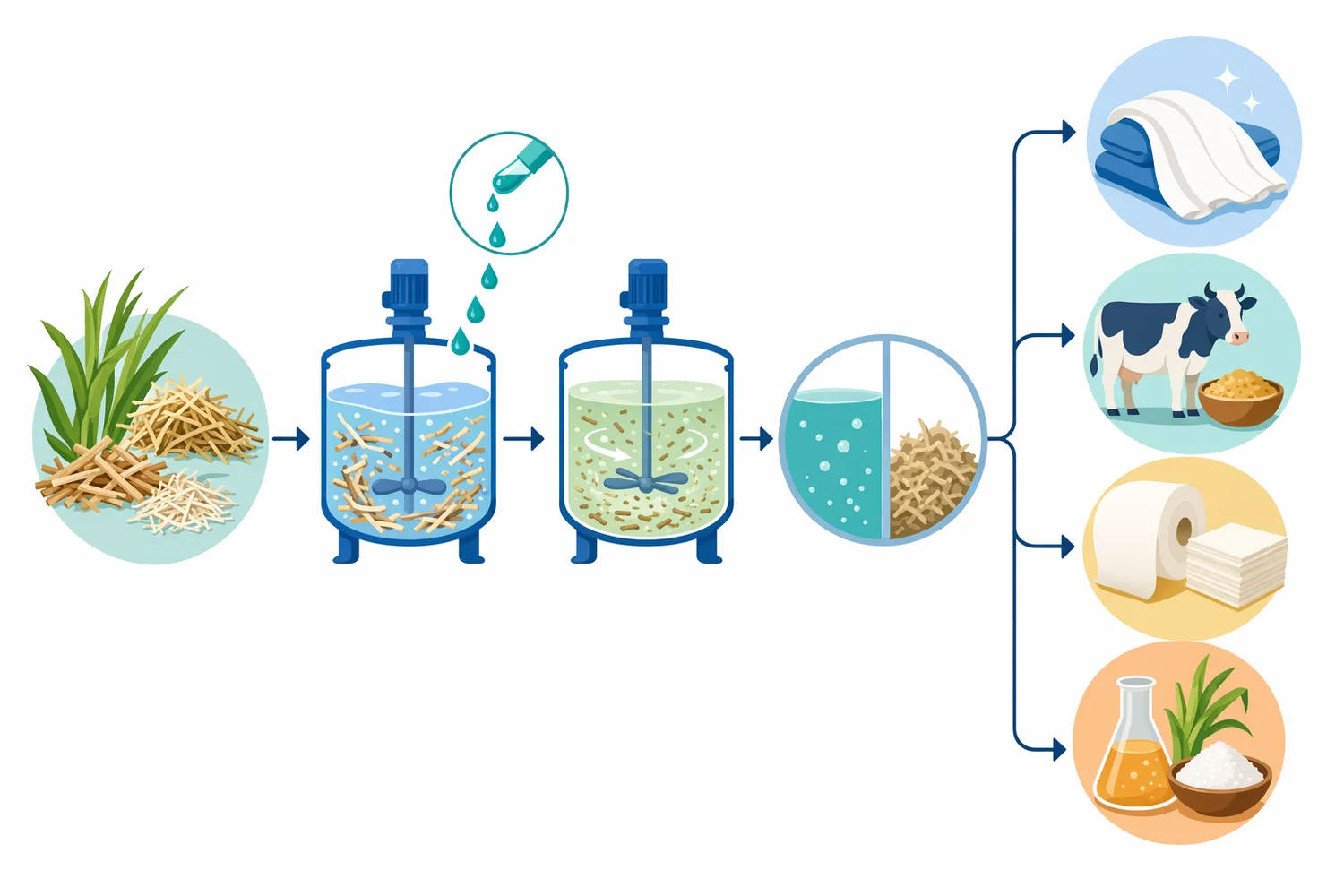
In feed and forage processing, cellulase is used to help break down fibrous plant cell walls that limit nutrient availability. Plant-based feed ingredients often contain cellulose, hemicellulose, and other non-starch polysaccharides that reduce digestibility by trapping starch, protein, oil, or minerals inside cell-wall structures. Acid cellulase can contribute by opening cellulose-rich barriers, while other carbohydrases may target xylan, beta-glucan, pectin, or related polymers. The enzyme effect is therefore both direct—cellulose hydrolysis—and indirect, because breaking the wall can expose nutrients that digestive enzymes or microbes can then access.
Fermented plant foods and microbial processes provide a useful model for this. Plant fermentations rely on microorganisms and enzymes to transform plant substrates, alter texture, release metabolites, and improve preservation or sensory quality [10]. In silage and forage contexts, cellulase can support fermentation by increasing soluble carbohydrate availability and changing fiber structure, giving lactic acid bacteria and other fermentative organisms a more accessible substrate pool.
For high-fiber residues and by-products, cellulase is especially relevant where the goal is to make crop material easier to digest or ferment rather than to fully hydrolyze it before feeding. The enzyme loosens the wall, shortens cellulose chains, and may increase the release of soluble sugars or oligosaccharides. As with biomass processing, the effect is strongest when the fiber is hydrated, accessible, and not overly protected by lignin.
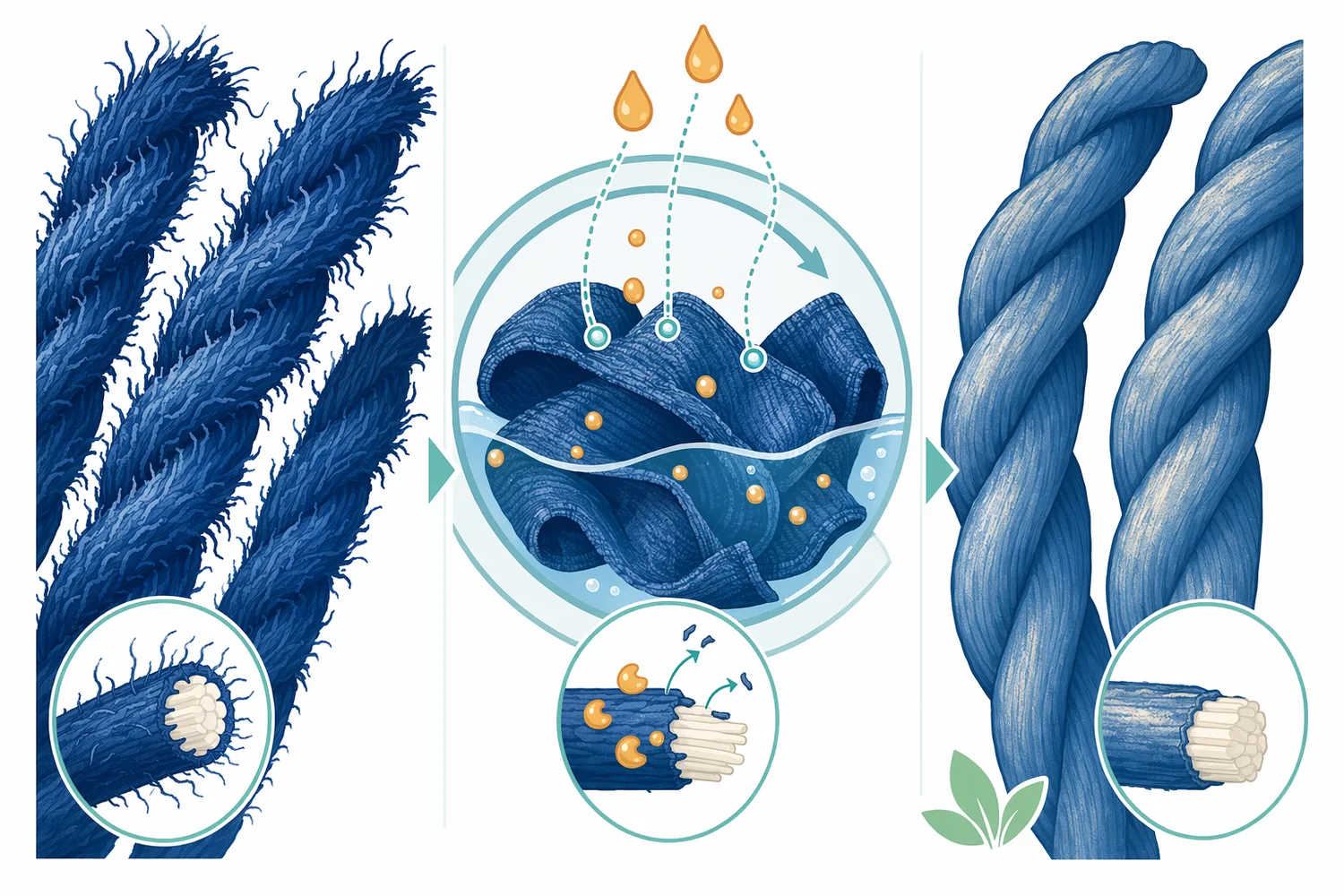
In textiles, cellulase acts on cotton and other cellulose-containing fibers at the surface. Acid cellulase is strongly associated with denim finishing because acidic baths can support controlled surface hydrolysis that loosens indigo-bearing fibrils and helps create a worn, softened appearance. Mechanically, the enzyme cuts exposed cellulose chains on the fabric surface; agitation then removes weakened fibrils, reducing harshness and changing visual contrast. This biochemical route can partially replace abrasive stone action, although the finishing effect still depends on mechanical movement, fabric construction, dye penetration, and treatment time.
The same mechanism explains both the benefit and the risk. If hydrolysis is limited to surface fuzz and weak fibrils, the fabric can become smoother and softer. If hydrolysis proceeds too far into structural fibers, tensile strength can fall. Protein engineering research for industrial enzymes highlights why application-specific enzyme performance is important: enzymes must be stable and active enough to work under process conditions, but controlled enough to avoid damaging the substrate [11].
Acid cellulase is therefore not just a “stonewash chemical.” It is a surface-selective cellulose hydrolysis tool. The desired textile outcome comes from matching enzyme action with agitation and stopping the treatment when the surface effect is achieved.
In pulp and paper, cellulase is used for partial fiber modification rather than complete cellulose conversion. Controlled cellulase treatment can increase fiber flexibility, alter fibrillation, improve drainage behavior, support deinking, and modify tissue softness. The enzyme cuts accessible cellulose chains on fiber surfaces and in more open regions of the fiber wall, reducing stiffness and helping fibers conform during refining or sheet formation. Research on cellulase embedded in metal-organic frameworks and other immobilized or stabilized forms reflects the broader interest in making cellulase easier to control and reuse in fiber-processing environments [4].
For recycled fiber, cellulase can help detach fine particles, ink-associated fibrils, and surface contaminants by weakening the cellulose structures that hold them. For tissue or specialty paper, partial fiber loosening can contribute to softness and bulk when carefully managed. The same caution applies as in textiles: excessive hydrolysis can reduce fiber strength, so cellulase is most useful where the process needs targeted surface or flexibility changes rather than full depolymerization.
The most important practical factor is substrate accessibility. A clean, swollen, finely divided cellulose surface is much easier for cellulase to hydrolyze than a dense lignified particle. Pretreatment, milling, soaking, heating, pulsed electric field processing, fermentation, or chemical conditioning can all increase the number of sites the enzyme can reach. This is why cellulase-assisted pomelo peel processing combined physical disruption with enzymatic hydrolysis, and why biomass saccharification studies often start from pretreated feedstocks rather than raw plant residue [3].
Temperature and pH influence the folded structure of the enzyme and the swelling state of the substrate. Acid cellulase is selected for acidic systems, but the exact process window depends on the specific preparation and application environment. Thermostable cellulase research is important because warmer processes can speed mass transfer and hydrolysis but also place stress on enzyme structure; studies on cellulases produced from microbial sources frequently characterize how cultivation and processing conditions influence performance and stability [12].
Time and mixing determine how far hydrolysis proceeds. Shorter exposure may soften surfaces, release trapped extractives, or reduce viscosity. Longer exposure can increase soluble sugar formation but may also over-soften tissue, weaken textile fibers, or reduce pulp strength. Mixing is needed because cellulase acts at solid-liquid interfaces; without adequate contact, parts of the fiber mass remain untreated while exposed surfaces receive most of the enzyme action.
Coexisting materials can help or hinder the process. Soluble sugars and oligosaccharides can accumulate as hydrolysis products, lignin can bind proteins unproductively, and phenolics or harsh chemicals may reduce enzyme stability. On the positive side, compatible accessory enzymes can open the non-cellulose matrix around cellulose. Multi-enzyme systems are therefore common in complex plant materials, and research on enzyme cascades for corn straw conversion reflects this move from single-step hydrolysis to integrated processing [6].
The strongest evidence base for cellulase is its role in cellulose degradation and saccharification. Reviews of thermostable cellulose-saccharifying microbial enzymes describe cellulases as central to hydrolyzing cellulose into fermentable sugars and enabling biotechnological applications in biomass conversion [1]. This supports the use of acid cellulase in processes where the intended result is measurable fiber breakdown or sugar release from hydrated, accessible cellulose-rich material.
There is also strong evidence that cellulase can modify—not only destroy—fiber structures. Pulp studies, dietary fiber work, and plant extraction research all show that cellulase can change physical and functional properties by reducing polymer length, opening cell walls, and increasing matrix permeability. In pomelo peel processing, cellulase hydrolysis contributed to extraction and functional changes in pectin, demonstrating how targeted enzymatic treatment can reshape the properties of plant-derived polysaccharide materials [3].
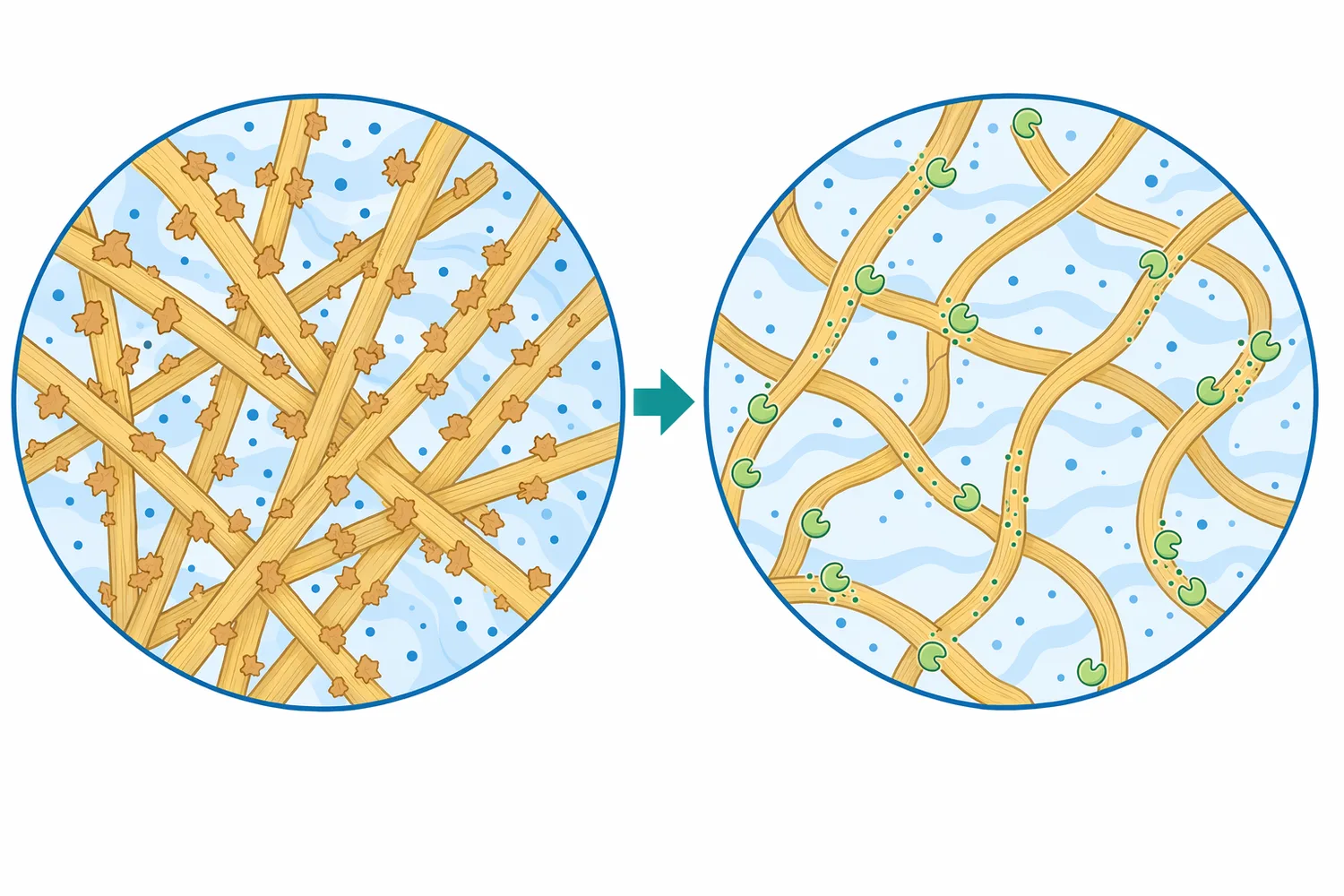
Evidence also supports the value of enzyme synergy. Cellulose hydrolysis is improved when different catalytic functions cooperate, and complex biomass conversion often uses enzyme systems rather than isolated cellulase alone. The study of synergistic hydrolysis by cellulase-mimicking polymeric nanoparticle catalysts reinforces the broader principle that multiple complementary actions on cellulose can outperform a single catalytic mode [5].
At the same time, cellulase results should not be overstated. Performance depends on the substrate, pretreatment history, particle size, hydration, lignin content, pectin and hemicellulose structure, process pH, temperature, and contact time. Work on cellulase production from different microbial isolates and substrates shows that cellulase behavior is highly condition-dependent, which is consistent with industrial experience across biomass, food, feed, textile, and pulp applications [13].
Enzymes.bio supplies Acid Cellulase Enzyme for Hydrolyzing Fiber as a ready-to-purchase online enzyme product for businesses working with cellulose-containing materials. The product is sold directly online by the 1 kg unit: the buyer completes payment online, the order is processed, and the product is shipped. A Certificate of Analysis and Safety Data Sheet are included with the order.
For many users, the value of acid cellulase is its ability to make fiber-rich materials easier to extract, ferment, soften, digest, refine, or finish under acidic process conditions. It hydrolyzes accessible cellulose bonds, opens plant cell-wall structures, increases permeability, and can release soluble sugars or improve fiber functionality depending on how far the process is allowed to proceed. Used with appropriate process control, acid cellulase is a practical biochemical tool for turning rigid cellulose-rich fiber into a more workable material across biomass, food, feed, textile, pulp, and paper workflows.
Sold by the 1 kg unit, in stock and ready to ship. Order directly on our store — pay online and we process your order. A Certificate of Analysis and Safety Data Sheet are included with every order.
Buy Acid Cellulase Enzyme For Hydrolyzing Fiber →Numbered in order of first citation. Open-access sources, each verified reachable at publication; citation numbers in the text link here.