
Bulk Food Additive Gelatin Hydrolase is a protease-based enzyme product supplied by Enzymes.bio for converting gelatin and collagen-derived protein streams into shorter peptide fractions. In practical food-processing terms, it helps move gelatin away from high-gel-strength, high-viscosity behavior and toward hydrolyzed gelatin or collagen peptide ingredients with improved processability and solubility. The product is available for direct online purchase in 1 kg units; after online payment, the order is processed and shipped with a Certificate of Analysis and Safety Data Sheet.
Gelatin hydrolase works by cleaving peptide bonds in gelatin, a partially denatured and hydrolyzed form of collagen. That cleavage shortens the protein chains, changes how the material hydrates and flows, and can reduce gelation behavior when the target product is a peptide-rich hydrolysate rather than intact gelatin. Gelatin properties are strongly influenced by collagen source and processing history, which is why enzymatic hydrolysis is best understood as a controlled modification step rather than a one-size-fits-all transformation [1].
Gelatin is useful because it forms gels, thickens water phases, stabilizes structures, and builds texture. Those same characteristics can become processing limitations when the desired output is hydrolyzed collagen, a drink-powder ingredient, a soluble peptide blend, or a low-viscosity protein hydrolysate. Long gelatin chains hydrate, interact, partially re-form ordered regions, and increase resistance to flow; in concentrated streams this can affect pumping, mixing, heat transfer, filtration, concentration, and drying.
Gelatin hydrolase changes that behavior at the molecular level. Instead of relying only on heat, acid, alkali, or mechanical shear, a protease attacks selected peptide bonds along the gelatin chain. Each cut reduces average chain length and increases the number of shorter peptide fragments. As the network-forming ability of the gelatin chains decreases, the material generally becomes less gel-like and more suitable for peptide ingredient workflows. Research on gelatin extraction and modification consistently shows that acid, alkaline, and enzymatic routes produce gelatin materials with different physicochemical and functional properties, confirming that the way collagen is processed materially affects the finished protein system [1].
This is especially relevant for collagen-rich raw materials such as bovine bone, cowhide, fish skin, fish scales, and other by-product streams. Fish scale valorization, for example, has been studied using hydrothermal pretreatment followed by enzymatic hydrolysis to produce gelatin hydrolysates, showing how pretreatment plus proteolysis can convert a structured collagen source into a more processable peptide-containing material [2]. Gelatin hydrolase fits into this same practical logic: first make the collagen-derived protein accessible, then use enzymatic hydrolysis to reduce molecular size and tune functionality.
Collagen in animal tissue is a highly organized fibrous protein. Gelatin is produced when collagen is thermally and chemically disrupted so that its ordered structure becomes partially unwound and soluble. This matters because enzymes need physical access to the peptide backbone. A protease cannot efficiently act on buried bonds locked inside insoluble tissue architecture; it works best when the substrate is hydrated, dispersed, and presented as accessible chains or chain segments.
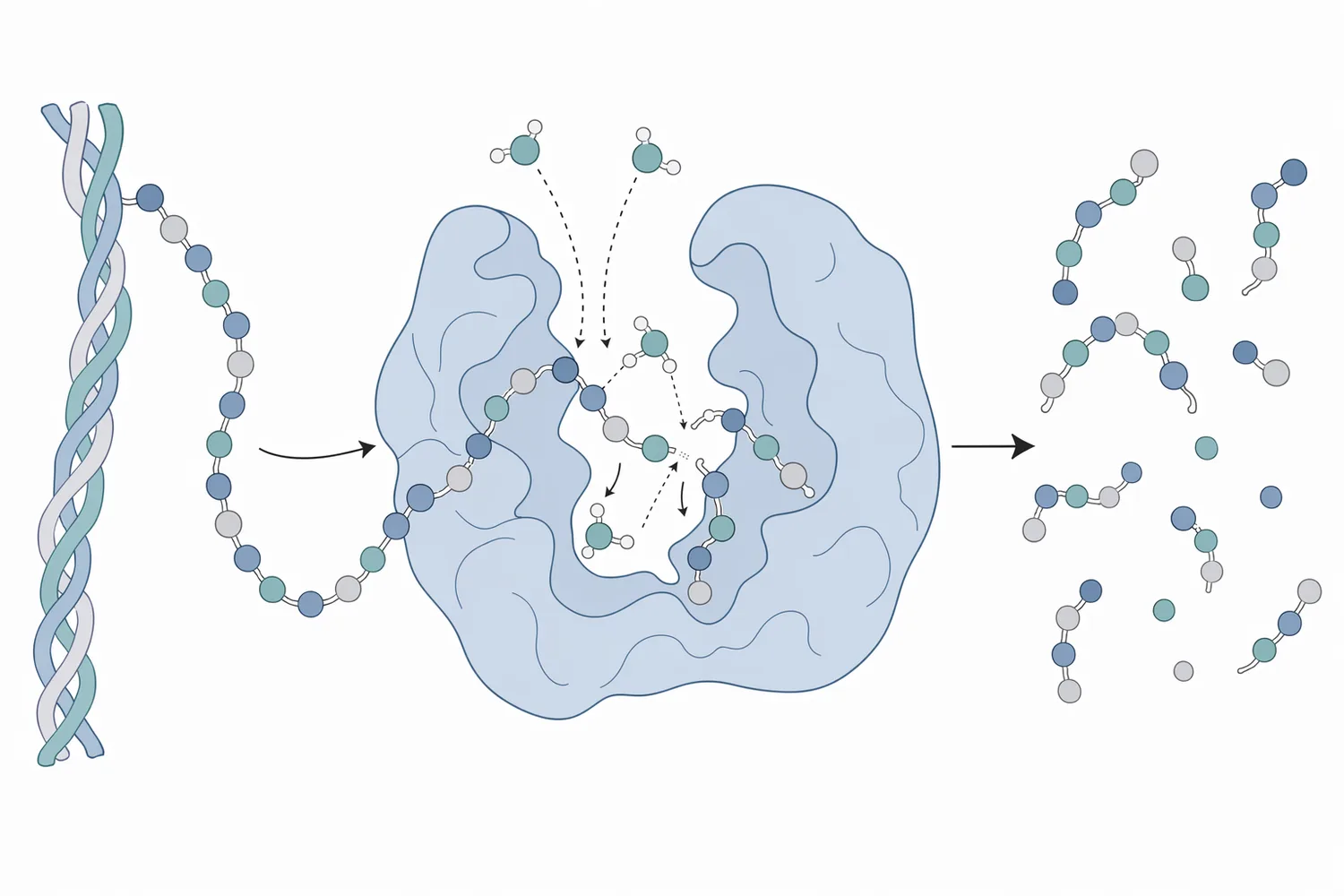
Once gelatin is dissolved or well dispersed in water, the enzyme can contact flexible regions of the polypeptide. Gelatin’s functionality—gel strength, viscosity, water binding, film formation, and thermal behavior—comes from the size and interactions of those chains. When the enzyme cuts them, the distribution shifts from larger macromolecules toward smaller peptides. That molecular-size shift is the central reason enzymatic hydrolysis can change flow, solubility, filtration behavior, and final ingredient format.
A gelatin hydrolase is not “melting” gelatin in the ordinary thermal sense. Heat can temporarily liquefy gelatin, but when conditions change, sufficiently long gelatin chains may still associate and form a gel. Enzymatic hydrolysis is different: it chemically cleaves peptide bonds by adding water across the amide linkage. The original chain is split into two shorter chains, and repeated cleavage creates a mixture of peptides.
This has several concrete consequences. Shorter chains have fewer contact points for building a continuous gel network. They also diffuse more readily in water and create less entanglement than long gelatin molecules. In many processes, this translates into reduced viscosity, easier agitation, improved heat transfer, and less tendency to form stubborn gel particles during cooling or concentration. Industrial biocatalysis literature describes enzymes as highly specific catalysts that can transform substrates under comparatively mild processing conditions, which is why enzymatic modification is widely used where controlled chemistry is preferred over harsh chemical treatment [3].
For collagen peptide production, “more hydrolysis” is not automatically better. Early cleavage may be enough to reduce viscosity and suppress gelation while retaining body and mouthfeel. More extensive cleavage can increase low-molecular-weight peptides, but it may also change taste, increase bitterness, reduce functional body, affect drying behavior, or alter how the ingredient behaves in finished formulations. The finished hydrolysate is therefore the result of the whole process: substrate source, pretreatment, hydration, temperature, pH environment, mixing, reaction time, inactivation, clarification, concentration, and drying.
This is why gelatin hydrolase should be seen as a precise processing tool rather than a generic “protein breaker.” The enzyme creates the biochemical change—peptide-bond hydrolysis—but the process defines how far that change proceeds and what functional balance the final ingredient has.
Acid, alkaline, and enzymatic processing can all change collagen or gelatin, but they do so in different ways. Studies comparing acid, alkaline, and enzymatic extraction of cattle bone gelatin show that the extraction route affects physicochemical and functional properties, which is important when the same raw material is expected to perform in different applications [1].
| Processing route | Main action on gelatin or collagen-derived protein | Typical functional direction | Practical implication |
|---|---|---|---|
| Acid processing | Protonates protein functional groups and helps disrupt collagen structure; can assist extraction and swelling | Can modify solubility, charge behavior, and extraction yield depending on raw material | Useful in upstream gelatin production, but less selective than enzyme cleavage |
| Alkaline processing | Breaks some crosslinks and modifies charged groups under high-pH conditions | Can alter color, amino-acid integrity, gel strength, and functional behavior | Often used for tougher collagen sources, but can be harsher than enzymatic treatment |
| Enzymatic hydrolysis | Protease cleaves peptide bonds at accessible regions of gelatin chains | Reduces average molecular size, viscosity, and gel-forming tendency; increases peptide fraction | Suited to hydrolyzed gelatin and collagen peptide production where controlled chain shortening is desired |
| Combined pretreatment + enzymatic hydrolysis | Physical, thermal, acid, alkaline, or pressure pretreatment increases enzyme accessibility before proteolysis | Can improve conversion where collagen-derived material is structured or difficult to access | Common research direction for by-product valorization and peptide production |
The important distinction is selectivity. Acid and alkaline conditions influence the whole protein environment broadly. Enzymes act through substrate binding and catalytic cleavage of peptide bonds, which can make the modification more targeted. That does not mean enzymatic processing is automatically gentle in every outcome; if allowed to proceed too far, it can still over-hydrolyze the substrate. But it gives processors a controllable biochemical route for shifting gelatin into hydrolysate form.
Fish-derived gelatin has received strong research attention because fish skin, scales, and bones are abundant collagen-rich by-products. In fish scale valorization, hydrothermal pretreatment followed by enzymatic hydrolysis has been used to produce gelatin hydrolysate, demonstrating a practical route from structured fish by-product to peptide-containing material [2]. The pretreatment step matters because collagen and mineralized tissue can limit enzyme access; heat and water help open the structure before protease treatment.
Marine fish gelatin hydrolysis has also been reviewed for production of bioactive peptide fractions, including angiotensin-converting enzyme inhibitory peptides. A meta-analysis on enzymatic hydrolysis of marine fish gelatin concluded that enzyme choice and process variables influence peptide release and measured bioactivity [4]. For commercial ingredient use, this supports the broader point that enzymatic hydrolysis can generate peptide-rich fractions with distinctive properties, while any nutritional or physiological positioning of a finished product must be supported by the final product’s own evidence and regulatory context.
High-pressure-assisted enzymatic hydrolysis has been studied for cowhide gelatin, with research reporting release of a bifunctional peptide showing both dipeptidyl peptidase IV inhibitory activity and antioxidant activity [5]. Mechanistically, pressure can alter protein conformation and water penetration, exposing peptide regions that may otherwise be less accessible to the enzyme. When more peptide bonds are exposed, the protease can generate a different peptide profile than it would under conventional conditions.
High hydrostatic pressure has also been studied in fish gelatin hydrolysis, again highlighting that physical processing can change how enzymes interact with gelatin substrates [6]. This does not mean high-pressure equipment is required for every gelatin hydrolysis process. It does show that enzyme performance is not only about the enzyme itself; substrate structure and processing environment determine how much of the peptide backbone the enzyme can reach.
Vortex-fluidic processing has been investigated as a way to enhance enzymatic hydrolysis of gelatin from barramundi skin for 3D printing applications [7]. The relevance is not limited to printing. Mechanical intensification can improve mixing, create thin films, increase mass transfer, and expose more substrate to the enzyme. In gelatin systems, where viscosity and chain interactions can limit uniform reaction, better contact between enzyme and substrate can change the rate and consistency of hydrolysis.
For food ingredient production, the lesson is straightforward: gelatin hydrolase performs its biochemical role at the peptide bond, but the surrounding process controls how evenly the enzyme reaches the substrate. Hydration, dispersion, temperature control, and mixing all influence whether hydrolysis proceeds uniformly or leaves a mixture of over- and under-treated material.
Gelatin is not used only as a hydrolysate precursor. It is also a stabilizer, hydrogel component, film former, and structure-building biopolymer. Research on high-pressure homogenization and enzymatic hydrolysis in gelatin-stabilized tuna oil emulsions shows that hydrolysis can affect physicochemical properties of emulsion systems [8]. In such applications, cutting gelatin chains may change interfacial behavior, droplet stabilization, viscosity, and network formation.
Other studies show gelatin being combined with whey proteins, nanocellulose, or glycosylation strategies to create composite hydrogels and modified gelatin materials [9]. Low-temperature enzymatic glycosylation has been studied as a way to modify gelatin while minimizing advanced glycation end products, linking gelatin structure to function in a different but related form of enzymatic processing [10]. These examples reinforce a key commercial distinction: intact or lightly modified gelatin is useful when structure is desired, while gelatin hydrolase is most appropriate when the intended output is a hydrolysate or peptide-rich ingredient.
The first practical benefit is often reduced viscosity. Long gelatin chains increase solution resistance because they occupy large hydrodynamic volume, entangle with one another, and form temporary associations. When gelatin hydrolase cleaves those chains, the solution contains shorter peptides that move more freely. This can make tanks easier to agitate, reduce load on pumps, improve transfer consistency, and make downstream concentration more manageable.
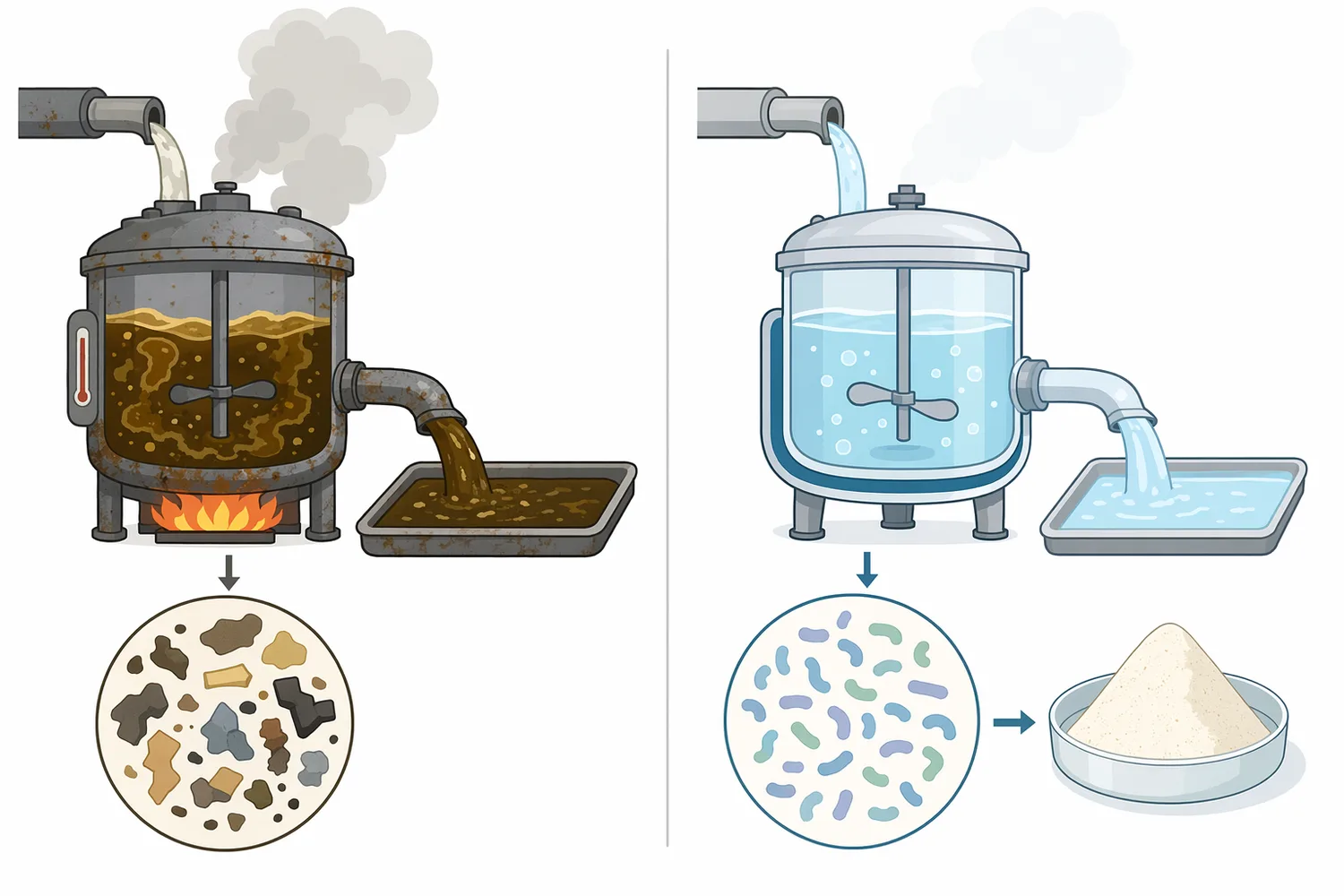
This effect is especially important when gelatin is processed at meaningful solids levels. A gelatin solution that is manageable when hot may thicken rapidly as temperature drops. Hydrolysis changes the underlying chain length, so the material is less dependent on heat alone to remain fluid.
Gelatin’s ability to form a gel is valuable in confectionery, capsules, desserts, and certain binding systems. It is undesirable when the target is a soluble collagen peptide ingredient. Gelatin hydrolase reduces the number and length of chains capable of building a continuous gel network. The result is a hydrolysate that behaves more like a soluble protein-peptide ingredient and less like a thermoreversible gel.
This is not the right approach when the end product needs strong gel strength, elastic texture, or film integrity from intact gelatin. It is the right approach when gelation interferes with processing or finished-product use.
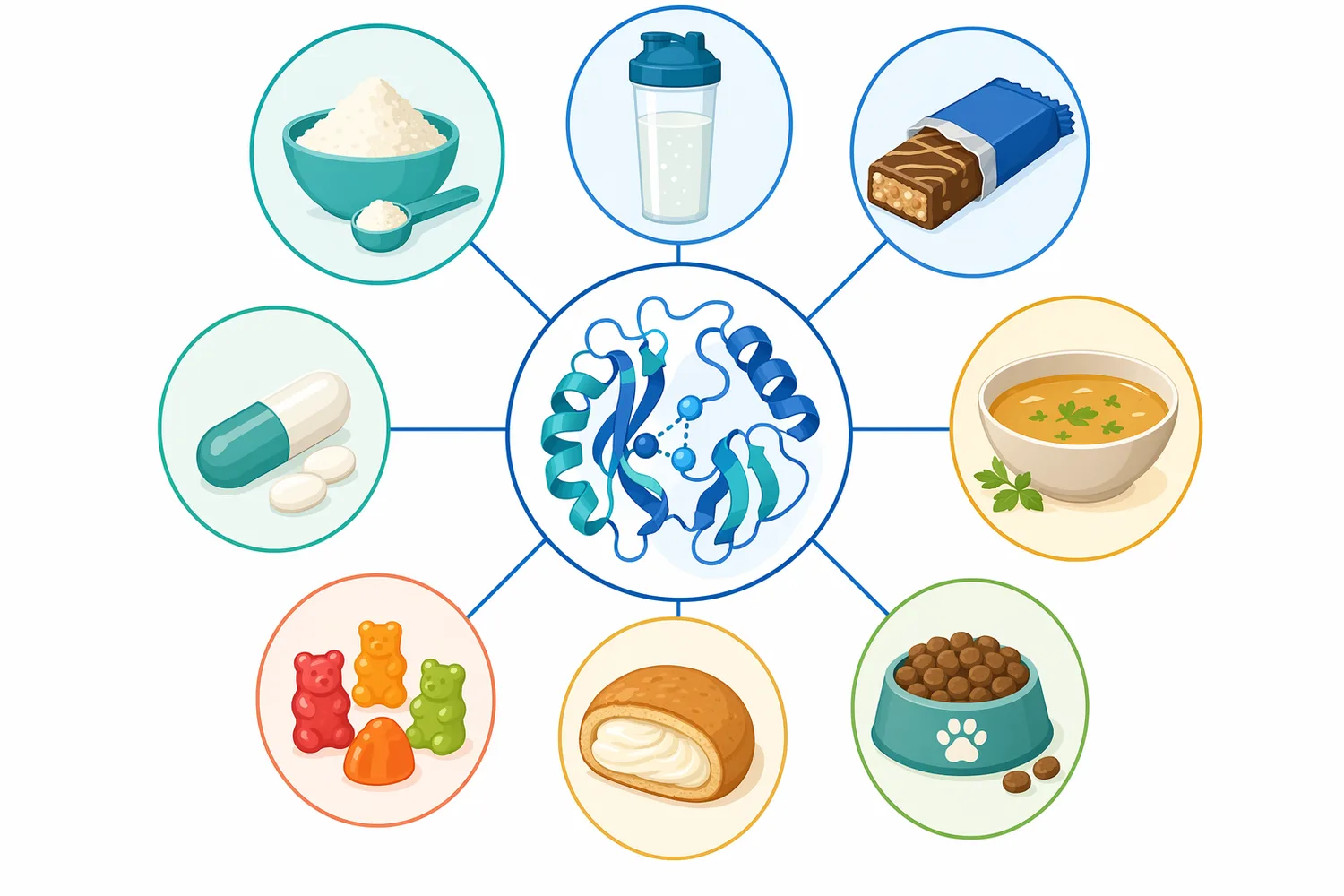
Shorter peptides generally disperse more readily than intact gelatin chains, especially in systems where gel formation or high viscosity is not wanted. Hydrolyzed gelatin and collagen peptide ingredients are commonly used where the protein contribution must be incorporated into powders, beverages, nutritional blends, savory systems, or other formulations without creating a gel texture.
The mechanism is physical as much as chemical. Smaller peptides hydrate quickly, are less likely to create large swollen particles, and do not build the same network strength as intact gelatin. The enzyme therefore helps convert a structure-forming protein into a more soluble peptide fraction.
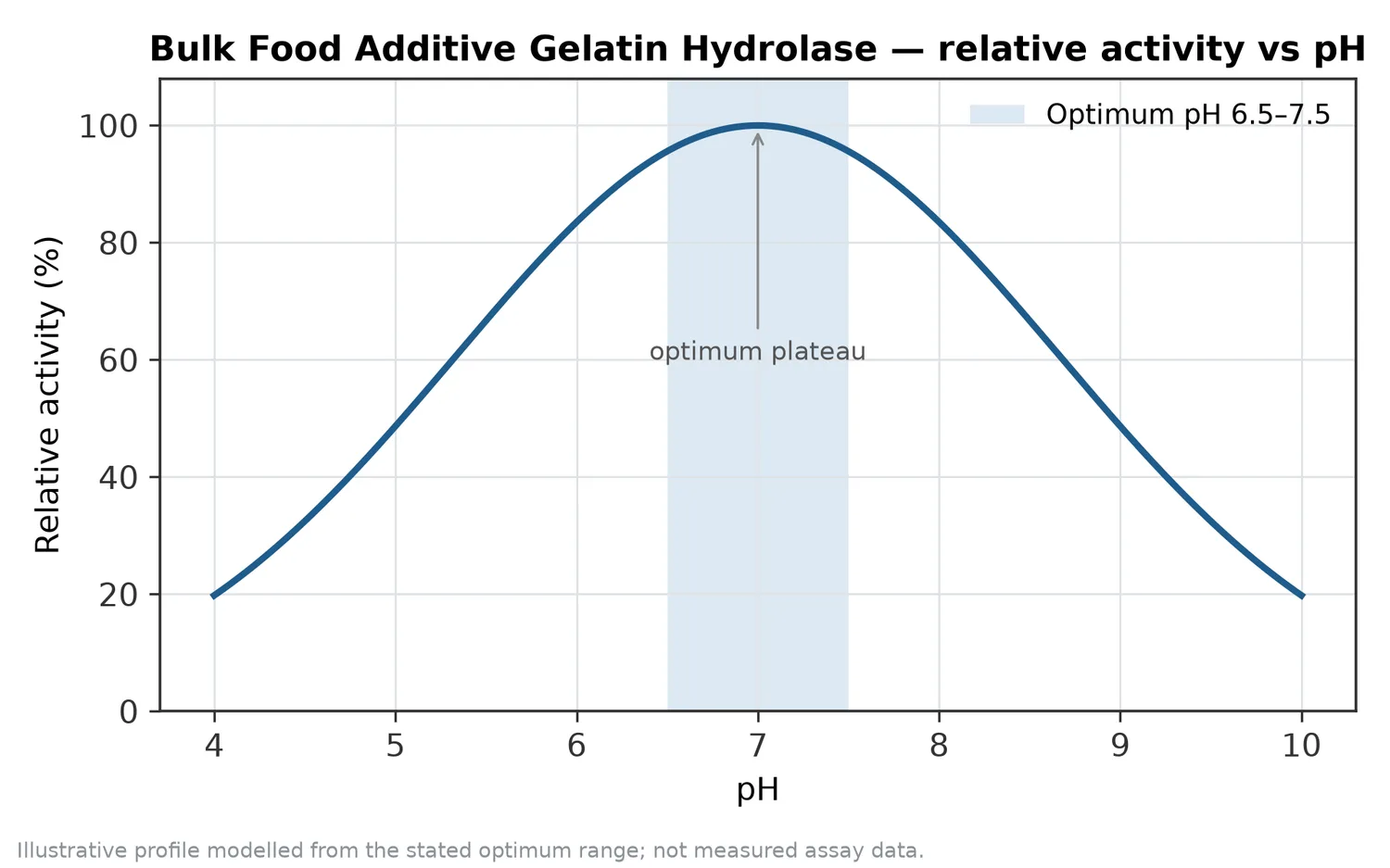
Filtration and concentration steps can be affected by protein size, aggregation, and viscosity. By reducing the average molecular size of gelatin, enzymatic hydrolysis can make streams easier to clarify and concentrate. Smaller peptide fractions are less likely to behave as swollen gel particles and can move through process equipment more predictably.
This benefit depends on the whole process. If hydrolysis is uneven, if insoluble raw material remains, or if fats and minerals are not managed upstream, filtration can still be challenging. Gelatin hydrolase addresses the protein-chain component of the problem; it does not replace good upstream preparation and downstream clarification.
Hydrolyzed gelatin is gelatin that has been broken down into smaller peptide fragments. It is useful where the protein origin and amino-acid profile of gelatin are desired, but gel strength is not. Gelatin hydrolase is directly suited to this conversion because its core biochemical function is peptide-bond cleavage in gelatin proteins.
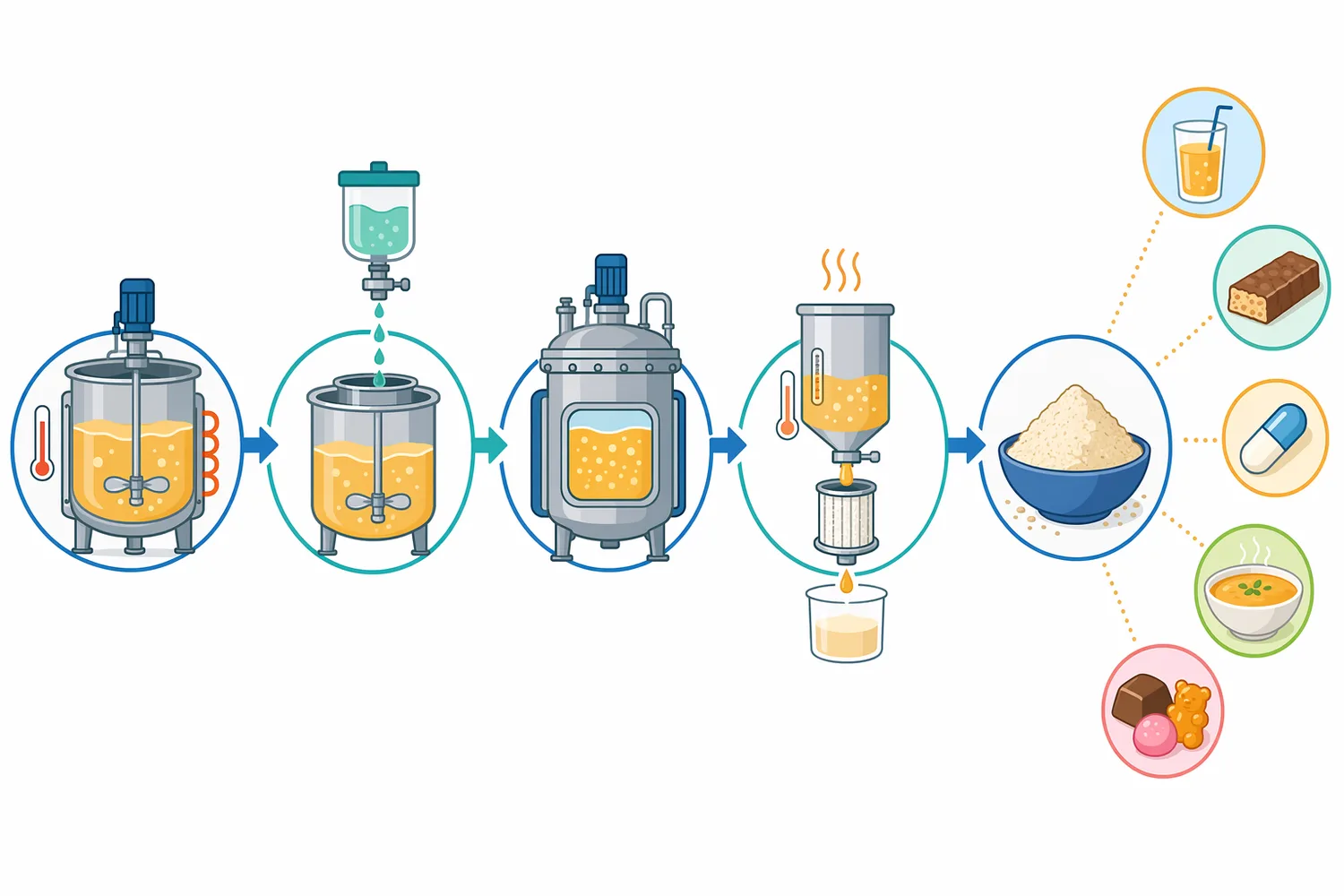
In a typical production concept, gelatin is hydrated, liquefied, enzymatically hydrolyzed, and then stabilized by stopping enzyme action before downstream processing. The hydrolysate can then be clarified, concentrated, dried, or blended depending on the intended food ingredient format.
Collagen peptides are produced from collagen-derived proteins through controlled hydrolysis. Gelatin is a natural intermediate because it is already collagen that has been denatured and partially hydrolyzed. Gelatin hydrolase helps continue that conversion from larger gelatin chains to shorter peptide fractions.
Studies on gelatin hydrolysates from cowhide, fish gelatin, and marine sources show that enzymatic hydrolysis can generate peptide mixtures with different physicochemical and bioactivity profiles [5]. For commercial use, the main practical value is creating a soluble peptide ingredient. Any finished-product claim must be based on the final ingredient, formulation, serving context, and applicable regulations.
Gelatin hydrolase also supports value creation from collagen-rich by-products. Fish scale studies show how pretreatment and enzymatic hydrolysis can transform a low-value collagen-containing material into gelatin hydrolysate [2]. Similar logic applies to other collagen-derived streams once they are cleaned, pretreated, and made enzyme-accessible.
This aligns with broader food industry interest in using animal and marine by-products more completely. Instead of limiting value to traditional gelatin markets, enzymatic hydrolysis opens routes into peptide ingredients, soluble protein systems, and hydrolysate-based formulations.
Gelatin hydrolysates are frequently studied as sources of functional peptides. For example, a peptide from Sipunculus nudus gelatin hydrolysate has been investigated for tyrosinase inhibitory activity and its action mechanism [11]. Other work on marine fish gelatin hydrolysis has examined ACE-inhibitory peptide production [4]. These studies show the scientific interest in gelatin as a peptide source.
For buyers of Bulk Food Additive Gelatin Hydrolase, the practical takeaway is that gelatin is a credible substrate for peptide generation. The enzyme enables hydrolysis; the exact peptide profile depends on substrate and processing. Research findings from a specific species or laboratory process should not be assumed to transfer automatically to every commercial hydrolysate.
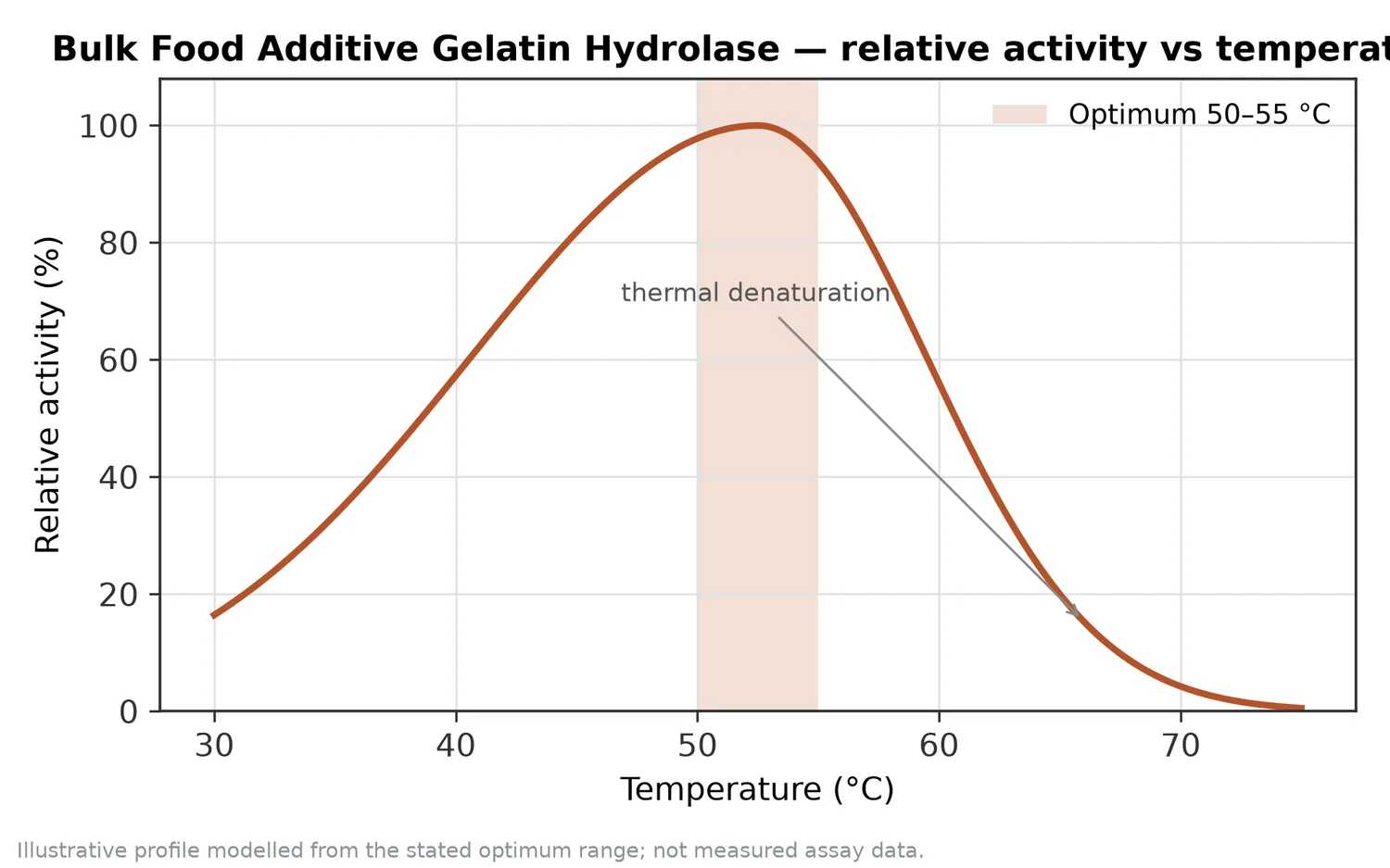
Gelatin hydrolysis is normally carried out in an aqueous system where the gelatin is sufficiently hydrated and fluid for enzyme contact. Gelatin is often processed warm enough to remain in solution; gelatin’s gel-sol behavior is one reason temperature control is important in practical hydrolysis workflows [7]. The enzyme is then mixed into the substrate, allowed to act for a defined process time, and inactivated before downstream handling.
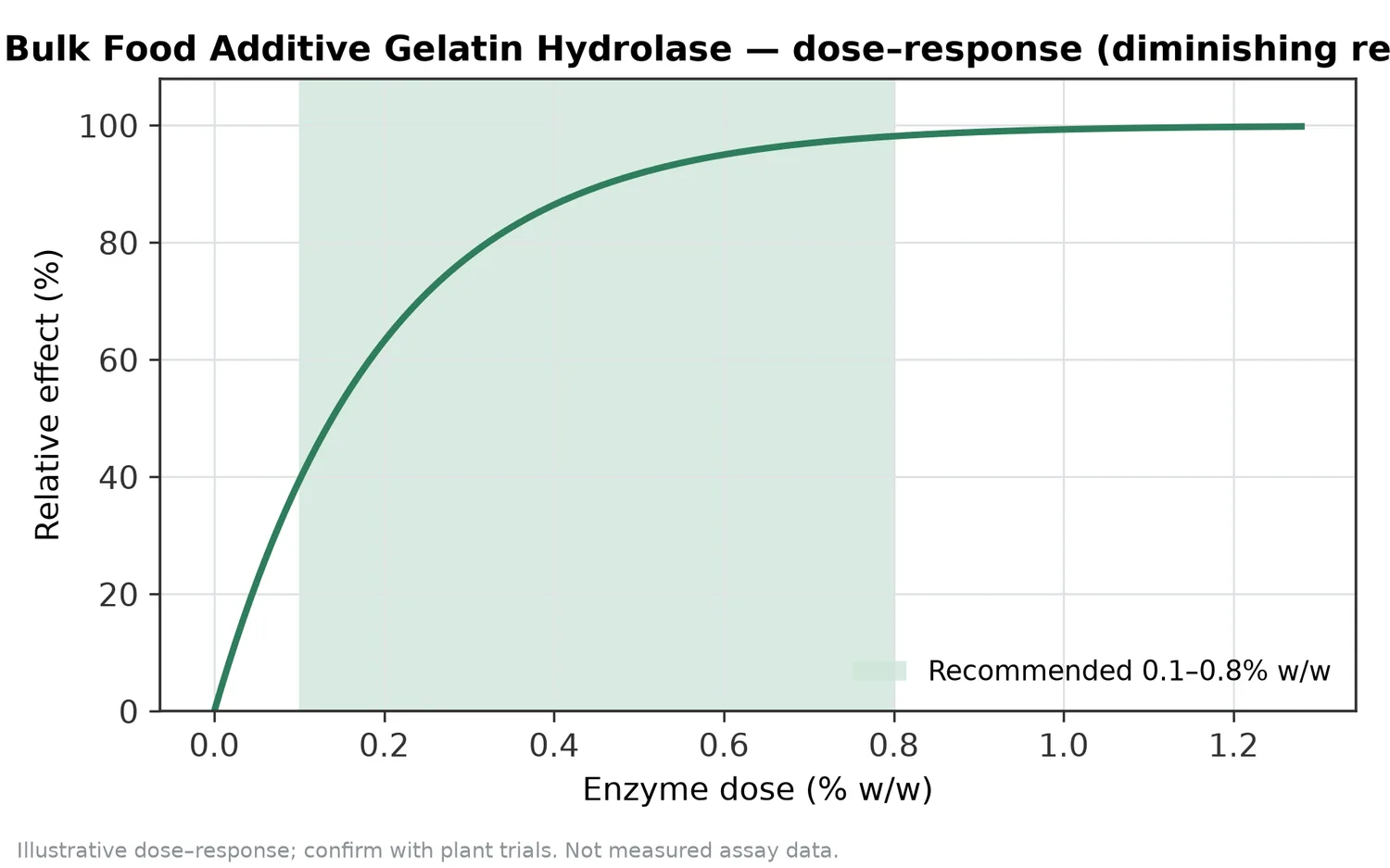
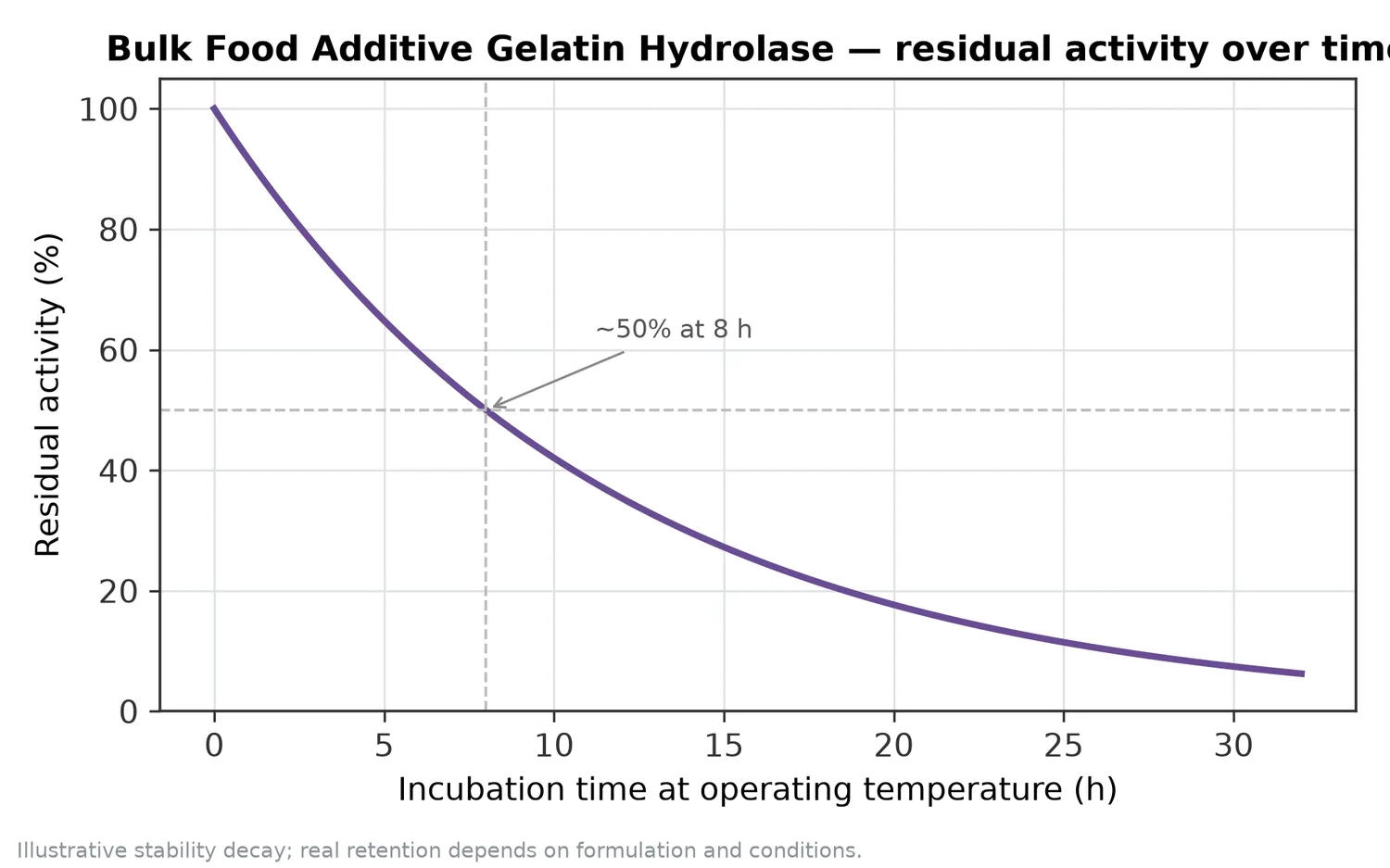
Several process factors affect the result:
These are not simply operational details; they determine what the enzyme can physically reach and how far hydrolysis proceeds. A well-dispersed gelatin stream gives the enzyme more uniform access. A partially gelled or poorly hydrated mass can limit contact and produce inconsistent results.
Gelatin hydrolase is highly useful, but it is not a finished-product guarantee by itself. It does not automatically create a specific molecular-weight distribution, flavor profile, nutritional claim, or bioactive peptide concentration. Those outcomes depend on the starting gelatin, process design, endpoint control, and final formulation.
The most realistic expectations are:
The main caution is over-hydrolysis. If peptide chains become too short for the intended application, the hydrolysate may lose body, develop bitterness, or behave differently in drying and blending. This is why controlled hydrolysis is more valuable than uncontrolled maximum cleavage.
Enzymes.bio supplies Bulk Food Additive Gelatin Hydrolase as an online B2B enzyme product for gelatin processing, hydrolyzed gelatin, and collagen peptide production. The product is purchased directly online by the 1 kg unit. Once payment is completed, the order is processed and shipped, and the shipment includes a Certificate of Analysis and Safety Data Sheet.
For customers working with gelatin or collagen-derived streams, the product offers a practical enzymatic route to reduce molecular size, improve handling, and produce peptide-rich hydrolysates. It is best applied where the desired output is hydrolyzed gelatin, collagen peptides, or a more soluble gelatin-derived ingredient—not where the goal is to preserve intact gelatin gel strength.
Bulk Food Additive Gelatin Hydrolase provides a focused enzymatic way to convert gelatin into shorter peptides for hydrolyzed gelatin and collagen peptide applications. The mechanism is concrete: the protease cleaves peptide bonds in hydrated gelatin chains, reducing chain length, weakening gel-network formation, lowering viscosity, and improving suitability for soluble peptide ingredient workflows.
The research base supports this direction. Acid, alkaline, and enzymatic processing produce different gelatin properties; fish scale and marine gelatin studies show enzymatic hydrolysis as a route to gelatin hydrolysates; pressure-assisted and mechanically intensified studies show that substrate accessibility strongly affects peptide release [1]. Used as part of a controlled process, gelatin hydrolase helps transform collagen-derived gelatin from a structure-building hydrocolloid into a more processable peptide-rich ingredient.
Sold by the 1 kg unit, in stock and ready to ship. Order directly on our store — pay online and we process your order. A Certificate of Analysis and Safety Data Sheet are included with every order.
Buy Bulk Food Additive Gelatin Hydrolase →Numbered in order of first citation. Open-access sources, each verified reachable at publication; citation numbers in the text link here.