
Catalase is an enzyme that decomposes hydrogen peroxide into water and oxygen, using the reaction 2H₂O₂ → 2H₂O + O₂. In practical processing terms, catalase is used when residual peroxide from bleaching, oxidation, sanitizing, or peroxide-generating reactions needs to be reduced before the next step [1].
For industrial buyers, the key value is targeted peroxide control: catalase acts on hydrogen peroxide rather than broadly changing the chemistry of the whole batch. Enzymes.bio supplies Catalase directly online by the 1 kg unit; the buyer pays online, and the order is processed and shipped with a Certificate of Analysis and Safety Data Sheet.
A concise catalase def is: catalase is a biological catalyst that accelerates the decomposition of hydrogen peroxide into water and oxygen. The word “catalase” is often searched as “what is catalase,” “what is a catalase,” “what is catalase and what does it do,” or “enzyme catalase,” but all of these point to the same core function: an enzyme system specialized for handling hydrogen peroxide [1].
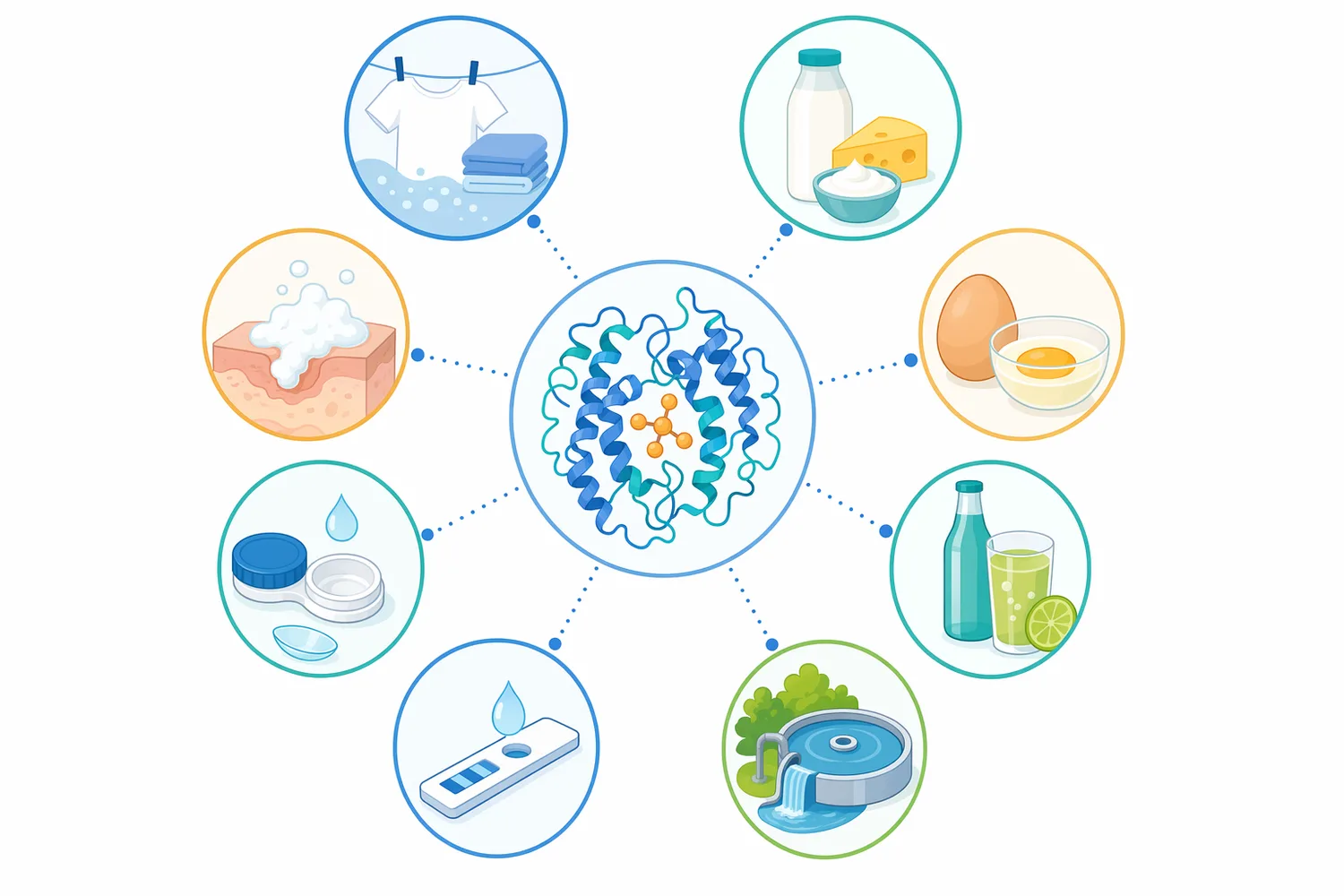
Hydrogen peroxide, H₂O₂, is useful because it is a strong oxidizing agent. It can bleach, oxidize, sanitize, or participate in controlled reactions. The same property becomes a liability when peroxide remains after its intended role is complete: it can keep oxidizing colors, flavors, fibers, enzymes, microorganisms, packaging surfaces, or effluent biology. Catalase helps close that process step by converting peroxide into two simpler outputs: liquid water and oxygen gas [2].
The overall reaction is:
2 H₂O₂ → 2 H₂O + O₂
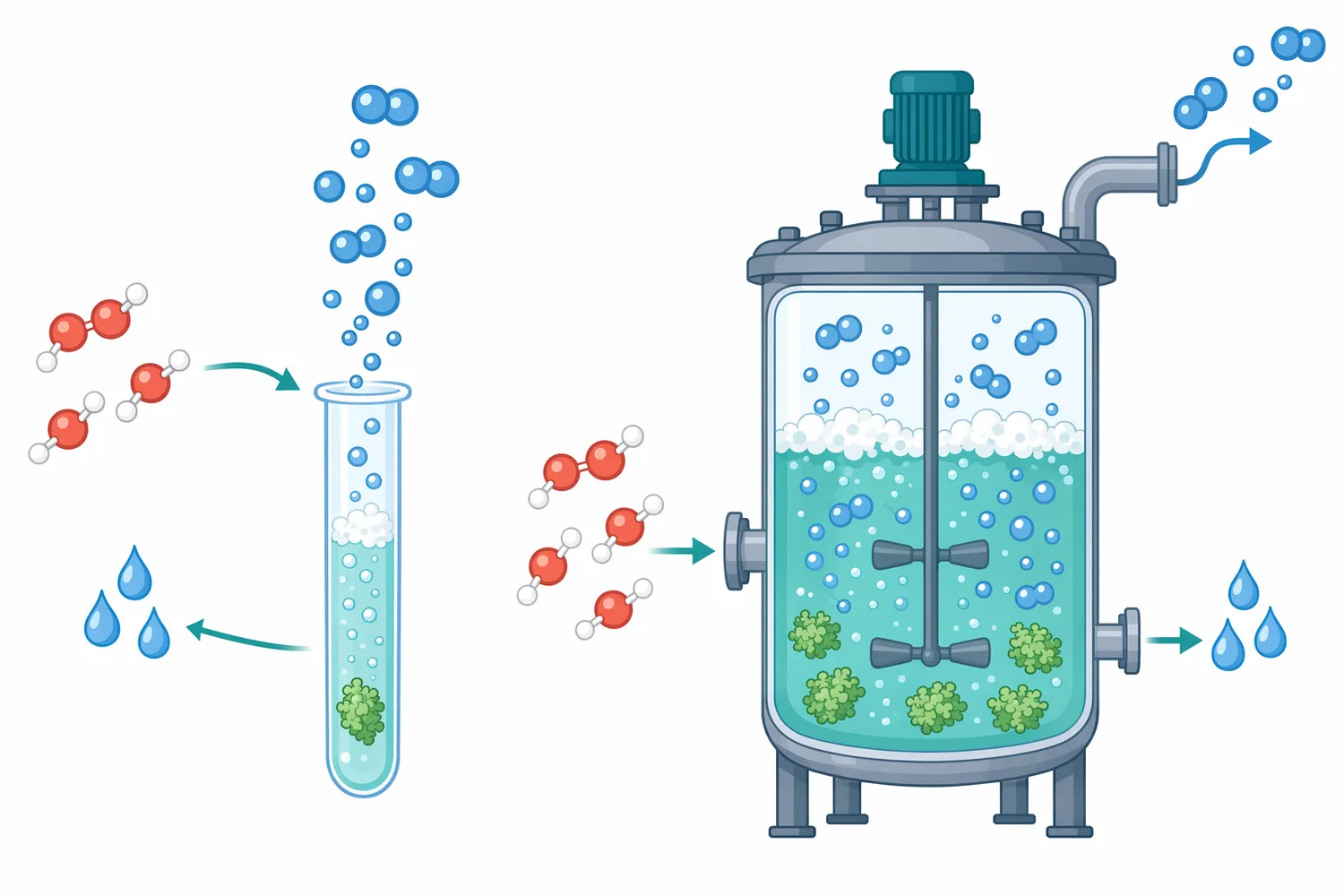
This is not simply a neutralization label; it describes a physical change in the process stream. The peroxide molecule is consumed, oxygen is released, and oxidative carryover is reduced. In many aqueous systems the oxygen release can appear as bubbling or foaming, especially when peroxide concentration, mixing, and contact are sufficient for fast decomposition [3].
Catalase enzymes contain an active site that provides a rapid reaction path for hydrogen peroxide decomposition. In a simplified mechanism, one hydrogen peroxide molecule reacts with the enzyme to form water and an activated enzyme intermediate; a second hydrogen peroxide molecule then reacts with that intermediate, releasing another water molecule and oxygen [2].
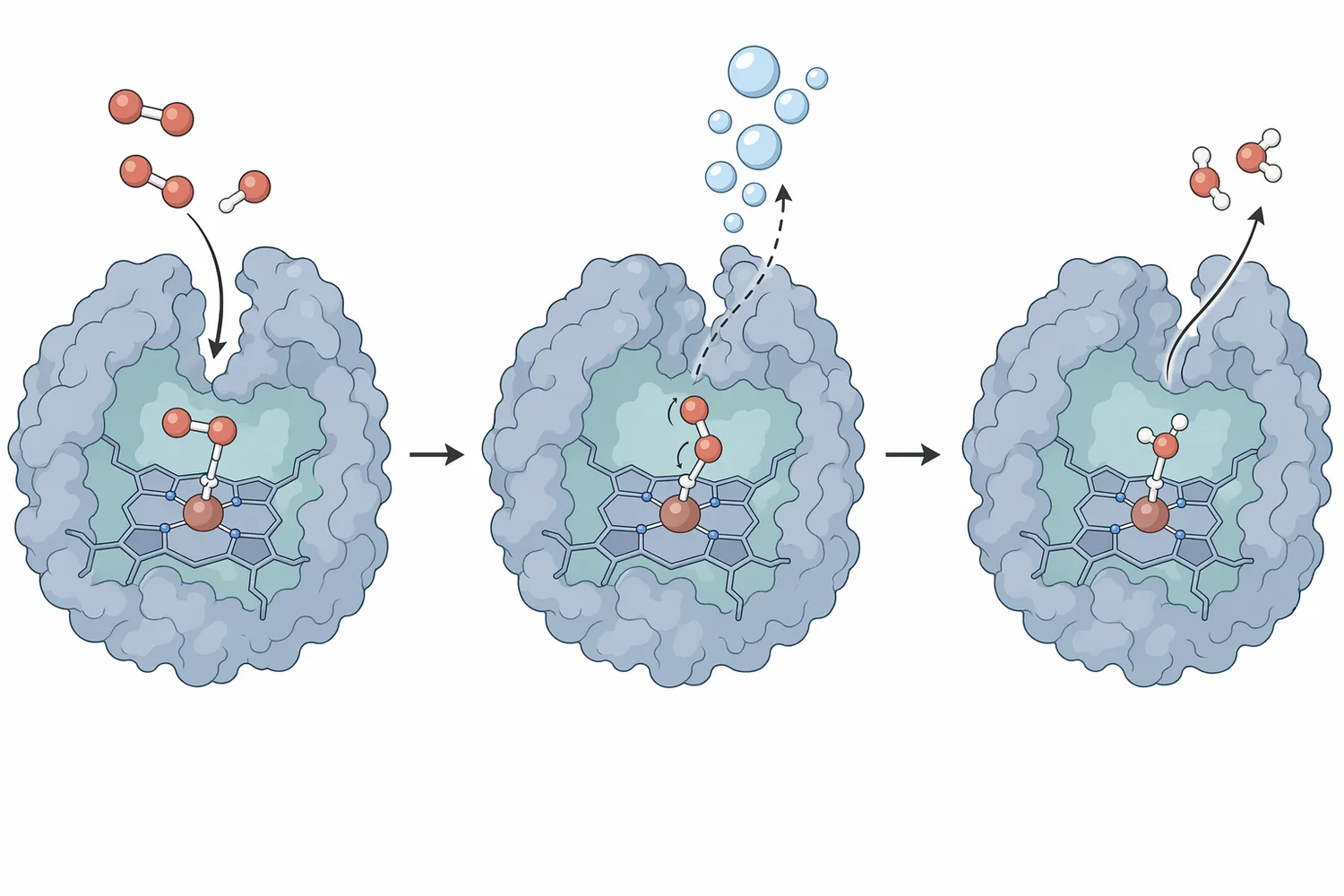
That two-molecule cycle explains why the reaction equation requires two molecules of hydrogen peroxide. One H₂O₂ molecule effectively supplies oxygen to the enzyme intermediate, while the second helps complete the cycle and releases O₂. The enzyme is restored at the end of the cycle, so it can continue processing additional peroxide molecules as long as the surrounding conditions allow the protein to remain functional [3].
This mechanism matters for real process use because catalase does not need to add a reducing chemical that leaves a separate salt or reaction residue. The substrate itself—hydrogen peroxide—is transformed into water and oxygen. The practical result is a cleaner process logic where the unwanted oxidant is removed without deliberately introducing a second reactive neutralizer [1].
Classic work on the mechanism of catalase action examined how catalase and hydrogen peroxide form reactive intermediates during turnover. These studies support the accepted view that catalase action is a staged catalytic process rather than an uncontrolled decomposition event [4].
Hydrogen peroxide is often chosen because it performs useful oxidation and can break down to comparatively simple products. However, process timing matters. Peroxide that is helpful in a bleaching, sanitizing, or oxidation step may be harmful in the next step if it remains active in the matrix [1].
In food, ingredient, fermentation-adjacent, textile, paper, water, and cleaning-related operations, residual peroxide can continue reacting with sensitive components. It may alter color, contribute to off-notes, stress microorganisms, reduce activity of other enzymes, interfere with dyeing or finishing chemistry, or complicate biological wastewater treatment. Catalase is relevant where the process goal is specifically to reduce the peroxide load after peroxide has done its intended job [5].
Hydrogen peroxide is also important in biological systems because it is a reactive oxygen species. Cells naturally use antioxidant enzymes, including catalase, to keep peroxide from accumulating to damaging levels. That biological role is the same chemical principle used industrially: peroxide is converted into water and oxygen before it can continue unwanted oxidation [6].
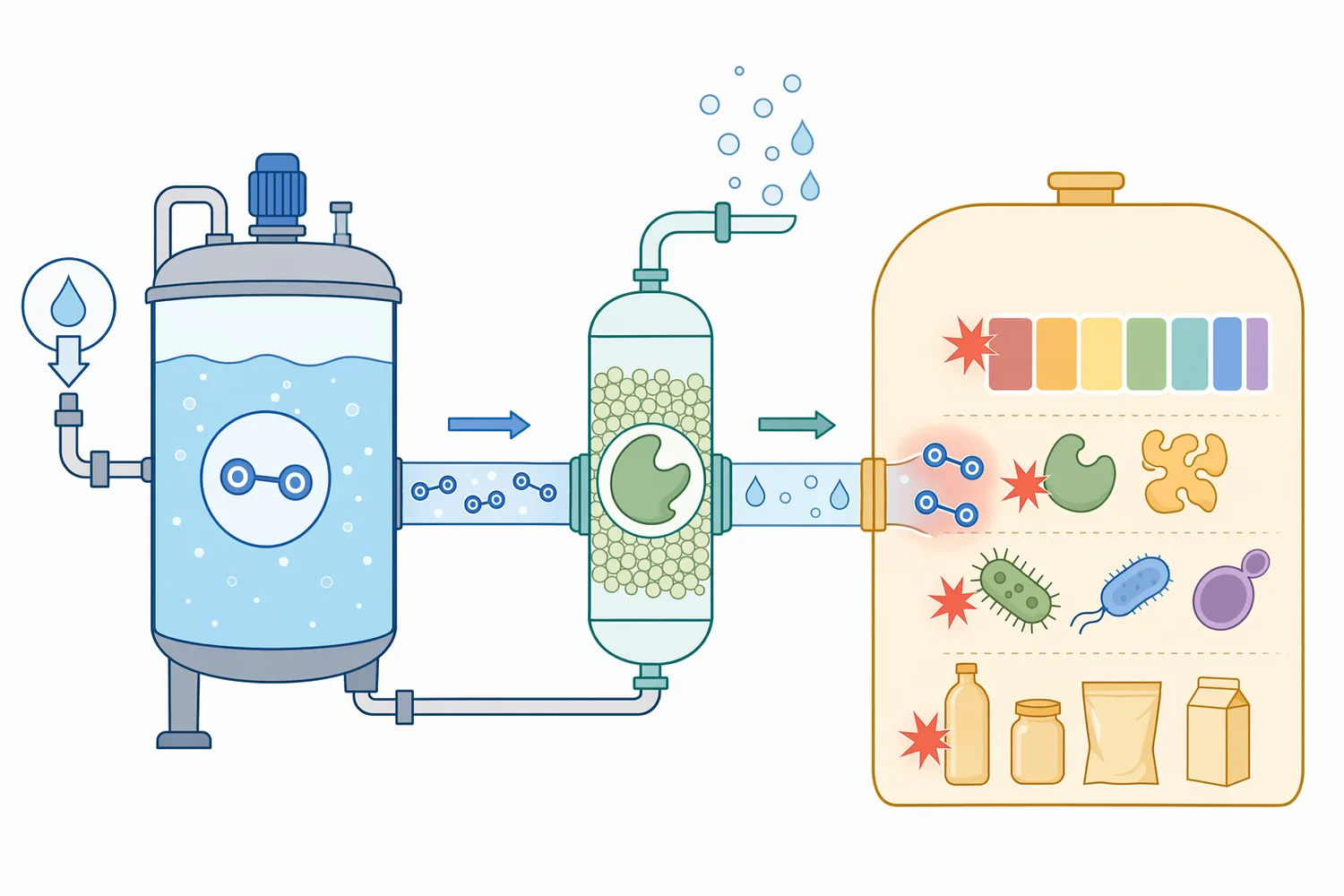
Catalase can be useful in food and ingredient workflows where hydrogen peroxide has been used upstream and must be reduced before downstream handling. The enzyme’s value is not that it universally “preserves food” in all contexts; rather, it helps manage a defined chemical issue—residual H₂O₂—when peroxide control is part of a validated process [1].
For example, a peroxide-based step may be used for sanitizing or oxidation, followed by an ingredient addition, culture step, or packaging step that is more peroxide-sensitive. Catalase can help lower the peroxide remaining in the water phase or moist matrix before those later operations. The actual visible change may include oxygen release, and the practical chemical change is reduced oxidizing capacity from the decomposition of H₂O₂ [2].
Catalase is also relevant where other enzymes are part of the process. Hydrogen peroxide can inactivate or stress peroxide-sensitive enzymes, and catalase can be paired conceptually with peroxide-generating systems when peroxide must be controlled to maintain enzyme function [5].
One well-studied example is the glucose oxidase and catalase system used for conversion of glucose to gluconic acid. Glucose oxidase generates hydrogen peroxide as part of its reaction chemistry; catalase is included to eliminate that hydrogen peroxide and help maintain enzymatic activity in the reaction environment [5].
This is a useful industrial model because it shows the difference between generating peroxide as a reaction by-product and allowing it to accumulate. In a coupled enzyme system, catalase acts as a peroxide sink: it converts H₂O₂ to water and oxygen while the primary enzyme continues its intended conversion. Research on co-immobilized glucose oxidase and catalase systems has examined operational conditions for this type of multienzyme approach [7].
The broader lesson is that catalase is not only used after a peroxide process. It can also be used inside processes where peroxide is continuously produced and must be kept under control. In those cases, the observed performance depends on the balance between peroxide generation and enzymatic decomposition [7].
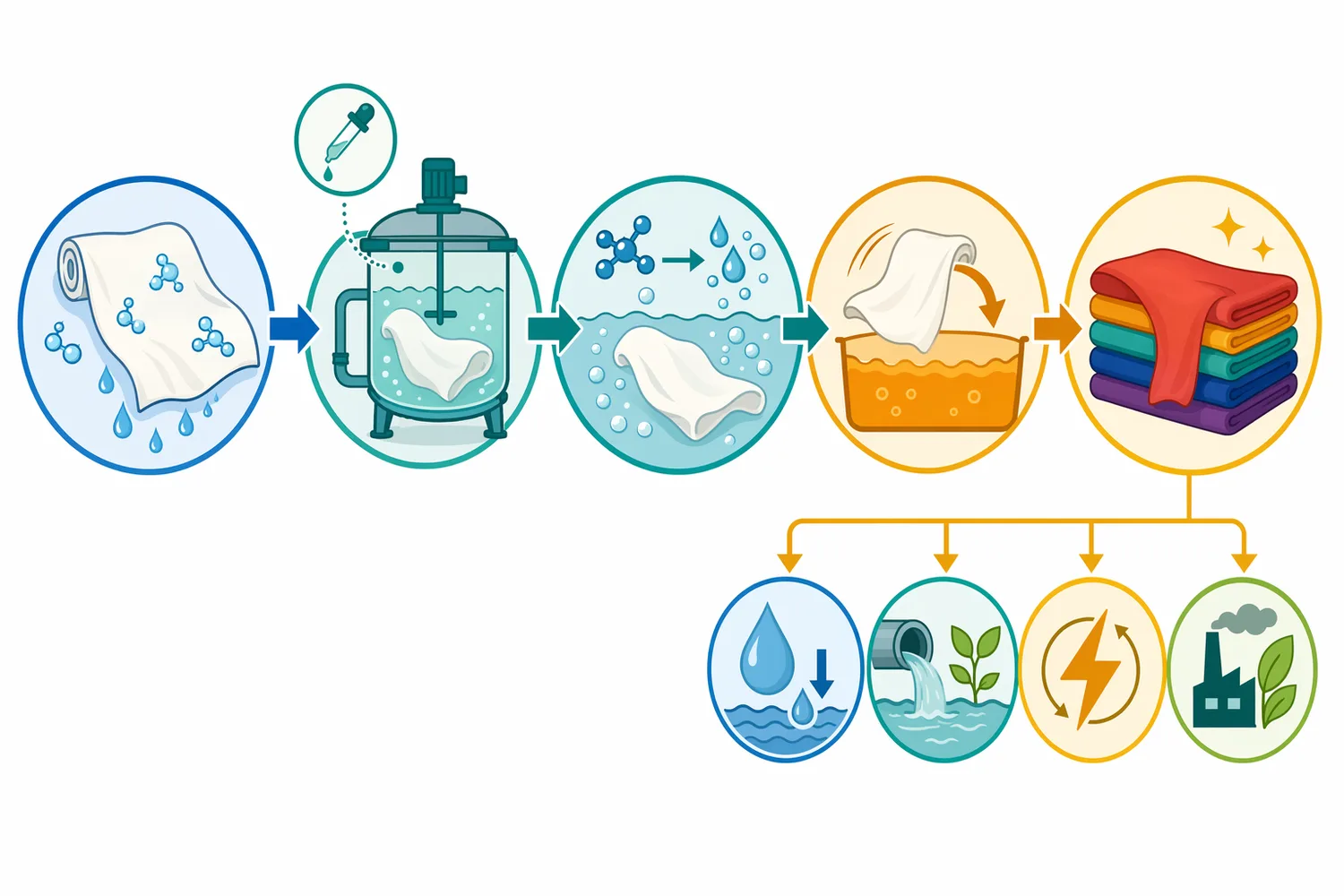
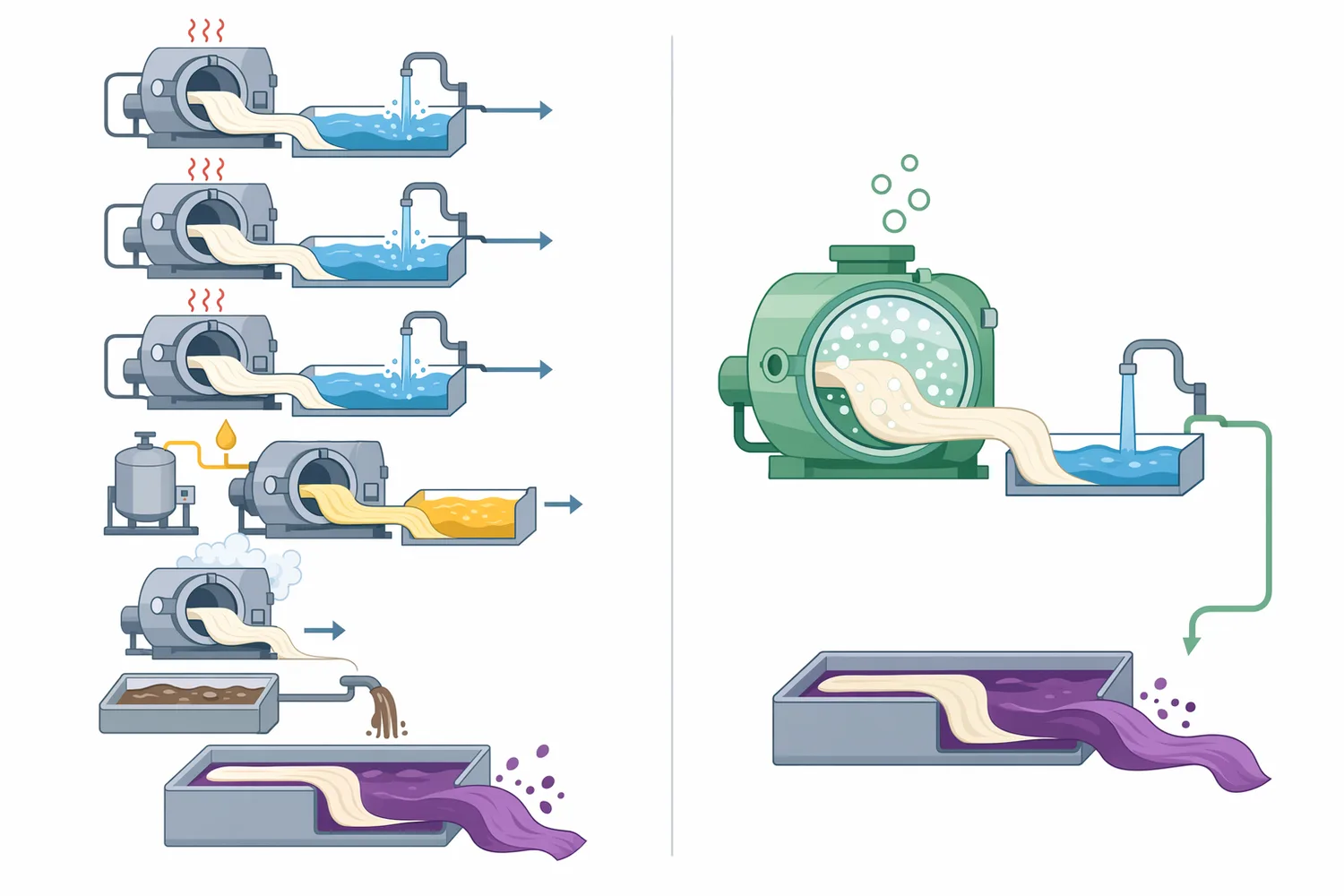
In peroxide bleaching, residual H₂O₂ can interfere with later dyeing or finishing. If peroxide remains, it can continue oxidizing dyes or auxiliaries, leading to shade variation, lower color yield, or unnecessary chemical stress on the material. Catalase is conceptually attractive because it removes peroxide by converting it into water and oxygen rather than adding a strong reducing chemical [1].
On the substrate, the change is straightforward: peroxide molecules remaining in the wet fabric, fiber slurry, or process liquor are decomposed. This reduces the active oxidant available to react with downstream colorants or finishing chemistry. The benefit is most relevant where a peroxide bleaching step needs to be followed by another operation without relying solely on extended rinsing, passive decomposition, or chemical reducing agents [2].
Peroxide may appear in wastewater after bleaching, sanitation, oxidation, or cleaning. Residual H₂O₂ can affect biological treatment stages because microbial communities and enzymes are sensitive to oxidative stress. Catalase is relevant when the target is peroxide decomposition before later handling or biological processing [8].
Environmental research frequently measures catalase activity as part of broader soil enzyme activity because it reflects oxidative biological processes and peroxide-handling capacity. While soil enzyme data are not the same as an industrial wastewater treatment design, they reinforce the role of catalase in systems where microbial activity and peroxide balance are linked [8].
In an effluent stream, catalase does not remove every oxidant, every contaminant, or every cause of toxicity. Its role is narrower: reduce hydrogen peroxide by turning it into water and oxygen. That specificity is an advantage when peroxide is the known issue, but it also defines the boundary of what catalase should be expected to do [1].
Hydrogen peroxide can stress microorganisms used in fermentation or bioconversion. In living systems, catalase helps lower H₂O₂ accumulation and supports tolerance to oxidative stress; plant studies, for example, link increased catalase activity with reduced H₂O₂ accumulation under heat-related stress conditions [6].
In industrial bioprocessing, the same chemistry is relevant when peroxide has been used upstream or generated as a by-product. Catalase can help create a less oxidizing environment before introducing cultures, enzymes, or sensitive biological materials. The enzyme’s function is not to replace sanitation, process control, or microbial management; it addresses the specific peroxide carryover problem [9].
Catalase is one way to control residual peroxide. Other methods include waiting for natural decomposition, dilution, heat treatment, or chemical neutralization. Each option changes the process differently.
| Peroxide-control approach | What changes in the process | Typical practical advantage | Practical limitation |
|---|---|---|---|
| Catalase enzyme | H₂O₂ is converted into H₂O and O₂ | Targeted peroxide decomposition with simple reaction products | Requires conditions compatible with enzyme function |
| Passive holding | Peroxide decomposes over time | Minimal added materials | Can slow production and may be unreliable in complex matrices |
| Dilution or rinsing | Peroxide concentration is reduced by volume exchange | Simple where water use is acceptable | Moves or dilutes peroxide rather than chemically decomposing all of it |
| Heat treatment | Peroxide decomposition may accelerate; enzymes and microbes may also be affected | Useful in some thermal processes | Can damage heat-sensitive materials and increase energy use |
| Chemical neutralization | Peroxide reacts with an added reducing agent | Can be fast and robust | Adds reaction by-products and may affect downstream chemistry |
The distinguishing feature of catalase is its reaction specificity. It does not broadly reduce all oxidants or change every reactive species in the matrix; its principal function is decomposition of hydrogen peroxide. That is why catalase is best understood as a targeted peroxide-removal aid rather than a general-purpose chemical correction step [2].
Many readers encounter catalase through microbiology terms such as “catalase test,” “test catalase,” “catalase positive bacteria,” and “catalase test observations and interpretations.” In that context, the catalase test is used to observe whether a microorganism produces catalase: visible bubbling after exposure to hydrogen peroxide indicates oxygen release from peroxide decomposition, which is interpreted as a catalase-positive reaction [1].
That microbiology terminology is useful because it makes the enzyme’s action visible. Bubbling is oxygen, and oxygen is one of the two products of the catalase reaction. A catalase-negative or weak reaction means little or no visible oxygen release under the test conditions, not that hydrogen peroxide chemistry has changed in principle [1].
For industrial catalase use, the same observation may occur in a process vessel or liquid stream: oxygen release can create bubbles or foam. That observation should be understood as part of the expected conversion of hydrogen peroxide to water and oxygen, not as contamination or an unrelated gas-forming reaction [2].
Catalase is widely found in organisms exposed to oxygen. Its biological role is to protect cells from hydrogen peroxide, which forms during normal oxygen metabolism and under stress. In plants, catalase-related activity is associated with controlling H₂O₂ accumulation during environmental stress responses [6].
Rice seedling research on short-term high-temperature treatments, for example, evaluated antioxidant enzyme activity and membrane stability as part of heat-stress responses. Catalase belongs to this wider antioxidant enzyme network because peroxide control is tied to cellular membrane integrity and oxidative balance [9].
This biological context helps explain why catalase is such a powerful processing tool: nature uses it for the same chemical reason industry does. Hydrogen peroxide is useful and unavoidable in many oxidative environments, but it must be controlled before it damages sensitive structures or disrupts biological function [1].
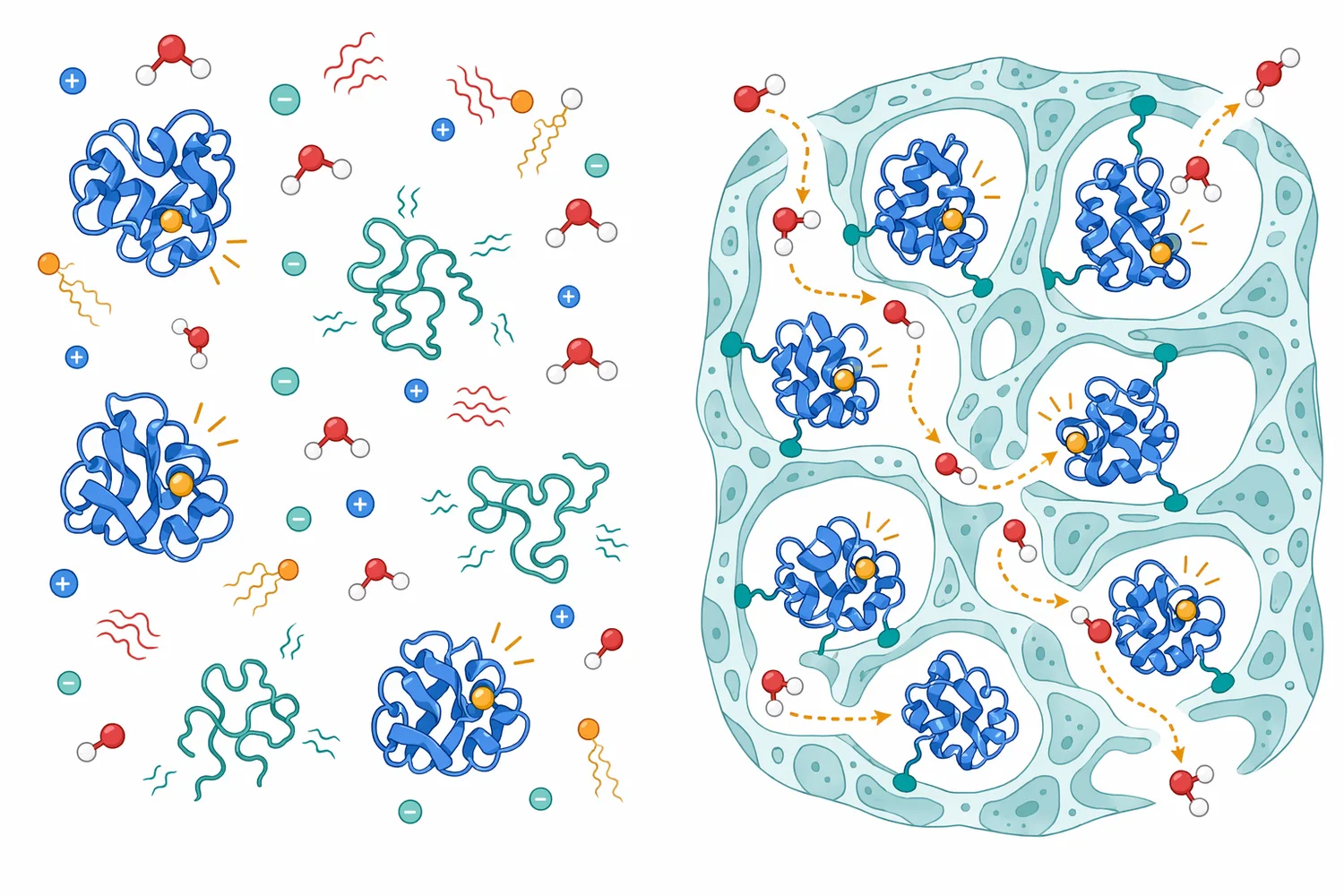
Catalase is a protein enzyme, so its performance depends on the environment around it. Temperature, pH, salts, surfactants, solvents, oxidant load, mixing, and contact conditions can influence whether the enzyme remains folded and active long enough to decompose the peroxide present. This is a general enzyme principle and is especially important for catalase because it works directly with an oxidizing substrate [10].
Research on catalase immobilized on plastic nanobeads has shown that interfacial properties can influence enzyme stability and activity. The significance is practical: the surface or matrix surrounding catalase can change how well the enzyme retains its active shape and how easily peroxide reaches the active site [10].
Other studies have examined greener immobilization strategies to improve enzyme stability and reusability on eco-friendly supports. These approaches are mainly research and process-development topics, but they demonstrate a key concept: catalase performance is not only about the enzyme molecule itself; it is also about its local environment and exposure during use [11].
Cryogel-immobilized catalase has also been studied as a biocatalyst with enhanced stability against microplastics. While this does not imply that every commercial catalase product behaves the same way, it reinforces the broader observation that immobilization and surrounding materials can influence catalase durability in challenging environments [12].
Modern research also includes catalase-like “nanozymes,” which are engineered materials that mimic enzyme activity. For example, ternary nanoflowers have been studied as dual-function enzyme mimics with pH-switchable peroxidase and catalase-like activities in biomedical research contexts [13].
These materials are scientifically important, but they should not be confused with a conventional catalase enzyme product. A true catalase enzyme is a protein biocatalyst; a catalase-like nanozyme is an engineered material designed to reproduce some aspects of catalase behavior. The mechanism, regulatory context, application area, and performance profile can be very different [13].
Catalase-like materials have also been studied for acidic solutions and cascade conversion of glucose to gluconic acid. That work is relevant to the broader field because it shows how important peroxide removal is in coupled oxidation systems, but it does not replace the established industrial role of enzyme catalase where a biological peroxide-decomposition catalyst is desired [14].
Catalase is most useful when the process problem is clearly hydrogen peroxide. If the issue is chlorine, ozone, organic peroxides, metal-catalyzed oxidation, microbial contamination, color instability from non-peroxide causes, or general effluent toxicity, catalase may not address the root cause. Its strength is specificity; its limitation is the same specificity [1].
In aqueous or moisture-containing systems, catalase can contact dissolved peroxide and accelerate its decomposition. Good contact matters because enzyme and substrate must meet at the molecular level. If peroxide is trapped in a poorly mixed phase, bound in a dense material, or continuously replenished faster than it is decomposed, the apparent result may differ from a simple beaker observation [7].
Oxygen release is another practical consideration. The oxygen generated by catalase is the expected product of the reaction, but in a closed or foam-sensitive system it may need to be accounted for by the user’s normal process controls. This is not a unique impurity or additive effect; it follows directly from the stoichiometry of the catalase reaction [2].
Search terms such as “catalase supplements,” “catalase supplement,” “catalase and enzymes,” or “enzymes catalase” often lead to consumer wellness discussions. Those topics should be separated from industrial enzyme use. Catalase is biologically important, but the presence of catalase in oxidative-stress pathways does not make an industrial catalase product a medical treatment or dietary supplement [1].
Biomedical and cell-biology studies can deepen understanding of peroxide control, but they should not be translated into unsupported product claims. For an industrial buyer, the reliable claim remains chemical and process-focused: catalase decomposes hydrogen peroxide into water and oxygen [3].
Enzymes.bio supplies Catalase as a professional enzyme product sold directly online by the 1 kg unit. The buyer places the order and pays online; the order is then processed and shipped. A Certificate of Analysis and Safety Data Sheet come with the order.
Enzymes.bio is a supplier, not a laboratory or manufacturer making custom batches. This article is intended to explain what catalase is, how the catalase enzyme works, and where it is commonly relevant in industrial peroxide-control workflows. Product use should follow the product label, safety documentation, and the buyer’s own site-specific controls.
Catalase is one of the clearest enzyme solutions for a defined chemical task: decomposing hydrogen peroxide. Its reaction converts two molecules of H₂O₂ into two molecules of water and one molecule of oxygen, reducing oxidative carryover after peroxide has served its purpose [2].
For processes involving bleaching, oxidation, sanitizing, peroxide-generating enzyme systems, or peroxide-containing effluent, catalase offers a targeted way to reduce residual H₂O₂. Its practical value comes from what actually changes in the substrate: hydrogen peroxide is consumed, oxygen is released, and the treated material becomes less oxidizing for the next step [5].
Sold by the 1 kg unit, in stock and ready to ship. Order directly on our store — pay online and we process your order. A Certificate of Analysis and Safety Data Sheet are included with every order.
Buy Catalase →Numbered in order of first citation. Open-access sources, each verified reachable at publication; citation numbers in the text link here.