
Glucose oxidase is an oxygen-dependent enzyme that converts glucose into glucono-δ-lactone, which can hydrolyze to gluconic acid, while forming hydrogen peroxide as the paired reduction product. In processing terms, the glucose oxidase reaction can reduce available glucose, consume dissolved oxygen, generate controlled peroxide chemistry, and support glucose measurement systems where a specific response to glucose is required [1].
Enzymes.bio supplies Glucose Oxidase for direct online purchase by the 1 kg unit. The buyer places and pays for the order online; the order is then processed and shipped, with a Certificate of Analysis and Safety Data Sheet supplied with the product.
Glucose oxidase, often abbreviated as GOx or GOD in technical literature, is a flavin-dependent oxidoreductase: it transfers electrons from glucose to an electron acceptor, with molecular oxygen serving as the normal acceptor in the classic reaction. The practical chemistry is simple but powerful: glucose + oxygen → glucono-δ-lactone / gluconic acid + hydrogen peroxide, so one enzyme can simultaneously change sugar availability, oxygen status, acidity, and oxidative potential in a process system [1].
The phrase glucose and glucose oxidase appears frequently because the enzyme is highly associated with glucose-specific transformation rather than broad carbohydrate breakdown. In contrast to amylases, cellulases, or invertases, which cleave glycosidic bonds, the glucose oxidase enzyme oxidizes the aldehyde-equivalent form of glucose and passes electrons through its flavin cofactor; this makes it especially valuable where the desired change is oxidation of glucose rather than hydrolysis of starch, sucrose, or fiber [2].
Readers searching for what is glucose oxidase or glucose oxidase from Aspergillus niger are usually looking for the well-known fungal enzyme class used across food, diagnostics, and biotechnology. Fungal glucose oxidases remain an active research area: recent work has described identification, purification, and biochemical characterization of glucose oxidase from the endophytic fungus Talaromyces pinophilus 47 K9, showing that the enzyme family continues to be studied beyond the historically familiar glucose oxidase Aspergillus niger context [2].
The industrial value of glucose oxidase comes from a two-half-reaction redox cycle. In the first half, glucose enters the enzyme’s active site and reduces the flavin cofactor as glucose is converted into glucono-δ-lactone. In the second half, oxygen re-oxidizes the flavin, generating hydrogen peroxide; the lactone then hydrolyzes in water to gluconic acid, changing the local chemical environment as the reaction proceeds [1].
Mechanistically, this means the enzyme does not simply “remove sugar” in an abstract way. It converts glucose into a more oxidized acid-forming product, while oxygen is consumed and hydrogen peroxide appears in the same reaction space. In a food liquid, dough, coating, sensor film, or immobilized matrix, those three changes can have distinct consequences: less reactive glucose, lower oxygen availability, and a mild oxidative product capable of further reactions [3].
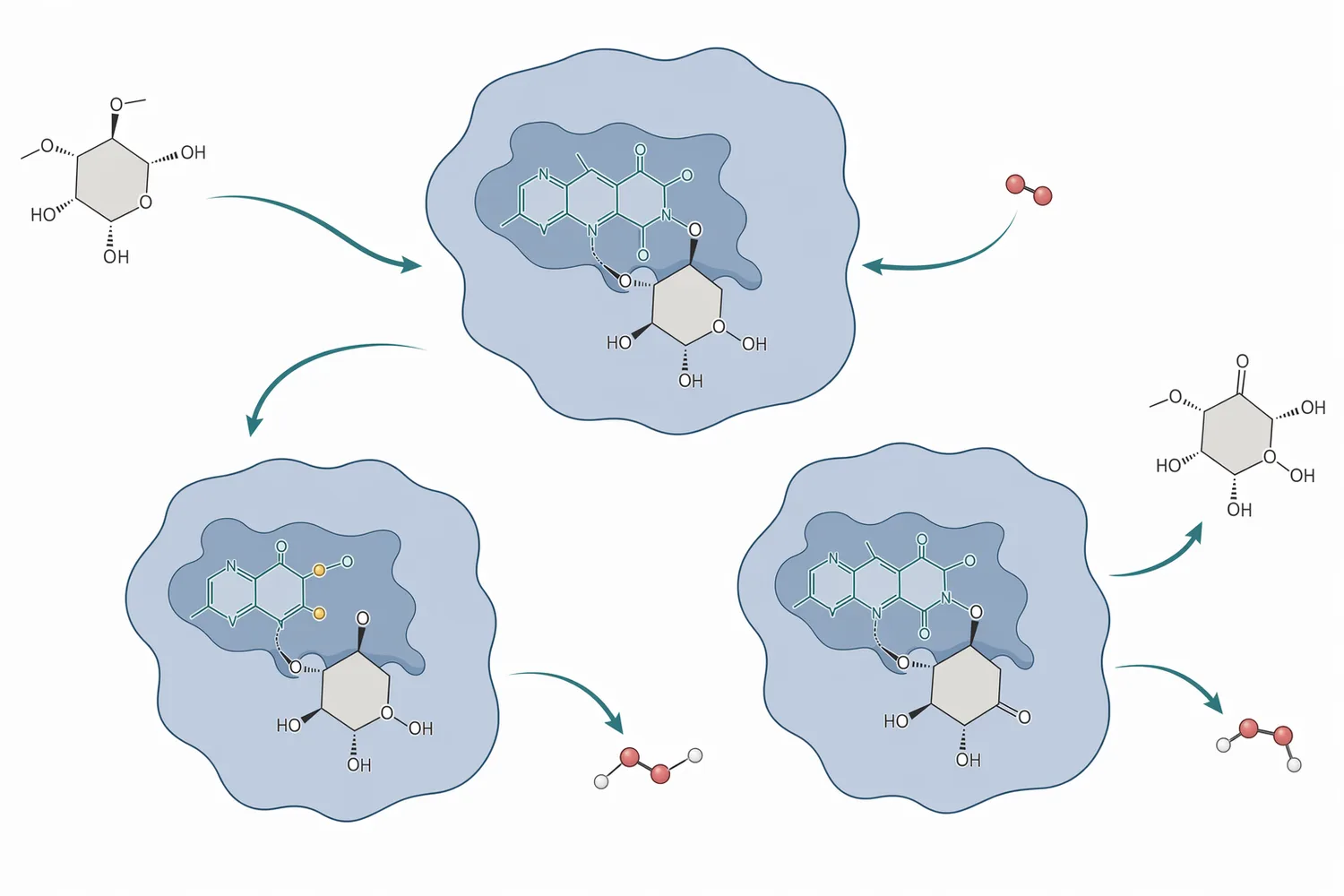
The reaction also explains why glucose oxidase is often paired with catalase or catalase-like materials. Catalase decomposes hydrogen peroxide into water and oxygen; in a combined glucose oxidase–catalase system, peroxide accumulation can be moderated while oxygen may be partially regenerated, supporting continued glucose conversion and reducing the risk that peroxide becomes the dominant chemical outcome [3].
Glucose oxidase is best understood through the process changes it causes. It can reduce glucose, consume oxygen, generate gluconic acid, and create hydrogen peroxide; the value of each effect depends on the matrix. In some systems, glucose reduction is the goal, while in others the oxygen-scavenging or peroxide-generating effect is more important [1].
| Functional mode | What changes in the system | Why it matters | Typical application logic |
|---|---|---|---|
| Glucose conversion | Glucose is oxidized to glucono-δ-lactone / gluconic acid | Reduces available glucose and may influence browning, acidity, or downstream reactions | Glucose management in food and bioprocessing systems |
| Oxygen consumption | Molecular oxygen is used as the electron acceptor | Helps reduce oxidative pressure in oxygen-sensitive systems when glucose is present | Beverage, liquid food, and packaged-system oxygen control concepts |
| Hydrogen peroxide formation | Peroxide is generated in situ | Provides controlled oxidative chemistry; may support antimicrobial or structure-forming effects | Preservation concepts, dough strengthening, cascade reactions |
| Coupled catalase operation | Hydrogen peroxide is decomposed to water and oxygen | Moderates peroxide accumulation and can support longer cascade performance | Co-immobilized enzyme systems and gluconic acid production |
| Biosensor response | Glucose conversion produces an electrochemical or colorimetric signal | Enables glucose-specific measurement formats | Glucose oxidase biosensor and glucose oxidase test systems |
A key reason buyers use glucose oxidase is that it can reduce residual glucose without needing harsh chemical oxidants. Because the substrate is glucose and the co-substrate is oxygen, the enzyme is useful in moisture-containing systems where glucose is accessible and oxygen transfer is possible [1].
In products where residual glucose contributes to unwanted browning, flavor drift, color change, or instability, glucose oxidase offers a targeted biochemical route: the glucose molecule is converted rather than masked. The effect is not the same as removing all carbohydrates; it is specifically a glucose-directed oxidation reaction, which is why glucose oxidase is used where the problem is glucose reactivity rather than general sweetness or total carbohydrate content [2].
Oxygen control is the paired benefit. Each turnover of the enzyme requires oxygen, so a formulation containing glucose and glucose oxidase can reduce oxygen availability in the immediate environment. This is relevant to oxygen-sensitive foods and beverages, where oxygen can drive oxidation of aromas, colors, lipids, vitamins, or other sensitive components [1].
The oxygen effect is limited by process reality: the enzyme cannot consume oxygen that is unavailable to it, and it cannot continue oxidizing glucose efficiently if either glucose access or oxygen transfer becomes limiting. Mixing, liquid depth, headspace, packaging geometry, dissolved oxygen, and matrix viscosity can all influence how strongly the reaction is expressed in a real system, even when the underlying enzyme chemistry is the same [3].
Hydrogen peroxide formation is central to the usefulness of glucose oxidase. In some applications, peroxide generation is desired because it creates a local oxidative environment; in others, it is controlled or removed because the main goal is glucose conversion or oxygen reduction. The same reaction can therefore be used differently depending on whether peroxide is a functional output or a compound to moderate [4].
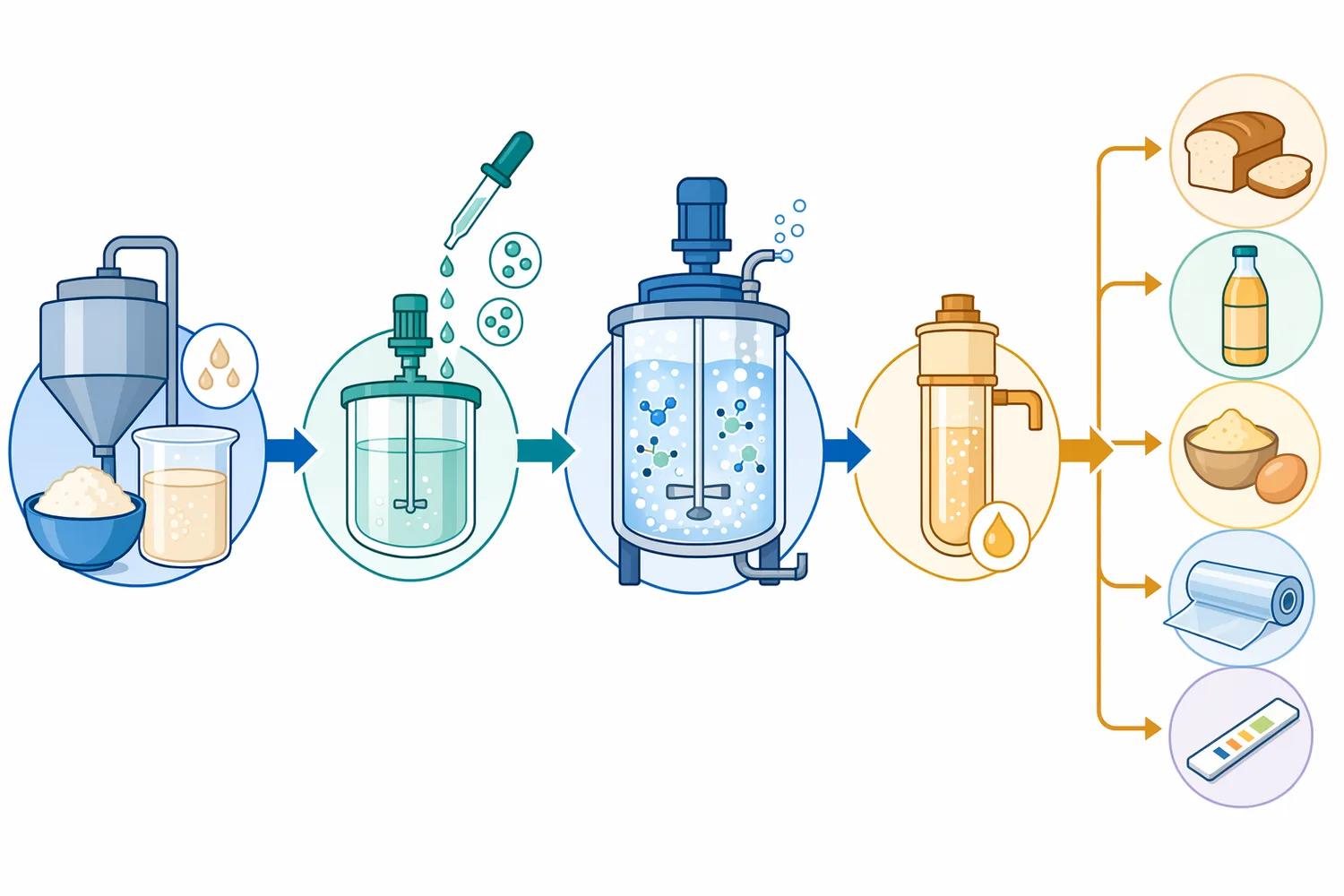
In preservation concepts, hydrogen peroxide can contribute antimicrobial pressure by damaging microbial cell components, disturbing redox balance, and interacting with sensitive proteins, membranes, or nucleic acids. This is one reason glucose oxidase is widely discussed in food and biological systems where mild in-situ peroxide formation is preferable to adding a bulk oxidant directly [5].
In cascade processes, peroxide management becomes more deliberate. Recent work on catalase-like nanozymes in acidic solutions describes systems designed for enzyme immobilization and chemoenzymatic cascade conversion of glucose to gluconic acid, illustrating how glucose oxidase chemistry can be coupled with peroxide-decomposing functions to improve overall reaction control [4].
For practical users, the key point is not that peroxide is always “good” or “bad.” It is chemically active. In dough, it may help build structure; in a beverage, it may need to be limited; in an antimicrobial coating, it may be the main functional driver; in a biosensor, it may be part of the detection signal. The value depends on the intended process outcome [3].
Glucose oxidase has a long-standing role in food-processing concepts because it acts on common food components—glucose and oxygen—without requiring extreme reaction conditions. The enzyme can influence shelf-life chemistry by reducing oxygen exposure and altering glucose availability, while the formation of gluconic acid and hydrogen peroxide can add further functional effects [1].
In beverage and liquid-food settings, the oxygen-consuming property is especially relevant. When glucose is present, glucose oxidase can reduce dissolved oxygen in the local environment, which may help limit oxidative changes in flavor, color, and sensitive nutrients. This is not a universal oxygen-removal tool for every formulation; it depends on the presence of glucose and the ability of oxygen to reach the enzyme [3].
In lipid-containing foods, glucose detection and monitoring can be technically more difficult because enzymes that work well in water-rich systems may behave differently in hydrophobic or emulsified environments. Research on entrapment of glucose oxidase in reverse micelle microemulsion systems specifically addresses glucose detection in lipid-based food products, showing how enzyme placement and microenvironment design affect glucose oxidase performance outside simple aqueous solutions [6].
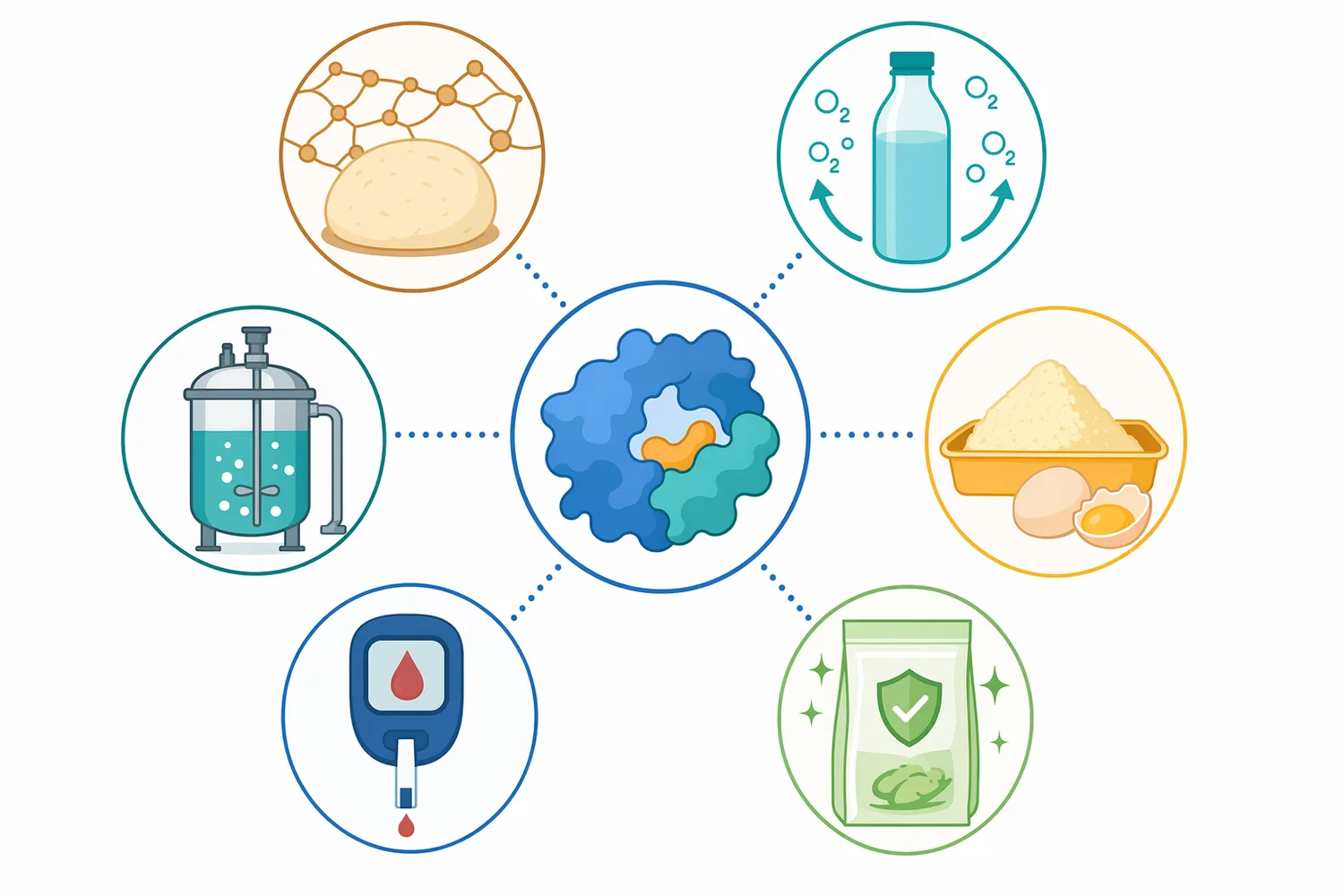
Honey provides a natural food example of why glucose oxidase is important. Honey’s antimicrobial activity is frequently linked with enzymatic generation of hydrogen peroxide and other bioactive components, and glucose oxidase is discussed in the literature as part of the biochemical system contributing to honey’s preservation-related properties [5].
In bakery systems, glucose oxidase is valued because the hydrogen peroxide formed during glucose oxidation can promote oxidative cross-linking. Instead of directly adding a strong oxidant, the enzyme generates oxidative capacity gradually where glucose, oxygen, water, and the dough matrix coexist [1].
The structure-forming mechanism is concrete. Wheat dough strength depends heavily on gluten proteins and other macromolecules that can form or reorganize cross-links. Hydrogen peroxide generated by glucose oxidase can promote oxidative coupling reactions, helping reinforce the dough network and improving resistance to deformation under suitable formulation and processing conditions [3].
This is why glucose oxidase may be described as a dough-strengthening or dough-conditioning enzyme rather than a sugar enzyme in bakery use. Its benefit does not come primarily from making more fermentable sugar or breaking down starch; it comes from controlled oxidation that changes the protein-polysaccharide network and can influence gas retention, dough handling, and final structure [1].
The practical expression of this effect is matrix-dependent. Flour quality, water absorption, mixing intensity, yeast activity, reducing agents, oxidizing agents, salt, fat, and processing time can all change the extent to which peroxide formation strengthens the dough network. The enzyme reaction is specific, but dough is a complex viscoelastic system, so the observed result is the combined outcome of biochemistry and formulation [3].
Glucose oxidase is also important in production concepts for gluconic acid because glucono-δ-lactone hydrolyzes to gluconic acid in aqueous systems. In this use case, the desired outcome is the oxidized glucose product, while oxygen transfer and peroxide management become the main operational challenges [4].
The reason catalase is so often discussed with glucose oxidase in this context is that peroxide can inhibit or damage enzymes and can create undesired side reactions. A glucose oxidase–catalase pairing can convert glucose to gluconic acid while decomposing hydrogen peroxide, making the cascade more balanced than glucose oxidase alone in systems where peroxide accumulation is not desired [3].
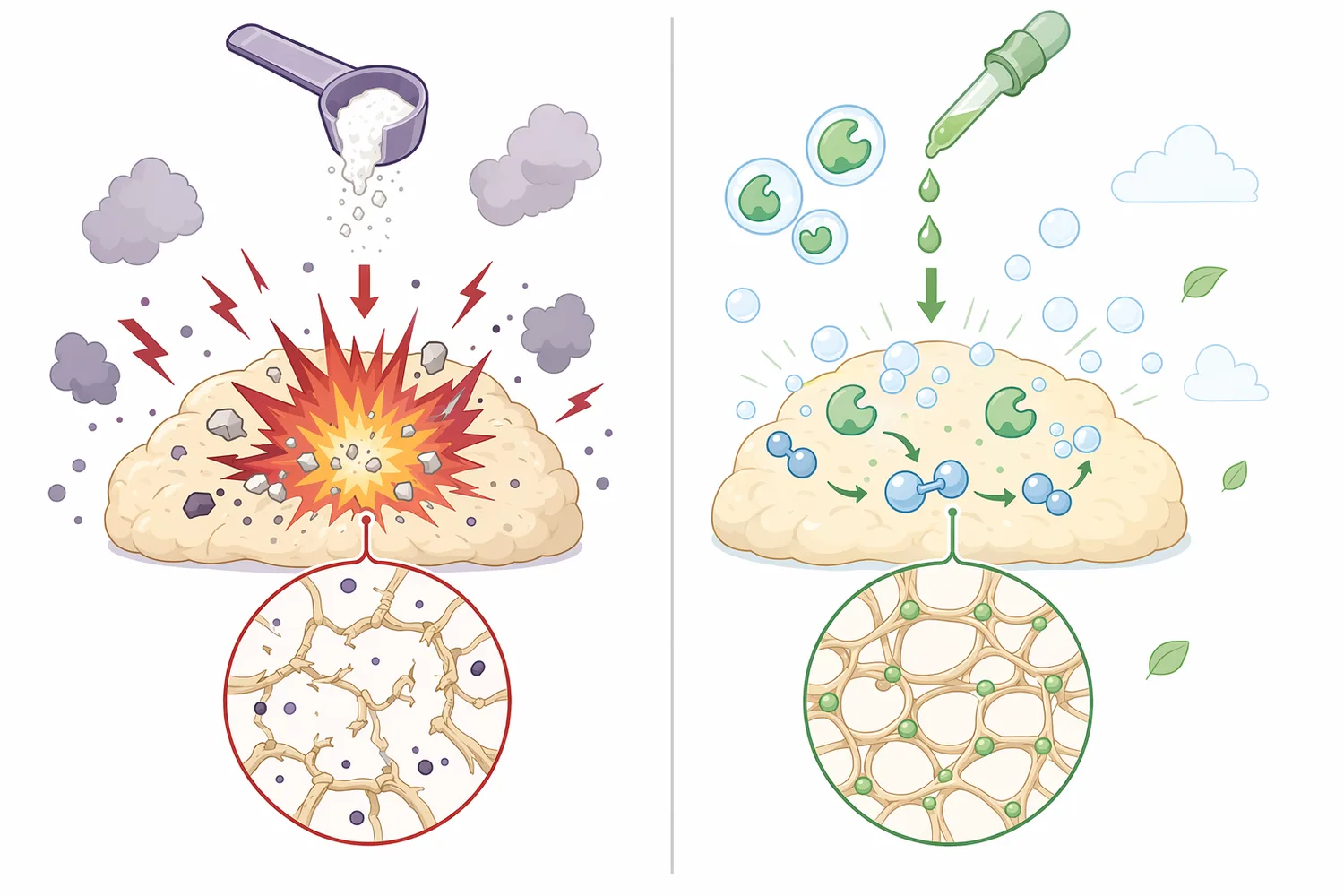
Recent immobilization research shows how this cascade logic is being engineered. A 2024 study evaluated operational conditions of a glucose oxidase and catalase multienzymatic system through co-immobilization on amino hierarchical porous silica, reflecting a broader trend toward placing both enzymes in structured supports so that the peroxide generated by one enzyme can be handled close to where it forms [3].
Other studies explore inorganic or hybrid supports that stabilize glucose oxidase while adding nanozyme functions. For example, copper-2-methylimidazole nanoflower systems have been studied for stabilizing glucose oxidase and activating nanozyme functions for tandem catalysis, showing how immobilization can combine enzyme confinement with additional catalytic behavior in one material platform [7].
The glucose oxidase biosensor is one of the best-known uses of this enzyme. In many sensor designs, glucose oxidase provides the recognition chemistry: glucose is converted enzymatically, and the downstream oxygen consumption, hydrogen peroxide formation, pH shift, mediator response, or electron-transfer event is translated into a measurable signal [8].
This is why the terms biosensor glucose oxidase, glucose oxidase biosensor, glucose oxidase-test, and glucose oxidase test are so common in technical searches. The enzyme does not merely sit in the device as a reagent; it gives the device its glucose selectivity by reacting preferentially with glucose and producing a chemical change that can be measured electrochemically, optically, or colorimetrically [9].
Electrochemical biosensors often immobilize glucose oxidase near a conductive surface. Research continues to improve this interface: one 2025 study described a stable and sensitive glucose biosensor using chitosan and glucose oxidase on platinum nanoparticles, while another line of work uses diffusion-limiting membranes to adjust the linear response range of Prussian blue/glucose oxidase composites [8].
Microfluidic and patterned systems show the same principle at smaller scales. Layer-by-layer self-assembly has been used to immobilize glucose oxidase onto PDMS microfluidic chips for glucose biosensing, while glucose oxidase-patterned meta-chemical surfaces have been investigated for sensing glucose using dip-pen nanolithography [10].
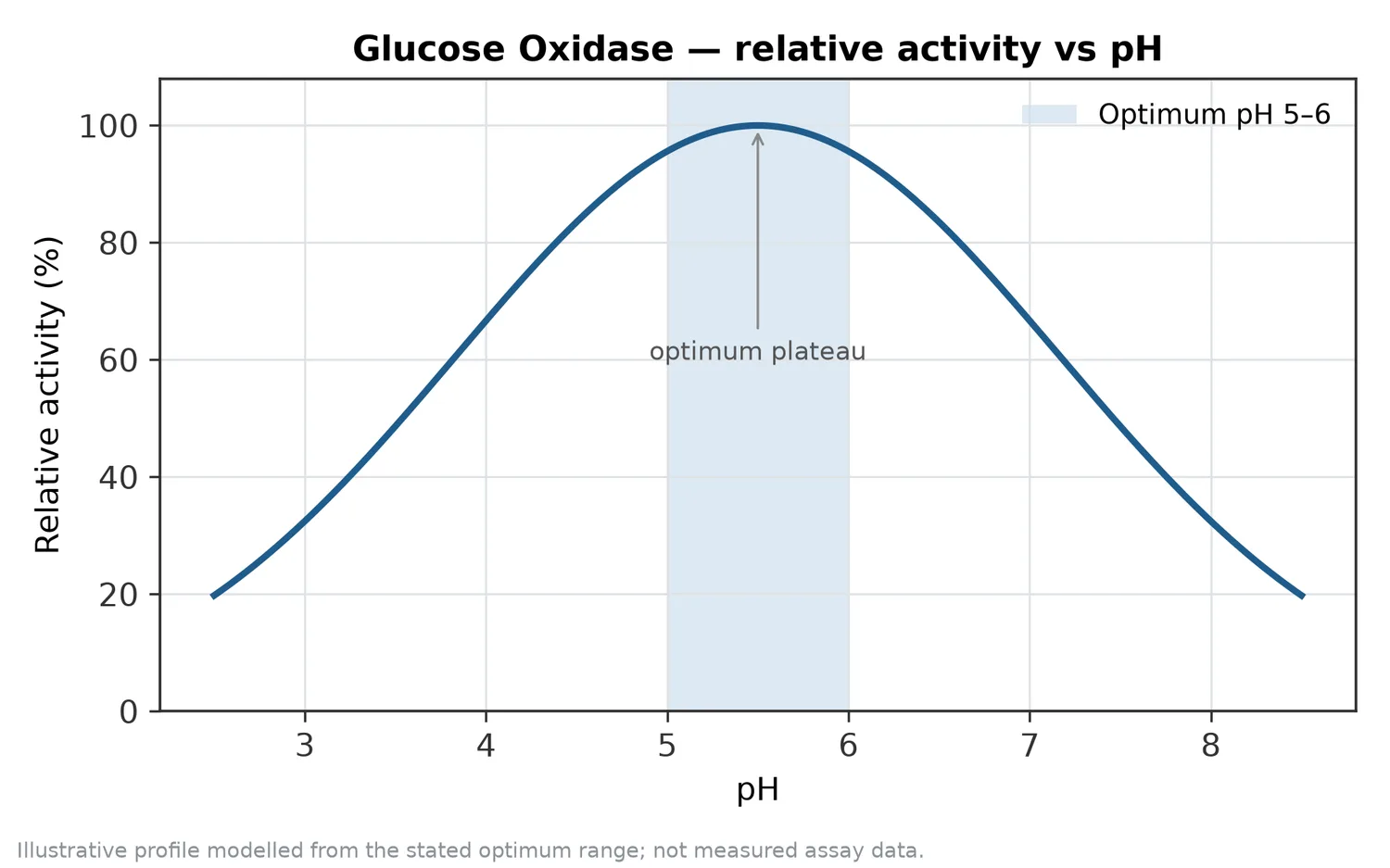
Stability remains a major design issue in biosensors because enzymes must retain conformation, substrate access, and signal coupling over time. A study on high hydrostatic pressure reported increased thermal stability of a glucose oxidase biosensor, demonstrating that physical processing and immobilized-state conditions can significantly affect enzyme performance in device formats [11].
Not every glucose oxidase method is electrochemical. Colorimetric glucose detection uses the enzyme reaction to create a visible or absorbance-based change. In broad terms, glucose oxidase converts glucose and produces hydrogen peroxide, and the peroxide then participates in a secondary color-forming or signal-generating reaction [9].
A 2025 study on dual detection of glucose using commercial potassium permanganate and glucose oxidase describes colorimetric and absorbance-based approaches, illustrating how the glucose oxidase reaction can be connected to optical readouts rather than electrodes [9].
Glucose oxidase is also used in more complex detection architectures beyond measuring glucose itself. A colorimetric immunoassay based on glucose oxidase-induced gold nanoparticle aggregation was developed for fumonisin B1 detection, showing how the enzyme’s reaction products can be used as part of an amplified analytical signal in food-safety-related testing [12].
Advanced point-of-care concepts use immobilized glucose oxidase in functional materials. For example, glucose oxidase immobilized in lanthanide-functionalized metal-organic frameworks has been studied as a point-of-care diagnostics logic detector, showing that GOx can serve as a biochemical input element in multi-signal diagnostic systems [13].
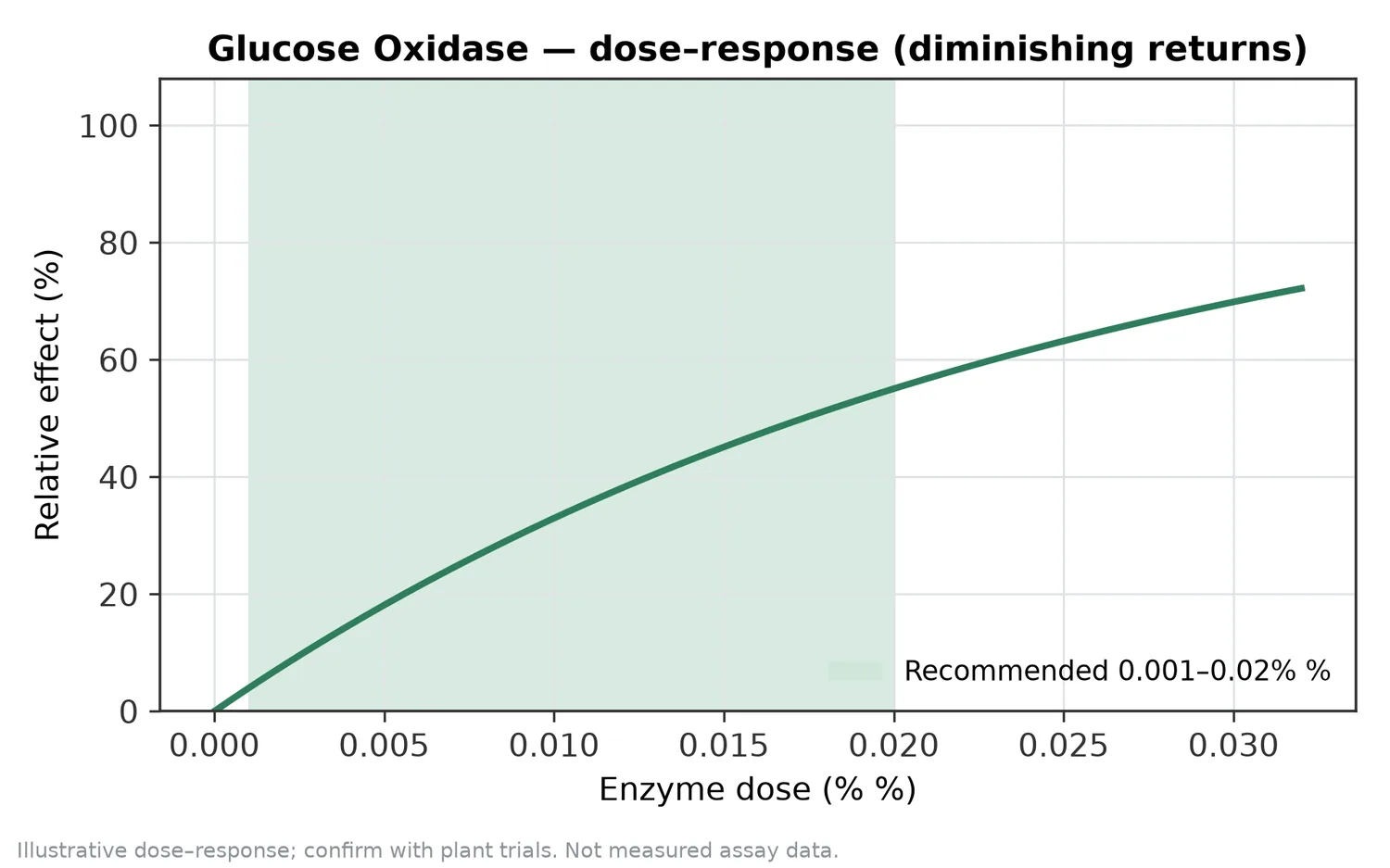
Many current studies focus on immobilizing or encapsulating glucose oxidase because the enzyme’s performance depends strongly on its local environment. Immobilization can restrict unfolding, improve reusability, place the enzyme near a signal surface, or couple it with other catalytic components, but it can also limit substrate diffusion if the support is poorly matched to the application [7].
Silica, chitosan, porous supports, metal-organic frameworks, polymer layers, and nanoparticle assemblies have all been studied as glucose oxidase environments. These materials do not change the enzyme’s fundamental reaction, but they can change how quickly glucose and oxygen reach the active site, how peroxide leaves the site, and how stable the protein remains under operating conditions [14].
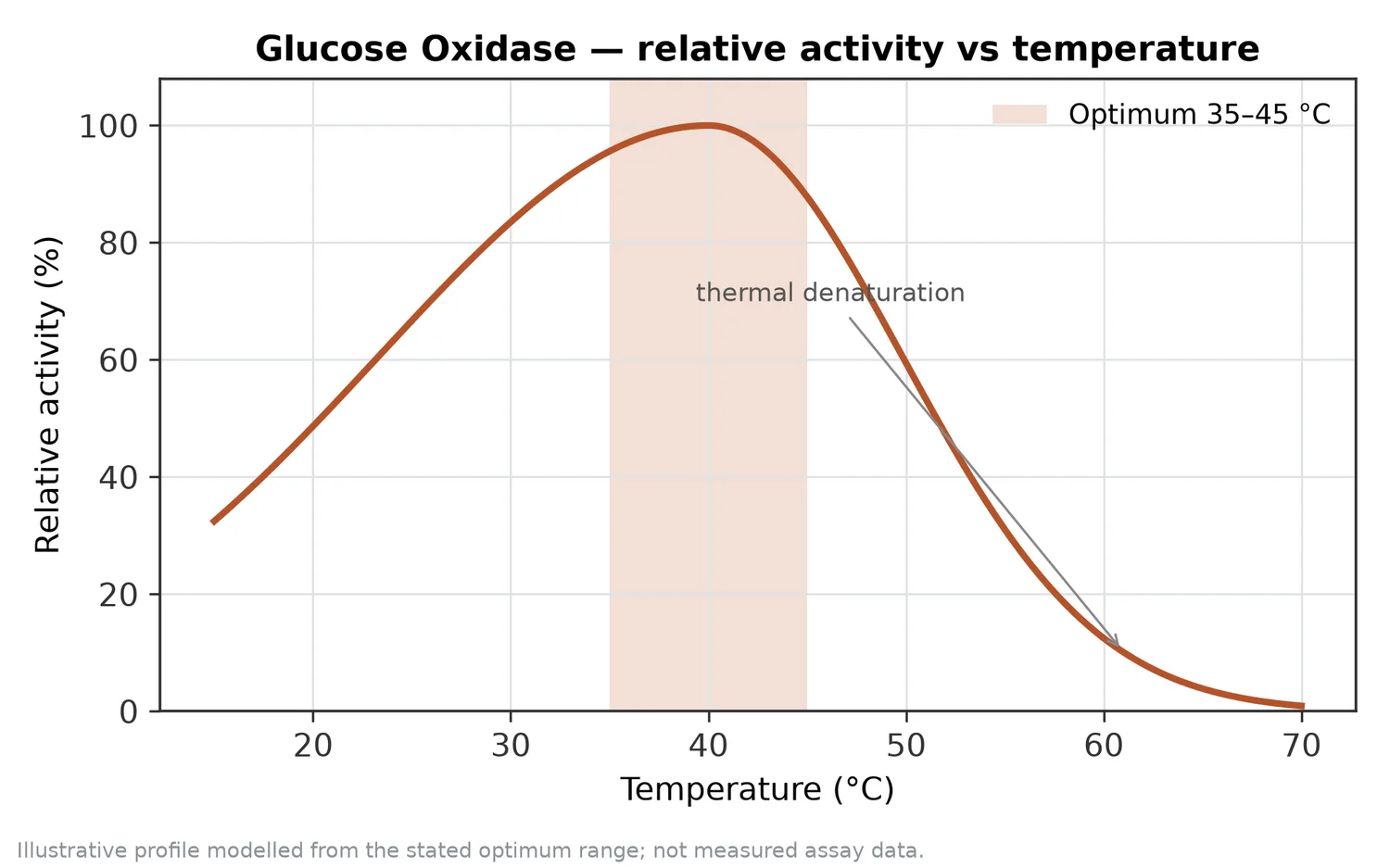
Encapsulation research also illustrates pH-responsive behavior. A 2025 study on encapsulation of glucose oxidase and asparaginase in silica-chitosan hybrids examined stability and pH-modulated release for potential biomedical applications, showing how hybrid matrices can be designed to protect enzymes and influence when or where they are released [14].
For industrial interpretation, immobilization studies are useful because they reveal the variables that matter: water access, diffusion path length, enzyme conformation, local pH, peroxide exposure, and the physical interface between enzyme and matrix. Even when a buyer is using a free enzyme product rather than an immobilized device, those same factors explain why performance can differ between a dilute aqueous system, a viscous syrup, a dough, and a coating [3].
Glucose oxidase is also studied in biological and feed-related contexts because the same reaction—glucose oxidation with oxygen consumption and peroxide formation—can influence microbial ecology and gut chemistry. The proposed value is usually not a single effect, but a combination of oxygen modulation, organic acid formation, and redox pressure [1].
In biological environments, peroxide formation must be interpreted carefully. Low, localized peroxide generation can contribute to antimicrobial pressure or signaling-like redox effects, while excessive peroxide can be damaging. That is why many biological applications study immobilization, encapsulation, or co-catalysts that alter exposure and release patterns rather than relying only on free enzyme addition [14].
The broader food-additive literature emphasizes that additives and processing aids should be used judiciously and in context. For glucose oxidase, that means understanding its actual chemistry—glucose conversion, oxygen consumption, gluconic acid formation, and hydrogen peroxide generation—rather than treating it as a generic preservative, antioxidant, or antimicrobial agent [15].
The same enzyme can be used for different practical goals. A buyer considering glucose oxidase should distinguish between the functional mode of use rather than thinking of GOx as one uniform application.
| Use mode | Main desired effect | Main reaction driver | What must be present | What commonly needs attention |
|---|---|---|---|---|
| Glucose reduction | Lower available glucose | Oxidation of glucose | Accessible glucose and moisture | Oxygen availability and reaction time |
| Oxygen control | Lower dissolved or local oxygen | Oxygen as electron acceptor | Glucose plus oxygen transfer | Re-entry of oxygen from headspace or packaging |
| Dough strengthening | Oxidative network formation | Hydrogen peroxide generation | Glucose, oxygen, hydrated dough matrix | Balance with flour quality and formula chemistry |
| Gluconic acid formation | Conversion to acid product | Lactone hydrolysis after oxidation | Glucose, oxygen, water | Peroxide control, often via catalase-type function |
| Biosensor chemistry | Glucose-specific signal | Enzyme reaction coupled to readout | Immobilized enzyme and glucose access | Stability, diffusion, signal range, interference control |
| Antimicrobial concept | Local oxidative pressure | Hydrogen peroxide formation | Glucose, oxygen, susceptible organisms | Matrix effects, peroxide tolerance, safety context |
Technical readers often encounter terms such as glucose oxidase reagent, glucose oxidase method, or catalog-style searches like glucose oxidase Sigma, glucose oxidase Sigma Aldrich, and glucose oxidase Sigma-Aldrich when reviewing papers or lab protocols. Those terms usually refer to research-use enzyme preparations and analytical workflows; the underlying enzyme chemistry is the same, but the purchasing context, package size, and documentation route differ from buying a 1 kg online enzyme product for process use.
For Enzymes.bio customers, the important takeaway from that literature is the evidence behind the enzyme’s reaction and applications, not the branding of a small-pack reagent. Glucose oxidase is repeatedly used in biosensors, colorimetric detection, immobilized enzyme systems, food-related detection formats, and cascade catalysis because its reaction is specific, measurable, and easy to couple to secondary chemistry [9].
The term glucose oxidase method should therefore be read broadly. It may refer to a glucose detection approach, a peroxide-linked color change, an electrochemical biosensor design, or a process chemistry route for glucose conversion. What unites those methods is the same enzymatic event: glucose oxidation by GOx and formation of reaction products that can be used, measured, or controlled [16].
Enzymes.bio supplies Glucose Oxidase as a 1 kg online product for buyers who want a straightforward purchasing route. The product is ordered and paid for online, then processed and shipped; a Certificate of Analysis and Safety Data Sheet accompany the order.
This article is intended to explain the enzyme’s science and application logic so that users understand what the product does in a process. The key operating concept is that glucose oxidase requires accessible glucose and oxygen, and its useful effects come from the linked formation of gluconic acid-related products and hydrogen peroxide [1].
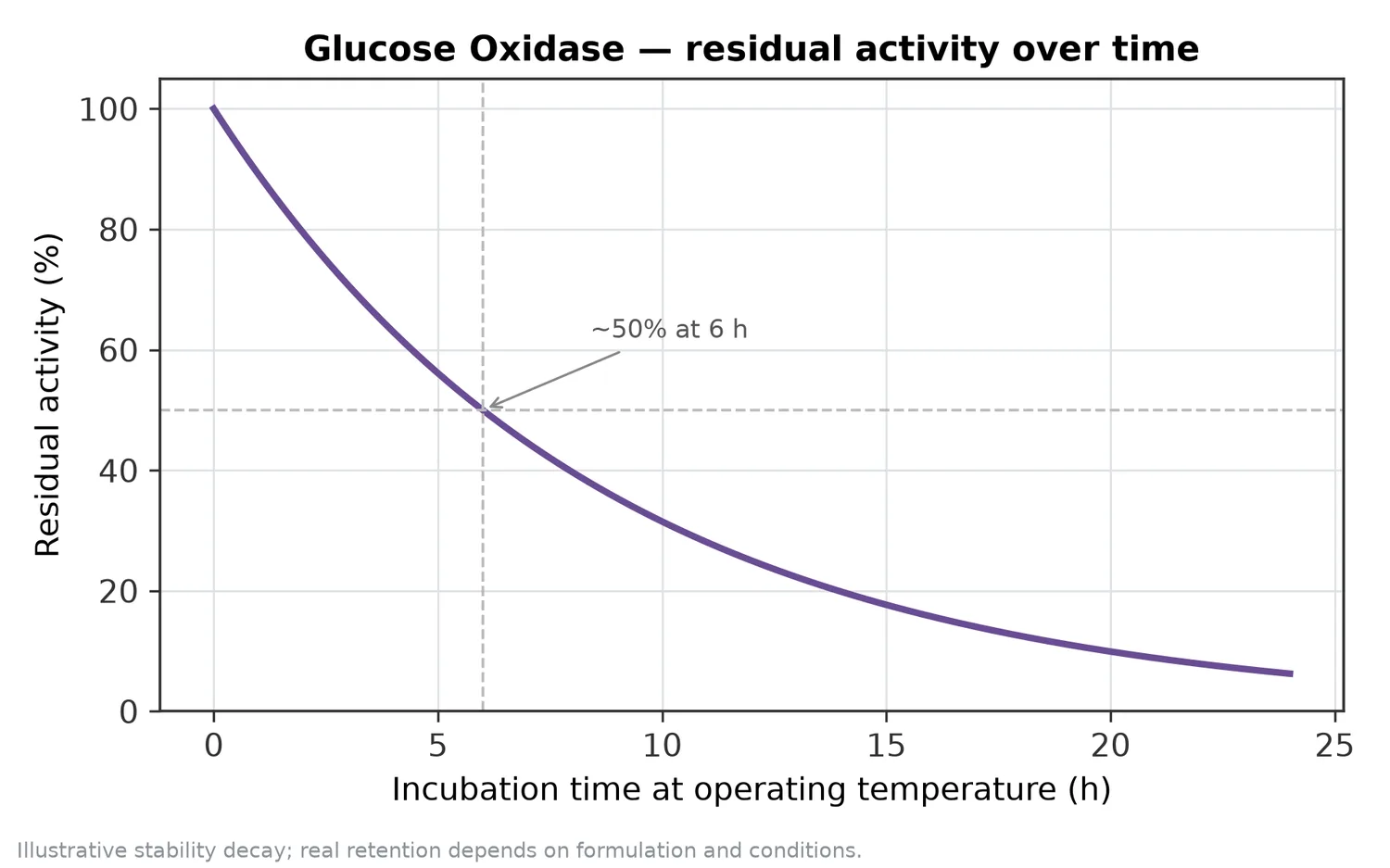
Product documentation supplied with the order should be read for safe handling and product-specific information. The broader application evidence shows why glucose oxidase is used across food processing, biosensor development, glucose detection, immobilized catalysis, and biological systems, but performance in any real matrix depends on the chemistry of that matrix and the process conditions around the enzyme [3].
The strongest evidence is the core enzyme reaction. Across modern reviews and experimental studies, glucose oxidase is consistently treated as an enzyme that oxidizes glucose while reducing oxygen to hydrogen peroxide, with glucono-δ-lactone and gluconic acid as the glucose-derived products [1].
The biosensor evidence is also very strong because glucose oxidase remains a standard biological recognition element in glucose detection. Recent studies continue to develop glucose oxidase biosensors using chitosan, platinum nanoparticles, Prussian blue composites, polyurethane diffusion-limiting membranes, microfluidic chips, and patterned surfaces, indicating sustained technical relevance across device formats [17].
The food and preservation evidence is application-specific but mechanistically credible. Honey research, lipid-food detection systems, and broader food-additive discussions all show that glucose oxidase chemistry is relevant in food matrices, while the exact outcome depends on substrate access, oxygen transfer, moisture, matrix composition, and how peroxide is handled [6].
The immobilized and cascade-catalysis evidence is rapidly developing. Co-immobilized glucose oxidase and catalase systems, catalase-like nanozymes, metal-organic frameworks, nanoflowers, and silica-chitosan hybrids show how researchers are trying to make the reaction more stable, controllable, and reusable in demanding environments [7].
Glucose oxidase is a well-established enzyme for converting glucose in the presence of oxygen, producing gluconic acid-related products and hydrogen peroxide. That reaction supports four major practical functions: glucose reduction, oxygen control, controlled peroxide chemistry, and glucose-specific detection [1].
For food, beverage, dough, biosensor, cascade-catalysis, and selected biological applications, the value of glucose oxidase comes from what actually changes in the substrate environment: glucose is oxidized, oxygen is consumed, acidity may increase through gluconic acid formation, and hydrogen peroxide becomes available for secondary effects. Enzymes.bio supplies Glucose Oxidase directly online by the 1 kg unit, with the order processed and shipped after online payment and product documentation included with the shipment.
Sold by the 1 kg unit, in stock and ready to ship. Order directly on our store — pay online and we process your order. A Certificate of Analysis and Safety Data Sheet are included with every order.
Buy Glucose Oxidase →Numbered in order of first citation. Open-access sources, each verified reachable at publication; citation numbers in the text link here.