
Laccase Enzyme CAS 80498-15-3 is used in wastewater treatment as an oxidative biocatalyst for contaminants that contain phenolic, aromatic, dye-like, or electron-rich structures. In practical terms, laccase helps convert certain dissolved pollutants into oxidized fragments, less-colored structures, or larger coupled products that can be handled by downstream clarification, filtration, adsorption, or biological treatment. Enzymes.bio supplies this laccase enzyme directly online by the 1 kg unit; orders are paid online, processed, and shipped, with a Certificate of Analysis and Safety Data Sheet included with the order.
Laccase is a copper-containing oxidoreductase enzyme widely studied for environmental remediation because it can use dissolved oxygen as the terminal electron acceptor while oxidizing suitable organic molecules. The enzyme is especially relevant where wastewater contains phenolic pollutants, textile dyes, bisphenol A, aromatic intermediates, and selected pharmaceutical micropollutants that resist complete removal in conventional treatment systems [1].
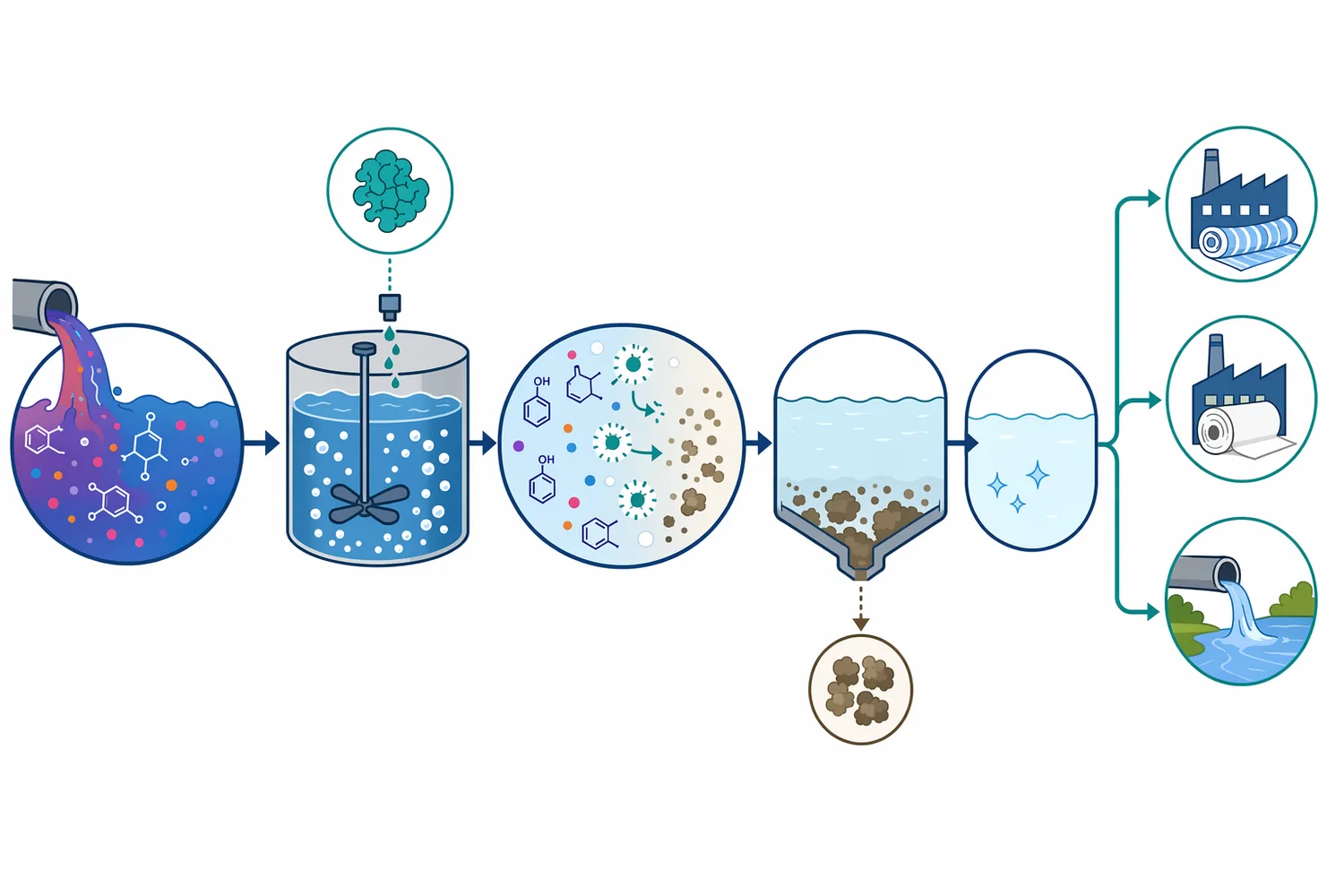
For the buyer using Laccase Enzyme For The Treatment Of Wastewater CAS 80498-15-3, the most realistic role is not “one enzyme for all wastewater.” Laccase is best understood as a targeted oxidation aid or polishing biocatalyst within a broader treatment train, with strongest relevance where the contaminant chemistry is compatible with laccase-mediated oxidation [2].
Enzymes.bio supplies the enzyme as an online-orderable 1 kg product for technical use. The educational guidance below explains where laccase is supported by current research, how it acts on common wastewater substrates, and why factors such as pH, dissolved oxygen, contact time, organic load, mediators, and immobilization influence performance.
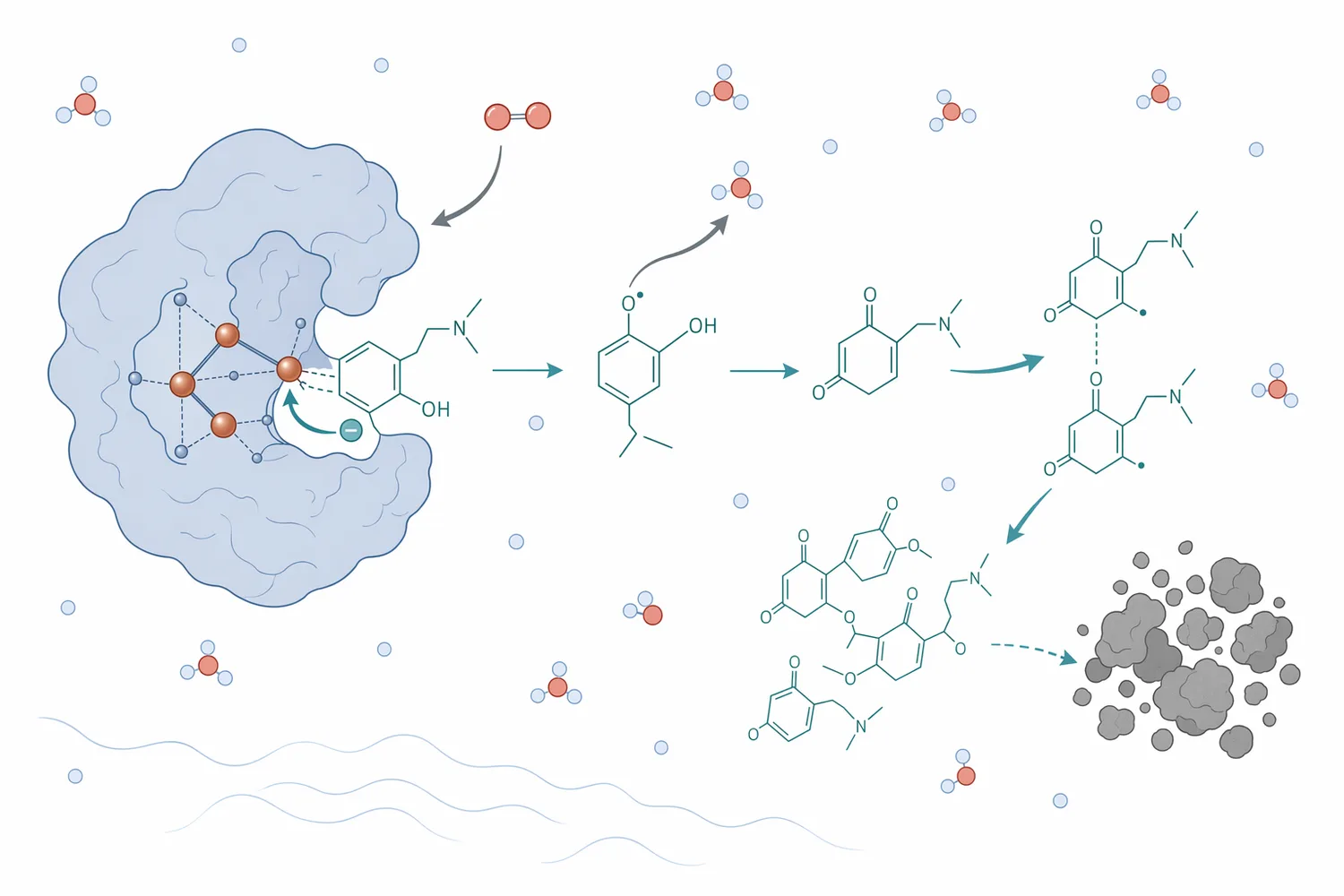
Laccase works by removing electrons from suitable organic substrates and passing those electrons through copper centers in the enzyme to oxygen. Oxygen is reduced at the enzyme’s copper site while the pollutant molecule is converted into a radical, quinone-like intermediate, or other oxidized form; these products are often more reactive than the starting compound and can undergo follow-on coupling, bond rearrangement, fragmentation, or precipitation-related behavior [1].
With phenolic pollutants, the reaction often begins at the phenolic hydroxyl group. Laccase oxidation generates phenoxy radicals, and those radicals can couple with each other to form dimers, oligomers, or polymeric material; this is one reason laccase is studied not only for “degradation” but also for polymerization-based removal of phenols from water [3].
With dyes, the useful effect is often visible as decolorization. Many dyes owe their color to chromophores: conjugated aromatic systems, azo linkages, quinone-like groups, or other electron-rich structures that absorb visible light. Laccase-mediated oxidation can interrupt this conjugation, alter auxochrome groups, or generate radical intermediates that no longer absorb light in the same way, so the water loses color even when additional downstream treatment is still needed for complete organic removal [4].
With some pharmaceuticals and endocrine-active compounds, laccase may transform the molecule rather than fully mineralize it. For example, research on ciprofloxacin and norfloxacin remediation using laccase derived from spent mushroom waste focused not only on disappearance of the parent compounds but also on fate, toxicity, and degradation behavior, which is important because transformation products can matter as much as the original pollutant [5].
Many industrial and municipal treatment systems are effective at removing suspended solids and biodegradable organic matter, yet residual color, phenols, endocrine disruptors, antibiotics, and other trace organics can remain. Reviews of laccase-based wastewater treatment describe the enzyme as a sustainable approach for oxidizing recalcitrant organic compounds under comparatively mild conditions, especially when used as a complementary treatment rather than a stand-alone cure-all [1].
The key advantage is chemical fit. Laccase is naturally associated with oxidation of lignin-like and aromatic structures, so it is well matched to contaminants that have phenolic rings, substituted aromatics, dye chromophores, or electron-donating functional groups. That substrate profile explains why the literature repeatedly emphasizes textile dyes, phenolic pollutants, bisphenol A, chlorophenols, and selected pharmaceutical residues [2].
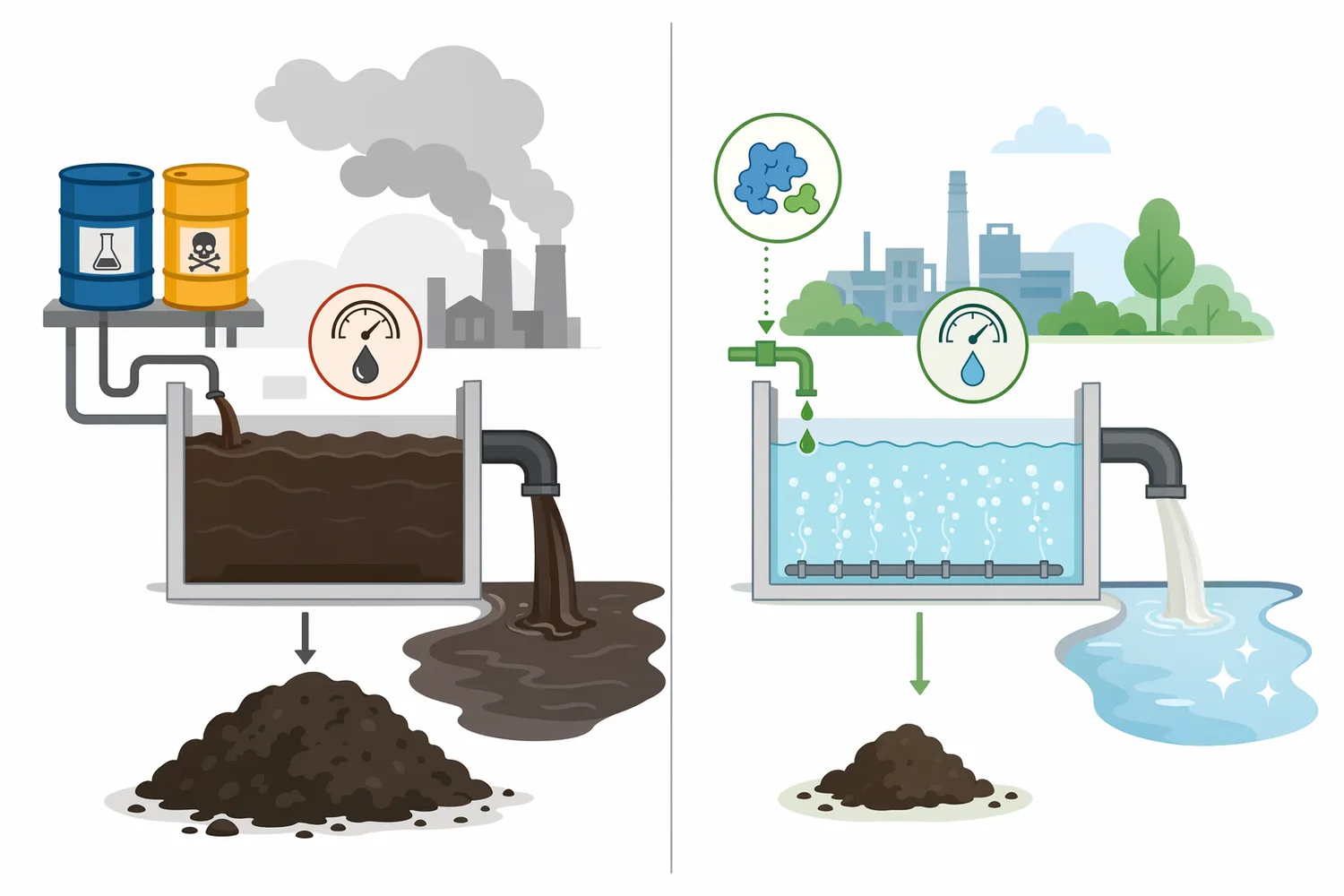
Another advantage is that laccase chemistry can reduce reliance on aggressive oxidants in suitable applications. The enzyme does not need chlorine or ozone to perform its core catalytic cycle; it uses oxygen while the enzyme’s copper centers mediate electron transfer. This does not remove the need for process control, but it does make laccase attractive for lower-chemical-intensity polishing concepts [6].
Textile dye wastewater is one of the most established application areas for laccase. Dyes are designed to resist fading, washing, and chemical attack, which also makes them persistent in effluent; laccase is attractive because its oxidative action can alter the same aromatic and conjugated structures responsible for dye color [4].
Research on immobilized Trametes versicolor laccase on layered double hydroxide/alginate composite beads reported improved textile dye decolorization compared with less-stabilized enzyme formats. The practical relevance is that the support material helps retain the enzyme in a usable form while the laccase oxidizes dye molecules at the water–solid interface, limiting enzyme washout and improving repeated-use potential [4].
Other research directions include magnetic carriers, polymer supports, membranes, and biochar-type supports, all designed to make laccase easier to recover from treated water. Carrier-based magnetic polymer work has focused on enhanced covalent binding of laccase, because stronger attachment can reduce enzyme leaching and keep catalytic sites available during repeated dye or pollutant treatment cycles [7].
Mechanistically, dye decolorization does not always mean total mineralization to carbon dioxide and water. A dye may lose its visible color when oxidation breaks or modifies the chromophore, while aromatic fragments or coupled products remain; for that reason, laccase is often most appropriate as a color-reduction or polishing step paired with downstream separation or biological treatment [1].
Phenols and substituted phenols are among the most direct laccase substrates. Their phenolic hydroxyl groups are readily oxidized to radicals, and those radicals can rearrange, couple, or form quinone-like structures; the pollutant is therefore converted into forms that may be less soluble, less mobile, or more compatible with downstream removal [3].
A 2024 study on laccase from Coriolopsis gallica examined catalytic removal of phenolic pollutants and described a binding interaction and polymerization mechanism. That mechanism is highly relevant to wastewater: the enzyme does not simply “destroy” every molecule in one step; it activates phenolic substrates so they polymerize into larger products that can be more readily separated from the aqueous phase [3].
This polymerization route is valuable because many phenolic pollutants are toxic at low concentrations and can inhibit ordinary biological treatment. Laccase can reduce the dissolved parent compound burden by converting reactive phenols into coupled products, although the resulting mixture and any downstream solids handling still depend on the specific wastewater composition [1].
For chlorophenols and other substituted aromatics, performance can be more compound-specific. Chlorine substitution can make molecules more persistent and can change their oxidation potential, so laccase activity may benefit from longer contact time, mediator-assisted oxidation, immobilized enzyme formats, or integration with adsorption and other treatment steps [6].
Bisphenol A is a prominent laccase target because it contains two phenolic rings linked through a central carbon structure. Those phenolic groups provide accessible oxidation sites, allowing laccase to form phenoxy radicals that can undergo coupling, ring modification, or formation of larger products with reduced mobility in water [8].
Research on functionalized chitosan and alginate composite hydrogel-immobilized laccase reported bisphenol A removal using a sustainable biocatalyst format. The hydrogel support is important conceptually because it holds the enzyme in a hydrated, accessible environment while allowing BPA-containing water to contact the catalytic surface [8].
Another study used a cellulose/waste Cu²⁺-activated carbon composite to boost laccase activity and degrade bisphenol A in wastewater. This kind of approach combines catalytic oxidation with a sorptive material, so BPA can be concentrated near the enzyme while oxidation changes the molecule; adsorption and enzymatic transformation then work together rather than as separate steps [9].
In process terms, BPA removal by laccase is not only a concentration-reduction question. Endocrine activity depends on molecular structure, so the desired treatment effect is transformation of the phenolic structure that contributes to biological activity, followed by sufficient downstream control of by-products and residual organics [8].
Pharmaceutical micropollutants are a more selective application area for laccase than textile dyes or simple phenols. Some antibiotics and drug molecules contain phenolic, amine, heterocyclic, or conjugated aromatic structures that can be oxidized directly or through mediator-assisted pathways, while others are less responsive under the same conditions [5].
The ciprofloxacin and norfloxacin study using laccase derived from spent mushroom waste is significant because it considered remediation from wastewater along with fate, toxicity, and degradation. Fluoroquinolone antibiotics are structurally complex, so treatment evaluation needs to consider both parent-compound reduction and whether the transformed products show lower or different biological effects [5].
Sulfamethoxazole has also been studied in laccase systems. Covalent organic framework in-situ immobilized laccase was investigated for covalent polymerization removal of sulfamethoxazole in the presence of natural phenols, with the title highlighting both pollutant removal and improved enzyme stability/activity in the immobilized format [10].
The important practical message is that laccase can be useful for selected pharmaceutical polishing, but it should not be framed as universal pharmaceutical destruction. Molecular structure, matrix competition, and whether a mediator or natural co-substrate is present can strongly influence which compounds are transformed and how rapidly [11].
Free laccase is the simplest concept: the soluble enzyme is dispersed into the water and contacts dissolved pollutants directly. This can be useful where single-use treatment is acceptable, but soluble enzyme may be carried away with the treated water and may be more exposed to inhibitors, pH stress, surfactants, or temperature changes [1].
Immobilized laccase is attached to or entrapped within a support such as alginate, chitosan, activated carbon composite, magnetic polymer, membrane, scaffold, or metal–organic framework. Immobilization can improve operational stability because the enzyme is physically retained, often better protected from harsh conditions, and more compatible with repeated or continuous treatment formats [6].
Mediator-assisted laccase systems use a small redox-active molecule to extend the enzyme’s reach. The mediator is oxidized by laccase, then the oxidized mediator reacts with pollutants that may be too bulky, too non-phenolic, or too difficult for direct oxidation at the enzyme surface; this is why laccase–mediator systems are frequently discussed for antibiotics and persistent organic pollutants [12].
| Laccase format | What changes in the wastewater | Main practical advantage | Main limitation to keep in view |
|---|---|---|---|
| Free laccase | Direct oxidation of accessible phenols, dyes, and aromatic substrates in solution | Simple contact between enzyme and pollutant | Enzyme can leave with treated water and may be more sensitive to wastewater stress |
| Immobilized laccase | Pollutants diffuse to a catalytic surface where oxidation, coupling, and decolorization occur | Better retention, reuse potential, and stability in many research systems | Support material adds mass-transfer and system-design considerations |
| Laccase with mediator | Mediator shuttles oxidation equivalents from laccase to harder-to-oxidize pollutants | Broader substrate reach, especially for selected micropollutants | Mediator cost, environmental fate, and by-products must be considered |
| Laccase plus adsorption support | Pollutants are concentrated near the enzyme and then oxidized | Adsorption and catalysis can reinforce each other | Saturation, fouling, and handling of spent support remain relevant |
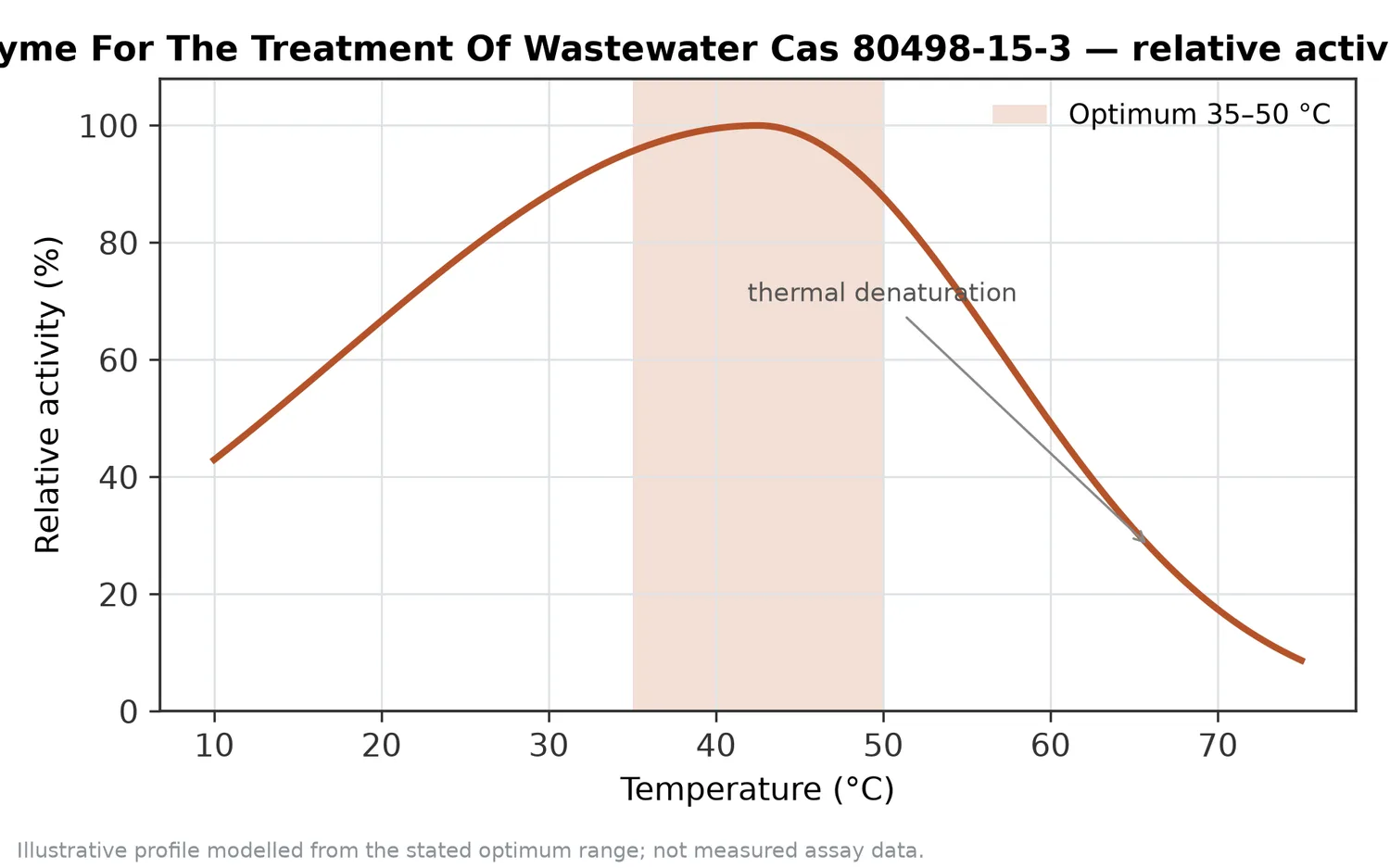
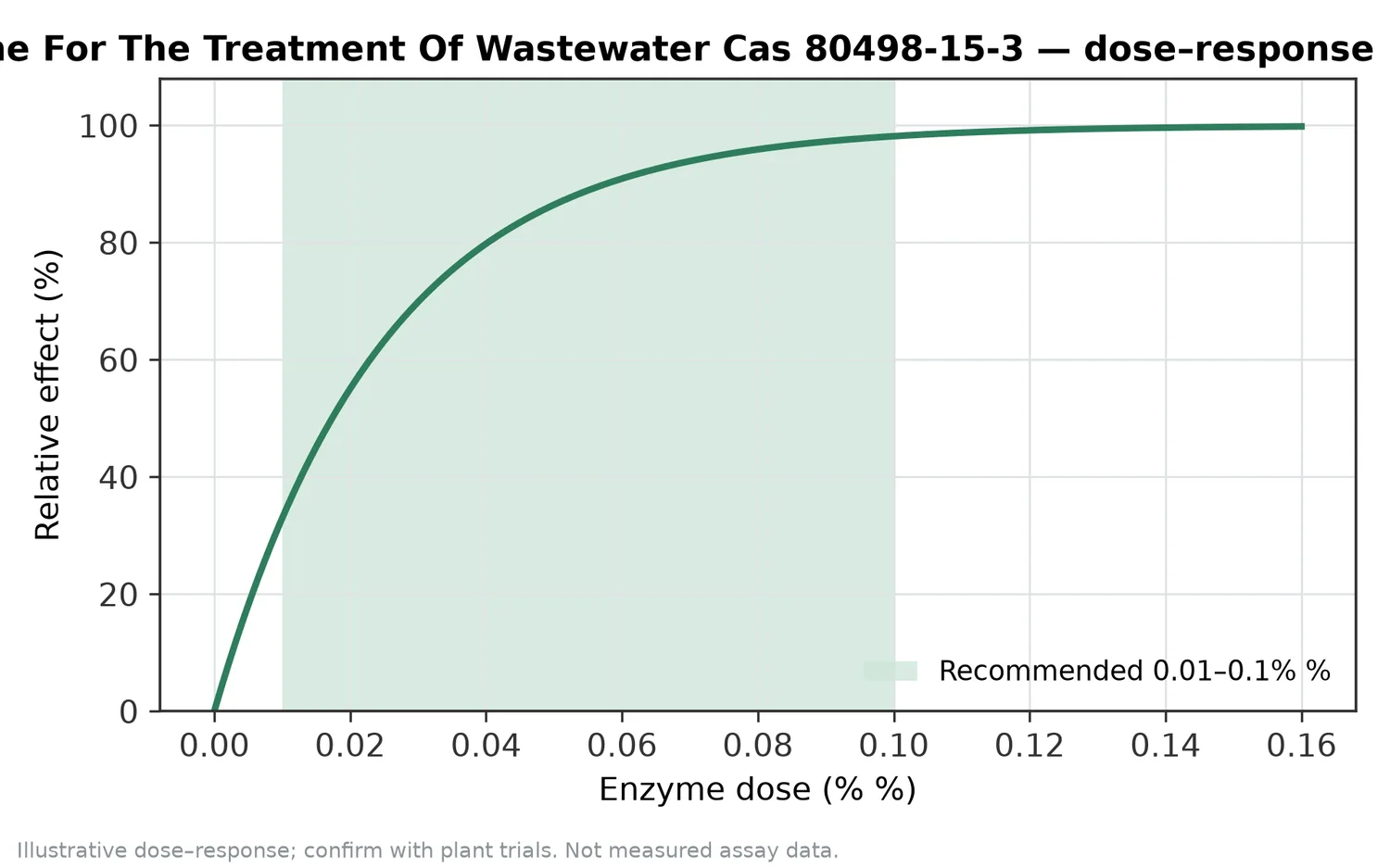
Laccase performance is strongly shaped by wastewater chemistry. pH affects both enzyme shape and pollutant ionization; temperature changes reaction rate and enzyme stability; dissolved oxygen supports the catalytic cycle; and salinity, surfactants, heavy metals, suspended solids, and competing organics can change how much active enzyme remains available for the target pollutant [1].
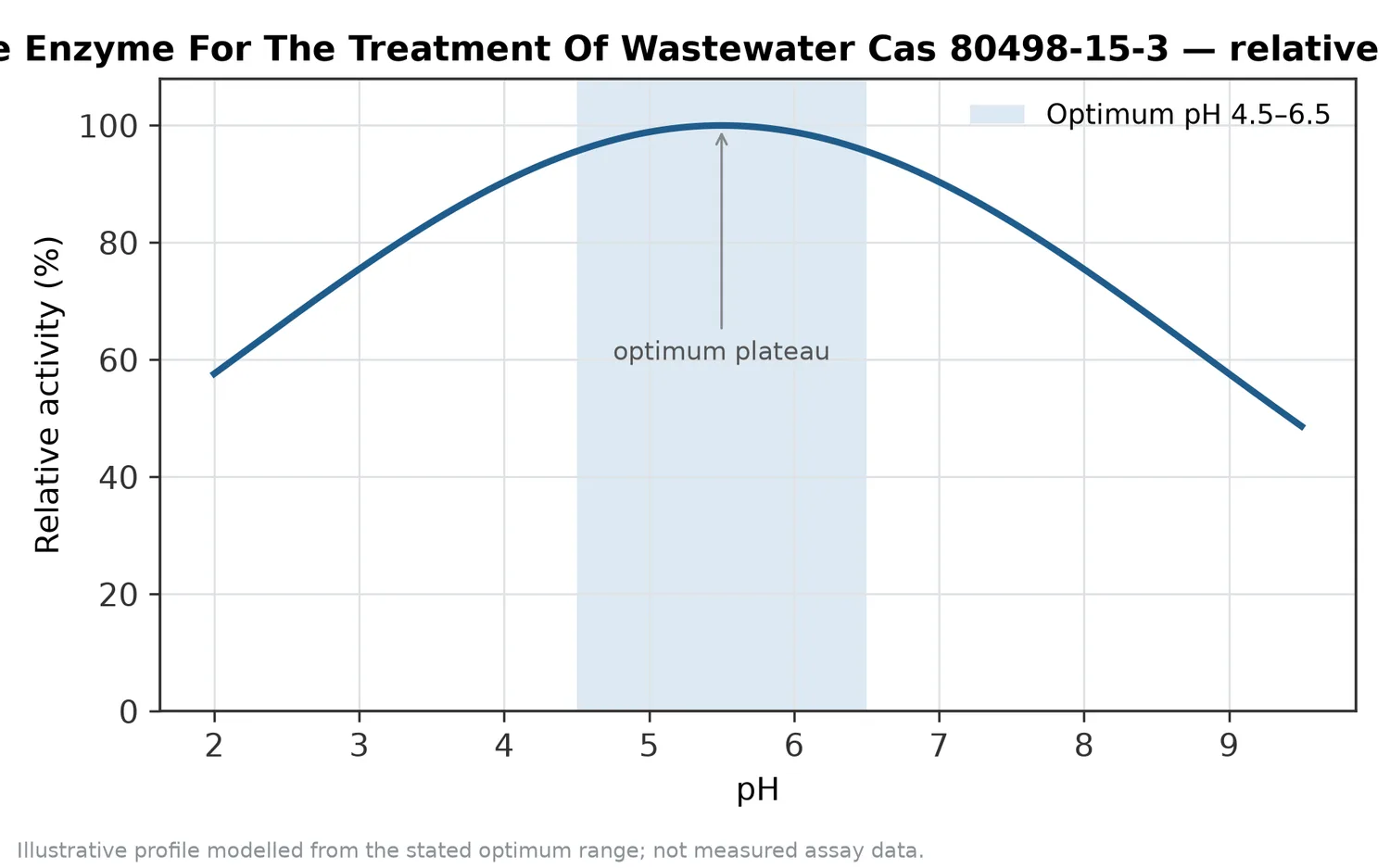
Many fungal laccases are most commonly discussed under acidic to mildly acidic conditions, but the actual useful window depends on enzyme source and substrate. This matters because a dye molecule, phenol, or antibiotic can become easier or harder to oxidize as pH changes, even before the enzyme itself is considered [2].
Dissolved oxygen is a mechanistic requirement because laccase transfers electrons from the pollutant to oxygen. If oxygen transfer is limited, the enzyme’s catalytic cycle can slow; if mixing is excessive or the matrix contains strong inhibitors, the enzyme may be physically or chemically stressed, so balance is important in real water systems [1].
Contact time is also pollutant-specific. A simple phenolic compound may react more readily than a highly substituted pharmaceutical, and a dye with an accessible chromophore may decolorize faster than a molecule whose reactive center is sterically protected. This is why research papers often report different removal behavior for different contaminants under otherwise similar laccase-based approaches [5].
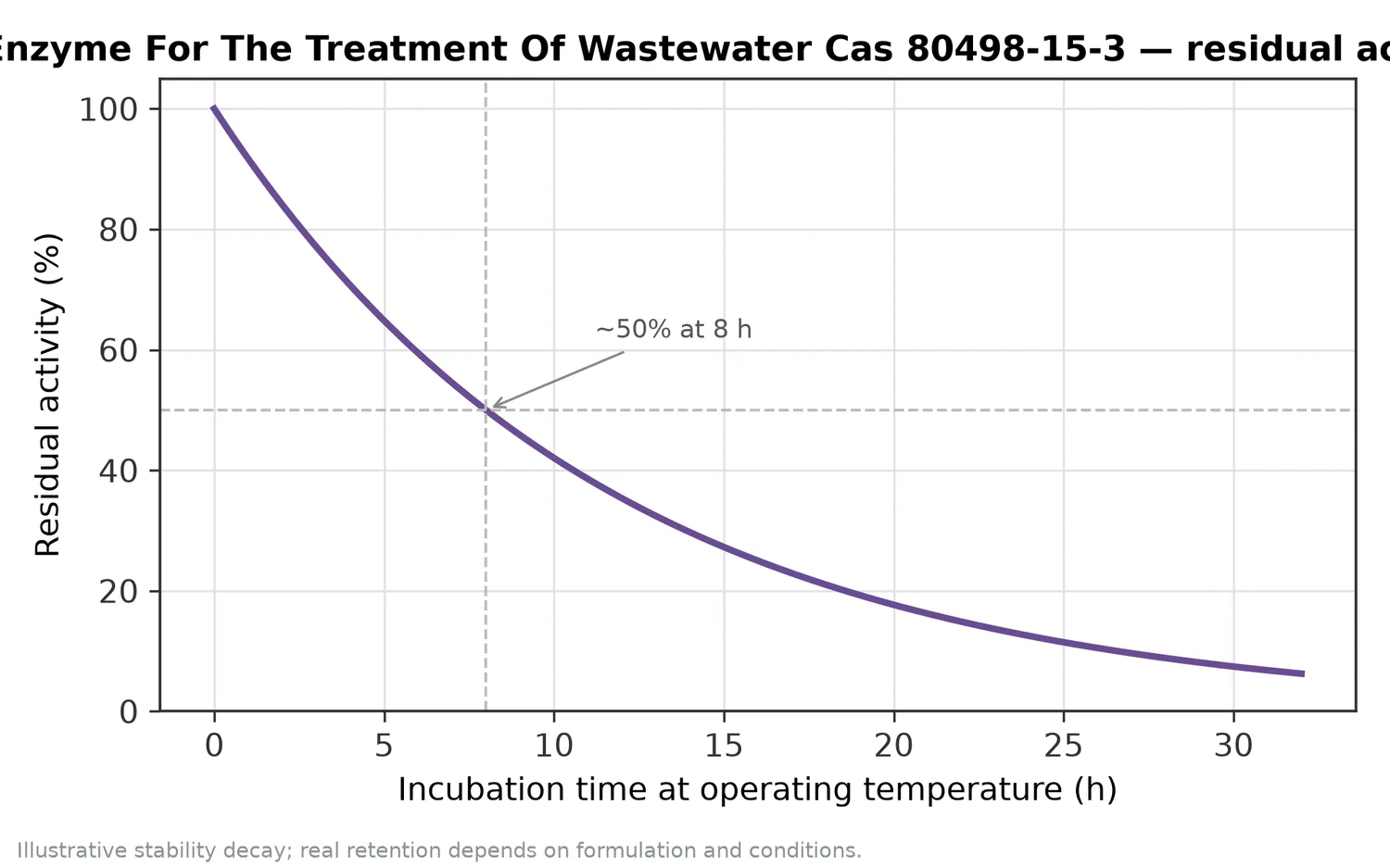
One reason immobilization appears so often in laccase wastewater studies is that real effluent is chemically demanding. Enzymes can unfold, aggregate, or lose catalytic conformation when exposed to unfavorable pH, elevated temperature, salts, solvents, surfactants, or inhibitory metals; immobilization can reduce these effects by restricting enzyme movement and providing a protective microenvironment [6].
Three-dimensional printed polylactide scaffolding has been investigated for laccase immobilization to improve enzyme stability and estrogen removal from wastewater. The scaffold concept is relevant because it creates a defined physical structure where water can flow through or around the support while the enzyme remains retained instead of dispersing into the effluent [13].
Metal–organic framework systems are another active research area. Reviews describe laccase–MOF composites for bioremediation of organic pollutants, with attention to stability, reusability, and mass transfer; the porous framework can provide enzyme protection while still allowing smaller pollutant molecules to reach catalytic sites [6].
Magnetic biochar and magnetic polymer supports are studied because they can simplify recovery. In high-performance persistent organic pollutant removal using stabilized enzyme aggregates over amino-functionalized magnetic biochar, the concept is to combine a robust solid carrier with magnetic separability and enzyme stabilization for repeated treatment cycles [14].
Laccase should be viewed as complementary to established wastewater processes. Activated sludge, coagulation, adsorption, membrane filtration, Fenton oxidation, photocatalysis, and constructed wetlands each remove different fractions of the pollutant load; laccase occupies a more specialized role where mild enzymatic oxidation of aromatic and phenolic molecules is valuable [15].
Compared with adsorption alone, laccase can chemically transform the pollutant rather than only transfer it from water to a solid. Adsorption remains useful, especially for concentrating pollutants near a catalytic surface, but the treatment goal changes when enzymatic oxidation converts the molecule into a different structure [9].
Compared with Fenton or photocatalytic oxidation, laccase is typically milder and more selective. Fenton-type systems generate strong radicals that can attack many organics, while laccase tends to act on substrates compatible with its redox range or reachable through mediators; this selectivity can be beneficial but also means some compounds will not respond well [15].
Compared with whole-fungus treatment, purified or supplied laccase provides the catalytic enzyme directly rather than relying on microbial growth. Whole fungal systems may produce multiple enzymes and biosorption effects, while laccase products focus on the oxidative function associated with the enzyme itself [2].
The strongest evidence base for laccase is in dye decolorization and phenolic pollutant transformation. These contaminants have chemical features that align with laccase’s oxidative mechanism, and multiple studies show improved performance when laccase is immobilized or paired with adsorption-like supports [4].
For bisphenol A and related endocrine-active phenols, the evidence is also strong at the research level because BPA has two phenolic rings that are accessible to enzymatic oxidation. Hydrogel, activated-carbon composite, and other supported systems show why combining retention, adsorption, and catalysis is a common strategy [8].
For antibiotics and pharmaceuticals, the evidence is promising but more compound-dependent. Some molecules are oxidized directly, some need mediators or co-substrates, and some may transform slowly; therefore, laccase is best described as a targeted micropollutant-polishing tool rather than a universal pharmaceutical-removal solution [5].
Color reduction, parent-compound loss, and toxicity reduction are related but not identical. A wastewater may become visibly clearer while still containing organic transformation products, so laccase treatment is most credible when integrated with appropriate downstream removal, monitoring, or polishing steps already present in the treatment program [1].
In textile and dye-processing wastewater, laccase can be considered for a color-reduction stage after high-strength solids and bulk organic load have been managed. This placement lets the enzyme act on residual soluble color bodies rather than being consumed or inhibited by excessive non-target organics [4].
In phenolic industrial effluents, laccase can support oxidation of phenols, chlorophenols, catechol-like compounds, and bisphenol-type structures. The practical value comes from converting dissolved phenolic substrates into oxidized or coupled products that can be better handled by clarification, filtration, adsorption, or further biological treatment [3].
In municipal or mixed industrial polishing, laccase is most relevant where the target issue is a known class of aromatic micropollutants rather than an undefined total pollutant load. Reviews on feasibility and laccase-based wastewater treatment emphasize that the enzyme’s usefulness depends on matching its oxidative mechanism to the contaminants present [1].
In integrated treatment concepts, laccase can work alongside adsorption, membrane systems, bioflocculation, fungal treatment, or advanced oxidation. For example, industrial wastewater treatment using extracellular polymer substances and bioflocculants addresses aggregation and separation, while laccase adds a chemical-transformation mechanism for susceptible dissolved organics [16].
Enzymes.bio supplies Laccase Enzyme For The Treatment Of Wastewater CAS 80498-15-3 directly through the online store in 1 kg units. The buyer places the order online, pays online, and the order is processed and shipped; a Certificate of Analysis and Safety Data Sheet are included with the order.
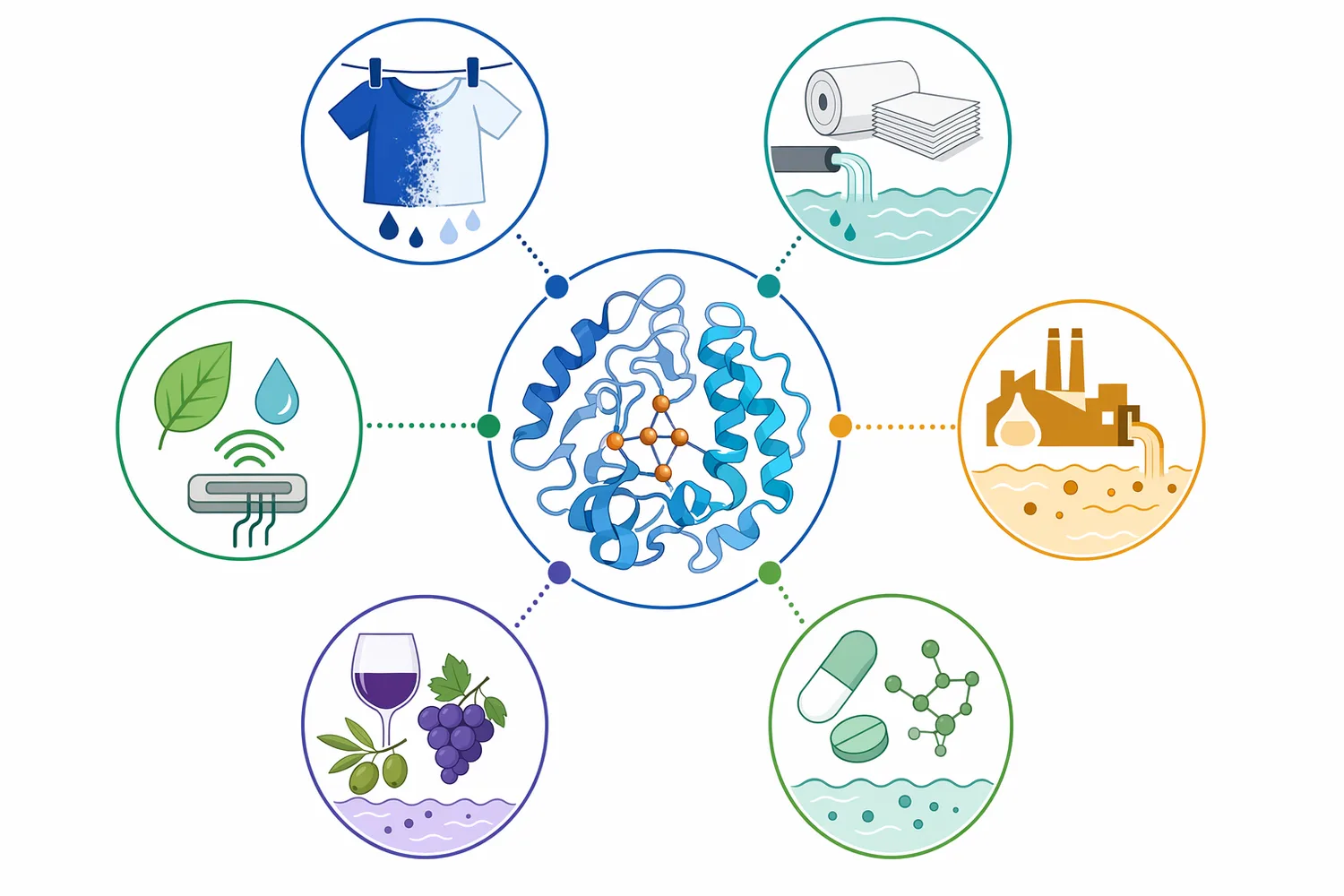
This product is suited for buyers who already understand their wastewater application context and need a laccase enzyme input for technical treatment work. The research base supports laccase as a credible enzyme for oxidative treatment of dyes, phenolic pollutants, bisphenol A, and selected micropollutants, especially where it is used as part of a broader wastewater treatment strategy [2].
Laccase Enzyme CAS 80498-15-3 is most useful where wastewater contains oxidizable aromatic contaminants: textile dyes, phenols, chlorophenols, bisphenol A, and selected pharmaceutical micropollutants. The enzyme works by transferring electrons from the pollutant to oxygen through its copper catalytic centers, producing oxidized intermediates that may lose color, polymerize, become less soluble, or become more amenable to downstream treatment [1].
The strongest practical expectation is targeted polishing, not universal cleanup. When the contaminant chemistry fits laccase’s oxidative mechanism and the treatment environment supports enzyme activity, laccase offers a mild, research-supported route for reducing difficult organic pollutants in water [6].
Sold by the 1 kg unit, in stock and ready to ship. Order directly on our store — pay online and we process your order. A Certificate of Analysis and Safety Data Sheet are included with every order.
Buy Laccase Enzyme For The Treatment Of Wastewater Cas 80498-15-3 →Numbered in order of first citation. Open-access sources, each verified reachable at publication; citation numbers in the text link here.