
Mannanase enzyme for poultry feed and pig feed is used to hydrolyze β-mannans, plant-derived non-starch polysaccharides that can reduce nutrient access, increase intestinal viscosity, and stimulate unnecessary gut immune activity in monogastric animals. In practical poultry and swine diets, β-mannanase is most relevant where ingredients such as soybean meal, palm kernel meal, sesame meal, and other vegetable meals contribute meaningful β-mannan substrate. Enzymes.bio supplies Mannanase Enzyme for Poultry Feed – Pig Feed Enzymes as a 1 kg product sold directly online, with the order processed and shipped after purchase and a Certificate of Analysis and Safety Data Sheet supplied with the order.
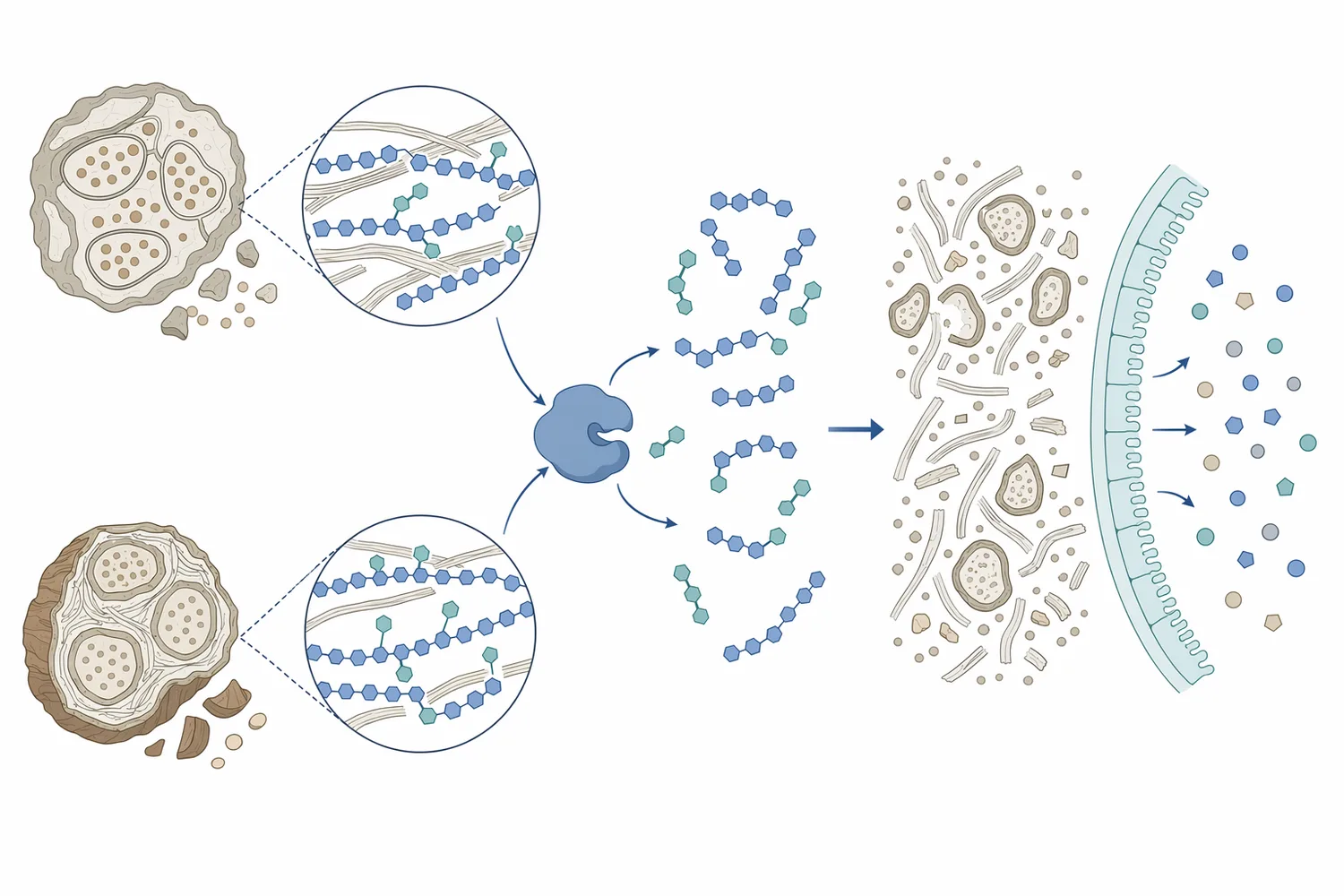
Mannanase, more specifically β-mannanase, is a carbohydrase enzyme used in feed to break down β-mannans. β-mannans are hemicellulosic carbohydrates found in plant cell walls and seed storage tissues, and they occur in common feed materials used in poultry and pig diets. The enzyme acts on β-1,4 linkages in β-mannan-type structures, including related polymers such as galactomannan and glucomannan, converting larger polymers into shorter mannose-containing fragments that are less physically and biologically disruptive in the gut. [1]
For feed buyers, the practical point is simple: mannanase does not add protein, fat, or energy by itself. Its value comes from changing how the animal can use the feed already present. By cutting β-mannan chains, it can reduce anti-nutritional pressure from plant carbohydrate fractions and improve access to nutrients trapped or shielded within the feed matrix. Enzymes.bio positions this product for poultry and pig feed use where soy mannans and other plant mannans can affect energy digestibility and feed conversion.
This makes mannanase different from broad nutritional additives. It is substrate-driven: its biological relevance depends on the presence of β-mannans in the diet. In commercial-type poultry and swine feeds, that substrate is common because soybean meal and other vegetable ingredients are widely used. In poultry nutrition discussions, β-mannans are described as a meaningful share of the non-starch polysaccharide fraction, with estimates of about 15%–37% of total dietary non-starch polysaccharides depending on ingredient choices and diet formulation.
Poultry and pigs are monogastric animals, so they do not digest many plant cell-wall carbohydrates with the same efficiency as ruminants. β-mannans can therefore act as anti-nutritional factors rather than useful energy sources. Their effects are not limited to “fiber dilution.” Soluble β-mannan fractions can alter digesta flow, increase viscosity, reduce the contact between endogenous digestive enzymes and nutrients, and interfere with efficient absorption of amino acids, energy, water, and fat.
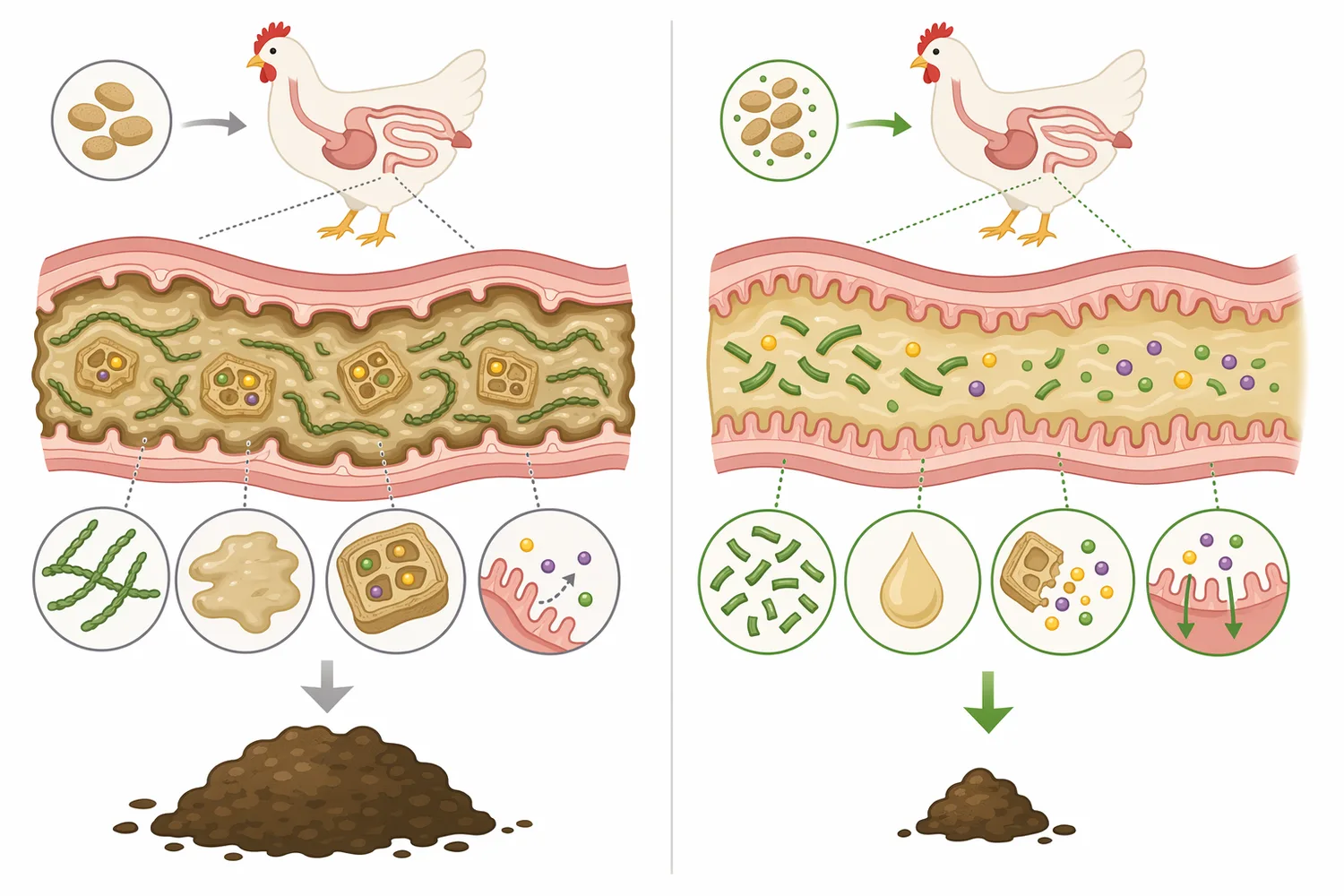
Mechanistically, viscosity is important because digestion happens at interfaces. Starch granules, oil droplets, protein particles, bile salts, pancreatic enzymes, and intestinal brush-border surfaces all need effective mixing and contact time. When soluble non-starch polysaccharides thicken the intestinal contents, diffusion slows and digestive enzymes do not reach substrates as efficiently. β-mannanase reduces the average size of mannan polymers, so the same carbohydrate fraction exerts less thickening effect and is less able to entrap nutrients inside plant cell-wall structures. [1]
The effect is especially relevant in diets based on vegetable meals. Soybean meal is valued for protein, but it also contributes non-starch polysaccharides, including β-mannan-type fractions. Palm kernel meal, sesame meal, and other fibrous vegetable ingredients can add further mannan substrate. Enzymes.bio’s product description identifies these plant materials as relevant sources of mannan in feed, which is why the product is positioned for poultry and pig feed applications rather than as a generic digestive aid.
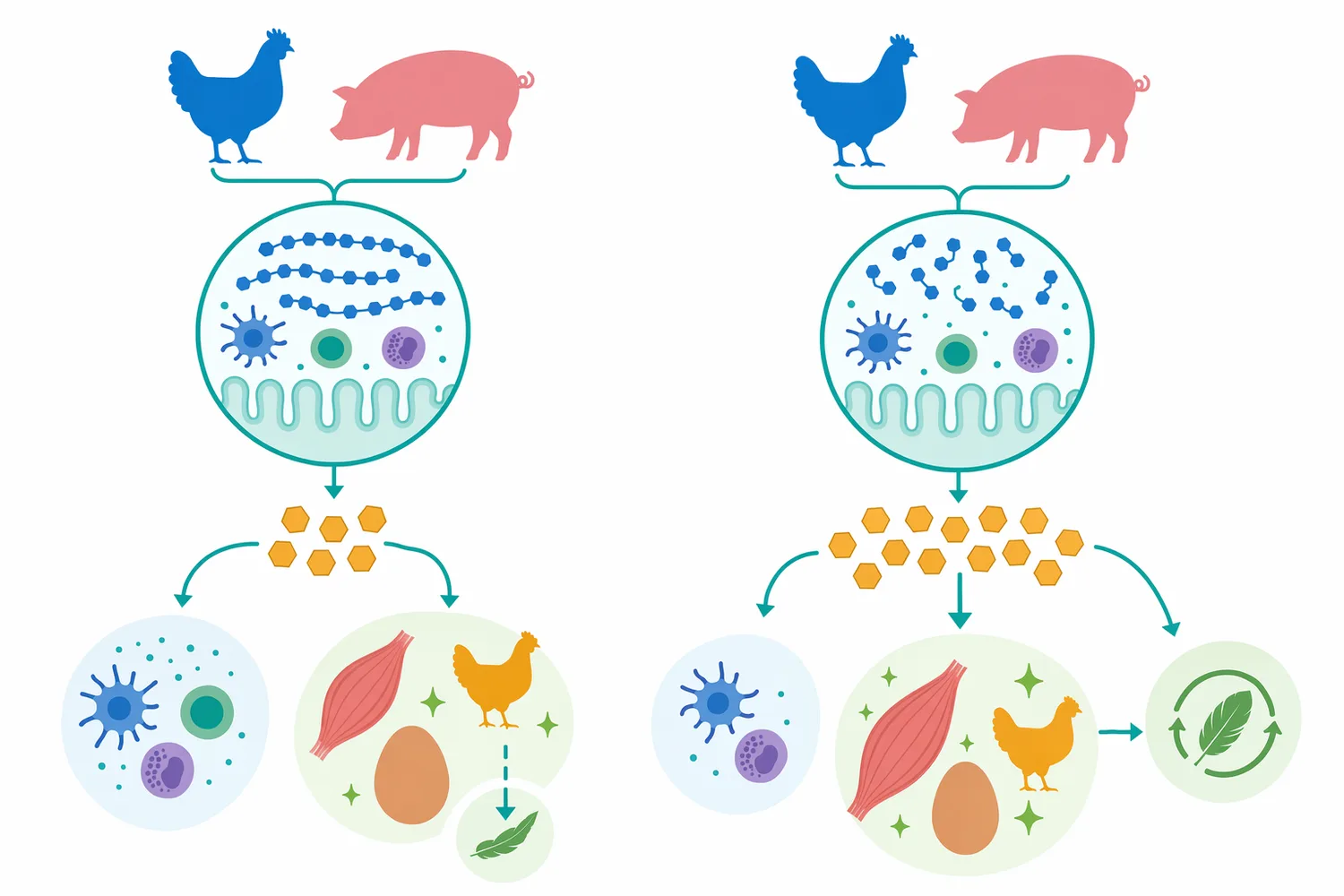
A second reason β-mannans matter is that some mannan structures can be interpreted by the animal’s innate immune system as signals resembling microbial patterns. This is commonly discussed as feed-induced immune response: the gut reacts to feed-derived β-mannan structures even though the animal is not gaining productive disease protection from that reaction. The result can be a metabolic cost, because immune activation consumes energy and nutrients that could otherwise support growth, egg production, tissue deposition, maintenance, or recovery from normal production stress.
This mechanism helps explain why β-mannanase is often discussed in relation to both performance and gut function. When β-mannanase hydrolyzes larger β-mannan molecules, it reduces the pool of intact structures available to create viscosity effects and immune stimulation. The practical change is physical and biological: fewer large mannan polymers remain in the digesta, the feed matrix becomes more accessible, and the gut faces less non-productive inflammatory or immune signaling pressure from the carbohydrate fraction. [1]
It is important to frame this correctly. β-mannanase is not a medicine, vaccine, antimicrobial, or treatment for infectious disease. Its role is to reduce anti-nutritional effects associated with β-mannans in feed. That can support gut function and feed efficiency, but outcomes still depend on diet quality, animal health status, housing, water quality, management, and the overall nutrition program.
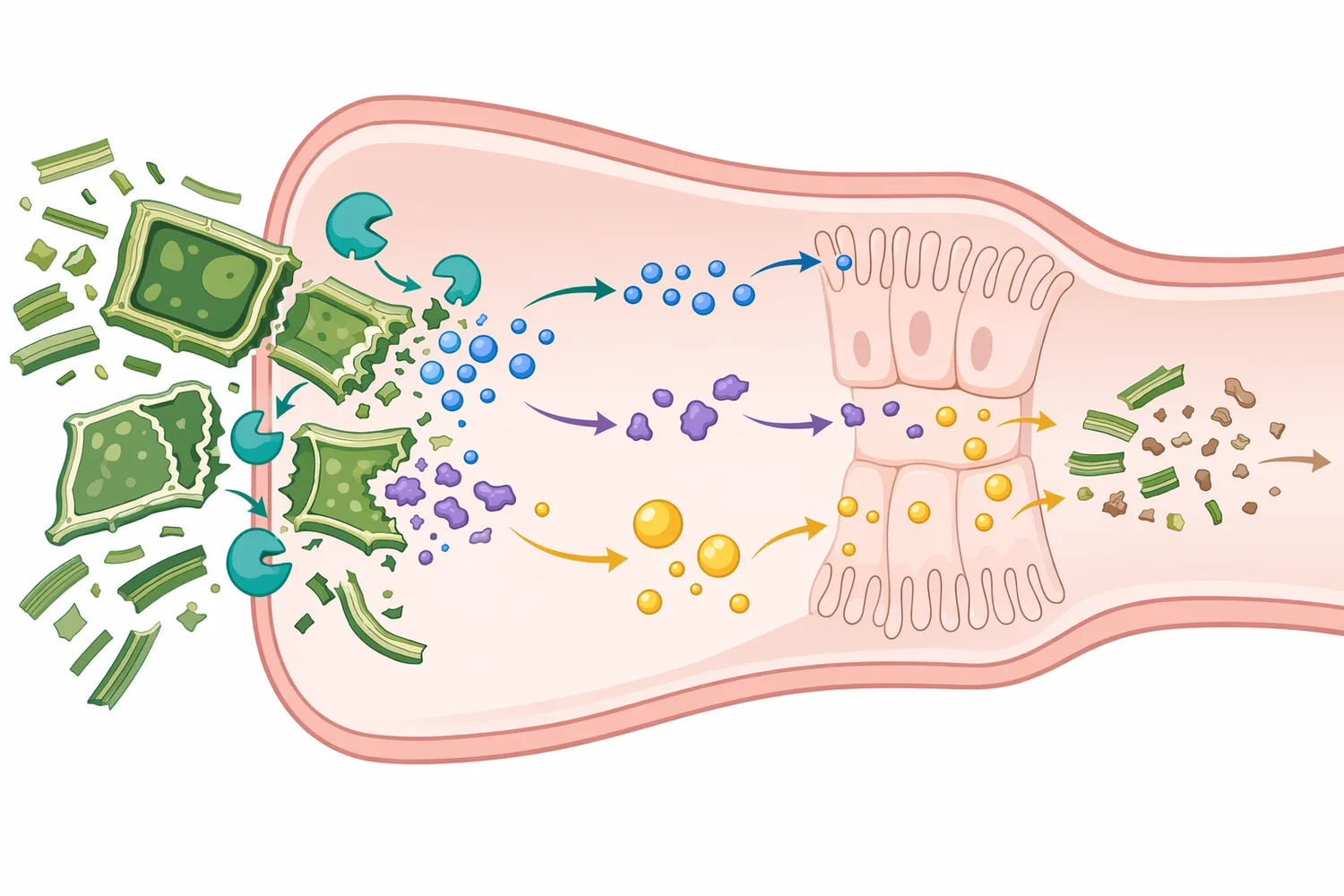
The core biochemical action of β-mannanase is hydrolysis: the enzyme adds water across specific glycosidic bonds in the β-mannan backbone, cleaving long carbohydrate chains into shorter fragments. Large β-mannan polymers have more capacity to increase viscosity and interact with gut recognition systems. After enzymatic cleavage, the resulting shorter mannose-containing oligosaccharides and sugars behave differently in the digesta because they no longer form the same extended polymer network. [1]
This matters at the scale of the intestinal lumen. In an untreated mannan-containing feed, plant cell-wall fragments can remain partly intact as feed passes through the small intestine. Nutrients associated with those structures may be less accessible to digestive enzymes. With β-mannanase present, the mannan fraction is partially depolymerized, which loosens the carbohydrate structure and improves the probability that endogenous digestive enzymes can contact nearby starch, protein, and lipid components.
The effect should not be imagined as total disappearance of fiber. Feed enzymes work on specific bonds and specific substrates; they do not convert a complex feed into a fully soluble nutrient solution. The value of β-mannanase is targeted: it attacks a carbohydrate fraction that poultry and pigs do not handle efficiently on their own, reducing the anti-nutritional behavior of that fraction while leaving the rest of the ration to be digested through normal physiological processes. [1]
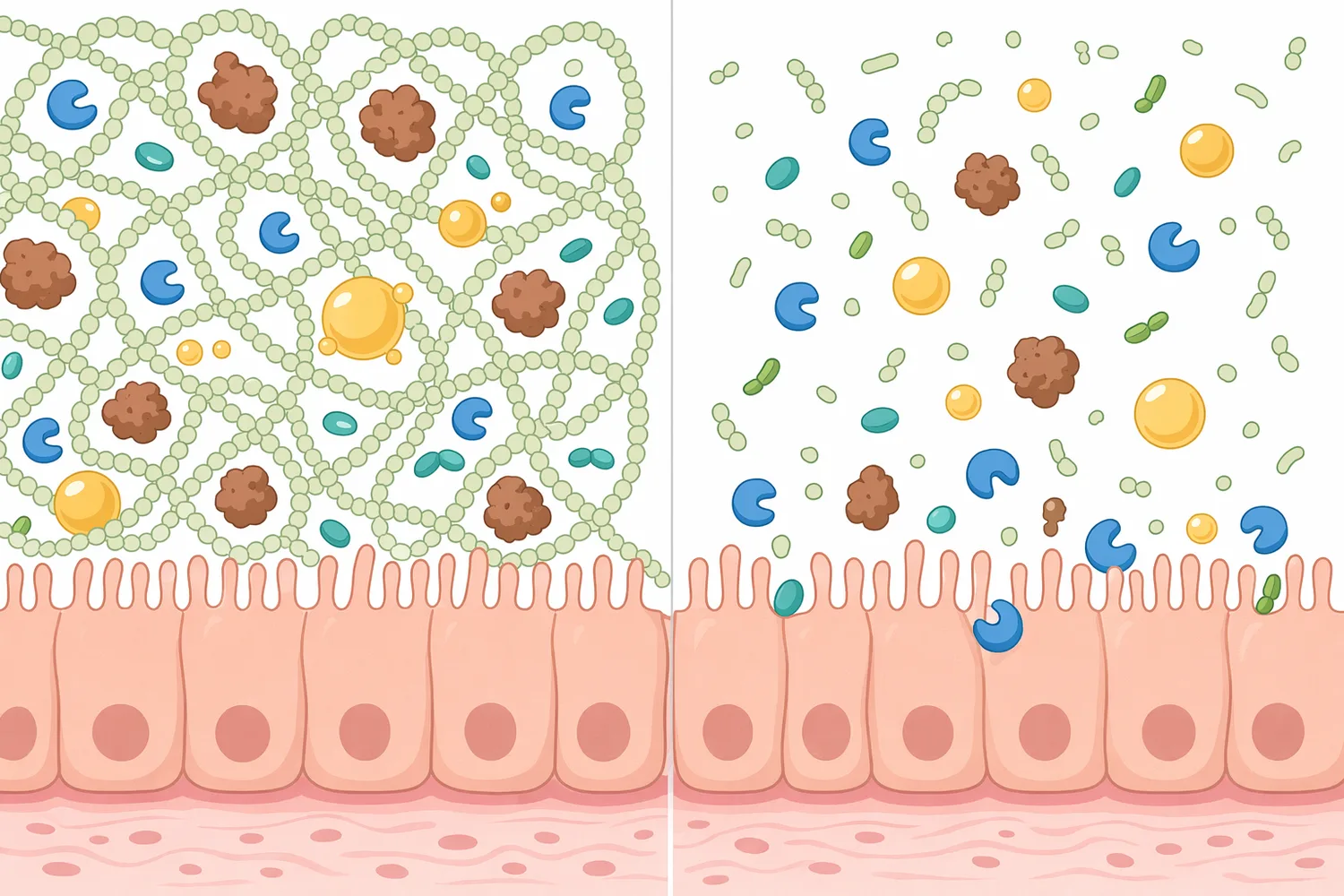
When large soluble β-mannans are reduced in size, viscosity can decline. Lower viscosity supports better mixing of intestinal contents, faster movement of digestive products toward absorptive surfaces, and improved interaction between nutrients and enzymes. In feed terms, this is one of the routes by which mannanase can support energy digestibility and feed conversion in diets where β-mannans are present.
The nutrient-utilization benefit is not limited to energy. When viscosity and cell-wall entrapment are reduced, amino acid digestion may also improve because protein particles are more exposed to proteolytic enzymes. Fat utilization can be affected as well because lipid digestion depends on emulsification, bile salt function, pancreatic lipase activity, and diffusion of digestion products. Thickened digesta interferes with all of these physical processes, so reducing polymer size can indirectly support multiple nutrient classes.
β-mannanase hydrolysis can also generate mannose-containing oligosaccharides. These fragments are not the same as the original large β-mannan polymers; they are smaller molecules with different solubility, fermentability, and biological interactions. Enzymes.bio’s product information notes the formation of mannose oligosaccharides as part of the enzyme’s feed function and links this with support for intestinal microflora balance.
This oligosaccharide effect should be understood as a supporting mechanism rather than the only reason to use the enzyme. In practical poultry and pig feed, the most established rationale remains degradation of anti-nutritional β-mannans: lowering viscosity pressure, improving nutrient access, and reducing unnecessary immune stimulation. Oligosaccharide formation may contribute to gut ecology, but the measurable response will depend on diet composition, animal stage, microbial status, and production conditions. [1]
Mannanase is often used alongside other feed-enzyme concepts, but each enzyme has a different substrate and therefore a different practical purpose. The table below shows the distinction at a feed-application level without turning enzyme choice into a technical purchasing checklist.
| Feed enzyme type | Main substrate targeted | What changes in the feed or gut | Practical relevance in poultry and pig diets |
|---|---|---|---|
| β-Mannanase | β-mannans, galactomannans, glucomannans | Cleaves β-mannan backbones into shorter mannose-containing fragments; reduces anti-nutritional mannan effects | Most relevant where soybean meal, palm kernel meal, sesame meal, or other mannan-containing vegetable ingredients are used |
| Xylanase | Arabinoxylans and related xylans | Reduces viscosity and cell-wall effects associated with xylan-rich cereal fractions | Commonly associated with wheat, rye, triticale, and some corn-based diets, depending on formulation |
| Phytase | Phytate | Releases phytate-bound phosphorus and can reduce phytate’s mineral-binding effects | Used where plant phosphorus availability and mineral utilization are priorities |
| Protease | Feed proteins and peptides | Supports protein hydrolysis into smaller peptides and amino acids | Used where protein digestibility and amino acid availability are central concerns |
| Amylase | Starch | Supports starch breakdown into smaller carbohydrate units | Relevant where starch digestibility or cereal processing conditions affect energy release |
The important distinction is that mannanase is not a substitute for phytase, xylanase, protease, or amylase. It targets a different anti-nutritional substrate. In a plant-based poultry or pig feed containing β-mannans, mannanase addresses a specific carbohydrate problem that those other enzymes are not designed to solve. [1]
The open-access scientific literature includes systematic review and meta-analysis work evaluating single β-mannanase supplementation in monogastric animal production, including broiler chickens, laying hens, turkeys, sows, and nursery-to-finish pigs. That matters because it shows the enzyme has not been assessed only in one animal type or one isolated production setting; it has been examined across multiple commercial species and life stages where plant-based feed ingredients are common. [1]
A meta-analysis approach is useful because individual feed trials can vary widely. Diet composition, soybean meal level, cereal type, processing conditions, age, health pressure, and production environment all influence response. By looking across studies, researchers can assess broader patterns in performance and energy utilization while still recognizing that the magnitude of benefit is condition-dependent. [1]
The strongest evidence is mechanistic and substrate-based: β-mannanase breaks down β-mannans, and β-mannans are known anti-nutritional components in monogastric diets. Performance outcomes are then expected when enough substrate is present and when the animal’s digestion or immune status is being constrained by those substrates. This is why responsible product positioning focuses on “supports nutrient utilization” rather than presenting the enzyme as a guaranteed performance enhancer in every ration.
In broiler feed, the value of β-mannanase is closely tied to rapid growth and high feed-throughput physiology. Broilers consume large amounts of feed relative to body weight, and small changes in nutrient access can affect feed conversion and growth uniformity. When β-mannans from soybean meal or other vegetable ingredients increase viscosity or immune stimulation, β-mannanase can reduce those anti-nutritional effects and support a more efficient digestive environment.
For layers, the response is framed differently because production goals include egg output, egg quality, nutrient efficiency, and long-term intestinal function. The same substrate logic applies: if the diet contains β-mannan-rich ingredients, the enzyme can help reduce mannan-related interference with nutrient digestion. The systematic review evidence includes laying hens among the poultry categories assessed for β-mannanase supplementation, supporting the relevance of the enzyme beyond meat-bird diets. [1]
Turkeys are also included in the research base for β-mannanase supplementation. Like broilers and layers, turkeys are monogastric poultry and can be affected by non-starch polysaccharides in plant-based feedstuffs. The practical application is therefore similar: β-mannanase is used to target β-mannan fractions that the bird cannot efficiently hydrolyze with its own digestive enzymes. [1]
In pig feed, β-mannanase is particularly relevant where soybean meal and other plant protein sources contribute mannan fractions. Nursery pigs may be sensitive to digestive disruption after weaning, so reducing unnecessary anti-nutritional pressure in the gut can be valuable when the ration contains β-mannan substrate. The research base summarized in the systematic review includes nursery-to-finish pigs, indicating that β-mannanase has been evaluated beyond poultry applications. [1]
Grow-finish pigs consume substantial feed volumes over the production cycle, so improvements in nutrient availability and feed conversion can be economically meaningful even when the biological effect per kilogram of feed is modest. The mechanism remains the same: enzymatic cleavage of β-mannans reduces polymer-driven viscosity and substrate-driven gut stimulation, allowing the animal to use more of the ration’s existing nutrient value.
Sow diets are also represented in the review evidence. In breeding animals, the practical interest is not maximum daily gain but efficient nutrient use, digestive consistency, and support for body condition and reproductive-stage nutrition when vegetable feed ingredients are used. β-mannanase fits as a targeted carbohydrate enzyme when β-mannan-containing materials are part of the diet. [1]
Soybean meal is one of the most important plant protein ingredients in poultry and pig feed. Alongside its protein contribution, it contains non-starch polysaccharides that include mannan-type structures. Enzymes.bio’s product page specifically connects the product’s feed role with breaking down soy mannans to improve energy digestibility and feed conversion ratio in poultry and pig applications.
The issue with soy mannans is not that soybean meal is undesirable; it is that a high-value ingredient can still contain anti-nutritional carbohydrate fractions. Mannanase is used to reduce the impact of those fractions while preserving the nutritional value that made the ingredient useful in the first place. In this sense, the enzyme supports more complete use of plant-based feed rather than replacing core diet formulation.
Palm kernel meal and sesame meal are also identified as mannan-containing feed materials. These ingredients can be useful in certain feed programs, but their cell-wall and storage-carbohydrate fractions may increase the amount of β-mannan substrate entering the gut. Where these materials are included, β-mannanase has a direct biochemical target.
Different plant materials contain different mannan structures and different soluble-to-insoluble carbohydrate fractions. This partly explains why responses vary between diets. A feed with more accessible soluble β-mannans may show viscosity-related effects, while another may show more of a cell-wall-disruption benefit. The common feature is that β-mannanase acts only where β-mannan-type bonds are present. [1]
The main practical outcome expected from mannanase is improved access to energy and nutrients already present in the ration. By partially hydrolyzing β-mannans, the enzyme can reduce the physical shielding effect of plant cell walls and the viscosity effect of soluble polymers. This gives endogenous digestive enzymes better access to starch, protein, and lipid fractions and supports more efficient absorption of digestion products.
Energy improvement is often discussed because viscosity and immune stimulation both have energy costs. Thick digesta reduces digestive efficiency, while unnecessary immune activation diverts metabolizable energy and nutrients away from productive functions. When β-mannanase reduces those pressures, more of the feed’s value can be directed toward growth, maintenance, egg production, or reproductive function, depending on the animal stage.
Feed conversion ratio is a practical performance measure in broilers and grow-finish pigs, and it is influenced by nutrient digestibility, gut function, health status, and feed intake. Enzymes.bio’s product information links mannanase use with improved energy digestibility and feed conversion by breaking down soy mannans. That claim is consistent with the mechanism: less anti-nutritional carbohydrate pressure can allow animals to obtain more usable value from each unit of feed.
Production consistency is also important. In a flock or herd, not every animal responds identically to a feed challenge. Some animals may be more sensitive to viscosity, gut immune stimulation, or diet transitions. By reducing a known anti-nutritional substrate, mannanase can support a more uniform digestive environment, although it does not eliminate normal biological variation. [1]

When nutrients are not digested and absorbed efficiently, more undigested material passes into the hindgut and excreta. Enzymes.bio’s product information associates mannanase use with improved feed utilization and reduced fecal excretion of nutrients. The mechanism is straightforward: if the animal accesses more of the feed’s digestible energy and nutrients in the small intestine, less potentially usable material remains to be lost.
This does not mean manure output disappears or that enzyme use alone determines litter or pen conditions. Water intake, mineral balance, disease pressure, ventilation, stocking density, and overall diet composition all matter. Mannanase contributes specifically by reducing β-mannan-related inefficiency where that substrate is present.
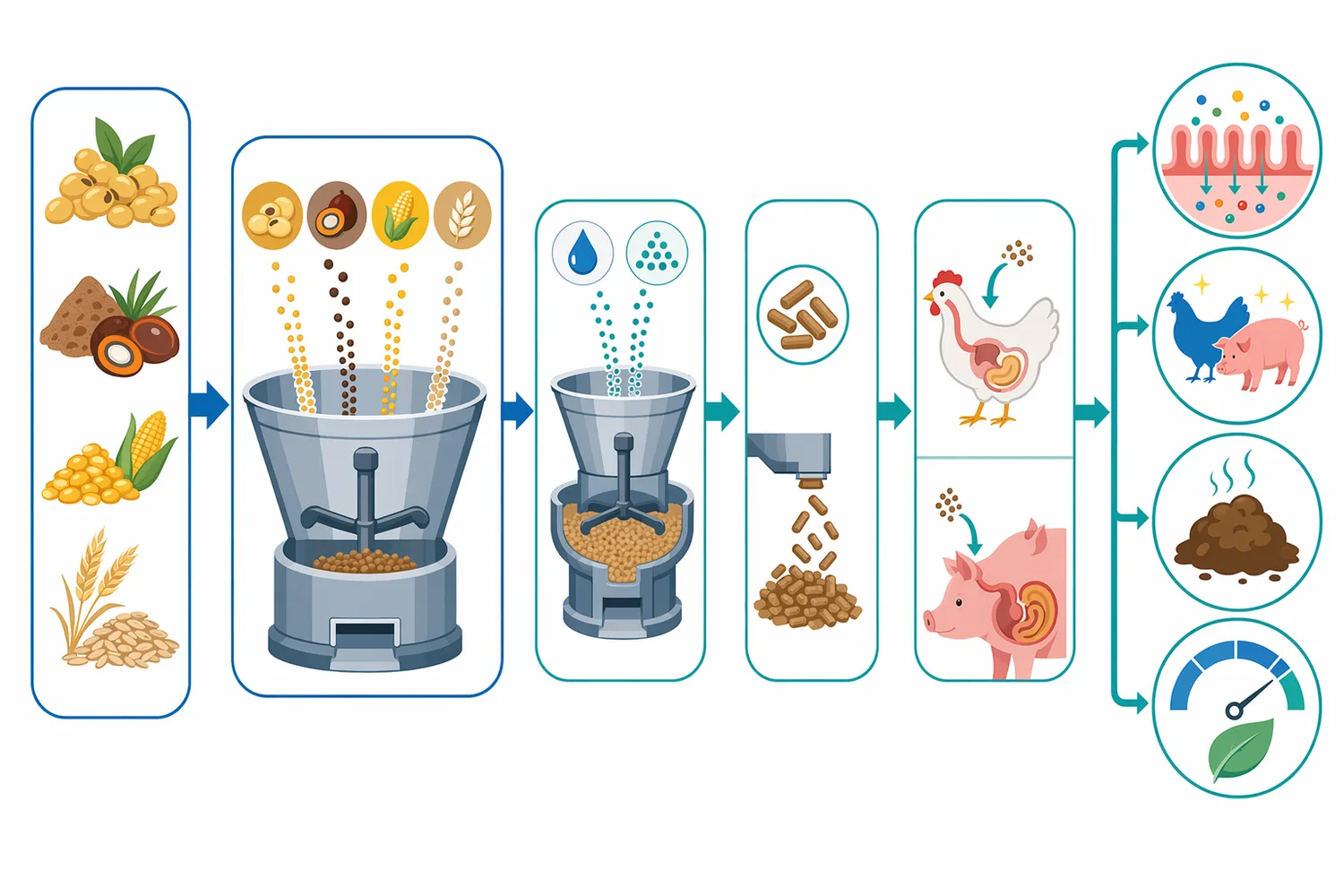
Mannanase is intended to be incorporated into poultry and pig feed so the enzyme is distributed through the feed matrix and can contact its substrate during digestion. Enzymes.bio describes the product as a feed enzyme for poultry and pig applications, supplied for practical use in feed systems rather than as a laboratory reagent.
As with any enzyme, function depends on maintaining the protein structure sufficiently for activity in the intended use environment. Feed handling, mixing, pelleting, moisture exposure, and storage conditions can all influence enzyme performance in general terms. The practical emphasis is even distribution in the finished feed and use according to the product label and applicable feed regulations. [1]
Because enzymes work catalytically and act on specific substrates, they are included at much lower proportions than major ingredients such as corn, soybean meal, wheat, or oil. Uniform mixing matters because uneven distribution can create parts of the feed with too little enzyme contact and other parts with more than needed. The goal is consistent exposure of β-mannanase to β-mannan-containing feed particles as the ration is consumed.
Mannanase is best understood as a digestion-support enzyme for β-mannan-containing plant-based diets. It can help reduce viscosity, improve nutrient access, and reduce feed-induced immune pressure associated with β-mannans. It cannot correct spoiled feed, poor ingredient control, disease, inadequate amino acid balance, insufficient energy, mycotoxin contamination, or poor animal management.
The most scientifically grounded claim is that β-mannanase supports degradation of anti-nutritional β-mannans in poultry and pig feed, which can improve feed utilization under suitable dietary and management conditions. That wording matters because it connects the benefit to the substrate and avoids treating the enzyme as a universal additive that works independently of diet. [1]
For broilers, layers, turkeys, nursery pigs, grow-finish pigs, and sows, the same principle applies: the enzyme’s value follows the mannan content and anti-nutritional load of the feed. Where β-mannans are present in meaningful amounts, mannanase has a clear biochemical role. Where the diet contains little accessible β-mannan, the expected response is naturally more limited. [1]
Enzymes.bio supplies Mannanase Enzyme for Poultry Feed – Pig Feed Enzymes as a direct online purchase by the 1 kg unit. Buyers can place the order online, pay through the website, and the order is then processed and shipped. A Certificate of Analysis and Safety Data Sheet are supplied with the order.
For customers using plant-based poultry or pig feed ingredients, the technical rationale is clear: β-mannanase targets β-mannans that can reduce nutrient availability, increase digesta viscosity, and contribute to non-productive immune activation. By hydrolyzing those polymers into shorter mannose-containing fragments, the enzyme helps the animal make better use of feed nutrients already present in the ration.
Used responsibly, mannanase is a targeted feed-enzyme tool for poultry and swine diets containing β-mannan substrates. Its strongest support lies in the match between substrate and enzyme action, reinforced by research synthesis across poultry and pig production stages showing relevance for performance and energy-utilization outcomes under appropriate feeding conditions. [1]
Sold by the 1 kg unit, in stock and ready to ship. Order directly on our store — pay online and we process your order. A Certificate of Analysis and Safety Data Sheet are included with every order.
Buy Mannanase Enzyme For Poultry Feed - Pig Feed Enzymes →Numbered in order of first citation. Open-access sources, each verified reachable at publication; citation numbers in the text link here.