
Direct answer: Food grade yeast extract enzyme is used to help convert yeast biomass into soluble, flavor-active, and nutritionally useful yeast-derived ingredients for condiments, savory seasonings, fortified foods, and fermentation nutrition. It works by enzymatically breaking down yeast proteins and supporting release of intracellular materials such as peptides, amino acids, nucleotides, minerals, and other soluble solids, while process design determines the final taste, solubility, and functionality.
Enzymes.bio supplies this yeast extract enzyme for direct online purchase by the 1 kg unit. The buyer pays online, the order is processed and shipped, and the shipment includes a Certificate of Analysis and Safety Data Sheet.
Food grade yeast extract enzyme is best understood as a processing aid for controlled yeast breakdown. In yeast extract production, the objective is not simply to “destroy” yeast cells; it is to convert a dense biological material into an ingredient stream that is easier to dissolve, blend, flavor, dry, or use as a nutrient source. Yeast extract and related yeast derivatives are used across food, feed, and fermentation because yeast biomass contains protein, peptides, amino acids, nucleotides, vitamins, minerals, and cell-wall carbohydrates in a compact natural matrix [1].
In a practical food application, the enzyme helps move yeast processing away from slow or variable natural breakdown and toward a more directed hydrolysis step. That matters because yeast cells are structurally resilient: their valuable intracellular materials are surrounded by a cell wall that includes mannoproteins and other polysaccharide-rich structures, so processing must open or weaken the cell architecture before the soluble fraction can be recovered efficiently [2].
For condiment and savory ingredient systems, the most relevant output is usually a soluble yeast extract rich in taste-active molecules. Small peptides and free amino acids can contribute brothiness, body, savory depth, and flavor rounding, while nucleotides can support umami perception when present in the finished extract. The final sensory profile, however, is not created by the enzyme alone; it is shaped by the yeast source, hydrolysis extent, heat history, concentration, salt level, and downstream blending.
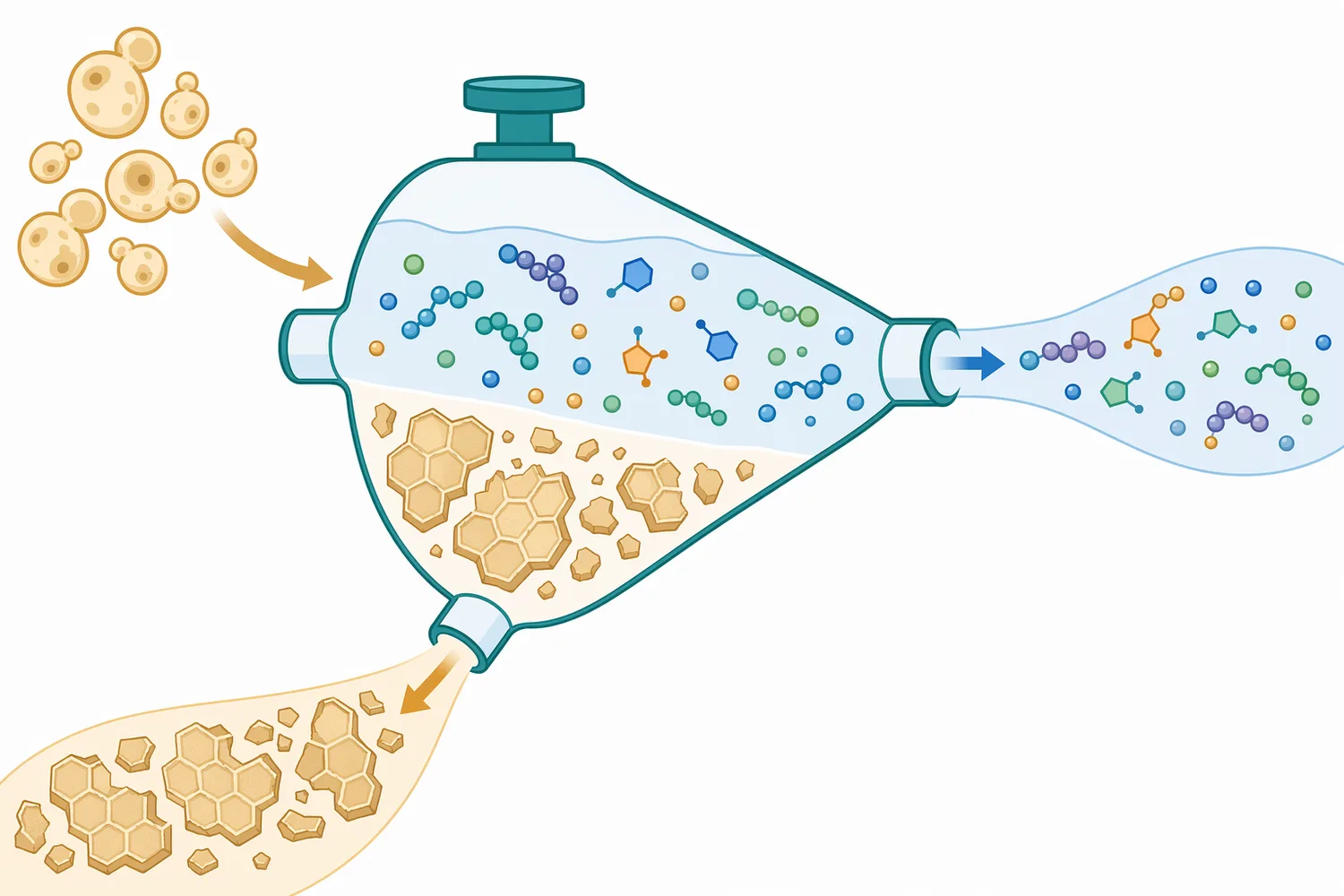
Yeast can be pictured as a microscopic nutrient capsule. The capsule wall is built to protect the cell, which is useful for the living organism but inconvenient when a food processor wants the soluble intracellular fraction. Enzyme-assisted hydrolysis helps by cutting specific molecular bonds in yeast proteins and, depending on the enzyme system and process, by making the cell structure more permeable so soluble material can move out into the surrounding liquid.
The main biochemical change is protein hydrolysis. Large yeast proteins are cut into shorter peptides and amino acids, which are generally more soluble and more available for taste and nutritional functionality. Studies on enzymatic hydrolysis of food proteins show that controlled cleavage changes molecular size distribution and functional behavior, creating hydrolysates with different solubility, interfacial properties, and nutritional characteristics compared with the original protein material [3].
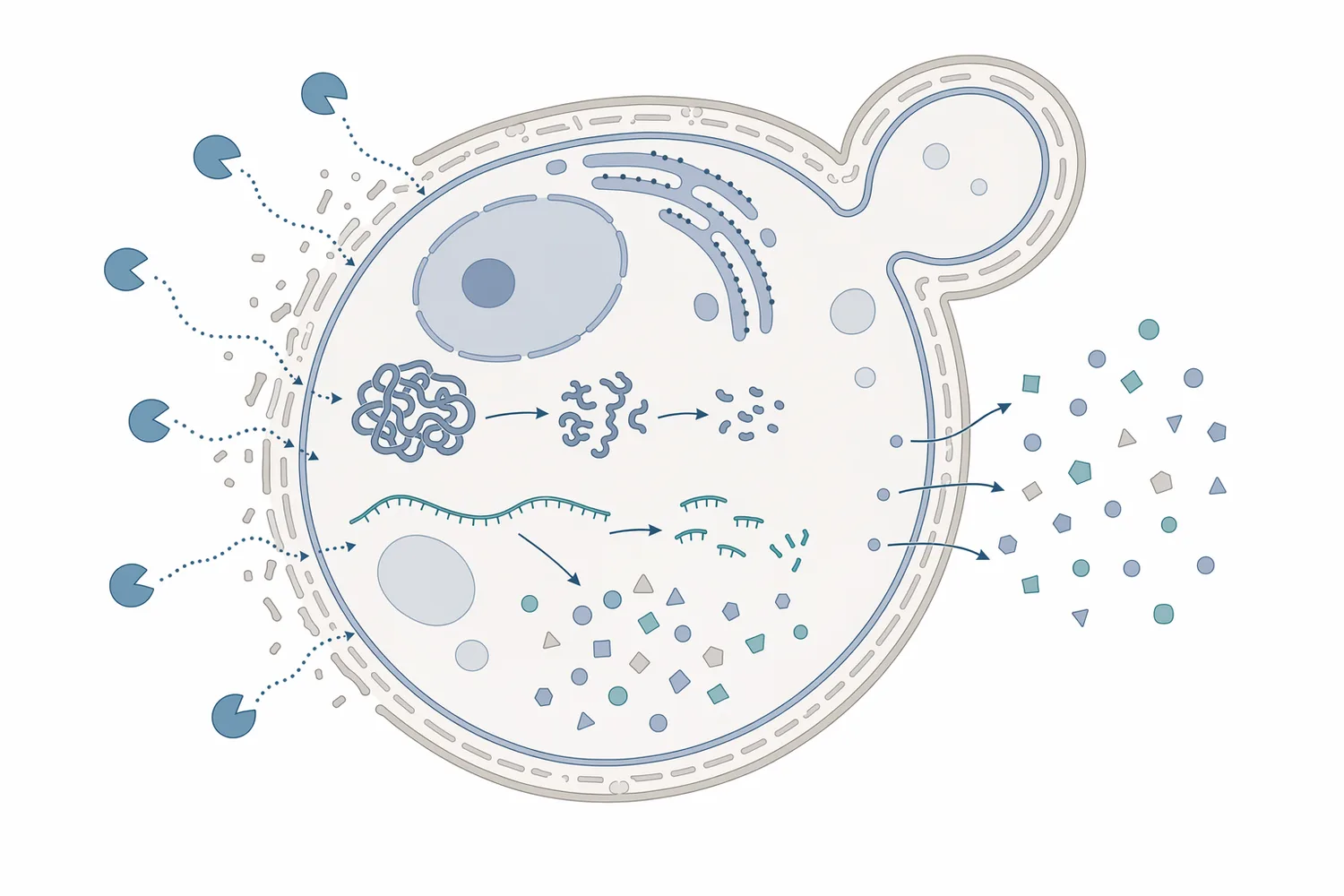
A second change is improved release of intracellular solids. Once proteins and structural components are weakened, soluble yeast components diffuse into the aqueous phase more readily. In yeast extract production from brewer’s yeast waste, research has examined preparation of yeast extract as a way to convert brewing by-products into medium constituents, showing the practical food-bioprocess interest in recovering soluble yeast-derived nutrients from spent yeast streams [4].
A third change is creation of a flavor precursor pool. Amino acids and peptides released during hydrolysis can participate in later flavor development, especially if the extract is heated, concentrated, blended with salt, or incorporated into a seasoning base. This is why hydrolysis is closely linked with savory ingredient production: the enzyme step changes the chemical starting point for the flavor system, rather than merely adding a flavor on top.
Yeast extract quality depends on balance. Too little breakdown may leave valuable solids trapped in intact or partially disrupted cells, producing lower soluble yield and weaker flavor contribution. Too much or poorly controlled breakdown can push the profile toward harsh, bitter, sulfurous, or otherwise unbalanced notes. Research into off-odor substances in yeast extract products confirms that odor quality is a real and studied variable in commercial yeast extract materials, not a minor cosmetic issue [5].
The mechanism behind this balance is concrete. Proteolysis releases peptides, but peptide size and sequence influence taste. Some peptides contribute body and continuity; others can taste bitter. Amino acids can support savory taste directly or act as reaction precursors during heating. Nucleotides may enhance umami synergy. Minerals and small organic compounds influence salt perception, fermentation nutrition, and background taste. The enzyme step therefore changes both composition and sensory potential.
For fortified foods, solubility and dispersibility can be just as important as taste. A yeast-derived ingredient that disperses more evenly in soup, porridge, beverage base, or savory powder is easier to formulate than intact biomass. Enzymatic hydrolysis of other plant and seed proteins has similarly been studied for improving physicochemical, functional, and nutritional characteristics, supporting the broader food-processing principle that hydrolysis can convert less functional protein materials into more usable ingredient systems [6].
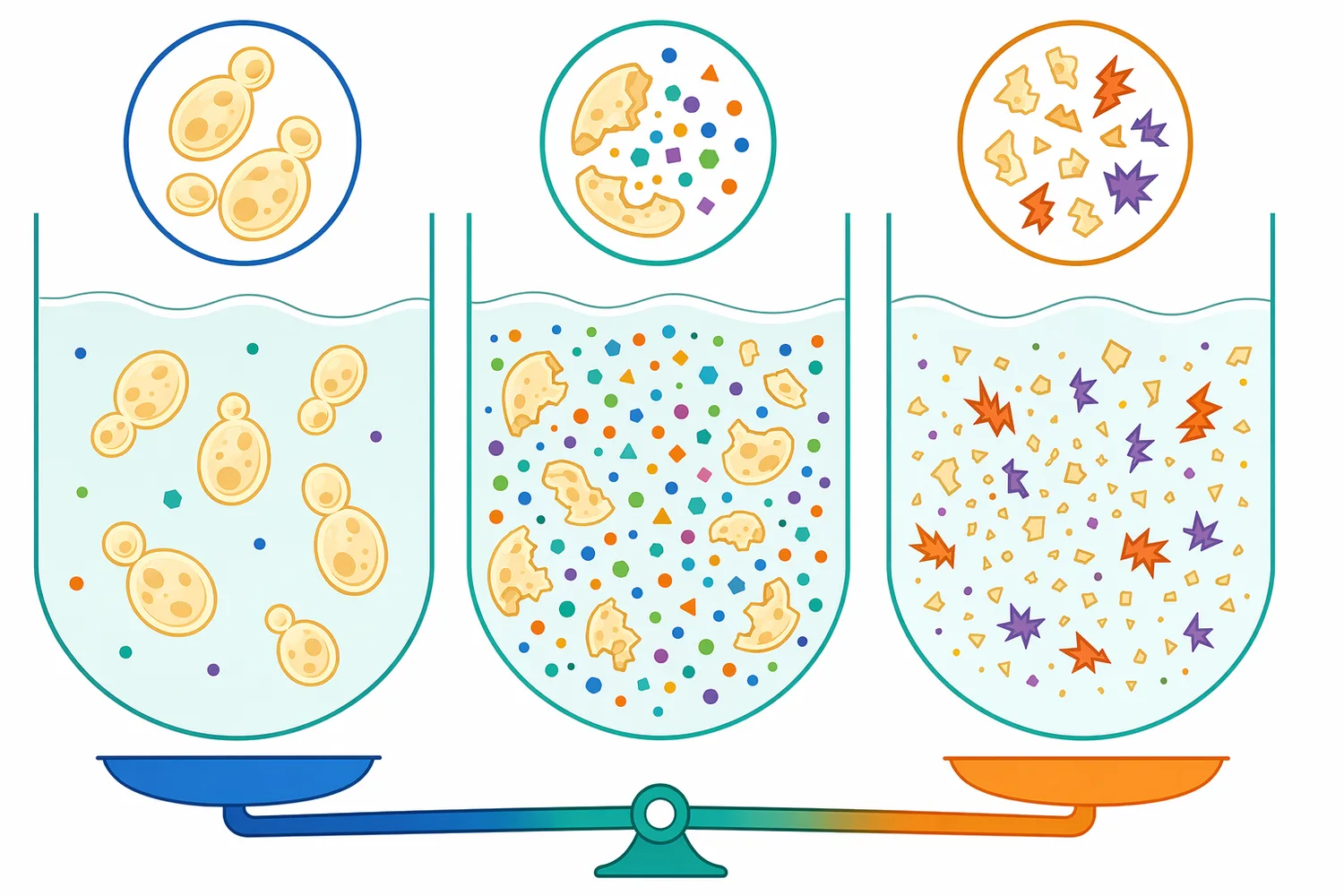
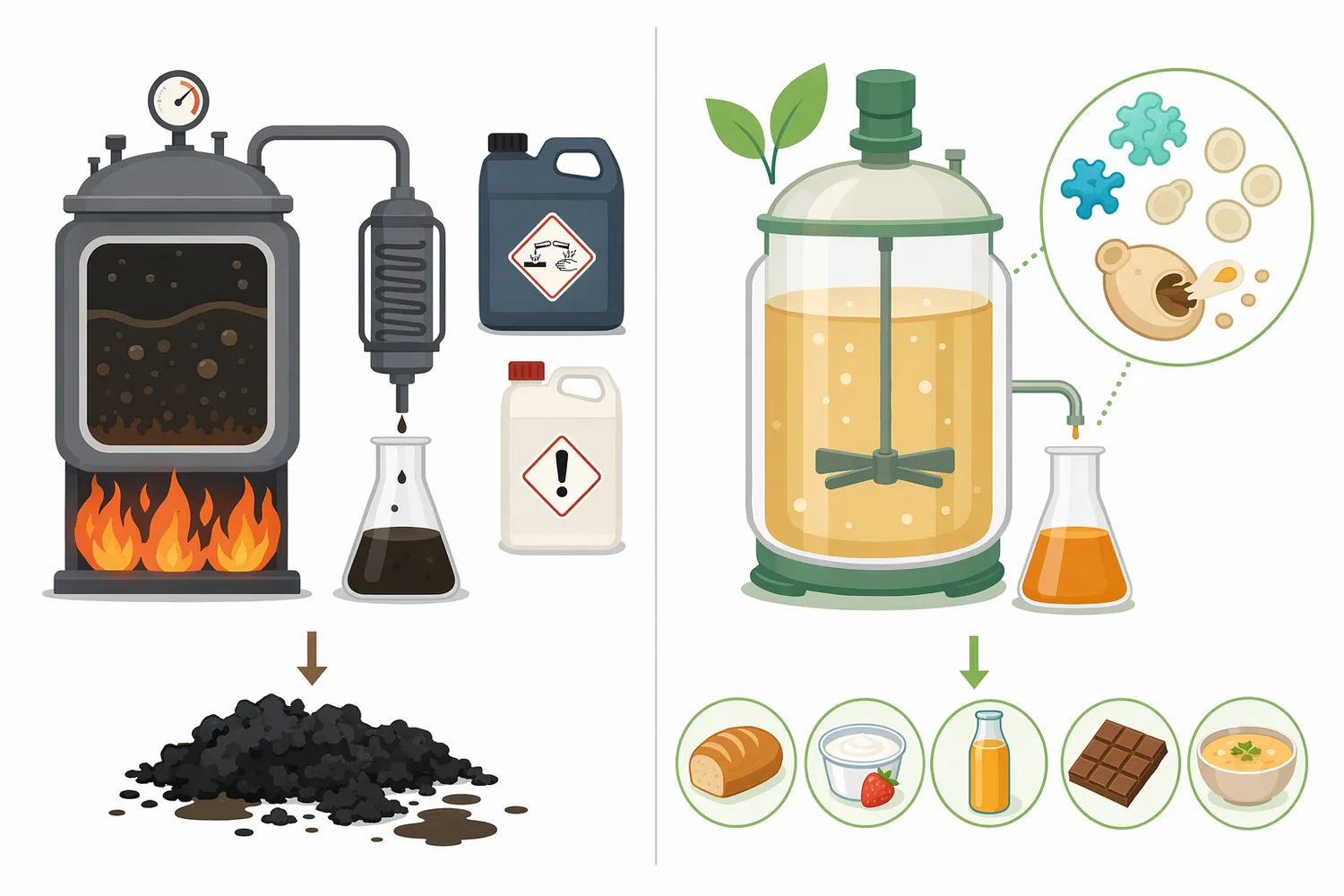
Yeast extract production can involve natural autolysis, heat treatment, mechanical disruption, enzymatic hydrolysis, or combinations of these approaches. The enzyme is not a replacement for all processing steps; it is a controllable biochemical tool that can be integrated into a process where heat transfer, mixing, separation, and stabilization still matter.
| Processing route | What mainly happens to the yeast | Practical strengths | Practical limitations |
|---|---|---|---|
| Natural autolysis | Yeast’s own endogenous enzymes slowly break down internal material after cell stress or death | Simple concept; historically used for yeast extract | Can be slow, variable, and dependent on yeast condition |
| Heat-assisted treatment | Heat weakens cells, reduces microbial risk, and can support release and flavor development | Familiar in food plants; useful for stabilization | Excessive heat can damage nutrients or push flavor toward cooked/off notes |
| Mechanical disruption | Physical force breaks or weakens cell structures | Can rapidly open cells and improve access | May require energy-intensive equipment and downstream solids handling |
| Enzyme-assisted hydrolysis | Added food enzyme cuts yeast proteins and supports controlled solubilization | More directed release of peptides, amino acids, and soluble solids | Final outcome still depends on substrate, mixing, time, heat, and downstream process |
| Combined processing | Enzyme, heat, autolysis, and/or mechanical steps are sequenced together | Often gives the most practical control over yield and flavor | Requires process validation in the intended food system |
This comparison is important because “yeast extract enzyme” should not be viewed as a magic additive. It is a way to change the rate and pattern of yeast breakdown. The strongest results usually come when the enzyme step is matched with a realistic food-processing sequence: hydrate the yeast, allow enzyme contact, maintain controlled conditions, stop the reaction when the target profile is reached, and stabilize or concentrate the extract.
The clearest support for this application comes from three overlapping areas: yeast extract preparation, yeast extract use as a nutrient system, and enzymatic hydrolysis as a food-processing technology. Work on brewer’s yeast waste demonstrates the continuing industrial interest in turning spent yeast into yeast extract, including potential use as a medium constituent, which is directly relevant to upcycled ingredient and fermentation-nutrient applications [4].
Fermentation studies also show why soluble yeast-derived nutrients matter. In one study, growth of Faecalibacterium duncaniae A2-165 was strongly promoted by yeast extract and vitamin B5 in cGMP medium, illustrating how yeast extract can supply growth-supporting nutritional factors in a defined cultivation context [7]. This does not mean every yeast extract behaves identically, but it supports the practical role of yeast extract as a nutrient-rich input.
Another fermentation-oriented study examined substitution of yeast extract while maintaining performance in amorpha-4,11-diene production, again showing that yeast extract is treated as a performance-critical nutrient component in microbial production systems [8]. For food ingredient buyers, the takeaway is that yeast extract is not only a flavor ingredient; it is also a complex nutrient source whose composition can affect biological processes.
Food-fortification evidence is also relevant. Fortification of acidophilus-bifidus-thermophilus fermented milk with heat-treated industrial yeast was reported to enhance selected properties, showing that industrial yeast materials can contribute to functional food systems when processed appropriately [9]. This supports the broader use of yeast-derived ingredients in nutrition-fortified foods, while leaving the exact formulation outcome to the finished product design.
Protein-rich yeast extract has also been investigated for potential antioxidant and anti-aging activities, reflecting research interest in yeast extract beyond basic flavoring [10]. Such findings should be interpreted carefully: bioactivity depends on the extract composition, preparation method, and test model. Still, they help explain why yeast extract appears in discussions of nutrition, functional foods, and fortified ingredient systems.
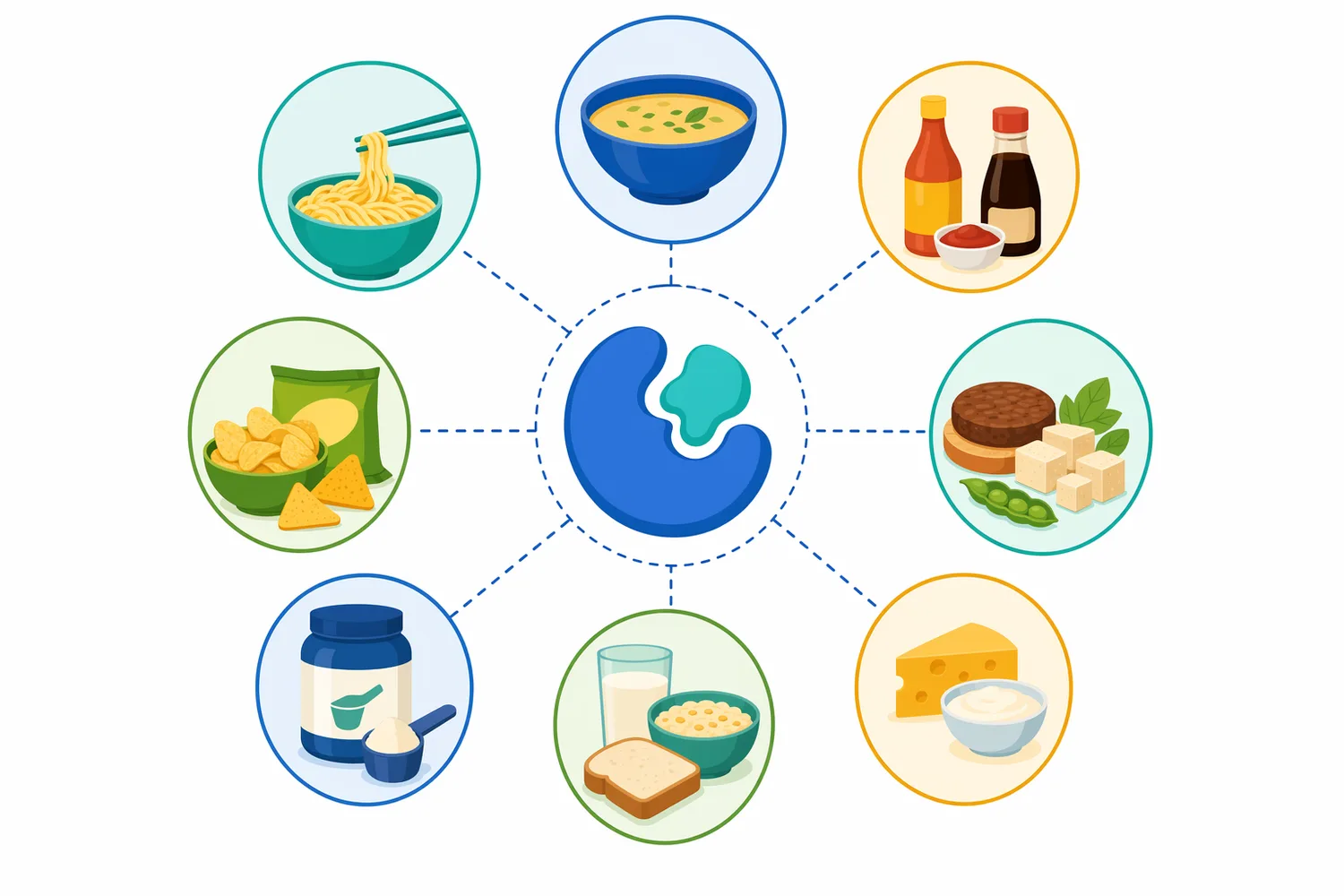
Condiments and seasonings are natural applications for enzyme-processed yeast extract because they need concentrated taste impact in a compact ingredient. In soup bases, bouillons, sauces, gravies, instant noodle seasonings, snack coatings, and plant-based savory systems, yeast extract can contribute depth without functioning like a single-note spice. Its value comes from a broad mixture of soluble taste-active compounds rather than one isolated flavor molecule.
Enzyme hydrolysis supports this by increasing the pool of small peptides and amino acids. Mechanistically, proteins that were previously folded or trapped inside yeast cells become smaller, water-soluble fragments. These fragments distribute more evenly through a sauce or dry seasoning and interact with salt, acids, fats, and thermal reaction flavors. The result can be a more rounded base note, improved continuity, and less reliance on harsh top-note flavoring.
This is particularly useful in plant-based savory foods, where formulators often need to build roasted, meaty, brothy, or fermented character from non-meat materials. Yeast extract does not automatically create a meat flavor, but it can provide the savory background on which vegetable, spice, smoke, Maillard, or fermentation notes are built. The enzyme’s role is upstream: it helps create the extract chemistry that makes that background possible.
In nutrition-fortified foods, yeast-derived ingredients are valued for their protein-derived nitrogen, micronutrient contribution, and compatibility with savory formats. Soups, porridges, meal bases, recovery foods, and fortified seasoning powders can all benefit from ingredients that combine nutrition with acceptable taste. Yeast extract can be easier to incorporate than intact yeast biomass because hydrolysis improves solubility and reduces the gritty or particulate character associated with whole-cell materials.
The practical mechanism is again molecular size reduction and release. Proteins become peptides; intracellular soluble solids move into the aqueous phase; cell debris can be separated or managed depending on the target product. In food-protein research outside yeast, enzymatic hydrolysis of mung bean and soybean proteins has been studied for generating bioactive peptides for functional food applications, supporting the broader idea that hydrolysis can create peptide-rich nutritional ingredient streams [11].
For fortified foods, flavor management is essential. A nutrient-dense ingredient that tastes strongly bitter, yeasty, or burnt may limit inclusion in the finished food. Controlled enzyme treatment helps because it gives the processor a way to influence the degree of breakdown before concentration or drying. It does not remove the need for formulation work, but it gives a more functional starting material than untreated yeast in many applications.
Yeast extract is widely used in fermentation because many microorganisms benefit from complex nitrogen, vitamins, minerals, and growth factors. Enzyme-assisted yeast extract production can support this use by increasing soluble nitrogen and releasing intracellular nutrients into a form that microorganisms can access. The growth-promoting effect of yeast extract in cGMP medium for Faecalibacterium duncaniae is a clear example of yeast extract functioning as more than a bulk filler [7].
In fermentation media, consistency matters. Microbial growth can respond to small differences in available nitrogen, peptide profile, vitamins, and trace nutrients. Enzymatic hydrolysis helps create a soluble nutrient pool, but the performance of the final yeast extract still depends on downstream concentration, heat treatment, and the biological system being cultivated. This is why yeast extract is often treated as a functional component of the medium rather than a simple commodity powder.
For food-related fermentation, yeast-derived nutrients can support starter culture propagation, enzyme production, organic acid production, and specialty ingredient fermentation. The enzyme used to produce the yeast extract remains upstream; it is part of making the nutrient ingredient, not necessarily part of the final fermentation if the extract is stabilized before use.
Brewer’s spent yeast and other fermentation yeast streams represent valuable biomass. They contain proteins, cell-wall carbohydrates, nucleotides, minerals, and residual intracellular metabolites, but they require processing before they become consistent food or fermentation ingredients. Research on preparing yeast extract from brewer’s yeast waste directly supports the concept of recovering value from this by-product rather than treating it only as low-value waste [4].
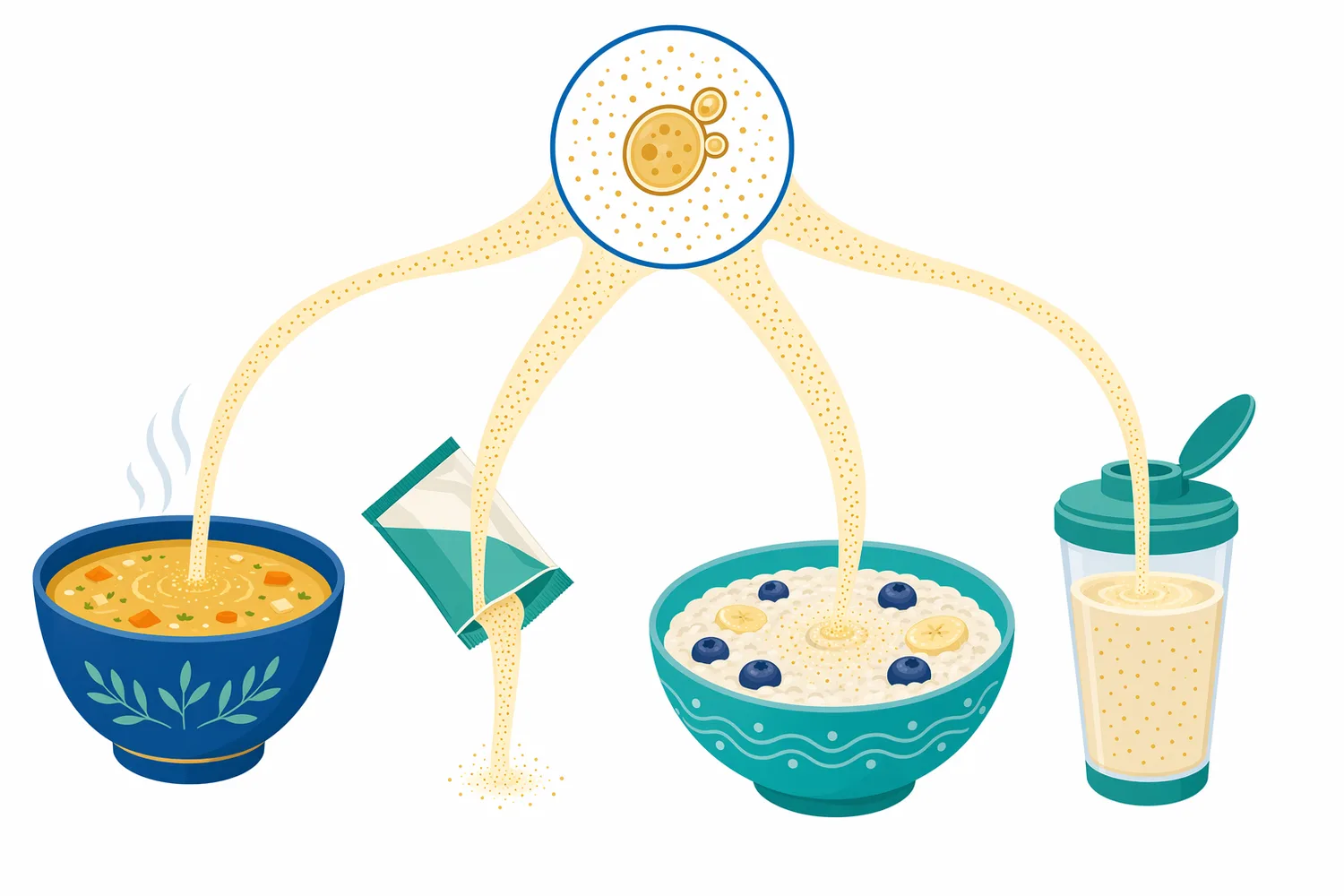
Enzyme-assisted processing fits this upcycling logic. By hydrolyzing proteins and improving release of soluble materials, the enzyme can help transform a wet or concentrated yeast by-product into an extractable ingredient stream. Depending on the process, the soluble fraction may be used for flavor or nutrition, while insoluble cell-wall-rich fractions may be handled separately.
Yeast cell-wall components are also of interest in animal nutrition and biological function research. Reviews of yeast and yeast derivatives in swine production discuss yeast-based materials and their functional roles, showing that the value of yeast biomass extends beyond soluble extract alone [1]. For food ingredient processing, this reinforces a key point: enzyme treatment can be part of a broader fractionation strategy, not only a flavor-extract step.
The sensory value of yeast extract is created by chemistry, not by the word “yeast” on a label. A desirable savory extract may contain a balanced mixture of peptides, amino acids, nucleotides, salts, and mild fermentation-derived notes. An undesirable one may carry excessive bitterness, harsh yeastiness, sulfur-like notes, burnt notes, or stale/off odors. Research specifically investigating off-odor substances in yeast extract products highlights the importance of understanding and controlling odor formation in this ingredient category [5].
Enzyme hydrolysis influences sensory consistency because it changes the peptide and amino acid profile before later processing. Shorter peptides and free amino acids can improve savory perception, but excessive hydrolysis can shift the balance. Heat can build desirable roasted or broth-like character, but excessive thermal exposure can generate unwanted notes. Concentration improves intensity, but it can also concentrate defects.
The practical implication is that yeast extract enzyme is best used as part of a controlled processing concept. It supports release and conversion; it does not guarantee a particular flavor note by itself. The same enzyme-driven release that improves umami potential can also expose compounds that need to be managed by timing, stabilization, separation, or blending.
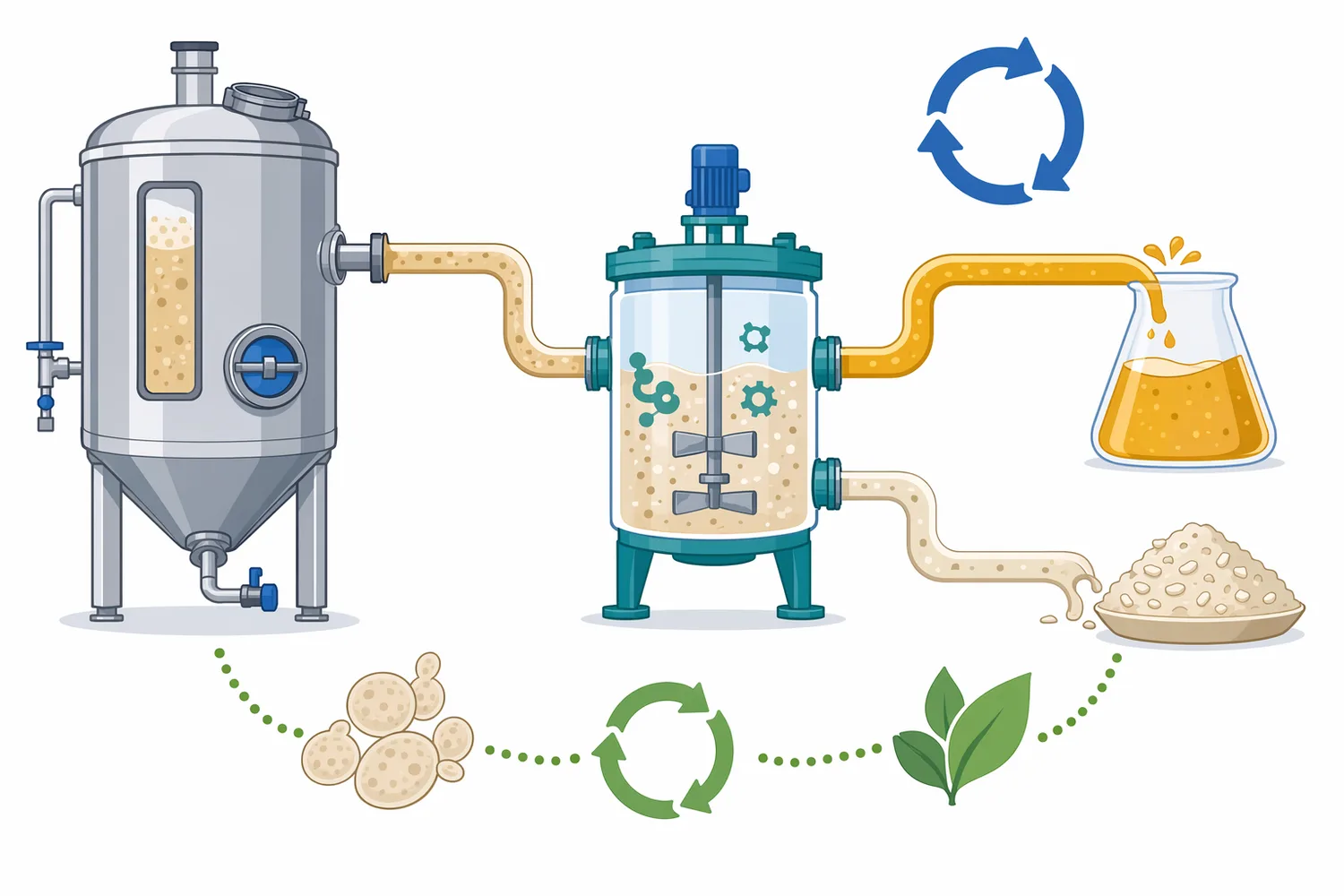
A yeast extract process often produces both soluble and insoluble fractions. The soluble fraction contains many of the peptides, amino acids, nucleotides, minerals, and small molecules associated with flavor and fermentation nutrition. The insoluble or less-soluble fraction contains more cell-wall material, including mannoprotein-rich structures that are characteristic of Saccharomyces cerevisiae cell architecture [2].
This distinction matters because different applications value different fractions. A clear savory extract may prioritize soluble solids and low sediment. A nutritional ingredient may tolerate or even value a broader spectrum of yeast-derived material. A cell-wall ingredient may focus on polysaccharide-rich material rather than the soluble extract. Enzyme-assisted hydrolysis can support one or more of these directions, but downstream separation and stabilization determine what the final ingredient becomes.
In fortified foods, a broader yeast-derived ingredient may be acceptable if the application is opaque, savory, or high in total solids. In clear sauces, beverages, or fermentation media, soluble extract quality may matter more. The enzyme’s role is to make more of the yeast’s internal composition accessible so the process can direct it into the intended ingredient format.
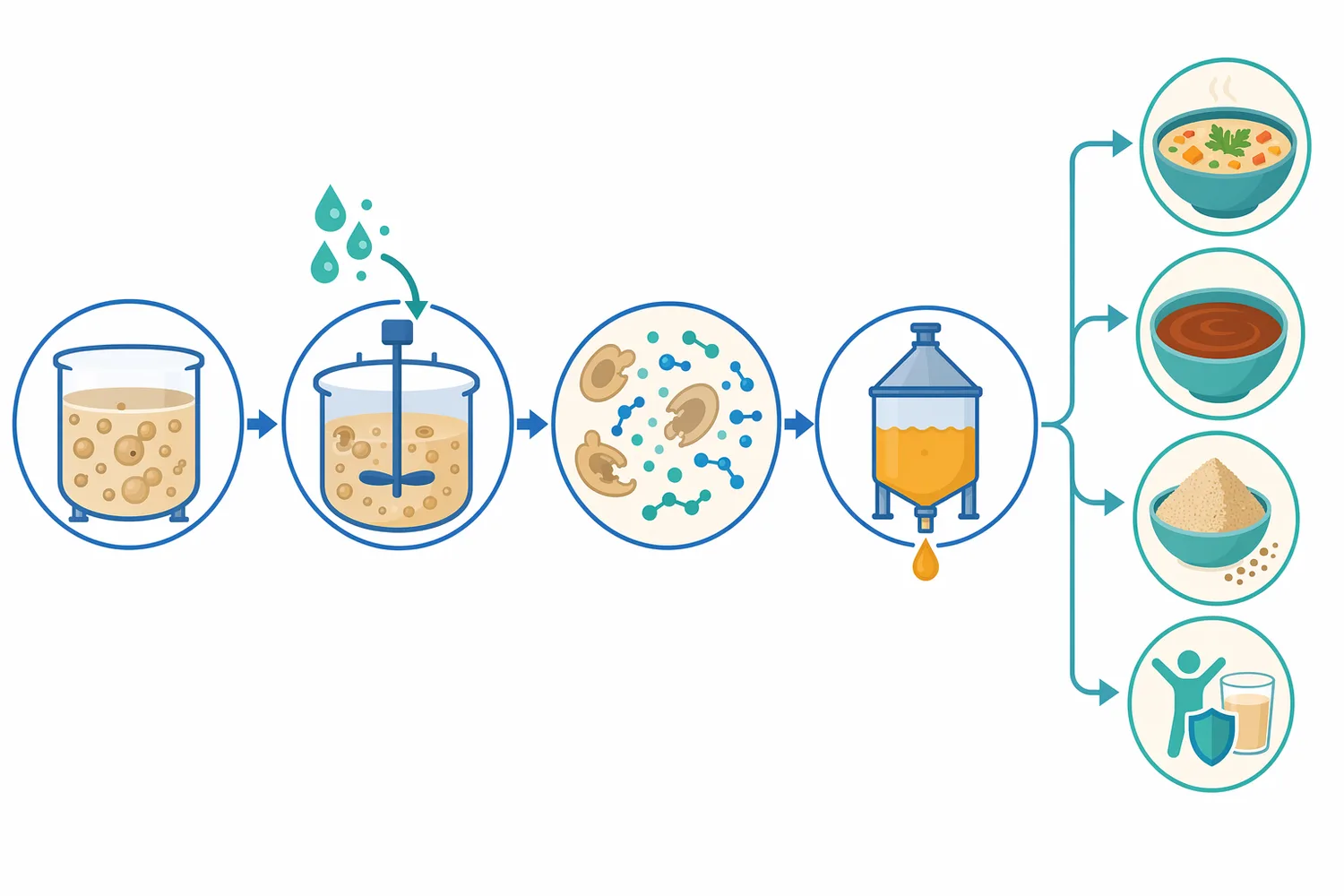
A typical enzyme-assisted yeast extract process begins by dispersing yeast biomass into water to create a slurry with adequate mixing and heat transfer. The enzyme is then introduced during a controlled hydrolysis step, where it contacts yeast proteins and accessible cell structures. During this stage, proteins are cleaved, soluble solids increase, and the liquid phase becomes richer in taste-active and nutrient-relevant components.
After the desired level of hydrolysis is reached, the material is commonly stabilized so the reaction does not continue indefinitely. Stabilization also supports microbial control and helps lock in the intended profile before separation, concentration, drying, or blending. This is especially important because continued proteolysis can keep changing taste and functionality after the target point has been reached.
Downstream processing depends on the product format. A liquid seasoning base may be filtered or concentrated. A dry powder may be concentrated and dried. A fermentation nutrient may be clarified differently from a savory paste. In every case, the enzyme step is one part of a larger process that determines the final ingredient’s solubility, flavor, color, and handling behavior.
Food enzymes are widely used in modern ingredient processing, but regulatory treatment depends on the enzyme source, production method, intended use, country, and finished-product context. Enzyme-catalyzed food ingredient production is a recognized technology pathway; for example, EFSA has evaluated enzymatically produced steviol glycosides made through enzymatic bioconversion under defined specifications and concluded on safety within the scope assessed [12].
That example is not an evaluation of this Enzymes.bio yeast extract enzyme. It simply illustrates that enzyme-enabled food ingredient processes can be assessed within formal food-safety frameworks when the relevant process and ingredient specifications are defined. For buyers purchasing from Enzymes.bio, the order includes the documentation supplied with the product shipment, including the Certificate of Analysis and Safety Data Sheet.
As with any food-processing aid, the finished food application remains the responsibility of the food business using it. The enzyme can support yeast hydrolysis, but finished-product compliance depends on the complete formulation, processing conditions, labeling rules, and market requirements.
A food grade yeast extract enzyme can support faster and more directed release of yeast-derived soluble materials, but it should not be treated as a universal flavor solution. The same enzyme may perform differently with fresh baker’s yeast, brewer’s spent yeast, inactive dry yeast, cream yeast, or other yeast-derived streams because the cell condition, prior heat exposure, moisture, and composition are different.
The most realistic expectation is improved process control over yeast breakdown. The enzyme helps convert proteins into peptides and amino acids, supports release of intracellular components, and creates a soluble base that can be developed into savory, nutritional, or fermentation-nutrient ingredients. The final result depends on how the enzyme step is integrated with heating, mixing, stabilization, separation, concentration, and formulation.
For condiment and fortified-food applications, the main value is practical: better access to yeast’s natural flavor and nutrient potential. For fermentation media, the value is soluble nutrient availability. For upcycled yeast streams, the value is transformation of a by-product into a more usable ingredient platform.
Enzymes.bio supplies Food Grade Yeast Extract Enzyme directly online in 1 kg units. The purchase is completed online, then the order is processed and shipped. Each order includes the product documentation supplied with the shipment, including a Certificate of Analysis and Safety Data Sheet.
This sales model is intended for buyers who want a straightforward way to purchase a 1 kg enzyme product for food ingredient processing work. The product is positioned as an enzyme processing aid for yeast extract and yeast-derived ingredient applications, especially where savory taste, soluble nutrition, fermentation nutrients, or yeast by-product utilization are the target.
Food grade yeast extract enzyme helps convert yeast biomass into more soluble, flavor-active, and nutritionally useful ingredient streams. It works by hydrolyzing yeast proteins, supporting release of intracellular materials, and creating peptide- and amino-acid-rich fractions that can be used in condiments, savory seasonings, fortified foods, fermentation media, and upcycled yeast ingredients.
The evidence base supports the importance of yeast extract as a nutrient and functional ingredient, the value of processing brewer’s yeast waste into yeast extract, and the broader food-science role of enzymatic hydrolysis in modifying proteins and improving ingredient functionality [4]. Used appropriately, yeast extract enzyme is a practical tool for controlled yeast processing—not a finished flavor by itself, but a way to unlock the chemistry that makes yeast extract valuable.
Sold by the 1 kg unit, in stock and ready to ship. Order directly on our store — pay online and we process your order. A Certificate of Analysis and Safety Data Sheet are included with every order.
Buy Supply Food Ingredients Condiment Nutrition Fortified Food Grade Yeast Extract Enzyme →Numbered in order of first citation. Open-access sources, each verified reachable at publication; citation numbers in the text link here.