
Thermostable alpha amylase helps high-yield fermentation by liquefying starch: it cuts long starch chains into shorter dextrins, sharply reducing mash viscosity and making the carbohydrate fraction easier for downstream enzymes and microbes to use. Its value is greatest where starch-containing feedstocks are cooked or processed hot, because thermostable bacterial alpha-amylases are specifically studied for maintaining useful starch-hydrolyzing performance under elevated-temperature industrial conditions [1].
Enzymes.bio supplies Thermostable Alpha Amylase for High Yield Fermentation directly online by the 1 kg unit. Buyers place and pay for the order online; the order is then processed and shipped, with a Certificate of Analysis and Safety Data Sheet included.
Thermostable alpha amylase is not a fermenting organism and does not produce ethanol, organic acids, or other fermentation products by itself. Its role is upstream and enabling: it prepares starch so that saccharifying enzymes and fermentation microbes can convert it more efficiently into finished products. In a grain, cassava, potato, rice, wheat, barley, or other starch-based process, intact starch is too large and too structured for most production microbes to use directly, so the starch first has to be opened, liquefied, and hydrolyzed into smaller carbohydrate fragments.
Alpha-amylase is an endo-acting starch enzyme. That means it attacks internal α-1,4-glycosidic bonds within amylose and amylopectin rather than simply trimming glucose units from chain ends. The immediate result is a mixture of shorter dextrins and oligosaccharides, not necessarily complete conversion to glucose. This distinction matters in fermentation: alpha amylase is primarily a liquefaction enzyme, while enzymes such as glucoamylase are commonly used later when the objective is deeper saccharification into fermentable sugars [2].
The “thermostable” part is important because starch processing often uses heat. Heating starch in water causes granules to swell, lose crystalline order, and form a thick gelatinized paste. This makes the starch more accessible to enzymes, but it also creates high viscosity and thermal stress. Thermostable alpha amylase is used because it can operate in or tolerate these hot liquefaction environments better than heat-sensitive enzymes, which is why thermophilic and heat-tolerant microbial sources such as Bacillus, Geobacillus, and Anoxybacillus are repeatedly investigated for industrial alpha-amylase applications [3].
Starch is made mainly of two polymers: amylose, which is mostly linear, and amylopectin, which is highly branched. In dry grain or tuber material these polymers are packed into granules, where crystalline and amorphous regions limit enzyme access. During cooking or hydration, the granule structure loosens, water penetrates, and polymer chains become more available for enzymatic attack. Thermostable alpha amylase then cuts internal α-1,4 linkages along those chains, rapidly reducing average chain length.
The most visible process change is viscosity reduction. A cooked starch slurry can behave like a paste because long hydrated polymer chains entangle with one another. When alpha amylase cuts those chains, the entangled network collapses into shorter fragments. The mash becomes easier to stir, pump, heat, cool, and dose into downstream process steps. This is the practical reason alpha-amylase is described as a liquefying enzyme in starch conversion systems: it converts a difficult-to-handle starch paste into a more fluid dextrin-rich stream.
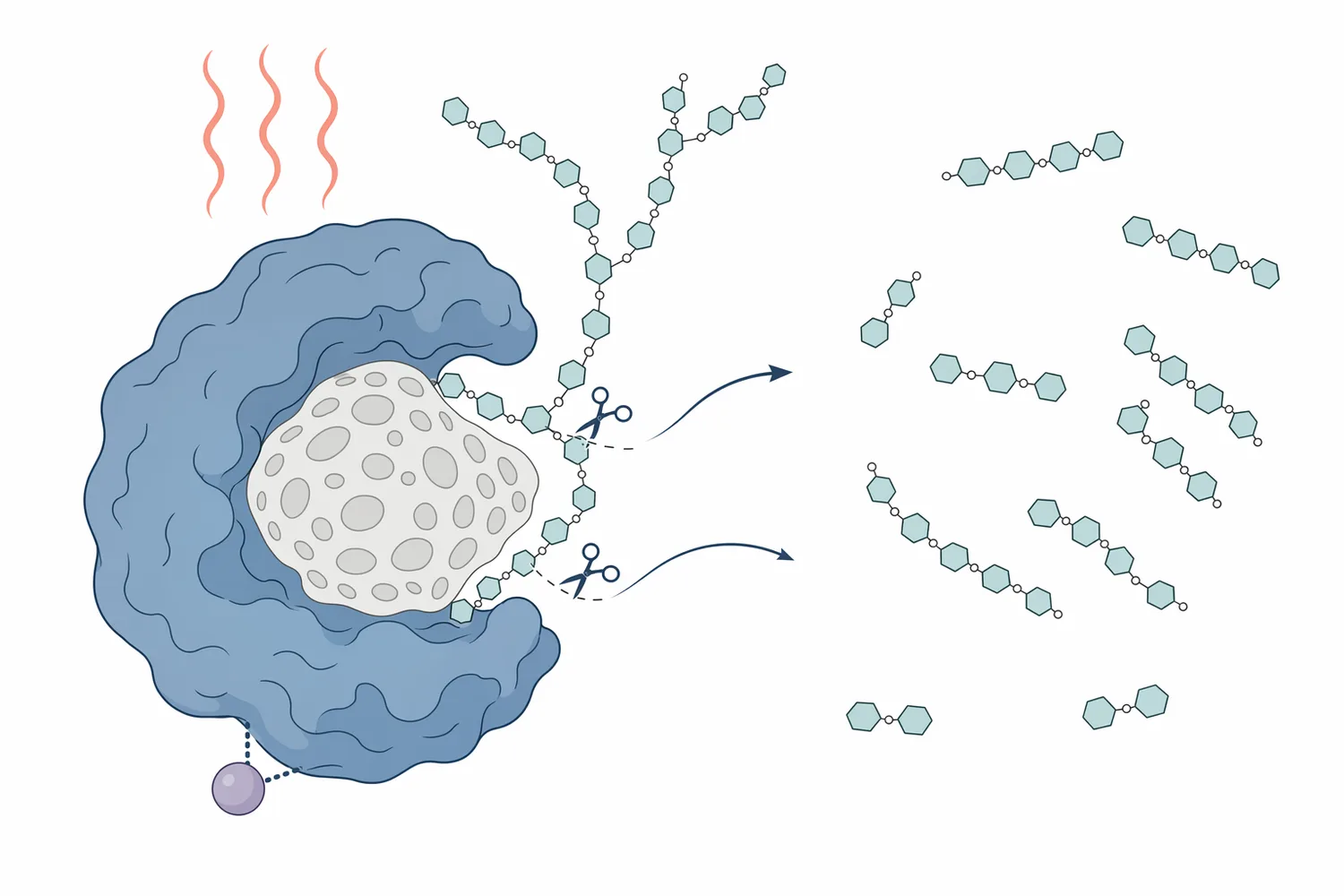
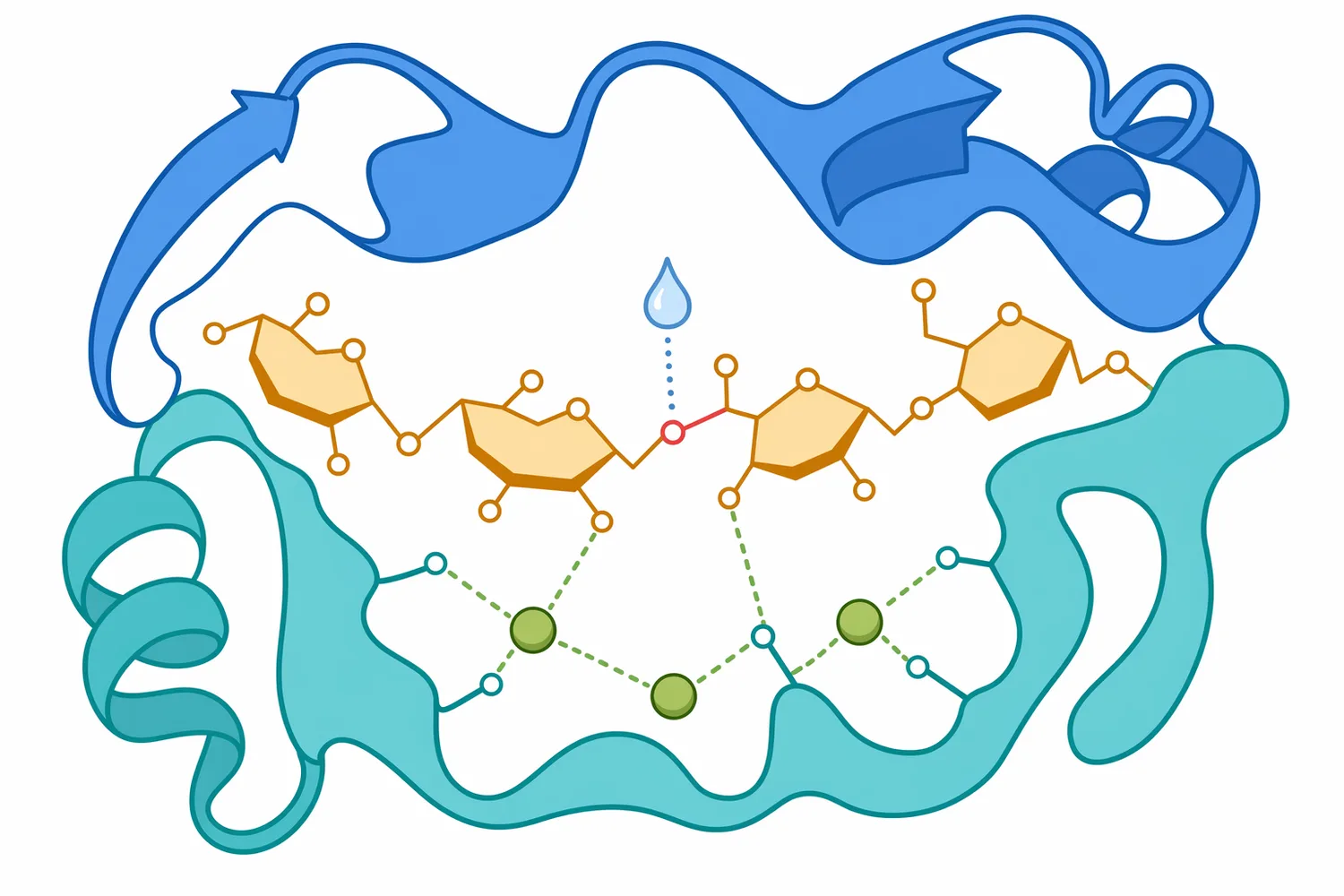
At the molecular level, the enzyme’s active site binds a section of the starch chain, positions the α-1,4 bond for hydrolysis, and uses catalytic residues to cleave that bond with water. Structural research on Bacillus licheniformis alpha-amylase showed that substrate binding is linked to a disorder-to-order transition in the substrate-binding region, mediated by a calcium–sodium–calcium metal triad; in practical terms, metal binding helps organize the enzyme architecture needed for stable substrate recognition and catalysis [4].
The products of alpha-amylase action are useful intermediates. Shorter dextrins expose more chain ends and are easier for glucoamylase or other saccharifying enzymes to convert into glucose and related fermentable sugars. In a high-yield fermentation context, this means alpha amylase helps create a substrate that downstream biology can actually use. Without adequate liquefaction, part of the starch fraction may remain poorly accessible, increasing residual carbohydrates and reducing overall conversion efficiency.
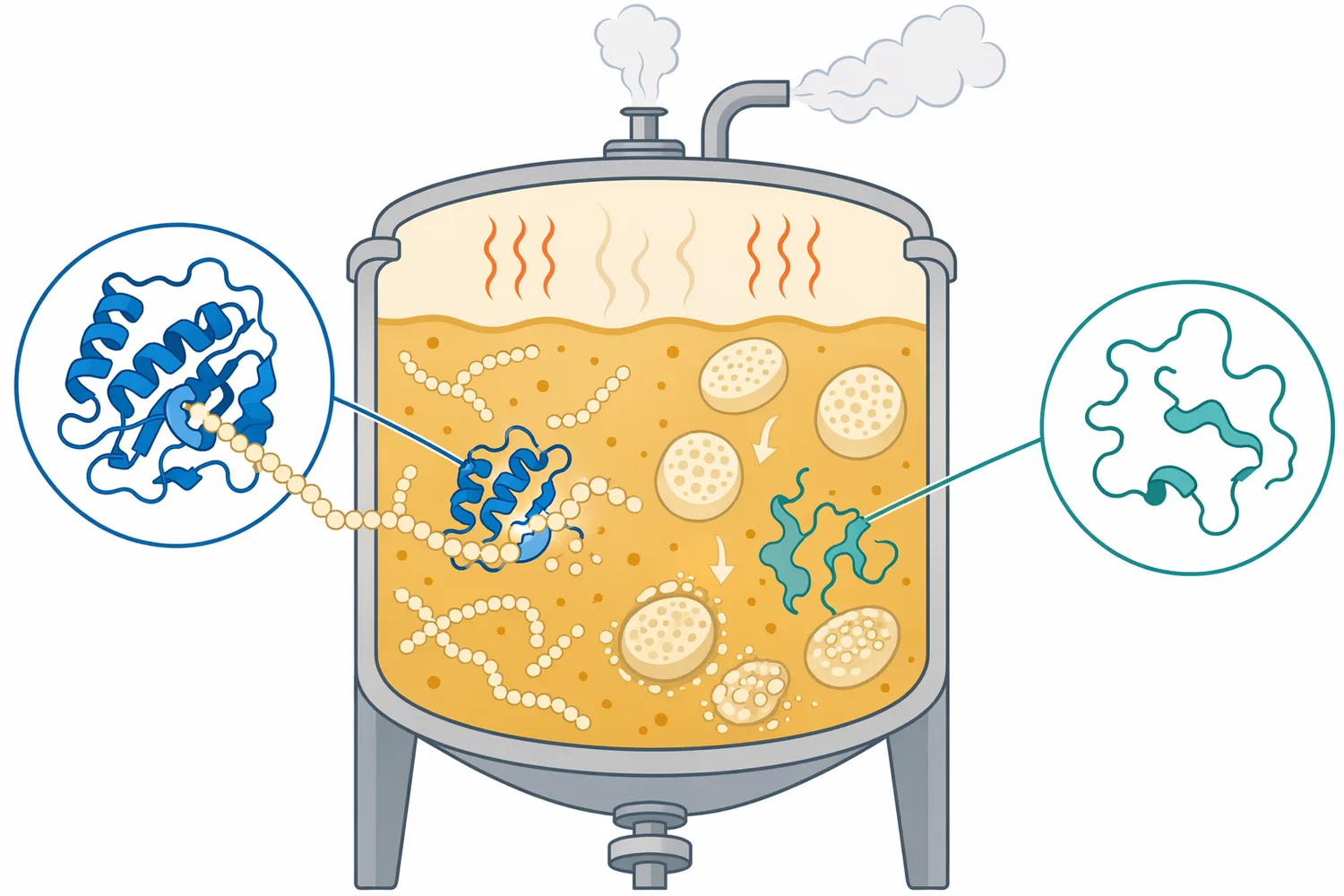
Starch liquefaction is often performed under heat because heat helps gelatinize starch, lowers microbial contamination risk, and accelerates mass transfer. However, high temperature also unfolds many proteins. When an ordinary enzyme unfolds, its active site loses shape, substrate binding weakens, and catalytic performance falls. Thermostable alpha-amylases are valuable because their folded structures resist this loss of function for longer under hot processing conditions.
Thermostability is not one single property; it reflects multiple structural features. Calcium-binding sites, salt bridges, compact hydrophobic cores, and rigidified surface loops can all contribute to heat tolerance. The calcium–sodium–calcium triad described in B. licheniformis alpha-amylase is a concrete example of how metal ions can stabilize the substrate-binding architecture rather than acting as a vague “booster” [4]. When the enzyme holds its active conformation at higher temperature, starch chains can continue to be cleaved during the period when the mash is most accessible.
Thermophilic and thermotolerant microorganisms are a major source of these enzymes. Studies have characterized thermostable alpha-amylases from hot-spring and geothermal-associated organisms, including Geobacillus and Anoxybacillus isolates, because those environments naturally select for proteins that remain folded and functional under heat stress [5]. For fermentation users, the significance is practical: enzyme classes derived from heat-adapted microbes are well aligned with hot starch-processing workflows.
Bacterial alpha-amylases from Bacillus species are especially prominent in industrial literature. Bacillus licheniformis, Bacillus subtilis, and related organisms are repeatedly studied because they secrete extracellular amylases and because their enzymes can combine starch-liquefying activity with useful stability characteristics [6]. This is why many industrial discussions of starch liquefaction focus on bacterial thermostable alpha-amylase rather than fungal amylase alone.
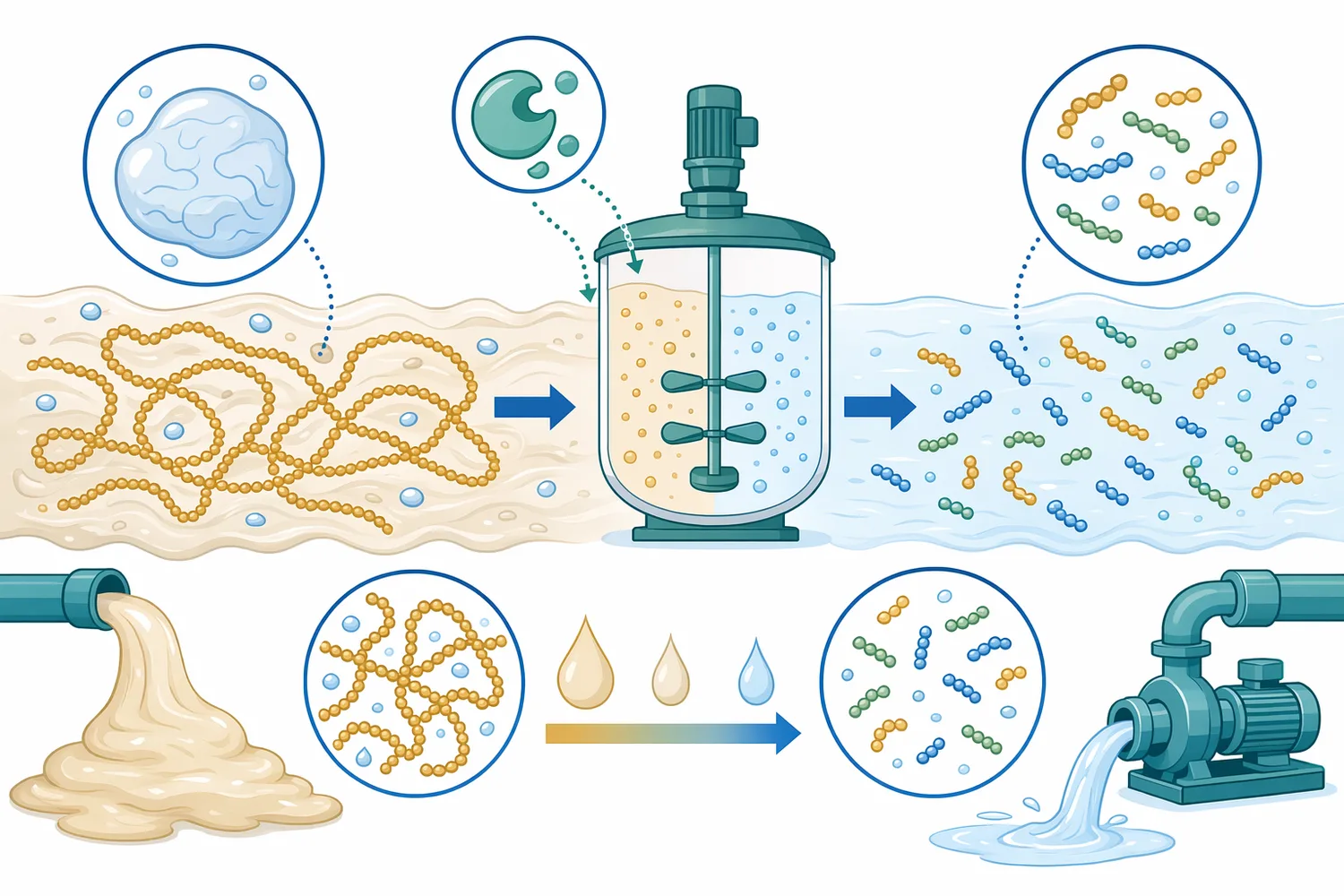
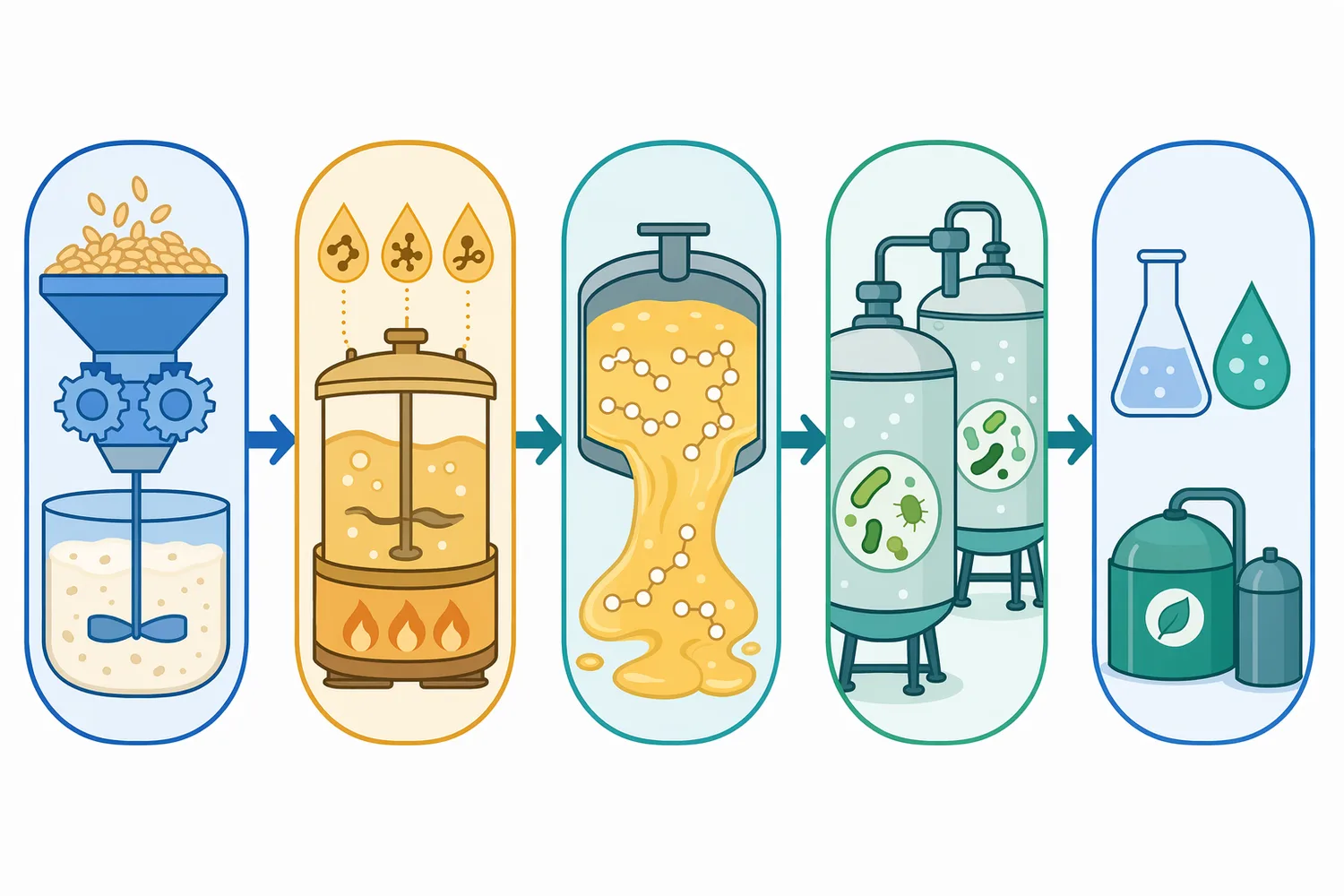
A common misunderstanding is to treat starch conversion as one reaction. In practice, high-yield fermentation from starch usually involves at least three functional stages: liquefaction, saccharification, and fermentation. Thermostable alpha amylase is strongest in the first of these stages.
| Process function | What changes in the material | Main practical outcome | Enzyme role |
|---|---|---|---|
| Liquefaction | Long gelatinized starch chains are cut internally into shorter dextrins | Viscosity falls; mash becomes easier to mix, pump, and process | Thermostable alpha amylase is the key liquefying enzyme [2] |
| Saccharification | Dextrins and oligosaccharides are converted further into fermentable sugars | Glucose and other fermentable carbohydrates become available | Often performed by glucoamylase or complementary saccharifying enzymes |
| Fermentation | Microbes consume fermentable sugars | Ethanol, organic acids, CO₂, or other target products are formed | Yeast or bacteria perform the fermentation, not alpha amylase |
This staged view helps explain why alpha amylase can improve yield without being a complete sugar-producing solution on its own. If liquefaction is poor, downstream saccharifying enzymes face a thick, uneven substrate with limited access to starch chains. If liquefaction is effective, the same downstream biology receives a more uniform dextrin stream. In high-solids processes, that improvement in physical handling can be as important as the chemistry of hydrolysis itself.
The industrial relevance of alpha-amylase is well established. Reviews describe alpha-amylases as among the most widely used enzymes in industry, with applications across starch processing, food, brewing, baking, textiles, detergents, paper, and bio-based production [2]. Fermentation is part of this larger industrial picture because many fermentations begin with starch-rich raw materials that require enzymatic conversion before microbes can use them efficiently.
Thermostable alpha-amylases from Geobacillus species have been purified and characterized from geothermal environments, including a Geobacillus isolate from Sikidang Crater in Central Java, Indonesia [3]. Such studies are relevant because they test enzymes from organisms adapted to high-temperature habitats, supporting the broader technical rationale for using thermally robust amylases in heated starch conversion.
A thermostable alpha-amylase from Anoxybacillus tengchongensis RA1-2-1, isolated from a geothermal spring in Nepal, has also been purified and characterized [5]. The importance of this type of work is not merely taxonomic; it shows continued research interest in heat-adapted amylases for industrial processing where ordinary enzymes may lose performance during thermal exposure.
Bacillus subtilis remains another major research source. Work on a thermostable alpha-amylase from Bacillus subtilis Y25 isolated from decaying yam tuber reflects the practical search for enzymes that can act on starch-rich agricultural materials and remain relevant to industrial processing conditions [6]. For starch-based fermentation, that connection to tuber and crop substrates is directly meaningful.
Research on Bacillus licheniformis alpha-amylase is especially useful because it connects industrial performance with enzyme structure. The structural study by Machius and colleagues showed that the substrate-binding site becomes ordered through metal-mediated stabilization, providing a mechanistic explanation for why calcium and related ions can matter to alpha-amylase function [4]. This helps move the discussion beyond “the enzyme likes calcium” to a more concrete view: the folded binding surface and catalytic geometry are physically stabilized.
More recent work continues to characterize Bacillus licheniformis alpha-amylases for industrial applications, including cloning, purification, and biochemical-property studies of a T5 strain enzyme [7]. These studies reinforce the maturity of the enzyme class: alpha-amylase is not an experimental concept, but a well-developed industrial biocatalyst family with ongoing improvements in stability, substrate handling, and application fit.
Thermostable alpha amylase is relevant wherever the carbohydrate value is locked in starch. Common fermentation feedstocks include corn, wheat, cassava, rice, barley, potato, sweet potato, and starchy residues. Each feedstock behaves differently during cooking: granule size, amylose-to-amylopectin ratio, protein matrix, fiber content, and milling quality all affect how quickly water penetrates and how efficiently enzymes reach the starch chains.
In corn or cereal mashes, alpha amylase helps disrupt the viscosity created by gelatinized starch. In cassava or tuber-based substrates, where starch content can be high and slurries can become heavy during cooking, liquefaction is equally important for agitation and heat transfer. In residue-based processes, the benefit may be more variable because starch is mixed with fiber, proteins, oils, or minerals, but the same mechanism applies: accessible α-1,4 bonds are cleaved into shorter soluble fragments.
Studies on amylase production and use from agricultural residues, including banana peels and other low-cost substrates, show how strongly the amylase field overlaps with biomass valorization [8]. For fermentation users, this literature supports the idea that starch-containing by-products and non-traditional feedstocks can be part of enzyme-enabled conversion strategies, provided the process is validated for the actual material.
Some alpha-amylases are also studied for raw-starch hydrolysis. This is technically attractive because raw-starch digestion may reduce the intensity of cooking in some workflows. However, raw starch is much less accessible than gelatinized starch because the polymer chains remain packed inside semi-crystalline granules. Even when a research enzyme shows raw-starch activity, the result depends on the feedstock, particle size, granule structure, temperature, and residence time.
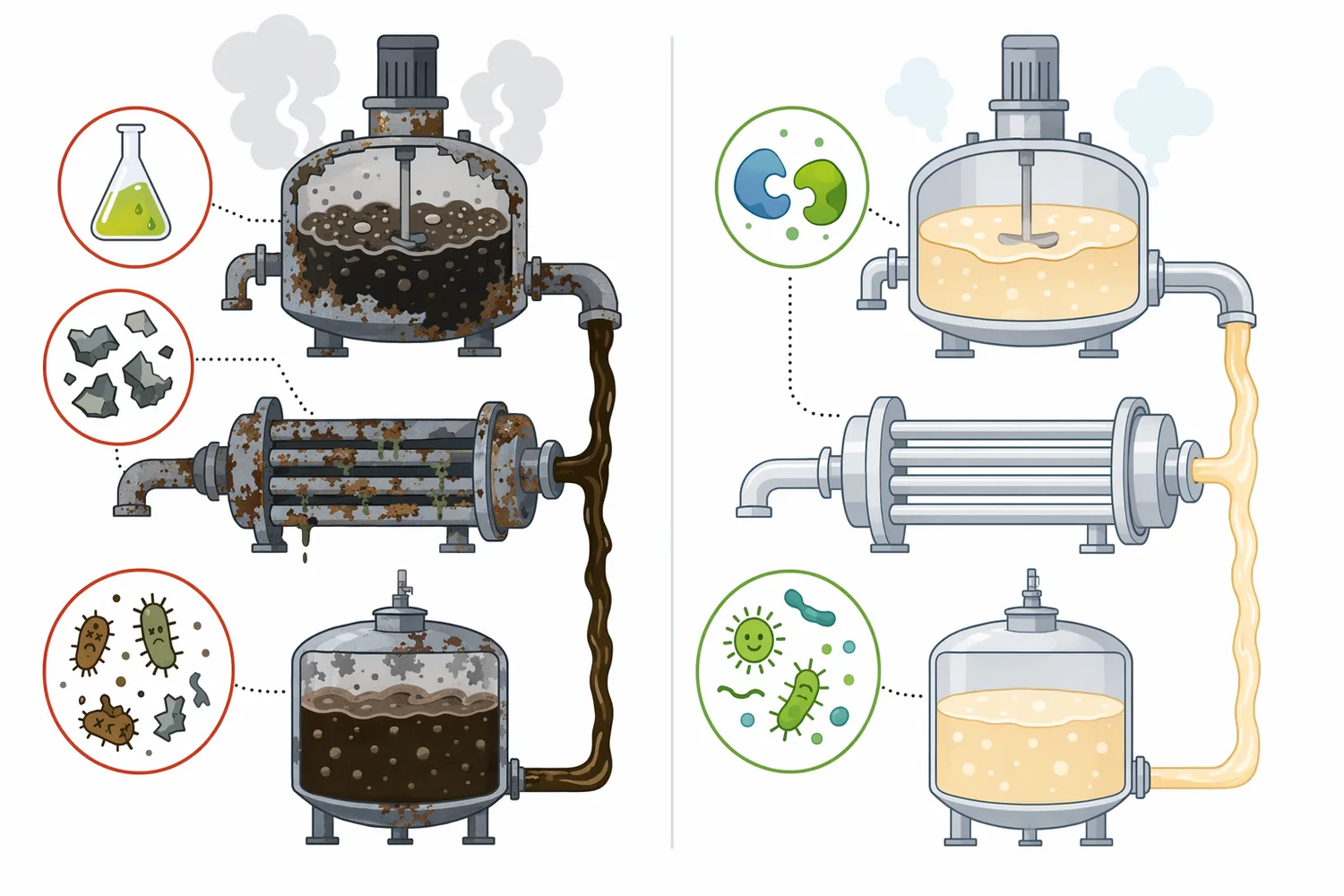
The first benefit users notice is usually physical, not analytical: the mash becomes less thick. High-viscosity starch slurries can cause uneven mixing, localized overheating, poor pumpability, and inconsistent enzyme contact. By cleaving internal starch bonds, thermostable alpha amylase reduces molecular weight and weakens the gel-like network that causes thickening.
This physical change supports more uniform heat transfer. When a slurry is too viscous, hot and cold zones can develop, and some starch may remain underprocessed while other portions are overexposed. Liquefaction makes the slurry more mobile, which helps mixing equipment distribute heat and enzyme more evenly. In high-yield fermentation, consistency matters because downstream microbes respond to the carbohydrate profile they are given.
Liquefaction also improves downstream enzymatic access. Saccharifying enzymes work more effectively when dextrins are soluble, dispersed, and accessible. A long, partially gelatinized starch chain trapped inside a dense paste is harder to convert than a shorter dextrin in a well-mixed liquid phase. Thermostable alpha amylase therefore contributes indirectly to fermentable sugar release by preparing the substrate for the next enzyme system.
The same principle applies in high-solids fermentation, where water is limited and viscosity can become a major constraint. A more fluid mash can allow better solids handling and more consistent contact between enzymes, substrate, and microbes. Alpha amylase does not eliminate the need for good process control, but it addresses one of the central physical barriers in starch-based fermentation: polymer-driven viscosity.
Many alpha-amylases are metalloenzymes or metal-stabilized enzymes, and calcium is often discussed in connection with thermal stability. The reason is structural. Metal ions can help hold specific loops, domains, or binding regions in the correct orientation. When those regions stay ordered, the enzyme can bind starch more consistently and maintain the catalytic geometry required for hydrolysis.
The Bacillus licheniformis structural work gives a clear example: a calcium–sodium–calcium triad mediates an order-forming transition at the substrate-binding site [4]. In practical language, that means the enzyme is not simply a flexible protein floating around starch; it becomes more catalytically competent when its binding site is stabilized into the right shape.
This does not mean all alpha-amylases behave identically. Enzymes from halophilic or haloalkaliphilic organisms, such as Halomonas meridiana or marine Nocardiopsis strains, are studied because they may tolerate salt or alkaline conditions differently from standard bacterial enzymes [9]. The broader lesson is that alpha-amylase performance is shaped by protein structure and process environment together.
For fermentation operations, water chemistry and mineral content can therefore influence observed performance. The key mechanism remains the same: if the enzyme’s structure is stabilized and the starch is accessible, α-1,4 bonds are cleaved more effectively. If the enzyme is destabilized, inhibited, or physically separated from the substrate, liquefaction suffers.
Alpha amylase is often used alongside other enzymes, not because it is weak, but because starch conversion has multiple biochemical targets. The enzyme is excellent at reducing chain length rapidly from inside the polymer. Other enzymes may be better suited for releasing glucose from chain ends or acting on branch points.
| Enzyme class | Main action on starch-derived carbohydrates | Typical contribution to fermentation preparation |
|---|---|---|
| Thermostable alpha amylase | Cuts internal α-1,4 bonds in starch and dextrins | Rapid liquefaction, viscosity reduction, dextrin formation |
| Glucoamylase | Releases glucose progressively from non-reducing ends | Higher fermentable glucose formation after liquefaction |
| Pullulanase or debranching enzymes | Acts on α-1,6 branch points in amylopectin-derived structures | Improves access to branched dextrins when used in suitable systems |
| Beta-amylase | Releases maltose from chain ends | Can shape maltose-rich carbohydrate profiles in selected applications |
This division of labor is why alpha amylase should be understood as a high-impact first-stage enzyme rather than a universal starch-to-glucose tool. Its success is measured by how effectively it opens the starch substrate, reduces viscosity, and creates a dextrin profile that the rest of the process can convert. Industrial reviews and patents repeatedly position alpha-amylase as a key upstream enzyme for starch processing rather than as the entire fermentation system [2].
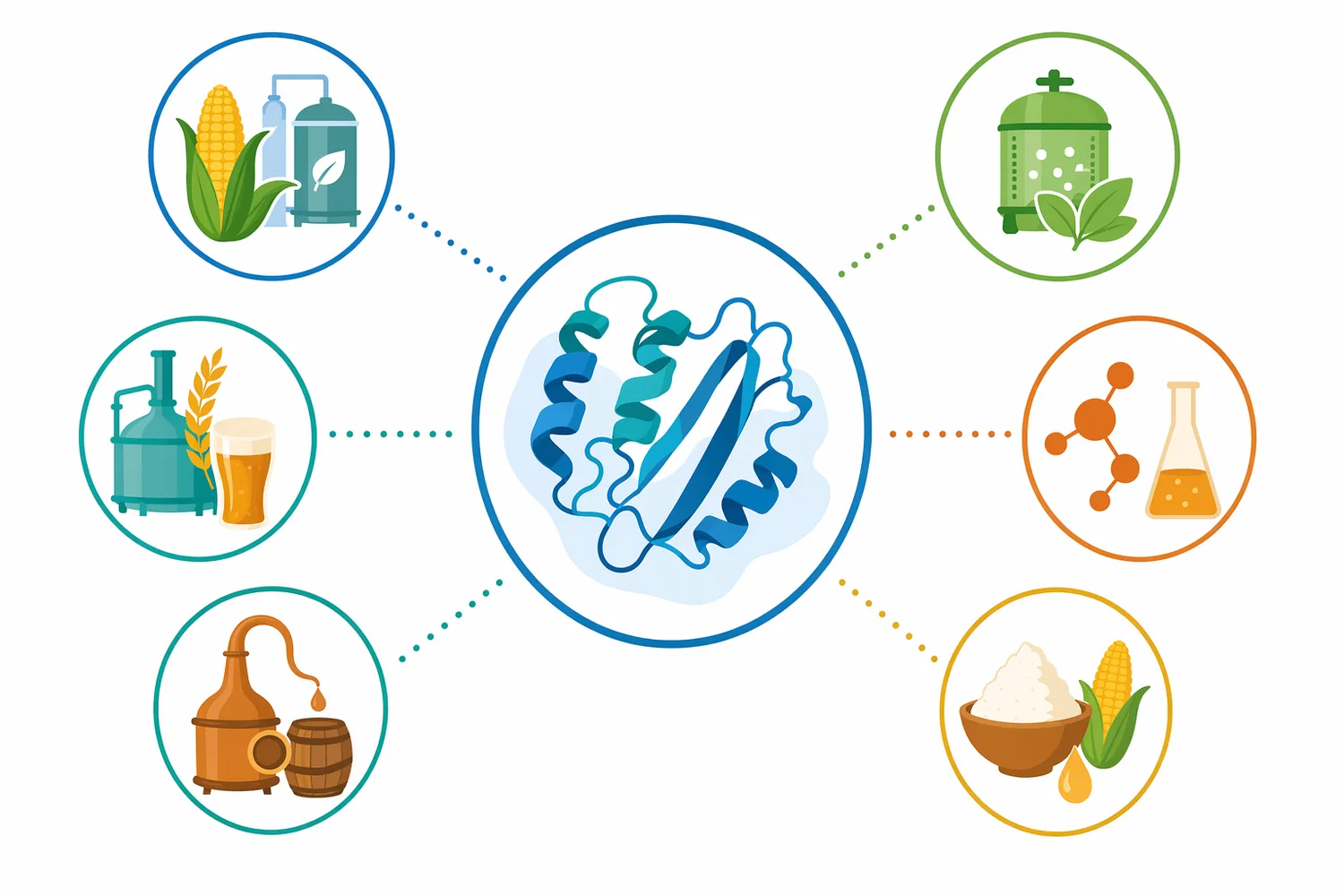
In fuel ethanol and beverage alcohol production, starch must be converted before yeast can ferment it efficiently. Alpha amylase supports this by liquefying cooked starch into dextrins. Saccharifying enzymes then release fermentable sugars, and yeast converts those sugars into ethanol and carbon dioxide. The yield benefit comes from better access to the starch fraction and more complete conversion through the whole enzyme-and-microbe sequence.
In biochemical fermentation, the same substrate logic applies. Organic acids, solvents, and other microbial products require fermentable carbohydrates. If the raw material is starch-rich, alpha amylase can help turn that raw material into a usable carbon stream. Reviews of thermophilic amylases highlight their continuing role in industrial biotechnology because heat-stable starch hydrolysis remains important for bio-based processing [1].
Brewing and cereal-based beverage processes also depend on starch hydrolysis, although the enzyme systems and flavor requirements differ from industrial ethanol. Alpha amylase contributes to dextrin formation and mash fluidity, while other enzymes influence fermentable sugar balance. The underlying chemistry is the same: starch polymers are too large for direct fermentation and must be enzymatically reduced.
Outside fermentation, alpha-amylase is used in textile desizing, food processing, baking, paper, detergents, and wastewater-related applications. For example, research optimizing alpha-amylase from Bacillus amyloliquefaciens on bread waste addressed industrial wastewater treatment and textile desizing, showing the enzyme’s broader ability to hydrolyze starch-based materials in practical non-food settings [10]. This cross-industry use supports confidence in alpha-amylase as a mature enzyme class.
Thermostable alpha amylase can support high-yield fermentation, but it does not determine yield alone. Final yield depends on the full conversion chain: feedstock preparation, starch accessibility, liquefaction, saccharification, fermentation organism performance, solids handling, contamination control, and product recovery. Alpha amylase improves one critical part of that chain by turning difficult starch polymers into easier-to-convert dextrins.
The strongest evidence supports three claims. First, alpha-amylase hydrolyzes starch by cutting internal α-1,4 bonds. Second, thermostable variants are suited to heated starch-processing environments. Third, liquefaction improves the physical and biochemical accessibility of starch for later conversion. These claims are supported across structural, biochemical, and industrial application literature [11].
More specific claims require process context. Raw-starch digestion, salt tolerance, alkaline stability, immobilized reuse, or unusual feedstock performance are all enzyme- and system-dependent. For example, haloalkaliphilic marine Nocardiopsis alpha-amylase research is relevant to salt and pH tolerance, but it should not be generalized to every commercial alpha-amylase preparation [12]. A practical fermentation process should treat the enzyme as one component of an integrated conversion system.
High yield is therefore best understood as a cumulative result. Thermostable alpha amylase helps by improving the starting condition for downstream conversion: lower viscosity, shorter starch chains, better mixing, and greater enzyme accessibility. When paired with appropriate saccharification and fermentation steps, that substrate preparation can translate into better carbohydrate utilization.
Enzymes.bio supplies Thermostable Alpha Amylase for High Yield Fermentation as an online product sold by the 1 kg unit. The purchase process is direct: add the product online, complete payment, and the order is processed and shipped. A Certificate of Analysis and Safety Data Sheet are included with the order.
This article is intended to explain the enzyme class and its relevance to starch-based fermentation. It does not replace the documents supplied with the order or the buyer’s own process validation. The key point is straightforward: thermostable alpha amylase is used because it liquefies starch under hot processing conditions, turning high-viscosity starch slurries into dextrin-rich material that is easier to saccharify and ferment.
For buyers working with starch-rich feedstocks, that function is central. The enzyme does not replace glucoamylase, yeast, bacteria, or process control, but it makes the starch substrate more workable and more accessible. That is why thermostable alpha amylase remains one of the foundational enzymes in high-yield starch fermentation workflows.
Sold by the 1 kg unit, in stock and ready to ship. Order directly on our store — pay online and we process your order. A Certificate of Analysis and Safety Data Sheet are included with every order.
Buy Thermostable Alpha Amylase For High Yield Fermentation →Numbered in order of first citation. Open-access sources, each verified reachable at publication; citation numbers in the text link here.