
Thermostable phytase is used in poultry feed to hydrolyze phytate, the main storage form of phosphorus in grains, oilseed meals, brans, and other plant ingredients. By cutting phosphate groups from phytate, it releases inorganic phosphate for absorption and reduces the anti-nutritional effects associated with intact phytate in monogastric diets. Thermostability matters because poultry feed is often conditioned and pelleted, and the enzyme must retain useful functionality after exposure to manufacturing heat and moisture.
Enzymes.bio supplies Thermostable Phytase — Enzymes in Poultry Feed directly online in 1 kg units. Buyers can purchase the product online; the order is then processed and shipped, with a Certificate of Analysis and Safety Data Sheet included with the order.
Phytase is an exogenous feed enzyme added to poultry diets to improve the use of phosphorus already present in plant raw materials. In corn, wheat, soybean meal, rapeseed meal, rice bran, wheat bran, and many other plant-derived ingredients, a substantial fraction of phosphorus is present as phytate, also known as phytic acid when protonated. Poultry do not produce enough endogenous phytase to fully degrade this compound during normal digestion, so part of the plant phosphorus can pass through the bird unused unless exogenous phytase is added to the diet [1].
The term “thermostable” refers to the enzyme’s improved ability to withstand processing stress compared with heat-sensitive enzyme proteins. Commercial poultry feeds are frequently exposed to steam, compression, friction, and elevated temperature during conditioning, pelleting, or crumbling. These conditions can unfold enzyme proteins, distort the active site, and reduce the amount of functional enzyme remaining in finished feed. Research on residual phytase activity under commercial feed manufacturing practices reflects the practical importance of maintaining enzyme functionality after processing, not only under ideal laboratory conditions [2].
For poultry producers using plant-based feed formulas, phytase is valuable because it acts directly on a known nutritional bottleneck: phytate-bound phosphorus. Exogenous enzymes are widely discussed in monogastric feed as zootechnical additives that improve nutrient availability from feed ingredients the animal cannot fully digest with its own enzyme system [3].
Phytate is commonly described as myo-inositol phosphate with multiple phosphate groups attached around an inositol ring. Those phosphate groups carry negative charges, which makes phytate highly reactive with positively charged minerals such as calcium, zinc, iron, and magnesium. In the digestive tract and in the feed matrix, these mineral-phytate complexes can be poorly soluble, reducing access to both phosphorus and the minerals bound in the complex [4].
This is why phytate is more than a “hidden phosphorus” issue. Intact phytate can behave as an anti-nutritional factor by binding nutrients and interacting with proteins, starch, and digestive enzymes. In practical poultry nutrition, that means phytate can reduce the nutritional value of otherwise useful plant ingredients, especially when the diet contains high levels of cereals, oilseed meals, brans, or alternative plant by-products [3].
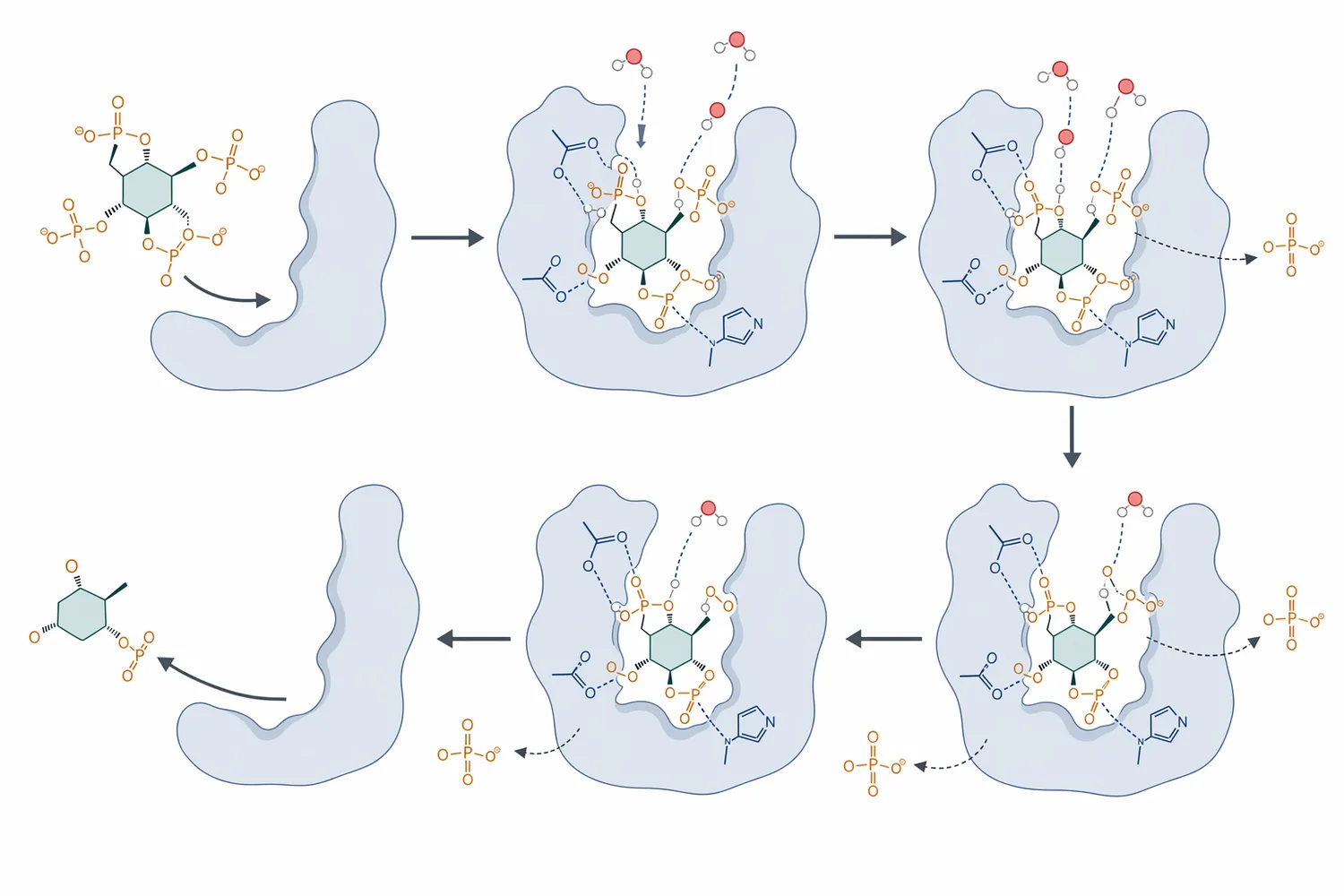
Phytase reduces that anti-nutritional burden by removing phosphate groups step by step. As phytate is dephosphorylated, the molecule carries fewer negative charges, binds minerals less strongly, and releases inorganic phosphate that can be absorbed. The lower inositol phosphate products formed during hydrolysis are generally less capable of forming large insoluble mineral complexes than intact phytate [4].
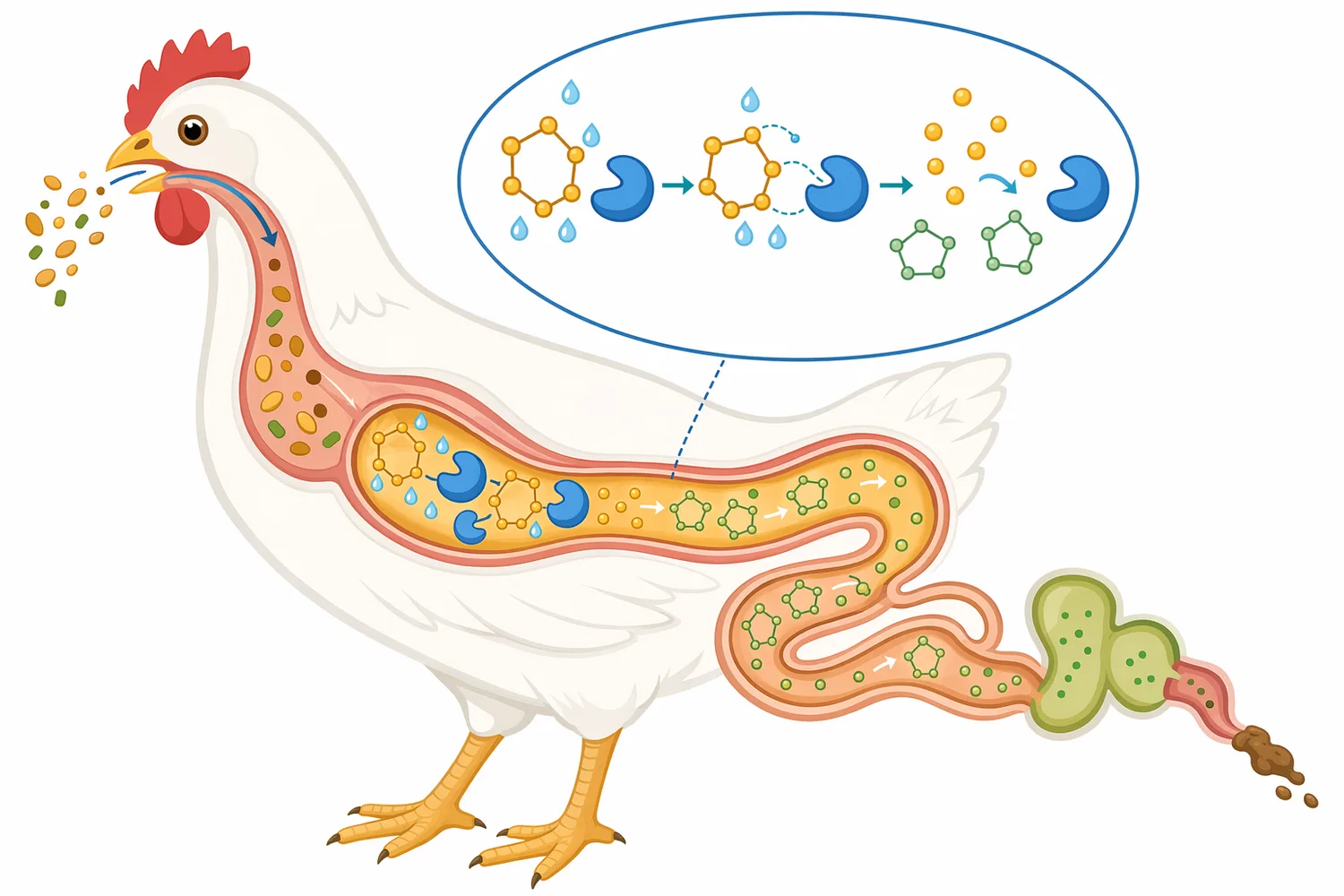
When feed is consumed, the enzyme becomes hydrated and begins acting wherever conditions allow contact between phytase and phytate. The practical reaction is hydrolysis: water is used to break phosphate ester bonds on the phytate molecule. Each successful cut releases a phosphate group and converts the remaining molecule into a less phosphorylated inositol phosphate [1].
The early digestive tract is especially important because phytase must reach phytate before the substrate becomes tightly complexed or passes further down the gut. In poultry, feed moves quickly, so enzyme stability, substrate accessibility, particle size, mineral balance, and retention time all influence the amount of phytate that can be hydrolyzed. This is one reason responses to phytase are formulation-dependent rather than identical across every diet [4].
The enzyme’s active site is shaped to bind the phytate molecule and position a phosphate ester bond for cleavage. If the enzyme protein unfolds during feed processing, that active-site geometry is damaged, even if the protein is still physically present in the feed. Thermostability therefore has a concrete purpose: it helps preserve the folded structure needed for substrate binding and catalytic cleavage after the feed has been exposed to heat, steam, and mechanical stress [2].
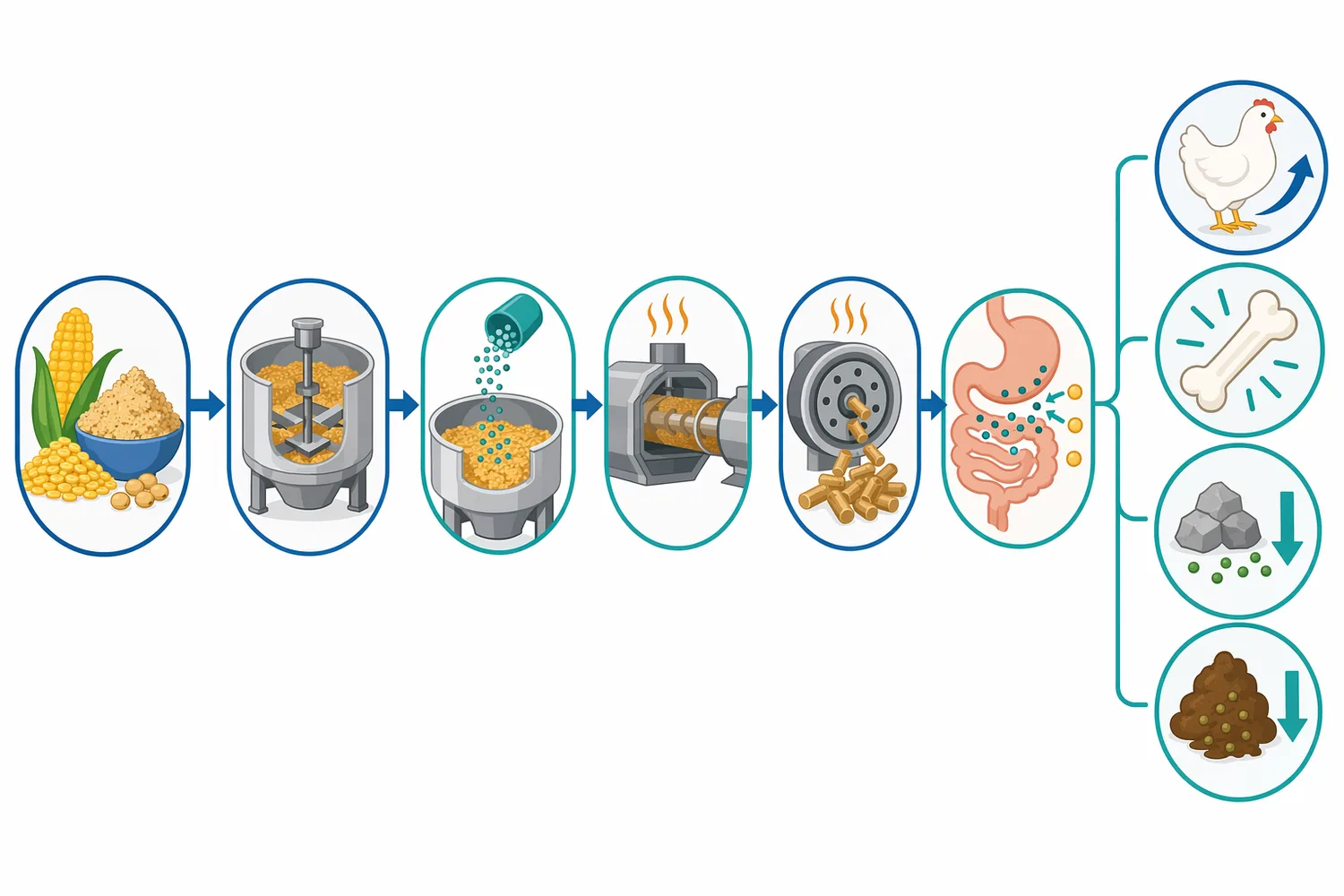
Many broiler, layer, breeder, turkey, and duck feeds are processed for handling, hygiene, feed intake, and feed conversion reasons. Pelleting can improve feed form, but it also creates a hostile environment for enzymes. Heat and moisture can weaken hydrogen bonds, ionic interactions, and hydrophobic packing within the enzyme protein; once those structural interactions are disrupted, the active site may no longer fit phytate correctly [2].
Thermostable phytase is intended to reduce this loss of function. In practical terms, the goal is not simply for the enzyme to “survive” as a protein, but to retain enough active conformation to hydrolyze phytate after manufacture and during digestion. This is why residual activity after feed manufacturing is a major research theme for feed phytases [2].
Stability can be supported in several ways across the broader phytase field, including selection of naturally robust microbial enzymes, protein engineering, granulation approaches, coating technologies, immobilization, or enzyme aggregation. For example, research on immobilized phytase and cross-linked phytase aggregates shows continuing interest in making phytase more robust under feed and digestive conditions, including acidic environments relevant to animal digestion [5].
Different phytases can vary in where they work best, how they respond to pH, and how they tolerate processing stress. The table below is a conceptual comparison for understanding the category; it is not a product-selection checklist and does not replace the documentation supplied with a specific product order.
| Phytase concept | Main practical meaning in poultry feed | Mechanistic relevance | Typical limitation to keep in mind |
|---|---|---|---|
| Acid-region phytase | Designed to work well in acidic parts of the digestive tract | Early hydrolysis can release phosphate before phytate forms less soluble complexes further along digestion | Performance still depends on substrate access, mineral balance, and passage rate |
| Broad-working phytase | Intended to remain useful across a wider digestive pH range | Can continue dephosphorylation as feed conditions change through the gut | Broad activity does not eliminate the need for balanced diet formulation |
| Alkaline or alkalophilic phytase | Studied for activity under more alkaline conditions | May be relevant where phytate hydrolysis is desired outside strongly acidic conditions | Poultry-feed value depends on whether the enzyme remains functional in real feed and digestive settings |
| Thermostable phytase | Better suited to heat-exposed feed processing such as conditioning and pelleting | Preserves protein folding and active-site geometry after manufacturing stress | Heat stability supports, but does not guarantee, biological response in every diet |
Research into alkalophilic phytases, immobilized phytases, and stabilized enzyme forms illustrates how the field continues to develop enzymes with different performance characteristics for feed and food applications [6].
Broiler diets are often built around high inclusion of cereals and soybean meal or other oilseed meals. These ingredients provide energy and amino acids, but they also contribute phytate. When phytase hydrolyzes that phytate, it increases the amount of phosphorus available from the same feed ingredients and can support more efficient mineral nutrition when the whole diet is formulated accordingly [3].
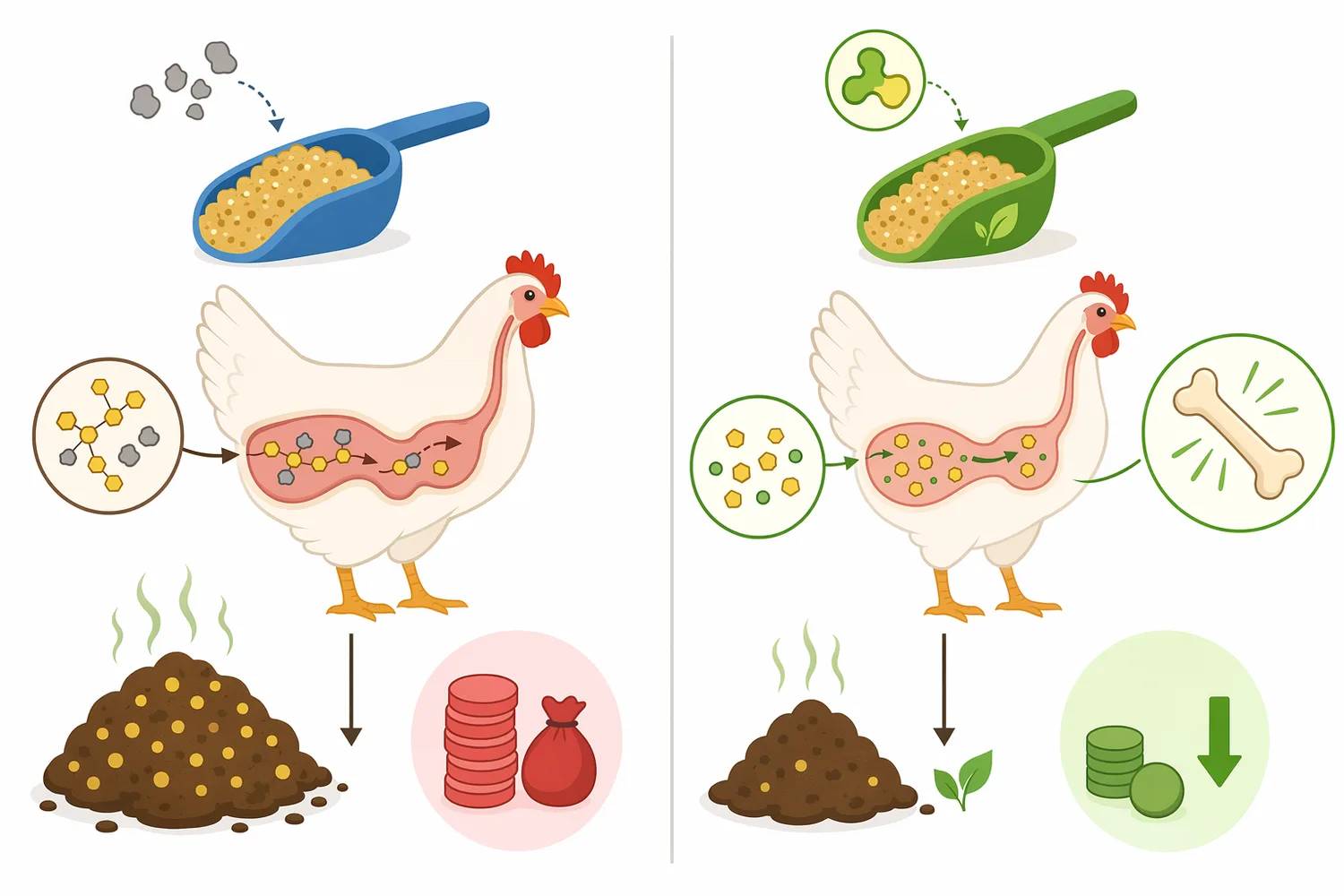
The most direct benefit is improved phosphorus utilization. Birds require phosphorus for bone mineralization, energy metabolism, cell membranes, and growth. If phytate phosphorus remains unavailable, formulators must rely more heavily on added inorganic phosphorus sources. Phytase helps shift part of the phosphorus supply back toward the plant ingredients already present in the diet [1].
Broiler research also shows that phytase is often studied under practical stressors rather than only ideal conditions. For example, studies have evaluated phytase in broilers fed calcium-phosphorus-deficient diets, including conditions with or without Eimeria challenge, because disease pressure and mineral nutrition can interact with growth, bone development, body composition, and gut health [7].
Heat stress is another practical production condition. Work on phytase supplementation in heat-stressed broilers highlights that enzyme use is being examined not only for phosphorus release, but also in production environments where stress can affect feed intake, nutrient use, and meat quality outcomes [8].
Although broilers are a major application, phytase is also relevant to layers, breeders, turkeys, ducks, and other avian species consuming plant-based diets. Layers and breeders require careful mineral nutrition for skeletal reserves, eggshell formation, reproductive performance, and long production cycles. Phytase can contribute by improving access to plant phosphorus within a complete mineral program [9].
In laying birds, phosphorus nutrition must be balanced with calcium supply because shell formation creates sustained demand for calcium while bone health still depends on phosphorus availability. Phytase does not replace mineral formulation; instead, it changes how much of the plant-bound phosphorus can be considered nutritionally accessible in a properly designed diet [4].
Turkeys and ducks also consume diets rich in plant ingredients and can face similar phytate-related constraints. The same biochemical mechanism applies: phytase cleaves phosphate groups from phytate, reducing the intact phytate pool and releasing phosphate that can be absorbed if the overall diet supports uptake and utilization [1].
Mineral balance is one of the main reasons phytase response varies among diets. Calcium can form complexes with phytate, especially when conditions favor precipitation. If too much phytate is tied up in insoluble mineral complexes before phytase can act, substrate accessibility may decrease. Conversely, effective phytase action can reduce phytate’s mineral-binding capacity and improve the release of phosphorus and associated minerals [4].
Zinc interactions are also important in poultry diets. A study on broilers fed a wheat-soybean meal diet examined zinc and phytase supplementation in relation to performance, immune response, digestibility, and intestinal features, reflecting the practical reality that phytase does not act in isolation from trace-mineral nutrition [10].
The key mechanism is charge reduction. Intact phytate has multiple phosphate groups that attract cations. As phytase removes those phosphate groups, the remaining molecule has fewer binding sites, and its capacity to sequester minerals is reduced. This can make the diet’s mineral fraction more nutritionally available, but the final response depends on ingredient composition, mineral sources, bird age, and health status [4].
Phytase is primarily used for phosphorus release, but research and reviews also discuss effects on nutrient digestibility beyond phosphorus. When phytate binds proteins or forms complexes with minerals and proteins, it can reduce access by digestive enzymes. Hydrolyzing phytate can therefore improve the feed matrix by reducing these binding effects, potentially supporting better use of amino acids, energy, and trace minerals in some diets [3].
This does not mean phytase should be described as a universal growth enhancer. Performance responses can be strong, modest, or difficult to detect depending on how the diet is formulated. If a diet already contains generous available phosphorus and mineral safety margins, the measured performance response may differ from a diet formulated to account for phytase contribution [4].
Modern poultry studies often evaluate phytase alongside other nutritional factors. For example, research combining phytase with vitamin D-related supplementation in calcium-phosphorus-deficient diets and Eimeria-challenged birds reflects the complex connection among mineral metabolism, gut integrity, immune challenge, and skeletal development [7].
When phytate phosphorus is not digested, it is excreted. In poultry-dense regions, manure phosphorus can become an environmental concern if land application exceeds crop uptake. By improving the conversion of plant phytate phosphorus into absorbable phosphate, phytase can reduce the fraction of dietary phosphorus passing unused into manure [1].
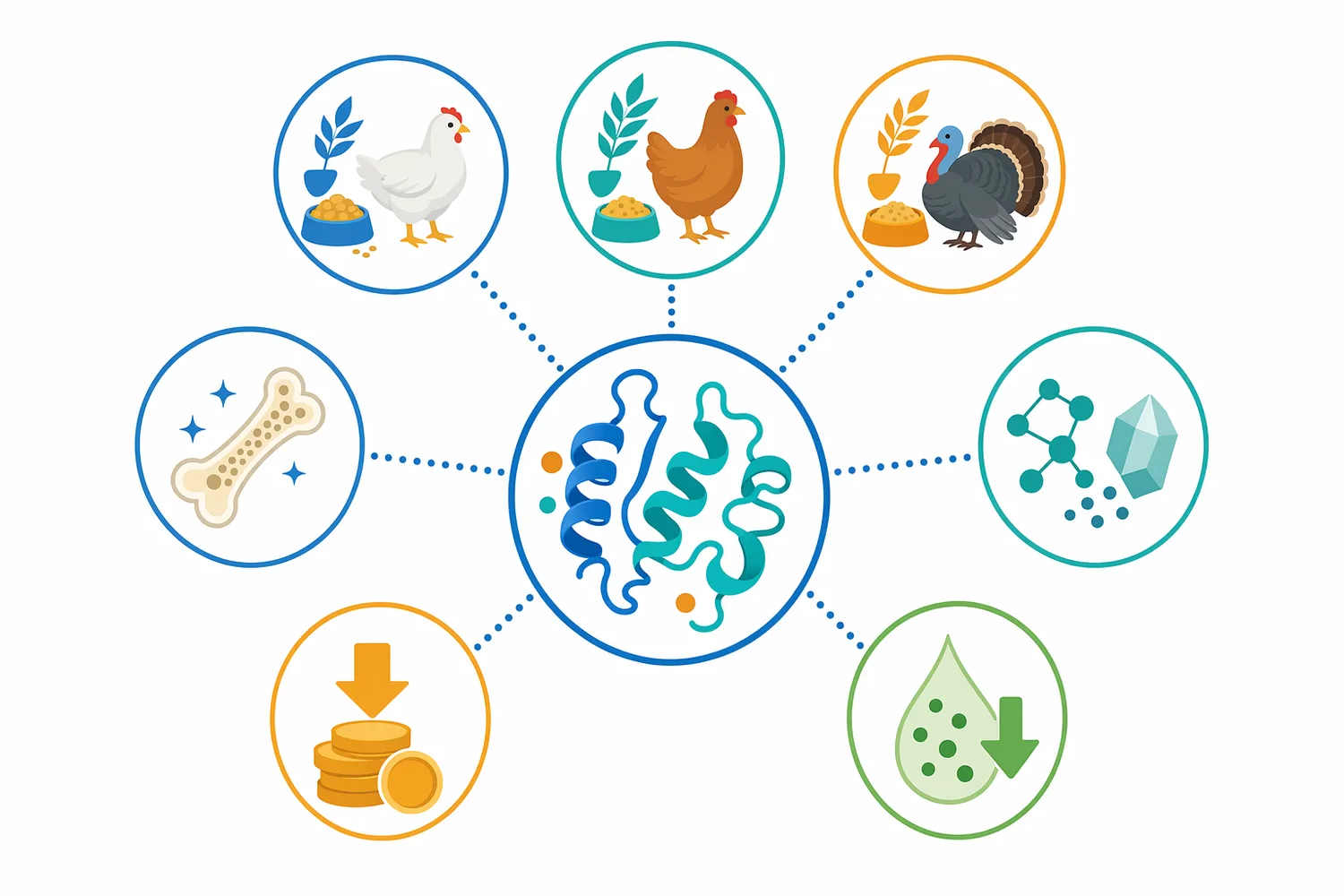
The environmental benefit is feed-level and formulation-dependent. Phytase supports phosphorus efficiency, but manure nutrient management also depends on total dietary phosphorus, calcium balance, bird performance, litter handling, and land application practices. The enzyme is best understood as one part of a broader nutrient-efficiency strategy [3].
Mechanistically, the environmental effect follows directly from the digestive reaction. Phosphate released in the gut can be absorbed and used for bone and metabolism; phosphate still locked in phytate is more likely to leave the bird in excreta. Improving hydrolysis before excretion is therefore the central route by which phytase contributes to lower phosphorus waste [4].
Poultry diets may also contain non-starch polysaccharides, fibrous by-products, and cell-wall structures that limit nutrient release. For this reason, phytase is often discussed alongside xylanase, beta-glucanase, cellulase, protease, and other exogenous enzymes. Each enzyme class acts on a different substrate, so their value depends on the ingredient matrix [3].
Phytase acts on phytate, while xylanase acts on arabinoxylans and related fiber structures. When cell walls restrict access to intracellular nutrients, carbohydrases can improve release of entrapped nutrients, while phytase reduces phytate’s phosphorus and mineral-binding effects. Studies on enzyme cocktails containing phytase and xylanase from microbial sources reflect this interest in multi-enzyme hydrolysis of animal feed materials [11].
The practical point is that enzymes are substrate-specific. A phytase will not digest fiber like a xylanase, and a xylanase will not dephosphorylate phytate. Their effects can be complementary only when the diet contains the relevant substrates and when the feed process preserves sufficient enzyme functionality [11].
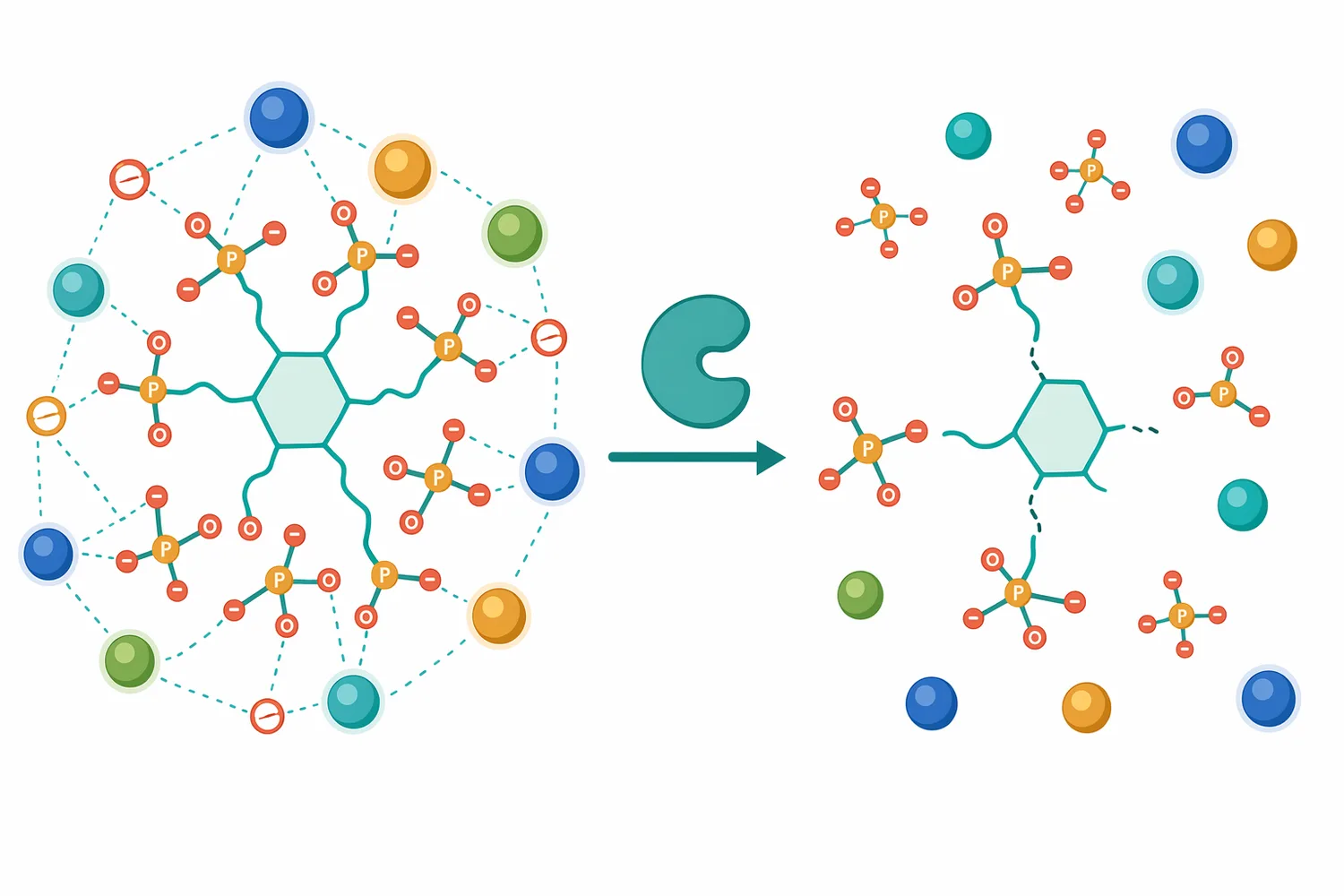
Phytase is most relevant when diets contain meaningful levels of phytate-rich plant ingredients. Cereal grains, cereal by-products, oilseed meals, and certain alternative plant materials can all contribute phytate-bound phosphorus. In vitro work on phytase-hydrolyzable phosphorus in selected feed ingredients illustrates why ingredient-level phytate availability remains important for feed evaluation [12].
Plant by-products can be nutritionally attractive but may carry more fiber, phytate, or variable mineral binding than refined ingredients. Phytase can help unlock part of the phosphorus fraction, but the result depends on how accessible the phytate is inside the ingredient structure and how the complete diet behaves during digestion [12].
Fermented or processed plant proteins may also change the anti-nutritional profile of feed ingredients. Reviews of fermented soybean meal for livestock and poultry discuss improved protein-source quality through reduction of anti-nutritional factors, which is conceptually aligned with the broader goal of reducing feed components that limit nutrient availability [13].
Feed enzymes are biologically active proteins and should be handled with care. Enzyme dust can be irritating or sensitizing if inhaled, so routine industrial hygiene practices are important when opening, transferring, or blending powdered enzyme products. Regulatory safety assessments of phytase feed additives commonly discuss user safety considerations alongside target-animal and environmental safety [9].
For Thermostable Phytase — Enzymes in Poultry Feed purchased from Enzymes.bio, a Certificate of Analysis and Safety Data Sheet are included with the order. These documents support routine receiving and safe handling for the product supplied. Enzymes.bio supplies the product directly online by the 1 kg unit and does not present itself as the manufacturer or as a laboratory conducting feed trials.
Thermostable phytase should be viewed as a functional feed ingredient within a complete diet, not as a standalone performance guarantee. Its value is strongest when the diet contains phytate substrate, when manufacturing conditions preserve enough functional enzyme, and when the formulation accounts for phosphorus, calcium, trace minerals, energy, amino acids, bird age, and production goals [3].
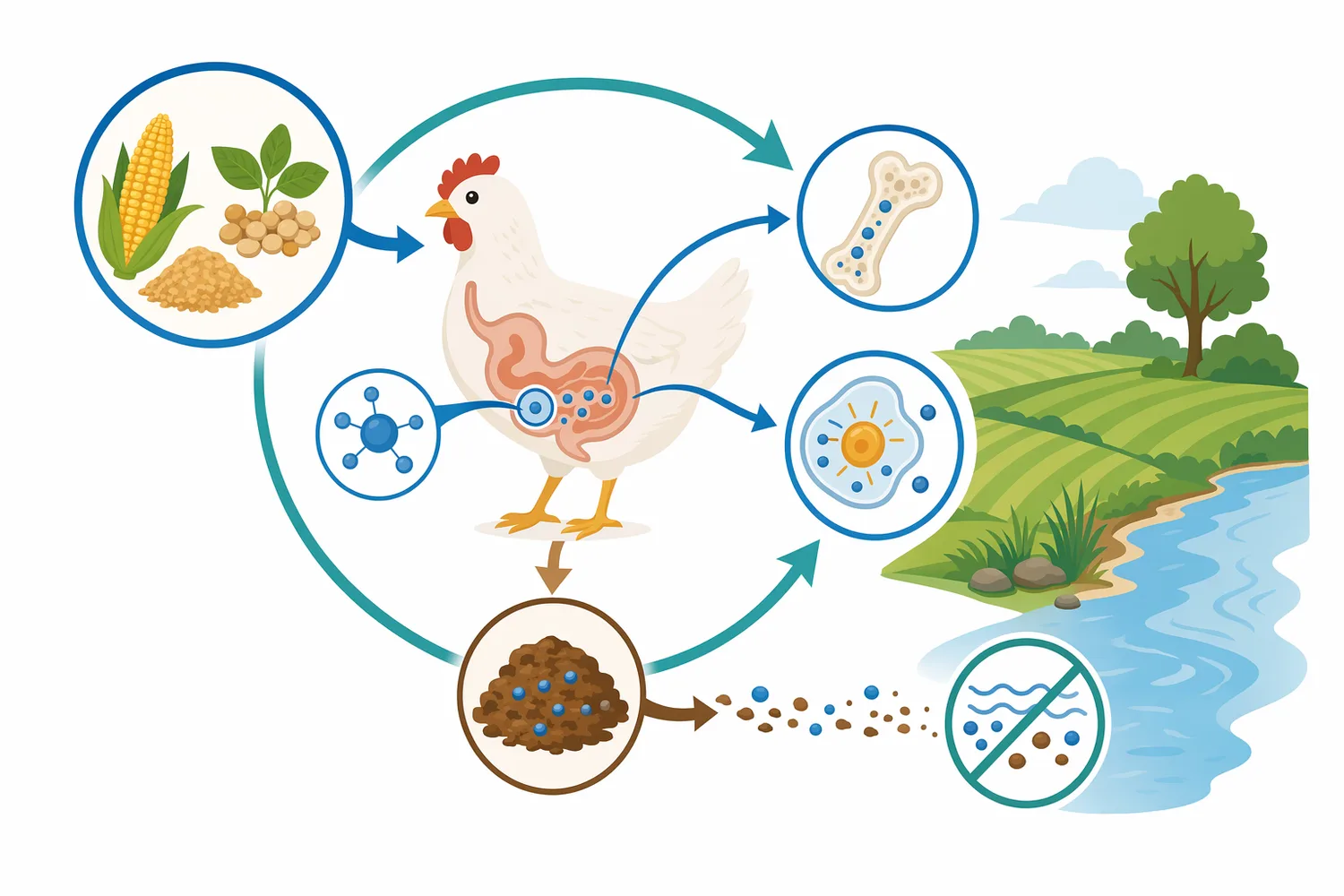
The mechanism is reliable: phytase hydrolyzes phytate and releases phosphate. The size of the production response, however, depends on the nutritional gap the enzyme is filling. A diet with limited available phosphorus and substantial phytate may show a different response from a diet already supplied with high inorganic phosphorus or formulated without considering the enzyme’s contribution [4].
Processing also matters. If a feed is pelleted, thermostability helps maintain enzyme function through the heat and moisture exposure of manufacturing. If feed is used as mash, the thermal challenge may be lower, but enzyme distribution, ingredient contact, storage conditions, and digestive conditions still influence practical performance [2].
Thermostable phytase is a well-established enzyme category for poultry feed because it addresses a specific and common nutritional limitation: phosphorus locked in phytate. By hydrolyzing phosphate ester bonds, phytase releases inorganic phosphate and reduces intact phytate’s ability to bind minerals and interfere with nutrient availability [1].
The “thermostable” feature is important for modern poultry feed processing. Enzyme proteins must retain their active structure after exposure to heat, moisture, and mechanical stress; otherwise, less functional phytase remains available to act on phytate in the finished feed and digestive tract [2].
For buyers who want a direct online purchase route, Enzymes.bio supplies Thermostable Phytase — Enzymes in Poultry Feed in 1 kg units. Orders are placed and paid for online, then processed and shipped with the Certificate of Analysis and Safety Data Sheet included.
Sold by the 1 kg unit, in stock and ready to ship. Order directly on our store — pay online and we process your order. A Certificate of Analysis and Safety Data Sheet are included with every order.
Buy Thermostable Phytase - Enzymes In Poultry Feed →Numbered in order of first citation. Open-access sources, each verified reachable at publication; citation numbers in the text link here.