
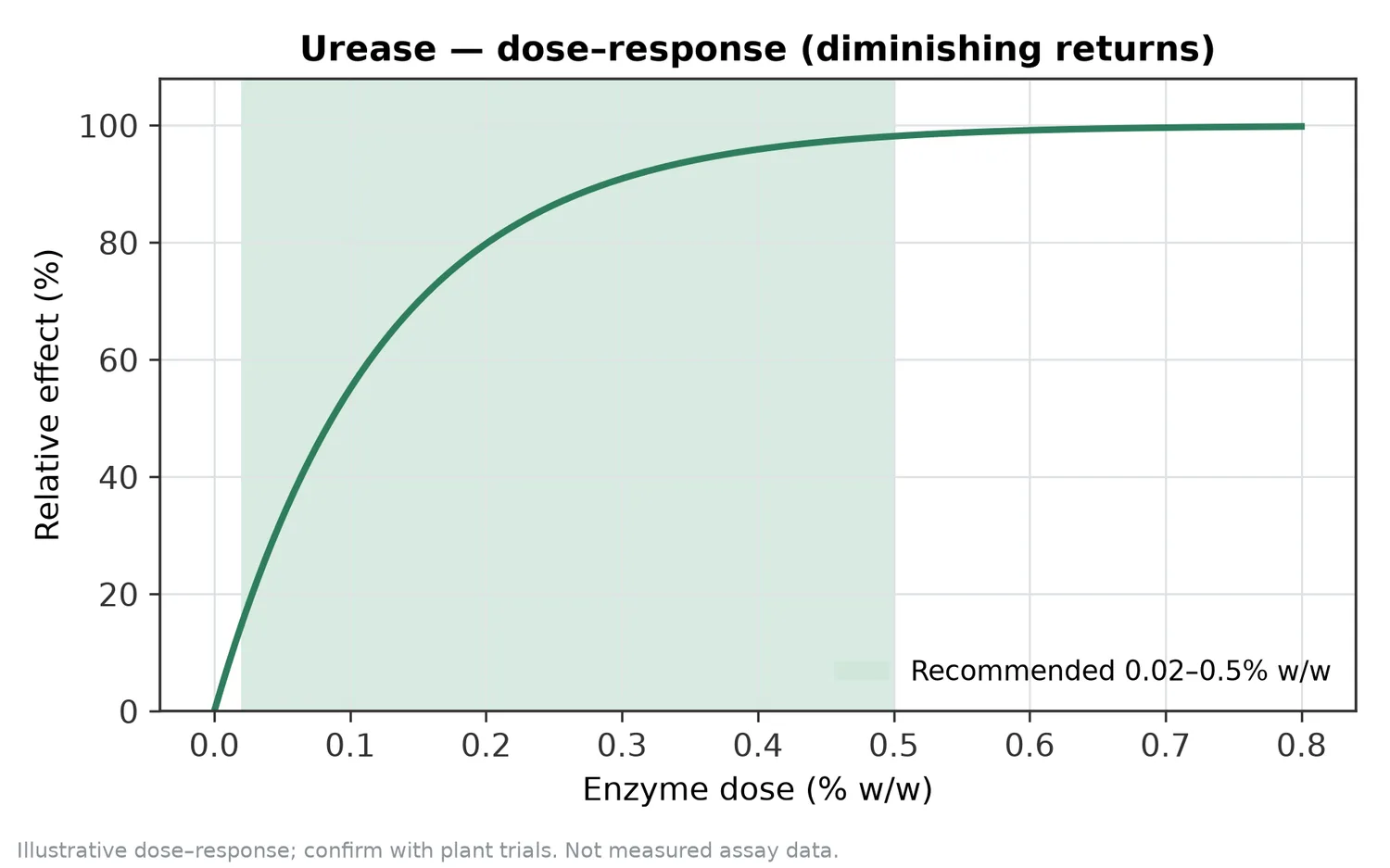
Urease is a nickel-dependent enzyme that catalyzes one very specific reaction: it hydrolyzes urea into ammonia and carbon dioxide, usually increasing alkalinity as ammonia is released. That chemistry makes urease useful wherever urea must be converted, detected, or used to generate carbonate chemistry—such as urea monitoring systems, educational and microbiology workflows, environmental urea conversion, and enzyme-induced carbonate precipitation research [1].
For buyers using Enzymes.bio, Urease is available directly online by the 1 kg unit: place and pay for the order online, and the product is processed and shipped with a Certificate of Analysis and Safety Data Sheet included.
Urease, also known as urea amidohydrolase, is classified as EC 3.5.1.5 and is widely distributed in plants, fungi, algae, and microorganisms. Its defining function is the hydrolysis of urea, a small nitrogen-containing compound, into ammonia and carbon dioxide; in aqueous systems, the ammonia can equilibrate to ammonium and raise local pH [2].
The overall reaction is commonly expressed as:
Urea + Water → Ammonia + Carbon dioxide
Mechanistically, the reaction is more detailed than that simple equation suggests. Structural work on the urease–urea complex shows that urea is held inside a nickel-containing active site, where the carbonyl group of urea is positioned for hydrolysis; the reaction proceeds through cleavage of the urea molecule and formation of ammonia and carbon dioxide-derived species [1].
That local pH increase is not a side note—it is often the feature that gives urease its value. In a urea-containing liquid, solid matrix, biological sample, or soil system, urease changes both the nitrogen chemistry and the carbonate chemistry: urea disappears, ammonia/ammonium increases, and the carbonate system shifts in a way that can support precipitation when suitable metal ions such as calcium are present [3].
The business value of urease is controlled urea conversion. Urea is common in fertilizers, biological fluids, fermentation-related systems, environmental waters, animal and plant materials, and selected industrial streams; urease provides a direct enzymatic route for transforming that urea under comparatively mild aqueous conditions [4].
In analytical settings, urease converts urea into easier-to-measure products. Instead of detecting urea directly, a system can track the pH shift, ammonium/ammonia generation, or carbon dioxide-related signal after urease acts on the sample; this principle supports many urea biosensor concepts and diagnostic-style urea measurement platforms [5].
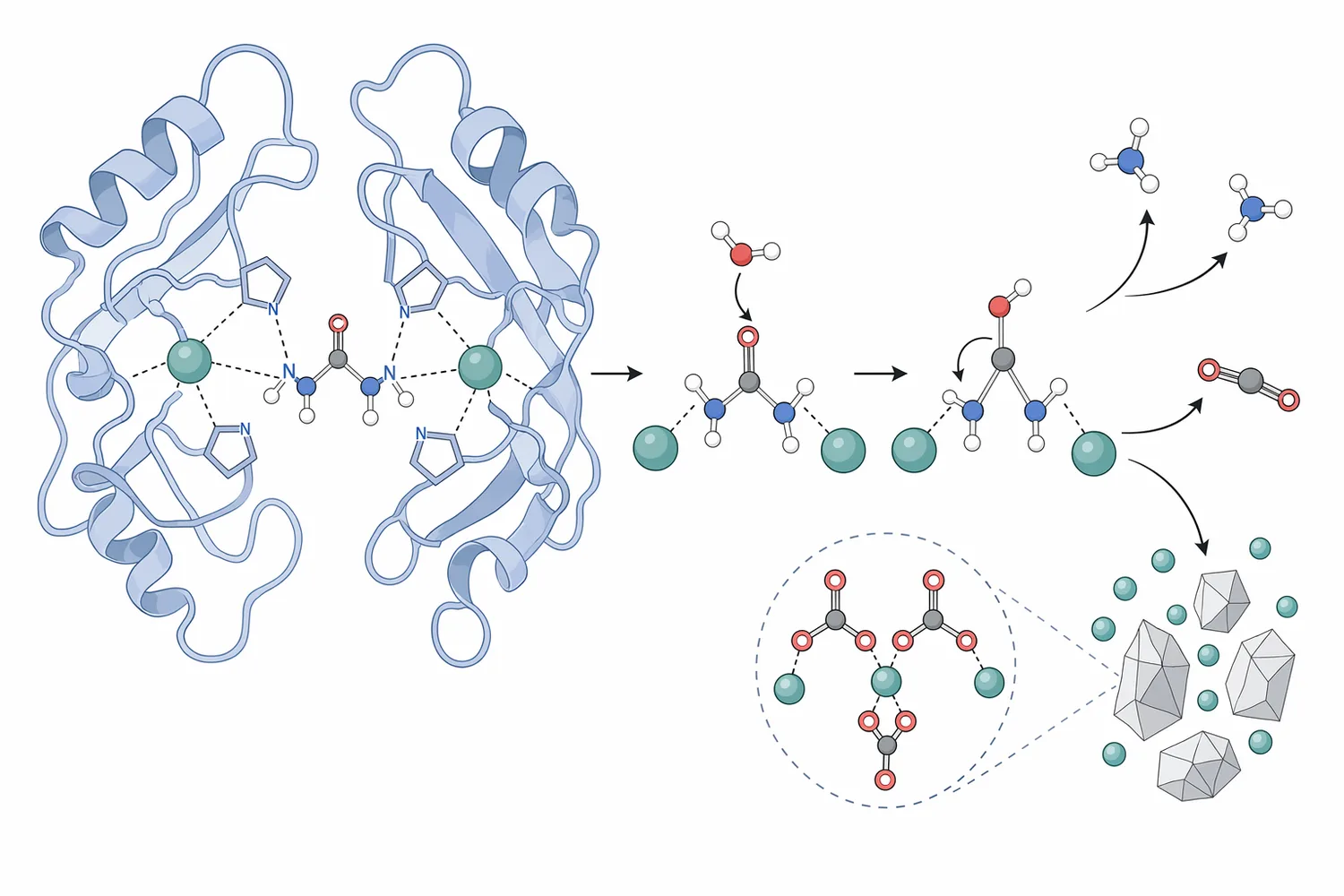
In environmental and materials applications, urease can be used not only to remove or transform urea, but also to create useful alkalinity. When calcium is available, urease-driven urea hydrolysis can increase carbonate availability and raise pH, creating conditions under which calcium carbonate can precipitate—an approach central to enzyme-induced carbonate precipitation, or EICP [3].
In agriculture and soil science, urease is important because urea fertilizer does not remain chemically inert after application. Soil urease and urease-producing organisms hydrolyze urea, changing nitrogen availability, pH, ammonia volatilization risk, and downstream nitrogen cycling; this is why urease activity is often studied alongside fertilizer efficiency and nitrogen emissions [6].
Urease is a metalloenzyme, and its activity depends on a binuclear nickel center in the active site. The two nickel ions do not simply “hold” the enzyme together; they create a catalytic environment that binds urea, polarizes its carbonyl group, and positions water-derived chemistry for attack on the urea carbonyl carbon [1].
A useful way to visualize the reaction is to picture urea entering a fitted catalytic pocket. The enzyme’s active-site architecture aligns the urea molecule so that the carbonyl oxygen and amide groups interact with the nickel-containing center; this weakens the carbon–nitrogen bonds in urea and enables hydrolysis under conditions far milder than would typically be needed for non-enzymatic breakdown [7].
The enzyme’s mobile structural elements also matter. Cryo-electron microscopy work on Sporosarcina pasteurii urease highlights conformational flexibility around a mobile flap, which is important because access to the active site must be controlled: urea has to enter, the reaction must occur in the correct orientation, and products must leave [7].
Once urea is cleaved, ammonia is released and carbon dioxide-derived species form in solution. In water, ammonia can bind protons to form ammonium, while carbon dioxide participates in bicarbonate/carbonate equilibria; together, these changes explain why urease activity is commonly associated with pH rise and carbonate precipitation potential [3].
Urease is the same enzyme class across many applications, but the practical purpose changes depending on whether the user wants to remove urea, detect urea, generate alkalinity, or study urease-positive organisms. The comparison below separates the main application logic without treating all uses as interchangeable.
| Application mode | What urease is doing | What changes in the system | Typical value of the reaction |
|---|---|---|---|
| Urea conversion in process or environmental streams | Hydrolyzes urea into ammonia and carbon dioxide | Urea decreases; ammonia/ammonium and pH may increase | Targeted biochemical urea degradation under mild aqueous conditions |
| Urea biosensing and measurement | Converts urea into measurable products | pH, ammonium/ammonia, or CO₂-related signal changes | Enables indirect urea detection in analytical concepts |
| Microbiology urease test workflows | Reveals whether organisms produce urease | A urease positive test indicates urea hydrolysis under test conditions | Supports identification logic for urease-positive bacteria and related organisms |
| Enzyme-induced carbonate precipitation | Generates alkalinity and carbonate chemistry from urea | pH rises and carbonate availability increases; calcium carbonate may precipitate if calcium is present | Supports EICP, biomineralization, soil stabilization research, and related materials work |
| Soil nitrogen cycling studies | Models or measures urea fertilizer transformation | Urea-N is converted toward ammonia/ammonium pools | Helps explain nitrogen availability, losses, and emissions after urea fertilization |
These modes share a common chemical core, but they differ in what the customer wants the enzyme to accomplish. In a biosensor, the signal is the product; in EICP, the pH and carbonate shift are the product; in urea removal, disappearance of urea is the target; and in microbiology, a urease test positive result indicates biological urease activity rather than the enzyme being used as a manufacturing additive [4].
Many buyers encounter urease terminology first through microbiology rather than industrial processing. A microbiology urease test is based on the same chemistry: urease-producing bacteria or other urease-positive organisms hydrolyze urea, releasing ammonia and increasing alkalinity, which can be detected by a suitable indicator system [2].
Terms such as urease test, microbiology urease test, urease test microbiology, positive urease test, urease positive test, and urease test positive all describe evidence that urea hydrolysis occurred under the test conditions. In practical language, a urease positive result means the organism or sample generated enough urease activity to convert urea and shift the test environment in a detectable way [2].
The same principle appears in clinical terminology around Helicobacter pylori. Searches for breath urease test commonly refer to urea breath testing concepts, where H. pylori urease activity is exploited diagnostically because the organism’s urease hydrolyzes administered urea and produces carbon dioxide-derived signal; rapid biopsy-based formats are often described with terms such as helicobacter pylori rapid urease test, urease CLO test, or CLOtest rapid urease test [2].
This diagnostic vocabulary is useful because it reinforces how specific and visible the urease reaction can be. However, diagnostic test systems are regulated and validated products; general urease enzyme supply should not be interpreted as suitability for clinical diagnosis unless the end user has an appropriately validated system and intended-use framework [5].
Urease is not rare in nature. Urease-producing organisms include many bacteria, fungi, and plants, and their activity affects nitrogen cycling, host colonization, pH regulation, and survival in urea-containing environments [2].
For urease-producing bacteria, the enzyme can be a strong ecological advantage. By breaking urea into ammonia and carbon dioxide, the organism gains access to nitrogen and can modify the local pH environment; in host-associated organisms, that pH modification can influence colonization and pathology, while in soil it can influence nutrient turnover [2].
In agricultural soils, native urease activity is central to the fate of urea fertilizer. Jiang and co-workers reported that urea fertilization significantly promoted nitrous oxide emissions and linked this to short-term suppression of nitrite-oxidizing bacteria during urea hydrolysis, illustrating how one enzymatic step can ripple into broader nitrogen-cycle effects [6].
Studies of soil amendments show that urease activity is sensitive to the surrounding matrix. Organic amendments, spent mushroom substrate, biochar, nitrification inhibitors, elemental sulfur, and metal exposures can all alter soil microbial processes and enzyme activity, which is why soil urease is often treated as both a functional enzyme and an indicator of soil biochemical change [8].
Urea is one of the most widely used nitrogen forms in agriculture, and urease controls how quickly it is converted after application. Rapid hydrolysis can make nitrogen available, but it can also raise local pH and increase ammonia loss, especially when urea remains near the surface or when environmental conditions favor volatilization [6].
This dual role explains why agriculture often focuses on urease inhibitors rather than added urease. Inhibitor research aims to slow urea hydrolysis so that nitrogen transformation is better synchronized with crop uptake and loss pathways are reduced; at the same time, pure urease remains valuable in research systems where controlled urea conversion is needed to understand reaction behavior [9].
Environmental studies also show that urease activity interacts with contaminants. Research on copper nanopesticide and ionic copper exposure found that soil enzyme activity and bacterial community composition can be affected by copper form, supporting the broader point that metals and matrix chemistry can influence urease-related environmental performance [10].
Biochar research adds another layer: amendments can influence both metal extractability and enzyme activity in soils. Yang’s work on biochar and heavy metals examined Cd, Cu, Pb, and Zn alongside soil enzyme activity, showing why urease behavior in real soils should be understood as part of a larger chemical and microbial system rather than a single isolated reaction [11].
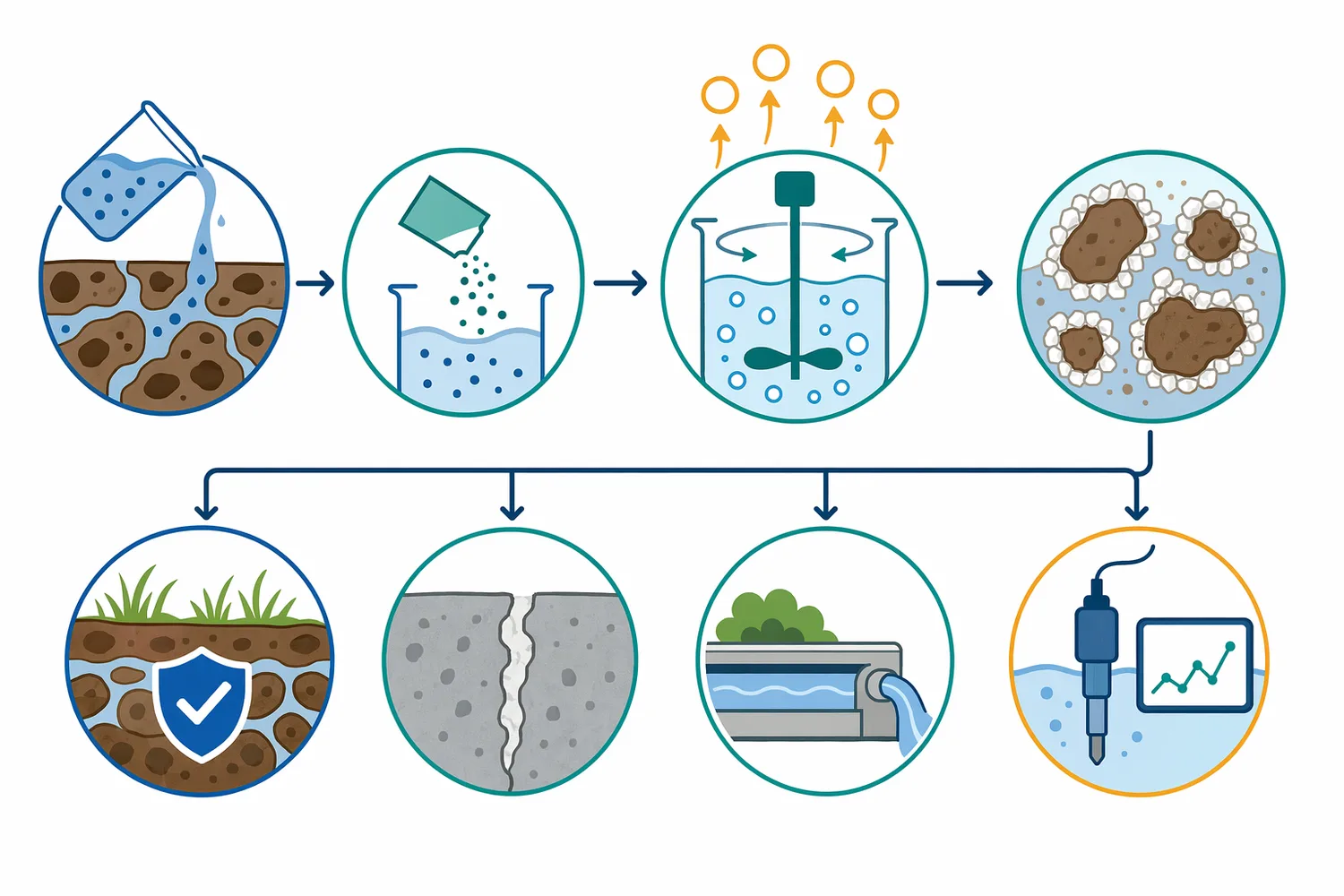
One of the most technically interesting uses of urease is enzyme-induced carbonate precipitation. In EICP, urease hydrolyzes urea, ammonia raises pH, and the carbonate system shifts toward carbonate availability; if calcium ions are present, calcium carbonate can precipitate and bind particles or fill pores [3].
The physical change is concrete: dissolved reactants are converted into a mineral phase. In soil or granular media, calcium carbonate precipitation can bridge particles, reduce pore space, improve stiffness, or change permeability depending on how the chemistry is delivered and where precipitation occurs [3].
This is why EICP is studied for soil stabilization, dust suppression, erosion control, crack sealing, and other biomineralization-related engineering concepts. The enzyme is not acting like a glue in the polymer sense; it is driving a chemical environment that allows mineral crystals to form in place [3].
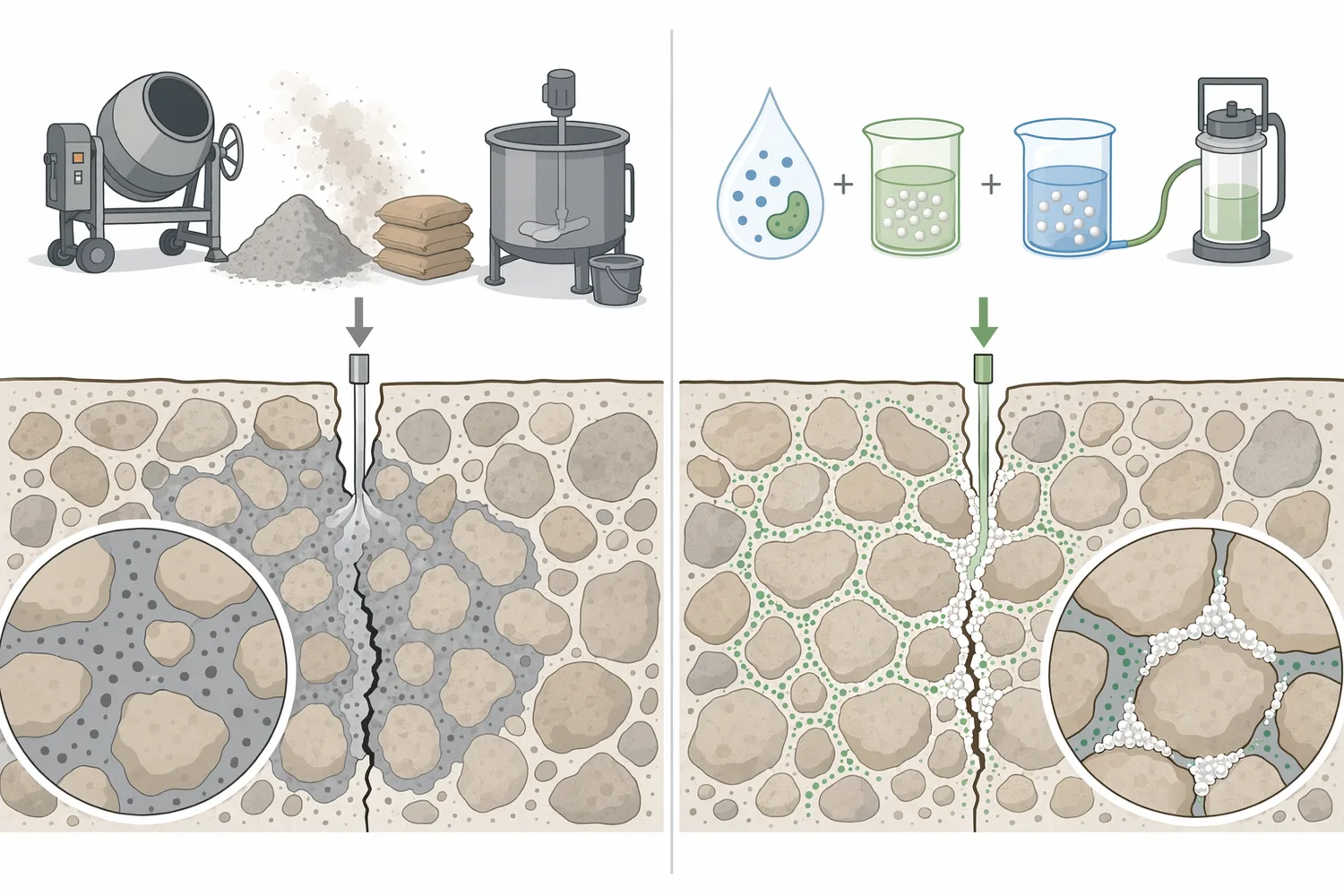
Microbial carbonate precipitation uses urease-producing bacteria to provide the catalytic activity, while enzyme-only approaches use urease directly. The enzyme-only route can simplify some biological variables because it separates the catalytic hydrolysis step from microbial growth, survival, and metabolic behavior, although field-scale outcomes still depend heavily on water chemistry, calcium source, urea distribution, and transport through the treated matrix [12].
Heavy-metal biomineralization studies show another potential extension of urease chemistry. Work with a bacterial isolate, B. intermedia TSBOI, examined urea transport and hydrolysis in relation to biomineralization of heavy metals, demonstrating how urease-driven carbonate formation can intersect with contaminant immobilization research [13].
Urease is well suited to urea measurement because it converts an analyte that may be difficult to measure directly into products that are easier to detect. A urea biosensor can couple urease with a signal system responsive to pH, ammonium/ammonia, conductivity, or carbon dioxide-related change [5].
This approach is especially relevant because urea concentration is a medically important marker in blood and dialysis-related contexts. Recent work on artificial urease-like materials for urea biosensing and blood-cleaning concepts reflects continued interest in catalytic urea conversion, even where researchers explore non-protein mimics for stability or compatibility reasons [5].
Immobilization is common in biosensor thinking because the enzyme needs to remain positioned near the signal transducer. The key engineering idea is straightforward: urease is retained in or on a material, urea diffuses to the active enzyme, products form locally, and the nearby sensor detects the chemical change [14].
Many published urease systems immobilize the enzyme on or within a support. Bracco and co-workers studied covalent immobilization of soybean seed hull urease on chitosan mini-spheres, showing how attachment to a carrier can change enzyme properties and support reuse-oriented or contained formats [14].
Immobilization affects practical behavior because the enzyme is no longer freely dissolved. Substrate must diffuse to the active site through or around the support, products must diffuse away, and the local microenvironment—pH, charge, water content, and mass transfer—can differ from the surrounding liquid [14].
Hydrogel-based urease bioconjugates show another design path. pH-responsive hydrogel–urease materials have been studied for catalytic urea hydrolysis, illustrating how a polymer matrix can combine enzyme activity with swelling, diffusion, and environmental response [15].
For industrial and environmental users, the practical lesson is that urease can be used as a soluble biocatalyst or incorporated into a material format, but the same enzyme reaction may behave differently once diffusion, support chemistry, and local pH gradients are introduced [15].
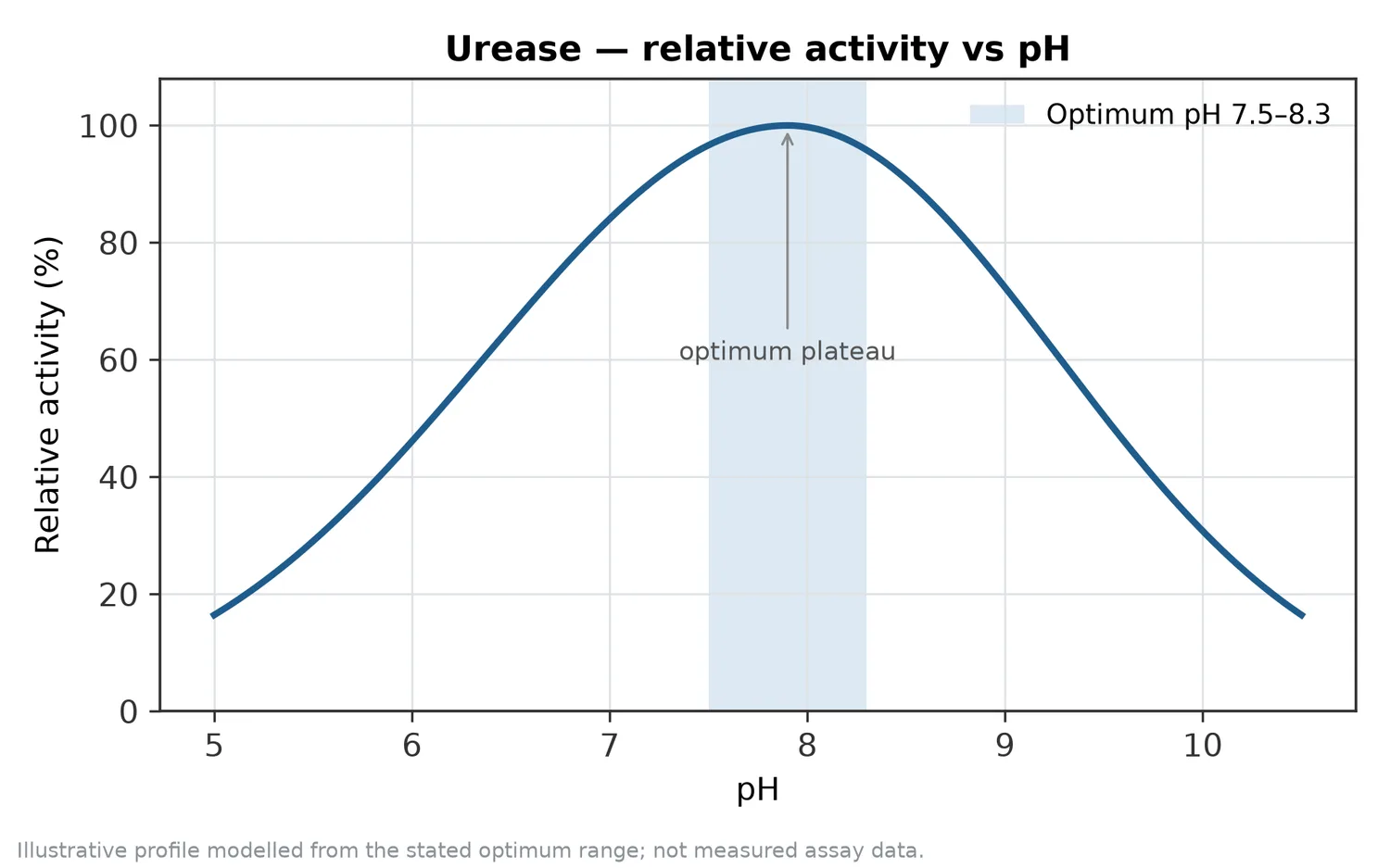
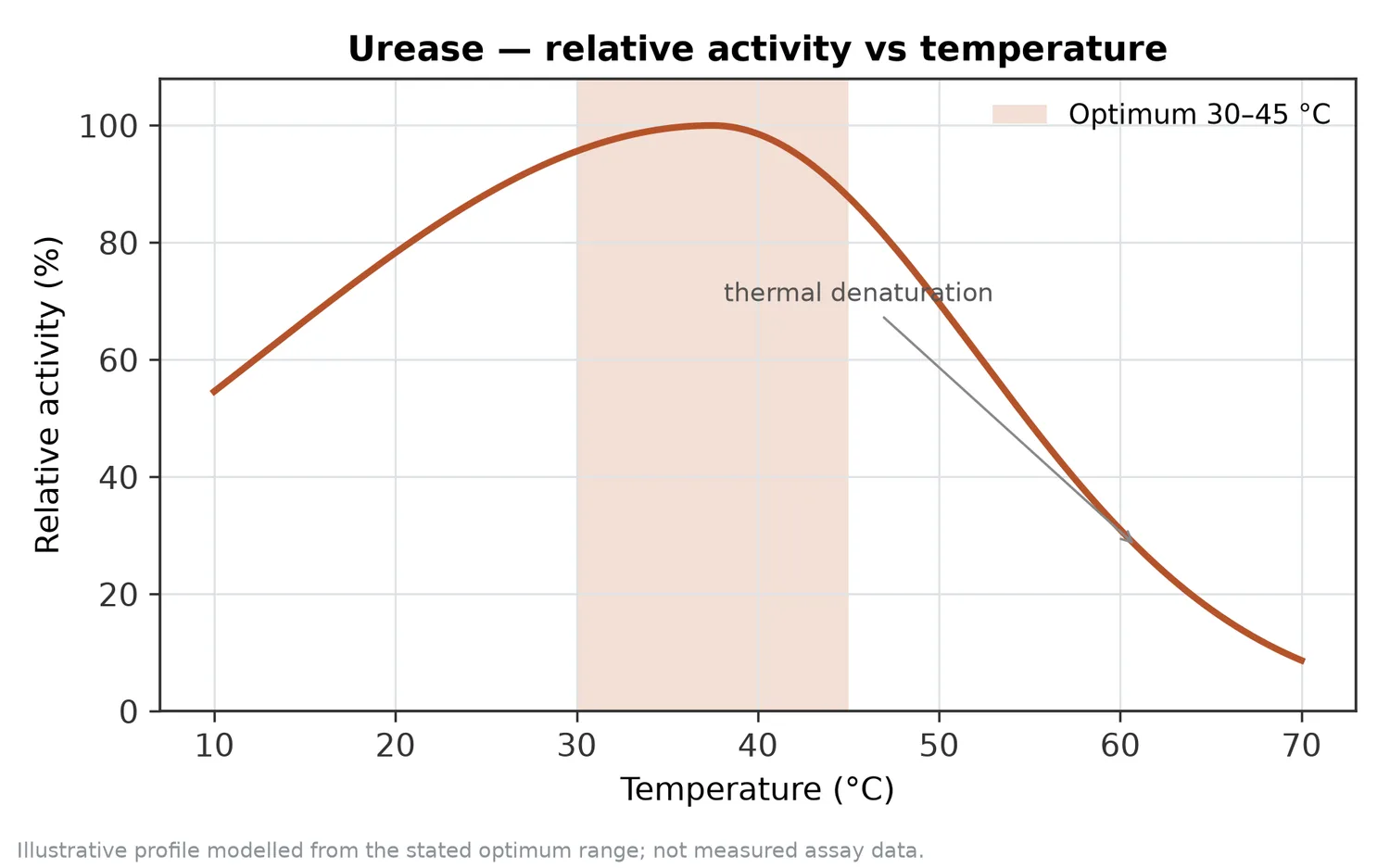
Urease is generally associated with aqueous, moderate-condition chemistry rather than high-temperature or strongly aggressive processing. A study of urease extracted from Glycine max evaluated enzyme kinetics and reported maximum activity around mildly alkaline conditions and moderate temperature under its experimental setup, with pH 8 and 40 °C highlighted in the study context [16].
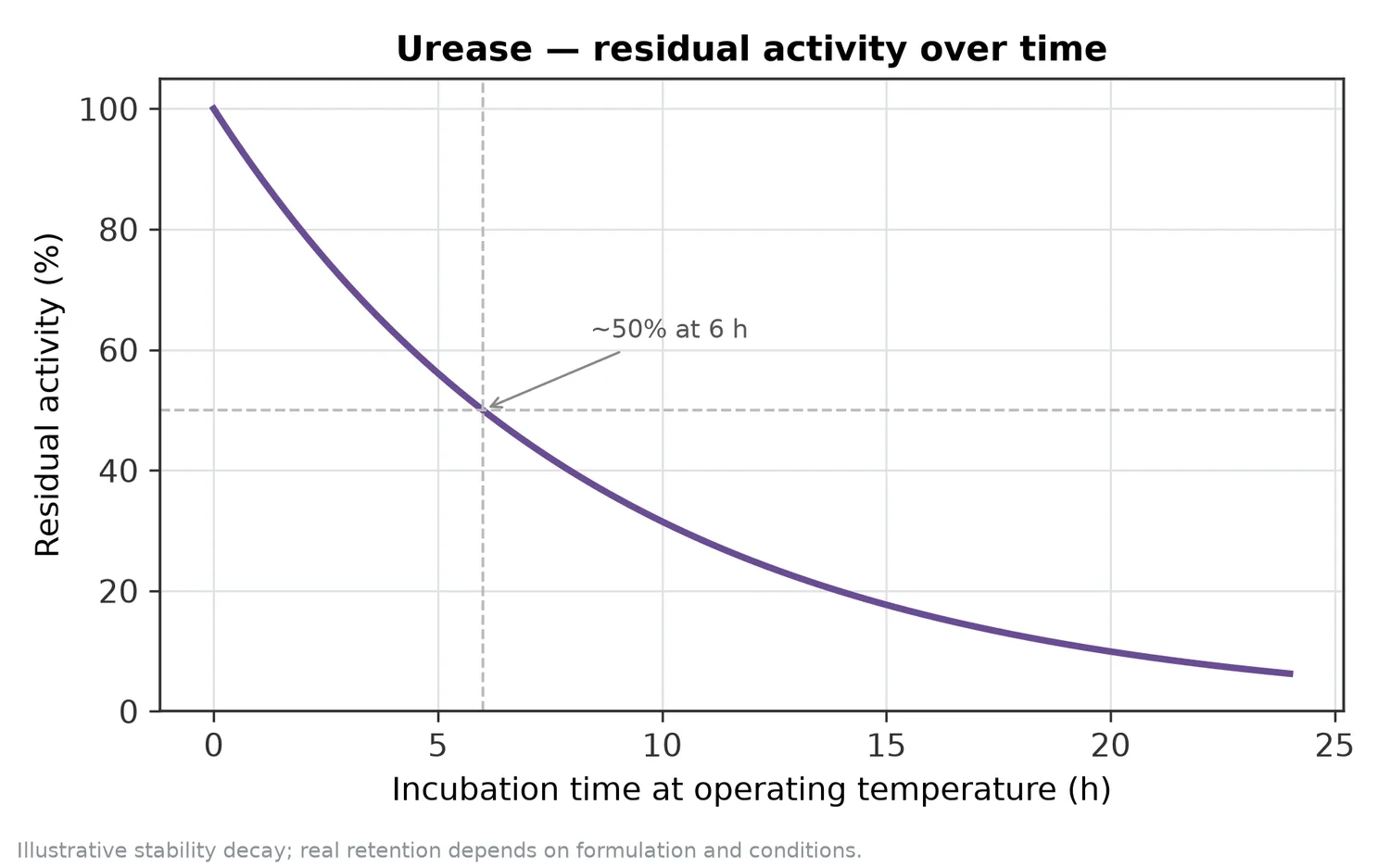
Those numbers should be understood as research conditions, not universal operating rules. Urease source, formulation, immobilization state, matrix composition, substrate concentration, inhibitors, metals, ionic strength, and contact time can all change observed performance in a specific system [4].
pH is especially important because urease both responds to pH and changes pH. As urea is hydrolyzed, ammonia generation can push the system more alkaline; that can accelerate desired carbonate precipitation in EICP but may be undesirable in a beverage, biological sample, or formulation where pH stability matters [3].
Temperature also has two opposing effects. Increasing temperature can increase reaction rate up to a point, but excessive heat can destabilize the enzyme’s protein structure; published kinetic studies therefore report optima under defined test conditions rather than one universal temperature for all ureases [16].
Chemical compatibility matters because urease has a nickel-dependent active site. Fluoride inhibition studies with Sporosarcina pasteurii urease, for example, investigated how an inhibitor interacts with the enzyme structure and thermodynamics, illustrating that small ions can meaningfully affect urease activity [17].
A large part of the urease literature focuses on inhibition because excessive urease activity can be harmful. In agriculture, inhibition can slow urea hydrolysis and reduce nitrogen losses; in human health research, inhibition is investigated because urease-positive bacteria can contribute to disease processes [2].
Thiourea-derived compounds, thiazine Schiff bases, natural products, and other molecules have been studied as urease inhibitors. These studies are not just pharmaceutical or agronomic side topics; they show that urease activity can be strongly affected by compounds that interact with the active site or disturb the catalytic mechanism [18].
For practical use, this means the surrounding matrix should be treated as chemically active, not as an inert container. Metals, fluoride, sulfide- or thiourea-like structures, plant extracts, antimicrobial additives, and complex organic matter may alter the observed rate of urea hydrolysis depending on concentration and exposure [17].
In rumen research, for example, allicin was reported to enhance urea-nitrogen conversion to microbial nitrogen by inhibiting urease activity and modulating the rumen microbiome. That finding highlights how urease inhibition can redirect nitrogen flow in a biological system rather than merely slowing one isolated reaction [9].
Urea can appear in fermentation-related matrices, including some beverage processes, where lowering urea may be desirable for product quality or downstream risk management. Urease is attractive in this context because its substrate specificity allows targeted urea conversion without applying broad chemical treatment to the whole matrix [4].
The practical chemistry is simple: urease consumes urea and generates ammonia and carbon dioxide. The process implication is more nuanced, because the resulting pH change and ammonia formation must be compatible with the product and process; this is why beverage applications depend on validated use conditions within the user’s own process framework [4].
In microbiology education and organism characterization, urease is often discussed through the behavior of urease-producing bacteria. A urease-positive bacterium can hydrolyze urea rapidly enough to produce a detectable alkaline shift, whereas urease-negative organisms do not produce that result under the same conditions [2].
Common search phrases—urease producing organisms, urease-producing organisms, urease producing bacteria, urease-producing bacteria, urease positive bacteria, and urease-positive bacteria—all connect to this principle. The key biochemical marker is not the organism name alone, but whether active urease is present and able to convert urea in the test environment [2].
This is also why Helicobacter pylori rapid urease test language is so widely recognized. H. pylori uses urease activity to survive acidic gastric conditions by generating ammonia locally, and diagnostic formats exploit that strong urease phenotype to help detect the organism in appropriate clinical workflows [2].
EICP research has grown because it offers a route to mineral formation without relying on conventional cement chemistry alone. Urease generates the alkaline carbonate conditions, calcium supplies the mineral cation, and calcium carbonate forms where the solution chemistry crosses the precipitation threshold [3].
Research using soybean powder as a urease enzyme replacement in EICP soil improvement techniques shows that plant-derived urease sources have been explored as practical catalysts for soil improvement concepts. The important takeaway is not that every urease source behaves identically, but that urea hydrolysis can be used as the trigger for mineral-based strengthening [12].
Compared with microbial-induced carbonate precipitation, enzyme-induced systems can avoid some biological growth requirements. However, the mineralization outcome still depends on physical delivery, pore-scale transport, and where the pH and carbonate changes occur inside the treated material [3].
Environmental urea conversion can be useful where urea is present as a nitrogen load or as a deliberate reactant for mineralization. Urease provides the catalytic step, but environmental matrices contain competing chemistry: metals, organic matter, microbial communities, pH buffers, and mineral surfaces can all affect the outcome [8].
In heavy-metal biomineralization, urease-driven carbonate precipitation can help convert dissolved ions into less mobile mineral-associated forms. The study of B. intermedia TSBOI linked urea hydrolysis and biomineralization of heavy metals, supporting the concept that ureolysis can contribute to immobilization strategies when suitable geochemical conditions are present [13].
Soil amendment studies reinforce the same point from another angle. Biochar and other amendments can change metal availability and enzyme activity together, which means urease-driven environmental processes must be understood through both biochemistry and soil chemistry [11].
The primary benefit of urease is specificity. It acts on urea and rapidly converts it into defined products, allowing users to design around a known chemical transformation rather than a broad, non-selective reaction [1].
A second benefit is process mildness. Urease can function in water-based systems under moderate conditions, which can be useful where high heat, strong acid/base treatment, or harsh reagents would damage the matrix or complicate downstream handling [4].
A third benefit is measurability. Because urease generates pH change, ammonia/ammonium, and carbon dioxide-related chemistry, its reaction can be coupled to analytical readouts or used to drive visible chemical changes such as carbonate precipitation [5].
The main boundary is that the products are not neutral in every application. Ammonia formation, pH increase, and carbonate shifts are valuable in EICP and useful in detection, but they may require control in sensitive formulations, biological systems, or regulated end uses [3].
Enzymes.bio supplies Urease as a B2B enzyme product sold directly online by the 1 kg unit. Buyers can place the order and pay online; the order is then processed and shipped, with a Certificate of Analysis and Safety Data Sheet provided with the shipment.
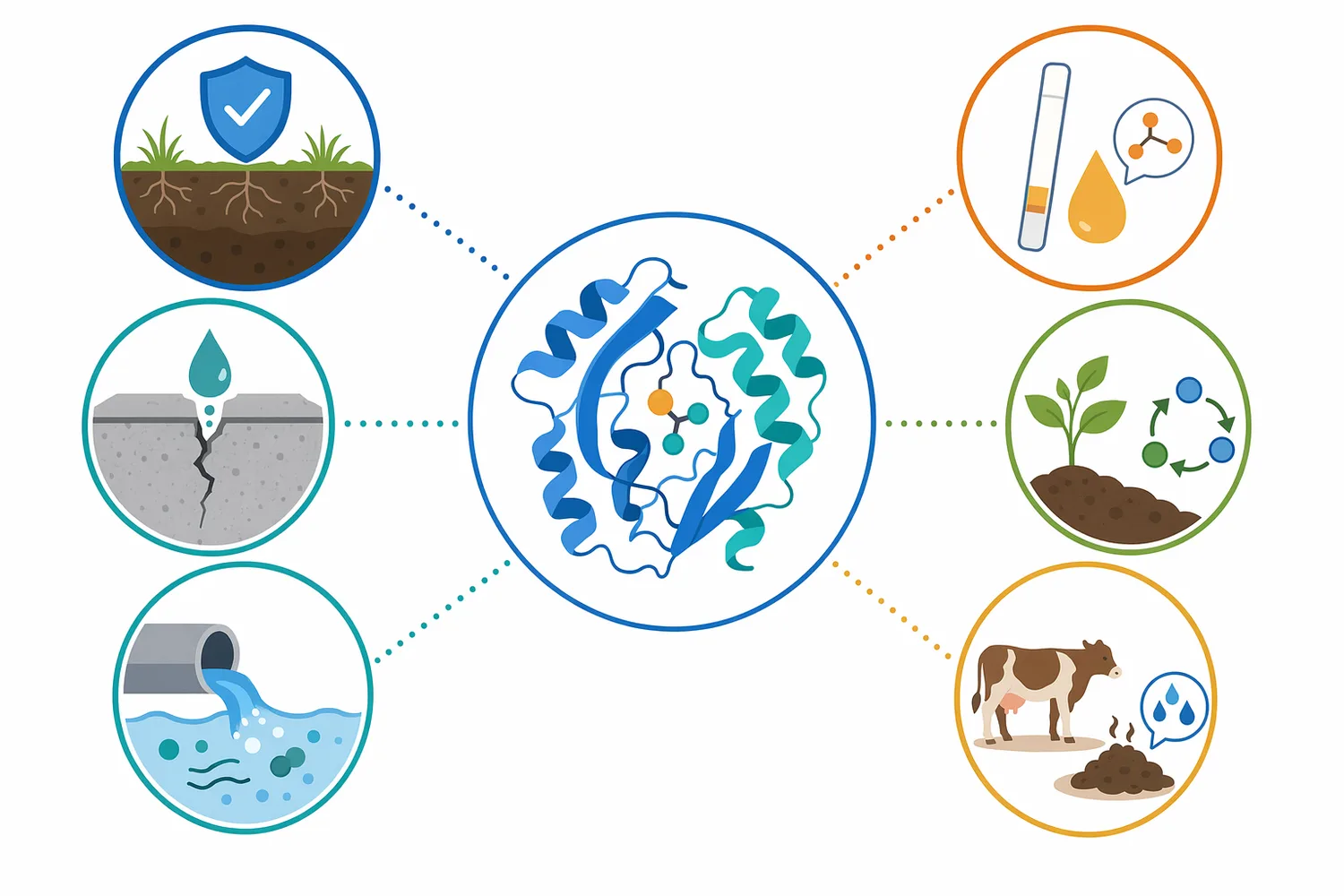
This product information is intended to support informed use by explaining the enzyme’s reaction chemistry and application logic. Urease is most relevant where the intended function is controlled urea hydrolysis—whether that means urea conversion, urea-linked measurement, educational microbiology work, soil or environmental research, or biomineralization development.
The key point is consistent across all applications: urease does not simply “treat” a system in a generic way. It specifically changes urea into ammonia and carbon dioxide-derived chemistry, and the value of the enzyme comes from whether that predictable change supports the user’s process goal.
Sold by the 1 kg unit, in stock and ready to ship. Order directly on our store — pay online and we process your order. A Certificate of Analysis and Safety Data Sheet are included with every order.
Buy Urease →Numbered in order of first citation. Open-access sources, each verified reachable at publication; citation numbers in the text link here.