
Xylanase for botanical extraction is used to partially hydrolyze xylan, a hemicellulose in many plant cell walls, so extraction liquids can penetrate fibrous plant particles more effectively. In practical terms, it helps loosen the wall matrix, reduce some hemicellulose-related resistance, and support the release of soluble or wall-associated compounds during water-based or water-containing extraction steps.
Enzymes.bio supplies Xylanase for Botanical Extraction for direct online purchase by the 1 kg unit. After online payment, the order is processed and shipped, and a Certificate of Analysis and Safety Data Sheet are provided with the order.
Botanical extraction is a mass-transfer problem as much as it is a chemistry problem. Valuable compounds may be located inside cells, dissolved in vacuoles, associated with cell-wall polymers, or physically trapped in tissues that were originally built to protect the plant. Reviews of natural product extraction emphasize that extraction technique has a direct effect on phytochemical composition and bioactivity, because the method determines which compounds are released, preserved, degraded, or left behind in the spent biomass [1].
Xylanase addresses one specific part of that problem: the xylan-rich hemicellulose network. Xylan is a major non-cellulosic polysaccharide in many plant materials, especially in grasses, cereals, stems, husks, woody tissues, bark, agricultural residues, and other fibrous botanicals. Xylanases hydrolyze xylan into shorter xylo-oligosaccharides and xylose-rich fragments, a function widely described in xylanase classification, production, characterization, and application literature [2].
In extraction workflows, xylanase does not “create” botanical actives and does not make every compound more valuable. Its job is physical and biochemical: it cuts accessible xylan chains, weakens part of the wall architecture, changes water movement through the biomass, and can make intracellular or wall-associated constituents easier for the extraction medium to contact. This is why xylanase is most relevant when the raw material is fibrous and when hemicellulose is one of the barriers limiting extraction efficiency.
Plant cell walls are not simple shells. They are composite structures made from cellulose microfibrils, hemicelluloses such as xylan, pectins, lignin in many secondary walls, structural proteins, phenolic crosslinks, minerals, and bound water. The wall must be strong enough to maintain cell shape and tolerate stress, but porous enough to allow biological transport and remodeling during growth [3].
For botanical extraction, the same structure becomes a processing obstacle. A solvent must wet the plant particle, move through pores, dissolve or suspend target compounds, and carry them outward into the bulk liquid. When the cell wall remains dense and intact, diffusion is slower, extraction times lengthen, and some extractable material remains trapped in the spent solids.
Xylan is particularly important because it often sits between cellulose and other matrix components. In many lignocellulosic tissues, xylan coats or associates with cellulose surfaces and can also interact with lignin and substituted side groups. Carbohydrate analysis studies of plant materials note that uronic-acid-containing polysaccharides and hemicellulosic structures require careful analytical treatment because plant wall polysaccharides are chemically diverse rather than uniform [4].
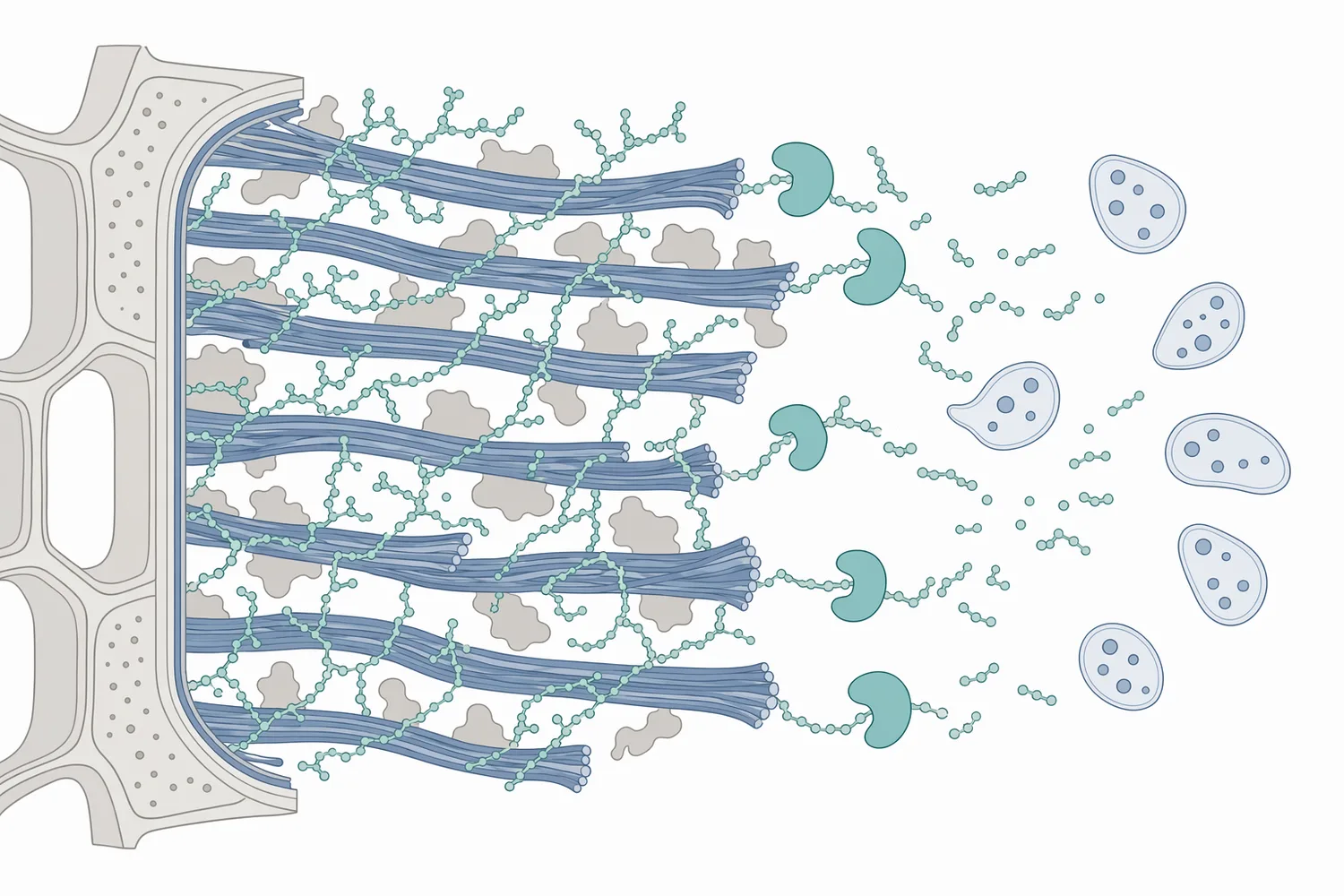
This diversity explains why xylanase performance is matrix-dependent. A young leaf, a woody stem, a cereal bran, a seed coat, a fruit pomace, and a medicinal root can all contain xylan, but not in the same location, accessibility, substitution pattern, or association with lignin and pectin. The enzyme works only where its substrate is accessible enough for hydrolysis.
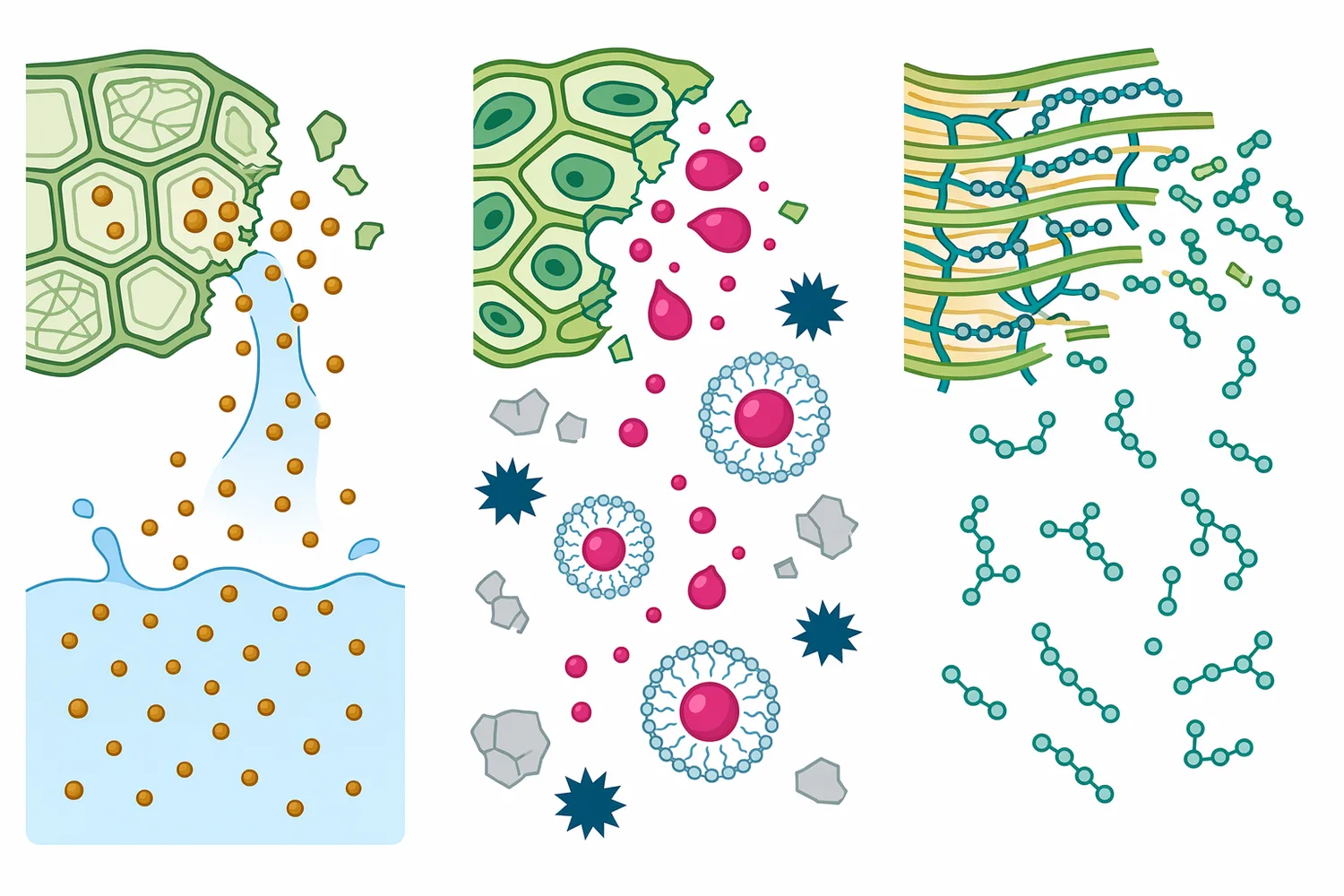
Xylanase acts on the backbone of xylan, typically a chain of β-1,4-linked xylose units. When the enzyme reaches hydrated, accessible xylan, it cleaves internal bonds in the polymer. Long chains become shorter chains; insoluble or wall-bound xylan regions can become more fragmented; and the surrounding wall network can lose some of its mechanical continuity [2].
That chemical cut produces several practical changes. First, the plant particle can become more permeable because the hemicellulose “mesh” is partially opened. Second, more internal surface area becomes exposed to the extraction liquid. Third, wall fragments may swell, disperse, or detach differently, changing slurry behavior. Fourth, compounds that were physically trapped behind xylan-containing layers can become easier to release.
The effect is not simply “more extraction.” It is a change in access. If a phenolic, pigment, glycoside, polysaccharide fraction, aroma precursor, or other botanical constituent is trapped behind a hemicellulose barrier, xylanase can help the solvent reach it. If the compound is instead limited by oil solubility, protein binding, resin formation, lignin entrapment, or pectin gelation, xylanase alone may have a smaller effect.
Substitution patterns matter. Xylans can carry arabinose, glucuronic acid, acetyl, and other side groups, and these decorations influence how easily xylan can be extracted or enzymatically deconstructed. Research on Eucalyptus xylan shows that substitution pattern affects both extractability and enzymatic deconstruction, reinforcing that xylan is not a single uniform substrate across botanicals [5].
Acetyl and ester groups can also make plant wall polysaccharides more resistant to hydrolysis. Classic work on plant cell-wall polysaccharides found that ester groups contribute to resistance against enzymatic degradation, which explains why xylanase access and effectiveness can be constrained by how the xylan is chemically decorated and embedded in the matrix [6].
Xylanase is normally relevant in hydrated systems, because enzymatic hydrolysis requires water at the enzyme-substrate interface. In botanical extraction, the enzyme step may be used before the main solvent extraction, during a water-containing extraction, or as part of a broader enzyme-assisted pre-treatment for fibrous biomass. Reviews of natural product extraction describe modern extraction as a process where solvent, temperature, time, particle preparation, and assisted technologies all shape the final chemical profile [7].
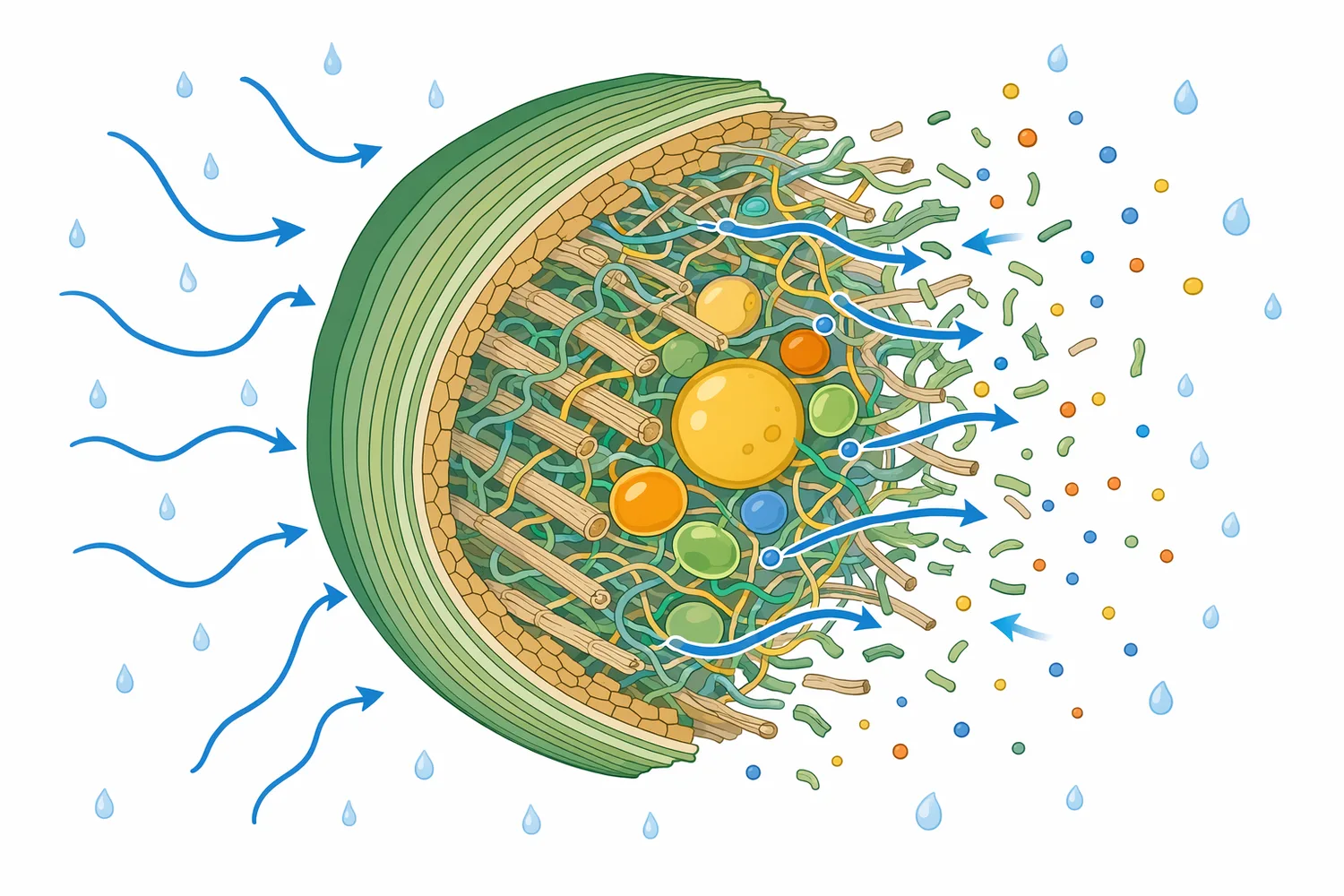
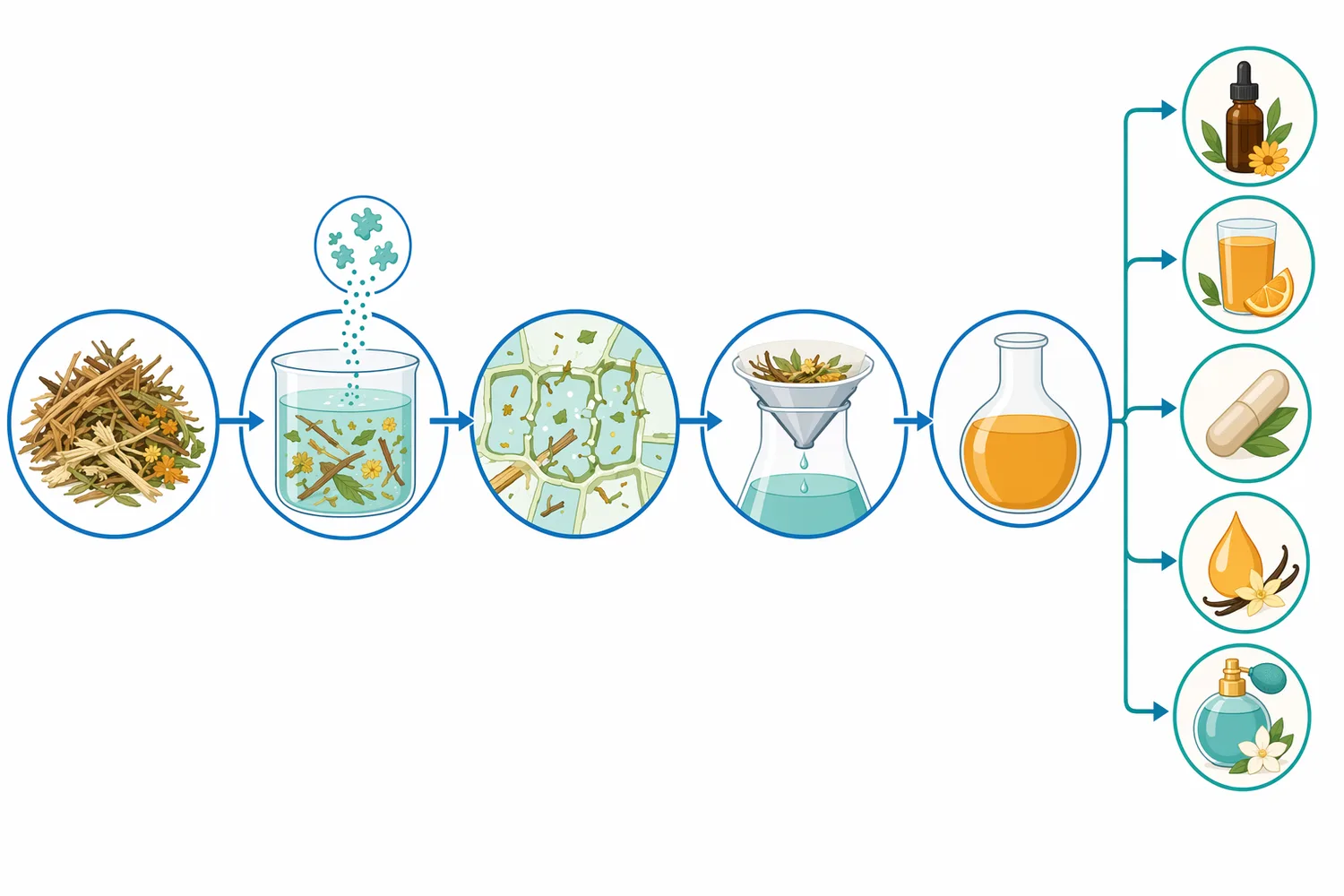
A common process concept is straightforward: milled or cut botanical material is wetted, the enzyme is dispersed into the aqueous phase, the biomass is held under controlled conditions that preserve both enzyme function and target compounds, and the extract is then separated from the solids. After the enzyme-assisted step, the process may continue with filtration, centrifugation, concentration, solvent adjustment, or other downstream operations appropriate to the product.
The important point is that xylanase should be viewed as a cell-wall modification step, not as a universal extraction method by itself. It supports the release of compounds by changing the plant matrix; the extraction medium still determines which released compounds dissolve, remain stable, and carry forward into the finished extract.
Botanical tissues contain several structural barriers, so xylanase is often discussed alongside other enzyme classes. The comparison below is conceptual: it shows what each enzyme family mainly changes in the plant matrix and why that matters for extraction.
| Enzyme type | Main substrate in plant material | What changes in the matrix | Typical extraction relevance |
|---|---|---|---|
| Xylanase | Xylan-rich hemicellulose | Shortens xylan chains, loosens hemicellulose networks, can improve permeability in fibrous tissues | Useful when stems, husks, bran, bark, roots, grasses, woody tissues, or agricultural residues contain xylan-related barriers |
| Cellulase | Cellulose and cellulose-associated regions | Weakens cellulose-rich structure and can expose embedded wall components | Relevant when cellulose rigidity is a major physical barrier |
| Pectinase | Pectin and pectic gels | Breaks gel-like pectin networks, often reducing viscosity and improving juice or plant slurry clarification | Important in fruits, soft tissues, pomaces, and pectin-rich botanicals |
| β-glucanase | β-glucans in selected grains, fungi, and plant materials | Reduces β-glucan viscosity and opens glucan-rich matrices | Useful where β-glucans drive viscosity or mass-transfer limitations |
| Accessory esterases | Acetyl or feruloyl substituents on wall polysaccharides | Removes blocking groups that restrict access by backbone-cleaving enzymes | Can improve hydrolysis where substitution limits xylanase action |
Synergy between xylanase and other wall-degrading enzymes is well documented in lignocellulosic systems. In a study of plant cell-wall degradation, xylanase and cellulases from Clostridium cellulovorans showed synergistic effects, illustrating that different wall polymers can restrict access to one another and that removing more than one barrier can improve overall deconstruction [8].
Accessory enzymes can also matter. Work on an acetyl xylan esterase from Aspergillus niger BE-2 showed synergistic action with xylan-degrading enzymes during bamboo biomass hydrolysis, which is consistent with the mechanism that removing acetyl groups can improve access to the xylan backbone [9].
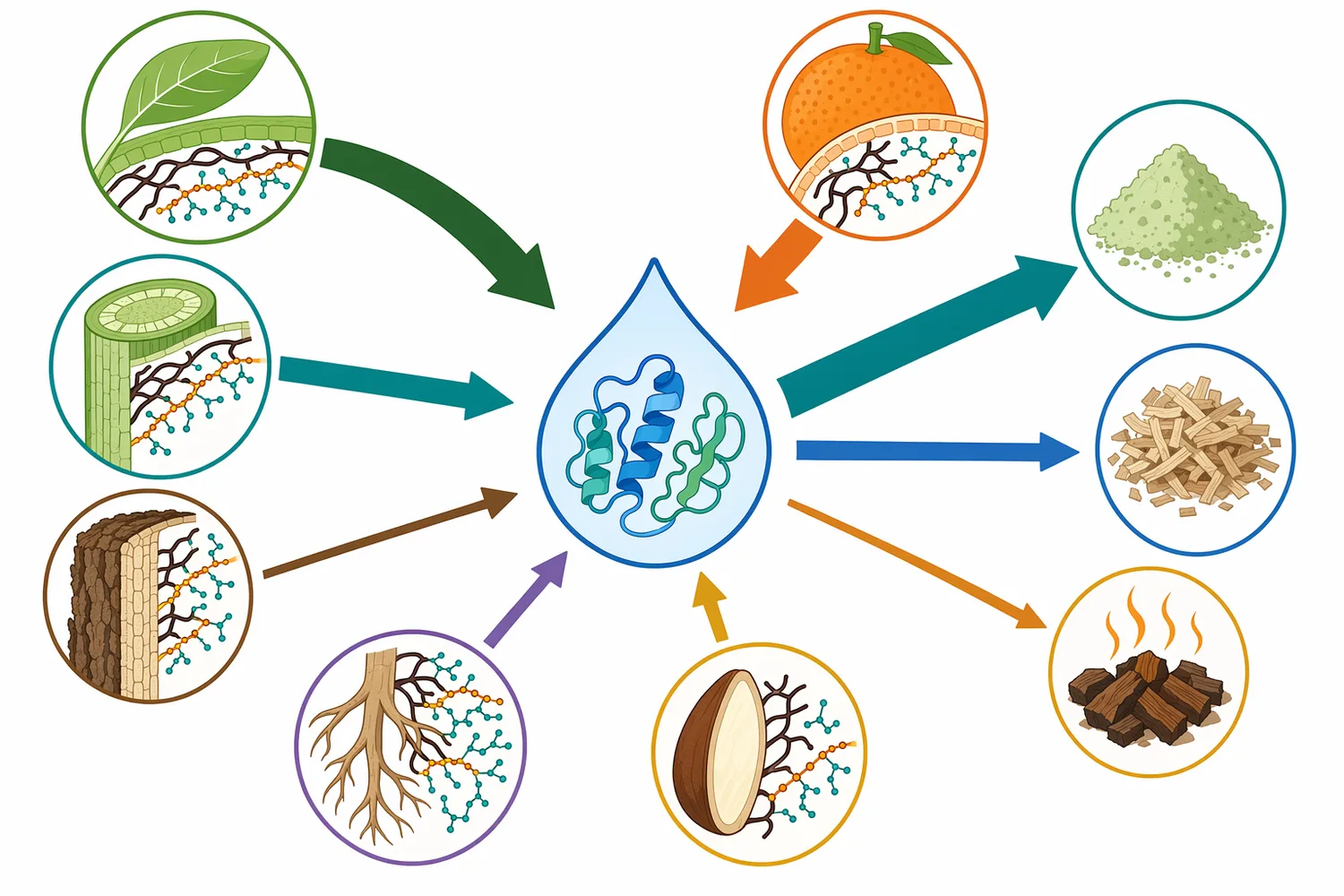
Xylanase is most logical for materials with meaningful hemicellulose content and a fibrous structure. Examples include cereal bran, husks, straw-derived botanicals, fibrous leaves, stems, barks, roots, seed coats, fruit processing residues, and certain woody or grass-derived materials. These matrices are often difficult to extract because their structural tissues were built for strength, transport, or protection rather than rapid solvent penetration.
Agricultural residues are especially relevant because they frequently contain recoverable bioactive or functional compounds but also contain recalcitrant lignocellulosic structure. A review on sustainable valorization of plant residues highlights enzymatic hydrolysis as a route for extracting bioactive compounds for functional cosmetic ingredients, reflecting a wider move toward using enzymes to recover value from plant by-products [10].
Agave bagasse is one example of a fibrous residue where pretreatment has been studied because structural polysaccharides limit access. Research optimizing alkaline and dilute acid pretreatment of agave bagasse illustrates the broader principle that lignocellulosic residues often require matrix-opening steps before efficient conversion or extraction can occur [11].
Sugarcane bagasse is another example of xylan-rich biomass used in materials research. Work on xylan from sugarcane bagasse for bioplastic production shows that chemically and enzymatically modified xylan can be recovered and transformed, demonstrating the industrial relevance of xylan as a recoverable plant polymer rather than merely a waste fraction [12].
Many botanical actives are not freely dissolved in the extraction medium at the start of processing. Phenolics may bind to cell-wall components through hydrogen bonding, hydrophobic interactions, and other non-covalent associations; some may also be physically trapped inside intact cells or within wall pores. Research on dietary polyphenols has shown that different plant cell-wall components bind polyphenols selectively, meaning that the wall can influence both retention and release [13].
When xylanase loosens hemicellulose, it can indirectly support phenolic extraction by exposing new surfaces and reducing the wall’s physical hold on entrapped compounds. This does not mean xylanase selectively extracts all phenolics, nor does it guarantee a higher antioxidant value. It means that one barrier to solvent access is reduced, which can change the release profile.
Pigments present a similar but distinct case. Reviews of natural pigment extraction note that pigment recovery depends strongly on matrix structure, solvent environment, stability, and processing conditions, with degradation possible under unsuitable heat, pH, light, or oxygen exposure [14]. Xylanase can support access to pigment-containing cells in fibrous materials, but pigment stability remains governed by the extraction environment.
For plant colorants from horticultural crops, extraction advances have focused on improving recovery while preserving color quality and functionality. A review of natural colour extraction from horticultural crops describes the growing use of improved extraction approaches for pigments, reflecting the same industry need: release more of the desired compounds without damaging them during processing [15].
Xylanase can also be relevant when the desired outcome includes soluble hemicellulose fragments, xylo-oligosaccharides, or improved recovery of botanical polysaccharide fractions. Xylan hydrolysis can produce xylose and xylo-oligosaccharides depending on the enzyme system and process design, and recent work on enzymatic cocktail formulation specifically addresses xylan hydrolysis into these products [16].
Xylo-oligosaccharides have attracted interest as prebiotic ingredients from agro-residues. A review describes xylo-oligosaccharides as economical prebiotics obtainable from agricultural residues and discusses their health-related relevance, which helps explain why controlled xylan hydrolysis is commercially interesting beyond simple biomass breakdown [17].
In botanical extraction, however, polysaccharide goals vary. Some processes aim to release high-molecular-weight gums or immunologically active polysaccharide fractions; others aim to reduce viscosity or increase soluble oligosaccharides. Xylanase may support one goal while being unsuitable for another if excessive breakdown changes the intended molecular profile. That is why xylanase should be understood as a matrix-modifying tool whose impact depends on the desired extract composition.
Plant slurries can become difficult to process when soluble or swollen polysaccharides increase viscosity, when fine wall fragments hold water, or when fibrous particles form compressible filter cakes. Xylanase can help in some matrices by shortening hemicellulose chains and weakening the fiber network, which may allow liquid to drain more readily and improve clarification behavior.
The mechanism is physical: long, hydrated polysaccharide chains occupy volume, entangle with other polymers, and bind water. When xylanase cuts accessible xylan into shorter fragments, the network can lose some water-holding and particle-bridging structure. In pulp and fiber applications, xylanase-based enzymatic modification has been studied as a way to alter fiber properties during dissolving wood pulp production for regenerated cellulosic materials [18].
That said, viscosity is not always caused by xylan. Pectin-rich fruits, β-glucan-rich grains, mucilage-rich seeds, and fungal materials can have viscosity dominated by other polymers. In those cases, xylanase may still contribute to wall opening, but the main viscosity reduction may require other matrix changes.
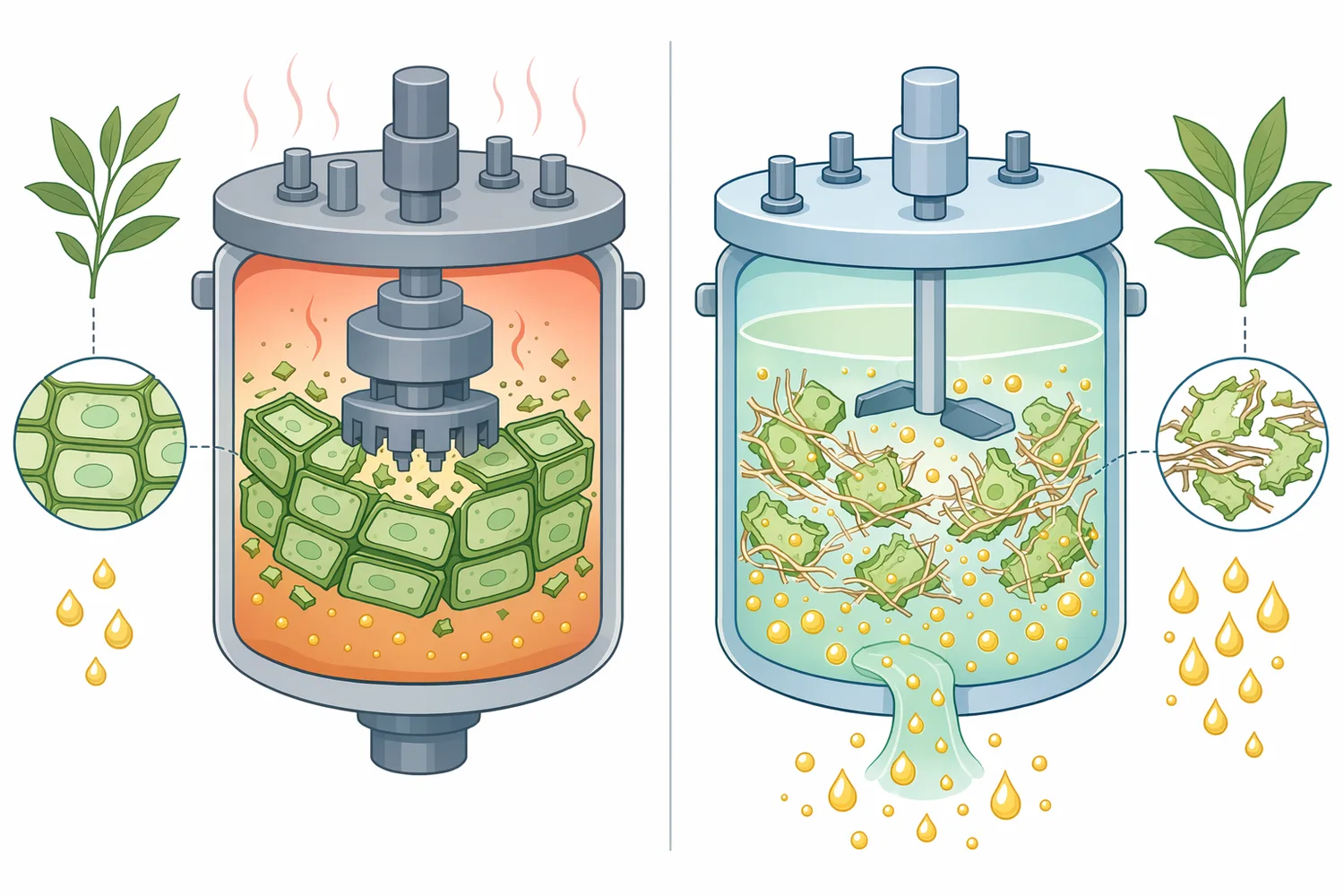
Enzyme-assisted extraction fits the broader movement toward milder and more sustainable extraction. Modern reviews describe growing interest in green extraction techniques, including process intensification, alternative solvents, lower solvent demand, and methods that reduce unnecessary thermal or mechanical severity [19].
Natural deep eutectic solvents, water-ethanol systems, and other greener solvent approaches are also being investigated for phytonutrient and bioactive recovery. Reviews on natural deep eutectic solvents describe their emerging role in phytonutrient extraction while also noting practical considerations such as extraction efficiency, safety, and regulatory challenges [20].
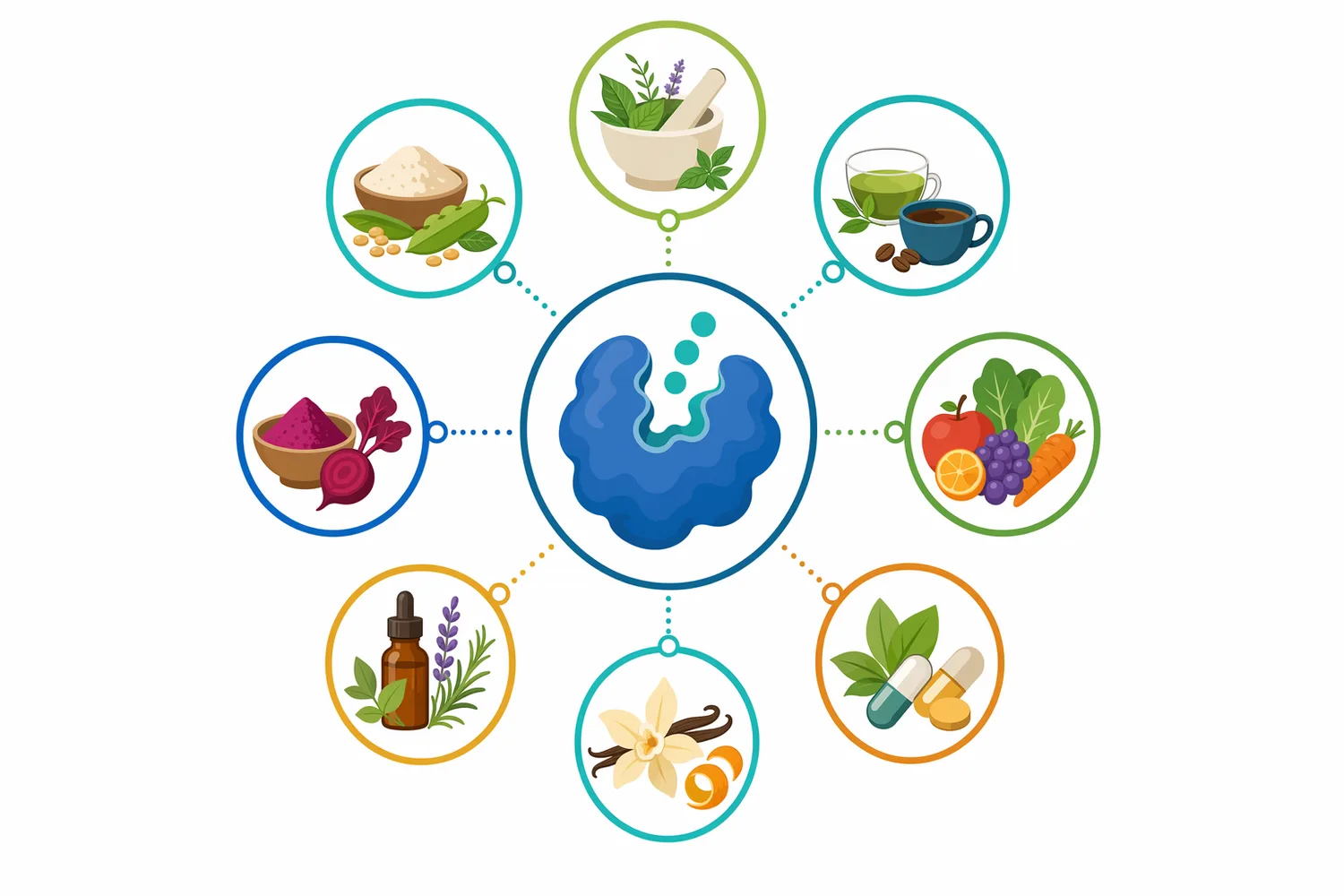
Xylanase can complement these trends because it uses substrate specificity rather than brute force. Instead of relying only on longer extraction times, harsher milling, stronger solvents, or higher temperatures, the enzyme can help open the wall barrier at the polymer level. The result may be a process that reaches the same botanical targets with less structural resistance, although the final performance must always be confirmed in the actual product context.
Microwave-assisted extraction, ultrasound-assisted extraction, and other intensified methods can also be paired conceptually with enzyme-assisted preparation, provided the conditions do not damage the desired compounds or inactivate the enzyme at the wrong stage. Studies on microwave-assisted extraction of phenolics from sunflower pomace with natural deep eutectic solvents illustrate how plant by-products, green solvents, and assisted extraction technologies are being combined to improve recovery of valuable compounds [21].
The variability of botanical extraction is not a weakness of xylanase; it is a property of plant materials. Different plant parts contain different wall architectures. Leaves often differ from stems; roots differ from barks; fruit skins differ from pulps; seed coats differ from cotyledons. Even within a single species, maturity, drying, milling, storage, and prior heat treatment can change how accessible the wall becomes.
Natural product extraction reviews emphasize that extraction techniques influence phytochemical composition and bioactivity, which means process changes can affect not only yield but also the relative abundance of compounds in the final mixture [1]. For enzyme-assisted extraction, this is especially important because opening the cell wall may increase the release of desirable compounds, but it may also increase the release of other soluble materials.
The structure of xylan itself is another source of variation. Substituted xylans may be more or less accessible to xylanase, and association with lignin can make hemicellulose harder to reach. The finding that substitution patterns affect xylan extractability and enzymatic deconstruction in Eucalyptus wood provides a clear explanation for why two fibrous botanicals can respond differently to the same xylanase treatment [5].
Previous processing also matters. Drying can collapse pores or alter polysaccharide hydration. Heat can denature native proteins, change pectin behavior, or cause phenolic oxidation. Milling can expose new surfaces but also generate fines that complicate filtration. Xylanase works within that already-shaped matrix, so its effect reflects both the plant’s biology and its processing history.
The scientific foundation for xylanase use is strongest where plant cell-wall deconstruction has been studied directly. Xylanase research has long covered production, classification, characterization, and applications because xylan hydrolysis is important in food, feed, pulp, biofuel, and biomass processing industries [2].
Lignocellulosic studies consistently show that plant wall polymers do not act independently. Xylan can block access to cellulose; cellulose can physically support hemicellulose; lignin can restrict enzyme penetration; substitutions can reduce hydrolysis efficiency. The observed synergy between xylanase and cellulases in plant cell-wall degradation supports the concept that hydrolyzing xylan can make the broader wall matrix more accessible [8].
Research with bamboo biomass further illustrates this point. The synergistic action of acetyl xylan esterase with xylan-degrading enzymes shows that removing chemical side groups can improve hydrolysis, because backbone-cleaving enzymes work better when blocking substituents are reduced [9].
In extraction-focused fields, reviews of plant residue valorization connect enzymatic hydrolysis with the recovery of bioactive compounds, including applications in cosmetics and functional ingredients. This supports the practical use of enzymes not only for biomass conversion but also for releasing higher-value botanical fractions from residues [10].
For a buyer purchasing Xylanase for Botanical Extraction online, the most realistic expectation is improved access to xylan-containing plant structures, not a guaranteed universal yield increase. The enzyme is especially relevant where the material is visibly fibrous, where extraction is slow because liquid penetration is poor, or where spent biomass appears to retain extractable material after conventional processing.
Observable process changes may include faster wetting, softer biomass texture, easier mixing, altered slurry viscosity, improved separation behavior, or a change in the concentration of extractable solids. The exact result depends on the botanical matrix and extraction design, because natural product mixtures are preparation-dependent and extraction conditions influence final composition [7].
The most important operational concept is to place the enzyme where xylan is hydrated and accessible. If the plant material is too dry, the enzyme cannot move effectively. If the xylan is shielded by lignin, wax, resin, or dense tissue structure, hydrolysis may be limited. If the target compound is sensitive to heat, oxygen, pH, or prolonged residence time, the enzyme step must be compatible with compound preservation.
Enzymes.bio supplies the product directly by the 1 kg unit through online purchase. Once payment is completed, the order is processed and shipped, with the Certificate of Analysis and Safety Data Sheet included with the order.
Xylanase is a targeted processing aid. It should not be described as a stand-alone standardization method, a universal botanical yield enhancer, or a replacement for raw-material quality control. It modifies part of the plant wall; it does not determine botanical identity, active-compound potency, contaminant status, or finished-product compliance.
It is also important to avoid assuming that more wall breakdown is always better. In some extracts, the goal is a clean phenolic fraction; in others, a polysaccharide-rich fraction; in others, a colorant, flavor, aroma, or cosmetic active. Opening the wall more extensively can change the balance of soluble sugars, oligosaccharides, tannins, proteins, gums, pigments, and other co-extractives. Reviews of extraction techniques repeatedly show that extraction method affects phytochemical composition and bioactivity, so enzyme-assisted extraction should be considered one processing variable among several [1].
Safety and regulatory expectations also remain with the finished botanical product and its intended use. Enzyme-assisted extraction can improve access to plant constituents, but it does not by itself establish safety, efficacy, or suitability for a food, supplement, cosmetic, agricultural, or technical application.
Xylanase for botanical extraction helps by hydrolyzing accessible xylan in plant cell walls. That action can loosen hemicellulose-rich structures, improve solvent access, support release of trapped or wall-associated compounds, and sometimes improve slurry handling or separation. The mechanism is concrete: xylan chains are cut into shorter fragments, which changes the structure and permeability of the plant matrix.
The evidence base is strongest at the level of plant cell-wall chemistry, xylanase hydrolysis, lignocellulosic deconstruction, and the well-established fact that extraction conditions shape botanical composition. Studies on xylan substitution, ester-related resistance, enzyme synergy, and plant residue valorization all support the technical rationale for using xylanase where xylan-containing walls are a meaningful barrier [6].
For buyers who already know their botanical material and extraction goal, Enzymes.bio offers Xylanase for Botanical Extraction as a 1 kg product available for direct online purchase. It is best understood as a practical enzyme processing aid for fibrous, hemicellulose-containing botanicals where improved cell-wall access can make extraction more efficient and easier to manage.
Sold by the 1 kg unit, in stock and ready to ship. Order directly on our store — pay online and we process your order. A Certificate of Analysis and Safety Data Sheet are included with every order.
Buy Xylanase For Botanical Extraction →Numbered in order of first citation. Open-access sources, each verified reachable at publication; citation numbers in the text link here.