
Yeast Extraction Enzyme, also described as Yeast Protein Hydrolase for condiment and food extraction, is a proteolytic processing enzyme used to break yeast proteins into soluble peptides and amino-acid-rich fractions. In yeast extract, seasoning bases, savory condiments, and protein hydrolysate streams, that controlled cutting of protein chains can improve extractability, solubility, taste-active peptide formation, and downstream handling [1].
Enzymes.bio supplies this enzyme product directly online by the 1 kg unit. The buyer places and pays for the order online; the order is then processed and shipped, with a Certificate of Analysis and Safety Data Sheet included with the order.
Yeast biomass is a dense biological material. Its value comes from intracellular proteins, peptides, amino acids, nucleotides, cell-wall components, and other soluble solids, but those compounds are not automatically available in a usable food ingredient. Yeast extraction therefore aims to move useful material out of the cell structure and into a liquid phase that can be clarified, concentrated, dried, blended, or used as a savory base; recent work on tailored yeast processing enzymes describes this “precision hydrolysis” approach as a way to shape yeast-based products rather than merely break them down indiscriminately [1].
A yeast protein hydrolase acts mainly on the protein fraction. Proteins are long amino-acid chains folded into compact structures; a protease cleaves selected peptide bonds in those chains, reducing the average molecular size and creating shorter peptides. This matters because smaller peptides are usually more soluble than intact or heat-aggregated proteins, diffuse more readily into the liquid extract, and contribute differently to taste, mouthfeel, and reaction-flavor chemistry [2].
In condiment and yeast extract processing, the goal is rarely complete destruction of protein. The more useful target is controlled conversion: enough hydrolysis to release soluble nitrogen and flavor-active fragments, but not so much that the extract becomes harsh, overly bitter, or thin. Studies on yeast biomass hydrolysis have specifically investigated enzymatic processing to obtain food ingredients with a defined fractional composition of protein substances, which reflects the practical importance of controlling peptide size distribution rather than treating hydrolysis as a single on/off step [3].
Yeast cells contain proteins inside the cytoplasm, proteins associated with membranes, and mannoprotein-rich material in the cell wall. When the yeast structure is opened by autolysis, heat treatment, mechanical disruption, fermentation-related weakening, or other extraction steps, protein hydrolase gains better access to those substrates. Once access is available, the enzyme cuts protein chains into smaller fragments, increasing the amount of nitrogenous material that can remain in solution during separation and concentration [1].
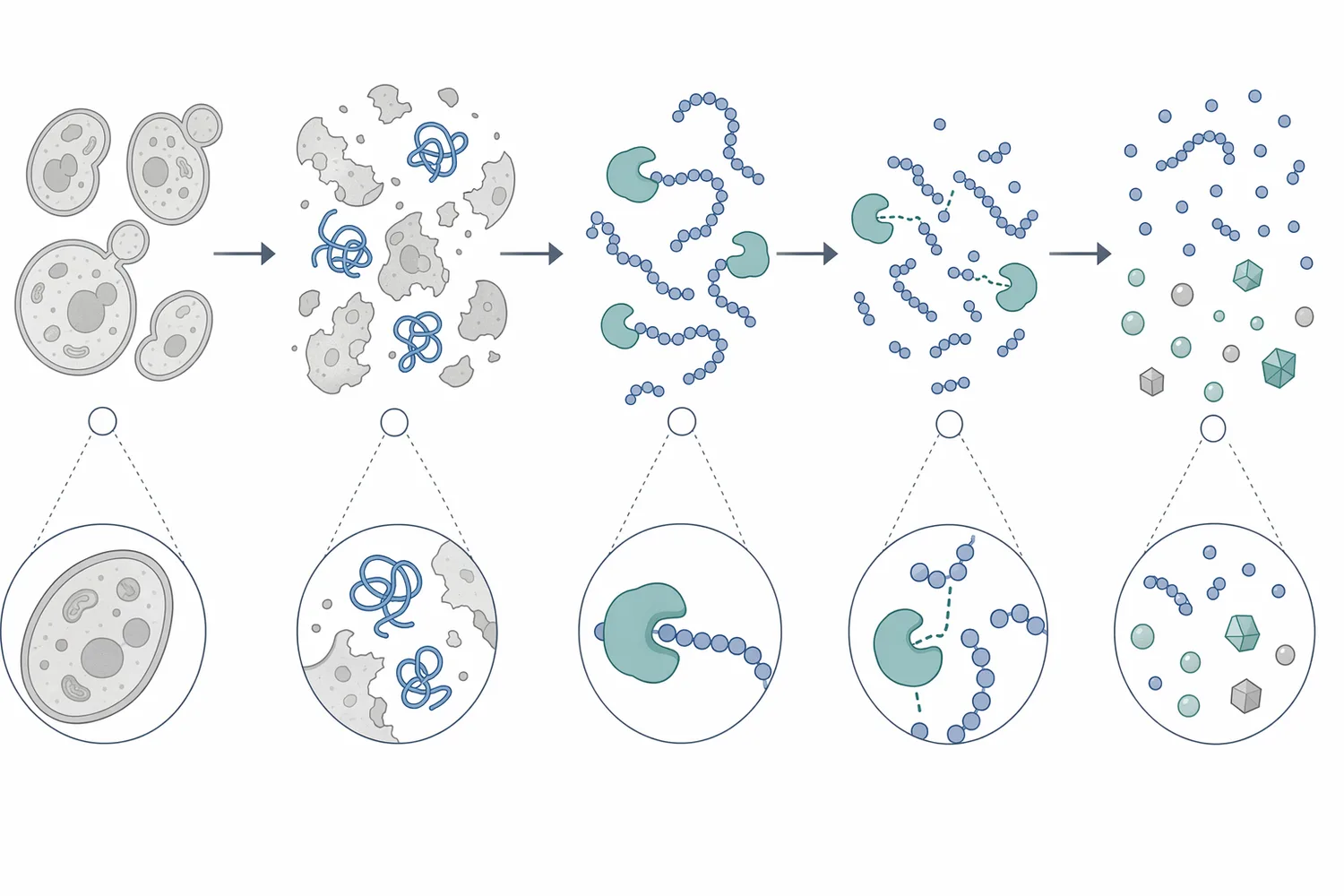
At the molecular level, hydrolysis changes both size and surface chemistry. A large protein may have hydrophobic regions buried inside its folded structure and charged groups arranged in a way that makes it aggregate after heat or concentration. Cleavage exposes new chain ends, creates shorter fragments with different charge distribution, and reduces the tendency of the original protein network to form large insoluble particles; this is why enzymatic hydrolysis is widely used to modify solubility, emulsification, water interaction, and other functional properties of food protein hydrolysates [2].
Hydrolysis also changes flavor chemistry because taste receptors and aroma-binding systems do not “see” a protein as one uniform material. A long intact protein may be almost tasteless, while a short peptide can be umami-active, kokumi-active, saltiness-enhancing, bitter, or mouth-coating depending on its sequence and size. Research on yeast extract has identified umami peptides and investigated their interaction mechanism with the T1R1/T1R3 umami receptor system, showing why peptide pattern—not simply total protein—matters in savory formulation [4].
The same principle applies to salt perception. Saltiness-enhancing peptides from yeast extract have been identified and studied for their mechanism of action involving transmembrane channel-like 4 protein, which supports the idea that selected yeast-derived peptides can influence perceived saltiness rather than only adding background savory taste [5]. For condiment makers, this is one reason yeast hydrolysates are used in reduced-salt savory systems: they can help build the perception of fullness and seasoning impact, although the final effect depends on the full food matrix.
Yeast extract is valued because it can deliver several flavor effects at once: umami, brothiness, fermented depth, roasted notes after thermal processing, mouthfulness, and salt-supporting character. A yeast protein hydrolase contributes to this by increasing the pool of soluble peptides and amino-acid-rich fragments available for direct taste and for downstream reactions during heating, concentration, or blending. Yeast extract research has separately identified novel kokumi peptides, reinforcing that yeast-derived peptide fractions can affect mouthfulness and continuity of taste, not only the first impression of umami [6].
This is especially relevant in condiments because condiment flavor is layered. Salt, organic acids, sugars, Maillard reaction products, nucleotides, amino acids, peptides, sulfur compounds, and fermentation volatiles all interact. Protein hydrolysis supplies the nitrogenous portion of that system: free amino acids and short peptides can taste directly, bind or release aroma compounds, and participate in heat-driven flavor development during paste preparation, reaction flavor production, or drying [7].
Hydrolysis also affects how flavor is released during eating. Proteins and peptides can bind aroma compounds, changing whether a flavor note is released quickly, retained, or muted. Food-flavor research on protein–flavor binding highlights the role of oral components such as mucin in modulating these interactions, which helps explain why the same hydrolysate can perform differently in a soup, paste, snack seasoning, or high-protein matrix [8].
In plant-based foods, yeast hydrolysates are frequently useful because legume and oilseed proteins may carry beany, grassy, bitter, or astringent notes. Fermentation studies show that microbial metabolism can reduce beany flavor in plant-based systems, while yeast extract and hydrolysate ingredients can add savory depth that shifts perception away from raw plant notes [9]. A yeast protein hydrolase does not “mask” every off-note by itself; rather, it creates peptide-rich savory material that formulators can use to rebalance the overall profile.
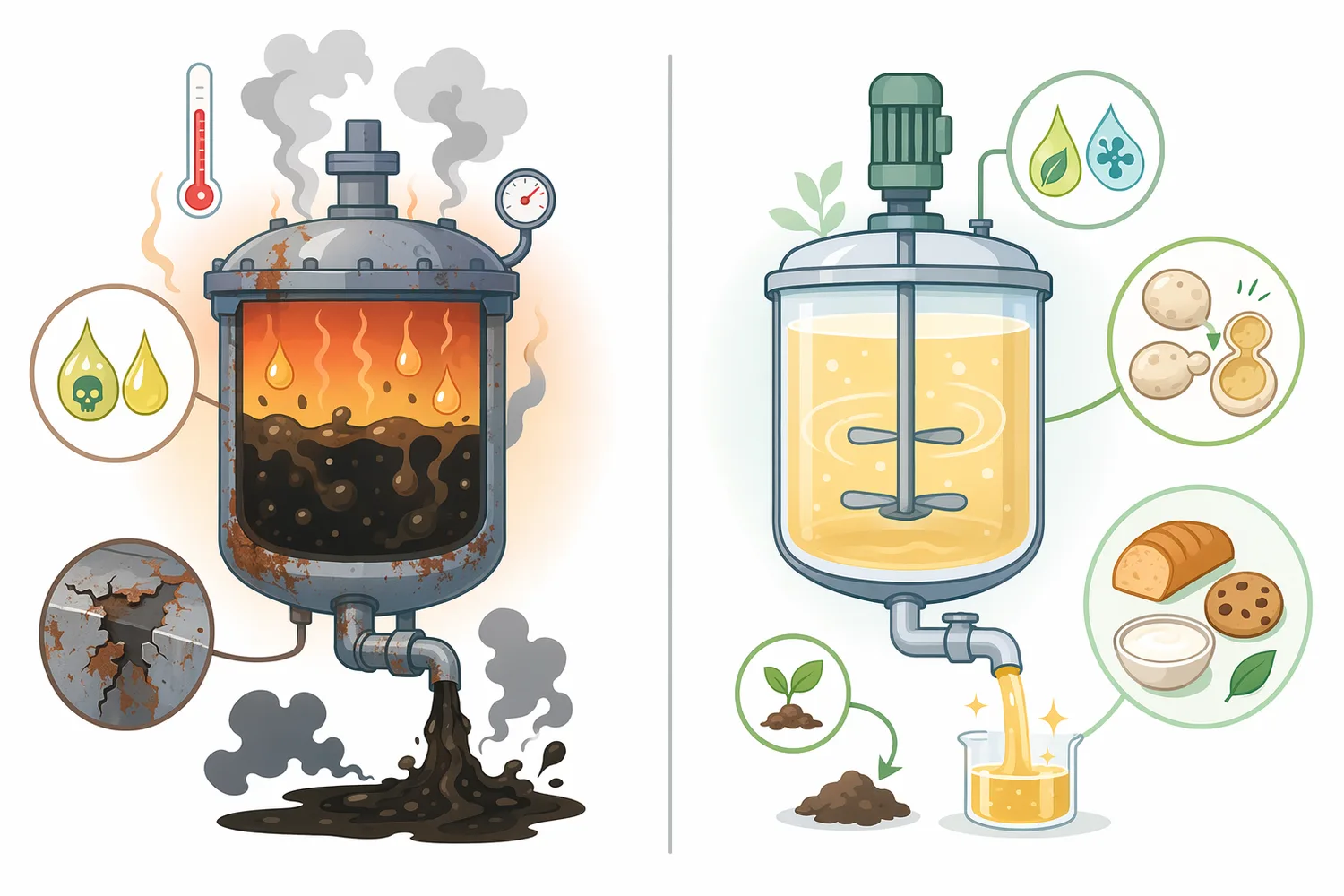
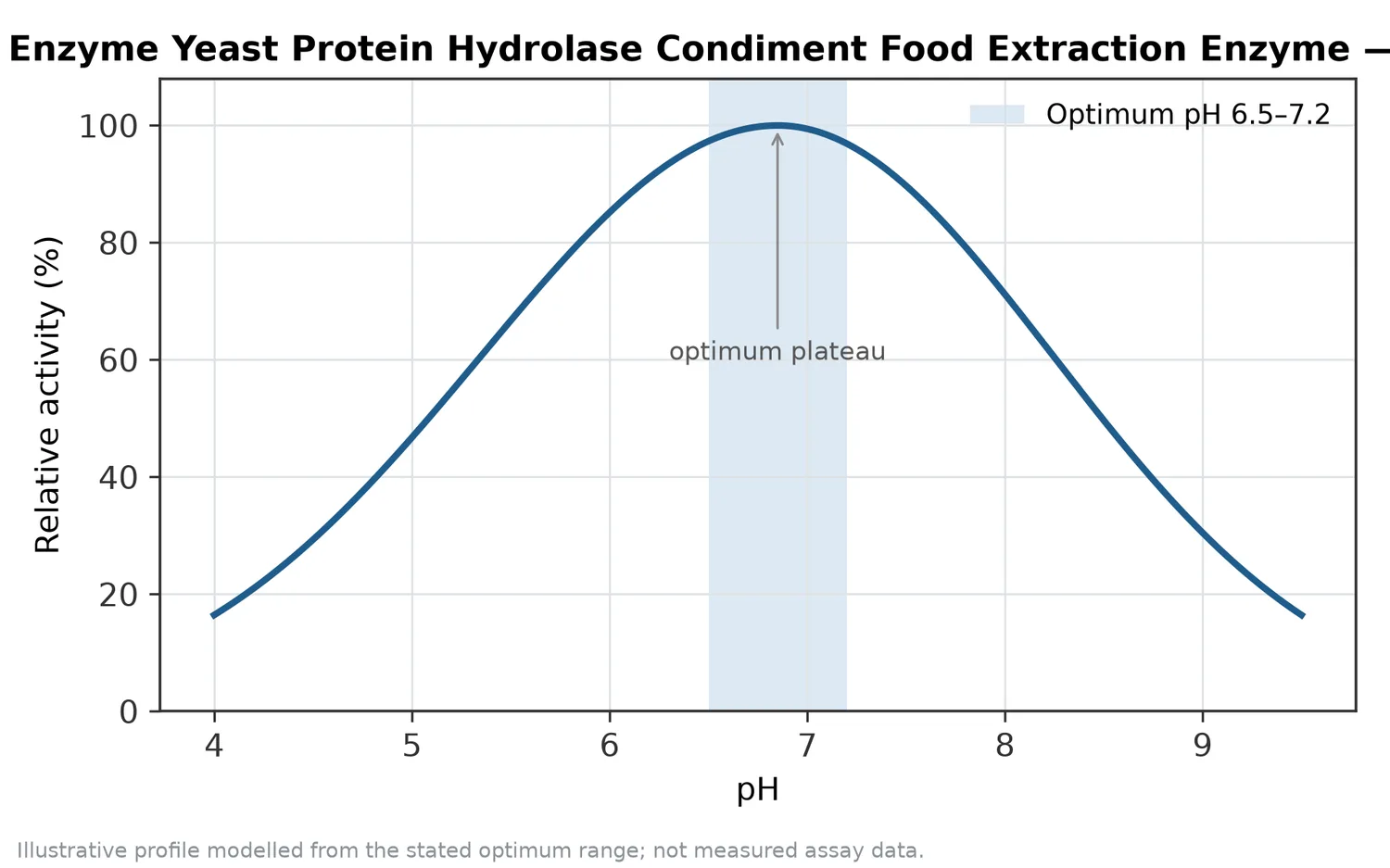
Different proteases behave differently because their active sites and structural stability are adapted to different reaction environments. For yeast extraction and condiment processing, the important concept is that the enzyme environment influences which protein bonds are cut, how quickly large proteins are reduced, and what peptide distribution appears in the extract. Published work on precision hydrolysis in yeast-based products emphasizes the movement toward tailored enzyme processing rather than one generic protease treatment for all yeast materials [1].
| Protease environment | Conceptual role in yeast protein hydrolysis | Typical effect on the extract | Practical flavor implication |
|---|---|---|---|
| Acid-leaning protease systems | Operate best in acidic food-processing environments and may fit processes where acidity is already part of the matrix | Can support protein breakdown under sour or fermented conditions without shifting the whole process toward neutrality | May be useful where the final profile is fermented, tangy, or sauce-like rather than clean bouillon-like |
| Neutral protease systems | Often used where a moderate food-processing environment is preferred and excessive chemical stress is undesirable | Can reduce protein size while helping preserve a balanced peptide profile | Often associated conceptually with rounded savory extracts and controlled hydrolysis |
| Alkaline-leaning protease systems | Often associated with strong protein cleavage capacity in protein hydrolysate production | Can generate extensive solubilization and a broader peptide pool when compatible with the process | May increase savory precursor generation, but excessive hydrolysis can also increase bitterness if not balanced |
This table is conceptual rather than a product specification. It is included because “yeast protein hydrolase” describes a functional enzyme category, and the biological result is shaped by protease character as well as yeast strain, pretreatment, solids level, heating history, and downstream concentration. Food protein hydrolysate reviews consistently show that hydrolysis conditions alter techno-functional and sensory properties, so the important practical message is that protease action changes the material, not merely the label on the process [2].
The most direct scientific support is the general and yeast-specific evidence that enzymatic hydrolysis can convert yeast protein into defined peptide fractions. The 2017 study on enzymatic hydrolysis of yeast biomass focused on generating food ingredients with specified fractional composition of protein substances, which aligns closely with the industrial objective in yeast extract: producing a controlled distribution of soluble protein fragments rather than an uncontrolled mixture [3].
Newer research on precision hydrolysis for yeast-based products further supports this direction. The term “precision” is important because yeast extraction is no longer only about maximum breakdown; it is about matching enzyme action to the required product, whether that is a clean savory extract, a richer condiment base, a nutritional hydrolysate, or a functional ingredient with selected peptide and cell-wall components [1].
The broader food-protein literature supports the same mechanism across other substrates. Enzymatic hydrolysis of plant proteins is being studied for upcycling waste proteins into techno-functional ingredients, with hydrolysis used to modify solubility, emulsification, foaming, water binding, and ingredient performance [10]. Yeast proteins differ from soy, lupine, oat, or wheat proteins, but the core mechanism—enzymatic cleavage of peptide bonds to change molecular size and functionality—is shared.
Controlled hydrolysis is also used when very specific nutritional or compositional targets are needed. For example, two-step enzymatic hydrolysis combined with adsorption has been studied for removing phenylalanine from whey protein hydrolysates intended for phenylketonuria dietary applications, illustrating how enzyme processing can be directed toward a defined molecular outcome rather than only general protein breakdown [11]. That level of specificity underscores why protein hydrolases are useful processing tools in food ingredient production.
In aquatic feed and protein raw-material research, enzymatic hydrolysis and microbial fermentation are being examined as ways to improve protein utilization and generate bioactive or digestible peptide fractions [12]. Although feed and food uses have different regulatory and sensory requirements, the underlying science is relevant: proteolysis converts large proteins into smaller nitrogenous compounds that behave differently in digestion, solubility, and formulation.
Yeast extraction is not only about cytoplasmic protein. Yeast cell walls contain mannoproteins and polysaccharide-rich structures that can influence mouthfeel, colloidal behavior, and biological functionality. Enzymatic hydrolysis of mannoprotein-rich yeast cell wall material has been studied for antioxidant and anti-aging effects in Caenorhabditis elegans, with the work linking hydrolysate effects to gut microbiota and metabolites [13].
For food systems, mannoprotein-rich fractions are also interesting because they can influence interfaces and flavor behavior. Research on yeast protein found synergistic effects of mannoprotein and ultrasound on interfacial properties, flavor, and structure, showing that yeast-derived components can participate in emulsion and aroma-related performance rather than serving only as a protein nutrient [14].
A yeast protein hydrolase may therefore contribute indirectly to texture and dispersion as well as taste. By reducing protein size, it can help release or reorganize protein-associated material; by creating soluble peptides, it can reduce sedimentation risk in liquid extracts; and by altering interactions between proteins, mannoproteins, and flavor compounds, it can change how the final condiment feels and releases flavor during consumption [2].
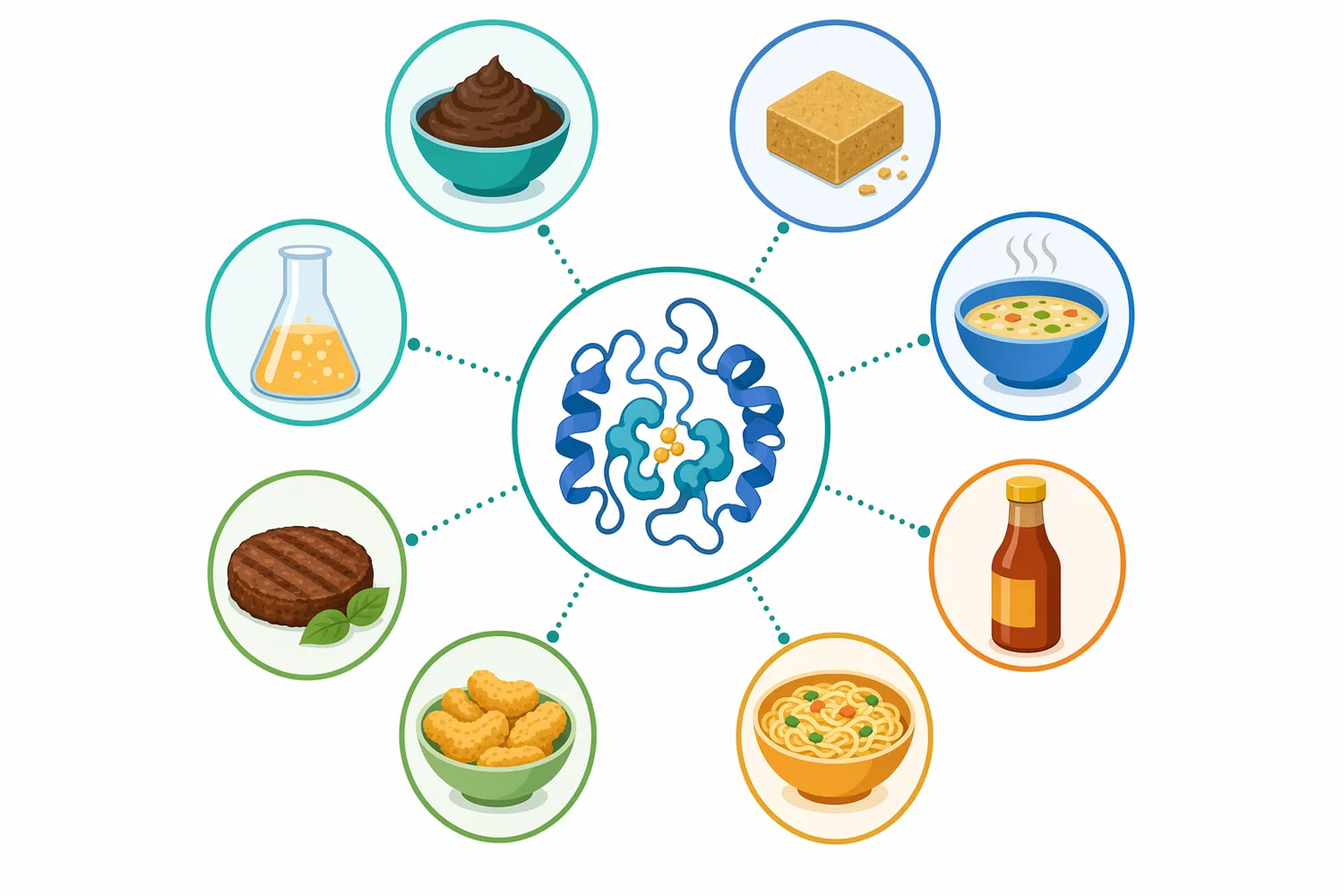
The primary application is production of yeast extract for savory foods. In this use, yeast protein hydrolase helps convert yeast protein into soluble peptides and amino-acid-rich material that can be concentrated into paste or dried into powder. Those extracts are then commonly used as savory building blocks in soups, sauces, bouillons, marinades, snacks, meat analogs, seasoning blends, and ready-meal bases; yeast extract peptide research supports the role of yeast-derived peptides in umami and saltiness-related sensory effects [5].
Condiment bases are a second strong fit. Many condiments depend on protein breakdown for their characteristic depth, whether that breakdown comes from fermentation, aging, heat, enzymatic hydrolysis, or a combination of these. Yeast protein hydrolase provides a more directed way to increase soluble nitrogen and peptide formation in a controlled food-processing step, supporting more repeatable flavor development than relying only on long or variable natural breakdown [1].
Plant-based foods are another important application area. Legume, cereal, and oilseed proteins can provide nutrition but may lack savory depth or may bring off-notes that need balancing. Yeast hydrolysates can add fermented, brothy, umami, and mouthfulness notes, while broader work on rapid acidification and off-flavor reduction in pea protein by lactic acid bacteria and yeasts shows the continuing importance of microbial and yeast-linked strategies for improving plant-protein sensory quality [15].
Brewing and fermentation side streams are also relevant. Spent yeast contains valuable protein and cell-wall material, and converting it into peptide-rich extracts is more attractive than treating it only as a low-value by-product. Research on mannoprotein-rich yeast cell wall hydrolysate and spent-yeast-related valorization themes supports the broader idea that yeast residues can be upgraded into functional or nutritional fractions when processed appropriately [13].
Finally, yeast protein hydrolase is useful in flavor precursor preparation. Short peptides and amino acids can participate in heat-driven transformations during drying, roasting, paste concentration, or reaction flavor production. Studies on flavor enhancement during scallop drying, for example, show how metabolomic and lipidomic changes during thermal processing can reshape flavor, which is consistent with the broader food-science principle that precursor pools strongly influence final savory aroma and taste [7].
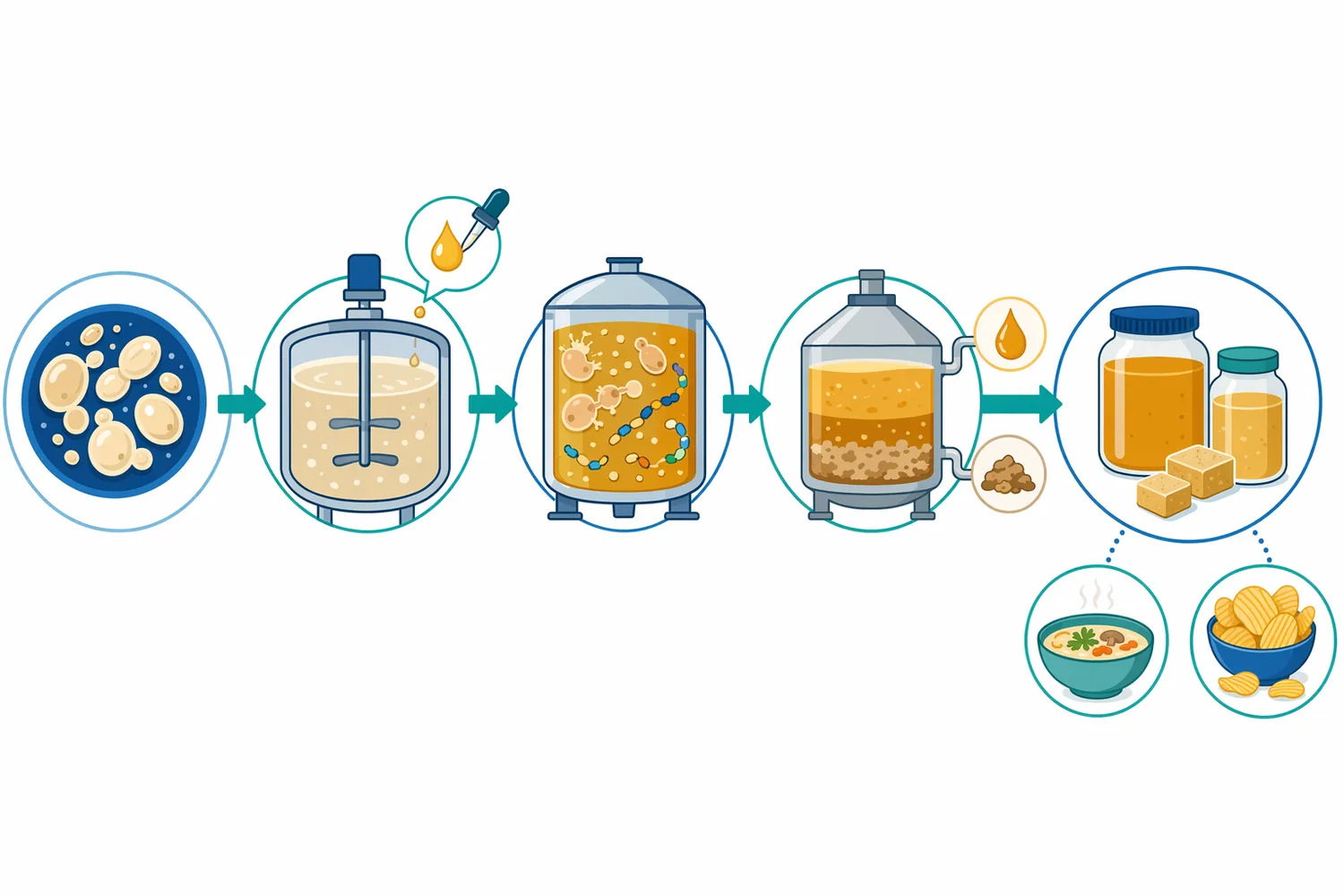
In a typical food extraction workflow, the enzyme is used in an aqueous yeast slurry or yeast-derived stream where the protein substrate is accessible. The yeast may already be autolyzed, heated, mechanically disrupted, fermented, or otherwise opened before enzymatic treatment. Combined processing approaches are common in food by-product upgrading; for example, high hydrostatic pressure, temperature, and enzymatic hydrolysis have been studied together for developing fibre-rich ingredients from oat and wheat by-products, illustrating how enzyme steps often work best as part of an integrated process rather than in isolation [16].
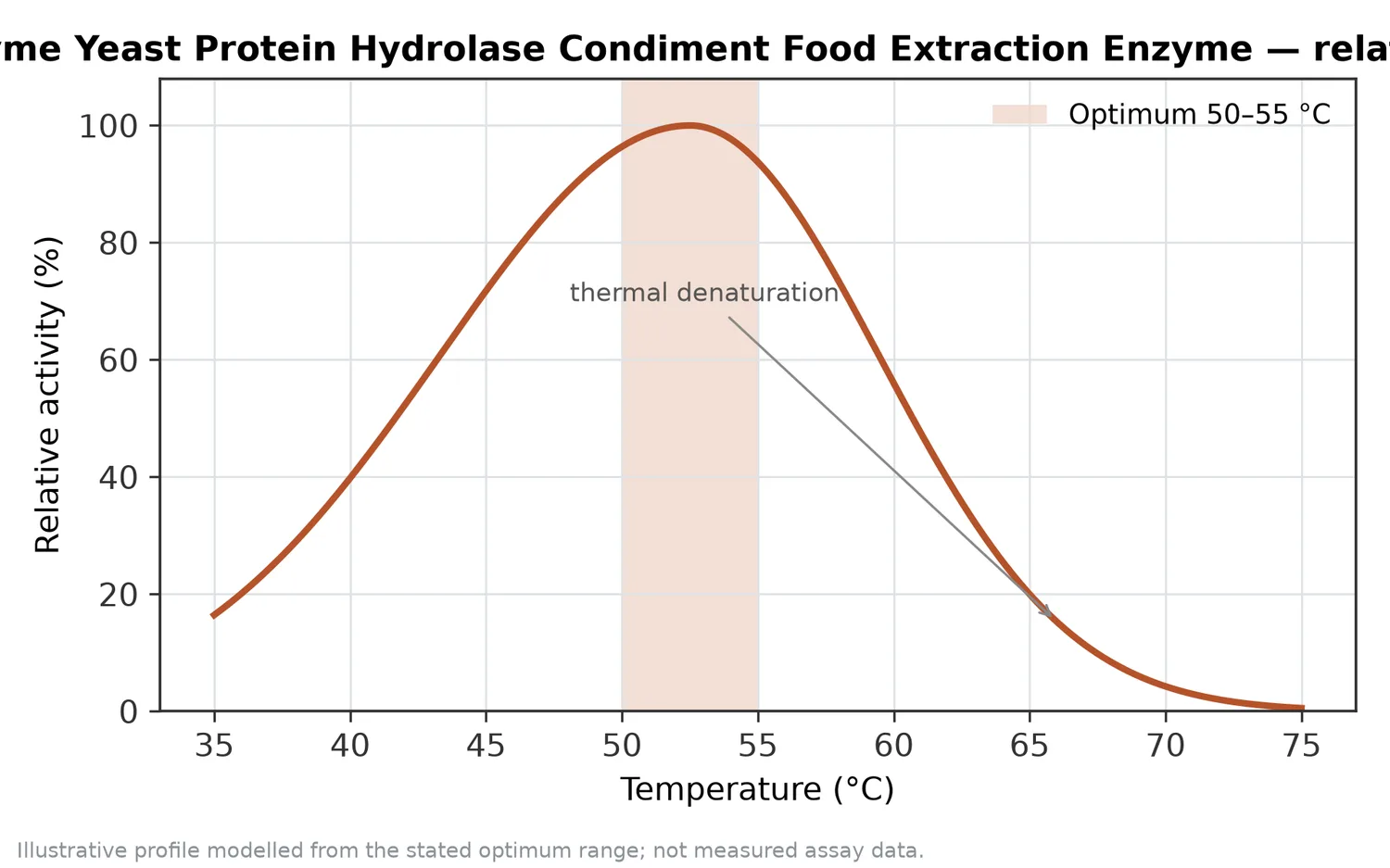
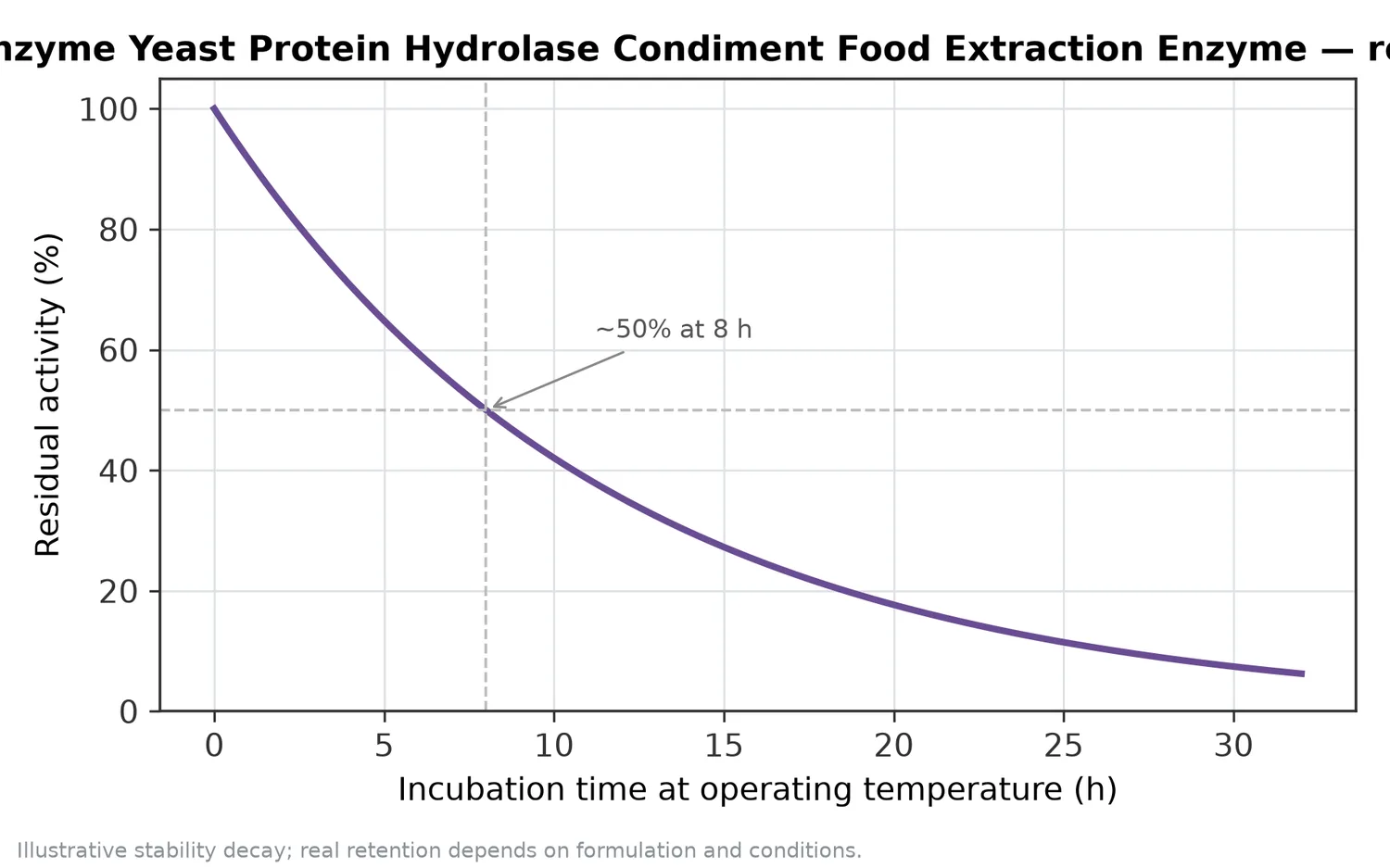
After hydrolysis, food processors normally stabilize or stop the reaction through standard downstream operations such as heating, concentration, drying, or formulation into a matrix that no longer favors continued enzyme action. The key operational idea is that enzyme treatment is time-limited and purpose-driven: it is used to create a desired soluble peptide profile, not to remain active indefinitely in the finished condiment or extract [2].
Pretreatment can make a large difference because intact yeast cell walls restrict access to intracellular protein. If proteins remain trapped, the enzyme has less substrate to work on; if the yeast structure is opened, hydrolysis can proceed more effectively on released proteins. This is why modern yeast-processing research discusses tailored enzyme systems and process design together rather than treating protease addition as a standalone cure for every extraction problem [1].
Downstream processing also shapes the final result. Clarification removes insoluble cell debris; concentration changes saltiness, acidity, and perceived intensity; drying can create additional thermal notes; and blending with salt, sugars, acids, nucleotides, vegetable extracts, or fermented bases changes the final taste architecture. Yeast extract studies identifying umami, kokumi, and saltiness-enhancing peptides show that the sensory impact comes from interaction among components, not from one molecule acting alone in a finished food [4].
The same enzyme mechanism that creates useful savory peptides can also create unwanted bitterness if hydrolysis is pushed toward a peptide profile that exposes hydrophobic sequences. This is a common issue in protein hydrolysates generally: solubility and flavor precursor formation may improve as proteins become smaller, but sensory balance depends on which peptides accumulate. Food protein hydrolysate literature treats this balance as central to ingredient functionality and acceptability [2].
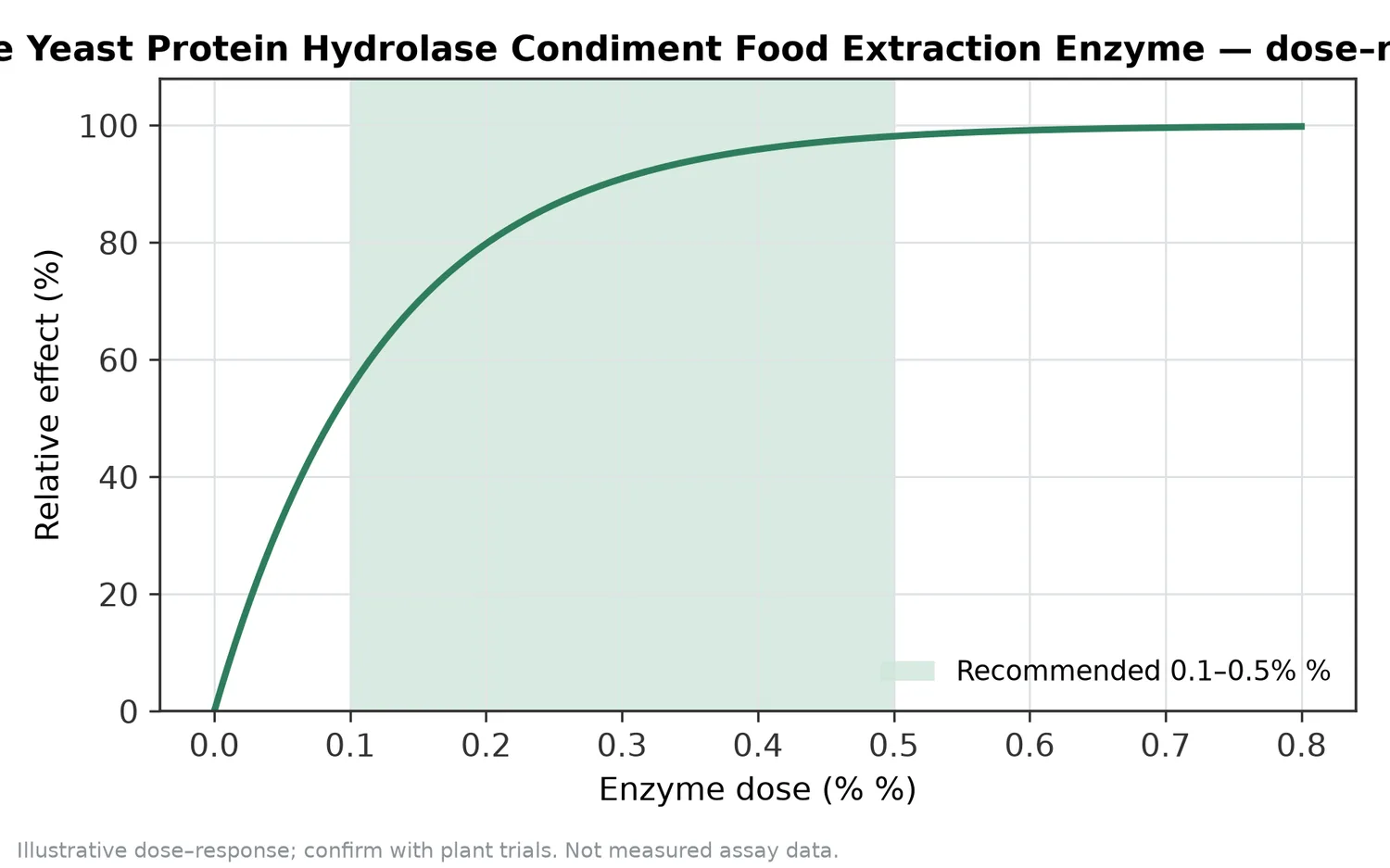
Milder hydrolysis tends to preserve more body and can create a rounded extract with less risk of sharp bitterness. More extensive hydrolysis can increase soluble nitrogen and generate stronger taste-active material, but it may require balancing with salt, acidity, sweetness, Maillard notes, nucleotides, or other seasoning components. Yeast extract research on saltiness-enhancing and umami peptides helps explain why targeted peptide composition can matter more than simply maximizing the amount of hydrolyzed protein [5].
Off-flavor control is also matrix-dependent. Fermented soy, pea protein, vinegar, wine, and baijiu studies all show that microbial metabolism and ingredient composition shape volatile and non-volatile flavor profiles in complex ways [17]. In a yeast extract or condiment, protein hydrolase changes the peptide and amino-acid pool, but aroma quality is still influenced by yeast strain, raw-material freshness, heat exposure, oxidation, fermentation history, and blending.
This is why yeast protein hydrolase should be understood as a flavor-development tool rather than a complete flavor system. It produces the soluble peptide and amino-acid foundation; the finished condiment profile comes from how that foundation is processed and combined with other ingredients. In practical terms, the enzyme helps unlock the yeast substrate, while formulation and thermal processing determine whether the result reads as bouillon, soy-like savoriness, roasted depth, fermented complexity, or nutritional yeast character [6].
The strongest expectation is improved conversion of yeast protein into smaller, more soluble nitrogenous fractions. That expectation is well supported by the mechanism of proteolysis and by yeast biomass hydrolysis research focused on defined protein-fraction composition [3]. For a buyer using yeast or yeast-derived streams, the enzyme category is therefore most relevant where intact protein, poor extractability, or insufficient savory peptide formation limits the process.
A second reasonable expectation is improved handling of the extract. Smaller soluble peptides are generally easier to keep dispersed than large aggregated proteins, which can support smoother pumping, clarification, concentration, and drying. The broader functional-protein-hydrolysate literature supports these changes in solubility and techno-functional behavior, although the exact effect depends on the raw material and the finished food system [2].
A third expectation is stronger savory potential. Yeast extract has documented umami peptides, saltiness-enhancing peptides, and kokumi-related peptide research, giving a clear scientific basis for why yeast hydrolysis can affect taste beyond ordinary protein nutrition [4]. However, the final sensory outcome is not guaranteed by hydrolysis alone; it is shaped by peptide profile, yeast source, processing history, salt level, acidity, heat treatment, and the food matrix.
A fourth expectation is better use of yeast-containing side streams. Yeast biomass and yeast cell-wall materials can be upgraded into value-added fractions when the process is designed to release, solubilize, and stabilize useful components. Research on mannoprotein-rich yeast cell wall hydrolysates and related yeast-processing work supports the continuing interest in yeast-derived fractions for food, functional, and sustainability-oriented applications [13].
Enzymes.bio supplies Yeast Extraction Enzyme / Yeast Protein Hydrolase as an online product sold by the 1 kg unit. The purchasing flow is straightforward: the buyer places the order online, pays online, and the order is processed and shipped, with the accompanying Certificate of Analysis and Safety Data Sheet included.
For food extraction, yeast extract, seasoning, and condiment applications, the enzyme is best viewed as a practical proteolytic tool: it helps convert yeast protein into soluble peptides and amino-acid-rich fractions that can support extraction yield, processability, savory depth, and controlled ingredient development. The scientific evidence is strongest for the underlying mechanism—enzyme-driven peptide formation from protein—and for the importance of peptide composition in yeast-derived flavor systems [1].
Used in the right process context, yeast protein hydrolase can help turn yeast biomass or yeast-derived streams into more useful food ingredients. It does this through a concrete biochemical change: peptide bonds are cleaved, large proteins become smaller soluble fragments, and those fragments behave differently in extraction, flavor release, mouthfeel, and downstream processing [2].
Sold by the 1 kg unit, in stock and ready to ship. Order directly on our store — pay online and we process your order. A Certificate of Analysis and Safety Data Sheet are included with every order.
Buy Yeast Extraction Enzyme Yeast Protein Hydrolase Condiment Food Extraction Enzyme →Numbered in order of first citation. Open-access sources, each verified reachable at publication; citation numbers in the text link here.