Enzim Fitase Gred Makanan
Fitase gred makanan adalah enzim biologi yang sangat cekap direka untuk menghidrolisis asid fitik (inositol heksakisfosfat) yang wujud secara semula jadi dalam bijirin, kekacang, biji minyak, dan bahan mentah lain yang berasal daripada tumbuhan. Asid fitik membentuk kompleks kuat dengan mineral seperti kalsium, besi, zink, dan magnesium, yang mengurangkan kebolehannya diserap. Dengan secara beransur-ansur melepaskan kumpulan fosfat daripada molekul asid fitik, fitase meningkatkan dengan ketara pencernaan dan nilai pemakanan bahan berasaskan tumbuhan.
Serbuk enzim pepejal ini dirumus untuk kegunaan dalam pemprosesan bijirin, aplikasi soya, minuman berasaskan tumbuhan, produk pemakanan, formulasi bakeri, industri makanan ternakan dan penyelesaian penambahbaikan tanah. Ia menawarkan kebolehdispersibiliti yang cemerlang dalam persekitaran akuatik dan boleh disepadukan dengan mudah ke dalam proses pengeluaran sedia ada tanpa menjejaskan rasa atau penampilan produk.
Manfaat Utama
- Meningkatkan penyerapan nutrien: Melepaskan mineral yang terikat oleh asid fitik, meningkatkan penyerapan kalsium, zat besi, zink, dan mikronutrien lain pada manusia dan haiwan.
- Meningkatkan ketersediaan protein: Mengurangkan kesan antinutrien asid fitik, meningkatkan kelarutan dan kebolehcernaan protein.
- Mengoptimumkan formulasi berasaskan tumbuhan: Meningkatkan kestabilan dalam minuman soya, minuman bijirin, dan suspensi protein tumbuhan.
- Mengurangkan pemendakan: Membantu mengekalkan keseragaman dan tekstur dalam produk bijirin cecair dan soya.
- Mendukung formulasi label bersih: Berfungsi sebagai biokatalis semula jadi tanpa menyumbang rasa atau bahan tambahan yang tidak diingini.
Syarat Pengoperasian
- Suhu optimum: 50–60 °C
- pH optimum: 4.5–5.5
- Syarat inaktivasi: biasanya dinyahaktifkan dengan memanaskan pada kira-kira 95°C selama 20 minit (bergantung kepada proses)
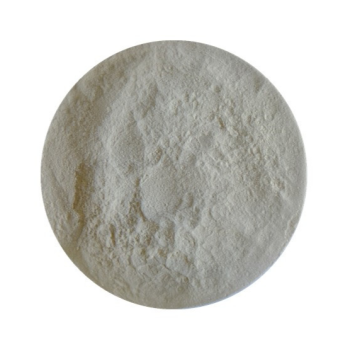
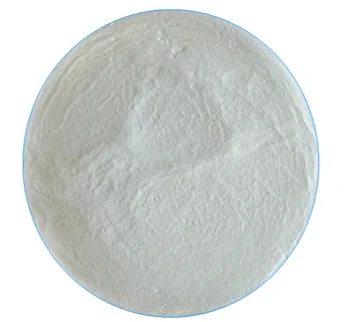
- Penampilan: Serbuk mengalir bebas berwarna kuning muda hingga perang muda
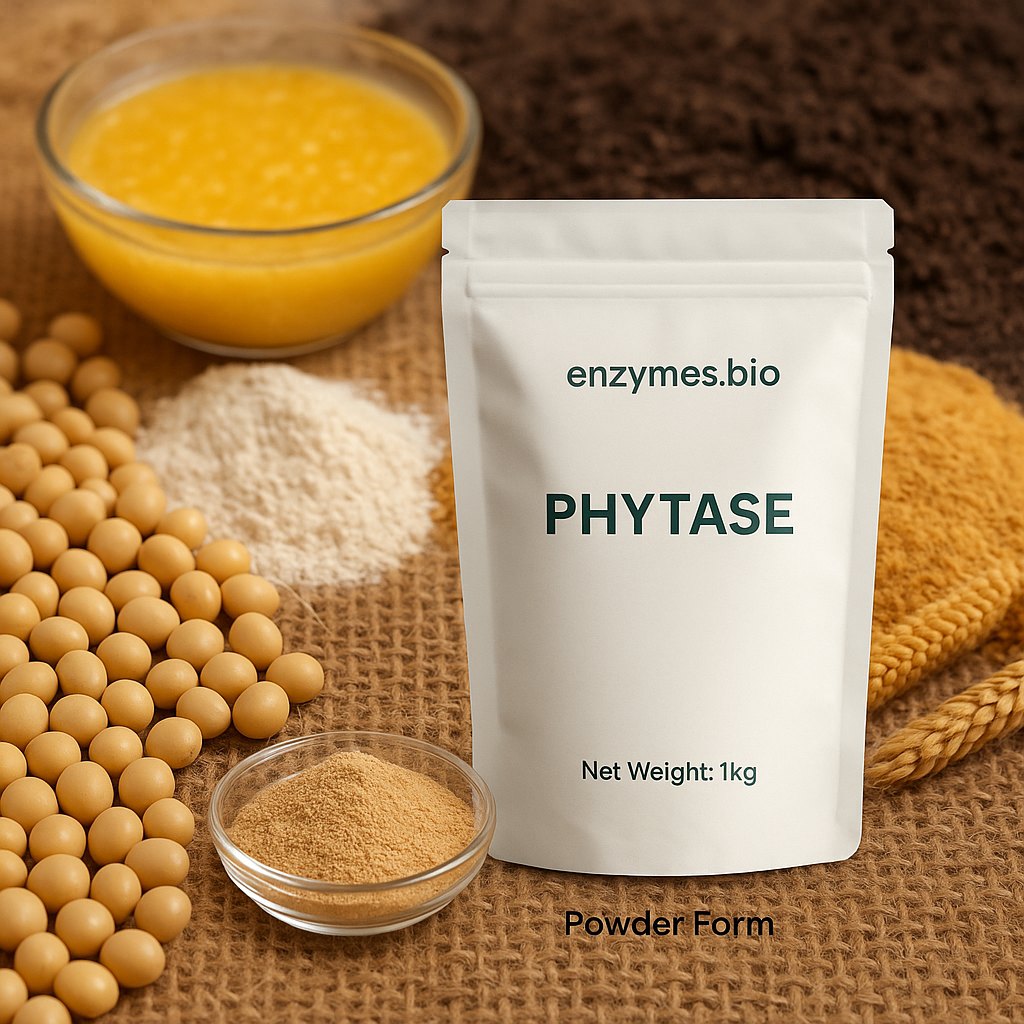
- Pembungkusan: Disalurkan dalam 1 kg/beg, beg foil aluminium gred makanan yang disegel. Sila ambil perhatian bahawa imej produk adalah untuk tujuan ilustrasi. Pembungkusan sebenar mungkin berbeza.
- Jangka hayat: 12 bulan apabila disimpan di bawah keadaan yang disyorkan
Mekanisme Tindakan
Fitase bertindak dengan menghidrolisis asid fitik (IP6) secara berperingkat menjadi fosfat inositol yang lebih rendah (IP5 → IP1) dan fosfat bebas. Setiap langkah hidrolisis mengurangkan keupayaan molekul untuk mengikat mineral dan protein, akhirnya memecahkan struktur antinutrien. Reaksi biokimia ini:
- Melepaskan mineral berharga yang sebelum ini terkunci dalam kompleks fitik
- Meningkatkan kelarutan protein dan nutrien penting
- Meningkatkan kestabilan minuman berasaskan tumbuhan dan slurry bijirin
- Menyumbang kepada tekstur yang lebih baik, rasa di mulut yang lebih lancar, dan penandaan pemakanan yang dipertingkatkan
Aplikasi
1. Pemprosesan Bijirin & Sereal
- Memecahkan asid fitik untuk mengurangkan faktor anti-pemakanan dalam bijirin dan bijirin penuh.
- Meningkatkan kebolehcernaan mineral dalam minuman bijirin dan bubur.
- Meningkatkan nilai pemakanan produk bijirin penuh dan bijirin pelbagai.
- Mempertingkat kestabilan dan mengurangkan endapan dalam minuman berasaskan bijirin.
2. Pengilangan Makanan Berasaskan Kacang Soja dan Kekacangan
- Meningkatkan kebolehcernaan minuman soya dan serbuk soya.
- Meningkatkan profil rasa dengan mengurangkan nota tidak diingini yang berkaitan dengan kompleks protein–fitat.
- Mendukung pemprosesan susu soya yang stabil dengan pengendapan dan pemisahan yang dikurangkan.
- Meningkatkan kualiti pemakanan keseluruhan produk berasaskan soya.
3. Pengeluaran Minuman Berasaskan Tumbuhan
- Meningkatkan kelarutan protein dalam susu oat, susu soya, minuman kacang, dan minuman bijirin.
- Menyumbang kepada tekstur yang lebih halus dan sifat sensori yang dipertingkatkan.
- Mengurangkan pengendapan dan membantu mengekalkan suspensi seragam sepanjang hayat rak.
4. Rawatan dan Pembakaran Tepung
- Meningkatkan ketersediaan mineral dalam formulasi berasaskan tepung.
- Meningkatkan kemudahan pengendalian doh, prestasi penapaian, dan keanjalan.
- Meningkatkan isipadu roti, struktur isi dalam, dan warna kerak.
5. Produk Pemakanan & Makanan Fungsional
- Sesuai untuk memperkaya serbuk segera, minuman berkhasiat, dan campuran bijirin.
- Mendukung pembangunan makanan berasaskan tumbuhan dan suplemen dengan nilai pemakanan dipertingkatkan.
- Meningkatkan kebiokelulusan mikronutrien tanpa ejen chelasi sintetik.
6. Aplikasi Industri Makanan Haiwan
- Mengurangkan fosforus terikat fitat dan meningkatkan penggunaan fosforus berkesan dalam makanan ternakan.
- Mengurangkan interaksi antinutrien asid fitik dengan mineral dan protein.
- Menggalakkan pencernaan dan penyerapan nutrien pada unggas dan ternakan.
- Membantu meningkatkan prestasi haiwan dan kadar pertumbuhan.
- Mengurangkan perkumuhan fosforus dan menyumbang kepada pengurangan impak alam sekitar.
7. Peningkatan Tanah & Aplikasi Alam Sekitar
- Digunakan sebagai bahan tambahan biologi untuk meningkatkan penggunaan fitat organik fosforus oleh tumbuhan dalam tanah.
- Mempromosikan pertumbuhan tumbuhan dan perkembangan akar dalam tanah yang fosforusnya terhad.
- Membantu meningkatkan kekuatan tumbuhan dan kandungan klorofil daun dengan memperbaiki pemakanan fosforus.
8. Bidang Aplikasi Lain
- Proses bioteknologi yang melibatkan metabolisme inositol fosfat.
- Perawatan hasil sampingan pemprosesan bijirin dan larutan rendaman yang kaya dengan asid fitik.
- Biodegradasi asid fitik dalam aliran sisa dan projek pemulihan alam sekitar.
Dos yang Disyorkan
Dos sebenar hendaklah dioptimumkan melalui percubaan, tetapi yang berikut boleh digunakan sebagai rujukan:
- Pemprosesan makanan (bijirin, soya, minuman berasaskan tumbuhan):
0.1–0.3 kg fitase setiap tan metrik bahan mentah. - Cecair rendaman jagung / pemprosesan buburan jagung:
0.5–1.0 kg fitase bagi setiap tan metrik bahan mentah, bergantung kepada kandungan asid fitik dan intensiti proses. - Pemulihan tanah dan penambahbaikan tanah:
1–2 kg fitase setiap tan metrik substrat yang dirawat atau campuran tanah, disesuaikan mengikut tahap fosforus organik dan kaedah aplikasi.
Julat-julat ini dimaksudkan sebagai garis panduan umum. Untuk mendapatkan hasil terbaik, jalankan ujian perintis dan laraskan dos berdasarkan ciri-ciri bahan mentah, pengurangan asid fitik yang disasarkan, dan keadaan proses.
Penyimpanan & Pengendalian
- Simpan di tempat yang sejuk dan kering, terhindar daripada sinaran matahari langsung.
- Simpan bungkusan dalam keadaan tertutup rapat apabila tidak digunakan untuk mengekalkan aktiviti enzim.
- Elakkan pendedahan kepada kelembapan tinggi dan suhu tinggi.
- Gunakan peralatan pelindung yang sesuai untuk mengelakkan penyedutan habuk semasa pengendalian.