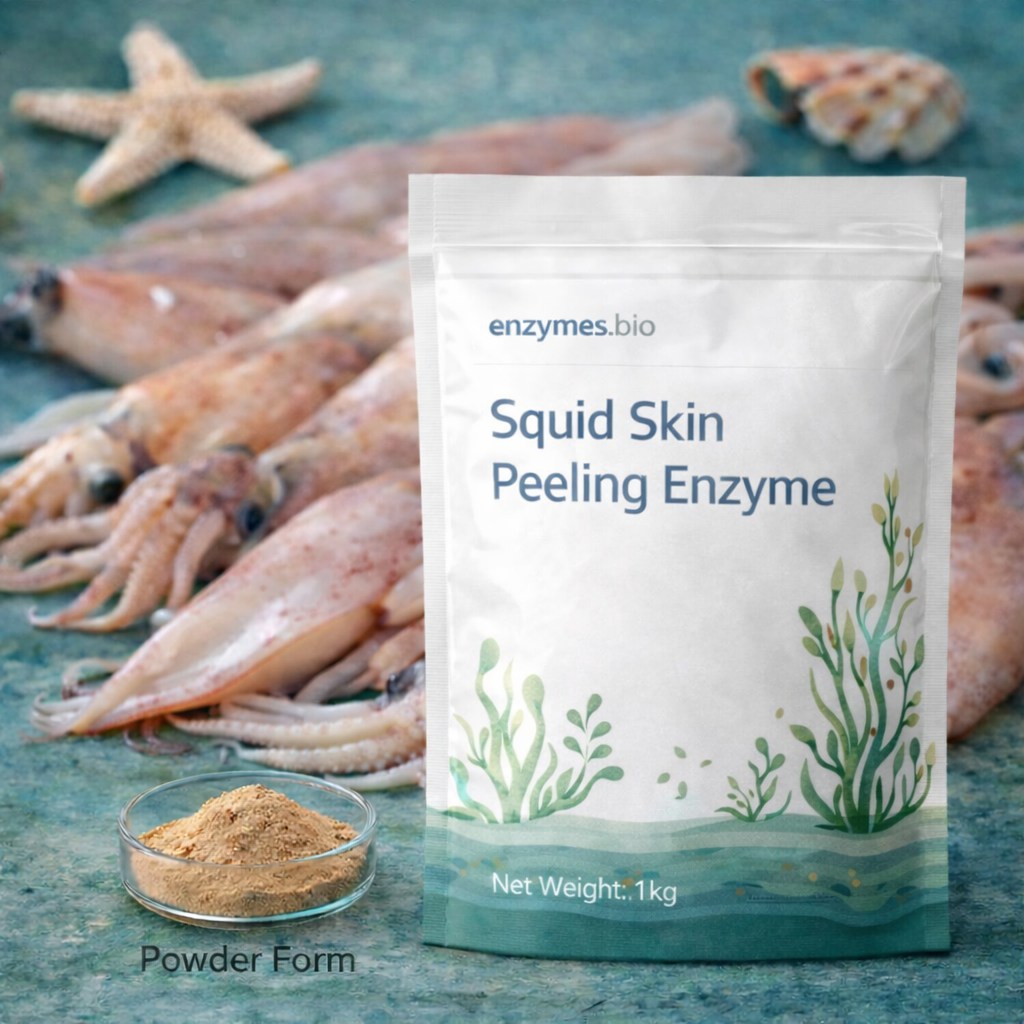
Kalmāra ādas lobīšanas enzīms efektīvai kalmāru apstrādei
Kalmāra ādas nolobīšanas enzīms ir specializēts enzīmu preparāts, kas izstrādāts, lai uzlabotu kalmāra ādas noņemšanas efektivitāti jūras produktu pārstrādē. Izmantojot progresīvu biotehnoloģiju un rūpīgi atlasītu mikrobu fermentāciju, šis enzīms specifiski iedarbojas uz saista proteīniem, kas saista kalmāra ādu ar zemāko muskuļu audu. Vājinot šīs olbaltumvielu struktūras, enzīms ļauj ādai viegli atdalīties no gaļas, nodrošinot ātrāku un vienmērīgāku nolobīšanu.
During squid processing, removing the outer skin membrane can be labor-intensive and time-consuming if done manually. This enzymatic solution significantly simplifies the process by breaking down the collagen and elastin components within the skin layer. The treatment loosens the structural bonds between the dermal layer and the squid muscle fibers, making the skin easier to remove either manually or with squid peeling machines. As a result, processors can achieve faster production speeds while maintaining product quality.
The enzyme preparation is produced through controlled fermentation and purification processes to ensure stable activity and reliable performance in seafood processing applications. It functions as a safe biological catalyst that accelerates the natural breakdown of connective tissue proteins without damaging the edible portion of the squid. The enzyme targets specific molecular linkages within the skin layer, allowing for effective peeling while preserving the natural structure, texture, and appearance of the squid meat.
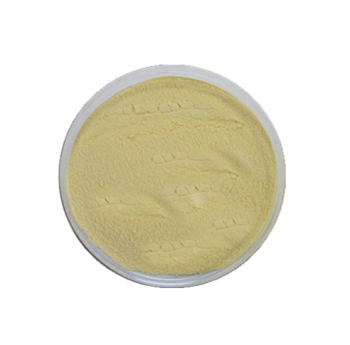
Kalmāra ādas nolobīšanas enzīms ir gaiši brūna pulvera veidā ar raksturīgu fermentācijas aromātu, kas raksturīgs bioloģiskiem enzīmu preparātiem. Produkts viegli šķīst ūdenī, veidojot aktīvu enzīmu šķīdumu, kas piemērots mērcēšanai vai apstrādei. Pēc izšķīdināšanas enzīms sāk iedarboties uz olbaltumvielu tīklu kalmāra ādas šķiedrās, vājinot saites, kas notur ādu pie muskuļu audiem. Šī kontrolētā enzīmu reakcija ļauj ādu noņemt gludi un efektīvi.
When used in squid processing lines, the enzyme can be applied as part of a soaking or treatment step prior to peeling. The enzymatic action helps shorten the overall production time by reducing the effort required to remove the skin. This contributes to improved operational efficiency and allows processing facilities to maintain consistent throughput during large-scale production. The enzyme works effectively alongside mechanical peeling equipment, and it can also support manual peeling operations by making the skin easier to detach.
Typical application conditions include a working pH range of approximately 6.5 to 7.5, where the enzyme maintains stable activity and effective protein hydrolysis. The optimal temperature range for enzymatic activity is about 50–55°C, which promotes efficient breakdown of the connective proteins responsible for skin adhesion. Under these conditions, the enzyme rapidly weakens the structural integrity of the skin layer, enabling efficient removal while preserving the quality of the squid meat.
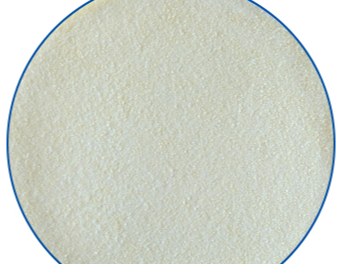
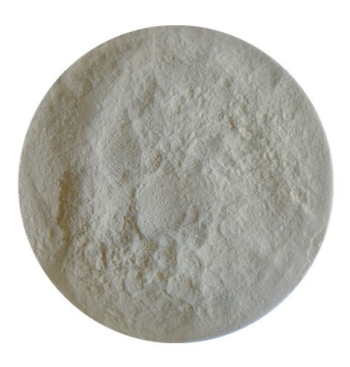
The recommended dosage usually ranges from 0.3% to 0.5% depending on processing methods, squid size, and raw material characteristics. Processors may adjust the dosage based on specific production requirements and equipment configuration. The enzyme is available in different particle sizes such as 40 mesh, 60 mesh, and 80 mesh to support flexible application methods and ensure rapid dissolution during preparation of the treatment solution.
One of the key advantages of Squid Skin Peeling Enzyme is its ability to improve peeling efficiency while maintaining product quality. The enzyme enables thorough skin removal with minimal yield loss, helping processors achieve high finished-product recovery rates. In many processing scenarios, peeling rates can exceed 99%, reducing waste and improving the overall value of the processed squid.
Because the enzyme works through a targeted biological reaction, it does not introduce unwanted residues, odors, or off-flavors. The natural taste, color, and nutritional components of the squid remain unchanged after treatment. This makes the enzyme suitable for high-quality seafood processing where product appearance and flavor are important.
Iepakojums
Piegādāts 1 kg/maiss, aizzīmogotā pārtikas alumīnija folijas maisiņā. Lūdzu, ņemiet vērā, ka produkta attēls ir ilustratīvs. Faktiskais iepakojums var atšķirties.