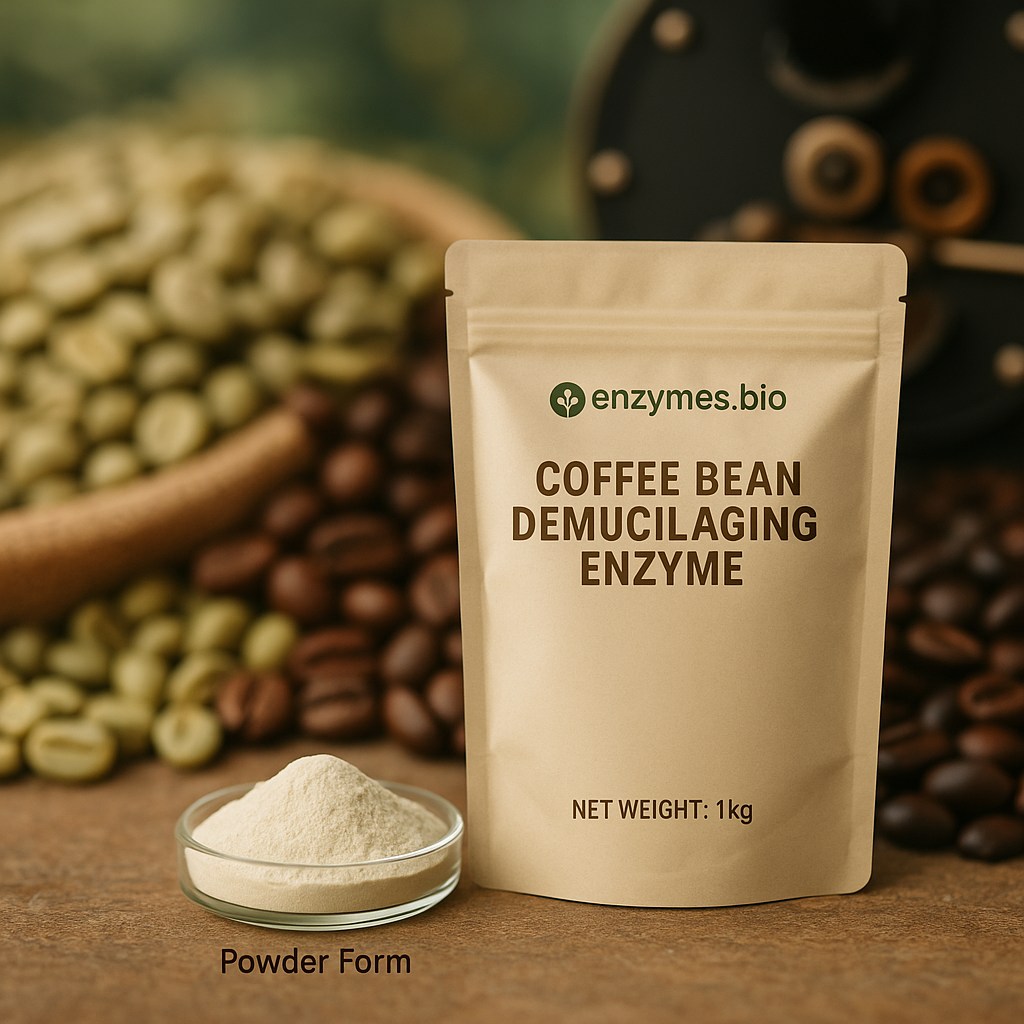
Coffee Green Bean Enzyme Plant Derived Multi Component Enzymatic Preparation for Coffee Processing
A food grade plant derived multi enzyme preparation specially developed for the treatment and surface conditioning of coffee green beans, supporting cleaner appearance, more uniform lots and stable quality in coffee processing.
Product Overview
This Coffee Green Bean Enzyme is a plant derived multi component enzyme preparation designed for use after coffee beans have been hulled and dried to the green bean stage. It is applied during green coffee bean cleaning or polishing steps to help remove residual mucilage traces, parchment particles and surface bound polysaccharides that may remain on the bean after primary processing.
By incorporating this enzyme into coffee green bean treatment processes, producers can achieve cleaner surfaces, more uniform color, improved lot consistency and better preparation of green beans for storage, grading and subsequent roasting. The formulation is suitable for use in coffee mills, green coffee polishing lines and specialty processing facilities that require enhanced quality control at the green bean stage.
Key Features & Benefits
- Designed for coffee green beans – Formulated specifically for use on coffee green beans rather than fresh coffee cherries, targeting the surface layer that may still contain residual polysaccharides, mucilage traces or parchment fragments.
- Cleaner green bean surface – Helps loosen and solubilize surface bound pectins and other carbohydrates, supporting more effective removal of fine residues during washing, soaking, wet polishing or gentle mechanical treatment.
- Improved visual quality – Promotes more uniform bean appearance and color by assisting in the removal of adherent dust, fines and remaining plant material, contributing to a cleaner, more premium look of coffee green beans.
- Support for consistent roasting – More uniform bean surfaces can support more homogeneous heat transfer and moisture behavior during roasting, contributing to improved consistency in flavor development.
- Plant derived and food grade – Enzyme components are derived from established fermentation and plant based systems and produced to food grade specifications, suitable for coffee intended for human consumption.
- Broad operating window – Active over a wide temperature and pH range, compatible with typical water temperatures and process conditions used in coffee green bean cleaning and conditioning.
Enzyme System Composition
The product contains a balanced blend of carbohydrase enzymes tailored to act on coffee related plant polysaccharides:
- Pectinase – Targets pectic substances that may remain as traces on the surface of coffee green beans.
- Hemicellulase – Acts on hemicellulose components that can contribute to residual plant material on beans.
- Cellulase – Assists in weakening cellulose based structures associated with fine parchment particles and husk remnants.
- Lignocellulase related activities – Support the breakdown of tightly associated plant cell wall residues.
- Accessory plant derived carbohydrases – Enhance the overall synergy of the enzyme system for effective green bean surface treatment.
Mechanism of Action on Coffee Green Beans
After hulling and drying, coffee green beans may still carry thin layers or localized patches of residual plant material, such as traces of mucilage, parchment particles, silver skin fragments and fine dust bound to the bean
surface. When Coffee Green Bean Enzyme is applied in a water based treatment step, its enzyme components hydrolyze surface bound polysaccharides that help hold these residues in place. As pectins, hemicelluloses and related polymers are partially broken down, the adhesion between the bean surface and the residual material is reduced. This makes it easier for gentle washing, soaking, tumbling or wet polishing to detach and remove these residues. The result is a cleaner green bean surface, improved lot uniformity and a more controlled preparation of coffee green beans for long term storage and subsequent roasting.
Application & Process Suggestions
Typical application scenarios for coffee green beans include:
- Green coffee bean washing or soaking steps before grading or export.
- Wet polishing or conditioning of green beans to enhance appearance and cleanliness.
- Pre treatment of green beans before long term storage to remove loosely attached residues.
- Quality oriented specialty coffee processing where bean surface cleanliness is critical.
Example process approach:
Fresh coffee cherries → depulping → mixing of depulped coffee with enzyme solution →enzymatic demucilaging period → washing and rinsing → drying → grading → storage / packaging.
Usage Guidelines
Optimal dosage and contact time should be determined through small scale trials, taking into account bean origin, residual material level, process design and desired degree of cleaning or polishing. The following values can be used as a general starting point:
- Recommended dosage: 200–300 g per metric ton of coffee green beans
- Effective temperature range: 15–65 °C
- Effective pH range: 2.5–6.0
- Typical contact time: 30–120 minutes, depending on process intensity and target results
For best performance, disperse the required amount of enzyme in clean water before adding coffee green beans. Ensure adequate mixing or movement so that all beans come into contact with the enzyme solution. Adjust dosage, temperature and time based on trial results and specific processing objectives.
Physical & Product Specifications
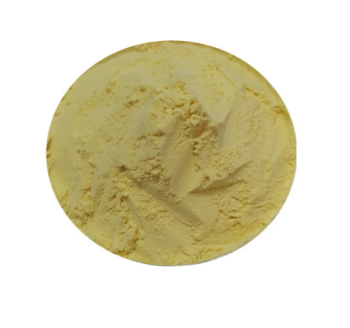
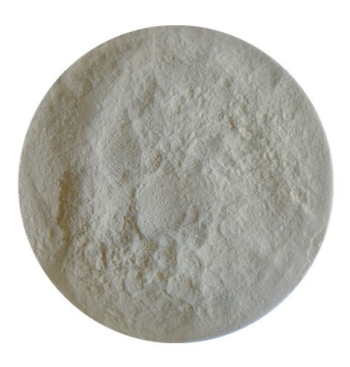
| Appearance | Brown powder |
|---|---|
| Enzyme activity | 35,000 U/g |
| Solubility | Dispersible in water forming a uniform suspension with adequate stirring |
| Recommended dosage | 200–300 g per metric ton of coffee green beans (adjust based on trials) |
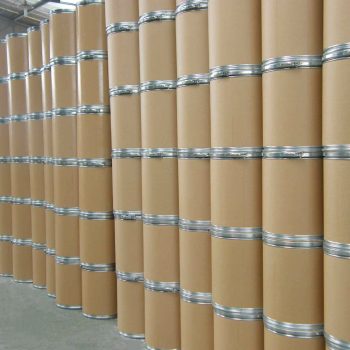
| Packaging | Supplied in 1 kg/bag, sealed food-grade aluminum foil bag. Please note that the product image is for illustration purposes. Actual packaging may differ. |
Storage & Shelf Life
Store the product in its original unopened packaging in a cool, dry and well ventilated area. Avoid exposure to direct sunlight, high humidity or elevated temperatures, as these conditions can accelerate the natural loss of
enzyme activity over time.
- Recommended storage: cool and dry conditions away from heat sources
- Shelf life: typically 12–24 months under proper storage conditions
- After opening: reseal the bag tightly and use as soon as reasonably possible for best results
Handling & Safety
As with all enzyme preparations, it is advisable to minimize dust formation and avoid prolonged inhalation of airborne particles. Follow good industrial hygiene practices during handling and use appropriate protective
equipment where necessary.
- Avoid direct contact with eyes and prolonged skin contact.
- Wash hands and exposed skin with water after handling.
- In case of accidental eye contact, rinse immediately with plenty of water.
- Keep out of reach of children and unauthorized personnel.