
Bulk Lactase Enzyme Supplier
How Lactase Works
Cleaves Lactose
Lactase cleaves the β-galactosidic bond in lactose, producing one molecule each of glucose and galactose. Complete hydrolysis (>99%) eliminates lactose from dairy products, enabling lactose-free labeling.
Increases Sweetness
Glucose and galactose are sweeter than lactose at equivalent concentrations. Lactase treatment increases the perceived sweetness of milk and ice cream by 30–40%, allowing sugar reduction without sacrificing taste.
Improves Processability
Lactose hydrolysis reduces crystallization tendency in concentrated dairy products and ice cream, preventing sandiness. In whey processing, it improves fermentability and powder drying efficiency.
Lactase Applications by Industry
Lactose-Free Milk
Produces lactose-free and reduced-lactose milk (UHT and pasteurized) by in-tank hydrolysis. Complete lactose removal enables labeling for the growing lactose-intolerant consumer market.
Ice Cream & Dairy Desserts
Prevents lactose crystallization (sandiness) in ice cream, sweetened condensed milk, and frozen dairy desserts. Reduces sugar addition needed by 15–25% due to increased monosaccharide sweetness.
Yogurt & Fermented Dairy
Enhances fermentation speed and improves sugar profile in yogurt production. Reduces residual lactose for lactose-sensitive consumers without affecting lactic acid bacteria performance.
Whey Processing
Hydrolyzes lactose in whey permeate to improve fermentability for ethanol or lactic acid production. Also improves spray-drying efficiency of whey concentrate by reducing hygroscopicity.
Nutraceuticals & Kosttilskudd
Used in lactase supplement formulations for lactose-intolerant individuals and in lactase-fortified dairy protein powders for sports and clinical nutrition applications.
Lactase Applications: Process Details, Dosage & Parameters
Lactose-Free Milk Production
Dairy Processing | Cold-Chain Hydrolysis
Funksjon: Neutral lactase (pH optimum 6–7) hydrolyzes lactose into glucose and galactose at cold-chain temperatures (4–8°C), allowing processing with minimal flavor change. Lactose reduction >99% is achievable with correct enzyme dosage and 12–24 hour contact time, meeting the <0.01% lactose threshold for lactose-free claims in most markets.
Typisk dosering: 0.05–0.15% v/v liquid enzyme; 4–8°C; 12–24 hours batch; continuous systems use shorter residence times at higher dose
Bruksområder: UHT lactose-free milk, ESL (extended shelf life) milk, pasteurized lactose-free milk, lactose-free powdered milk.
Relatert guide: Dairy Enzymes — chymosin, lactase & lipase for dairy processing guide →
Ice Cream & Frozen Desserts
Ice Cream | Anti-Crystallization & Texture
Funksjon: Lactose crystallization (sandiness defect) occurs when lactose exceeds solubility limits during freezing. Lactase converts lactose to its more soluble monosaccharide forms, preventing crystallization and improving creaminess. The monosaccharides also lower the freezing point, improving scoopability and meltdown behavior.
Typisk dosering: 0.1–0.3% v/v; add to mix at 40–45°C, hold 30–60 minutes before pasteurization
Bruksområder: Premium ice cream, gelato, frozen yogurt, dairy desserts, reduced-sugar ice cream formulations.
Yogurt & Fermented Dairy
Fermented Dairy | Fermentation Acceleration & Sweetness
Funksjon: Partial lactose hydrolysis provides free glucose and galactose, accelerating fermentation by starter cultures and improving texture consistency. The sweeter profile reduces the need for added sugar. Particularly effective for strained Greek yogurt where lactose concentration is highest.
Typisk dosering: 0.05–0.1% v/v; add to milk after pasteurization cooling to 42°C, before starter culture inoculation
Bruksområder: Greek yogurt, drinkable yogurt, kefir, cultured buttermilk, lactose-free fermented dairy products.
Whey Permeate Processing
Cheese Co-Products | Permeate Valorization
Funksjon: Sweet whey permeate (70–80% lactose dry basis) is a low-value co-product of cheese and WPC production. Acid lactase (pH optimum 3.5–5.5) converts lactose to fermentable sugars for ethanol production, confectionery sweetener syrups, or sports nutrition ingredients, increasing co-product value significantly.
Typisk dosering: 0.1–0.5% v/v acid lactase; pH 4–5; 40–50°C; 2–6 hours reaction time
Bruksområder: Whey permeate sweetener syrups, fermentation substrate, lactose-hydrolyzed WPI, confectionery ingredient production.
Nutraceuticals & Kosttilskudd
Digestive Supplements | Lactose Intolerance Support
Funksjon: Exogenous lactase supplements provide β-galactosidase activity in the small intestine, compensating for reduced endogenous lactase in lactose-intolerant individuals. Supplement-grade acid lactase must survive gastric passage (pH 2–3) and remain active at intestinal pH 5–6 to be effective.
Typisk dosering: 1,000–9,000 ALU (Acid Lactase Units) per serving; taken with first bite of dairy-containing food
Bruksområder: Lactose intolerance dietary supplements, digestive enzyme blends, chewable tablets, capsules, functional foods.
Lactase Products Available Now
-
Salg!
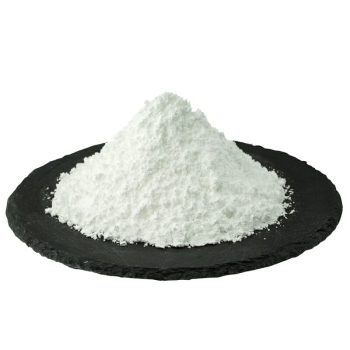 Meierienzymer
Laktasepulver 10000ALU/G Laktaseenzympulver CAS 9031-11-2
$88.00Opprinnelig pris var: $88.00.$79.99Gjeldende pris er: $79.99. Kjøpe -
Salg!
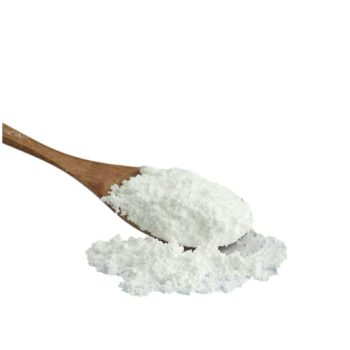 Meierienzymer
Laktaseenzym 100 000ALU/G i pulverform av matkvalitet
$418.00Opprinnelig pris var: $418.00.$376.99Gjeldende pris er: $376.99. Kjøpe -
Salg!
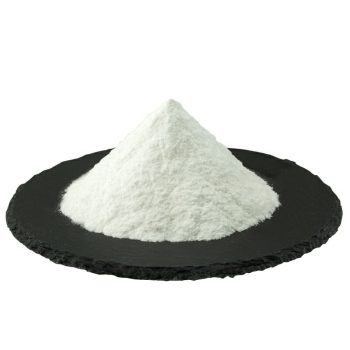 Meierienzymer
Laktasepulver 50000ALU/G Laktaseenzympulver CAS 9031-11-2
$253.00Opprinnelig pris var: $253.00.$227.99Gjeldende pris er: $227.99. Kjøpe -
Salg!
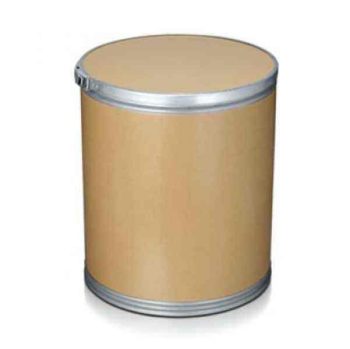 Meierienzymer
1 kg laktaseenzympulver CAS 9031-11-2
$448.00Opprinnelig pris var: $448.00.$403.99Gjeldende pris er: $403.99. Kjøpe -
Salg!
 Meierienzymer
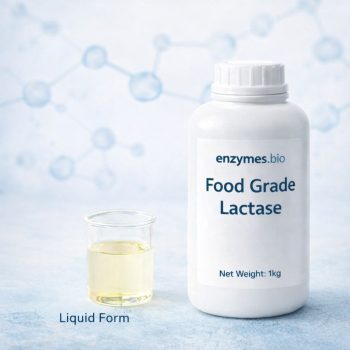
Laktasevæske av næringsmiddelkvalitet
$166.66Opprinnelig pris var: $166.66.$149.99Gjeldende pris er: $149.99. Kjøpe
Why Source Lactase from enzymes.bio?
Lav MOQ fra 1 kg
Fleksible bestillingsmengder fra FoU-prøver til full produksjonskjøring. Oppskalering når du er klar.
Tilpassede forberedelser
Vårt tekniske team formulerer tilpassede enzympreparater som passer nøyaktig til dine spesifikasjoner.
Global frakt
DHL, FedEx og USPS-levering til mer enn 180 land med full sporing. Kaldkjedefrakt er tilgjengelig.
Teknisk støtte
Veiledning fra våre enzymspesialister om dosering, stabilitet og formulering.