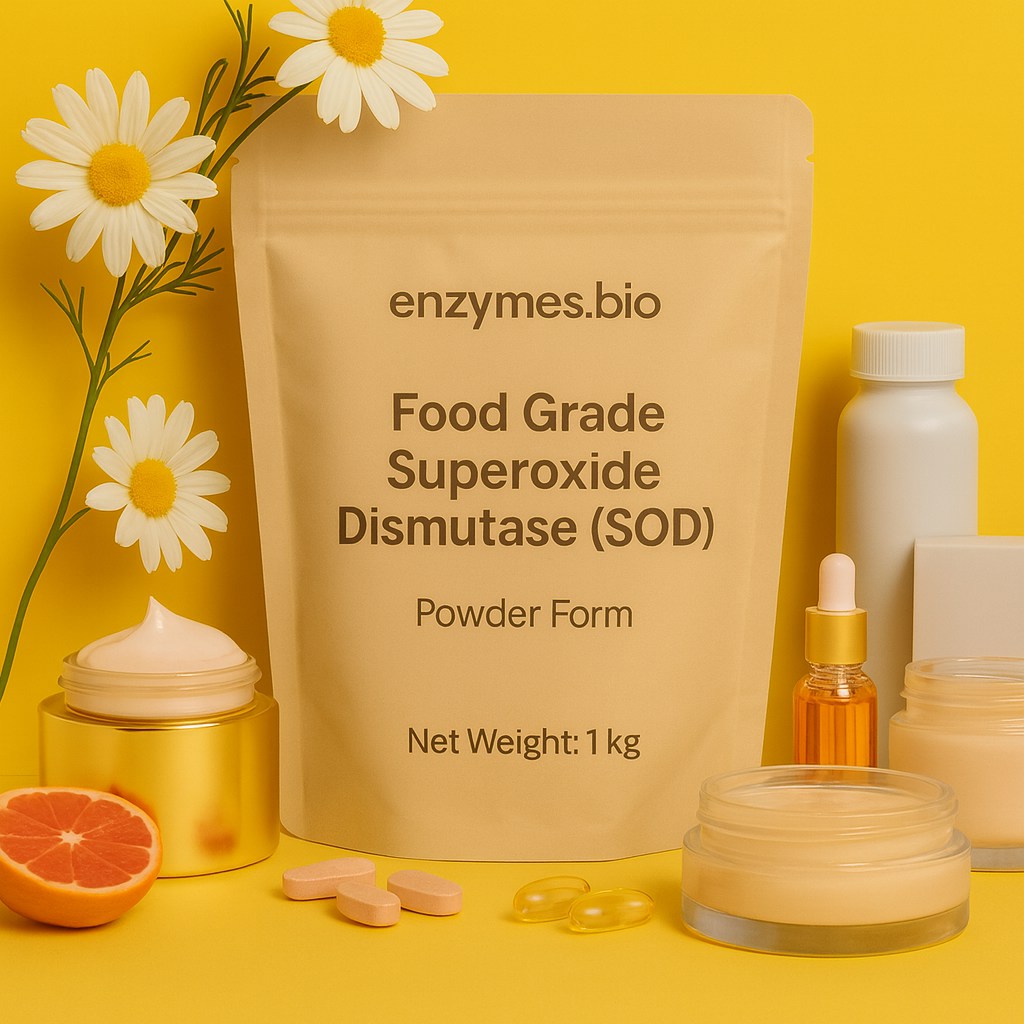
Food Grade Superoxide Dismutase (SOD)
Superoxide Dismutase (SOD) is a key antioxidant enzyme that defends cells against oxidative damage. It catalyzes the conversion of superoxide radicals into oxygen and hydrogen
peroxide, helping to protect bio-macromolecules such as lipids, proteins, and DNA from oxidative stress. Our food grade SOD is produced by advanced microbial fermentation and refined by
multi-step purification, making it suitable for use in food, beverage, and cosmetic manufacturing.
The product is supplied with a declared enzyme activity of 10,000 U/g, providing strong and consistent antioxidant performance in a wide range of applications.
Key Benefits
- Powerful antioxidant activity – efficiently scavenges superoxide radicals and helps reduce oxidative stress.
- Antioxidant function – catalyzes the dismutation of superoxide radicals into oxygen and hydrogen peroxide, used as a functional ingredient in food manufacturing and cosmetic formulations.
- Versatile application – used in functional beverages, cosmetic formulations, animal feed, and food manufacturing.
- Food grade quality – produced under strictly controlled conditions and suitable for inclusion in food manufacturing and commercial applications.
- Good stability – stable within typical food processing pH and temperature ranges when properly handled.
Mechanism of Action
SOD is the first-line enzymatic defense system in many living organisms. It catalyzes the dismutation of superoxide anion radicals (O2•−) into molecular oxygen (O2) and hydrogen peroxide (H2O2):
2 O2•− + 2 H+ → O2 + H2O2
By controlling the level of superoxide radicals, SOD helps prevent lipid peroxidation and oxidative chain reactions. It is commonly found in several isoforms, including Cu/Zn-SOD, Mn-SOD and Fe-SOD, each with specific cofactor metal ions. In formulations, SOD is often used in combination with other antioxidants (e.g. vitamin C, vitamin E) to achieve synergistic effects.
Typical Applications
1. Food & Beverage
- Functional drinks, juices and sports beverages formulated to support antioxidant capacity.
- Fortified dairy, plant-based drinks and nutritional smoothies with antioxidant enzyme ingredients.
- Bakery products, nutrition bars and snack foods requiring improved oxidative stability and freshness.
- Color and flavor protection in high-value fruit and vegetable products.
2. Manufacturing Applications
- SOD is used as a functional enzyme ingredient in food manufacturing, cosmetic formulations, and animal feed production.
- Supplied as a bulk powder for integration into commercial production lines.
- Compatible with various manufacturing processes including spray-drying, blending, and encapsulation.
3. Cosmetics & Personal Care
- Creams, serums and lotions formulated with antioxidant enzyme ingredients for cosmetic applications.
- Sun care and after-sun products as part of an antioxidant complex.
- Brightening and soothing formulations aimed at improving skin tone and resilience.
4. Animal Nutrition
- Feed additives to help enhance antioxidant status in animals.
- Formulations for feed production and animal nutrition manufacturing.
Product Characteristics
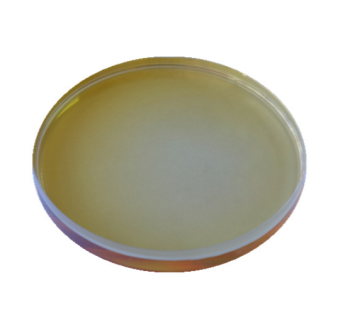
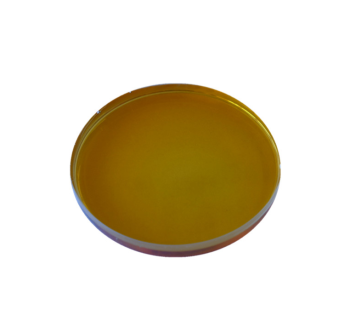
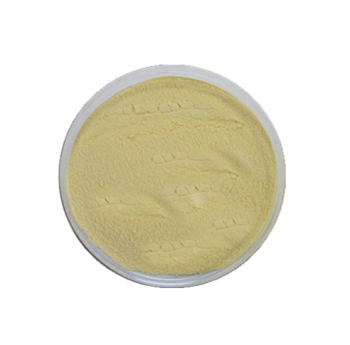
- Appearance: light-colored powder.
- Odor/Taste: neutral, suitable for incorporation into various matrices.
- Solubility: readily soluble in water for easy blending and processing.
- pH (1% solution): typically within pH 4.0–9.5.
- Optimum pH: 7.0–8.5 (may vary slightly depending on formulation and conditions).
- Recommended working temperature: 25–45 °C for best activity.
- Enzyme forms: Effect of metal ions on enzyme activity: Superoxide dismutase is an enzyme commonly found in living organisms, mainly in three types: Cu-SOD, Mn-SOD, and Fe-SOD.
- Declared activity: 10,000 U/g.
Formulation & Processing Guidance
- Add SOD during the cool-down stage of processing whenever possible to minimize heat inactivation.
- Avoid prolonged exposure to temperatures above its recommended working range.
- Maintain the product within a mild pH environment; extreme acidic or alkaline conditions may reduce activity.
- Use in combination with other antioxidants (e.g. vitamin C, polyphenols) for synergistic protection.
- Exact dosage should be determined through pilot trials based on desired SOD activity in the final product and regulatory considerations in the target market.
Advantages in Product Development
- Clean-label friendly: naturally occurring enzyme suitable for food manufacturing applications.
- Flexible usage: compatible with liquids, powders, granules and emulsions.
- Improved shelf life: helps reduce oxidation-related quality loss in sensitive formulations.
- Commercial versatility: suitable for integration into food, cosmetic, and feed manufacturing processes.
Packaging
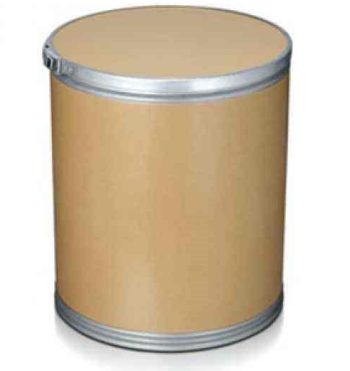
- Standard packaging: 1 kg/bag, sealed food-grade aluminum foil bag.
- Bulk or private-label packaging options may be available upon request.
- Please note that the product image is for illustration purposes. Actual packaging may differ.
Storage & Shelf Life
- Store in a cool, dry place away from direct sunlight.
- Keep the package tightly closed after opening to prevent moisture absorption and loss of activity.
- Under recommended storage conditions, the product typically maintains its declared activity for 12 months.
Note: The recommended usage level and claims should always be adjusted according to local regulations and the specific requirements of the final application.