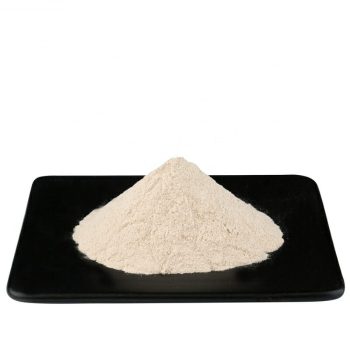
Bulk Alpha-Amylase Enzyme Supplier

Thermostable and medium-temperature alpha-amylase for starch liquefaction, brewing, baking, and biofuel. 3,000–100,000 U/g. Ships to 180+ countries from 1 kg.

How Alpha-Amylase Works

Alpha-amylase (EC 3.2.1.1) is an endo-acting enzyme that cleaves α-1,4-glycosidic bonds within starch chains, rapidly reducing viscosity and producing soluble dextrins and oligomers from gelatinized starch.

Liquefies Starch

Endo-acting alpha-amylase cleaves internal α-1,4 bonds in gelatinized starch, rapidly reducing viscosity from 10,000+ cP to below 100 cP. Essential for starch processing, ethanol production, and brewing mash preparation.

Thermostable Variants

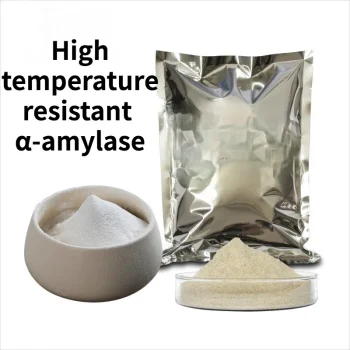
Bacillus licheniformis-derived thermostable alpha-amylase remains active at 80–105°C, enabling high-temperature starch liquefaction without enzyme pre-treatment of gelatinizing starch.

Improves Dough & Crumb

In baking, fungal alpha-amylase (Aspergillus oryzae) generates fermentable sugars from damaged starch, improving yeast activity, crust color, and crumb softness. Active at dough temperatures until inactivated during baking.

Alpha-Amylase Applications by Industry

Alpha-amylase is used wherever rapid starch liquefaction or controlled dextrinization improves process efficiency or product quality.
Biofuel & Ethanol

Thermostable alpha-amylase liquefies corn, wheat, and cassava starch mash at 85–95°C before saccharification. Enables continuous cooking and jet-cooking systems for high-throughput ethanol plants.

Alus darīšana

Medium-temperature alpha-amylase enhances starch conversion in barley and adjunct mashes, improving extract yield and fermentability. Also used in high-gravity brewing to control dextrin levels.

Cepšana

Fungal alpha-amylase standardizes flour performance, improves crust color and crumb softness, and extends shelf life in bread, rolls, and flat breads. Dosed at 20–200 mg/kg flour.

Juice & Extraction

Degrades starch in fruit mash and plant extracts to reduce viscosity, improve filtration, and prevent starch haze in finished juices and extracts.

Dzīvnieku barība

Improves starch digestibility in cereal-based poultry and swine diets, increasing energy availability and reducing feed conversion ratios.

Amylase Applications: Process Details, Dosage & Parameters

Biofuel & Ethanol Production

Starch Liquefaction | High-DS Mash Processing

Funkcija: Alpha-amylase liquefies starch by randomly cleaving alpha-1,4 glycosidic bonds, rapidly reducing viscosity of high-dry-solids (DS) mashes (30–35% DS). This enables efficient pumping and downstream saccharification. Thermostable alpha-amylase (active to 105°C) is preferred for jet cooking and high-temperature liquefaction processes.

Tipiska deva: 0.01–0.1% w/w on starch; 85–95°C liquefaction; pH 5.5–6.5; 30–90 minute residence time

Lietojumprogrammas: Corn ethanol, cassava ethanol, wheat starch liquefaction, sweet potato starch processing, industrial glucose syrup production.

View Amylase Products \u2192

Brewing & Distilling

Brewing | Adjunct Mash Saccharification

Funkcija: Alpha-amylase enables high-adjunct brewing by converting gelatinized starch adjuncts (corn, rice, sorghum) that lack sufficient endogenous enzyme. Combined with glucoamylase, complete saccharification to fermentable sugars is achieved. Bacterial alpha-amylase outperforms malt amylase in high-adjunct and cereal mashing.

Tipiska deva: 0.01–0.1% w/w; add to mash at gelatinization temperature; 60–90 min saccharification

Lietojumprogrammas: High-adjunct lager, rice lager, sorghum beer, whisky wash preparation, rum wort from molasses.

Saistītā rokasgrāmata: Brewing Enzymes — amylase, glucoamylase & beta-glucanase guide →

View Amylase Products \u2192

Baking & Flour Treatment

Baking | Starch Modification & Shelf Life Extension

Funkcija: Fungal alpha-amylase (inactivated at baking temperatures ~65°C) produces fermentable sugars and dextrins, improving yeast fermentation, crust color (Maillard reaction), and crumb softness. Maltogenic amylase (thermostable) delays starch retrogradation, extending bread shelf life by 3–5 days.

Tipiska deva: 1–10 ppm fungal amylase; 1–5 ppm maltogenic amylase; added to flour or at mixing stage

Lietojumprogrammas: Pan bread, rolls, crackers, sweet goods, gluten-free bread, industrial sandwich bread with extended shelf life.

Saistītā rokasgrāmata: Baking Enzymes — amylase, xylanase & protease dosage guide →

View Amylase Products \u2192

Juice & Beverage Clarification

Juice Processing | Starch Haze Removal

Funkcija: Starch haze in apple and pear juice forms when starch granules remain after pressing. Alpha-amylase hydrolyzes residual starch, eliminating haze and preventing post-bottling starch precipitation. Particularly important for early-season apple juice where starch content is highest.

Tipiska deva: 0.01–0.05% w/w; 45–55°C; 30–60 minutes; follow with filtration

Lietojumprogrammas: Apple juice clarification, pear juice processing, grape must starch removal, tropical juice stabilization.

View Amylase Products \u2192

Dzīvnieku barība

Feed Manufacturing | Starch Digestibility Improvement

Funkcija: Exogenous amylase in compound feed improves starch digestibility in young animals (piglets, broiler chicks) with immature digestive enzyme output. Supplemental amylase also unlocks energy from undercooked or raw starch fractions in pelleted feed, improving feed conversion ratio.

Tipiska deva: 100–500 U/g feed; thermostable formulations for pelleting (≥85°C); phytase co-supplementation recommended

Lietojumprogrammas: Broiler, layer, and piglet feeds; starch-rich grain-based diets; high-wheat diets; young animal starter feeds.

View Amylase Products \u2192

Alpha-Amylase Products Available Now

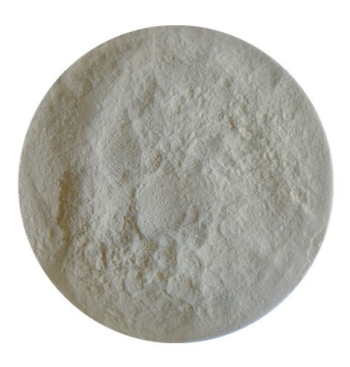
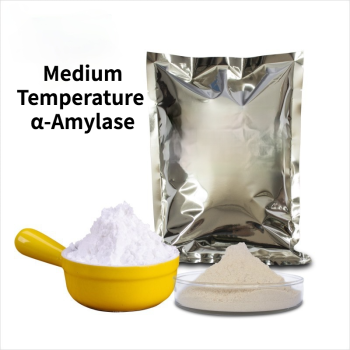
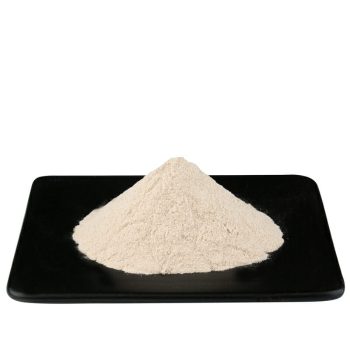
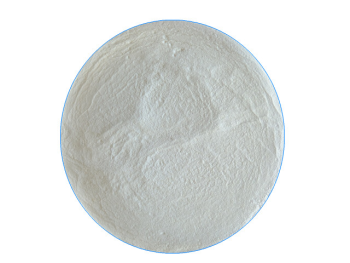
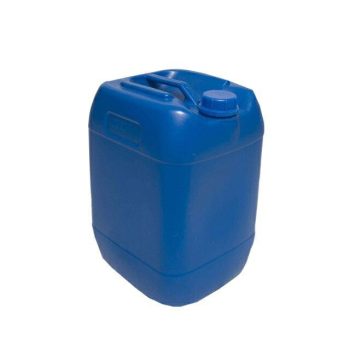
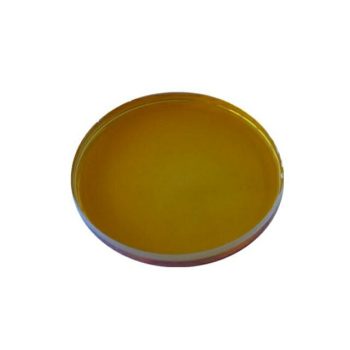
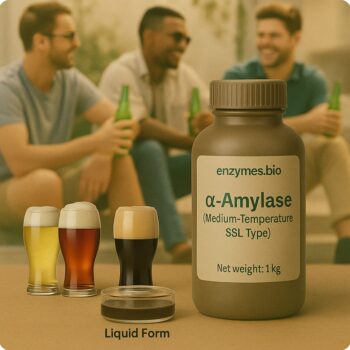
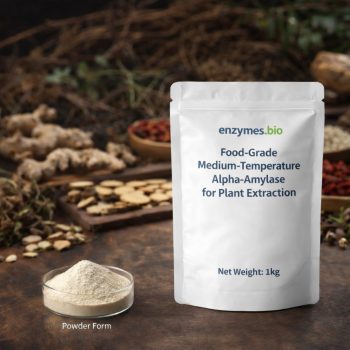
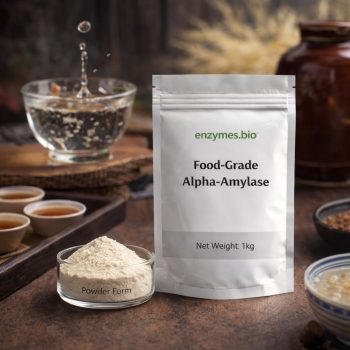
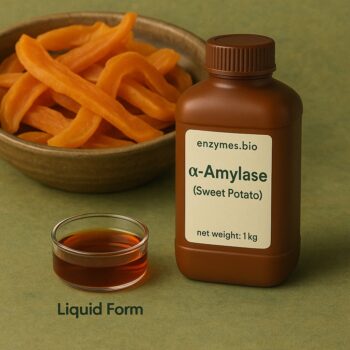
Browse our alpha-amylase range — thermostable, medium-temperature, and fungal grades in powder and liquid. All products ship with certificate of analysis and technical data sheet.

Why Source Alpha-Amylase from enzymes.bio?

Zems MOQ no 1 kg

Elastīgi pasūtījumu daudzumi no pētniecības un izstrādes paraugiem līdz pilnām ražošanas sērijām. Palieliniet, kad esat gatavi.

Pielāgotie preparāti

Mūsu tehniskā komanda izstrādā pielāgotus fermentu preparātus, lai tie atbilstu jūsu precīzai specifikācijai.

Piegāde visā pasaulē

DHL, FedEx un USPS piegāde uz vairāk nekā 180 valstīm ar pilnu izsekošanas iespēju. Pieejama aukstās ķēdes piegāde.

Tehniskais atbalsts

Mūsu enzīmu speciālistu ieteikumi par lietošanu, dozēšanu, stabilitāti un sastāvu.

Biežāk uzdotie jautājumi

Alpha-amylase (endoamylase) randomly cleaves the interior of starch chains, rapidly reducing viscosity and producing oligosaccharides (dextrins). Glucoamylase (exoamylase) cleaves glucose units sequentially from the non-reducing end, producing glucose. For complete saccharification to glucose, both enzymes are used together — alpha-amylase first (liquefaction), then glucoamylase (saccharification).
Fungal alpha-amylase (from Aspergillus) has a lower temperature optimum (50–60°C) and is inactivated by baking temperatures, making it ideal for baking applications. Bacterial alpha-amylase (from Bacillus) is thermostable (active to 90–105°C), making it ideal for starch liquefaction, ethanol, and brewing applications.
Minimum order is 1 kg for trial/sample purposes. Commercial quantities available in 25 kg drums and 200 kg IBC totes for liquid amylase. We stock multiple grades and can ship most orders within 3–5 business days.
Yes — our food-grade amylases are produced by GRAS-recognized microorganisms and meet FCC (Food Chemicals Codex) specifications. Documentation includes CoA, Allergen Statement, TDS, and GRAS Notice reference for each product.
Yes — amylase improves gluten-free bread structure and shelf life by modifying starch from rice, corn, potato, and tapioca. In gluten-free formulations, maltogenic amylase is especially effective for anti-staling, as gluten-free bread stales faster than wheat bread due to higher starch content.
Fungal alpha-amylase: 45–60°C, pH 4.5–5.5. Bacterial alpha-amylase: 70–90°C, pH 5.5–7.0. Thermostable bacterial grades (jet-cooking): up to 105°C. Always confirm temperature and pH requirements with the specific grade — activity varies significantly between sources.
Typical dosage for corn mash liquefaction (32–35% DS): 0.02–0.06% w/w thermostable alpha-amylase at 85–90°C for 30–60 minutes. Calcium (50–100 ppm Ca²⁺) is required as a cofactor for most bacterial amylases. We supply technical data sheets with recommended calcium supplementation protocols.
Yes — amylase is routinely combined with glucoamylase (for complete saccharification), protease (for FAN production in brewing), beta-glucanase (for viscosity reduction), and phytase (in feed applications). We can advise on compatible enzyme combinations and supply multi-enzyme blends.
Alpha-amylase activity is measured in SKB units, KNU (Kilo Novo Units), or FAU (Fungal Amylase Units) depending on the assay method. Glucoamylase is measured in AGU (Amyloglucosidase Units) or GAU. Our product datasheets specify the assay method and activity for each grade.
Liquid amylase: store at 4–15°C, 12 months. Dry/granular amylase: store at ≤25°C, 18–24 months in sealed packaging. Activity declines over time — always verify activity on receipt and before use. We guarantee activity to the stated expiry date when stored per label conditions.

Ready to Order Bulk Alpha-Amylase?

Pieprasiet paraugu, saņemiet tehnisko datu lapu vai pieprasiet cenas piedāvājumu. Mēs atbildam 24 stundu laikā.