
Fornecedor de enzima catalase a granel
Como funciona a catalase
Decomposição rápida de H₂O₂
A catalase converte H₂O₂ → H₂O + ½O₂ com extrema velocidade (kcat >200.000 s-¹). Mesmo vestígios de resíduos de peróxido são eliminados em minutos a temperaturas de processo típicas.
Previne os danos oxidativos
O peróxido de hidrogénio residual provoca sabores estranhos em produtos alimentares e bebidas, inibe a fermentação de leveduras e danifica os corantes têxteis. A catalase assegura a remoção completa antes do processamento a jusante.
Reduz o consumo de água
No processamento têxtil, a catalase elimina o peróxido de branqueamento residual num único passo enzimático - substituindo vários ciclos de enxaguamento com água e reduzindo o consumo de água em 30-50%.
Aplicações da catalase por sector
Processamento de Laticínios
Remove o H₂O₂ residual do leite esterilizado a frio, da salmoura de queijo e dos produtos à base de ovos após o tratamento com peróxido, evitando os sabores desagradáveis oxidativos e garantindo a conformidade com a segurança alimentar.
Têxteis
Elimina os resíduos de peróxido após o branqueamento do algodão num único passo enzimático, substituindo vários enxaguamentos com água. Reduz o consumo de água em até 50% e diminui a inconsistência da tintura causada pela transferência de peróxido.
Fabrico de cerveja e fermentação
Destrói o H₂O₂ residual após a esterilização do equipamento antes da inoculação. Protege a viabilidade da levedura e o desempenho da fermentação na produção de vinho, cerveja e bioetanol.
Alimentação e bebidas
Utilizado no processamento de sumos, ácido glucónico e condimentos para decompor o H₂O₂ antes da fermentação ou embalagem. Está em conformidade com os regulamentos de aditivos alimentares para aplicações de contacto direto com os alimentos.
Tratamento de águas residuais
Neutraliza rapidamente o peróxido de hidrogénio em efluentes industriais antes da descarga, reduzindo a carga oxidante e cumprindo os limites de descarga ambiental para instalações alimentares, têxteis e farmacêuticas.
Aplicações da catalase: Detalhes do processo, dosagem e parâmetros
Processamento de Laticínios
Lácteos | Remoção de H₂O₂ após pasteurização a frio
Função: A pasteurização a frio (tratamento com H₂O₂) é usada para o pré-tratamento do leite cru em alguns mercados, particularmente onde a pasteurização a quente não está disponível. O H₂O₂ residual deve ser completamente removido antes do processamento posterior. A catalase decompõe rapidamente o H₂O₂ em água e oxigénio (2H₂O₂ → 2H₂O + O₂) sem deixar qualquer resíduo, cumprindo os requisitos de segurança alimentar.
Dosagem típica: 100-300 U/L de leite; adicione após o tratamento com H₂O₂; 5-15 minutos de tempo de contacto a 4-20°C; verifique a remoção completa do H₂O₂ com uma tira de teste de peróxido
Aplicações: Pasteurização a frio do leite cru, preparação de leite para queijo, produtos lácteos tratados com H₂O₂ nos mercados em desenvolvimento, processamento de soro de leite.
Guia relacionado: Enzimas lácteas - quimosina, catalase e lactase para processamento de produtos lácteos →
Processamento de têxteis
Têxteis | Neutralização do H₂O₂ após branqueamento
Função: O branqueamento do algodão utiliza H₂O₂ a 1-5 g/L para obter a brancura do tecido. O H₂O₂ residual após o branqueamento deve ser neutralizado antes do tingimento - se o H₂O₂ estiver presente, oxida e destrói os corantes reactivos, causando uma cor irregular. A neutralização da catalase substitui os agentes redutores (bissulfito de sódio, tiossulfato de sódio), reduzindo o custo químico e a carga de efluentes.
Dosagem típica: Banho de 100-500 U/L; 20-40°C; 10-20 minutos; pH 6-8; verifique com a tira de teste de H₂O₂ peroxidase antes de tingir
Aplicações: Branqueamento do algodão após a lavagem, neutralização do peróxido de hidrogénio antes do tingimento reativo, tratamento de efluentes de fábricas têxteis.
Guia relacionado: Enzimas para detergentes - protease, lipase e amilase para têxteis e lavandaria →
Fabrico de cerveja e fermentação
Cerveja | Prevenção do stress oxidativo
Função: O H₂O₂ gerado durante a brassagem e a fermentação causa danos oxidativos aos componentes do mosto e às células da levedura, acelerando o empedramento. A adição de catalase protege os compostos sensíveis do sabor e prolonga a viabilidade da levedura durante a fermentação de alta gravidade. Também é utilizada em sistemas de arejamento para evitar a acumulação de H₂O₂ proveniente de reacções de oxidação enzimática.
Dosagem típica: 50-200 U/L; adicione ao mosto ou ao recipiente de fermentação; compatível com as condições normais de inoculação da levedura
Aplicações: Fabrico de cerveja lager de alta gravidade, fermentação de longa duração, manutenção da saúde da levedura, produção de cervejas especiais sensíveis ao sabor.
Processamento de alimentos e bebidas
Indústria alimentar | Sistemas de conservação à base de H₂O₂
Função: O H₂O₂ é utilizado como esterilizante para embalagens assépticas (tetra pak, garrafas PET) e como tratamento antimicrobiano a frio para produtos frescos e sumos. A catalase proporciona uma neutralização controlada do H₂O₂ após o tratamento de esterilização, garantindo a ausência de H₂O₂ residual no produto final.
Dosagem típica: 50-200 U/g de produto; 4-25°C; 5-15 minutos de contacto; combine com o ensaio de verificação para conformidade regulamentar
Aplicações: Limpeza de esterilização de embalagens assépticas, tratamento de lavagem de produtos frescos H₂O₂, conservação de sumos a frio, esterilização de superfícies de contacto com alimentos.
Tratamento de águas residuais
Efluente Industrial | Neutralização de H₂O₂
Função: Os processos industriais que utilizam H₂O₂ (branqueamento, esterilização, síntese química) geram efluentes que contêm H₂O₂. A descarga de H₂O₂ acima dos níveis limite (tipicamente >1 ppm) é regulada devido à toxicidade aquática. A catalase proporciona uma neutralização rápida, de baixo custo e ambientalmente limpa do H₂O₂ sem adicionar resíduos químicos redutores.
Dosagem típica: 100-500 U/L de efluente; temperatura ambiente; 10-30 minutos de contacto; pH 6-9; verificar com tira-teste de peróxido
Aplicações: Efluentes de fábricas de têxteis, águas residuais de fábricas de lacticínios, descargas de processamento de alimentos, efluentes de fabrico de produtos farmacêuticos, tratamento de resíduos hospitalares.
Produtos Catalase disponíveis agora
Top picks: High Purity Catalase Powder 200,000u/g | Supplement Food Grade Catalase Powder 100,000 U/g
-
Oferta!
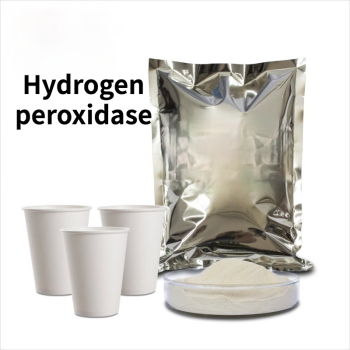 Catalase
Catalase Enzima Peróxido de Hidrogênio Decompondo Enzima Desoxigenase 50.000 U/g Catalase de Grau Alimentício
US$88.00O preço original era: US$88.00.US$79.99O preço atual é: US$79.99. Comprar -
Oferta!
 Catalase
Suplemento de qualidade alimentar Melhor preço Catalase Enzima Catalase em pó 100 000 U/g
US$160.00O preço original era: US$160.00.US$143.99O preço atual é: US$143.99. Comprar -
Oferta!
 Catalase
Pó de enzima catalase natural de alta pureza CAS 9001-05-2 Alta atividade enzimática 200 000u/g a granel
US$215.00O preço original era: US$215.00.US$193.99O preço atual é: US$193.99. Comprar -
Oferta!
 Catalase
Catalase em pó 100000u/g CAS 9001-05-2 Enzima pura Catalase em pó
US$128.00O preço original era: US$128.00.US$115.99O preço atual é: US$115.99. Comprar -
Oferta!
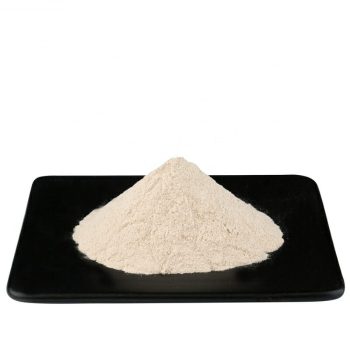 Catalase
Pó de enzima catalase a granel natural puro CAS 9001-05-2 Alta atividade enzimática 50.000 u/g
US$112.00O preço original era: US$112.00.US$100.99O preço atual é: US$100.99. Comprar -
Oferta!
 Catalase
Enzima Catalase – Hidrólise de Peróxido de Hidrogênio por Catalase 400.000 U/g Líquido
US$88.00O preço original era: US$88.00.US$79.99O preço atual é: US$79.99. Comprar -
Oferta!
 Catalase
Enzima Catalase Líquida ≥400.000 U/ml CAS 9001-05-2
US$88.88O preço original era: US$88.88.US$79.99O preço atual é: US$79.99. Comprar -
Oferta!Catalase
Catalase em pó 20000u/g CAS 9001-05-2 Fornecimento de fábrica Catalase Enzima em pó
US$109.00O preço original era: US$109.00.US$98.99O preço atual é: US$98.99. Comprar -
Oferta!
 Catalase
Enzima Catalase Líquida Para Têxteis – Enzima Assassina de Peróxido
US$98.00O preço original era: US$98.00.US$88.99O preço atual é: US$88.99. Comprar -
Oferta!
 Catalase
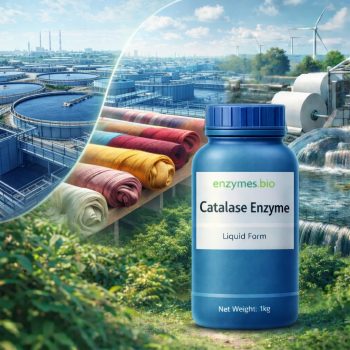
Enzima catalase para tratamento de águas residuais
US$122.22O preço original era: US$122.22.US$109.99O preço atual é: US$109.99. Comprar -
Oferta!
 Catalase
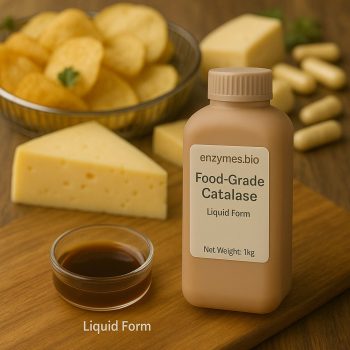
Catalase Alimentar para Decomposição de H₂O₂
US$127.77O preço original era: US$127.77.US$124.99O preço atual é: US$124.99. Comprar -
Oferta!
 Catalase
Enzima catalase líquida para remoção de peróxido de hidrogênio residual na indústria têxtil
US$82.00O preço original era: US$82.00.US$73.99O preço atual é: US$73.99. Comprar
Porquê obter a catalase do enzymes.bio?
Baixo MOQ a partir de 1 kg
Quantidades de encomenda flexíveis, desde amostras de I&D até séries de produção completas. Aumente a escala quando estiver pronto.
Preparações personalizadas
A nossa equipa técnica formula preparações enzimáticas personalizadas para corresponder às suas especificações exactas.
Envio global
DHL, FedEx e USPS para mais de 180 países com rastreio completo. Envio em cadeia de frio disponível.
Suporte técnico
Orientação de aplicação dos nossos especialistas em enzimas sobre dosagem, estabilidade e formulação.