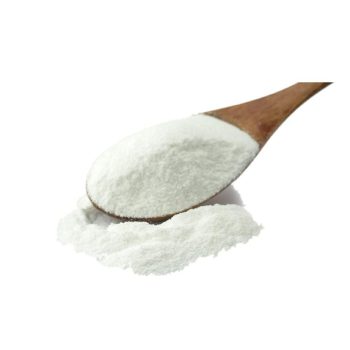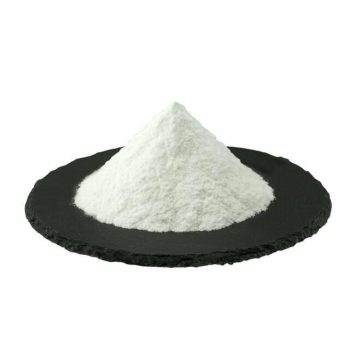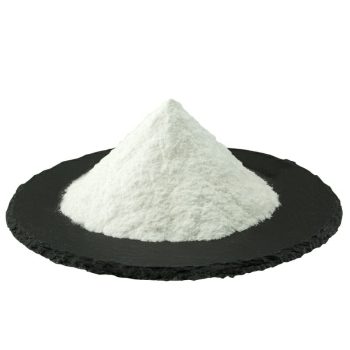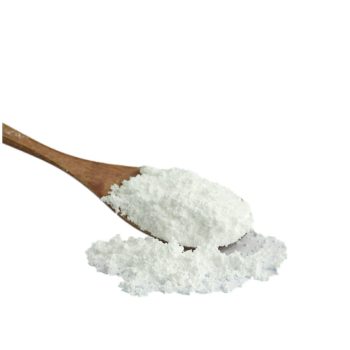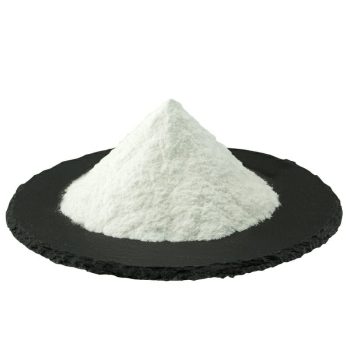
Bulk Invertase Enzyme Supplier

Food-grade invertase for confectionery, invert sugar, and beekeeping. 30,000–200,000 U/g. Ships to 180+ countries from 1 kg. Certificate of analysis with every batch.

How Invertase Works

Invertase (sucrase, EC 3.2.1.26) hydrolyzes sucrose into glucose and fructose — the equimolar mixture known as invert sugar — which is sweeter, more soluble, and resists crystallization.

Cleaves Sucrose

Invertase cleaves the glycosidic bond in sucrose, producing equal parts glucose and fructose. The reaction is irreversible under process conditions and proceeds without co-factors.

결정화 방지

Invert sugar has a lower crystallization tendency than sucrose, making it ideal for soft-center chocolates, fondants, and liquid sugar syrups requiring long shelf stability.

Improves Fermentability

Glucose and fructose are directly fermentable by yeast without prior hydrolysis, improving fermentation speed and completeness in beverage and bioethanol applications.

Invertase Applications by Industry

Invertase is used wherever sucrose hydrolysis improves product quality, shelf life, or process efficiency.
Confectionery

Used in soft-center chocolates, fondants, and cream fillings to prevent sugar crystallization. Invert sugar keeps centers soft and extends shelf life by up to 6 months.

양조 및 음료

Produces invert sugar syrup for priming ales and improving yeast fermentation in wine, mead, and cider. Faster fermentation and cleaner flavor compared to direct sucrose addition.

Beekeeping

Converts sucrose to invert sugar in artificial bee feed syrups, replicating the composition of natural nectar and improving digestibility and acceptance by colonies.

Liquid Sugar & Syrups

Enables higher solids concentration in liquid sugar without crystallization. Used by beverage manufacturers and industrial processors requiring stable high-Brix syrups.

Food Manufacturing

Improves sweetness profile in bakery, dairy, and processed food applications without adding bulk. Invert sugar is 20–25% sweeter than sucrose at equivalent weight.

Invertase Applications: Process Details, Dosage & Parameters

Confectionery (Soft Centers)

Chocolate & Confectionery | Fondant Liquefaction

기능: Invertase (beta-fructofuranosidase) cleaves sucrose into glucose and fructose (invert sugar). In chocolate confectionery, invertase is added to fondant-filled chocolates before enrobing. As the fondant sits inside the chocolate shell, invertase gradually liquefies the sucrose fondant to a soft, creamy center over 5–14 days. This is the classical and most important confectionery application.

일반적인 복용량: 0.01–0.05% w/w (based on fondant weight); 20–25°C; add at fondant preparation stage, before enrobing; liquefaction complete in 7–14 days at ambient temperature

응용 프로그램: Rum truffle centers, cherry cordials, cream fondant chocolates, soft-center chocolates, liqueur chocolates.

View Invertase Products \u2192

양조 및 발효

Brewing | Sucrose Inversion for Fermentation Efficiency

기능: Brewer’s yeast (Saccharomyces cerevisiae) produces its own invertase, so direct sucrose inversion is not strictly required in standard brewing. However, pre-inversion with exogenous invertase is preferred in high-adjunct brewing (sucrose or molasses addition) to ensure complete, rapid fermentation without off-flavor formation from yeast invertase activity under stress conditions.

일반적인 복용량: 0.01–0.05% w/w; add to sucrose or molasses before pitching; 25–35°C; 30–60 minutes for complete inversion

응용 프로그램: High-adjunct brewing with sucrose addition, rum and cachaça fermentation from sugarcane juice/molasses, cider production, high-gravity wort preparation.

관련 가이드: Brewing Enzymes — amylase, glucoamylase & fermentation enzyme guide →

View Invertase Products \u2192

Beekeeping & Honey Substitutes

Apiculture | Honey Ripening Acceleration

기능: Natural honey contains invertase secreted by bees, which converts sucrose from nectar to glucose and fructose during ripening. For honey substitutes, processed honey products, or bee candy preparations, exogenous invertase accelerates or supplements sucrose inversion where bee-produced enzyme is insufficient. This is relevant for winter feed syrups and nucleus colony feeding.

일반적인 복용량: 50–200 U/kg sugar syrup; 30–40°C; 1–4 hours; pH 4.5–6.0

응용 프로그램: Honey substitute production, bee winter feed syrup inversion, nucleus colony feeding supplements, commercial honey processing acceleration.

View Invertase Products \u2192

Liquid Sugar & Invert Syrup

Sugar Processing | Invert Sugar Production

기능: Invert sugar syrup (50% glucose + 50% fructose) is sweeter than sucrose (110% relative sweetness), hygroscopic (keeps baked goods moist), and resistant to crystallization. Enzymatic inversion with invertase is preferred over acid hydrolysis (HCl) because it produces a purer product with no mineral salt residues, better flavor profile, and simpler process control.

일반적인 복용량: 0.01–0.1% w/w on sucrose; 50–60°C; pH 4–5; 1–4 hours; complete inversion verified by refractive index and optical rotation

응용 프로그램: Industrial invert sugar production, bakery and confectionery invert syrup, jam and preserve manufacturing, soft drink production.

View Invertase Products \u2192

Food Manufacturing

Food Industry | Crystallization Prevention & Sweetener Systems

기능: Invert sugar from invertase treatment provides superior hygroscopicity over sucrose, keeping confectionery, baked goods, and preserved foods moist during shelf life. Fructose (from inversion) is more soluble than sucrose and does not crystallize in high-moisture foods. This extends product shelf life and maintains soft texture in baked goods, jams, and soft confectionery.

일반적인 복용량: 0.01–0.05% w/w in production batch; 40–60°C; pH 4–5; hold until complete inversion by measurement

응용 프로그램: Moist cake and cookie production, jam and marmalade anti-crystallization, soft confectionery texture, ketchup and sauce sweetener systems.

View Invertase Products \u2192

Invertase Products Available Now

Browse our invertase range — food-grade powder grades from 30,000 to 200,000 U/g. All products ship with certificate of analysis and technical data sheet.

Why Source Invertase from enzymes.bio?

1kg부터 낮은 MOQ

R&D 샘플부터 전체 생산 실행까지 유연한 주문 수량을 제공합니다. 준비되면 확장하세요.

사용자 지정 준비

당사의 기술팀은 고객의 정확한 사양에 맞게 맞춤형 효소 제제를 제조합니다.

글로벌 배송

180개 이상의 국가로 DHL, FedEx, USPS를 통해 배송되며 전체 추적이 가능합니다. 콜드체인 배송이 가능합니다.

기술 지원

효소 전문가의 복용량, 안정성 및 제형에 대한 응용 지침을 확인하세요.

자주 묻는 질문

Invertase (beta-fructofuranosidase, EC 3.2.1.26) cleaves the glycosidic bond in sucrose, producing equimolar amounts of glucose and fructose — collectively called invert sugar. The name “invertase” comes from the optical rotation inversion: sucrose rotates polarized light clockwise (+66.5°), while the resulting invert sugar rotates counterclockwise (-20°).
Invertase activity is measured in INVU (Invertase Units) — one unit converts 1 µmol sucrose per minute at defined conditions (pH 4.5, 30°C typically). Some suppliers use SU (Summer Units) or U/mL. Our product datasheets specify the assay and activity for each grade. For confectionery applications, activity is often expressed as mg sucrose hydrolyzed per mg enzyme per minute.
Minimum order is 1 kg for sample/trial. Commercial quantities in 5 kg, 25 kg drums, and liquid formats. Invertase is available in powder and liquid formulations — liquid forms are easier to incorporate in fondant and confectionery applications. Most orders ship within 3–5 business days.
Yes — our food-grade invertase is produced by Saccharomyces cerevisiae (baker’s yeast) and meets FCC specifications. It holds GRAS status and is approved in all major food markets. Documentation: CoA, TDS, GRAS reference, and Allergen Statement available for each batch.
Liquid invertase is blended into the fondant (sucrose-based soft center) before chocolate enrobing. Inside the sealed chocolate shell, invertase gradually converts the crystalline sucrose fondant to liquid invert sugar over 7–14 days at room temperature. The process relies on the fondant remaining sealed — any moisture loss will slow inversion. Correct dosage and uniform blending are critical for consistent liquefaction timing.
Invertase (Saccharomyces origin): optimal at 50–60°C, pH 4.0–5.0. It remains active at room temperature (20–25°C) — just more slowly, which is why fondant liquefaction takes 7–14 days at ambient temperature but only 1–2 hours at 50°C. For industrial invert syrup production, 50–60°C with pH 4.5 is standard for complete inversion in 1–4 hours.
No — invertase produces invert sugar (50% glucose + 50% fructose). True HFCS (55% fructose) requires glucose isomerase to convert glucose to fructose after initial saccharification. Invertase is used for standard invert sugar production; glucose isomerase is a separate enzyme for high-fructose applications.
Yes — invertase and sucrase are the same enzyme (EC 3.2.1.26, beta-fructofuranosidase). “Sucrase” is the name used in human/animal physiology contexts (the intestinal enzyme that digests sucrose); “invertase” is the industrial and biochemistry terminology. The enzyme and reaction are identical.
For classic rum truffle fondant: 0.01–0.03% w/w liquid invertase (based on fondant weight). Blend thoroughly at fondant preparation stage (35–40°C, before cooling and crystallization). At 0.02% with 70% sucrose fondant at 22°C, liquefaction takes approximately 10–14 days. Higher activity invertase or elevated storage temperature accelerates the process.
Liquid invertase: store at 4–10°C, use within 12 months. Do not freeze liquid formulations. Powder invertase: store at ≤25°C, 12–18 months in sealed packaging. Invertase activity decreases above 60°C — avoid hot storage. Always check activity before use, especially if product has been stored near the expiry date or in warm conditions.

Ready to Order Bulk Invertase?

샘플을 요청하거나 기술 데이터 시트를 받거나 대량 견적을 요청하세요. 24시간 이내에 답변해 드립니다.