
Dodavatel katalázového enzymu
Jak kataláza funguje
Rychlý rozklad H₂O₂
Kataláza přeměňuje H₂O₂ → H₂O + ½O₂ s extrémní rychlostí (kcat >200 000 s-¹). Dokonce i stopové zbytky peroxidu jsou při běžných procesních teplotách odstraněny během několika minut.
Zabraňuje oxidačnímu poškození
Zbytkový peroxid vodíku způsobuje nepříjemné chutě v potravinách a nápojích, inhibuje kvasinky a poškozuje textilní barviva. Kataláza zajišťuje jeho úplné odstranění před následným zpracováním.
Snižuje spotřebu vody
Při zpracování textilu kataláza odstraňuje zbytky peroxidu při bělení v jediném enzymatickém kroku - nahrazuje několik cyklů oplachování vodou a snižuje spotřebu vody o 30-50%.
Aplikace katalázy podle odvětví
Zpracování mléčných výrobků
Odstraňuje zbytky H₂O₂ z mléka sterilovaného za studena, sýrového nálevu a vaječných výrobků po ošetření peroxidem, čímž zabraňuje vzniku oxidačních pachutí a zajišťuje dodržování bezpečnosti potravin.
Textil
Odstraňuje zbytky peroxidu po bělení bavlny v jediném enzymatickém kroku a nahrazuje tak několikanásobné oplachování vodou. Snižuje spotřebu vody až o 50% a snižuje nekonzistenci barviva způsobenou přenosem peroxidu.
Vaření piva a kvašení
Ničí zbytky H₂O₂ po sterilizaci zařízení před očkováním. Chrání životaschopnost kvasinek a kvasný výkon při výrobě vína, piva a bioetanolu.
Potraviny a nápoje
Používá se při zpracování šťáv, kyseliny glukonové a koření k rozkladu H₂O₂ před fermentací nebo balením. Vyhovuje předpisům pro potravinářské přídatné látky pro přímý styk s potravinami.
Čištění odpadních vod
Rychle neutralizuje peroxid vodíku v průmyslových odpadních vodách před vypouštěním, snižuje zatížení oxidanty a splňuje limity pro vypouštění do životního prostředí v potravinářských, textilních a farmaceutických provozech.
Aplikace katalázy: Podrobné informace o procesu, dávkování a parametrech
Zpracování mléčných výrobků
Mléčné výrobky | Odstranění H₂O₂ po studené pasterizaci
Funkce: Na některých trzích se k předúpravě syrového mléka používá pasterace za studena (ošetření H₂O₂), zejména tam, kde není tepelná pasterace dostupná. Zbytky H₂O₂ musí být před dalším zpracováním zcela odstraněny. Kataláza rychle rozkládá H₂O₂ na vodu a kyslík (2H₂O₂ → 2H₂O + O₂), aniž by zanechávala zbytky, což splňuje požadavky na bezpečnost potravin.
Typické dávkování: 100-300 U/l mléka; přidat po ošetření H₂O₂; 5-15 minut kontaktu při 4-20 °C; ověřit úplné odstranění H₂O₂ pomocí peroxidového testovacího proužku.
Aplikace: Pasterizace syrového mléka za studena, příprava sýrového mléka, mléčné výrobky ošetřené H₂O₂ na rozvojových trzích, zpracování syrovátky.
Související průvodce: Mléčné enzymy - chymozin, kataláza a laktáza pro zpracování mléka →
Zpracování textilu
Textilie | H₂O₂ Neutralizace po bělení
Funkce: Při bělení bavlny se používá H₂O₂ v množství 1-5 g/l, aby se dosáhlo bělosti tkaniny. Zbytky H₂O₂ po bělení musí být před barvením neutralizovány - pokud je H₂O₂ přítomen, oxiduje a ničí reaktivní barviva, což způsobuje nerovnoměrné zbarvení. Neutralizace katalázou nahrazuje redukční činidla (disiřičitan sodný, thiosíran sodný), čímž se snižují náklady na chemikálie a zatížení odpadních vod.
Typické dávkování: 100-500 U/l lázeň; 20-40 °C; 10-20 minut; pH 6-8; před barvením ověřte pomocí testovacího proužku H₂O₂ peroxidázy.
Aplikace: Bělení bavlny po praní, neutralizace peroxidu vodíku před reaktivním barvením, čištění odpadních vod z textilních závodů.
Související průvodce: Enzymy pro prací prostředky - proteáza, lipáza a amyláza pro textilní a prací prostředky →
Vaření piva a kvašení
Pivovarnictví | Prevence oxidačního stresu
Funkce: H₂O₂ vznikající během rmutování a kvašení způsobuje oxidační poškození složek mladiny a kvasničných buněk, což urychluje kvašení. Přídavek katalázy chrání citlivé chuťové složky a prodlužuje životaschopnost kvasinek během kvašení s vysokou gramáží. Používá se také v provzdušňovacích systémech, aby se zabránilo hromadění H₂O₂ z enzymatických oxidačních reakcí.
Typické dávkování: 50-200 U/L; přidejte do mladiny nebo kvasné nádoby; kompatibilní se standardními podmínkami pro nadýmání kvasinek
Aplikace: Vaření ležáků s vysokou stupňovitostí, dlouhotrvající kvašení, udržování zdraví kvasinek, výroba speciálních piv citlivých na chuť.
Zpracování potravin a nápojů
Potravinářský průmysl | Konzervační systémy na bázi H₂O₂
Funkce: H₂O₂ se používá jako sterilizační prostředek pro aseptické obaly (tetrapaky, PET lahve) a jako studený antimikrobiální přípravek pro čerstvě řezané produkty a šťávy. Kataláza zajišťuje řízenou neutralizaci H₂O₂ po sterilizačním ošetření, čímž zajišťuje, že v konečném produktu nejsou zbytky H₂O₂.
Typické dávkování: 50-200 U/g výrobku; 4-25 °C; 5-15 minut kontaktu; kombinujte s ověřovacím testem pro splnění požadavků předpisů.
Aplikace: Aseptická sterilizace obalů, sterilizace čerstvých produktů, mytí H₂O₂, konzervace šťáv za studena, sterilizace povrchů přicházejících do styku s potravinami.
Čištění odpadních vod
Průmyslové odpadní vody | Neutralizace H₂O₂
Funkce: Průmyslové procesy využívající H₂O₂ (bělení, sterilizace, chemická syntéza) vytvářejí odpadní vody obsahující H₂O₂. Vypouštění H₂O₂ nad mezní hodnoty (obvykle > 1 ppm) je regulováno z důvodu toxicity pro vodní prostředí. Kataláza zajišťuje rychlou, levnou a ekologicky čistou neutralizaci H₂O₂ bez přidávání redukčních chemických zbytků.
Typické dávkování: 100-500 U/l odpadní vody; teplota okolí; 10-30 minut kontaktu; pH 6-9; ověřte peroxidovým testovacím proužkem
Aplikace: Odpadní vody z textilních továren, odpadní vody z mlékáren, odpadní vody z potravinářských podniků, odpadní vody z farmaceutické výroby, odpadní vody z nemocnic.
Produkty katalázy jsou nyní k dispozici
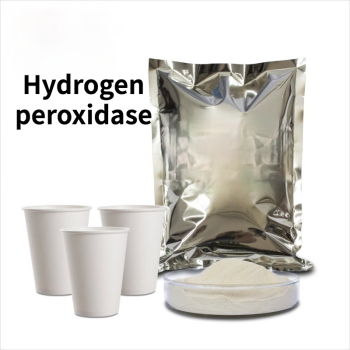
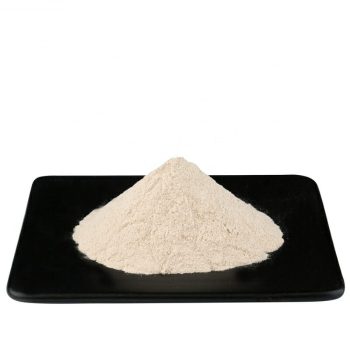
Top picks: High Purity Catalase Powder 200,000u/g | Supplement Food Grade Catalase Powder 100,000 U/g
Proč zdroj katalázy od společnosti enzymes.bio?
Nízké MOQ od 1 kg
Flexibilní množství objednávek od vzorků pro výzkum a vývoj až po celé výrobní série. Rozšiřujte, jakmile budete připraveni.
Přípravky na zakázku
Náš technický tým připravuje enzymové přípravky na míru podle vašich přesných specifikací.
Globální přeprava
Plnění služeb DHL, FedEx a USPS do více než 180 zemí s úplným sledováním. K dispozici je i přeprava za studena.
Technická podpora
Pokyny pro aplikaci od našich specialistů na enzymy týkající se dávkování, stability a složení.