
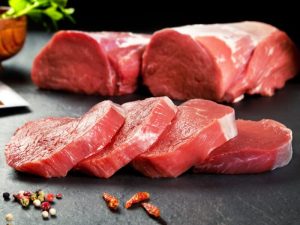
Các enzyme chế biến thịt như protease có thể được sử dụng để làm mềm các sản phẩm thịt và thêm hương vị cho các sản phẩm thịt, v.v. Nó đã được sử dụng rộng rãi trong chế biến thịt. Enzyme protease của các sản phẩm thịt sẽ gây ra phản ứng liên kết chéo bên trong của protein và tạo ra các nhóm hóa học đặc biệt, làm thay đổi hương vị của các sản phẩm thịt. Cấu trúc bên trong của protein, làm thay đổi các tính chất hóa học của protein trong các sản phẩm thịt, do đó làm thay đổi độ hòa tan trong nước, độ ngậm nước và nhũ tương của chúng. Điều này cải thiện chất lượng của các sản phẩm thịt thông qua các tính chất chức năng của nó như các tính chất.
Sản phẩm chế biến thịt Enzym
Các loại enzyme phổ biến nhất trong ngành công nghiệp thịt là Bromelain Và Đu đủ.
-
Doanh thu!
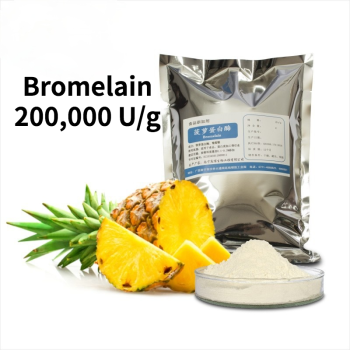 Bromelain
Enzyme Bromelain 200.000 U/g Enzyme cấp thực phẩm 400GDU
Giá gốc là: $129.00.$119.99Giá hiện tại là: $119.99. Mua -
Doanh thu!
 Bromelain
Bột Enzyme Bromelain Tự Nhiên Nguyên Chất Hoạt Động Enzym 200000u/g Số Lượng Lớn
Giá gốc là: $136.00.$122.99Giá hiện tại là: $122.99. Mua -
Doanh thu!
 Bromelain
Bột Enzyme Bromelain Tự Nhiên Nguyên Chất Hoạt Động Enzym 400000u/g Số Lượng Lớn
Giá gốc là: $188.88.$169.99Giá hiện tại là: $169.99. Mua -
Doanh thu!
 Bromelain
Bột Enzyme Bromelain Số lượng lớn >=100.000u/g CAS 37189-34-7
Giá gốc là: $88.88.$79.99Giá hiện tại là: $79.99. Mua
-
Doanh thu!
 Đu đủ
Đu đủPapain 200.000 U/g Enzym sinh học cấp thực phẩm
Giá gốc là: $110.00.$98.99Giá hiện tại là: $98.99. Mua -
Doanh thu!
 Enzym thực phẩm
Bột Enzyme Papain 500.000u/g
Giá gốc là: $213.00.$191.99Giá hiện tại là: $191.99. Mua -
Doanh thu!
 Đu đủ
Đu đủPapain 1 Triệu U/g Bán Trực Tiếp Tại Nhà Máy Protease Sinh Học Cấp Thực Phẩm
Giá gốc là: $277.77.$249.99Giá hiện tại là: $249.99. Mua -
Doanh thu!
 Đu đủ
Đu đủBột Enzyme Papain Tự Nhiên Nguyên Chất Hoạt Động Enzym 650000u/g Số Lượng Lớn
Giá gốc là: $223.33.$200.99Giá hiện tại là: $200.99. Mua
Thịt đóng vai trò quan trọng trong cuộc sống hàng ngày của chúng ta, hầu như bữa ăn nào cũng không thể thiếu thịt. Với mức sống được cải thiện, con người không còn chỉ thỏa mãn với giai đoạn ăn uống đơn thuần nữa mà nhu cầu của con người về hương vị, chất lượng, dinh dưỡng và các yêu cầu khác đối với các sản phẩm thịt đã được nâng cao. Hiện nay, ngành chế biến thịt không ngừng cải cách và nâng cấp công nghệ, khiến ngành phát triển theo hướng chất lượng cao và trình độ cao.
Công nghệ enzyme ứng dụng trong lĩnh vực chế biến thịt có đặc tính xanh, an toàn, hiệu quả cao, có ích cho việc nâng cao chất lượng và hiệu quả của ngành chế biến thịt. Chất lượng sản phẩm và cải tiến kỹ thuật có ý nghĩa to lớn.
Trước tiên, chúng ta cần hiểu rằng chất làm mềm thịt hoạt động bằng cách phân hủy protein thành các phần dễ tiêu hóa hơn. Quá trình này được hoàn thành bởi các enzyme tác động lên một hoặc nhiều trong số 6 loại axit amin có trong thịt. Enzyme có độ đặc hiệu thấp (như papain) phân hủy protein với rất ít chất thay thế axit amin đặc hiệu (tức là hầu hết các protein: nước tương, casein, v.v.). Enzyme tác động lên một số lượng nhỏ axit amin (axit glutamic và glutathione) có xu hướng làm cho protein có khả năng kháng tiêu hóa cao bởi các enzyme tác động lên nhiều loại axit amin (như papain). Trên thực tế, có bằng chứng cho thấy protease thực vật có thể thay thế một số protease động vật trong ruột người và gây ra phản ứng dị ứng nghiêm trọng ở người.
Tăng cường độ mềm của các sản phẩm thịt
Chất lượng của thịt phụ thuộc phần lớn vào kết cấu của nó. Độ mềm, là một trong những chỉ số quan trọng của chất lượng thịt, đã trở thành một yếu tố quan trọng để người tiêu dùng đánh giá chất lượng và độ ngon miệng của các sản phẩm thịt.
Thịt giàu protein dạng xơ làm cho các liên kết cấu trúc trong thịt chặt hơn và làm cho thịt ít mềm hơn. Hoạt động của protease có thể phá vỡ các đơn vị chất xơ trong thịt, khiến các sợi cơ bị phân hủy, khiến thịt nhão và tăng độ mềm của thịt.
Cải thiện hương vị của các sản phẩm thịt
Việc sử dụng protease có thể khiến các sản phẩm thịt sản xuất ra các axit amin tự do và các tiền chất hoặc chất trung gian khác ảnh hưởng đến hương vị của sản phẩm thịt, từ đó có thể đẩy nhanh quá trình sản xuất hương vị và cải thiện hương vị của sản phẩm thịt.
Tăng giá trị cho các sản phẩm phụ từ thịt
Quá trình chế biến các sản phẩm từ thịt thường tạo ra một lượng lớn sản phẩm phụ hoặc phế liệu, và các Enzym chế biến thịt như protease có thể chuyển đổi protein thải thành protein cô đặc để con người tiêu thụ hoặc làm thức ăn chăn nuôi chẳng hạn.
Ứng dụng của Enzyme chế biến thịt
- Hai ứng dụng khác nhau
· Làm mềm thịt quá cứng
· Tái cơ cấu thịt tươi giá trị thấp - Trong ngành công nghiệp thịt, người ta chủ yếu sử dụng enzyme phân hủy protein.
- Các Enzym chế biến thịt liên kết ngang, chẳng hạn như transglutaminase, được sử dụng làm chất tăng cường kết cấu.
- Kỹ thuật kết cấu sử dụng enzyme oxy hóa và thiết kế hương vị sử dụng lipase, glutaminase, protease và peptidase là những ví dụ về công nghệ enzyme mới trong lĩnh vực thực phẩm.
Enzym chế biến thịt và chức năng
- Protease (Papain, Bromelain và Ficin) đóng vai trò quan trọng trong việc làm mềm – protease được sử dụng để làm sạch xương và tạo hương vị.
- Lipase có thể được sử dụng để tạo hương vị cho xúc xích.
- Transglutaminase có thể được sử dụng trong xây dựng để điều chỉnh các đặc tính cấu trúc của nhiều sản phẩm thịt chế biến và đun nóng.
- Người ta đã báo cáo rằng các chất oxy hóa khử, bao gồm tyrosinase và laccase, liên kết chéo với protein thịt.
- L-glutaminase (l-glutaminamine aminhydrolase) đóng vai trò quan trọng trong việc hình thành hương vị.
Làm mềm thịt bằng enzyme chế biến thịt
- Kết cấu và độ mềm là những đặc điểm quan trọng nhất của các sản phẩm thịt.
- Các loại enzyme chế biến thịt được sử dụng để làm mềm thịt là các enzyme thực vật như papain, bromelain và ficin.
- Nếu thời gian chín của các loại thịt chất lượng cao được rút ngắn
· Tác dụng chính của quá trình thủy phân protein phải liên quan đến protein sợi cơ.
Nếu cải thiện độ mềm của các loại thịt cắt miếng chất lượng thấp hoặc thịt mô liên kết - Trong hầu hết các trường hợp, collagen sẽ là mục tiêu của quá trình phân giải protein.
Protease thực vật, chủ yếu được dùng để làm mềm thịt, có tác dụng tích cực hơn lên các protein thịt khác so với collagen. - Sự mềm hóa của mô liên kết giàu collagen dẫn đến quá trình thủy phân mạnh các protein không phải collagen.
- Kết quả là thịt quá mềm (mềm)
· Làm mềm các miếng thịt có hàm lượng mô liên kết cao - Nên sử dụng một loại enzyme có hoạt tính mạnh đối với mô liên kết nhưng hoạt tính hạn chế đối với protein sợi cơ.
Tạo hương vị bằng Enzym trong các sản phẩm thịt
- Hương vị của thịt sống khá nhạt nhẽo.
Nó chứa các thành phần không bay hơi, là tiền chất thiết yếu tạo nên hương vị. - Phản ứng enzym quan trọng nhất ảnh hưởng đến hương vị của thịt hoặc sự hình thành các tiền chất tạo hương vị là phản ứng phân giải protein và phân giải lipid.
Sự phân giải protein và phân giải lipid trong quá trình phát triển hương vị thịt
- Quá trình phân giải protein diễn ra trong quá trình trưởng thành.
Quá trình này chủ yếu được xúc tác bởi các enzyme của cơ thể, chẳng hạn như cathepsin và peptidase giống trypsin cũng như protease. - Glutaminase đóng vai trò quan trọng trong quá trình sản xuất xúc xích.
“Liên quan đến quá trình khử amid của glutamine, tạo ra amoniac và vị umami. - Umami có thể được mô tả là vị cay nồng hoặc vị giống nước dùng có khả năng làm tăng hương vị khác.
- Quá trình phân giải mỡ có liên quan đến việc hình thành mùi thơm của xúc xích lên men.
- Phospholipase và lipase thủy phân phospholipid và triacylglycerol để tạo thành axit béo tự do.
- Các axit béo không bão hòa sau đó được oxy hóa thành các hợp chất thơm dễ bay hơi.
· Chúng dẫn đến sự hình thành các hydrocacbon mạch thẳng, rượu, anđehit và xeton.
· Rượu phản ứng với axit béo tự do để tạo thành một số este.
Kỹ thuật cấu trúc bằng enzyme liên kết chéo
- Tính chất chức năng của protein thịt có thể được thay đổi bằng các enzyme liên kết chéo.
- Các enzyme này được sử dụng để liên kết các miếng thịt tươi và điều chỉnh các đặc tính cấu trúc của nhiều sản phẩm thịt chế biến khác nhau.
- Protein mục tiêu chính trong thịt đối với các enzyme liên kết chéo là protein myosin dạng sợi cơ.
- Các enzyme liên kết chéo thường có khả năng tạo gel và do đó ảnh hưởng đến kết cấu của gel thịt.
- Transglutaminase là enzyme liên kết ngang quan trọng nhất được sử dụng trong công nghiệp để biến đổi protein thịt.
Tái cấu trúc thịt chưa được làm nóng
Theo truyền thống, muối và photphat với xử lý nhiệt được sử dụng để liên kết các miếng thịt lại với nhau. Các sản phẩm thịt chưa qua xử lý thường được đông lạnh để cải thiện độ liên kết. Người tiêu dùng ngày nay yêu cầu thịt tươi, chưa đông lạnh và hàm lượng muối thấp hơn. Transglutaminase được phát hiện có thể cải thiện độ cứng của gel protein thịt tái cấu trúc, có hoặc không có thêm muối và photphat.
Hệ thống chế biến thịt
- Tác dụng của transglutaminase đã được sử dụng để
· hệ thống protein thịt cô lập và các sản phẩm thịt mô hình, nhằm mục đích cải thiện đặc tính kết cấu - Sự hình thành các liên kết cộng hóa trị bổ sung trong cấu trúc protein của thịt do transglutaminase xúc tác dẫn đến cấu trúc gel cứng hơn.